
OCEAN CRUISE PORTS
Find Your Next Ocean Cruise Port
Browse practical port guides by region, then get the details that make a day ashore easier: terminals, transportation, walkability, hotels, maps, and worthwhile things to do.
Plan by Region
Start with where you are sailing, then narrow things down by country, island, or individual port.
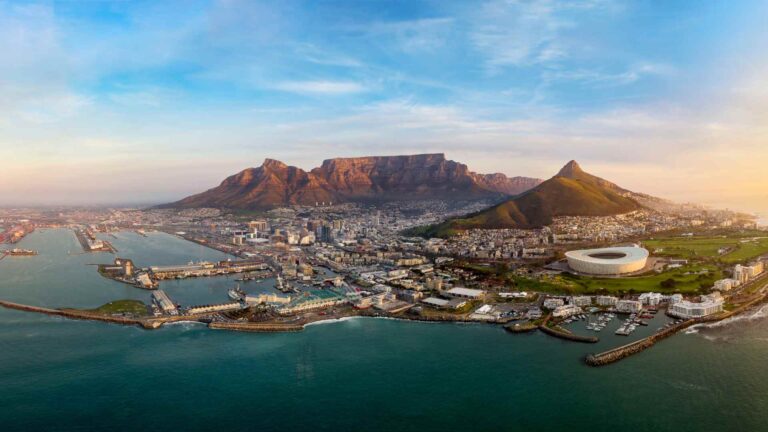
Africa
North Africa, Southern Africa, Atlantic islands, Indian Ocean islands, and Red Sea ports.

Americas
Alaska, Canada, New England, Mexico, South America, and ports across the continental United States.
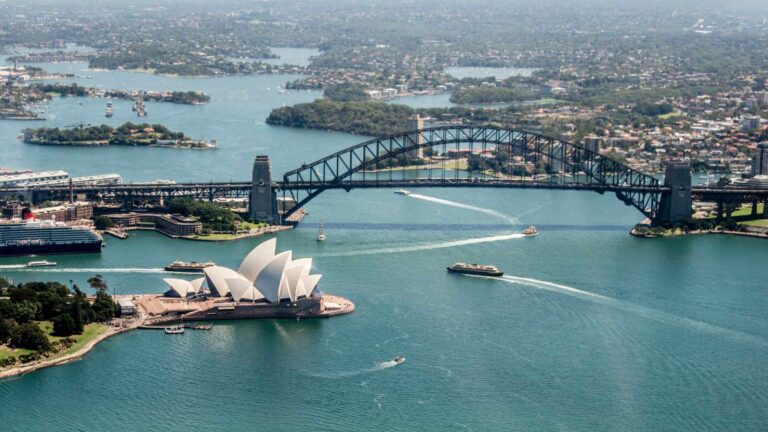
Asia Pacific
Japan, Southeast Asia, Australia, New Zealand, the South Pacific, and Indian Ocean ports.
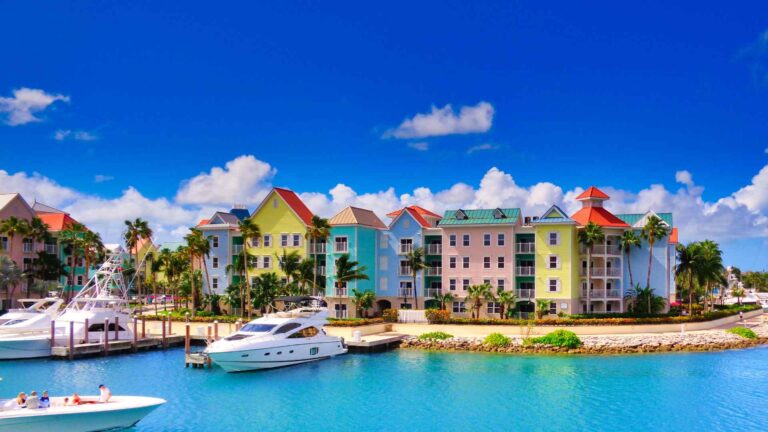
Caribbean
Island ports, beaches, tender details, transportation, and easy ways to plan your time ashore.
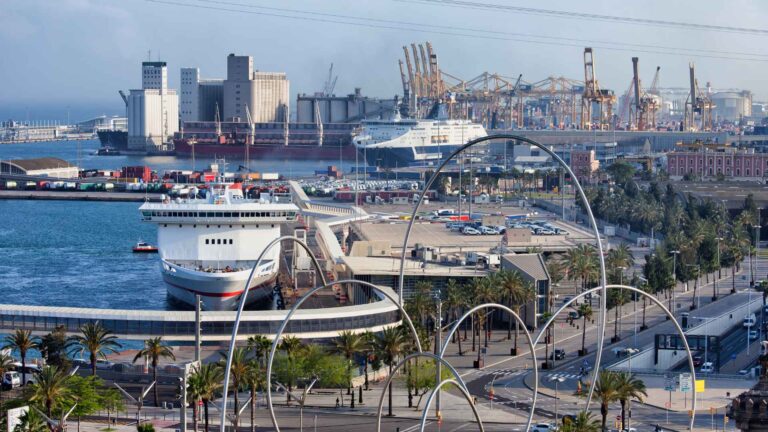
Europe
Mediterranean favorites, Northern Europe, the British Isles, the Baltic, and Atlantic islands.
Not Sure Where to Start?
Search for a port, country, island, or landmark and head straight to the guide you need.
How a Port Day Actually Works
Almost everything that makes a day ashore good or stressful is decided before you step off the ship. Where you dock, how far that is from anything you want to see, and how long the return journey takes at the worst possible moment. Those three things matter more than the shore excursion you pick.
The first question is always whether you are docking or tendering. A docked ship puts you on a pier and you walk off when you like. A tendered ship anchors offshore and ferries you in by small boat, which adds a line at both ends and can be canceled outright if the swell picks up. Tender ports are not worse, but they are less forgiving of a tight plan, and they are the ports where booking your own excursion carries the most risk.
The second is distance. Cruise terminals are often named after a city they are not really in. Rome means Civitavecchia, an hour and a half away by train. Florence means Livorno. Beijing means Tianjin. The gap between the port name on your itinerary and the place you pictured is the single most common planning mistake, and it is the first thing every guide here spells out.
The third is the all-aboard time, which is usually thirty minutes to an hour before the ship sails and is not negotiable. If you are on a ship-organized tour and the tour runs late, the ship waits. If you are independent, it does not.
What Changes by Region
The same ship in two different parts of the world produces two completely different kinds of day, and the planning that works in one place will let you down in another.
The Caribbean
Short calls, warm water, and a lot of ports where the terminal is a shopping complex you have to walk through to reach the real place. Several islands tender rather than dock. The main planning question is usually which beach, and how much of your day the transfer to it will eat. Taxis are often shared and priced per person by zone rather than metered, so agree the fare before you get in.
The Mediterranean
Long days, big cities, and the widest gap between port and headline attraction of anywhere you will sail. This is where public transportation genuinely competes with an organized excursion, and where the return train timetable deserves more of your attention than the sight itself. Summer heat and cruise-day crowding are real constraints, not footnotes.
Alaska
Compact, walkable towns where the port is the town, and the interesting decisions are about weather and wildlife rather than logistics. Several of the smaller calls tender. Independent planning works well here because distances are short, but the season is narrow and the weather rearranges plans without warning.
Northern Europe and the Baltic
Excellent public transportation, long summer daylight, and cities that reward walking. Ports vary enormously in how close they sit to the center, from a five-minute stroll to a mandatory shuttle through an industrial area. Check which one you have before you decide whether to book anything.
Asia Pacific
Superb rail in Japan, long transfers almost everywhere else, and the region where entry rules most often need checking in advance. Terminal-to-city distances are frequently large. Where a train exists it is usually the right answer, and where it does not, budget more time than the map suggests.
Five Things Worth Checking Before Any Port Day
- The actual terminal name. Large ports have several, and they are not always walking distance from each other. Your cruise documents have the specific one; the itinerary usually does not.
- Dock or tender. This can change between sailings at the same port, and it changes how much time you actually have ashore.
- All-aboard time, not departure time. They are different, and the gap is where people get caught out.
- How you get back if the plan fails. A taxi stand, a train every twenty minutes, a phone number. Knowing the fallback is what lets you relax into the day.
- What is closed. Museums have closing days, and some of the best small sights close for lunch. A cruise call that lands on the wrong day of the week is a planning problem, not bad luck.
Frequently Asked Questions
Is it safe to plan a port day independently?
In most ports, yes, and it is usually cheaper and less rushed. The real difference is not safety but the return guarantee: a ship-organized tour is the ship’s responsibility to get back on time, and an independent plan is yours. That trade is worth making in a walkable European city and worth thinking harder about at a tender port, on a long transfer, or anywhere the last return connection is hours before all-aboard.
How much time do I really have ashore?
Take the scheduled hours, subtract the time to clear the ship at the start, subtract the all-aboard buffer at the end, and subtract the transfer each way. A nine-hour call twenty minutes from the center is closer to six usable hours. At a tender port, take another hour off.
Do I need cash in port?
Less than you used to, but not none. Cards work in most terminals and city centers. Small amounts of local currency still help for taxis, tender-side kiosks, market stalls, public restrooms, and the small operators who quietly prefer it. Terminal exchange rates are consistently poor.
What happens if the ship skips a port?
Cruise lines can and do change or cancel calls for weather, sea state, mechanical issues, or berth availability, and the contract you agreed to when booking generally allows it. Ship-booked excursions are refunded. Independently booked tours may not be, which is the practical argument for choosing operators with free cancellation on any port where conditions are a genuine risk.
Every Ocean Port Guide, A to Z
Every ocean cruise port guide on the site, grouped by region and sorted alphabetically. Start typing to filter, or open a region to browse.
Europe260
- A Coruña Cruise Port
- Aalborg Cruise Port
- Aarhus Cruise Port
- Aberdeen Cruise Port
- Aeroskobing Cruise Port
- Agios Nikolaos Cruise Port
- Ajaccio Cruise Port
- Åkrafjorden Cruise Port
- Akureyri Cruise Port
- Alanya Cruise Port
- Alcúdia Cruise Port
- Ålesund Cruise Port
- Alghero Cruise Port
- Alicante Cruise Port
- Almería Cruise Port
- Alta Cruise Port
- Amalfi Cruise Port
- Amasra Cruise Port
- Amorgos Cruise Port
- Amsterdam Cruise Port
- Amsterdamøya Cruise Port
- Ancona Cruise Port
- Åndalsnes Cruise Port
- Andros Cruise Port
- Antalya Cruise Port
- Antibes Cruise Port
- Antwerp Cruise Port
- Anzac Cove Cruise Port
- Arendal Cruise Port
- Argostoli Cruise Port
- Arkhangelsk Cruise Port
- Arles Cruise Port
- Arnhem Cruise Port
- Arrecife Cruise Port
- Astrakhan Cruise Port
- Augusta Bay Cruise Port
- Avignon Cruise Port
- Avilés Cruise Port
- Ayerfjord Cruise Port
- Ayia Napa Cruise Port
- Ayr Cruise Port
- Azores Cruise Port (Ponta Delgada)
- Bar Cruise Port
- Barcelona Cruise Port
- Bari Cruise Port
- Bastia Cruise Port
- Belfast Cruise Port
- Belgium Cruise Ports
- Bergen Cruise Port
- Berlevåg Cruise Port
- Bilbao Cruise Port
- Bodø Cruise Port
- Bodrum Cruise Port
- Bordeaux Cruise Port
- Bremerhaven Cruise Port
- Brest Cruise Port
- Brindisi Cruise Port
- Cadiz Cruise Port
- Cagliari Cruise Port
- Cannes Cruise Port
- Capri Cruise Port
- Cartagena, Spain Cruise Port
- Catania Cruise Port
- Çeşme Cruise Port
- Chania Cruise Port (Souda)
- Cherbourg Cruise Port
- Civitavecchia Cruise Port (Rome)
- Cobh (Cork) Cruise Port
- Copenhagen Cruise Port
- Corfu Cruise Port
- Croatia Cruise Ports
- Cruise Ports in Europe
- Cyprus Cruise Ports
- Denmark Cruise Ports
- Dikili Cruise Port
- Djúpivogur Cruise Port
- Douglas Isle of Man Cruise Port
- Dover Cruise Port
- Dublin Cruise Port
- Dubrovnik Cruise Port
- Edinburgh Cruise Port
- Eidfjord Cruise Port
- European Cruise Ports
- Falmouth Cornwall Cruise Port
- Faroe Islands Cruise Ports
- Fethiye Cruise Port
- Finnsnes Cruise Port
- Flåm Cruise Port
- France Cruise Ports
- Funchal (Madeira) Cruise Port
- Galway Cruise Port
- Gdynia (Gdańsk) Cruise Port
- Geiranger Cruise Port
- Genoa Cruise Port
- Germany Cruise Ports
- Giardini Naxos Cruise Port
- Gibraltar Cruise Port
- Gijón Cruise Port
- Gothenburg Cruise Port
- Greek Cruise Ports
- Greenock (Glasgow) Cruise Port
- Grundarfjörður Cruise Port
- Gythion Cruise Port
- Hamburg Cruise Port
- Hammerfest Cruise Port
- Harstad Cruise Port
- Harwich Cruise Port
- Haugesund Cruise Port
- Havøysund Cruise Port
- Heimaey Cruise Port
- Helsinki Cruise Port
- Heraklion Cruise Port
- Holyhead Cruise Port
- Honningsvåg Cruise Port
- Husavik Cruise Port
- Hvar Cruise Port
- Ibiza Cruise Port
- Iceland Cruise Ports
- Invergordon Cruise Port
- Ireland Cruise Ports
- Isafjordur Cruise Port
- Istanbul Cruise Port (Galataport)
- Italy Cruise Ports
- Itea Cruise Port (Delphi)
- Izmir Cruise Port
- Katakolon Cruise Port
- Kavala Cruise Port
- Kiel Cruise Port
- Kirkwall Cruise Port
- Kjøllefjord Cruise Port
- Klaipėda Cruise Port
- Klaksvík Cruise Port
- Koper Cruise Port
- Korčula Cruise Port
- Kos Cruise Port
- Kotor Cruise Port
- Kristiansand Cruise Port
- Kristiansund Cruise Port
- Kusadasi Cruise Port
- La Rochelle Cruise Port
- La Spezia Cruise Port
- Larnaca Cruise Port
- Las Palmas Cruise Port
- Lavrion Cruise Port
- Le Havre Cruise Port
- Leixões Cruise Port (Porto)
- Lerwick Cruise Port
- Limassol Cruise Port
- Lipari Cruise Port
- Lisbon Cruise Port
- Liverpool Cruise Port
- Livorno Cruise Port
- Livorno to Florence
- Lofoten Cruise Port
- Longyearbyen Cruise Port
- Lower Danube Cruise Ports
- Mahón Menorca Cruise Port
- Málaga Cruise Port
- Marmaris Cruise Port
- Marseille Cruise Port
- Mediterranean Cruise Ports
- Mehamn Cruise Port
- Messina Cruise Port
- Milos Cruise Port
- Molde Cruise Port
- Monemvasia Cruise Port
- Monte Carlo Cruise Port
- Motril Cruise Port (Granada)
- Mykonos Cruise Port
- Nafplio Cruise Port
- Naples Cruise Port
- Narvik Cruise Port
- Naxos Cruise Port
- Netherlands Cruise Ports
- Newcastle upon Tyne Cruise Port
- Nice Cruise Port (Villefranche)
- Nordfjordeid Cruise Port
- Norway Cruise Ports
- Ny-Ålesund Cruise Port
- Oban Cruise Port
- Olbia Cruise Port
- Olden Cruise Port
- Ørnes Cruise Port
- Oslo Cruise Port
- Palamós Cruise Port
- Palermo Cruise Port
- Palma de Mallorca Cruise Port
- Paros Cruise Port
- Patmos Cruise Port
- Piraeus Cruise Port (Athens)
- Portimão Cruise Port
- Portland, Dorset Cruise Port
- Portoferraio Cruise Port
- Portofino Cruise Port
- Portree Cruise Port (Skye)
- Portsmouth, UK Cruise Port
- Portugal Cruise Ports
- Puerto del Rosario Cruise Port
- Pula Cruise Port
- Ravenna Cruise Port
- Reykjavik Cruise Port
- Rhodes Cruise Port
- Riga Cruise Port
- Rijeka Cruise Port
- Ronne Cruise Port (Bornholm)
- Rørvik Cruise Port
- Rotterdam Cruise Port
- Rouen Cruise Port
- Rovinj Cruise Port
- Russia Cruise Ports
- Saint-Malo Cruise Port
- Salerno Cruise Port
- San Sebastián de la Gomera Cruise Port
- Santa Cruz de la Palma Cruise Port
- Santa Cruz de Tenerife Cruise Port
- Santander Cruise Port
- Santorini Cruise Port
- Sarande Cruise Port
- Savona Cruise Port
- Sete Cruise Port
- Seyðisfjörður Cruise Port
- Šibenik Cruise Port
- Skagen Cruise Port
- Skiathos Cruise Port
- Skjolden Cruise Port
- Sorrento Cruise Port
- Southampton Cruise Port
- Spain Cruise Ports
- Split Cruise Port
- St. Peter Port Cruise Port
- Stavanger Cruise Port
- Stockholm Cruise Port
- Stornoway Cruise Port
- Svalbard Cruise Ports
- Sweden Cruise Ports
- Syros Cruise Port
- Tallinn Cruise Port
- Tarragona Cruise Port
- Thessaloniki Cruise Port
- Tilbury Cruise Port (London)
- Tórshavn Cruise Port
- Toulon Cruise Port
- Trapani Cruise Port
- Trieste Cruise Port
- Tromsø Cruise Port
- Trondheim Cruise Port
- Turkey Cruise Ports
- UK Cruise Ports
- Valencia Cruise Port
- Valletta Cruise Port
- Venice Cruise Port
- Vigo Cruise Port
- Vikøyri Cruise Port
- Villefranche-sur-Mer Cruise Port
- Visby Cruise Port
- Volos Cruise Port
- Warnemünde (Rostock) Cruise Port
- Waterford Cruise Port
- Zadar Cruise Port
- Zeebrugge Cruise Port
Americas207
- Acajutla Cruise Port
- Acapulco Cruise Port
- Akpatok Island Cruise Port
- Alaska Cruise Ports
- Alert Bay Cruise Port
- Alter do Chão Cruise Port
- Amalia Glacier Passage
- Amazon Cruise Ports
- Amelia Island Cruise Port
- Anacortes Cruise Port
- Anchorage Cruise Port
- Ancud Cruise Port
- Angra dos Reis Cruise Port
- Antofagasta Cruise Port
- Argentina Cruise Ports
- Arica Cruise Port
- Arraial do Cabo Cruise Port
- Astoria Cruise Port (Oregon)
- Avalon Catalina Island Cruise Port
- Baffin Island Cruise Port
- Baie-Comeau Cruise Port
- Baltimore Cruise Port
- Bangor Cruise Port
- Bar Harbor Cruise Port
- Beaufort, NC Cruise Port
- Belem Cruise Port
- Belize City Cruise Port
- Belize Cruise Ports
- Bermuda Cruise Port
- Bocas del Toro Cruise Port
- Boston Cruise Port
- Brazil Cruise Ports
- Bremerton Cruise Port
- Buenos Aires Cruise Port
- Buzios Cruise Port
- Cabo San Lucas Cruise Port
- California Cruise Ports
- Callao Cruise Port (Lima)
- Cambridge Bay Cruise Port
- Canada Cruise Ports
- Cape Breton Cruise Port
- Cape Liberty Cruise Port (Bayonne)
- Cartagena Cruise Port (Colombia)
- Castro, Chiloé Island Cruise Port
- Charleston Cruise Port
- Charlottetown Cruise Port
- Chile Cruise Ports
- Churchill Cruise Port
- Colombia Cruise Ports
- Colón Cruise Port
- Coquimbo Cruise Port
- Corner Brook Cruise Port
- Costa Maya Cruise Port
- Costa Rica Cruise Ports
- Cozumel Cruise Port
- Devil’s Island Cruise Port
- Dutch Harbor (Unalaska) Cruise Port
- East Coast Cruise Ports
- Easter Island Cruise Port
- Ecuador Cruise Ports
- Ensenada Cruise Port
- Florida Cruise Ports
- Fort Lauderdale Cruise Port (Port Everglades)
- Fortaleza Cruise Port
- Friday Harbor Cruise Port
- Fuerte Amador Cruise Port
- Galapagos Cruise Ports
- Galveston Cruise Port
- Gaspé Cruise Port
- Glacier Bay Scenic Cruising
- Great Lakes Cruise Ports
- Greenland Cruise Gateways
- Greenland Cruise Ports
- Guayaquil Cruise Port
- Gulfport Cruise Port
- Haines Cruise Port
- Halifax Cruise Port
- Harvest Caye Cruise Port
- Hawaii Cruise Ports
- Hilo (Big Island) Cruise Port
- Hilton Head Island Cruise Port
- Homer Cruise Port
- Honduras Cruise Ports
- Honolulu Cruise Port
- Huatulco Cruise Port
- Hubbard Glacier Scenic Cruising
- Icy Strait Point Cruise Port
- Îles-de-la-Madeleine Cruise Port
- Ilha Grande Cruise Port
- Ilhabela Cruise Port
- Ilulissat Cruise Port
- Iquique Cruise Port
- Itajai Cruise Port
- Jacksonville Cruise Port (JAXPORT)
- Jekyll Island Cruise Port
- Juneau Cruise Port
- Kahului (Maui) Cruise Port
- Kailua-Kona Cruise Port
- Kangerlussuaq Cruise Port
- Kaunakakai Cruise Port (Molokai)
- Ketchikan Cruise Port
- Key West Cruise Port
- Kingston Cruise Port (Ontario)
- Klawock Cruise Port
- Kodiak Cruise Port
- La Paz Cruise Port (Pichilingue)
- Long Beach Cruise Port
- Loreto Cruise Port
- Los Angeles Cruise Port
- Los Angeles Cruise Ports Compared
- Lovango Cay Cruise Port
- Maceió Brazil Cruise Port
- Mahogany Bay Cruise Port
- Manaus Cruise Port
- Manta Cruise Port
- Manzanillo Cruise Port
- Martha’s Vineyard Cruise Port
- Mazatlán Cruise Port
- Metlakatla Cruise Port
- Mexico Cruise Ports
- Miami Cruise Port (PortMiami)
- Milwaukee Cruise Port
- Mobile Cruise Port
- Montevideo Cruise Port
- Montreal Cruise Port
- Nanaimo Cruise Port
- Nantucket Cruise Port
- Nawiliwili Cruise Port (Kauai)
- New Orleans Cruise Port
- New York Cruise Port
- Newport Rhode Island Cruise Port
- Nome Alaska Cruise Port
- Norfolk Cruise Port
- Northwest Passage Cruise Ports
- Nuuk Cruise Port
- Palm Beach Cruise Port
- Panama Cruise Ports
- Perfect Day Mexico Cruise Port
- Peru Cruise Ports
- Petersburg Alaska Cruise Port
- Philadelphia Cruise Port
- Pisco Cruise Port
- Placencia Cruise Port (Belize)
- Pond Inlet Cruise Port
- Port Angeles Cruise Port
- Port Canaveral Cruise Port
- Port Townsend Cruise Port
- Portland Cruise Port (Oregon)
- Portland Maine Cruise Port
- Prince Rupert Cruise Port
- Progreso Cruise Port
- Providence Rhode Island Cruise Port
- Provincetown Cruise Port
- Puerto Chacabuco Cruise Port
- Puerto Chiapas Cruise Port
- Puerto Limón Cruise Port
- Puerto Madryn Cruise Port
- Puerto Montt Cruise Port
- Puerto Quetzal Cruise Port
- Puerto Vallarta Cruise Port
- Punta Arenas Cruise Port
- Punta del Este Cruise Port
- Puntarenas Cruise Port
- Qaqortoq Cruise Port
- Quebec City Cruise Port
- Recife Brazil Cruise Port
- Rio de Janeiro Cruise Port
- Roatán Cruise Port
- Rockland Maine Cruise Port
- Saguenay Cruise Port
- Saint John Cruise Port (Bay of Fundy)
- Salaverry Cruise Port
- Salvador de Bahia Cruise Port
- San Antonio Cruise Port (Chile)
- San Diego Cruise Port
- San Francisco Cruise Port
- Santa Cruz Island Cruise Port (Galapagos)
- Santa Marta Cruise Port
- Santarém Cruise Port
- Santos Cruise Port
- Savannah Cruise Port
- Seattle Cruise Port
- Sept-Îles Cruise Port
- Seward Cruise Port
- Sisimiut Cruise Port
- Sitka Cruise Port
- Skagway Cruise Port
- South America Cruise Ports
- St. John’s Cruise Port
- St. Simons Island Cruise Port
- Stanley Cruise Port (Falklands)
- Tacoma Cruise Port
- Tampa Cruise Port
- Tasiilaq Cruise Port
- Toronto Cruise Port
- Tracy Arm Scenic Cruising
- United States Cruise Ports
- Uruguay Cruise Ports
- Ushuaia Cruise Port
- Valdez Cruise Port
- Valparaiso Cruise Port
- Vancouver Cruise Port
- Victoria Cruise Port
- West Coast Cruise Ports
- Whittier Cruise Port
- Wrangell Cruise Port
- Zihuatanejo (Ixtapa) Cruise Port
Caribbean72
- Amber Cove Cruise Port
- Anegada Cruise Port
- Antigua Cruise Port
- Aruba Cruise Port
- Bahamas Cruise Ports
- Barbados Cruise Port (Bridgetown)
- Bequia Cruise Port
- Bimini Cruise Port
- Bonaire Cruise Port (Kralendijk)
- British Virgin Islands Cruise Ports
- Cabrits Cruise Port (Dominica)
- Caribbean Cruise Ports by Region
- Castaway Cay Cruise Port
- Catalina Island Cruise Port (DR)
- Celebration Key Cruise Port
- Cruz Bay Cruise Port (St. John)
- Curaçao Cruise Port
- Dominica Cruise Ports
- Dominican Republic Cruise Ports
- Falmouth Cruise Port (Jamaica)
- Fort-de-France Cruise Port
- Frederiksted Cruise Port (St. Croix)
- Freeport Cruise Port (Grand Bahama)
- Grand Cayman Cruise Port
- Grand Turk Cruise Port
- Great Stirrup Cay Cruise Port
- Grenada Cruise Port
- Guadeloupe Cruise Ports
- Gustavia Cruise Port (St. Barth)
- Half Moon Cay Cruise Port
- Jamaica Cruise Ports
- Jost Van Dyke Cruise Port
- Kingstown Cruise Port (St. Vincent)
- La Romana Cruise Port
- Labadee Haiti Cruise Port
- Les Saintes Cruise Port
- Little Bay Montserrat Cruise Port
- Lookout Cay Cruise Port
- Marigot Cruise Port (St. Martin)
- Martinique Cruise Ports
- Mayreau Cruise Port
- Montego Bay Cruise Port
- Nassau Cruise Port
- Nevis Cruise Port (Charlestown)
- Norman Island Cruise Port
- Ocean Cay MSC Marine Reserve
- Ocho Rios Cruise Port
- Perfect Day at CocoCay
- Pointe-à-Pitre Cruise Port
- Port Antonio Cruise Port
- Port of Spain Cruise Port
- Princess Cays
- Puerto Plata Cruise Port
- Road Bay Anguilla Cruise Port
- Roseau Cruise Port (Dominica)
- Saint Kitts and Nevis Cruise Ports
- Saint Vincent and the Grenadines Cruise Ports
- Saint-Pierre Martinique Cruise Port
- Samaná Cruise Port
- San Juan Cruise Port
- Santo Domingo Cruise Port
- Scarborough Tobago Cruise Port
- St Kitts Cruise Port (Port Zante)
- St. Lucia Cruise Port
- St. Maarten Cruise Port
- St. Thomas Cruise Port
- Tortola Cruise Port
- Trinidad and Tobago Cruise Ports
- U.S. Virgin Islands Cruise Ports
- Union Island Cruise Port
- Virgin Gorda Cruise Port
- Which Caribbean Ports Are Easy Without an Excursion?
Asia Pacific & Middle East195
- Abashiri Cruise Port
- Abu Dhabi Cruise Port
- Aburatsu Cruise Port
- Adelaide Cruise Port
- Airlie Beach Cruise Port
- Aitutaki Cruise Port
- Akaroa Cruise Port
- Akita Cruise Port
- Al Wajh Cruise Port
- Albany Cruise Port (WA)
- Alofi Cruise Port (Niue)
- Alotau Cruise Port
- Amami Cruise Port
- Ambon Cruise Port
- Aomori Cruise Port
- Apia Cruise Port (Samoa)
- Aqaba Cruise Port (Petra)
- Ashdod Cruise Port
- Atuona (Hiva Oa) Cruise Port
- Auckland Cruise Port
- Australia Cruise Ports
- Avarua Cruise Port (Rarotonga)
- Bay of Islands Cruise Port
- Benoa Cruise Port (Bali)
- Beppu Cruise Port
- Bora Bora Cruise Port
- Boracay Cruise Port
- Brisbane Cruise Port
- Broome Cruise Port
- Burnie Cruise Port
- Busan Cruise Port
- Busselton Cruise Port
- Cairns Cruise Port
- Cebu Cruise Port
- Champagne Bay Cruise Port
- Chan May Cruise Port
- Chennai Cruise Port
- China Cruise Ports
- Cochin Cruise Port (Kochi)
- Colombo Cruise Port
- Cook Islands Cruise Ports
- Da Nang Cruise Port
- Dalian Cruise Port
- Darwin Cruise Port
- Doha Cruise Port
- Doubtful Sound (Patea) Cruise
- Dravuni Island Cruise Port
- Dubai Cruise Port
- Dunedin Cruise Port (Port Chalmers)
- Eden Cruise Port
- Esperance Cruise Port
- Exmouth Cruise Port
- Fiji Cruise Ports
- Fiordland National Park Cruising
- Fremantle (Perth) Cruise Port
- Fremantle Cruise Port
- French Polynesia Cruise Ports
- Fukuoka Hakata Cruise Port
- Geelong Cruise Port
- Geraldton Cruise Port
- Gisborne Cruise Port
- Gladstone Cruise Port
- Guam Cruise Port
- Ha Long Bay Cruise Port
- Haifa Cruise Port
- Hakodate Cruise Port
- Hiroshima Cruise Port
- Hobart Cruise Port
- Hong Kong Cruise Port
- Honiara Cruise Port
- Huahine Cruise Port
- Hualien Cruise Port
- Incheon Cruise Port
- India Cruise Ports
- Indonesia Cruise Ports
- Ishigaki & Miyakojima Cruise Ports
- Isle of Pines Cruise Port
- Jakarta Cruise Port
- Japan Cruise Ports
- Jeju Island Cruise Port
- Kagoshima Cruise Port
- Kanazawa Cruise Port
- Kangaroo Island Cruise Port
- Kaohsiung Cruise Port
- Keelung Cruise Port (Taipei)
- Khasab Cruise Port
- Kimberley Cruise Ports
- Kiriwina Island Cruise Port
- Ko Samui Cruise Port
- Kobe Cruise Port
- Kochi Cruise Port (Shikoku)
- Komodo Island Cruise Port
- Koror Cruise Port (Palau)
- Kota Kinabalu Cruise Port
- Kuala Lumpur Cruise Port (Port Klang)
- Kushiro Cruise Port
- Laem Chabang Cruise Port (Bangkok)
- Langkawi Cruise Port
- Lautoka Cruise Port
- Levuka Cruise Port (Fiji)
- Lifou Cruise Port
- Lombok Lembar Cruise Port
- Luganville Cruise Port
- Lyttelton Cruise Port (Christchurch)
- Madang Cruise Port
- Maizuru & Niigata Cruise Ports
- Malaysia Cruise Ports
- Malé Maldives Cruise Port
- Manama Cruise Port (Bahrain)
- Manila Cruise Port
- Maré Cruise Port
- Melbourne Cruise Port (Station Pier)
- Milford Sound Cruise Port
- Moorea Cruise Port
- Moreton Island Cruise Port
- Mormugao Cruise Port (Goa)
- Mumbai Cruise Port
- Muroran Cruise Port
- Muscat Cruise Port
- Mystery Island Cruise Port
- Nagasaki Cruise Port
- Nagoya Cruise Port
- Naha Cruise Port (Okinawa)
- Napier Cruise Port
- Nelson Cruise Port
- New Caledonia Cruise Ports
- New Mangalore Cruise Port
- New Plymouth Cruise Port
- New Zealand Cruise Ports
- Newcastle NSW Cruise Port
- Nha Trang Cruise Port
- Norfolk Island & Christmas Island Cruise Ports
- Noumea Cruise Port
- Nuku Hiva Cruise Port
- Oban, Stewart Island Cruise Port
- Osaka Cruise Port
- Otaru Cruise Port
- Pago Pago Cruise Port
- Papeete Cruise Port (Tahiti)
- Papua New Guinea Cruise Ports
- Penang Cruise Port
- Pentecost Island Cruise Port
- Philippines Cruise Ports
- Phu My Cruise Port (Ho Chi Minh City)
- Phuket Cruise Port
- Picton Cruise Port
- Port Arthur Cruise Port
- Port Denarau Cruise Port (Nadi)
- Port Douglas Cruise Port
- Port Lincoln Cruise Port
- Port Vila Cruise Port
- Puerto Princesa Cruise Port
- Qingdao Cruise Port
- Rabaul Cruise Port
- Raiatea Cruise Port (Uturoa)
- Rangiroa Cruise Port
- Rarotonga Cruise Port
- Royal Beach Club Lelepa Cruise Port
- Sakaiminato Cruise Port
- Salalah Cruise Port
- Sanya Cruise Port
- Sasebo Cruise Port
- Savusavu Cruise Port
- Semarang Cruise Port
- Shanghai Cruise Port
- Shenzhen Cruise Port
- Shimizu Cruise Port
- Shimonoseki Cruise Port
- Sihanoukville Cruise Port
- Singapore Cruise Port
- Sir Bani Yas Cruise Port
- Sokcho Cruise Port
- South Korea Cruise Ports
- South Pacific Cruise Ports
- Suva Cruise Port
- Sydney Cruise Port
- Taha’a Cruise Port
- Taiwan Cruise Ports
- Takamatsu Cruise Port
- Tauranga Cruise Port
- Taveuni Cruise Port
- Thailand Cruise Ports
- Thursday Island Cruise Port
- Tianjin Cruise Port (Beijing)
- Timaru Cruise Port
- Tokyo Cruise Port
- Townsville Cruise Port
- United Arab Emirates Cruise Ports
- Vanuatu Cruise Ports
- Vava’u Cruise Port
- Vietnam Cruise Ports
- Wala Island Cruise Port
- Wellington Cruise Port
- Xiamen Cruise Port
- Yokohama Cruise Port
Africa & Indian Ocean53
- Abidjan Cruise Port
- Africa Cruise Ports
- Agadir Cruise Port
- Ain Sokhna Cruise Port
- Al Khoms Cruise Port
- Alexandria Cruise Port
- Algiers Cruise Port
- Antsiranana Cruise Port
- Aswan Cruise Port
- Banjul Cruise Port
- Cape Town Cruise Port
- Cape Verde Cruise Ports
- Casablanca Cruise Port
- Dakar Cruise Port
- Dar es Salaam Cruise Port
- Durban Cruise Port
- East London Cruise Port
- Egypt Cruise Ports
- Jamestown Saint Helena Cruise Port
- Lome Cruise Port (Togo)
- Luanda Cruise Port
- Lüderitz Cruise Port
- Madagascar Cruise Ports
- Maputo Cruise Port
- Mayotte (Mamoudzou) Cruise Port
- Mindelo Cruise Port (Cape Verde)
- Mombasa Cruise Port
- Morocco Cruise Ports
- Mossel Bay Cruise Port
- Namibia Cruise Ports
- Nile Cruise Ports
- Nosy Be Cruise Port
- Pomene Cruise Port
- Port Elizabeth (Gqeberha) Cruise Port
- Port Louis, Mauritius Cruise Port
- Portuguese Island Cruise Port
- Praia, Cape Verde Cruise Port
- Praslin Seychelles Cruise Port
- Réunion (Le Port) Cruise Port
- Richards Bay Cruise Port
- Sao Tome Cruise Port
- Seychelles Cruise Ports
- Sharm el-Sheikh Cruise Port
- South Africa Cruise Ports
- Takoradi Cruise Port
- Tangier Cruise Port
- Tanzania Cruise Ports
- Taolagnaro (Fort Dauphin) Cruise Port
- Toamasina Cruise Port
- Tunis Cruise Port (La Goulette)
- Victoria, Seychelles Cruise Port
- Walvis Bay Cruise Port
- Zanzibar Cruise Port (Stone Town)
No guides match “”. Try a shorter spelling, the nearest big city, or the country name.
Make the Most of Your Day Ashore
Once you find your port, check the terminal details first. Then compare transportation, walkability, realistic timing, and the sights that fit your day.