Svalbard Cruise Ports: The Complete Guide to Every Stop
Svalbard is not a conventional string of cruise ports with shops waiting beyond every gangway. Longyearbyen is the practical hub, Ny-Ålesund is a tightly managed research settlement, and much of the real expedition happens at regulated shore sites where ice, wildlife, weather, and environmental law control the day.
That uncertainty is not a flaw in the itinerary. It is the heart of Arctic travel, and the best cruises build enough flexibility to protect wildlife while still finding extraordinary landscapes.
Quick Facts About Svalbard Cruise Ports
- Main formal calls: Longyearbyen and Ny-Ålesund
- Expedition reality: Many shore visits are regulated landing sites rather than ports
- Currency: Norwegian krone
- Schengen detail: Svalbard is outside the Schengen Area even though mainland Norway is inside
- Primary gateway: Longyearbyen Airport
- Wildlife rule: Never approach, lure, pursue, or disturb polar bears
- Protected areas: Current landing-site and ship-size limits shape expedition routes
- Golden rule: Follow the expedition leader, Governor, and local site instructions without improvising
The Rules Are Part of the Journey
Svalbard’s environment is protected by Norwegian law and supervised by the Governor of Svalbard. Regulations tightened from 2025, including limits on where vessels may land in protected areas and restrictions affecting ships carrying more than 200 passengers.
Polar bears are protected, and minimum approach distances vary by season under current rules. Guides must also avoid disturbing animals, which means a bear may be watched only from far away or the entire landing may be abandoned.
Cultural remains receive protection too, and objects that look like abandoned wood or rusting equipment can be historic artifacts. Do not move, sit on, or collect anything unless an authorized guide explicitly permits it.
Your expedition team may change a landing because of ice, swell, fog, nesting birds, wildlife, another vessel, or government instructions. A flexible day is a sign that the operation is responding responsibly.
Longyearbyen Cruise Port
Best for: Embarkation, museums, local history, and organized Arctic activities
Arrival pattern: Berth or tender arrangements vary by ship and port schedule
Planning style: Confirm the quay, shuttle, and luggage process
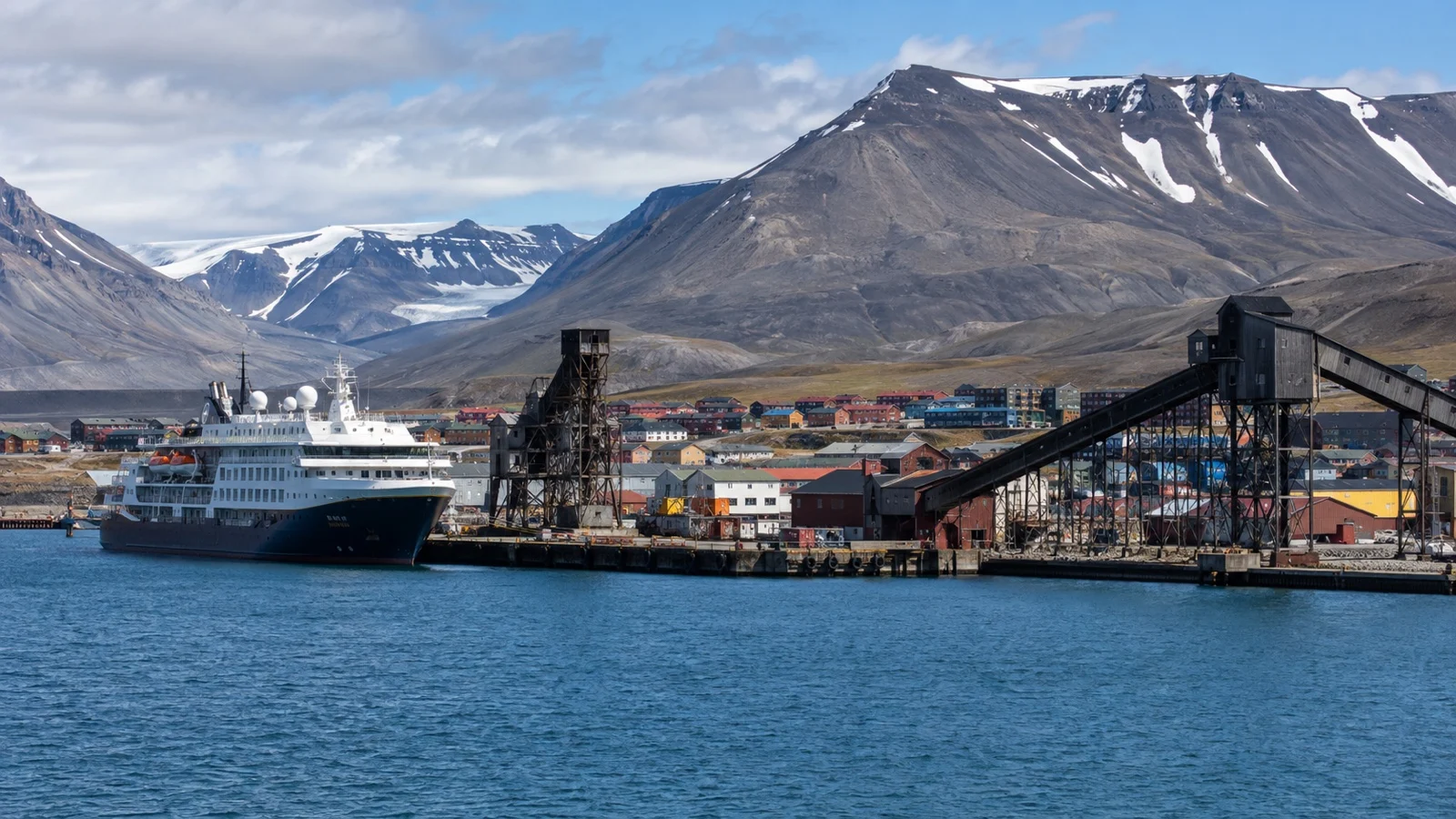
Longyearbyen is the administrative and tourism center of Svalbard, with hotels, restaurants, shops, museums, and the archipelago’s main airport. It is the only call in this guide that behaves anything like a familiar cruise town.
Port Longyearbyen manages several facilities, and not every ship uses the same quay. Your vessel may berth, anchor, or use a controlled passenger transfer, so the distance to the center depends on the live assignment.
What to Do in Town
The Svalbard Museum provides the best grounding in geology, wildlife, mining, exploration, and settlement history. It is a smart first stop because the exhibits make every later fjord and abandoned structure more meaningful.
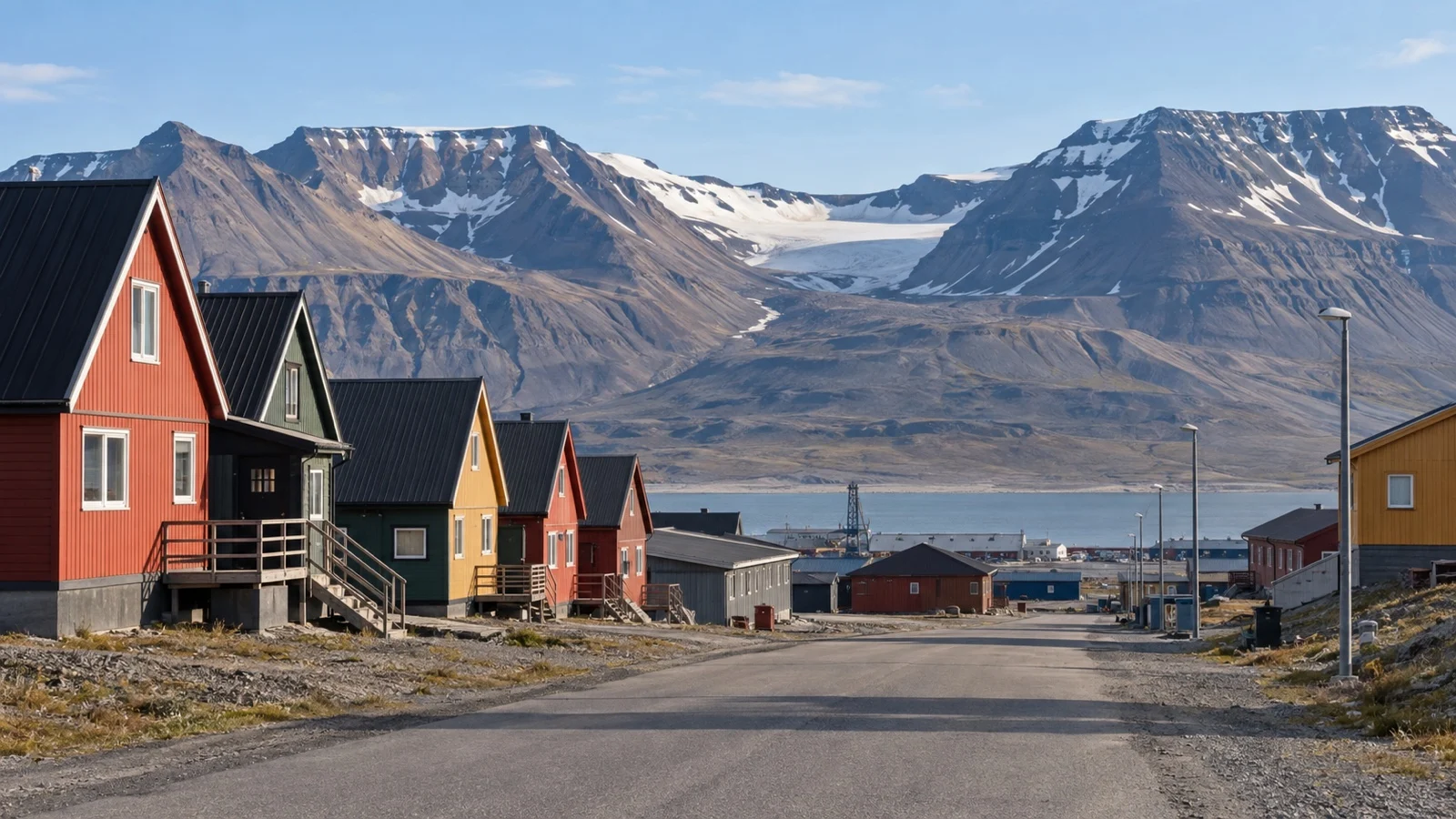
The North Pole Expedition Museum adds another layer of polar exploration history, while a guided town tour can explain mining infrastructure that visitors might otherwise mistake for scrap. Check current opening hours because seasonal schedules shift.
Longyearbyen’s center is compact, but roads can be dusty, icy, muddy, or snow-covered depending on the month. A shuttle or taxi may be worthwhile from an outlying berth, especially with luggage.
Leaving the Settlement
Travel beyond the settlement requires serious polar-bear safety planning and local expertise. Join an authorized guide rather than walking toward a scenic valley, beach, or old mine on your own.
Visitors should not buy or carry a weapon as though it were a casual piece of tour equipment. The responsible choice is an experienced guide trained in prevention, observation, communication, and last-resort protection.
Pre-Cruise and Post-Cruise Logistics
Longyearbyen Airport is close to town by Arctic standards, yet public transportation and taxis have limited capacity. Book the cruise transfer or hotel-arranged transport and give airline delays a wide recovery window.
Most expedition travelers should arrive at least one day early, and two nights are even better on a costly Arctic trip. A delayed bag can affect essential cold-weather gear, so keep medication, documents, waterproof layers, and basic clothing in carry-on.
Ny-Ålesund Cruise Port
Best for: Arctic research history and a rare managed settlement visit
Arrival pattern: Ship and tender access are tightly controlled
Planning style: Respect local routes, research operations, and radio-silence instructions
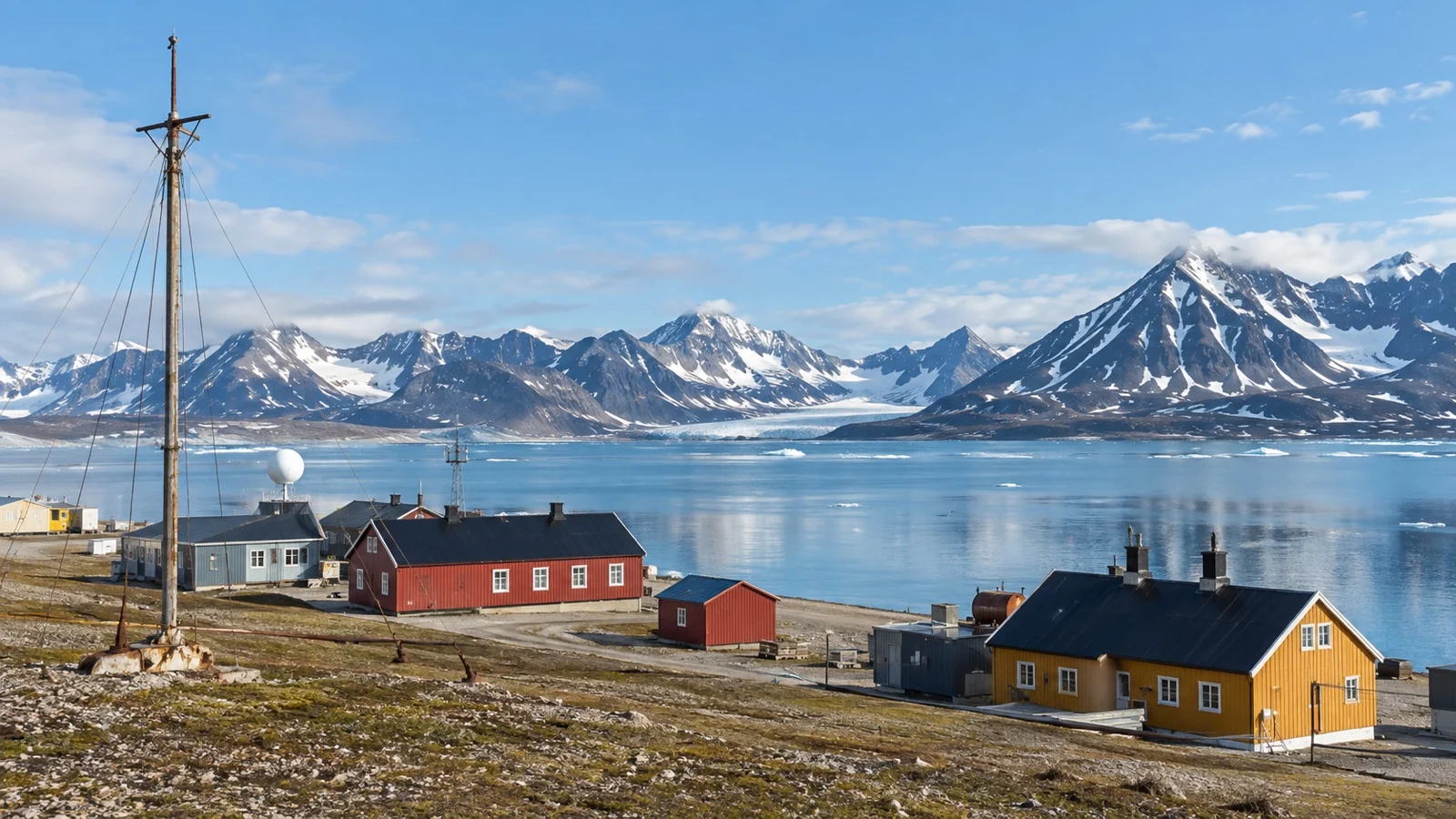
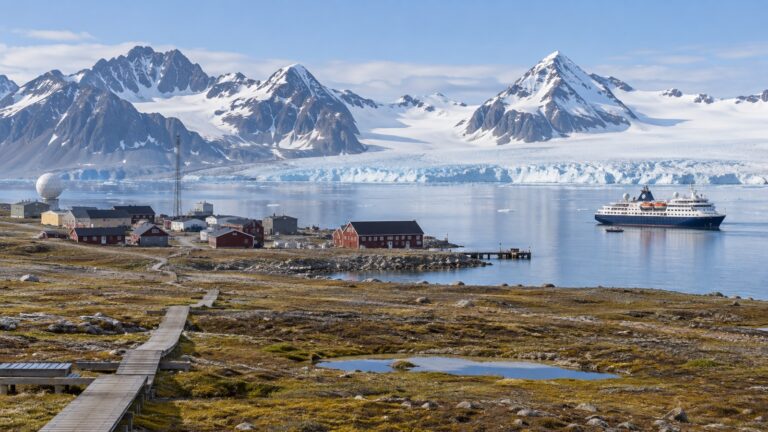
Ny-Ålesund is one of the world’s northernmost year-round communities and exists primarily for international research. A visit is a privilege inside a working scientific environment, not a normal tourism stop.
Kings Bay manages the settlement and issues visitor guidance designed to protect research, wildlife, and daily operations. Stay on marked routes, obey closed areas, and follow every instruction from staff and the expedition team.
Radio Silence and Devices
Scientific instruments can be sensitive to radio interference, and Ny-Ålesund has special radio-silence requirements. Your ship may instruct you to disable cellular service, Wi-Fi, Bluetooth, or transmitting devices before landing.
Do not assume airplane mode completes every requirement because some devices continue short-range transmissions. Follow the exact briefing and keep the phone stored if the guide requests it.
What the Visit Feels Like
The settlement combines research stations, historic buildings, polar exploration connections, and vast mountain scenery. The visit is often short and carefully routed, which makes listening more rewarding than racing for photographs.
Shops or visitor facilities may have limited hours and capacity. Bring payment options, but never treat a purchase as guaranteed.
Accessibility at Ny-Ålesund
Surfaces can include gravel, mud, snow, ice, and simple quay infrastructure. Ask the cruise line whether the landing, gangway, tender, and settlement route can accommodate your exact device.
A shipboard view may be the safest option when conditions prevent a comfortable landing. Arctic scenery does not become less meaningful because you experience it from deck.
Expedition Landings Are Not Ports
Beach landings, Zodiac cruises, ice edges, and historic sites around the archipelago are often described like destinations on an itinerary. In practice, each is conditional on local law, site capacity, guide coverage, wildlife, sea state, and the captain’s safe operating limits.
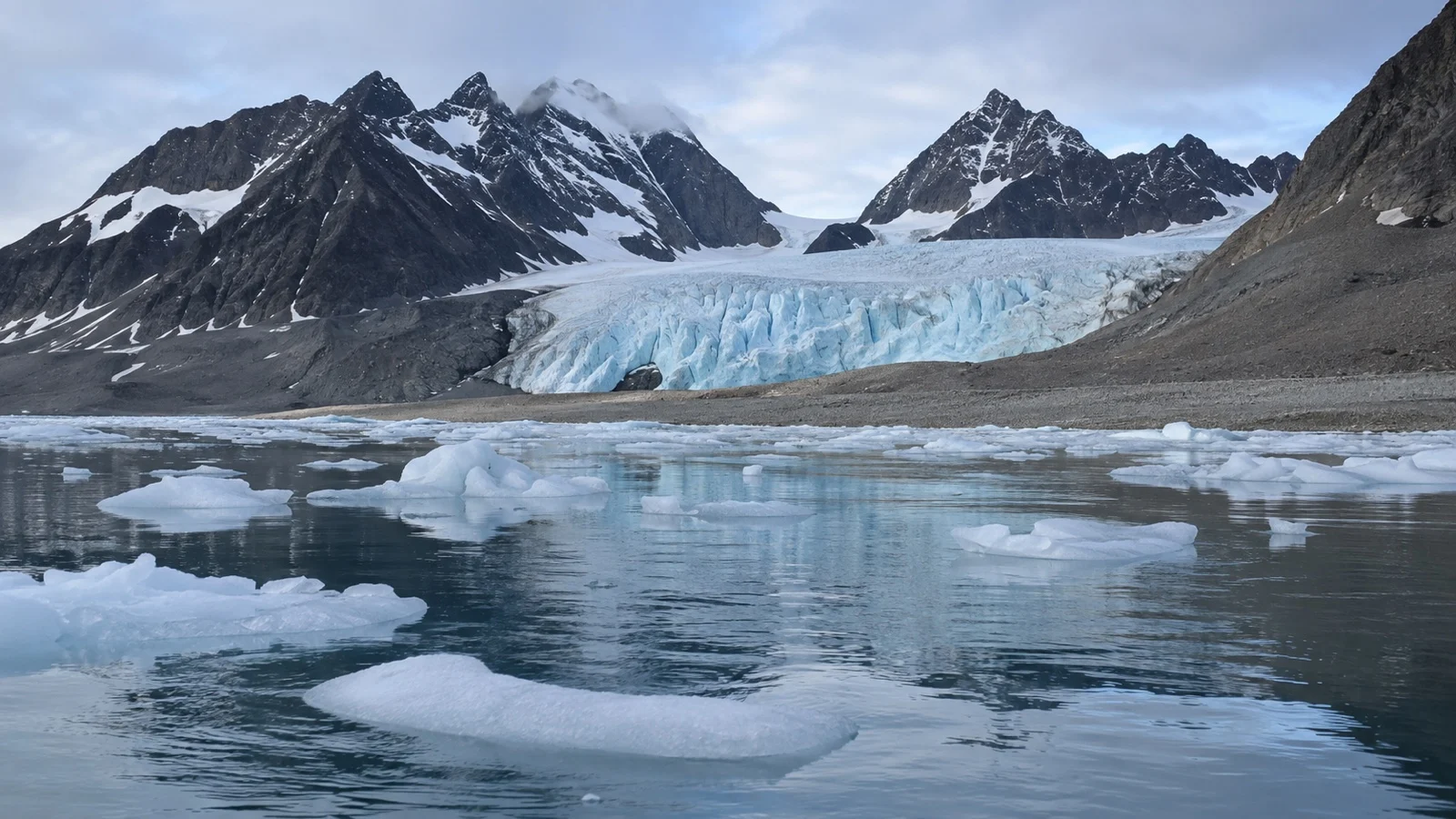
Newer regulations define where vessels may land within protected areas and can restrict larger expedition ships. Ask the cruise line how vessel size affects the planned route, but understand that no operator can guarantee every landing.
Boot washing and biosecurity reduce the risk of carrying seeds, soil, or disease between sites. Clean clothing, bags, tripods, and hook-and-loop fasteners before travel, then comply with the ship’s decontamination process.
Choosing the Right Svalbard Cruise
A large conventional ship may offer comfort, entertainment, and a Longyearbyen or scenic call, while a smaller expedition vessel can access more regulated sites. Smaller does not mean unrestricted, and every operator remains bound by environmental and safety rules.
Ask how many guests share each guide and Zodiac, how groups rotate, and what happens when only part of the passenger list can land. A beautifully written itinerary means little without a transparent operations plan.
Look for membership in recognized expedition organizations, qualified guides, strong biosecurity, and respectful wildlife policies. Avoid marketing that promises close polar-bear encounters or guaranteed landings.
Weather, Ice, and Season
The main ship-based season centers on the lighter months, when sea ice retreats and coastal access expands. Ice still shifts with wind and current, and conditions can differ sharply from maps published days earlier.
Arctic weather changes quickly, bringing fog, wind, precipitation, and cold at any point. Dress in layers with a waterproof outer shell, warm hat, gloves, and footwear specified by the operator.
Continuous summer daylight can disrupt sleep even when the temperature feels wintry. An eye mask and deliberate rest make long wildlife days easier.
Wildlife Without Harm
Polar bears, walruses, seals, whales, birds, Arctic foxes, and Svalbard reindeer are wild animals, not scheduled entertainment. Distance, silence, and the animal’s ability to behave naturally matter more than a photograph.
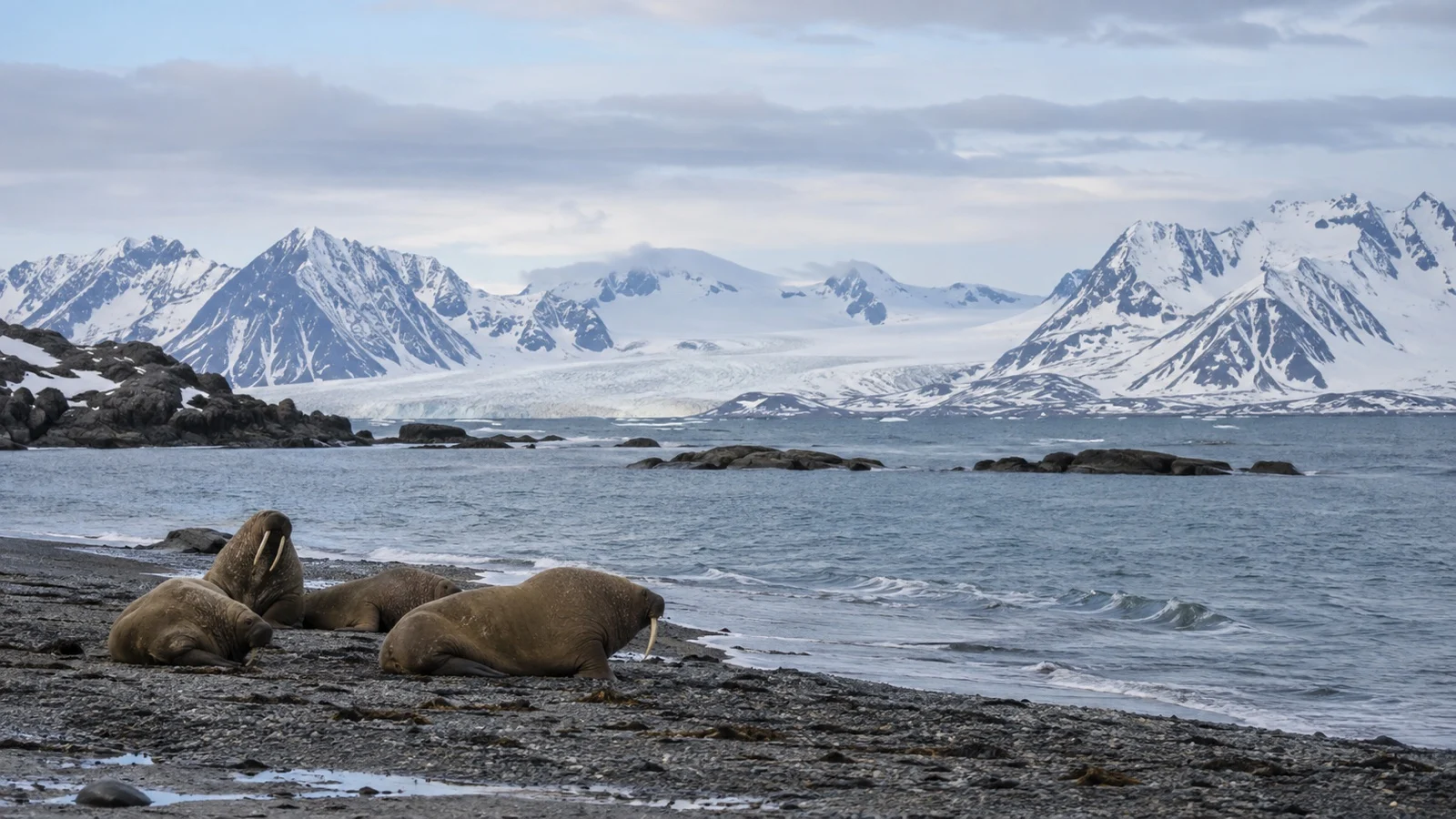
The guide or captain may leave an area because an animal changes direction or shows stress. Support that decision, keep voices low, and never pressure crew to move closer.
Do not feed wildlife or leave any organic material behind. Even a piece of fruit or seed can introduce something that does not belong in the ecosystem.
Accessibility and Lower-Energy Planning
Expedition cruising can involve steep gangways, moving Zodiacs, wet landings, uneven tundra, cold, and long periods standing in outdoor gear. Ask the line for a written description of transfer technique and mobility limits before the deposit becomes nonrefundable.
Some ships offer excellent scenic cruising, observation lounges, and deck access for guests who skip a landing. Ask whether alternative programming is provided when a shore activity is physically unsuitable.
In Longyearbyen, museums, town drives, and selected accessible venues can create a rich day without wilderness trekking. Reserve transport early because the local fleet is small.
Money, Borders, and Insurance
Svalbard uses the Norwegian krone, and cards dominate daily payments. Carry a backup card because connectivity and payment systems can fail in remote places.
Svalbard sits outside the Schengen Area, so travelers commonly pass through border control when routing via mainland Norway. Confirm passport, visa, and transit requirements for every segment, including the return through Norway.
Comprehensive insurance should cover Arctic medical care, evacuation, missed connections, and the activities you plan to attempt. Read exclusions for expedition cruising, kayaking, snow travel, and preexisting conditions.
Svalbard Cruise Port Questions
Which port is best for a first visit?
Longyearbyen is the essential first hub because it combines airport access, museums, hotels, and expedition departures. Ny-Ålesund is a special research-settlement call that depends more heavily on the ship’s permissions and schedule.
Can I explore independently?
You can explore central Longyearbyen within locally defined safe areas, but do not leave the settlement without qualified polar-bear protection. Ny-Ålesund and expedition landings require strict compliance with guided routes.
Do ships dock or tender?
Both are possible in Longyearbyen and Ny-Ålesund, while expedition sites commonly use Zodiacs or other small craft. Daily weather, quay availability, and regulation control the operation.
Will I definitely see a polar bear?
No ethical operator can guarantee a sighting. Bears are protected, approach distances apply, and the ship must avoid disturbance even when that means leaving the area.
What if a landing is cancelled?
The expedition team may substitute scenic cruising, another authorized site, lectures, or wildlife observation. Flexibility is part of the booking, not a failure to deliver an Arctic experience.
My Final Take
Choose Svalbard for uncertainty handled by skilled people, not for a checklist of guaranteed landings. Longyearbyen provides the practical foundation, Ny-Ålesund demands quiet respect, and every wilderness day succeeds when safety and environmental law come before proximity.
This guide was independently checked on September 11, 2026, using official information from the Governor of Svalbard, Port Longyearbyen, Kings Bay, Visit Svalbard, and current cruise-line instructions. Reconfirm the berth or landing, environmental rules, wildlife distances, radio-silence guidance, weather, accessibility, border documents, insurance, and all-aboard time before committing to nonrefundable arrangements because live operations can change.