Portoferraio Cruise Port: Quays, Napoleon and Tenders
Portoferraio rewards cruise travelers almost immediately. The harbor curves beneath ocher walls, tiled roofs, and Medici fortifications, while much of the historic center begins only a few steps from the principal cruise quay.
The one complication is that not every ship docks. Your day may begin at Alto Fondale, another commercial quay, or an anchorage in the broad protected bay, so the smartest plan starts with the arrival method shown in the ship’s daily program.
Portoferraio cruise port quick facts
- Country: Italy
- Island: Elba, in Tuscany
- Main cruise berth: Alto Fondale, beside the historic center
- Other arrivals: Calata Italia quays or tender from the bay
- Best independent outing: Historic center, Palazzina dei Mulini, and the Medici fortifications
- Currency: Euro
- Language: Italian
- Terrain: Level around the waterfront, steep and stepped in the upper old town
Where cruise ships arrive
Portoferraio is Elba’s principal port, set inside a naturally sheltered bay about two kilometers wide. The Port System Authority describes roughly 1.5 kilometers of quays, with water depths generally ranging from five to ten meters.
Alto Fondale
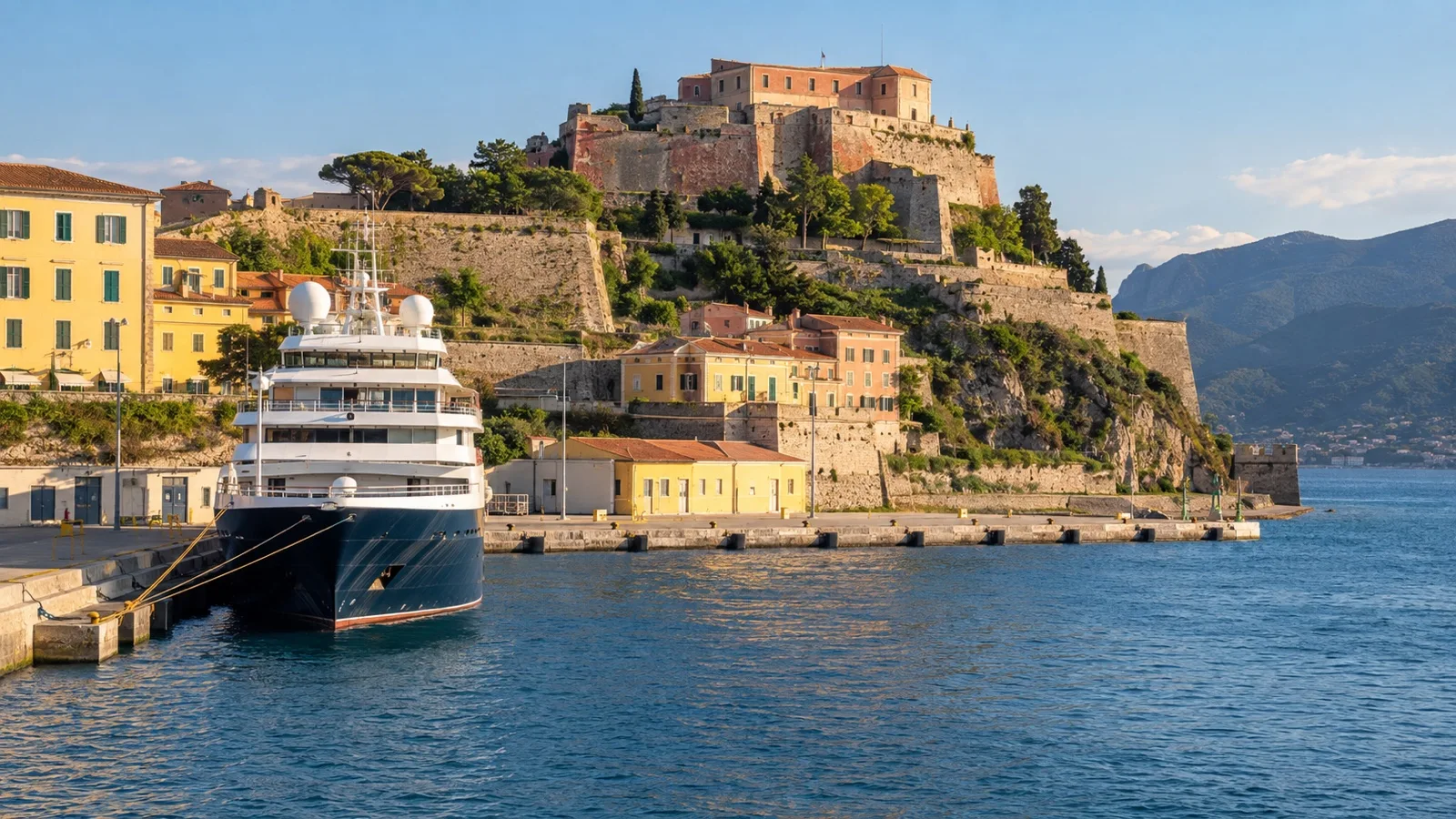
Alto Fondale is the most convenient cruise berth and the port authority’s preferred cruise mooring. It sits at the edge of the historic center and has space for buses, which makes both independent walks and organized excursions straightforward.
From the gangway, the old harbor and the lower streets are close at hand. Allow a little extra time if port security routes passengers through a designated gate rather than along the most direct waterfront path.
Calata Italia and tender arrivals
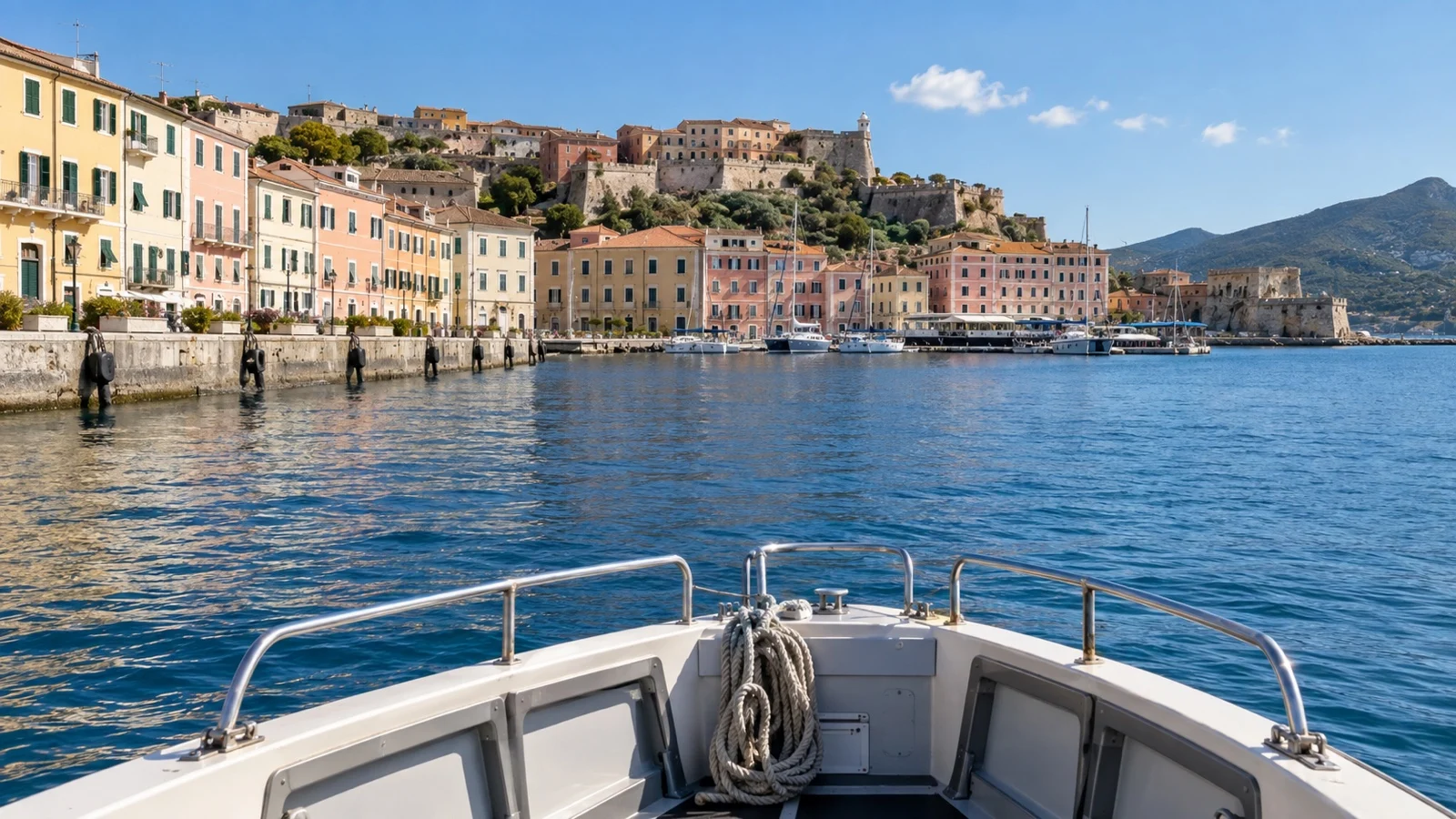
When Alto Fondale is occupied, a cruise ship may use one of the Calata Italia piers. These remain in the main harbor area, but the precise walking distance depends on the assigned position and local port controls.
Larger ships can anchor in the protected roadstead and bring guests ashore by tender. Tender operations are always subject to the ship’s procedures and weather, so keep a generous return margin and use the last tender time printed by the cruise line.
Getting oriented on foot
The lower waterfront is compact, lively, and easy to explore without transport. Cafes, shops, ferry activity, and the sheltered Darsena Medicea create a pleasant first loop before the lanes start climbing toward the historic defenses.
The upper town is a different proposition. Stone paving, slopes, and flights of steps can slow the walk considerably, especially in summer heat, so comfortable shoes and water matter more here than the map suggests.
Napoleon’s Palazzina dei Mulini
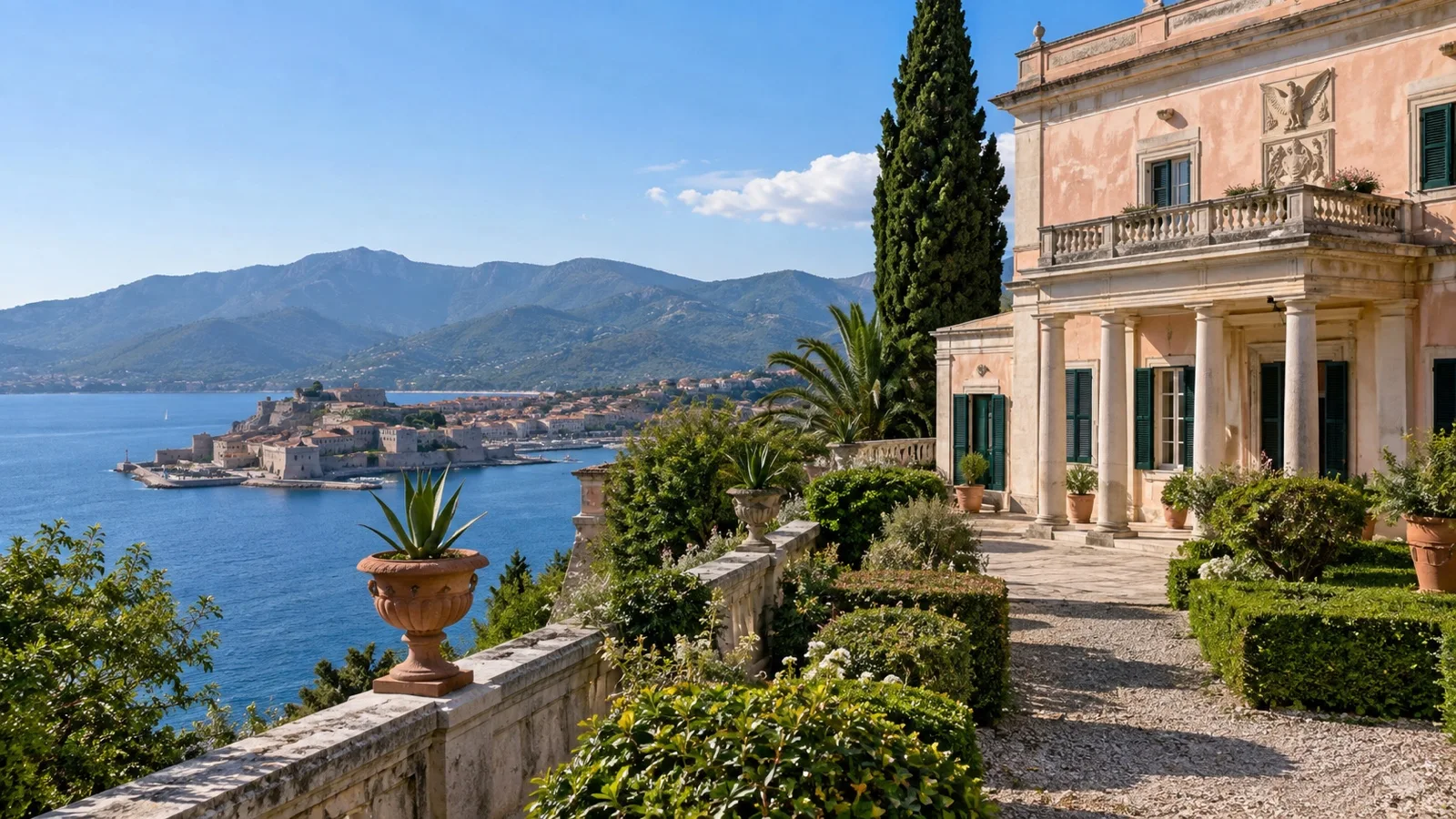
Napoleon reached Elba on May 4, 1814, and remained until February 26, 1815. His town residence, the Palazzina dei Mulini, stands in an elevated position between Forte Falcone and Forte Stella, with broad views over the water.
The museum includes period furnishings and part of the library Napoleon later donated to Portoferraio. Even visitors with only a passing interest in imperial history can appreciate how the residence connects one famous exile with the geography of this small Tuscan island.
According to the official Tuscan museums listing, the schedule effective June 20, 2026 is Monday and Thursday from 2:00 p.m. to 6:30 p.m., and Wednesday, Friday, Saturday, Sunday, and holidays from 9:00 a.m. to 1:30 p.m. It is closed Tuesday, and last admission is 30 minutes before closing.
The listed full ticket is €5 and the reduced ticket is €2. Hours, access, and prices can change for conservation work or special events, so check the official museum page close to sailing if this is the centerpiece of your visit.
Villa San Martino
Napoleon’s other principal residence on Elba, Villa San Martino, lies inland rather than in the walkable port center. It requires a taxi, tour, or carefully timed local transport, making it a better choice for travelers who want a focused Napoleonic visit instead of a broad old town walk.
The official schedule effective June 20, 2026 is Tuesday, Thursday, Saturday, Sunday, and holidays from 9:00 a.m. to 1:30 p.m., plus Wednesday and Friday from 2:00 p.m. to 6:30 p.m. The museum is closed Monday, with last admission 30 minutes before closing.
The June 20, 2026 reopening notice says Villa San Martino’s historic paths and gardens were restored, with work to improve accessibility and visitor use. Confirm the route currently open and the listed €5 full or €2 reduced admission before committing scarce port time.
The Medici fortifications
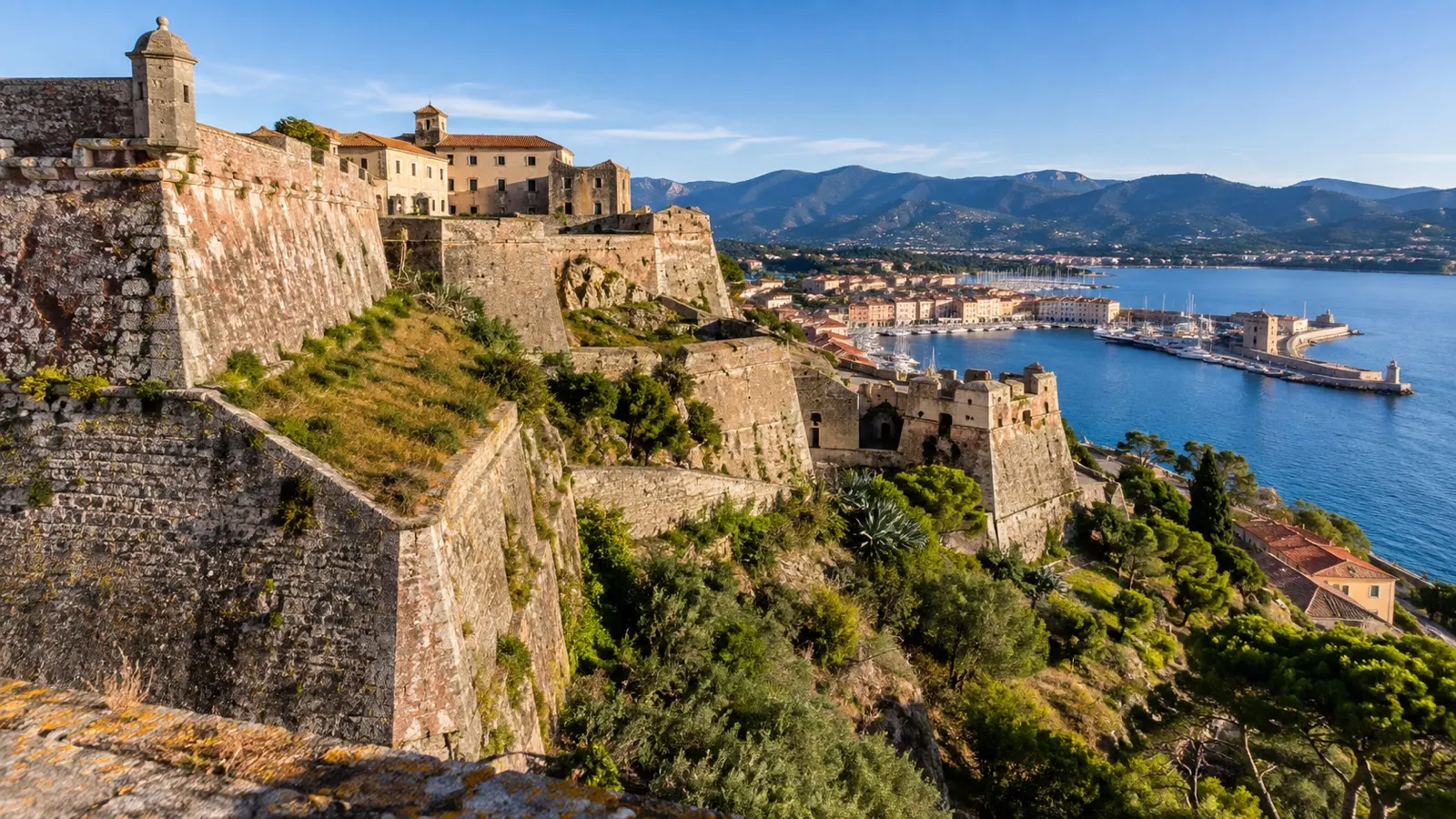
Portoferraio’s dramatic profile comes from defenses developed under Cosimo I de’ Medici in the sixteenth century. Forte Falcone occupies the high ground, Forte Stella is distinguished by its star shaped plan and lighthouse, and Torre della Linguella guards the harbor entrance at the end of a narrow spit.
You do not need to enter every site to understand the design. A slow climb through the old town reveals changing sightlines across ramparts, roof tiles, the harbor basin, and the pale blue channel separating Elba from mainland Tuscany.
Beaches and the wider island
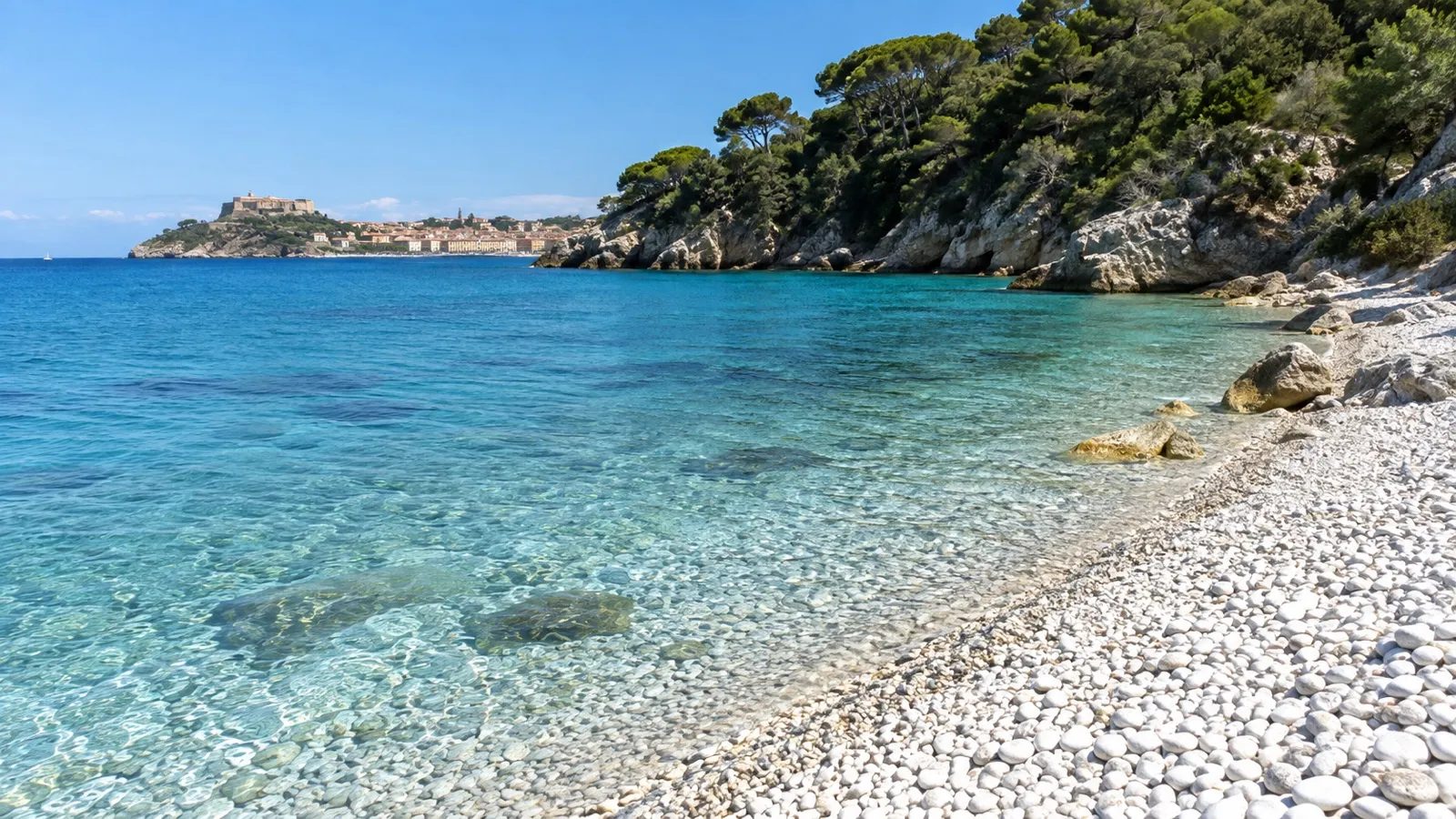
Elba is loved as much for clear water and rugged coast as for history. Several beaches sit within a short drive of Portoferraio, but journey times, parking pressure, and seasonal traffic make a prearranged transfer or ship excursion more dependable than improvising on a short call.
A beach outing works best when the forecast is settled and the ship has a long stay. Bring water shoes where the shore is pebbly, and never leave valuables unattended while swimming.
Travelers with more time can look toward Marciana Marina, Porto Azzurro, Capoliveri, or viewpoints near Monte Capanne. These places show distinct sides of Elba, yet combining several of them independently can create a rushed circuit with little protection against traffic delays.
Ferries, buses, taxis, and rentals
Portoferraio is a working ferry port with frequent vehicle and passenger movements. Stay within marked pedestrian areas, watch for loading traffic, and do not assume that a route across an apron is open simply because it appears shorter.
Local buses connect Portoferraio with other island communities, but schedules may not align neatly with a cruise call. Confirm the return stop and timetable before leaving, then build in enough time for a missed connection.
Taxis are useful for Villa San Martino, beaches, or a customized island loop. Agree on the destination, price basis, waiting arrangement, and pickup time before departure, particularly when several ships or ferries are in port.
A rental car or scooter provides flexibility but adds parking, navigation, insurance, and return timing to the day. For most first visits, a walking morning paired with one prearranged ride gives a better balance.
Accessibility and practical comfort
The harborfront and lower town offer the easiest surfaces, though paving can still be uneven. The steep upper streets, steps, and historic thresholds present more serious barriers for wheelchair users and anyone with limited stamina.
Ask the cruise line about gangway slope, tender suitability, accessible shuttle arrangements, and the exact berth. Tendering can be impossible for some mobility devices or in certain sea conditions, and the ship makes the final operational decision.
Shade can be limited on exposed walls and viewpoints. A hat, sunscreen, refillable water bottle, and an unhurried pace are sensible in warm weather, while a light layer helps when wind crosses the harbor.
Three realistic ways to spend the call
A compact history walk
Begin around the Darsena Medicea, climb toward Palazzina dei Mulini, and continue through the fortified upper town as energy allows. Finish with a relaxed meal or coffee near the harbor, leaving ample time for the return walk or tender queue.
Napoleon in depth
Visit Palazzina dei Mulini and then take a prearranged vehicle to Villa San Martino if both museums are open during the call. Their alternating morning and afternoon patterns mean this combination needs careful checking rather than assumption.
Old town plus the coast
Spend the first part of the day among the harbor and fortifications, then use a taxi or excursion for one beach or scenic coastal stop. Choosing a single destination keeps the outing enjoyable and protects the ship return margin.
Common questions
Can I explore Portoferraio without an excursion?
Yes, particularly when the ship docks near the center. The harbor, old town, exterior fortifications, shops, and Palazzina dei Mulini can form a satisfying independent day, subject to opening hours and personal mobility.
Will my ship dock or tender?
Either is possible because assignment depends on ship size, port traffic, and operations on the day. Check the cruise line’s daily schedule and listen for updates before going ashore.
Is Villa San Martino walkable from the port?
It is inland and not a practical casual walk for most cruise visitors. A taxi, tour, or verified public transport plan is the sensible approach.
How much return time should I allow?
Follow the all aboard or last tender time supplied by the ship and aim to be back well before it. Add more margin for island road travel, public transport, or any tender operation.
Final thoughts
Portoferraio is one of those ports where the setting and the story reinforce each other. A ship can arrive beneath a fortified Renaissance skyline, while the streets above preserve the memory of Napoleon’s short but consequential Elban exile.
Use the berth, museum opening times, terrain, and ship deadline to shape a realistic plan. Whether you stay within the old town or add one carefully chosen island outing, leave room to enjoy the harbor instead of racing through it.
No firsthand visit is claimed. This guide was independently checked September 12, 2026, against current information from the North Tyrrhenian Sea Port Authority and Italy’s national museum authority for Tuscany.
Port details and attraction hours can change, so verify key arrangements with your cruise line and official local sources before sailing. This guide is for independent planning and is not affiliated with the port, museums, or cruise operators.