Katakolon Cruise Port: Ancient Olympia, Train & Beach
Katakolon is a small harbor village with one enormous reason for cruise ships to stop: Ancient Olympia. The port day can be as ambitious as a guided visit to the birthplace of the ancient Olympic Games or as gentle as a waterfront lunch and nearby beach.
My first choice is Olympia when the call is long enough and transportation is confirmed. The train is charming when it actually matches the ship schedule, but it should never be treated as guaranteed until the operator publishes service for your date.
Quick Facts
- Typical arrival: Alongside at Katakolon harbor, with the village close to the secure port exit.
- Main attraction: Ancient Olympia and its archaeological museum.
- Common travel time: Roughly 40 minutes by road in ordinary conditions, with extra margin for traffic and loading.
- Train warning: Verify current Katakolon to Olympia operation and times directly with the rail operator.
- Best easy day: Katakolon waterfront, a long lunch, local shopping, and a nearby beach with confirmed facilities.
- Currency: Euro.
- Main challenges: Summer heat, exposed archaeological terrain, limited rail frequency, and return timing.
- Return rule: Keep a later backup and be inside the port well before all aboard.
Where ships arrive in Katakolon
Cruise ships normally berth alongside in Katakolon, allowing passengers to walk through the port rather than tender. Your berth, gangway, shuttle, and security route still depend on the ship and port operation that day.
The village begins close to the public exit and is easy to understand. A waterfront promenade, cafés, souvenir shops, tour desks, and transportation offers line the compact center.
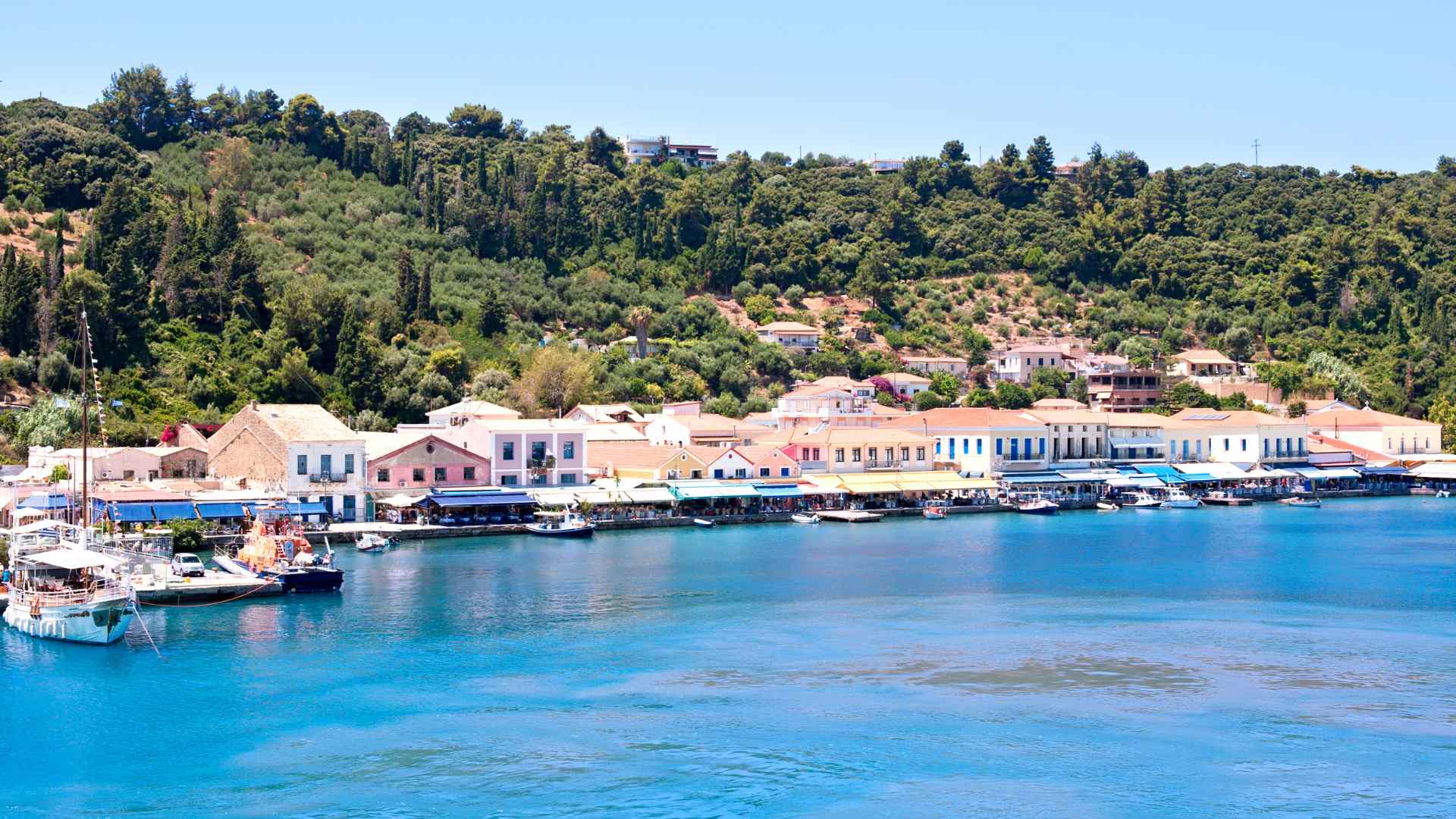
Katakolon does not pretend to be a large city, and that is part of its appeal. Travelers can return from Olympia and still enjoy a drink beside the harbor without needing another transfer.
Take a photo of the gangway sign and note the all-aboard time before leaving. Ship time and local time should never be assumed to match without confirmation.
Why Ancient Olympia deserves the day
The UNESCO World Heritage Centre describes Olympia as a major sanctuary of the ancient Greek world and the home of sports structures built for games held every four years from 776 BC. The site was also a religious, political, and social center, not merely an ancient stadium.
The sanctuary includes the remains of the temples of Zeus and Hera, training and administrative buildings, baths, workshops, treasuries, and the stadium. The landscape between the Alpheios and Kladeos rivers helps the ruins feel like a connected place rather than a collection of isolated stones.
The Archaeological Museum of Olympia gives the site its artistic depth. Sculptures from the Temple of Zeus, the Nike of Paionios, and Hermes with the infant Dionysus belong to the story that bare foundations cannot tell alone.
I would plan enough time for both the archaeological site and the main museum whenever current opening hours allow. A tour that rushes the museum to add shopping or a second minor stop gives away one of Olympia’s strongest experiences.
The train from Katakolon to Olympia
The rail line linking Katakolon, Pyrgos, and Olympia is one of the most appealing ways to travel when passenger service operates at useful times. The Katakolon station is near the harbor, and Olympia station is in the modern town within walking distance of the archaeological area.
Service has varied, so do not rely on a timetable copied from an old cruise guide. Check Hellenic Train for the live route, dates, departure times, ticketing, changes, and current operating notices.
A good rail plan has an outbound departure that leaves enough time inside Olympia and at least one practical return before your hard deadline. If the only return is the final possible connection, choose another form of transportation.
Ask whether tickets are sold online, at the station, onboard, or through another current method. Small stations may not provide the staffing, displays, restrooms, or English-language assistance travelers expect from a major city terminal.
Bus, coach, taxi, or private transfer
Ship excursion
A cruise-line excursion is the simplest choice when the call is short, the train does not operate, or you want return protection under the cruise line’s terms. Compare time inside Olympia rather than judging by the total duration printed in the tour title.
Large groups can spend time loading, following audio equipment, and waiting at restrooms. Check whether the archaeological museum is included, whether admission is handled in advance, and how much walking the activity rating hides.
Independent coach or bus
Seasonal transfer operators may sell direct round trips from the port to Olympia. Confirm the company, meeting point, departure time, Olympia drop-off, return options, cancellation policy, and whether the ticket includes archaeological admission.
A coach is only as useful as its return schedule. Take a photo of the vehicle and stop, keep the operator’s contact, and arrive before the stated meeting time.
Taxi
A taxi can give a couple or small group a direct transfer and more control over the visit. Agree on the complete round-trip price, included waiting, pickup at Olympia, payment method, and return target before leaving Katakolon.
Use a reputable taxi rank or prearranged provider and keep written contact details. Do not assume another vehicle will be waiting in Olympia exactly when you want to leave.
Private guide and vehicle
A private tour is strongest when it combines transportation with qualified interpretation and adapts to the group’s pace. Ask whether the guide enters the site, how admission is managed, and what happens if the ship docks late.
Private does not erase traffic, heat, or attraction rules. The value comes from focus, flexibility, and a planned return rather than a promise to fit more stops into the same hours.
Ticket and opening-hour planning
Use Greece’s official Hellenic Heritage ticketing service and current Ministry of Culture information for admission, hours, discounts, identification, and site notices. Third-party reseller pages may look official while adding fees or conditions.
Confirm whether your ticket covers the archaeological site, museum, or any combination currently offered. Do not assume a product described in an older article remains available in the same form or price.
Opening arrangements can change for holidays, ceremonies, severe heat, fire risk, conservation, or staffing. Check on the morning of the call before committing to the longest transportation option.
How to visit Olympia without rushing
Begin with the archaeological site while the weather is cooler if your arrival allows. Use a guide, authorized audio option, or a downloaded official plan so the foundations form a story rather than a blur.
Prioritize the Temple of Zeus area, Temple of Hera, stadium approach, Palaestra, and a few supporting structures that interest you. Individual paths or monuments can close, so do not build the whole day around one photo angle.
The stadium lies beyond a long, exposed walk and is easy to underestimate. Save enough energy for the route back to the entrance and the museum.
Give the archaeological museum real time instead of treating it as shelter before the bus. The surviving sculpture and objects reconnect the sanctuary with the people, artists, rituals, and competitions that once filled it.
Heat, terrain, and accessibility
Olympia can be very hot during the Mediterranean cruise season, and much of the archaeological route is exposed. Carry water, use sun protection, wear stable shoes, and schedule a seated pause before fatigue becomes the day’s main event.
Ancient surfaces, gravel, slopes, and distances affect wheelchair users and anyone who cannot walk far. UNESCO notes that ramps and accessibility improvements have been introduced, but that does not make every ruin or route step-free.
Contact the official site and transportation provider with the traveler’s exact needs. Ask about the entrance, path surfaces, accessible restroom, museum route, seating, vehicle steps, device storage, and whether the user must transfer.
A private accessible vehicle may need advance reservation because adapted capacity is limited. Provide device length, width, height, weight, and whether the traveler remains seated during boarding and transit.
What to do in Katakolon itself
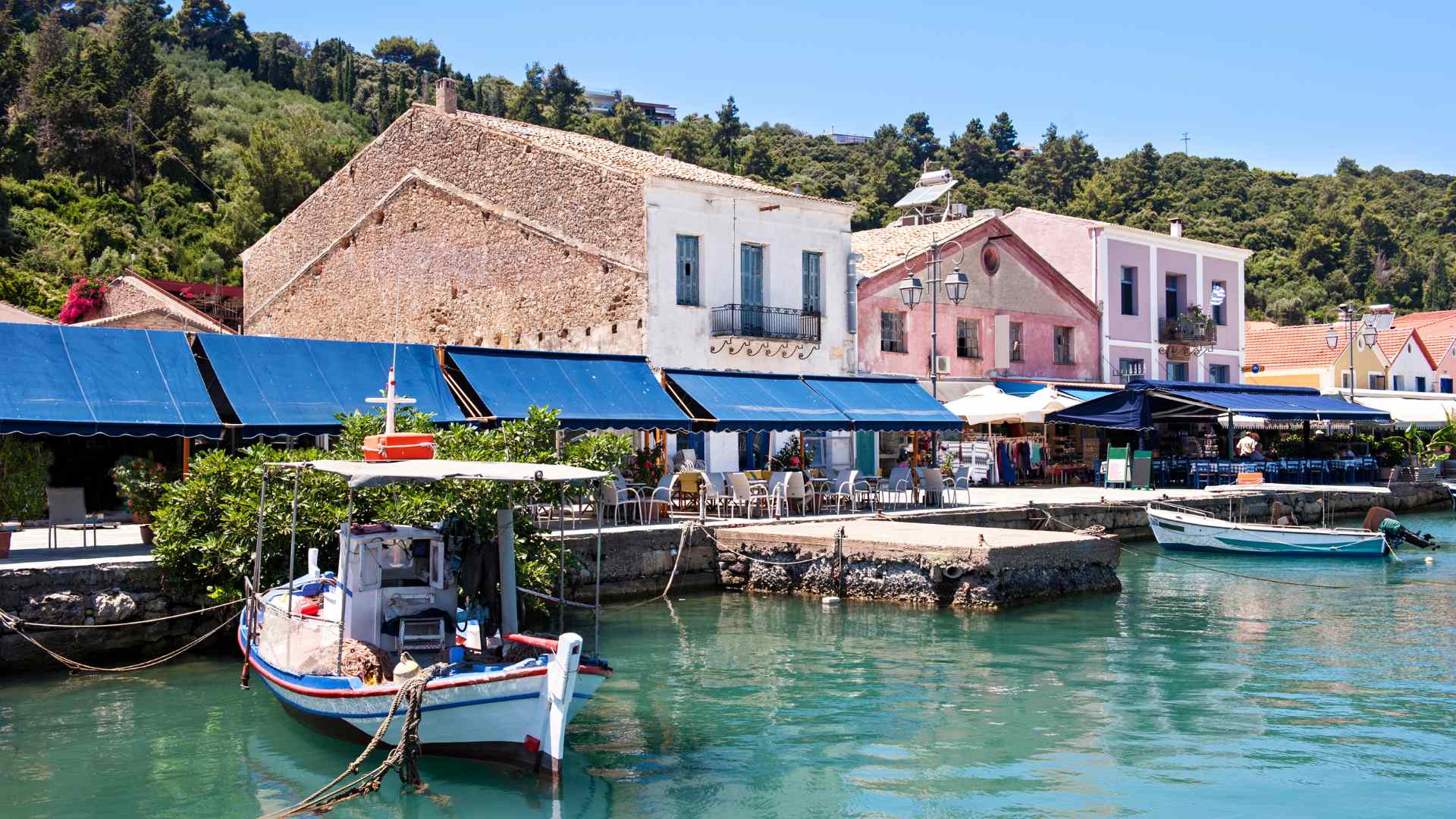
Katakolon is a pleasant fallback when Olympia does not fit the day. The harbor promenade, fishing boats, shops, cafés, and tavernas create an easy outing with the ship always close.
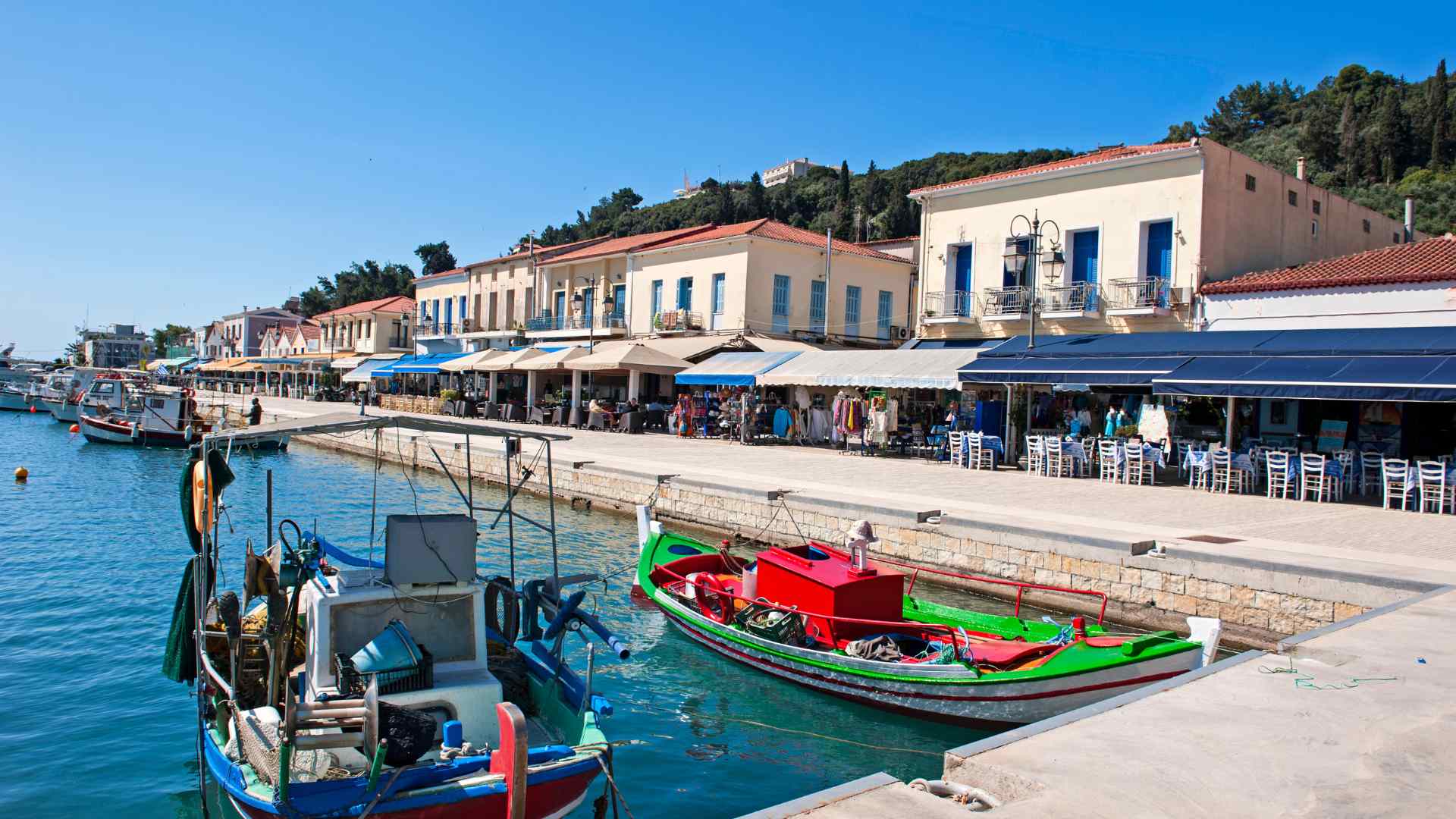
Choose a long seafood or Greek lunch and let the waterfront do the work. Ask what is local and fresh, confirm prices before ordering market-priced items, and leave time for coffee or something sweet.
Small museums and local attractions may open around ship calls, but schedules can be irregular. Verify the door rather than building the day around a listing that may be out of date.
The village is compact, though port and promenade surfaces may still challenge someone with limited mobility. A café close to the exit can be a satisfying choice after several demanding port days.
Beaches near Katakolon
A beach day can be wonderfully simple when the sea is calm and your group wants to slow down. The nearest practical choice depends on current access, facilities, transportation, and what is operating during your call.
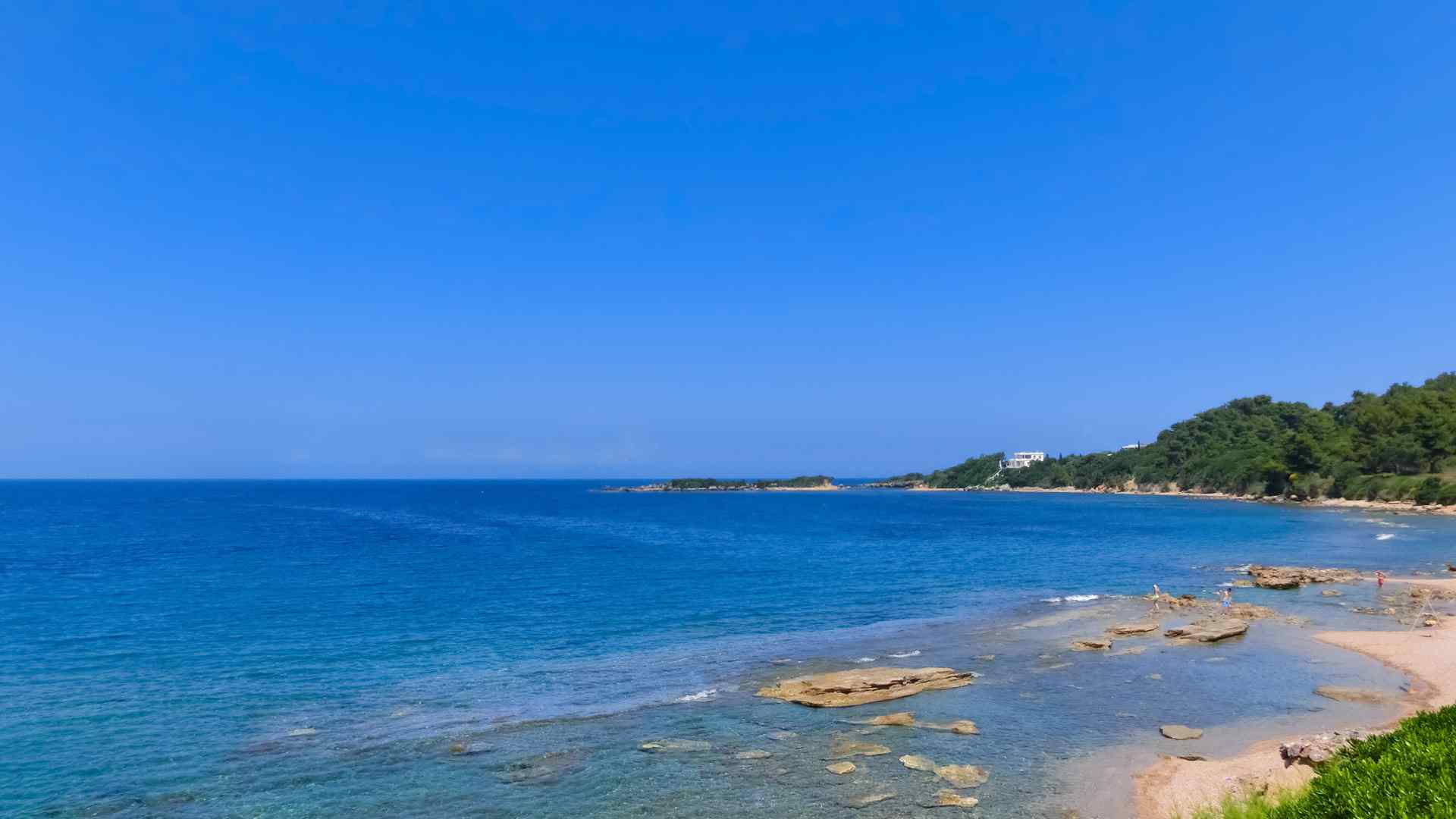
Agios Andreas and other nearby stretches of coast may appear in port-day plans, while Kourouta requires a longer transfer. Confirm whether the beach has shade, chairs, food, restrooms, safe water entry, and a reliable ride back.
Do not judge conditions from a sunny promotional photograph. Wind, waves, water clarity, beach width, and seasonal services can change, so ask locally before committing.
Agree on taxi pickup rather than relying on a vehicle to appear at a quiet beach. Keep enough time to return through port security even when the shoreline looks close.
Can you combine Olympia with a beach?
A short waterfront stop or nearby swim can fit after an efficient Olympia visit on a long call. It should remain optional because transportation delays, heat, or a museum visit may use the available margin.
Do not prepay for a distant beach that forces you to leave Olympia early. The ruins deserve enough time, and Katakolon’s easy harbor makes a spontaneous final hour more sensible.
Three port-day plans
The Olympia priority day
Travel directly to Olympia by confirmed train, coach, taxi, or excursion, then visit the archaeological site and museum. Return to Katakolon with time for a harbor drink and no second transportation deadline.
The flexible culture day
Take a private or small-group vehicle to Olympia and set priorities according to heat and walking ability. If the visit finishes early, add a local winery, village, or lunch only when the return remains comfortable.
The easy Katakolon day
Walk the harbor, choose one local attraction if open, have a long meal, and arrange a nearby beach only after checking conditions. This is a legitimate choice, not a consolation prize, particularly for repeat visitors or travelers needing a gentle day.
Return safeguards
Work from the ship’s all-aboard time rather than scheduled departure. Include the walk from the Olympia site to transportation, loading, road or rail travel, the port gate, security, and the gangway.
A rail itinerary should leave a later backup before the deadline. A taxi or coach itinerary should include the operator’s contact and an agreed response if traffic or a vehicle problem develops.
Check for strikes, weather warnings, heat measures, and site notices close to the call. When circumstances shrink the safe window, switch to Katakolon instead of asking a driver or tour to compress Olympia.
My final recommendation
Go to Ancient Olympia on a first visit if the call is comfortable and transportation is confirmed. Give the archaeological site and museum enough time to explain why this quiet valley shaped a global tradition.
Use the train only when Hellenic Train shows service that fits your exact day and leaves a practical backup. Otherwise, choose a ship excursion, direct coach, taxi, or private transfer with a clear return.
Stay in Katakolon when the ship arrives late, the site closes, heat becomes severe, or your group wants rest. A harbor lunch and beach hour can be a better cruise memory than a famous ruin reached in a panic.
How this guide was researched
This guide was checked in September 2026 against current information from UNESCO, Hellenic Train, Hellenic Heritage, and Greek cultural authorities. Berths, rail service, buses, tickets, opening hours, heat measures, beach conditions, and transport prices can change, so confirm details for your sailing and read our Editorial Policy for sourcing and corrections.