Larnaca Cruise Port: Salt Lake, Castle and Timing
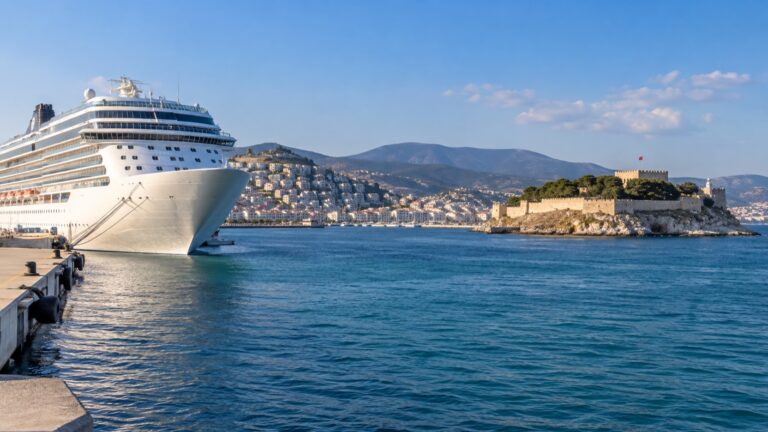
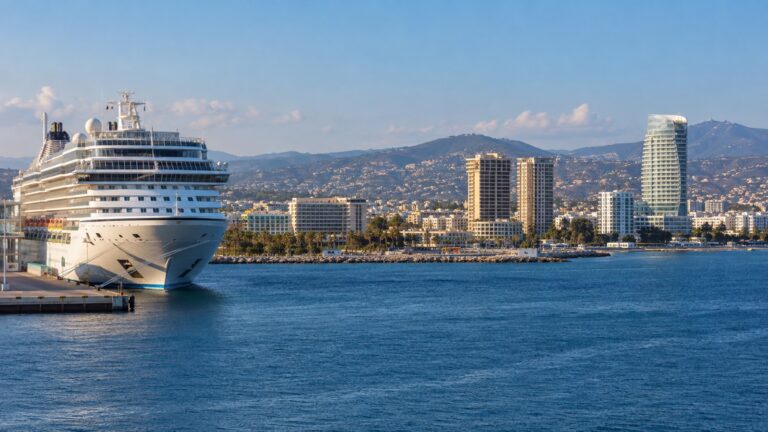
Larnaca is a wonderfully manageable Cyprus call once you separate the working port from the pretty seafront beyond it. The city center, palm lined promenade, medieval castle, Saint Lazarus church, and old streets fit into an easy local day.
The calendar matters if flamingos are part of your dream. They are seasonal visitors to the salt lake, not permanent performers, so a summer cruise should plan for the lake’s landscape rather than a guaranteed pink horizon.
My quick take
I would stay close on a first visit and build the day around the waterfront, castle, Saint Lazarus, and one taxi outing to Hala Sultan Tekke or the salt lake. This creates variety without spending the call watching Cyprus through a car window.
Choirokoitia is the better choice for travelers with a serious interest in prehistory or a longer call. Make it the main excursion rather than squeezing it between the church and lunch.
Quick Facts
- Port: Larnaca Port on the southeast coast of Cyprus.
- Distance: The Cyprus Ports Authority places the port about 2 kilometers from the city center.
- Arrival: Cruise ships use a secure multipurpose commercial port, so follow the ship’s instructions for the berth, gate, and shuttle.
- Top local sights: Foinikoudes, Larnaca Medieval Castle, the Church of Saint Lazarus, and Hala Sultan Tekke.
- Currency: Euro.
- Languages: Greek and Turkish are official, while English is widely used in tourism.
- Time zone: Eastern European Time in winter and Eastern European Summer Time during daylight saving.
- Planning caution: Flamingos are seasonal, worship schedules affect religious sites, and port walking access must be confirmed.
Where cruise ships arrive
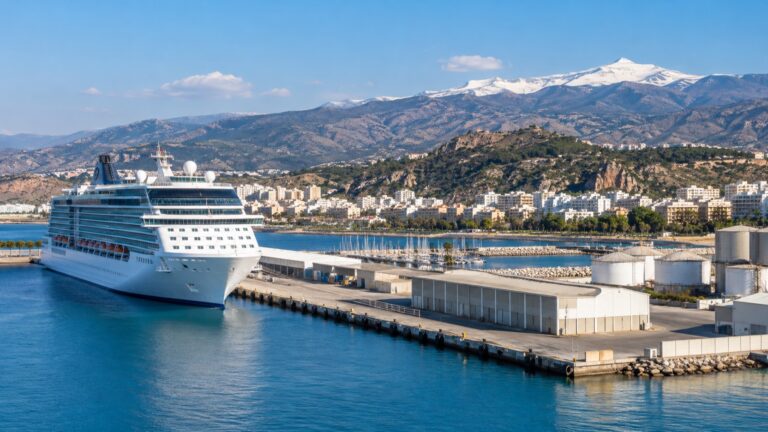
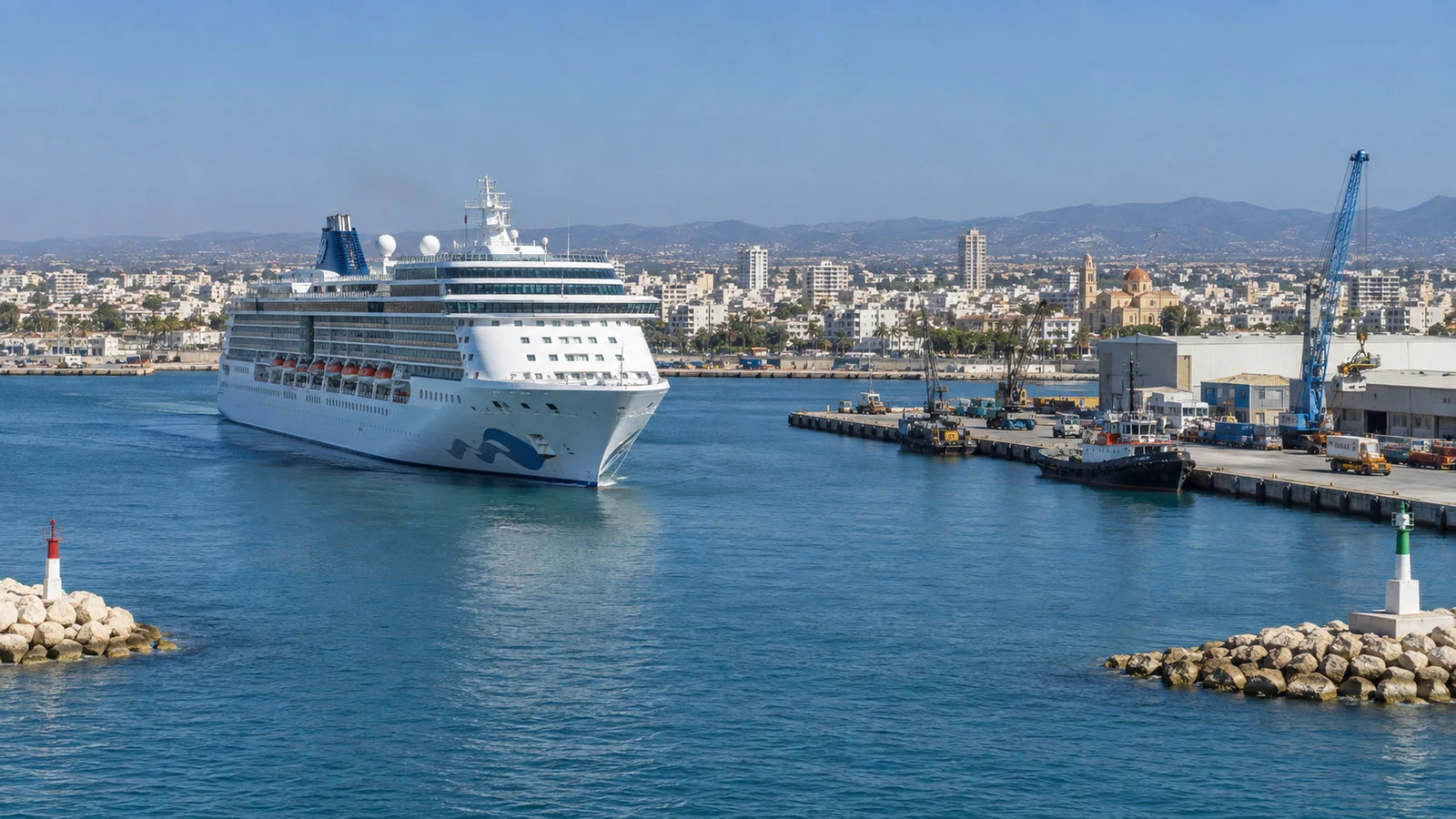
The Cyprus Ports Authority describes Larnaca as the island’s second largest port and a multipurpose facility serving bulk cargo, conventional freight, vehicles, pipes, and petroleum products. Cruise operations share that secure environment rather than using a self contained resort terminal.
The authority says the present port is about 2 kilometers from the center and 6 kilometers from Larnaca International Airport. It also describes a long term goal of developing the port as a principal cruise and passenger facility while retaining some commercial activity.
For today’s traveler, the practical point is simple: do not improvise a walk through an active cargo area. Follow the cruise line’s instructions for a shuttle, authorized pedestrian exit, taxi rank, or tour meeting point.
Berth assignments and gate procedures can vary by call. Photograph the shuttle stop and final return time before you begin exploring.
Getting into central Larnaca
Once you are clear of the port, central Larnaca is compact and mostly flat. The waterfront around Foinikoudes becomes the natural spine for a walking day, with the castle at one end and old streets spreading inland.
A shuttle, taxi, or authorized walk may connect the ship with the center, depending on arrangements for the day. Ask where return transportation leaves, because the marina and commercial port are neighboring but separate places.
Taxis are useful for Hala Sultan Tekke, the salt lake, or a private loop. Agree on the fare, waiting time, and return point before leaving, especially if you want the driver to remain during a short visit.
Public buses connect the district, but current schedules should be checked directly. A local timetable is not designed around all aboard time, so keep a backup for the final leg.
The salt lake and flamingo season
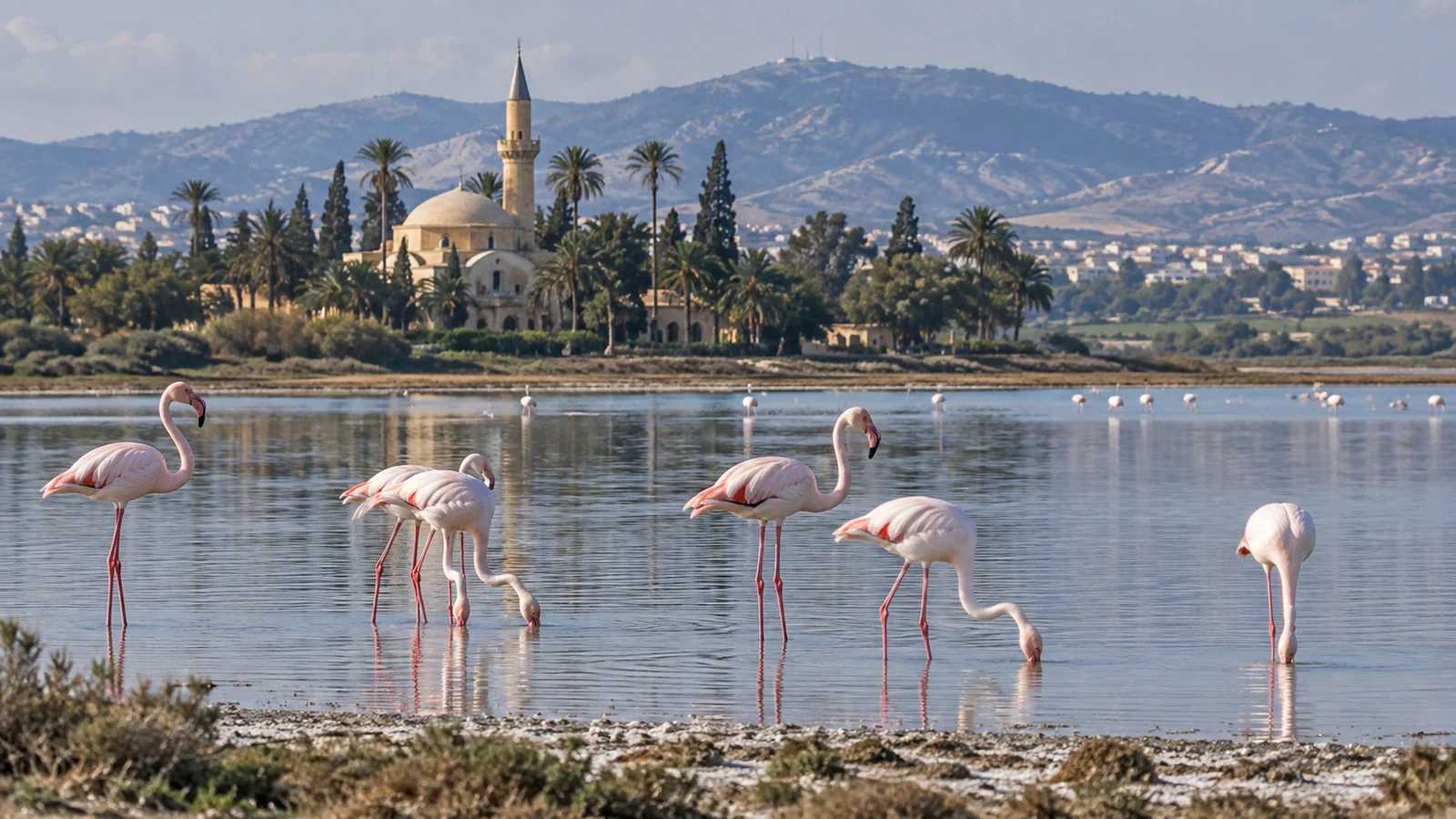
Larnaca Salt Lake is a protected wetland complex west of the city, best known for the flocks of flamingos that arrive during the cooler, wetter part of the year. Sightings vary with rainfall, water level, food, disturbance, and the movement of wild birds.
Local tourism information generally describes the main flamingo period as roughly November through March. Treat those months as a possibility rather than a guarantee, and expect a dry pale salt landscape during much of summer.
The lake is beautiful even without birds because the water, salt crust, reeds, sky, and distant buildings create a wide open scene. It pairs especially well with Hala Sultan Tekke, which sits beside the wetland.
Stay on marked routes and never walk out toward resting or feeding birds. A long lens or binoculars protects both the wildlife and your shoes.
Walking near the lake
A nature route links viewpoints around the wetland and forms part of the European E4 walking network. Heat and lack of shade can make a short section feel longer than expected, so choose distance according to the season.
Carry water, sun protection, and shoes that tolerate dust or damp ground. After rain, ask locally which section is suitable rather than assuming the entire path is dry.
Foinikoudes and the old center
Foinikoudes is the city’s palm lined seafront, backed by restaurants, cafes, shops, and streets that are easy to explore without a formal tour. It works as the beginning, middle, or final hour of a port day.
The beach gives Larnaca an easy holiday rhythm, but swimming conditions and facilities should be checked locally. Keep valuables simple if you plan to go into the water.
Larnaca Medieval Castle
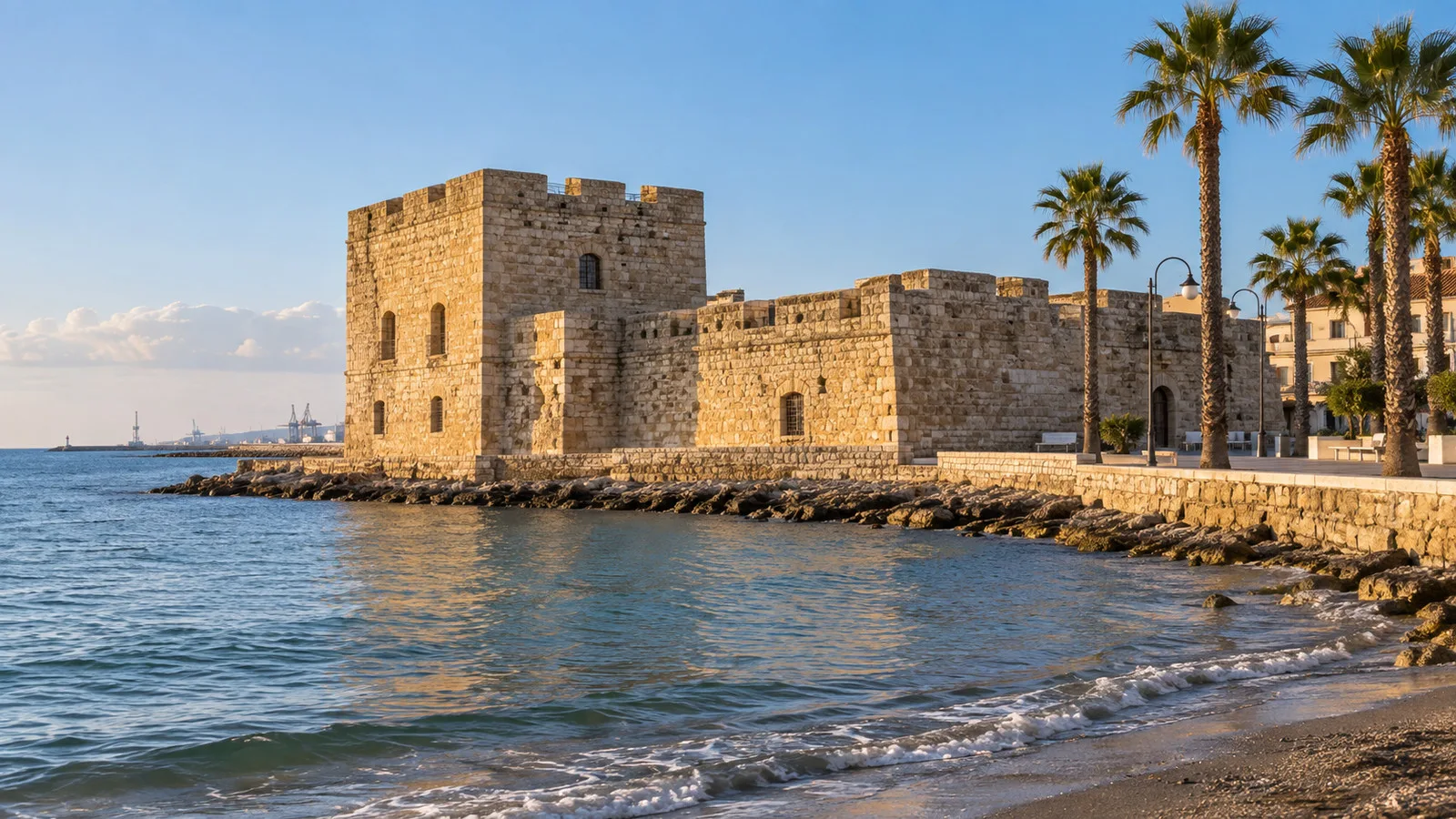
The medieval castle anchors the southern end of the promenade and offers a compact dose of history with sea views. Its courtyard and walls make a natural transition from the beach into the older city.
Hours, admission, and museum access can change with season, renovation, and public holidays. Check the official or local tourism listing before making it the only timed stop in your plan.
The Church of Saint Lazarus
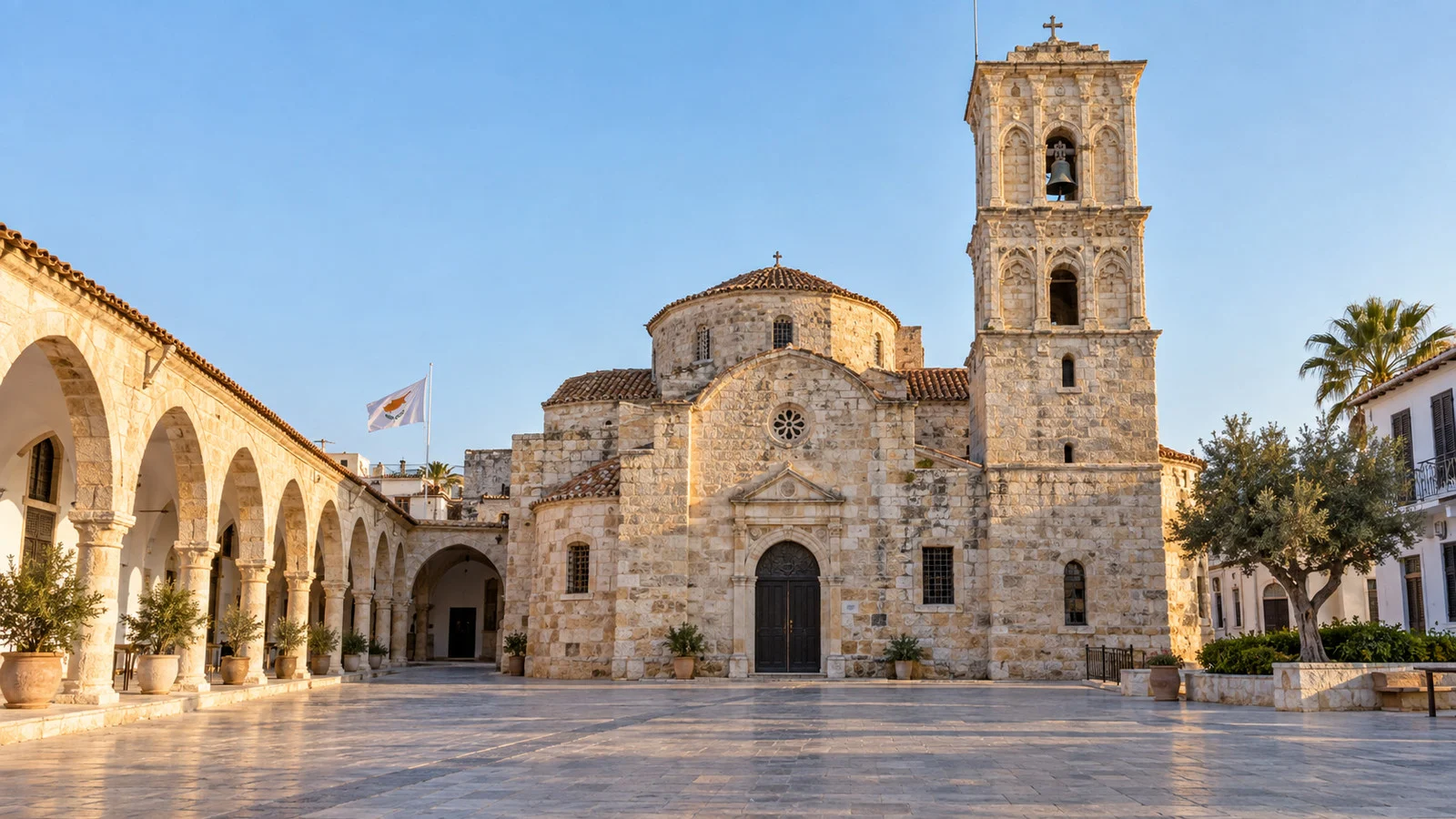
A few streets inland, the stone Church of Saint Lazarus is one of Larnaca’s essential sights. Tradition connects it with Lazarus of Bethany, and the church’s architecture, carved iconostasis, icons, and crypt create a visit that feels intimate despite its importance.
This is an active place of worship, not simply a museum. Dress modestly, keep voices low, avoid flash, and accept that services or ceremonies may limit tourist access.
Opening times can include seasonal changes or a midday break. Verify the day rather than letting an old travel page decide when you arrive.
Hala Sultan Tekke
Hala Sultan Tekke stands beside the salt lake and is among Cyprus’s most significant Muslim places of worship. Its calm courtyard, domes, minaret, trees, and water views make it one of the most atmospheric stops near Larnaca.
The complex is associated with Umm Haram and the early Islamic history of Cyprus. Visitors should approach it with the respect due an active sacred place.
Cover shoulders and knees, remove shoes where instructed, and avoid interrupting prayer. Friday worship, religious dates, maintenance, or security can affect visiting hours, so confirm access before taking a taxi.
I would combine the mosque with one lake viewpoint rather than attempting the entire nature route. The pairing gives you culture and landscape while leaving time for the city center.
Choirokoitia as the main excursion
Choirokoitia is a major Neolithic settlement in the Larnaca District and a UNESCO World Heritage Site. It reveals an early farming community through circular buildings, defensive walls, burials, tools, and a settlement plan that required organized collective work.
UNESCO dates occupation from the seventh to the fifth millennium before the common era and calls the site one of the eastern Mediterranean’s most important prehistoric places. Only part has been excavated, preserving an archaeological reserve for future research.
Five reconstructed houses and part of a defense wall help visitors interpret the original remains. The reconstruction stands apart from the ancient fabric and is based on excavation evidence.
This is not a quick city stop. The drive, ticketing, exposed hillside, uneven surfaces, and time on site make Choirokoitia a half day commitment for cruise planning.
Check the official archaeology or tourism page for current hours, holiday closures, admission, and access before travel. A ship excursion or reserved round trip driver protects the return better than a last minute taxi search.
Other ways to spend the day
A food focused afternoon
Larnaca suits travelers who prefer tasting a place to racing through it. Look for meze, grilled halloumi, village salad, seafood, olives, dips, and Cypriot coffee, then leave room for something sweet.
Ask for a shorter meal if the clock is tight because a traditional meze can unfold over many plates. Restaurants near the promenade understand cruise schedules, but tell the server when you need the bill.
Mackenzie Beach
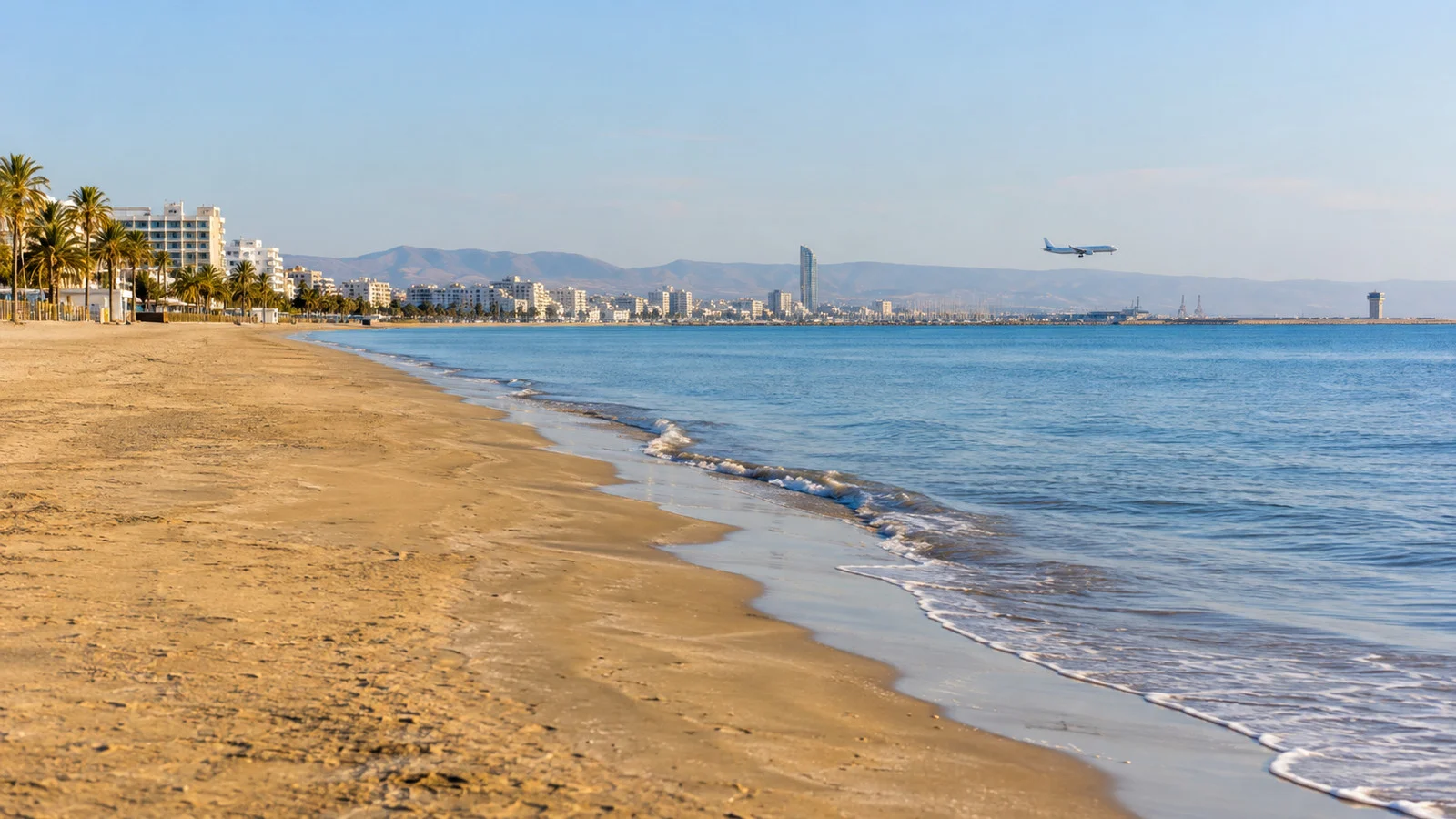
Mackenzie Beach lies closer to the airport and is known for sand, restaurants, and low arriving aircraft. It can work as a beach alternative when the weather is good and transportation is confirmed.
Do not confuse being able to see the port with being able to walk back quickly. Arrange the return and leave time for port security.
Larnaca museums
Small local museums can add archaeology, regional history, or art to a hot or rainy day. Opening days are often more restrictive than the waterfront attractions, so choose one and verify it directly.
Accessibility and comfort
Central Larnaca’s flat terrain is a genuine advantage, especially along the seafront. Individual curb cuts, paving, historic entrances, beach access, and restroom layouts still vary.
The secure commercial port may be the biggest uncertainty. Ask the cruise line whether a low floor or lift equipped shuttle will operate and whether your mobility device can be stored.
Historic religious buildings can include thresholds, steps, narrow routes, or temporary access arrangements. Contact each site for details that match your chair, scooter, walker, balance, or stamina needs.
Choirokoitia uses a sloping outdoor site with uneven ground. Ask which reconstructed areas and viewpoints are reachable before booking an excursion described only as panoramic.
Weather and what to bring
Larnaca has hot dry summers, mild winters, and strong Mediterranean sun. The cooler shoulder months are kinder for walking, while high summer makes shade and water part of the itinerary.
Bring a hat, sunscreen, a refillable bottle, and clothing suitable for sacred sites. Comfortable walking shoes are useful on old paving and nature paths, while water shoes can improve a beach stop.
Winter can be mild but breezy or wet. A light waterproof layer is worth carrying when the salt lake is full and flamingo season is underway.
Three realistic shore day plans
Plan one: classic central Larnaca
Take the confirmed route from the port to Foinikoudes, visit the castle and Saint Lazarus, then enjoy lunch and the beach. This plan is easy to shorten if the ship changes timing.
Plan two: lake and city
Use a reserved taxi for Hala Sultan Tekke and a salt lake viewpoint, then return to the promenade and old center. In flamingo season, bring binoculars and accept that wild birds set their own schedule.
Plan three: Choirokoitia focus
Book transportation or a ship excursion to the UNESCO site, give the hillside proper time, and return for a brief waterfront walk. Do not add distant stops unless the call is unusually long.
Common mistakes to avoid
The first mistake is expecting flamingos in every month. Their presence depends on season and conditions, so plan a wetland visit that still works without them.
The second is walking through the cargo port without instructions. Use the approved gate or shuttle and follow security staff.
The third is confusing Larnaca Marina with the commercial cruise berth. Confirm the exact pickup point with independent drivers.
The fourth is treating Choirokoitia as a quick detour. It deserves to be the main trip and requires a safe return margin.
The fifth is forgetting worship schedules. Saint Lazarus and Hala Sultan Tekke are living religious places whose primary purpose is not tourism.
Frequently asked questions
How far is Larnaca Port from the center?
The Cyprus Ports Authority states that the port is about 2 kilometers from the city center. Your actual route depends on the secure gate and transportation arrangement for the call.
Can I walk into Larnaca?
Possibly, once port staff direct you to an authorized pedestrian exit. Do not assume that the most direct map line is a permitted route through the working harbor.
When can I see flamingos?
The most likely period is during the cooler, wetter months, commonly described as roughly November through March. Sightings are never guaranteed because rainfall and bird movement vary.
Is Larnaca a tender port?
Cruise vessels can use the commercial port, but passengers should confirm the day’s berth and landing plan with the ship. Operational changes can affect any call.
Is Hala Sultan Tekke worth visiting?
Yes, especially when paired with the salt lake. Dress modestly, confirm current access, and respect prayer times.
Should I visit Choirokoitia?
Choose it if early settlement history is a priority or you have already explored Larnaca. Make it the day’s main excursion and reserve transportation.
My final take
Larnaca is at its best when you keep the plan compact and let the city reveal itself on foot. The castle, Saint Lazarus, seafront, and one lake outing are more than enough for a satisfying call.
I would save Choirokoitia for a long day and flamingo expectations for the right season. With those two decisions made, Larnaca becomes one of the easiest ports in the eastern Mediterranean to enjoy.
This guide was checked on September 12, 2026, against official Cyprus port, tourism, cultural, transport, and UNESCO information. Berths, gates, shuttles, wildlife, worship hours, attraction access, admission, and accessibility can change, so confirm live details with your cruise line and official providers before travel.