Longyearbyen Cruise Port: Berths, Tenders and Arctic Safety
Longyearbyen is where a cruise port day feels deliciously improbable. One minute you are stepping off a ship, and the next you are choosing between Arctic history, huskies, a coal mine, and a seed vault you cannot actually enter.
Longyearbyen cruise port at a glance
Region: Svalbard, a Norwegian Arctic archipelago.
Best easy day: Svalbard Museum, town center, church, and harbor.
Non-negotiable rule: do not leave the settlement independently.
The quick facts
- Where you land: Bykaia, the main ISPS cruise quay about 0.9 mile from the center of Longyearbyen. Tendered ships land at Tenderkaia, and expedition vessels up to about 200 feet may use the floating Turistkaia. The Port Longyear pier overview sets out all three.
- Dock or tender: Berth capacity here is genuinely limited, so the port can move a ship to anchor in Adventfjorden even when a berth was planned.
- Into town: About a 20- to 25-minute walk from Bykaia on a level road, or a short taxi ride.
- Currency and language: The Norwegian krone (NOK), and Norwegian, with English spoken everywhere in a settlement of more than 50 nationalities.
- Time zone: Svalbard keeps mainland Norwegian time, so Central European Summer Time (CEST, UTC+2) right through the cruise season, CET (UTC+1) in winter.
- How often the call is missed: Medium (roughly 3 to 7%): fog, ice, and wind can make the approach unsafe.
Where cruise ships dock in Longyearbyen
Longyearbyen is both a berth and tender port, and ship size alone does not guarantee one outcome. The official Port Longyear pier overview says the port has limited berth capacity and may shorten a stay, change a berth, or move a ship to anchorage when demand exceeds space.
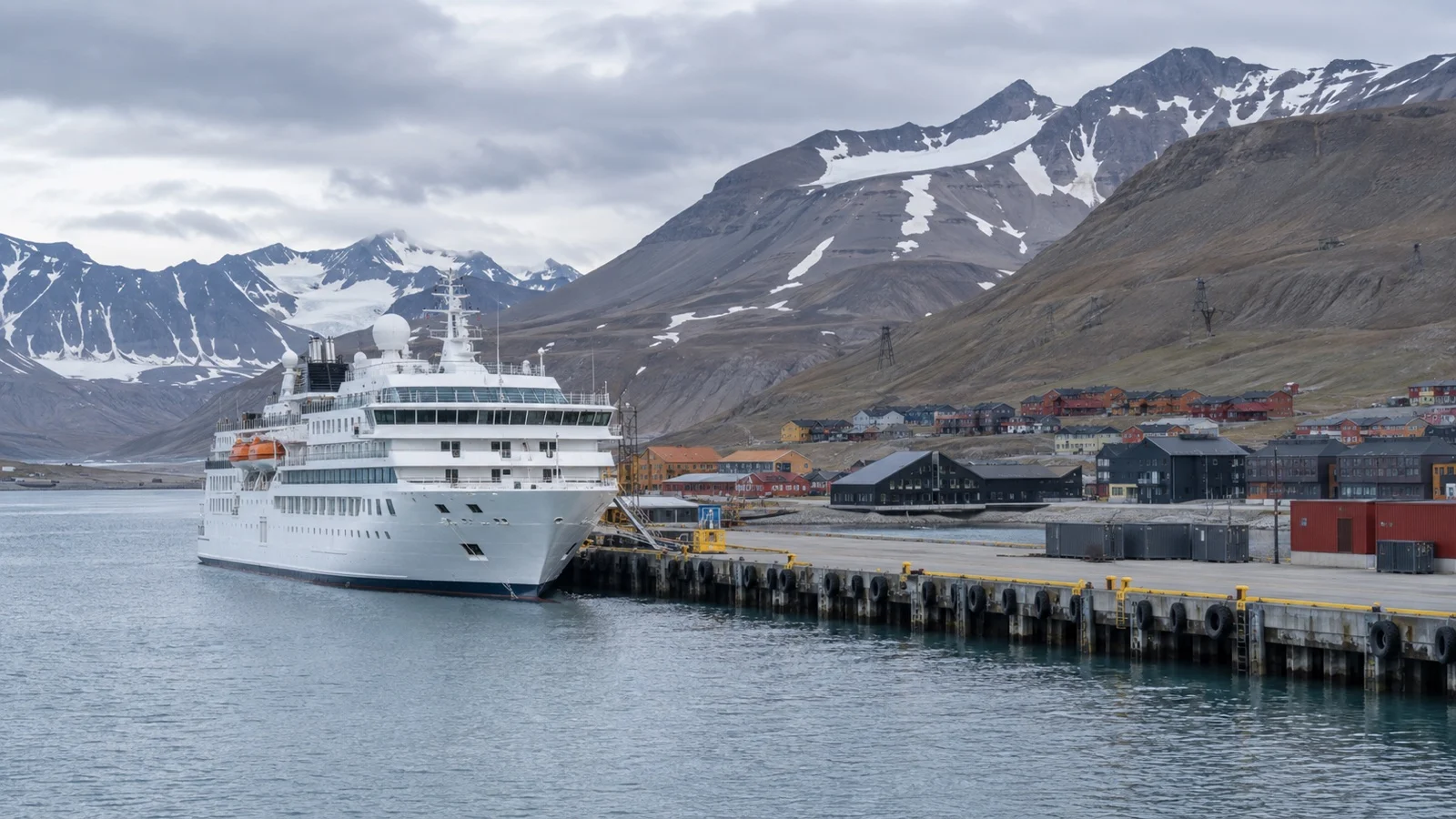
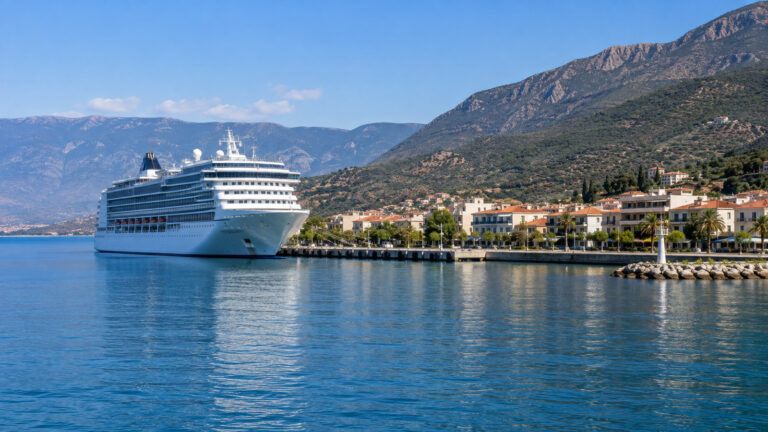
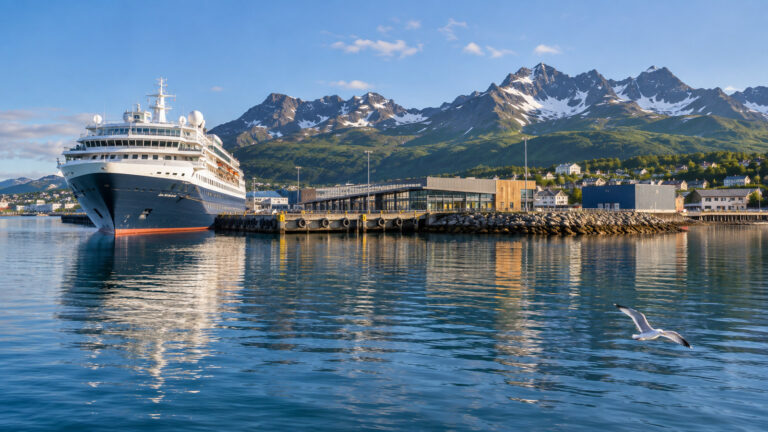
Bykaia is the main ISPS cruise terminal and is mostly used by large cruise vessels, cargo ships, and support vessels. Its physical quay is about 275 feet long with a listed depth of about 30 feet, while the port says it can accommodate vessels up to roughly 1,150 feet under its operational arrangements.
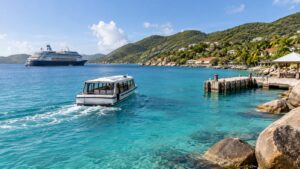
Ships at anchor in Adventfjorden use tenders, with passengers landing at Tenderkaia. Smaller expedition vessels up to about 200 feet may request Turistkaia, a floating pier also used by day boats and other passenger craft.
Check the ship’s daily program for Bykaia, Turistkaia, or tender instructions, and never assume a walk-off day until the captain confirms it.
The official port schedule publishes planned movements, but weather and port operations can still change them. That uncertainty is normal Arctic logistics, not a personal attack on your spreadsheet.
If you are flying in the night before, our guide to hotels near Longyearbyen cruise port compares the options by distance from the terminal.
Getting from the harbor to town
Bykaia is roughly 0.9 mile from the center, usually a 20- to 25-minute walk on a straightforward road. A cruise-day tourist information point sometimes operates at Bykaia, and your line may provide a shuttle, but neither should be assumed for every call.
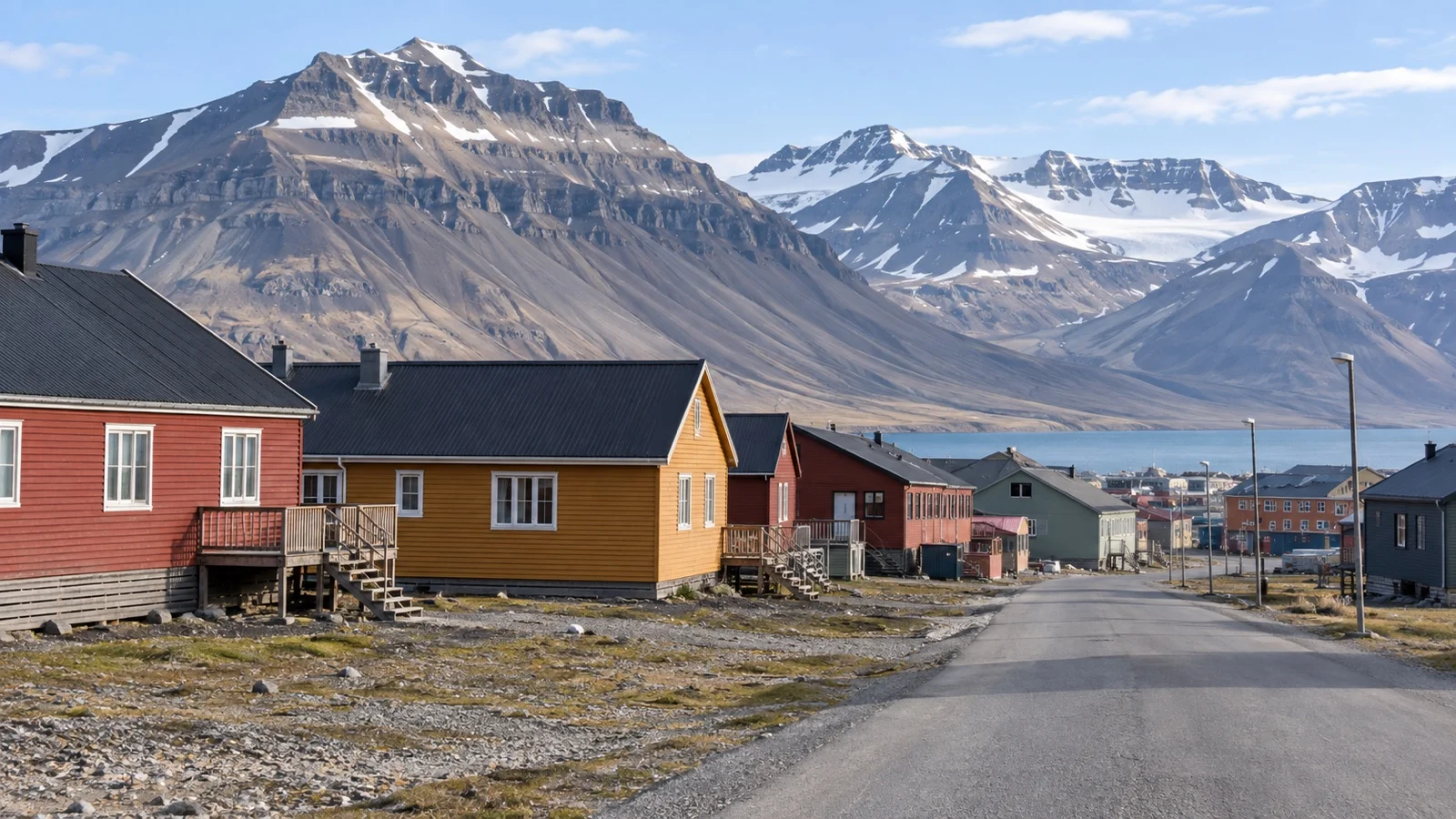
Longyearbyen has no urban transit network comparable to a mainland city. Visit Svalbard’s official local transport page lists two taxi companies operating around the clock, with motorcoaches available for tours and groups.
Prebook a taxi or organized outing when timing matters because vehicles can be scarce during a large-ship call. Confirm the pickup point, total cost, accessibility needs, and return plan before departure.
If you arrive by tender, the landing point and walking distance can differ from a Bykaia day. Crew directions and port fencing control the safe route ashore, so follow them even when a map suggests a clever shortcut.
What to do independently in Longyearbyen
Independent exploring should remain within the settlement, where the center is compact and the scenery supplies its own special effects. Begin with Svalbard Museum for an excellent grounding in geology, wildlife, whaling, trapping, coal mining, exploration, and modern community life.
The official Svalbard Museum listing describes a journey from the archipelago’s recorded discovery in 1596 to the present. Check cruise-day hours before walking over, particularly on shoulder-season or high-traffic dates.
The North Pole Expedition Museum focuses on the remarkable and sometimes chaotic attempts to reach the pole by airship, aircraft, and other means. It pairs well with Svalbard Museum if the weather decides that indoors is a personality, not a compromise.
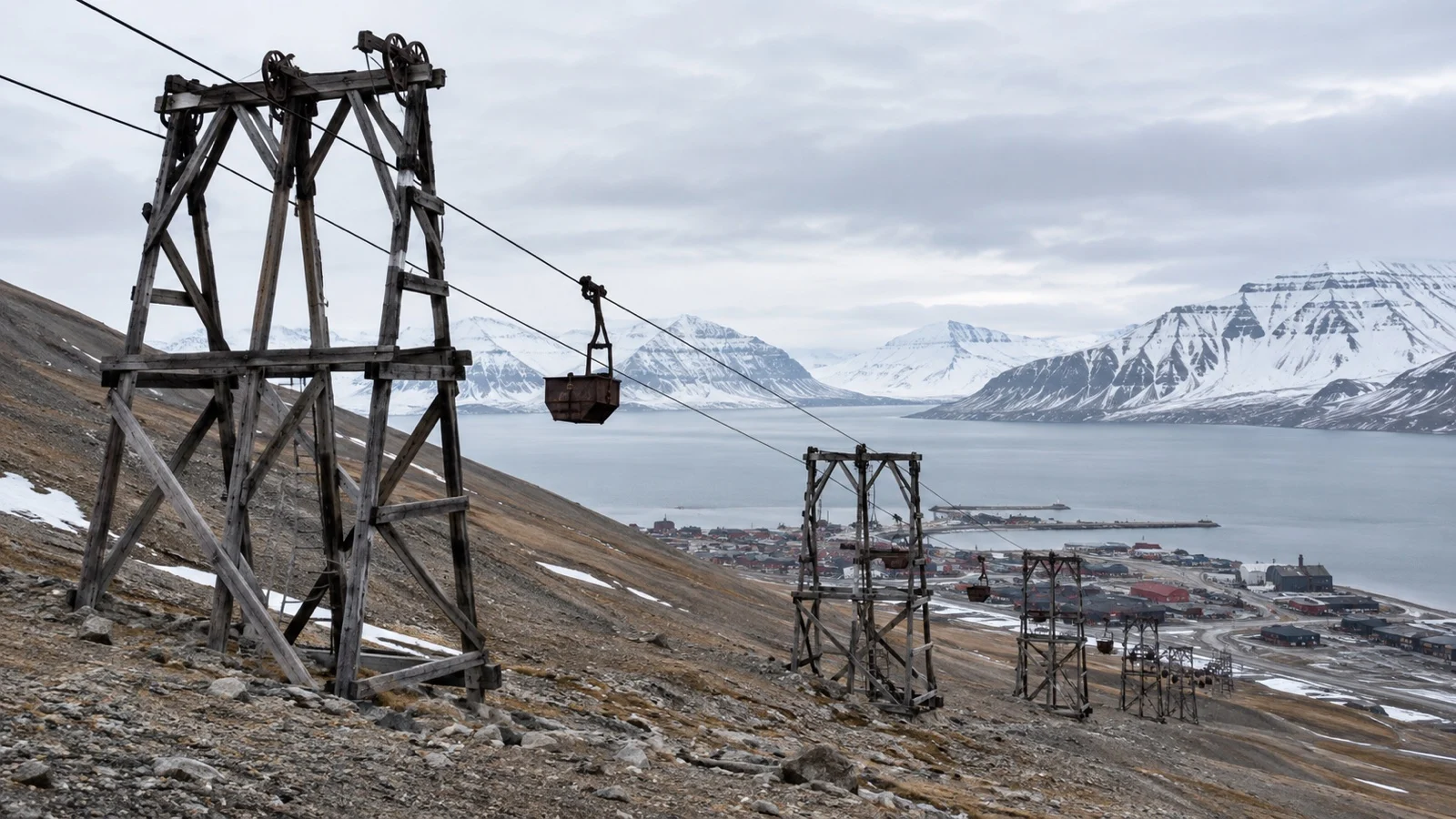
Continue along the main street for cafés, outdoor shops, galleries, and practical supplies, then visit Svalbard Church if it is open to visitors. Longyearbyen’s colorful buildings, old aerial tramway supports, and mountain backdrop make even an ordinary walk feel delightfully unordinary.
Do not wander past posted settlement boundaries for a better photograph. The transition from town to polar-bear country is not announced with velvet ropes, and a local guided trip is the correct way to go farther.
Best guided excursions from Longyearbyen
Town sightseeing and the Seed Vault exterior
A two-hour vehicle tour can cover viewpoints, mining history, the airport side of town, and the famous Svalbard Global Seed Vault entrance. The vault itself is not open to visitors, so legitimate tours stop outside and explain its purpose rather than promising a peek at stored seeds.
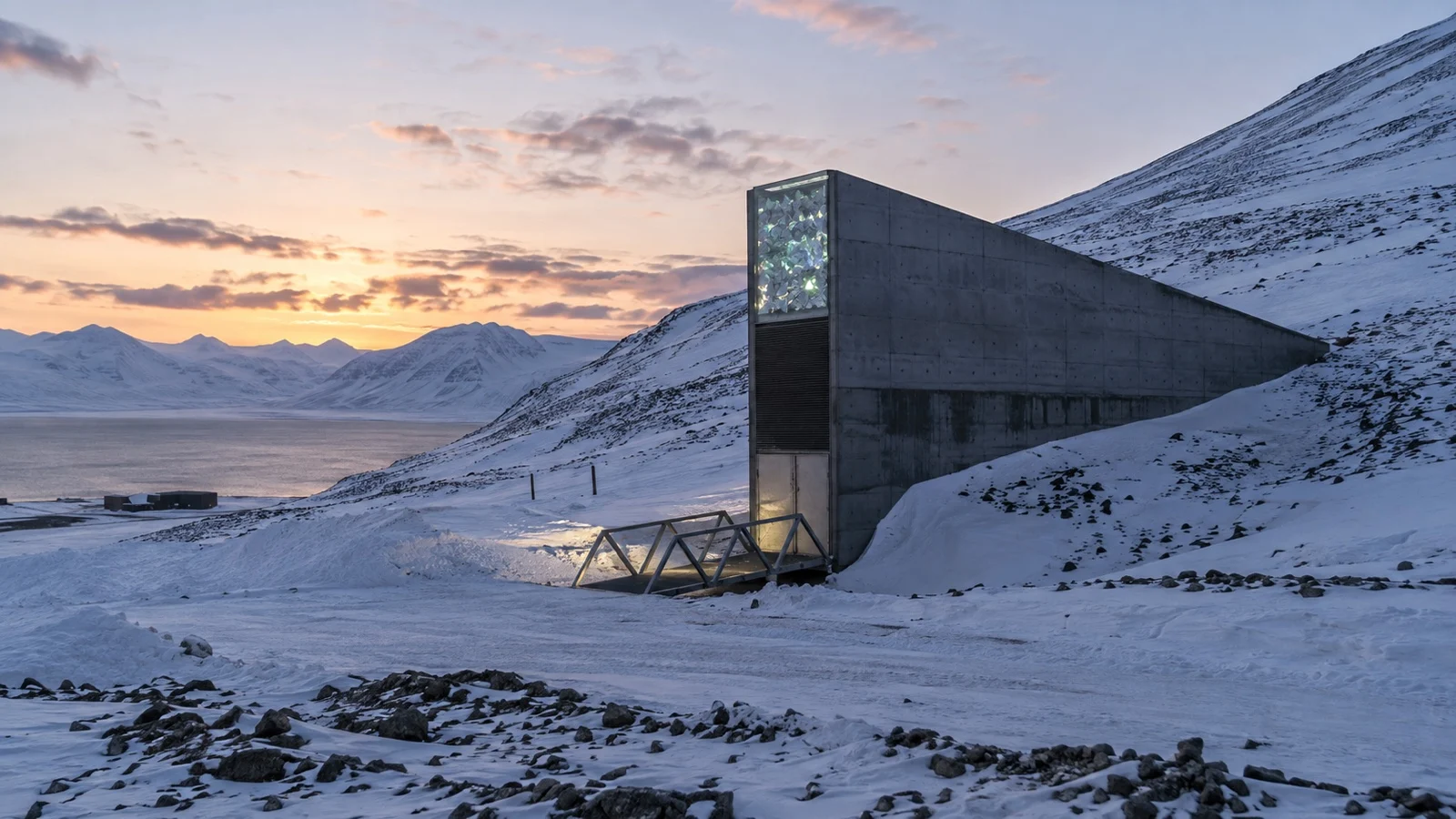
This outing works especially well for limited walkers and short calls, provided an appropriate vehicle is confirmed.
Mine history and dog yards
Guided mine experiences explain how coal created modern Longyearbyen, often using historic equipment and underground spaces. Ask about stairs, low ceilings, dust, darkness, helmets, minimum mobility, and whether transport from the port is included.
Husky visits and wheeled dog-cart activities bring a livelier Arctic soundtrack. Choose an established local operator, check animal-welfare practices, and dress for outdoor waiting as well as the advertised activity.
Boat trips in Isfjorden
Summer boat trips may explore wildlife areas, glacier scenery, or distant settlements, depending on the product and sea conditions. These are not interchangeable, so compare duration, vessel type, heated cabin, protective clothing, restroom access, minimum age, and cancellation policy.
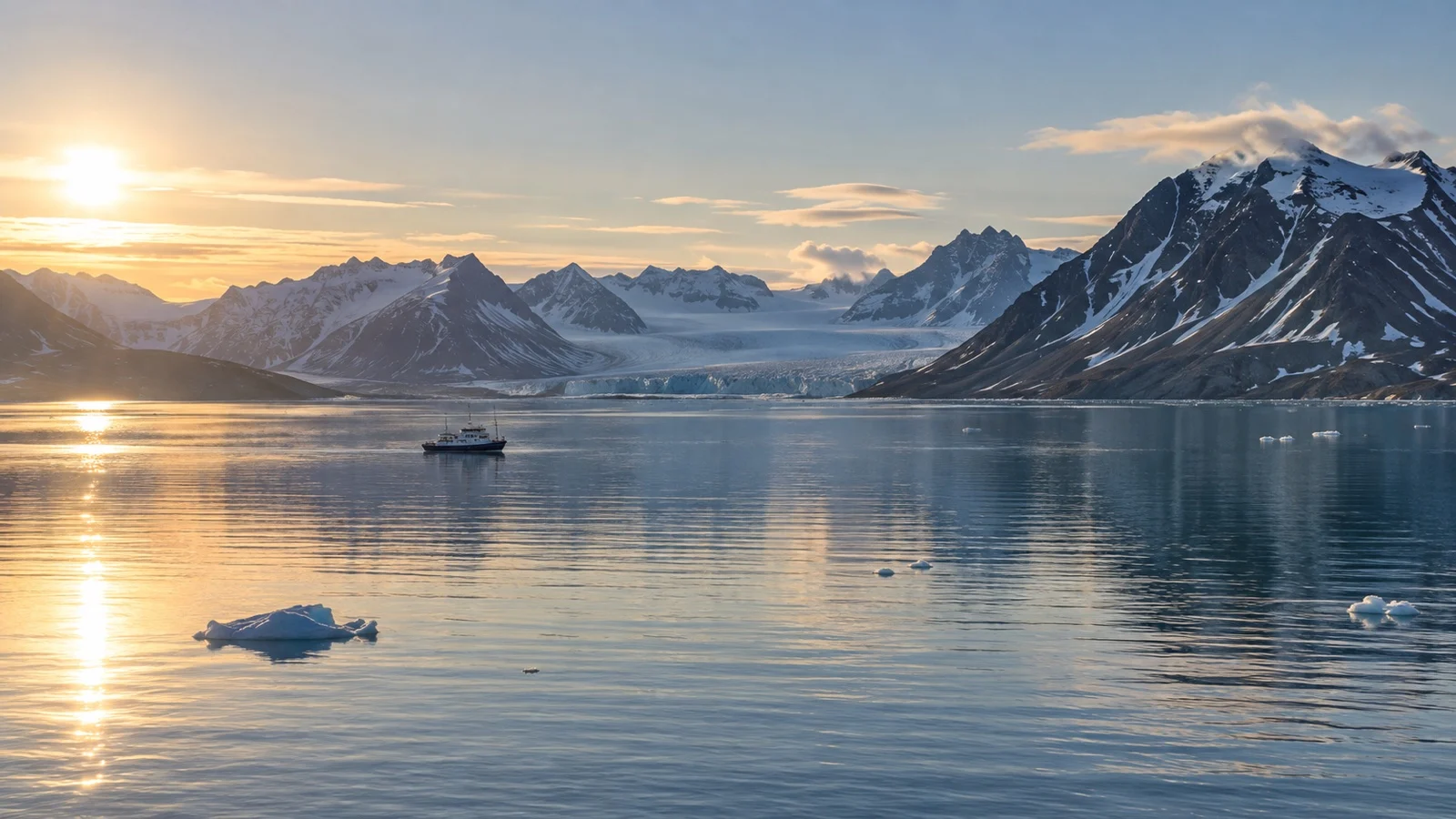
Pyramiden and Barentsburg are substantial journeys rather than quick harbor spins, with no road connection from Longyearbyen. Book only a trip explicitly designed around your ship’s call, because Arctic wind, visibility, and water conditions can rewrite the day.
Travelers continuing to Amsterdamøya cruise port will encounter a far wilder landing style later in the voyage. Longyearbyen is the place to add museums, community context, and reliable indoor time.
Three realistic Longyearbyen port-day plans
Four hours ashore: museums and town
Use a shuttle, taxi, or the walk from Bykaia, then visit Svalbard Museum and the central streets. Add the church or North Pole Expedition Museum if time allows, and begin returning at least an hour before your deadline.
Six hours ashore: guided overview plus center
Take a prebooked town-and-valley sightseeing tour, ideally including the Seed Vault exterior, then spend the remaining time at one museum and a café. This plan balances landscape, history, warmth, and a healthy return margin.
Eight or more hours ashore: one major Arctic activity
Choose a mine visit, dog experience, hike, or fjord trip that guarantees port-compatible transport. Do not stack two weather-dependent adventures, because the High Arctic already provides enough suspense for one day.
Polar-bear safety is not optional
The Governor of Svalbard states that anyone traveling outside settlements must have suitable means to scare away polar bears and meet field-safety requirements. Its current official travel guidance is the authority to follow, not a social-media map of someone’s unaccompanied hike.
Visitors should join an organized local tour outside Longyearbyen rather than carry or rent weapons themselves. Never approach, attract, follow, or attempt to position yourself for wildlife, and obey your guide immediately.
Wildlife sightings are never guaranteed, including polar bears. A responsible guide avoids disturbing animals, and the absence of a bear is a perfectly successful safety outcome.
Accessibility in Longyearbyen
Accessibility depends first on whether the ship berths or tenders. Tender boats, gangway angles, swell, steps, and crew transfer rules can prevent some mobility-device users from going ashore even when the town activity is accessible.
From Bykaia, the route toward town is relatively direct but exposed, and surfaces can include gravel, snow, ice, mud, or puddles. Distances that look modest become harder in wind and cold.
Svalbard Buss og Taxi advertises approved special transport for wheelchair users, but it should be reserved before arrival with equipment dimensions and transfer requirements. Museums, restrooms, vehicles, and tour sites vary, so verify each stage separately.
A vehicle sightseeing tour may be easier than a walking-heavy center day, although the Seed Vault exterior and viewpoints still need precise access questions. Tell the operator whether you can climb vehicle steps and whether your chair must remain occupied during transport.
Weather, daylight, and what to wear
Visit Svalbard reports average summer temperatures of about 37°F to 45°F from mid-May through September. Its official clothing guidance recommends wool layers, a windproof jacket, hat, and mittens even in summer.
Add waterproof footwear with good grip, warm socks, and a water-resistant outer layer. The temperature beside a sheltered shop and on an open tender, boat, or viewpoint can feel like two different forecasts.
The midnight sun remains above the horizon in Longyearbyen from April 20 to August 23, but daylight does not equal warmth. Cloud, fog, rain, snow, and wind can arrive quickly, and a boat excursion may be changed or canceled.
Pack medication, gloves, and essential layers in your day bag rather than leaving them on a motorcoach. If you also visit Tromsø cruise port, expect Longyearbyen to feel markedly colder and more exposed.
Shopping, payment, and local etiquette
Cards are accepted widely, and Norwegian kroner are the local currency. Connectivity can be imperfect, so carry a second card and avoid depending on a last-minute ATM stop.
The Governor of Svalbard states that every visitor pays a NOK 150 environmental fee, which airlines and cruise lines add to tickets. You should not need to pay it again at the quay unless your operator specifically explains why.
Shop for locally designed goods or clearly documented Svalbard products rather than wildlife items with murky origins. Do not collect rocks, plants, bones, antlers, or cultural remains, and follow biosecurity instructions from the ship.
Drones are prohibited in Longyearbyen, and wider Svalbard rules are strict. Keep distance from reindeer and nesting birds, stay on approved routes, and let the landscape keep its belongings.
Return timing and contingencies
All-aboard time controls the day, and tender operations usually close before departure. Aim to be at the quay 60 minutes early after a town visit and 90 minutes early after an independent vehicle outing, unless your cruise line requires more.
For boat trips, remote activities, or hikes, use a ship excursion or a local operator that explicitly accepts your vessel’s schedule. Mobile service, weather, and transport availability are weaker safety nets here than in Honningsvåg cruise port.
Longyearbyen cruise port FAQs
Do ships dock or tender in Longyearbyen?
Both occur. Bykaia handles many large cruise vessels, smaller expedition ships may use Turistkaia, and anchored ships tender to Tenderkaia when berth capacity or operations require it.
Can you walk from Bykaia to town?
Yes, central Longyearbyen is roughly 0.9 mile away and usually takes 20 to 25 minutes. Cold, wind, snow, and surface conditions can make it harder than the distance suggests.
Can I visit the Global Seed Vault?
You can see its exterior on certain organized tours, but the vault interior is not open to visitors. Any tour implying general public entry deserves a very skeptical eyebrow.
Is it safe to walk around Longyearbyen alone?
Remain within the settlement and respect all signs and local advice. Outside the settlement, go with a qualified local guide equipped and prepared for polar-bear risk.
Will I see a polar bear?
Probably not in town, and no ethical operator can promise one. Svalbard wildlife is wild, protected, unpredictable, and best enjoyed at a safe distance.
Is Longyearbyen part of Norway?
Svalbard is under Norwegian sovereignty and Longyearbyen uses Norwegian currency and public systems, although the archipelago has a distinct legal and tax framework. Our Norway cruise ports guide helps compare it with mainland calls.
The bottom line
Longyearbyen rewards disciplined curiosity: learn the exact landing plan, dress much warmer than instinct suggests, stay inside town independently, and use local professionals for the wilderness. With those pieces in place, this remote port becomes fascinating rather than intimidating.
This guide was checked against current port, destination, and government information under our Editorial Policy. Verify berth or tender details, tour operation, mobility requirements, weather, wildlife rules, attraction hours, and all-aboard instructions for your sailing.
How this guide was researched: This guide was checked against current official port, tourism, government, and attraction sources, including the Port Longyear pier overview, with logistics and time-sensitive details reviewed September 10, 2026. Sailing arrangements and local conditions can change, so verify the current details and see our Editorial Policy.