Bodø Cruise Port: City Walks, Aviation and Saltstraumen
Bodø is an Arctic city where the scale of the port day can change in a single decision. You can stay close for architecture and harbor air, devote half a day to aviation, or follow the tide clock to Saltstraumen.
The secret is not trying to make all three compete. Bodø feels most rewarding when you choose one strong theme and leave enough room for weather, light, and a warm place to sit.
Where cruise ships arrive
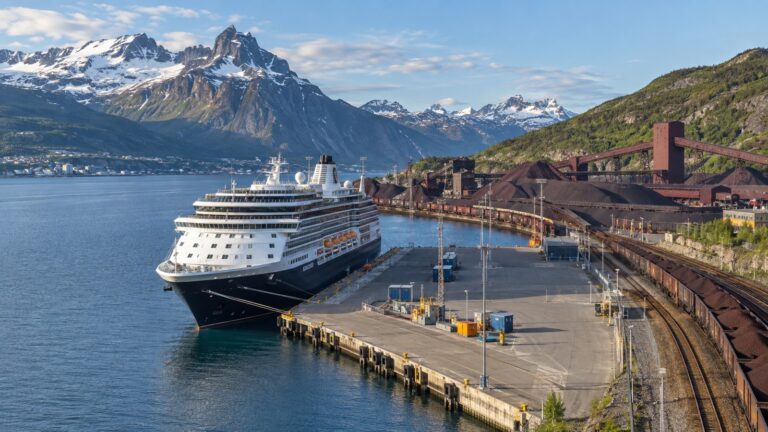
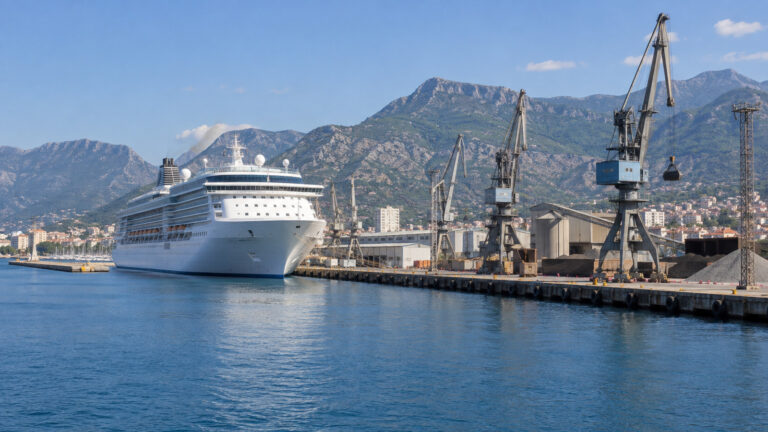
Bodø Cruise Port says its facilities sit beside the city center, with shops, restaurants, museums, and attractions within walking distance. Cruise vessels normally use an alongside quay, though the exact berth, gangway, shuttle, and pedestrian route remain specific to the ship and day.
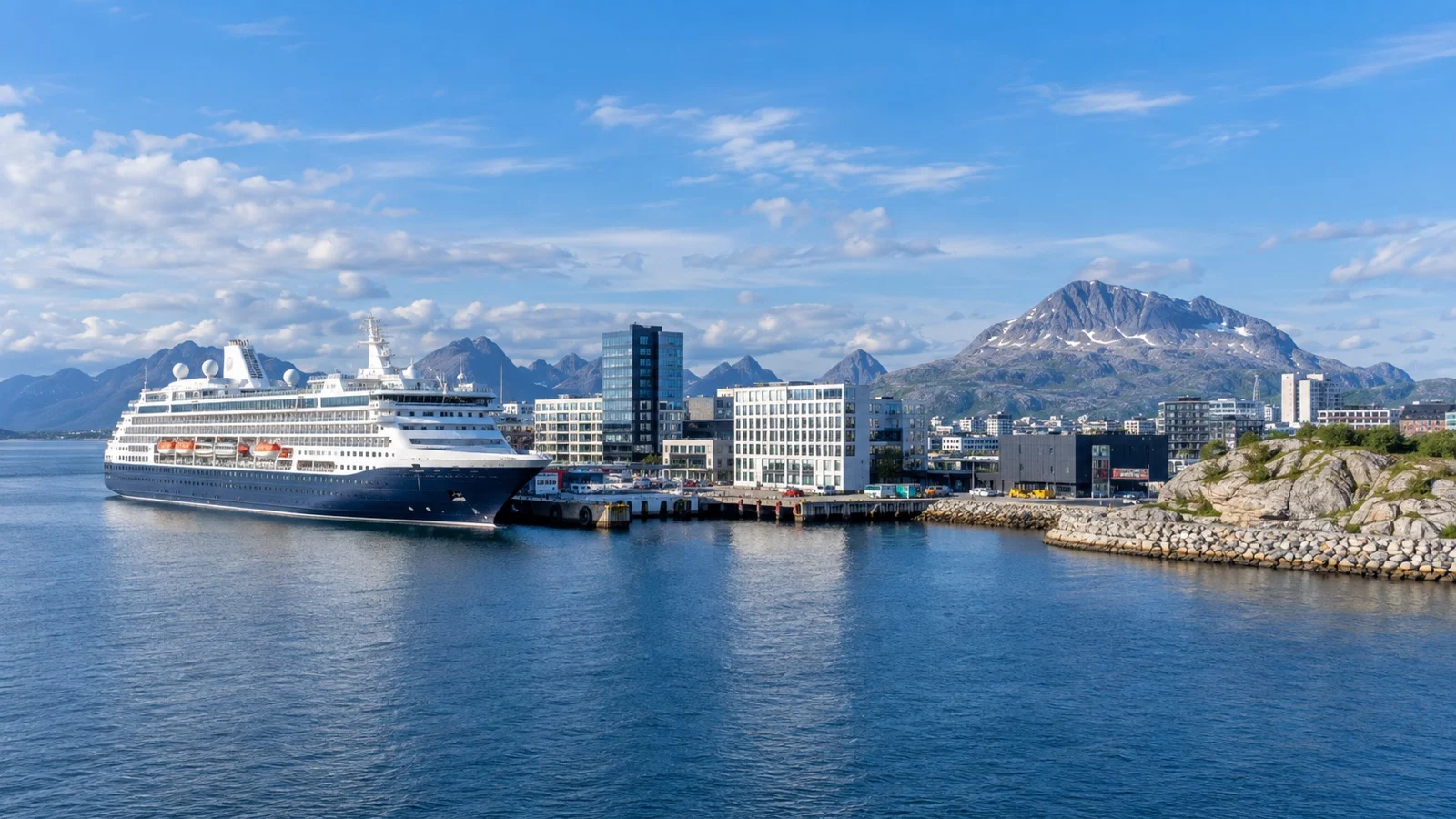
Read the daily program before stepping ashore because a short shift along the working waterfront can change your first turn. Port security, cargo activity, or local operations may also shape where passengers are allowed to walk.
An alongside call removes the tender variable, but it does not remove the clock. Note the all aboard time, the gangway location, and any required identification before you begin.
Quick facts
- Port style: Alongside cruise berths near central Bodø, with the exact quay confirmed onboard
- Currency: Norwegian krone
- Language: Norwegian, with English widely used in visitor settings
- Best easy day: Harbor walk, city center, Stormen area, lunch, and one museum
- Best indoor anchor: Norwegian Aviation Museum
- Best natural excursion: Saltstraumen timed to the official current calendar
- Main return risks: Road or bus timing, weather, and treating a current forecast as a fixed appointment
- Accessibility: Alongside arrival helps, but gangway angle, weather, vehicles, and outdoor surfaces still matter
A city rebuilt with its face to the sea
Central Bodø is compact enough for an independent walk, and its modern appearance reflects the city’s rebuilding after World War II. The result is not a preserved timber postcard but a working northern city with postwar architecture, cultural spaces, public art, and water never far away.
Start at the harbor and let your route grow according to conditions. A clear, calm morning may pull you toward a longer waterfront loop, while sleet or hard wind can make museums and cafes the better expression of local wisdom.
Stormen and the center
The Stormen cultural quarter gives central Bodø a contemporary civic focus through its library and concert facilities. Check the day’s public access and program because an event can make the building more interesting while changing which spaces are open.
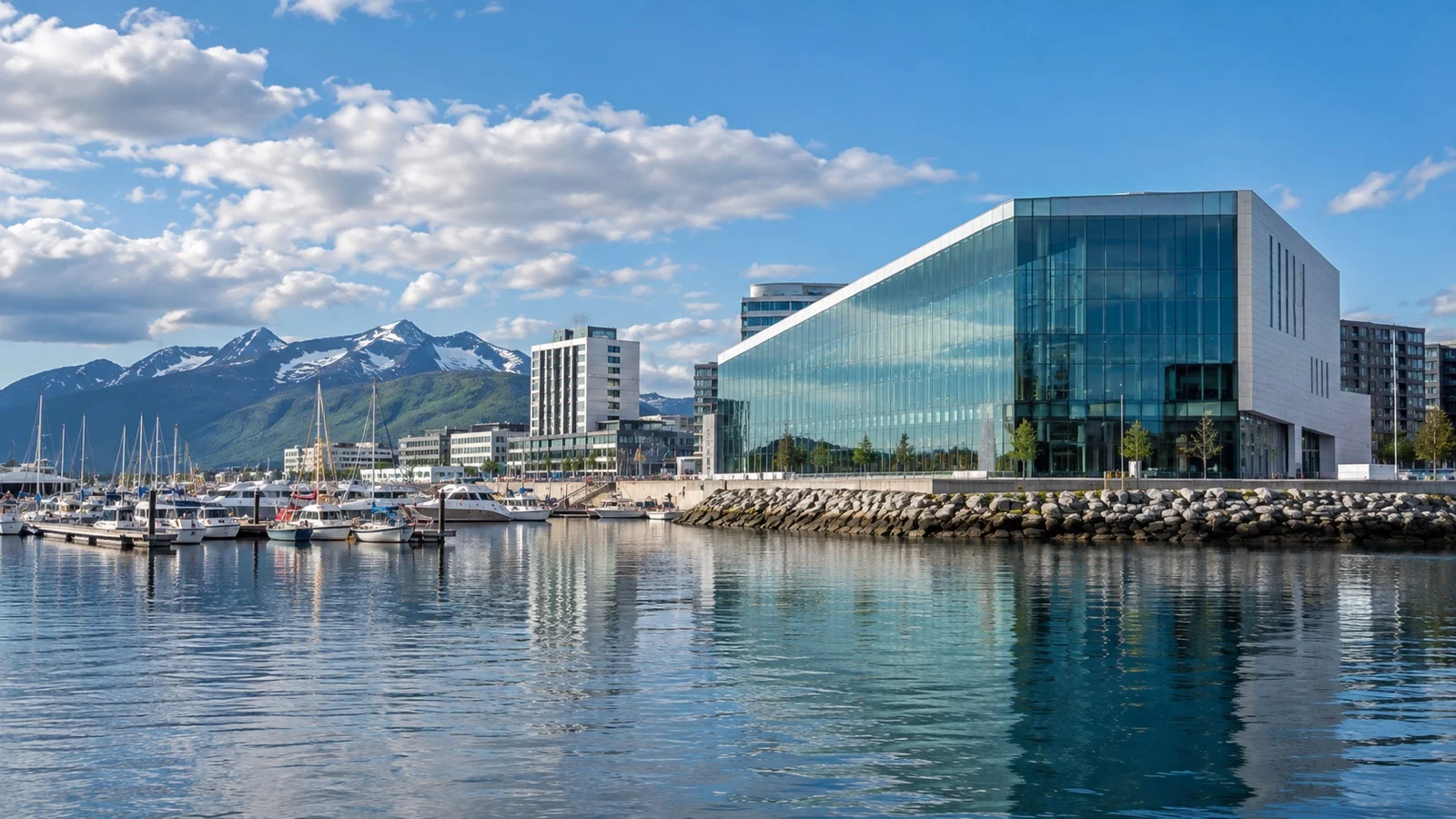
This area pairs well with a harbor walk, cathedral, and lunch. It also keeps you close enough to the ship that a sudden weather change does not collapse the entire plan.
Bodø Cathedral
Bodø Cathedral belongs to the city’s postwar story and provides a quiet contrast to the waterfront. Respect services, posted access, and photography guidance, since it remains an active place of worship rather than a cruise attraction.
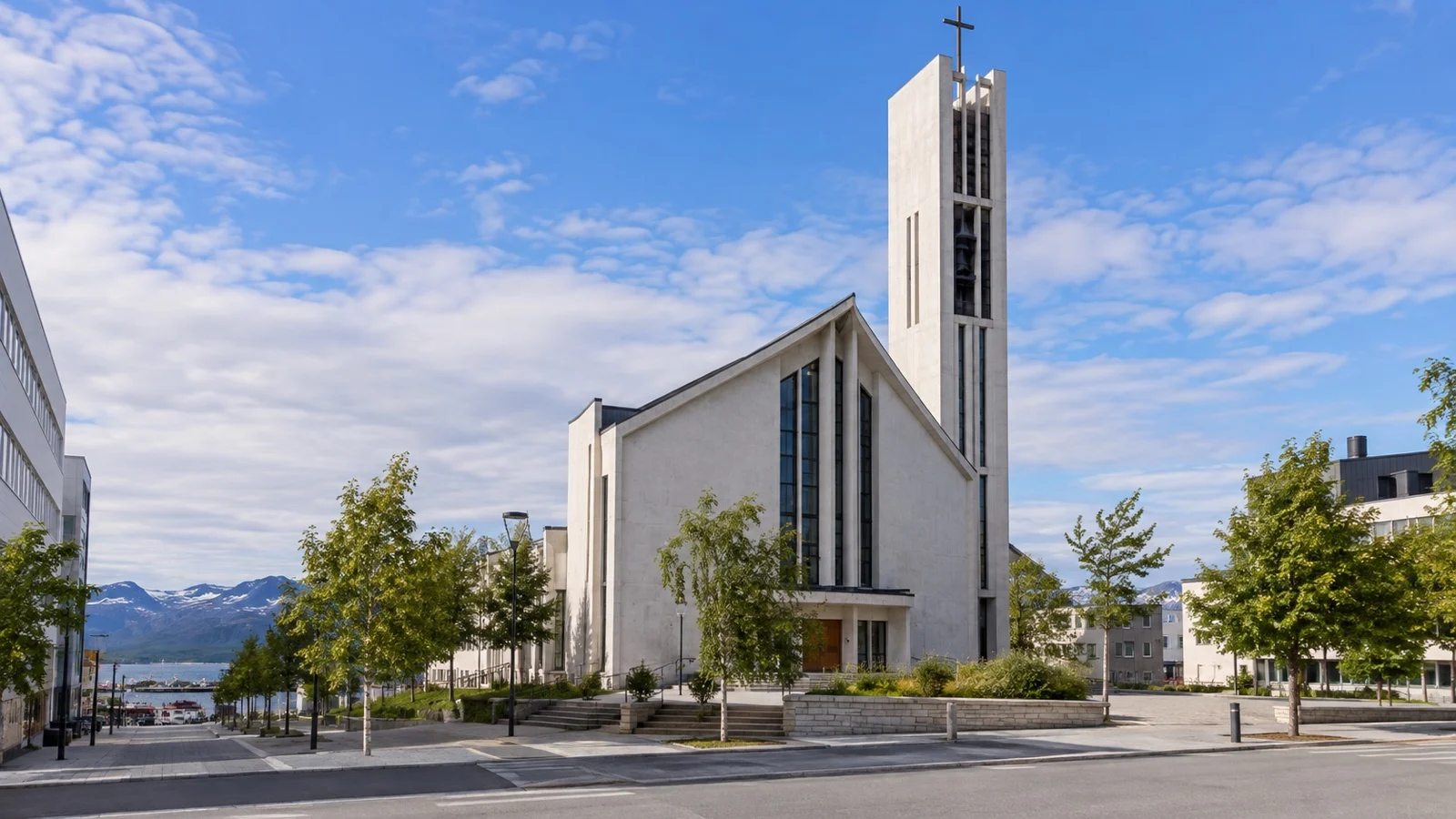
A short interior visit can add texture to a walking day without requiring a reservation. If it is closed, continue through the center rather than waiting outside and losing the better part of an hour.
Street art and harbor details
Bodø’s murals and public art reward travelers who look between the named attractions. Ask the visitor office for current guidance or use a recent official map, since artworks and routes can change.
The fishing and maritime setting also appears in boats, working quays, weathered equipment, and the way buildings shelter from the wind. Those ordinary details often say more about northern life than a staged photo stop.
A short nature option near town
Travelers who want a little landscape without committing to Saltstraumen can choose a modest waterfront or viewpoint walk. The correct route depends on season, daylight, wind, ice, and individual fitness.
Do not treat a trail described as easy in summer as automatically easy during wet, snowy, or icy conditions. Ask locally about the surface and turn back before the port return depends on your speed.
Keiservarden and higher viewpoints
Keiservarden is a celebrated viewpoint above Bodø, but it is not a casual extension of a city stroll for every passenger. Access method, trail condition, visibility, and time should be checked on the day.
A taxi or organized transfer can reduce distance, yet the final approach may still involve exposed walking. If clouds erase the view or footing is poor, use the aviation museum or central waterfront as the backup.
The Norwegian Aviation Museum
The Norwegian Aviation Museum is one of Bodø’s strongest attractions and a natural choice in difficult weather. Its civil and military aviation collections make sense here because flight, defense, distance, and northern geography are tightly connected.
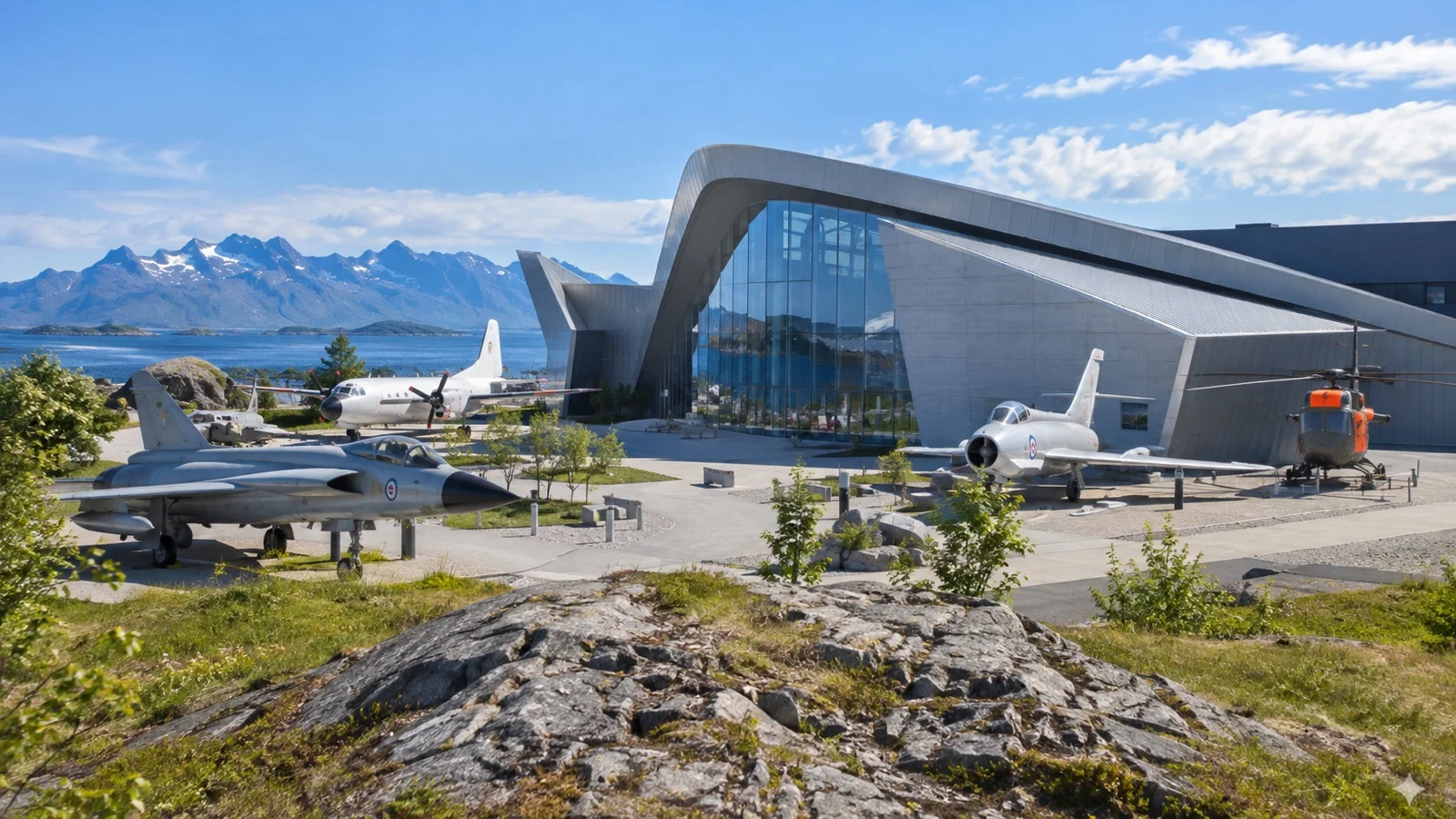
This is not a place to rush through in twenty minutes. Allow a substantial visit if aircraft, engineering, Cold War history, or the human experience of flying interests you.
Getting there
The museum is outside the immediate waterfront core but close enough for a short taxi, local bus, or longer walk depending on your berth and mobility. Use current local transport information and ask the visitor office for the best route from the day’s quay.
A taxi is efficient for a small group, especially in wind or rain. Record the return number and allow time for a vehicle to arrive instead of assuming one will be waiting at the museum entrance.
Planning the visit
Check the museum’s official opening hours, admission details, and accessibility information for your date. Seasonal schedules, exhibition work, and special events can affect the visit.
Pick the collection areas you care about most and begin there. Large museums have a way of absorbing the entire afternoon while your return margin disappears in ten-minute increments.
Who will enjoy it
Aviation enthusiasts are the obvious audience, but the museum also works for families and travelers curious about Norwegian history. The broader stories of technology, geography, conflict, and civilian connection give non-specialists plenty to follow.
Pair the museum with a simple city lunch rather than another distant excursion. That combination creates depth without turning transport into the main activity.
Saltstraumen runs on the tide clock
Saltstraumen is a narrow channel where immense tidal flows move between Saltenfjorden and Skjerstadfjorden. Visit Bodø describes it as 33 kilometers from the city and provides a calendar showing when the current is expected to be strongest.

The listed time is not a performance start. Visit Bodø notes that the current can be strong for about an hour before and after the calendar time, while natural conditions still determine what you see.
Why timing matters
A random arrival can show you a quiet-looking channel instead of the powerful eddies you expected. Check the current calendar for your exact date, then choose transport that places you there inside a sensible viewing window.
The sun and moon influence the tidal difference, so intensity varies across the month as well as the day. No responsible operator can guarantee a photograph identical to a promotional image.
Organized excursion
A ship excursion simplifies the road journey and protects the return if the tour runs late within the operator’s terms. It is the cleanest choice when the current window sits close to the middle of a short call.
Read whether the excursion observes from land, uses a rigid inflatable boat, includes an experience center, or adds other stops. Those versions have different mobility, weather, and clothing requirements.
Independent bus
Visit Bodø says buses 200 and 300 connect central Bodø with Saltstraumen several times daily, with an approximate journey of 40 minutes each way. Schedules change, so use the official Reis Nordland planner and check the exact stop, direction, ticket, and return service.
Choose a return bus with a realistic backup and do not use the last mathematically possible connection. A missed or full service can leave you competing for a taxi far from the ship.
Taxi or private driver
A taxi offers control over departure and can work well for a small group. Book the return or waiting arrangement in advance, state the ship’s all aboard time, and confirm what the quoted price includes.
Do not copy an old fixed fare from a blog because pricing changes. The current taxi company or visitor information office is the proper source on your date.
RIB experience
A rigid inflatable boat excursion adds speed, spray, protective clothing, and a close-to-water perspective. It also adds physical demands and operator decisions based on weather and passenger safety.
Ask about minimum mobility, back or neck restrictions, flotation gear, warmth, storage for belongings, and cancellation terms. The land viewpoint is the better choice for anyone who does not want a fast small-boat ride.
Safety at the current
Saltstraumen is powerful water, not an amusement effect. Stay behind barriers, keep children close, follow local signs, and never move onto rocks or edges for a photograph.
Visit Bodø emphasizes the area’s sensitive marine life and recommends enjoying the current without fishing directly in it. Follow protected-area rules and leave wildlife, plants, and shoreline features undisturbed.
Kjerringøy needs a larger budget of time
Kjerringøy offers a historic trading-post landscape and a coastal journey north of Bodø. It is beautiful, but transport and possible ferry timing make it a more demanding cruise-day choice than the aviation museum or a city walk.
Use a ship excursion or carefully organized private tour that understands every connection. Confirm seasonal opening, road conditions, ferry operation, and the return before treating it as possible.
This is a place that deserves unhurried time, not a windshield visit squeezed between two other excursions. If the call is short, save Kjerringøy for a land trip and let Bodø itself be enough.
Do not turn Lofoten into a side quest
Bodø is a gateway to wider northern Norway, but that does not mean the Lofoten Islands are a casual shore excursion. Ferries, flights, road transfers, weather, and fixed schedules introduce too many failure points for an ordinary call.
If a cruise line offers a protected excursion with clear logistics, assess it on its own terms. Independent travelers should resist the map fantasy and enjoy the excellent Arctic experiences already available around Bodø.
Four plans that fit real calls
Easy city day
Walk the harbor, explore the Stormen area, visit the cathedral if open, and follow a current street-art route. Have lunch in the center and keep the final hour for another waterfront loop or coffee close to the ship.
This is the most weather-flexible plan because indoor and outdoor time can trade places. It is also the least vulnerable to transport delays.
Aviation day
Take a taxi or checked local route to the Norwegian Aviation Museum and give the collections enough time. Return to the center for lunch, then add a short harbor walk if the clock allows.
This plan works particularly well in rain, but do not forget the transport margin just because the museum is in the city. Arrange the return before the galleries absorb you.
Saltstraumen day
Check the official current calendar first, then choose a ship tour, timed taxi, or bus plan that fits the strongest window. Observe from land or take a properly vetted RIB trip, but keep the rest of the day simple.
If the current timing conflicts with all aboard, accept that this call is not the right one. Nature does not adjust its schedule for the cruise brochure.
City and short viewpoint
Begin with a local viewpoint only if visibility and surface conditions are good. Return to the city for a museum, Stormen, or lunch, leaving the exposed walk optional from the beginning.
This plan provides landscape without the longer Saltstraumen transfer. It still requires judgment because Arctic weather can transform a path quickly.
Accessibility at an Arctic port
An alongside berth avoids a tender, but gangway angle and distance vary with ship and tide. Ask the cruise line about wheelchairs, scooters, assistance, and the exact port route before sailing, then confirm after the quay is assigned.
Central Bodø has paved urban routes, though snow, ice, construction, curb design, and wind can change practical accessibility. The shortest-looking waterfront line on a map may not be the most comfortable route.
Ask the Norwegian Aviation Museum directly about entrances, lifts, restrooms, seating, and loan equipment. If using public transport, contact the operator about boarding assistance and verify the specific stops.
Saltstraumen’s land viewpoints, parking areas, paths, and facilities should be checked with the tour operator. RIB trips have separate transfer and medical restrictions, so an accessible roadside visit does not imply an accessible boat experience.
Weather is part of the attraction
Bodø’s wind has a reputation for good reason, and conditions can change quickly near the Norwegian Sea. Bring a waterproof and wind-resistant outer layer, warmth you can add or remove, and shoes with dependable grip.
Sun can appear between showers, while summer light can make an ordinary harbor walk feel extraordinary. Protect skin and eyes even when the air is cool.
In colder periods, ice changes every distance and staircase. Follow port instructions, avoid untreated edges, and choose the indoor aviation day if walking conditions do not suit your group.
Food, money, and practical details
Norway uses the Norwegian krone, and cards are widely accepted. Carry a backup payment option because a drained phone or blocked card is still capable of ruining a simple lunch.
Bodø is a good place to try northern seafood or a warming cafe meal. Restaurant hours can vary by season and day, so do not postpone lunch until every kitchen on your route has closed.
Prices may feel high compared with other ports. Decide whether your priority is a full restaurant meal, a museum visit, or a tour, then budget around the experience that matters.
Public Wi-Fi and mobile coverage are useful but should not hold your only copy of the ship’s instructions. Save the berth name, port contact, transport plan, and all aboard time offline.
Return math
For a city walk, return early enough to identify the correct secure entrance and pass ship security without stress. A visible ship can still be separated from you by a working port route.
For the aviation museum, include the wait for a taxi or bus as well as the ride. For Saltstraumen, work backward through viewing time, walking to the stop or vehicle, road travel, port entry, and a delay buffer.
Natural timing invites people to stay for one more surge of water. Set a departure alarm before you arrive and obey it even if the current is becoming more dramatic.
Keep the ship’s contact details, cruise card, required identification, and enough funds for alternative transport. If a road delay develops, contact the appropriate operator or ship agent early rather than hoping it clears.
Frequently asked questions
Does Bodø use tenders?
Bodø is designed for alongside cruise operations, with port facilities adjacent to the center. The exact quay and any exceptional arrangement still belong to your ship’s daily program.
Can I walk into the city?
Yes, from the usual cruise-port area the center is accessible on foot for many passengers. Confirm the marked pedestrian route because you are leaving an active port.
Is the aviation museum walkable?
Some active travelers may walk, but a taxi or local bus is more comfortable for many visitors, especially in poor weather. Check the route from your assigned quay rather than a generic city-center point.
Can I visit Saltstraumen independently?
Yes, with a carefully checked bus or taxi plan timed to the official current calendar. Keep a backup return and do not make the last possible service your primary plan.
When is Saltstraumen strongest?
The predicted time changes each day and the intensity varies with the tidal cycle. Visit Bodø publishes a calendar and notes that strong flow can be visible around an hour before and after the listed time.
What is the best rainy-day choice?
The Norwegian Aviation Museum is the strongest substantial indoor option. Central cultural spaces, cafes, and a shorter city walk can complete the day.
Can I go to Lofoten?
Lofoten is not a sensible independent side trip for a normal Bodø cruise call because too many transport connections must align. Choose a protected ship excursion if one exists, or save the islands for a dedicated itinerary.
Sources and update note
This guide was checked against Bodø Cruise Port information, Visit Bodø’s Saltstraumen guidance and current calendar, the Norwegian Aviation Museum, Reis Nordland, and current ship operating guidance. Berths, attraction hours, current predictions, weather decisions, and bus schedules can change, so verify them for your call.
Bodø becomes wonderfully clear once you choose the scale of the day: city, aviation, or tidal wilderness. Confirm the quay, dress for the Arctic coast, and protect the return so the final memory is northern light on the harbor rather than a race to the gangway.