
RIVER CRUISE PORTS
Explore River Cruise Ports
Find practical guides to river ports, embarkation cities, docking locations, transportation, and the details that can shape your day on shore.
Browse by River
Start with your itinerary, then open a guide for the ports and cities along the way.
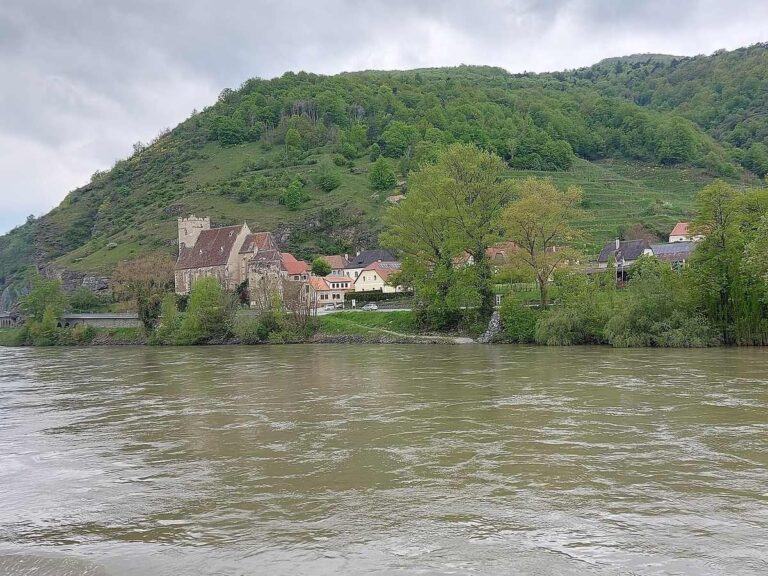
Danube
Embarkation cities, grand capitals, smaller ports, docking logistics, and day trip planning.
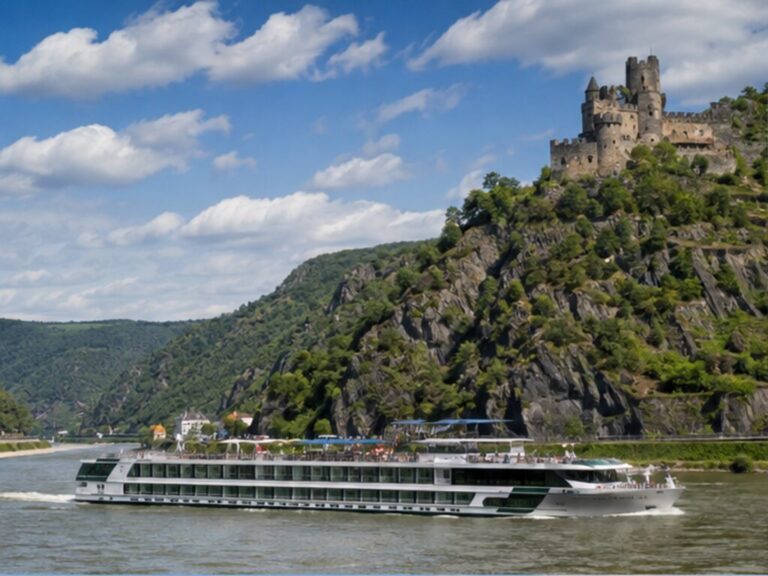
Rhine
Castle country, city docks, embarkation hubs, local transportation, and seasonal considerations.
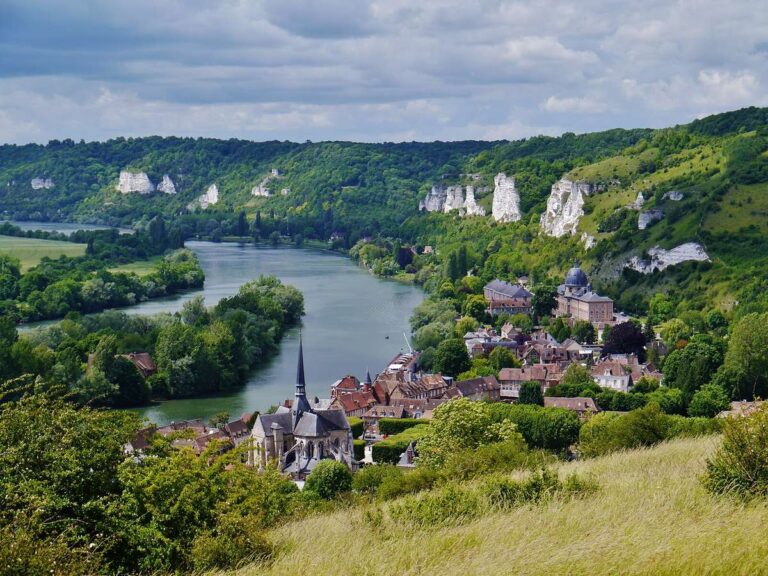
Seine
Paris area docks, Normandy stops, transfers, excursion timing, and what to expect along the river.
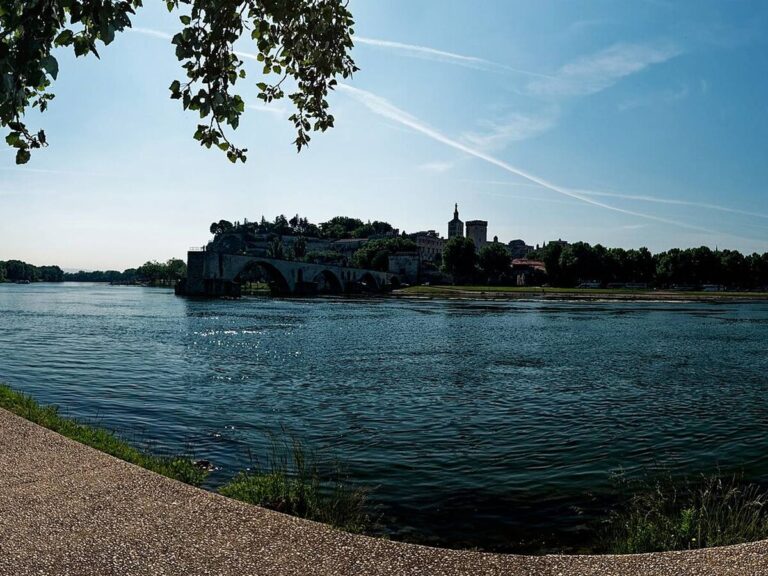
Rhône and Saône
French river cities, docking locations, wine country, transfers, and realistic sightseeing plans.
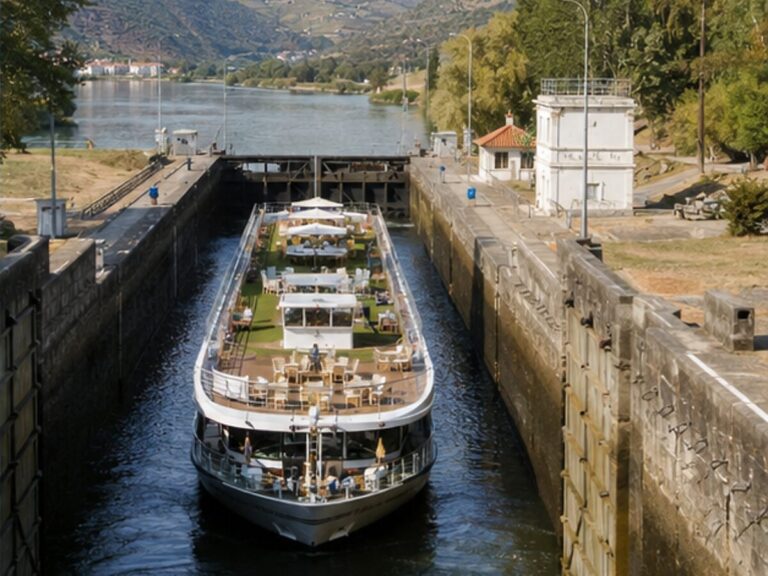
Douro
Porto, the Douro Valley, locks, transfers, docking locations, and wine-focused days ashore.
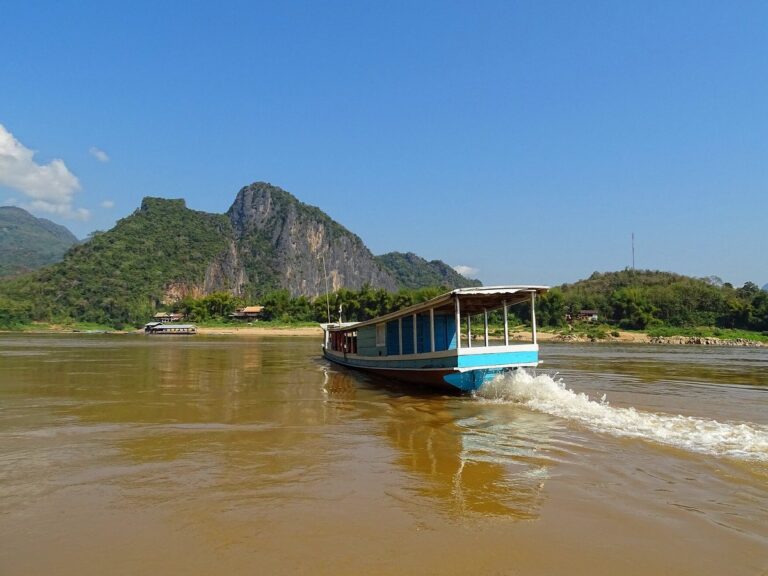
More Rivers
Explore smaller European waterways and river cruises across North America, Asia, Africa, and beyond.
How River Ports Differ From Ocean Ports
River cruising looks like a smaller version of ocean cruising and behaves like a different activity. The ship is the size of a large hotel, the water is narrow, and almost every stop puts you within walking distance of somewhere worth walking to. That is the appeal. The complications are different too, and they catch first-timers who arrive expecting an ocean itinerary in miniature.
The first difference is where you actually tie up. River ships dock at a quay in or near the town, often a plain stretch of wall with a gangway and no terminal building at all. That is usually good news, but the specific quay matters enormously. In Porto most Douro ships board across the river in Vila Nova de Gaia rather than on the Porto side, and a hotel with a perfect Ribeira view can still be a fifteen-minute taxi from your gangway.
The second is rafting. When several ships share a berth they tie up alongside one another, and you may cross through two or three neighboring vessels to reach dry land. It is normal, it is safe, and it can be awkward with a wheelchair or a suitcase.
The third is water level, and it is the one worth understanding before you book. European rivers run high in spring and can run too low by late summer. When a stretch becomes unnavigable, lines respond by swapping passengers between ships, running motorcoach transfers between towns, or occasionally overnighting in a hotel. That is a routine contingency rather than a disaster, but it is written into your contract and it is the reason travel insurance is worth reading properly for a river sailing.
The fourth is locks. Long stretches of the Danube, Rhine, Main and Rhône involve dozens of them. They are quiet, slow, and slightly hypnotic, and they happen at night as often as during the day. If you are a light sleeper, a cabin further from the waterline helps.
What Changes by River
The Danube
The busiest river for cruising and the one with the most capital cities on a single itinerary. Docking positions in Budapest and Vienna vary a lot by operator and by day, and the difference between a central berth and an outlying one is the difference between walking out and waiting for a shuttle. Lock counts are high on the upper sections.
The Rhine
Castles, compact towns, and the shortest walks from quay to old town of any European river. Basel, Cologne and Amsterdam are the usual embarkation points, each with good rail connections, which makes arriving a day early genuinely easy rather than a chore.
The Seine
Short, slow and Paris-centered, with Normandy at the far end. Docking in the Paris area is rarely in the center itself, so factor in the transfer when you plan the days at either end of the sailing.
The Rhône and Saône
Lyon, wine country and Provence, with strong rail links at both ends. The mistral can affect docking in the south, and summer heat is a genuine planning factor rather than a detail.
The Douro
The most scenic of the European rivers and the one with the fewest ships. Almost all sailings begin near Porto, and almost all of them board on the Gaia side rather than in Porto proper. Confirm the quay name on your documents before booking a hotel.
Before You Book a River Cruise
- Confirm the quay, not the city. Operators use different berths in the same town, and some are a long way from the center. The quay name is on your cruise documents.
- Arrive a day early. River ships sail on schedule and rarely wait. A missed connection on embarkation day is a much bigger problem than on an ocean cruise, where you can often catch up at the next port.
- Read the water-level clause. Know before you book what your line does when a stretch is unnavigable, and what your insurance covers if it happens.
- Check what the included excursions actually are. Most river fares include a walking tour in each town. If you would rather explore alone, that is usually easy, and you are rarely missing much by skipping one.
- Think about mobility honestly. Cobbles, gangway angles that shift with the water level, and rafting across other ships all make river cruising harder than the brochures suggest for anyone unsteady on their feet.
Frequently Asked Questions
When is the best time for a European river cruise?
Late spring and early autumn are the reliable choices. They avoid the highest summer temperatures, the worst of the low-water risk in late summer, and the peak-season crowding in the popular towns. Christmas market sailings are a category of their own, and they sell out early.
What happens if the water is too low to sail?
The line will usually keep the itinerary going by other means: swapping you onto a sister ship farther along the river, running motorcoaches between towns, or putting the ship alongside for a night or two while you tour by road. You generally still see the places. What changes is the amount of time on the bus, and compensation for that is at the line’s discretion rather than guaranteed.
Is a river cruise walkable for someone with limited mobility?
It depends more on the towns than the ship. Most modern river ships have elevators between decks, but the gangway angle changes with the water level, rafting can mean crossing other vessels, and the old towns these ships exist to visit are frequently cobbled and stepped. It can work well with the right itinerary and honest questions to the line in advance. It is not automatically the easy option.
Do I need to book excursions separately?
Usually not. Most river fares include at least one guided option in every town, which is one of the real differences from ocean cruising. Paid upgrades exist for longer or more specialized trips, and independent plans are straightforward because you are normally docked within walking distance of the center.
Every River Port Guide, A to Z
Every river cruise port guide on the site, grouped by river and sorted alphabetically. Start typing to filter, or open a section to browse.
Rhine, Moselle & Main40
- Amsterdam River Cruise Port
- Bamberg River Cruise Port
- Basel River Cruise Port
- Bernkastel-Kues River Cruise Port
- Bonn River Cruise Port
- Boppard River Cruise Port
- Breisach & Strasbourg River Cruise Ports
- Cochem River Cruise Port
- Cologne River Cruise Port
- Dordrecht River Cruise Port
- Duisburg River Cruise Port
- Düsseldorf River Cruise Port
- Enkhuizen River Cruise Port
- Frankfurt River Cruise Port
- Germersheim River Cruise Port
- Heidelberg River Cruise Port
- Hoorn River Cruise Port
- Kinderdijk River Cruise Port
- Königswinter River Cruise Port
- Lahnstein River Cruise Port
- Maastricht River Cruise Port
- Mainz River Cruise Port
- Middelburg River Cruise Port
- Miltenberg River Cruise Port
- Monheim am Rhein River Cruise Port
- Nijmegen River Cruise Port
- Rastatt River Cruise Port
- Remich River Cruise Port
- Rudesheim River Cruise Port
- Speyer River Cruise Port
- Strasbourg River Cruise Port
- Traben-Trarbach River Cruise Port
- Trier River Cruise Port
- Utrecht River Cruise Port
- Veere River Cruise Port
- Wertheim River Cruise Port
- Wesel River Cruise Port
- Winningen River Cruise Port
- Würzburg River Cruise Port
- Zaandam River Cruise Port
Danube28
- Belgrade River Cruise Port
- Bratislava River Cruise Port
- Bucharest River Cruise Port
- Budapest River Cruise Port
- Donji Milanovac & Golubac River Cruise Ports
- Dürnstein Cruise Port
- Engelhartszell River Cruise Port
- Esztergom River Cruise Port
- Giurgiu & Oltenița River Cruise Ports
- Grein River Cruise Port
- Ilok River Cruise Port
- Kalocsa River Cruise Port
- Krems an der Donau River Cruise Port
- Linz River Cruise Port
- Melk Cruise Port
- Melk, Dürnstein & Spitz (Wachau)
- Mohács River Cruise Port
- Novi Sad River Cruise Port
- Passau River Cruise Port
- Regensburg River Cruise Port
- Ruse River Cruise Port
- Silistra River Cruise Port
- Spitz an der Donau River Cruise Port
- Vidin River Cruise Port
- Vienna River Cruise Port
- Vilshofen River Cruise Port
- Vukovar River Cruise Port
- Weißenkirchen River Cruise Port
France & Portugal (Seine, Rhône & Saône, Douro)30
- Avignon & Arles River Cruise Ports
- Barca d’Alva River Cruise Port
- Chalon-sur-Saône River Cruise Port
- Châteauneuf-du-Pape River Cruise Guide
- Conflans-Sainte-Honorine River Cruise Port
- Douro River Cruise Ports
- Entre-os-Rios River Cruise Port
- Ferradosa River Cruise Port
- Honfleur Cruise Port
- La Roche-Guyon River Cruise Port
- Le Pecq River Cruise Port
- Les Andelys River Cruise Port
- Lyon River Cruise Port
- Mâcon River Cruise Port
- Mantes-la-Jolie River Cruise Port
- Paris River Cruise Port
- Pinhão River Cruise Port
- Pocinho River Cruise Port
- Porto River Cruise Port
- Régua River Cruise Port
- Rhone River Cruise Ports
- Rives-en-Seine River Cruise Port
- Rouen River Cruise Port
- Seine River Cruise Ports
- Tournon–Tain-l’Hermitage River Cruise Port
- Tournus River Cruise Port
- Vega de Terrón (Salamanca) River Cruise Port
- Vernon River Cruise Port (Giverny)
- Vienne River Cruise Port
- Viviers River Cruise Port
More Rivers Worldwide (U.S., Nile, Mekong, Elbe & beyond)146
- Albany River Cruise Port (Hudson)
- Ancenis River Cruise Port
- Angkor Ban River Cruise Port
- Bad Schandau River Cruise Port
- Barranquilla River Cruise Port
- Baton Rouge River Cruise Port
- Bến Tre River Cruise Port
- Berlin River Cruise Port
- Blanchetown River Cruise Port
- Blaye River Cruise Port
- Bordeaux River Cruise Ports
- Bourg-sur-Gironde River Cruise Port
- Brahmaputra River Cruise Ports
- Brussels River Cruise Port
- Cadillac-sur-Garonne River Cruise Port
- Cádiz River Cruise Port
- Cái Bè River Cruise Port
- Cairo River Cruise Port
- Calamar River Cruise Port
- Camas-Washougal River Cruise Port
- Catskill River Cruise Port
- Chalonnes-sur-Loire River Cruise Port
- Chandannagar River Cruise Port
- Chattanooga River Cruise Port
- Chau Doc River Cruise Port
- Chiang Khong River Cruise Port
- Chioggia River Cruise Port
- Chợ Gạo River Cruise Port
- Chobe River Cruise
- Cincinnati River Cruise Port
- Clarksville River Cruise Port
- Cleveland River Cruise Port
- Columbia & Snake River Cruise Ports
- Cù Lao Giêng River Cruise Port
- Cussac-Fort-Médoc River Cruise Port
- Davenport River Cruise Port
- Děčín River Cruise Port
- Dibrugarh River Cruise Port
- Dover, Tennessee River Cruise Port
- Dresden River Cruise Port
- Dubuque River Cruise Port
- Edfu River Cruise Port
- El Puerto de Santa María River Cruise Port
- Elbe River Cruise Ports
- Esna River Cruise Port
- Ganges River Cruise Ports
- Ghent River Cruise Port
- Greenwich River Cruise Port
- Guadalquivir River Cruise Ports
- Guwahati & Pandu River Cruise Port
- Hannibal River Cruise Port
- Henderson-Evansville River Cruise Port
- Hoi An River Cruise Guide
- Hotel Barge Cruise Guide
- Hudson River Cruise Ports
- Hyde Park, New York River Cruise Port
- Iquitos & Nauta River Cruise Port
- Isla Mínima River Cruise Port
- Jorhat & Neamati River Cruise Port
- Kalama River Cruise Port
- Kalna River Cruise Port
- Kampong Cham River Cruise Port
- Kampong Chhnang River Cruise Port
- Kampong Tralach River Cruise Port
- Kingston, New York River Cruise Port
- Koblenz River Cruise Port
- Koh Chen River Cruise Port
- Koh Oknha Tey River Cruise Port
- Kolkata River Cruise Port
- Kom Ombo River Cruise Port
- La Crosse River Cruise Port
- Lelystad River Cruise Port
- Lewiston & Clarkston River Cruise Port
- Libourne River Cruise Port
- Loire River Cruise Ports
- Louisville River Cruise Port
- Luang Prabang River Cruise Port
- Luxor River Cruise Port
- Madison, Indiana River Cruise Port
- Magangué River Cruise Port
- Magdalena River Cruise Ports
- Main River Cruise Ports
- Majuli & Nimati Ghat River Cruise Port
- Mannum River Cruise Port
- Marietta, Ohio River Cruise Port
- Matiari River Cruise Port
- Mayapur River Cruise Port
- Maysville River Cruise Port
- Meissen River Cruise Port
- Mekong River Cruise Ports
- Memphis River Cruise Port
- Mississippi River Cruise Ports
- Mompox River Cruise Port
- Morgan River Cruise Port
- Moselle River Cruise Ports
- Murray Bridge River Cruise Port
- Murray River Cruise Ports
- Murshidabad & Baranagar River Cruise Port
- My Tho River Cruise Port
- Nantes River Cruise Port
- Nashville River Cruise Port
- Natchez River Cruise Port
- New York City River Cruise Port
- Nuremberg River Cruise Port
- Oak Alley Plantation River Cruise Port
- Ohio River Cruise Ports
- Osijek River Cruise Port
- Oudong River Cruise Port
- Paducah River Cruise Port
- Pak Beng River Cruise Port
- Pak Lay River Cruise Port
- Parintins River Cruise Port
- Pauillac River Cruise Port
- Phnom Penh River Cruise Port
- Pittsburgh River Cruise Port
- Po River Cruise Ports
- Prague River Cruise Port
- Qena & Dendera River Cruise Port
- Renmark River Cruise Port
- Richland River Cruise Port
- River Cruise Embarkation After a Land Tour
- Sa Đéc River Cruise Port
- Sabanagrande River Cruise Port
- Saint-Nazaire River Cruise Port
- Santa Bárbara de Pinto River Cruise Port
- Seville River Cruise Port
- Siem Reap River Cruise Port
- Silghat River Cruise Port
- Sleepy Hollow River Cruise Port
- St. Francisville River Cruise Port
- St. Louis River Cruise Port
- St. Paul River Cruise Port
- Stevenson River Cruise Port
- Swan Reach River Cruise Port
- Tân Châu River Cruise Port
- Tennessee & Cumberland River Cruise Ports
- The Dalles River Cruise Port
- Torgau River Cruise Port
- Tulip River Cruise Ports
- Upper Mekong River Cruise Ports
- Vicksburg River Cruise Port
- Vientiane River Cruise Port
- Washington, DC River Cruise Port
- West Point River Cruise Port
- Wittenberg River Cruise Port
- Yangtze River Cruise Ports
No guides match “”. Try a shorter spelling, the nearest big city, or the country name.
River Cruise Planning Essentials
River cruising has its own rhythm. Water levels, locks, docking changes, double docking, and walking conditions can all affect the plan.
Before You Sail
- Check where your ship is expected to dock
- Build flexibility into transfers and tours
- Pack for uneven streets and changing weather
On Port Days
- Confirm the all aboard time each morning
- Ask about dock changes before leaving the ship
- Keep realistic travel time between towns
Search River Cruise Guides
Search by river, city, country, or port name.