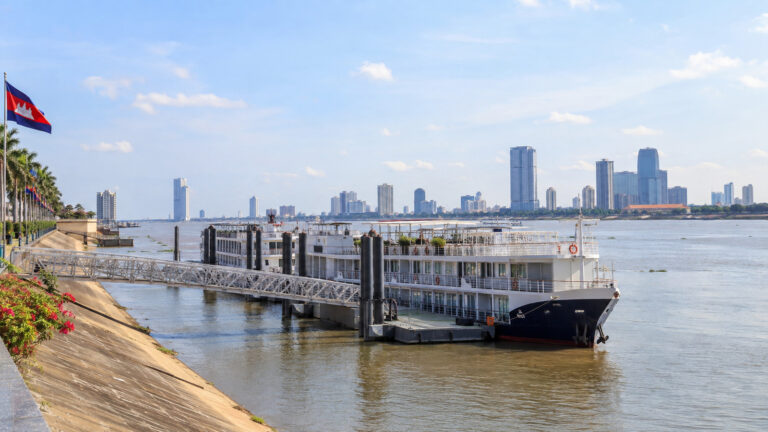
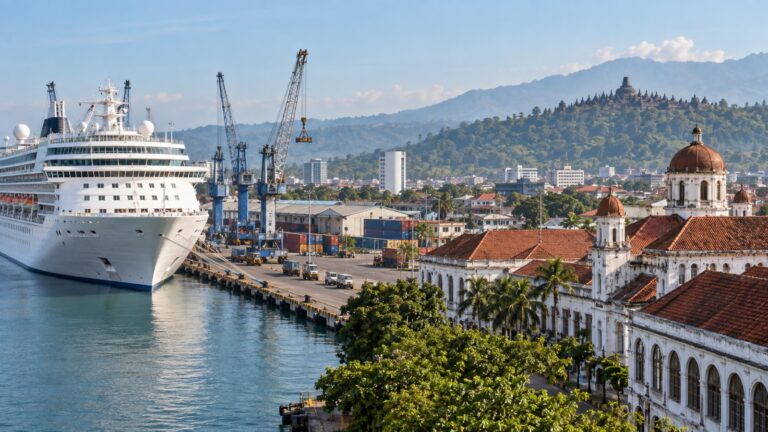
Vientiane River Cruise Port: Pak Lay Transfer and City Guide
Vientiane can be the endpoint of an Upper Mekong cruise even when the ship never docks in the capital. Some programs leave the vessel near Pak Lay and complete the journey to a central Vientiane hotel by road.
That distinction matters for flights, trains, hotel reservations, and luggage plans. Read the final embarkation guide before treating Vientiane as a conventional walk-off river port.
Quick Facts
- Physical endpoint: Some Upper Mekong itineraries use Pak Lay as the ship’s embarkation or disembarkation point.
- City transfer: The cruise package may connect Pak Lay and central Vientiane hotels by organized road transfer.
- Do not assume: A Vientiane itinerary label does not guarantee a central riverfront berth.
- Main sights: Pha That Luang, Wat Si Saket, Ho Phra Keo, Patuxai, COPE Visitor Centre, and the Mekong promenade are key choices.
- Currency: Lao kip is the official currency, and cash remains useful for smaller purchases.
- Time zone: Laos uses Indochina Time, UTC+7, throughout the year.
- Connection advice: An overnight stay after disembarkation is safer than a tight same-day flight or train.
Is Vientiane really the cruise port?
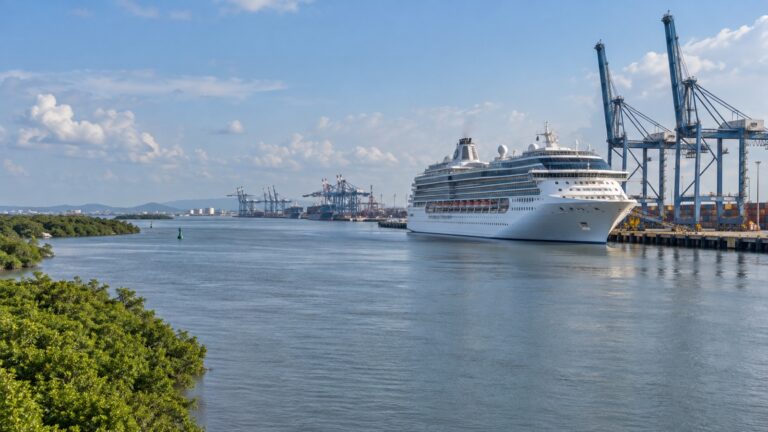
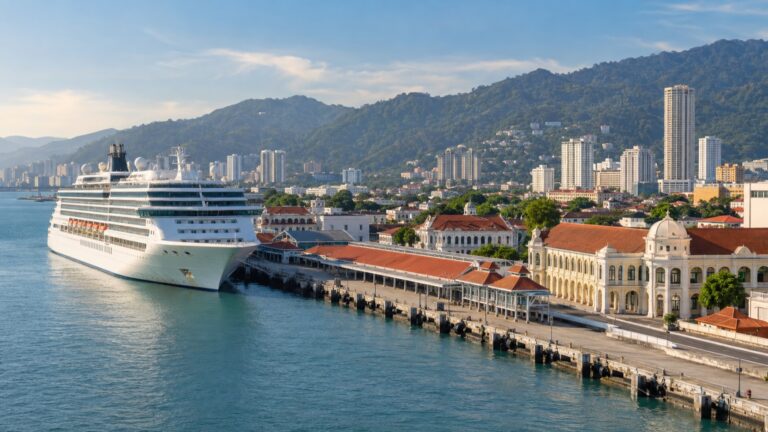
Vientiane is a river-cruise gateway and packaged itinerary endpoint, but it is not always the ship’s physical berth. The city sits on the Mekong, yet water depth, navigation conditions, vessel type, and operating plans determine where a ship can safely finish.
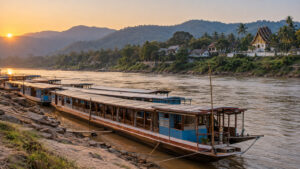
Heritage Line’s current seven-night Upper Mekong itinerary ends the onboard portion at Pak Lay. Its published schedule has guests check out in the morning and transfer by road to designated hotels in central Vientiane.
The operator estimates arrival in the city around 12:30 p.m. after a 9 a.m. checkout, but it also states that programs are subject to change.
A cruise marketed from Huay Xai to Vientiane is therefore accurate as a complete travel package. It does not mean every mile to the capital is sailed aboard the ship.
How the Pak Lay transfer works
Pak Lay serves as the practical vessel endpoint for some all-season programs. After disembarkation, luggage and passengers move to road vehicles for the journey to Vientiane.
In the opposite direction, the cruise company may collect guests from eligible central hotels before driving to the ship. The named hotel zone and meeting time should be confirmed in the final documents.
A private apartment, airport hotel, or property outside the normal pickup area may require a separate connection. Do not assume the vehicle will add an unscheduled stop because the address contains the word Vientiane.
Keep passports, prescriptions, valuables, water, and anything needed before check-in in a small carry-on bag. Larger luggage may be loaded separately and difficult to retrieve during the road journey.
Protect the onward connection
A published transfer time is an estimate, not a guaranteed airport arrival. Riverbank handling, baggage loading, road conditions, traffic, rest stops, and the final hotel route can all affect the schedule.
An overnight stay in Vientiane is the safest plan after disembarkation. It protects the next flight or train and gives the city enough time to be more than a hotel lobby.
For embarkation, arrive in Vientiane at least the day before the scheduled pickup. A same-morning international arrival leaves little recovery time for immigration, baggage, or a delayed flight.
If a same-day connection cannot be avoided, discuss the full plan with the cruise operator and carrier. Travel insurance may not cover a connection that ignored the operator’s minimum guidance.
Entry and visa checks
Visa eligibility and approved entry points depend on nationality and travel route. Use the official Lao eVisa portal and the cruise operator’s current instructions rather than a commercial application service.
The official portal lists specific ports where eVisa approval is accepted. You can enter at any designated eVisa port, but you must present the same passport used for the application.
Carry the required documents where they can be reached during the road transfer. Do not pack an approval letter or original passport in luggage that has already been loaded out of reach.
A good first afternoon in Vientiane
After a midday arrival, check into the hotel, eat, and choose a compact cluster rather than racing across the capital. Wat Si Saket, Ho Phra Keo, and the central Mekong riverfront combine well when opening hours allow.
The evening promenade and market area can be pleasant after the temperature drops. Keep valuables secure, watch traffic at crossings, and agree on a tuk-tuk fare before the ride begins.
Save Pha That Luang, Patuxai, and COPE for a full extra day if possible. A driver makes that wider circuit more efficient and reduces time spent negotiating each separate trip.
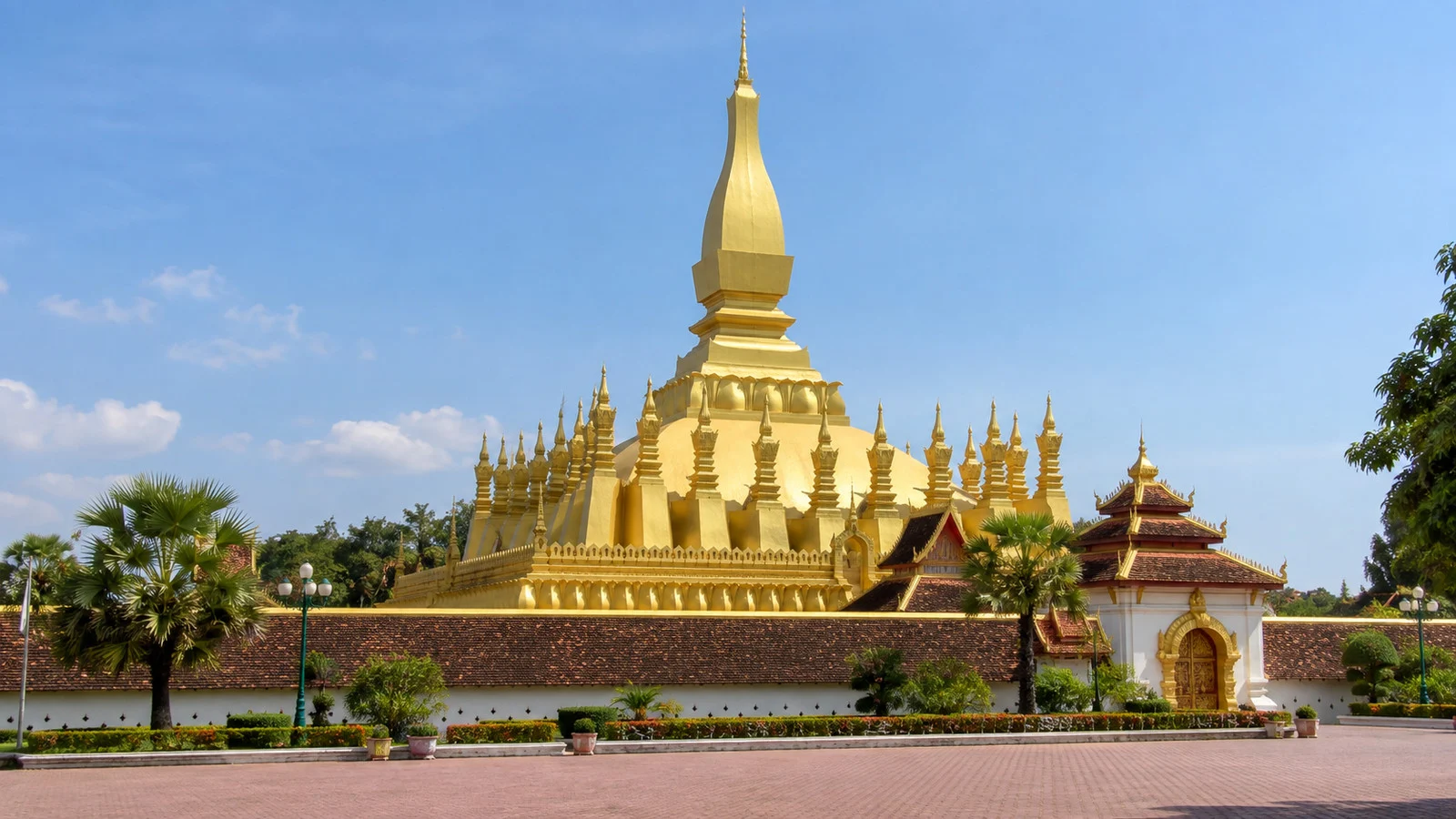
Pha That Luang
Pha That Luang is the golden national stupa and one of the capital’s most important religious symbols. It stands east of the central riverfront and is easier to reach by car or tuk-tuk than as part of a casual promenade walk.
Dress with shoulders and knees covered, remove shoes where instructed, and avoid interrupting worship or ceremonies. Current opening hours, festival access, and fees should be checked locally.
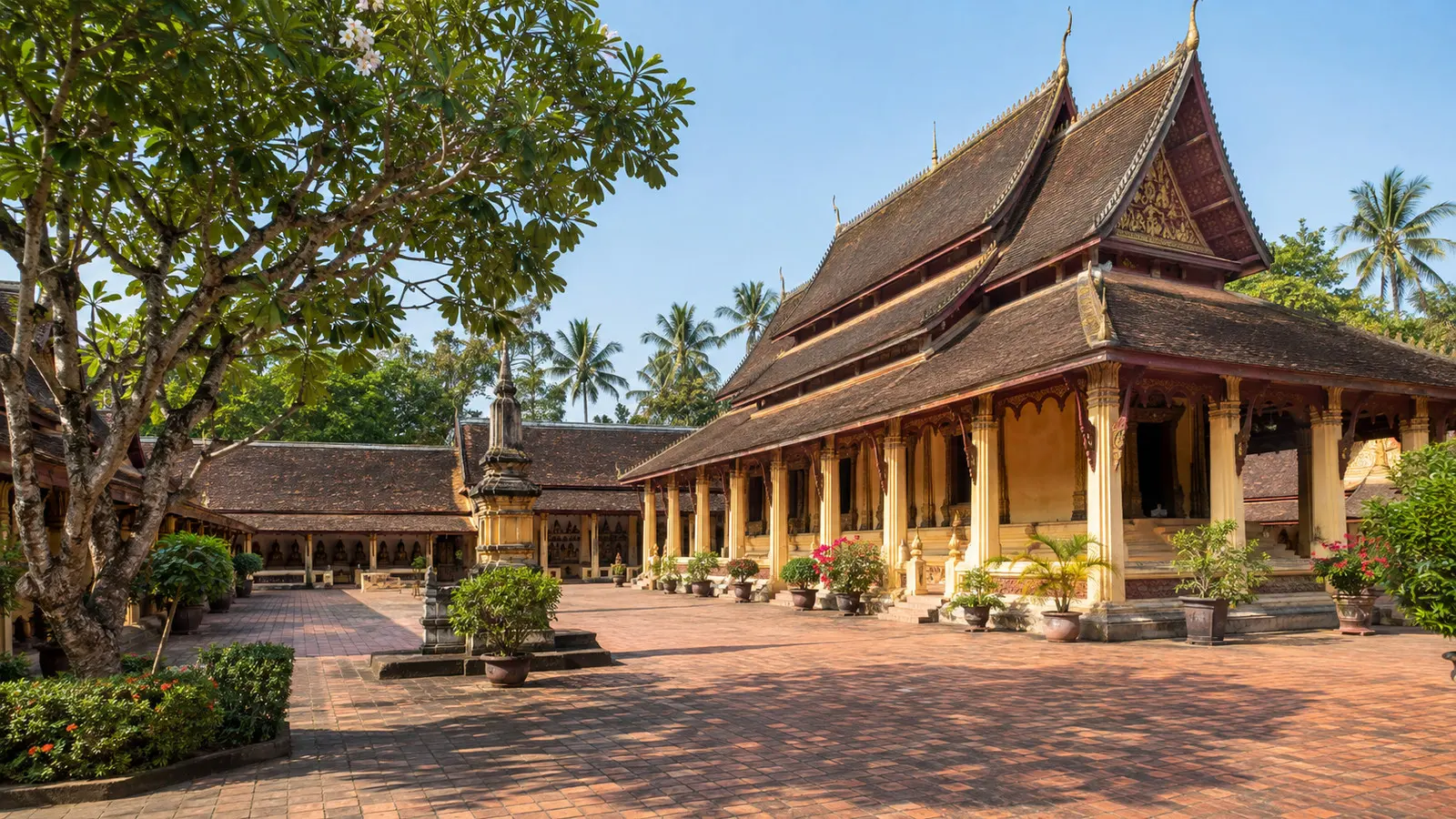
Wat Si Saket and Ho Phra Keo
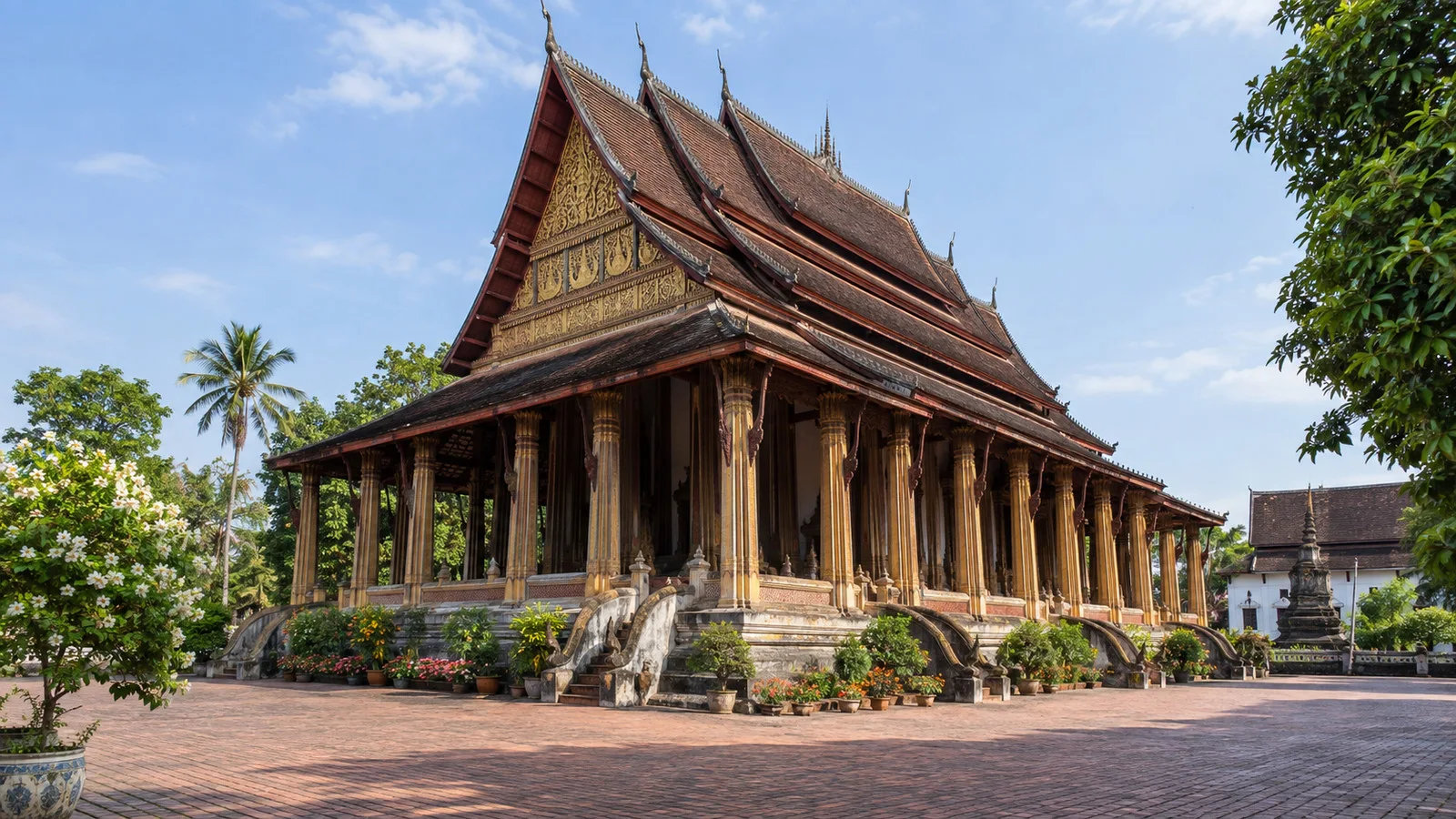
Wat Si Saket and Ho Phra Keo face one another near the Presidential Palace area. Together they offer a compact introduction to Vientiane’s religious art, architecture, and history.
These are sacred and historic spaces, not merely photo stops. Speak quietly, follow signs, and do not touch religious objects or photograph people without permission.
Patuxai
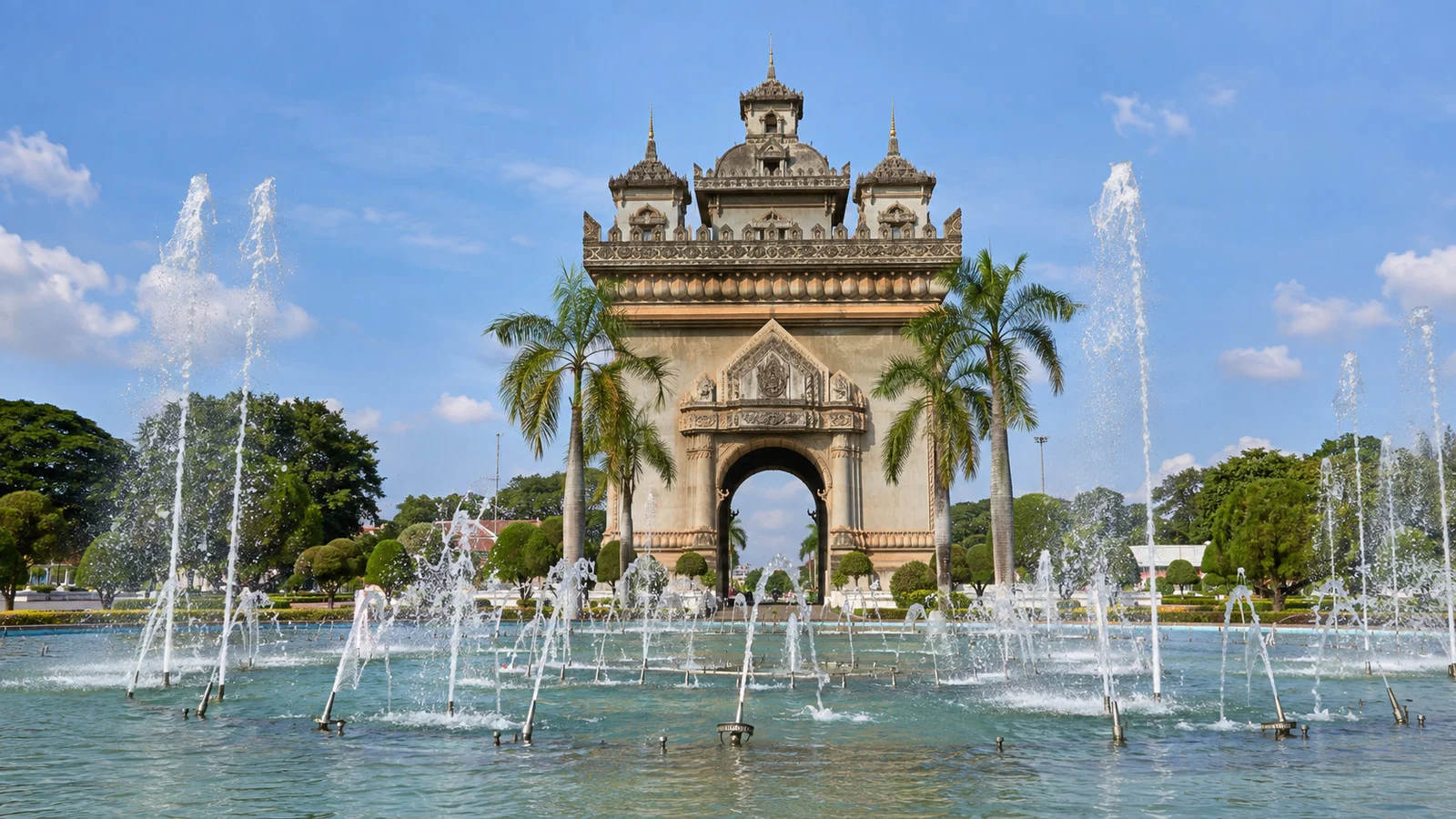
Patuxai rises on Lane Xang Avenue and is one of Vientiane’s most recognizable landmarks. The surrounding park and monument exterior can be enjoyed without climbing.
Access to upper levels, ticketing, and operating hours can change. Travelers with mobility concerns should confirm the available level and any stairs before arriving.
COPE Visitor Centre
COPE Visitor Centre explains the continuing human impact of unexploded ordnance and the organization’s rehabilitation work. It provides essential context for understanding modern Laos beyond temples and river scenery.
The subject is serious and deserves unhurried attention. Check the official COPE page for current hours and visitor arrangements before adding it to a short afternoon.
What the Mekong means in Vientiane
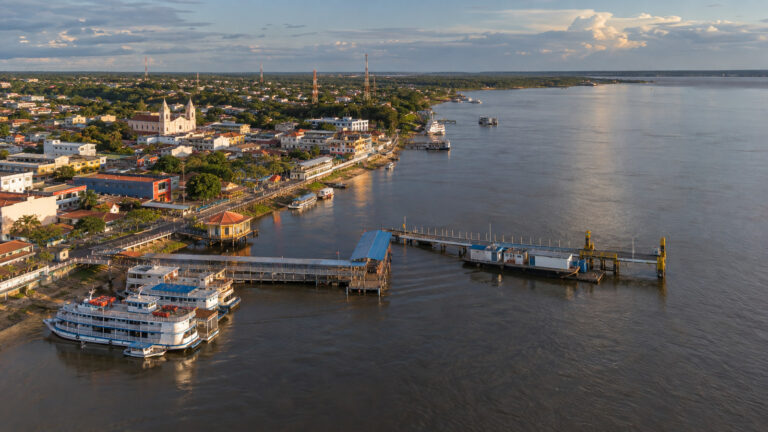
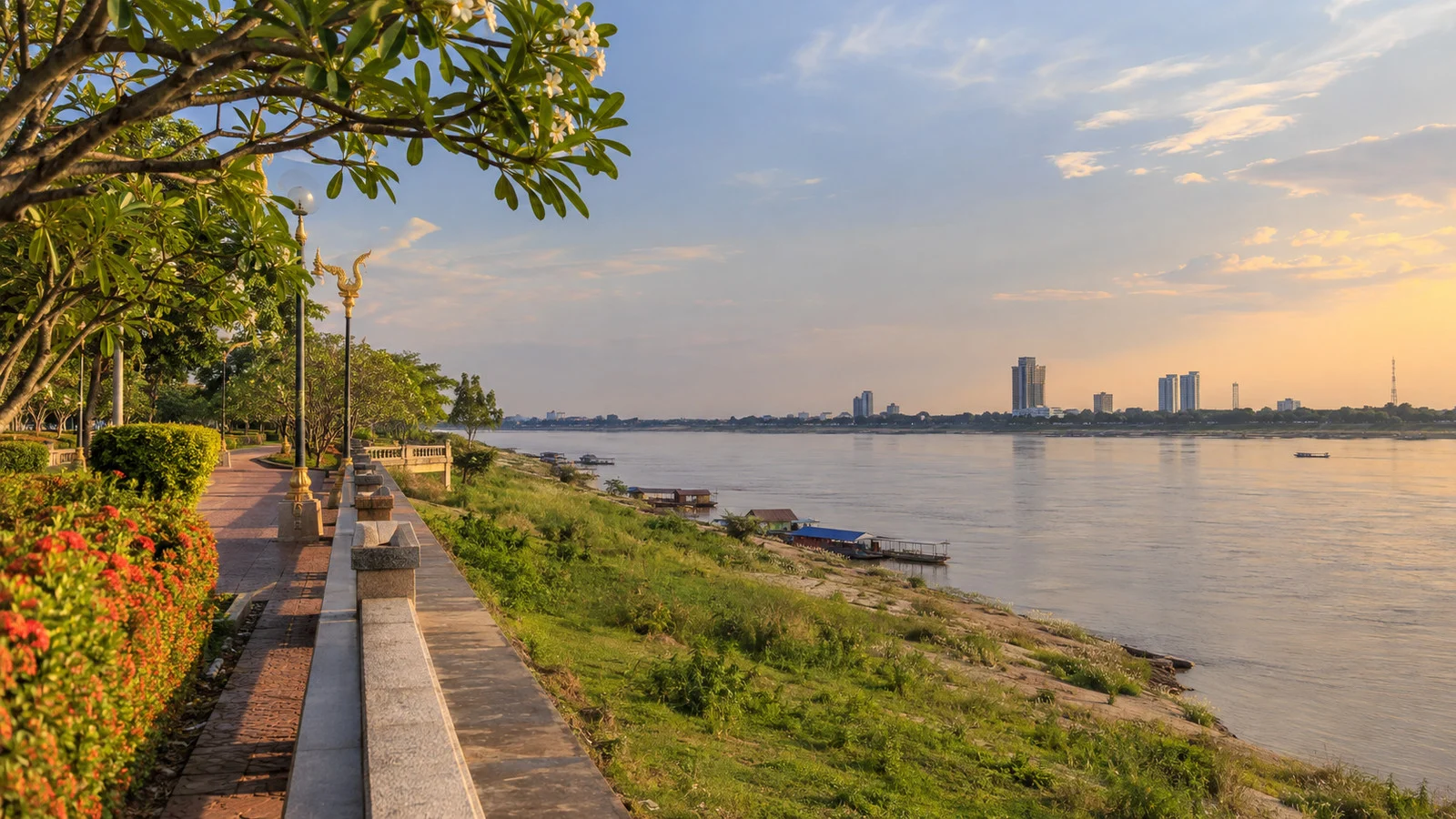
The Mekong forms the city’s western edge and the international boundary with Thailand. Its broad seasonal riverbed can expose sandbars in lower water and expand dramatically during wetter periods.
That visible riverfront does not create a standardized cruise terminal. The ship’s actual operating endpoint may remain far upstream at Pak Lay.
The Mekong River Commission publishes navigation and water information for the basin. Those resources provide regional context, while the cruise operator remains the authority for the vessel, landing, and transfer.
Accessibility from ship to hotel
The most difficult part of an Upper Mekong endpoint may be the route from ship to road vehicle. A basic bank, changing gangway, temporary steps, or uneven surface can appear before the comfortable drive begins.
Ask for the entire chain in writing, including cabin access, gangway, bank surface, vehicle steps, luggage handling, rest stop, and hotel drop-off. A general accessible label does not answer those specific questions.
Confirm whether the vehicle can carry the mobility device you use and whether assistance is available at both ends. A foldable device and a powered chair may require very different arrangements.
Accessibility around Vientiane
Vientiane’s sights are spread across the city, and curb cuts, paving, temple thresholds, and restrooms vary. A private vehicle can reduce distance but does not guarantee step-free access inside an attraction.
Ask each site about current entrances and the exact route. Patuxai’s park can be enjoyed without climbing, while temple visits may require shoe removal and crossing raised thresholds.
Heat and limited shade also affect accessibility. Schedule outdoor sights early, carry water, and use an air-conditioned break rather than treating fatigue as a test of commitment.
Money and transportation
The Lao kip is the official currency, and cash is useful for tuk-tuks, markets, and smaller businesses. Hotels and larger visitor services may accept cards, but a backup payment method remains sensible.
Use a reputable hotel-arranged driver or established service for a full-day route. Confirm the price, currency, waiting time, and final destination before leaving.
Carry the hotel name and address in Lao. This small preparation is more useful than relying on pronunciation after a long transfer day.
Food and staying comfortable
Vientiane has a broad dining scene, but cruise travelers arriving after a road transfer may be tired and dehydrated. Eat a simple meal, drink safe water, and resist booking a rigid tasting menu immediately after arrival.
Choose food that is cooked and served hot when hygiene is uncertain. Follow current travel-health guidance for water, ice, and raw produce.
Light breathable clothing, sun protection, insect repellent, and a compact rain layer are useful. Keep a modest temple layer in the day bag even when the afternoon is hot.
Common planning mistakes
The first mistake is assuming the ship docks beside Vientiane’s promenade. Check whether Pak Lay is the physical embarkation or disembarkation point.
The second mistake is booking a tight flight or train from the published city arrival time. Transfer estimates do not absorb every road, riverbank, and traffic delay.
The third mistake is staying outside the operator’s hotel pickup zone without arranging a meeting point. Confirm the exact property and luggage cutoff before travel.
Another mistake is trying to see every capital landmark on the arrival afternoon. A compact temple and riverfront plan is more realistic, with the wider circuit saved for the next day.
Quick answers
Does the cruise ship dock in central Vientiane?
Not necessarily. Some Upper Mekong programs use Pak Lay as the vessel endpoint and transfer guests to central Vientiane by road.
How long is the Pak Lay transfer?
One current operator schedule allows roughly three and a half hours between checkout and central Vientiane arrival. The actual time can change with operations and traffic.
Where does the transfer end?
A current program uses designated hotels in the city center. Confirm the exact hotel and whether a separate airport or rail connection is required.
Can Vientiane be toured on arrival day?
A light afternoon is often realistic after hotel check-in. Avoid a prepaid tight schedule because the road arrival can shift.
Which sights fit one full day?
Pha That Luang, Patuxai, Wat Si Saket, Ho Phra Keo, and COPE can form a balanced vehicle-assisted day. Opening hours and personal pace determine the final combination.
Final word
Vientiane makes sense as a cruise destination once the difference between itinerary endpoint and ship berth is clear. Pak Lay may finish the river segment, while the organized road transfer completes the journey to the capital.
Confirm the hotel, protect the connection margin, and spend a night if the schedule allows. The reward is a calmer transfer and enough time to understand Vientiane on its own terms.
How this guide was researched: This guide was checked on September 12, 2026 against Heritage Line’s current Upper Mekong itinerary and transfer information, the official Lao eVisa portal, Visit Laos, COPE Laos, and Mekong River Commission resources. Landing points, transfer times, hotel pickup, attraction access, entry rules, accessibility, and onward connections can change, so verify the live details for your trip.