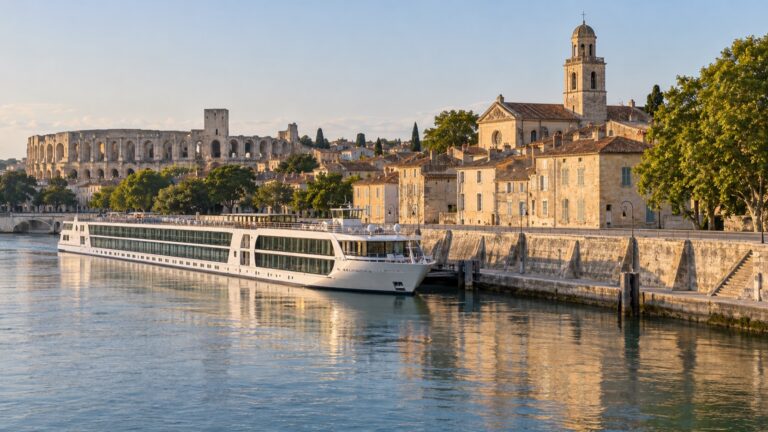
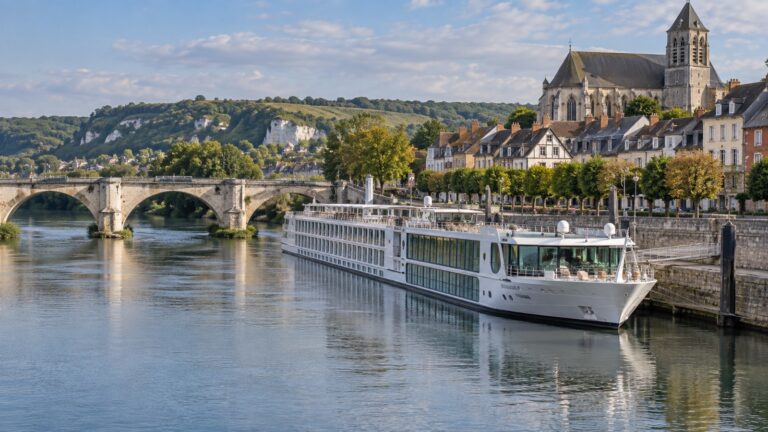
Breisach River Cruise Port and Strasbourg: When Your Berth Is in Another Country
Breisach and Strasbourg teach the same river-cruise lesson in two different ways: the name on the itinerary may not be the municipality beneath your gangway. A Breisach call can use a German-bank landing or a French-side berth near Vogelgrun, while a Strasbourg call can place you in the French port zone or across the Rhine in Kehl, Germany.
That does not make either stop difficult, but it changes what is walkable, where public transportation begins, and whether an independent plan is realistic. Check the exact berth before choosing between an old-town walk, a bicycle, a train, a tram, or a coach excursion.
Breisach and Strasbourg river port quick facts
- River: Upper Rhine
- Breisach itinerary name: May refer to Breisach am Rhein or a nearby French-bank landing
- Strasbourg itinerary name: May refer to Strasbourg’s port area or Kehl on the German bank
- Breisach highlight: Münsterberg and Saint Stephen’s Minster
- Popular Breisach excursions: Colmar, the Alsace Wine Route, Freiburg, and the Black Forest
- Strasbourg highlight: Notre Dame Cathedral and the Grande Île
- Cross-border transit: Strasbourg tram line D serves Kehl, but not every cruise berth is beside a stop
- Currency: Euro in France and Germany
- Border: Normally an open Schengen crossing, though temporary checks remain possible
- Best planning rule: Use the ship’s exact berth name and pin, not only the itinerary headline
- River risk: High or low water can change the landing, timing, or wider itinerary
My quick take
In Breisach, I would stay local if the ship gives you only a short call and the gangway lands on the German side. The climb to Münsterberg, the Rhine views, and a glass of Kaiserstuhl wine make a satisfying visit without gambling on a regional connection.
In Strasbourg, the cathedral and Petite France are worth the transfer from almost any normal river berth. If you are in Kehl, line D can be wonderfully useful once you have confirmed how to reach the correct tram stop from the ship.
Why the country on the berth matters
The Rhine forms the border between France and Germany in this region, while ports, canals, roads, and bridges create a practical cross-border landscape. A cruise line may choose a landing for navigation, berth availability, schedules, or coach access rather than for the name printed in the brochure.
Your phone may change networks, a taxi may cross a national boundary, and a bicycle route may include a bridge before you reach the named destination. The currency stays the euro, but transport networks, ticket rules, and local service providers can change at the border.
Within the Schengen Area, travelers normally cross without routine immigration formalities, but temporary controls can occur. Carry the identification your cruise line requires and do not leave essential documents in the cabin simply because the bridge looks informal.
Breisach river cruise berths
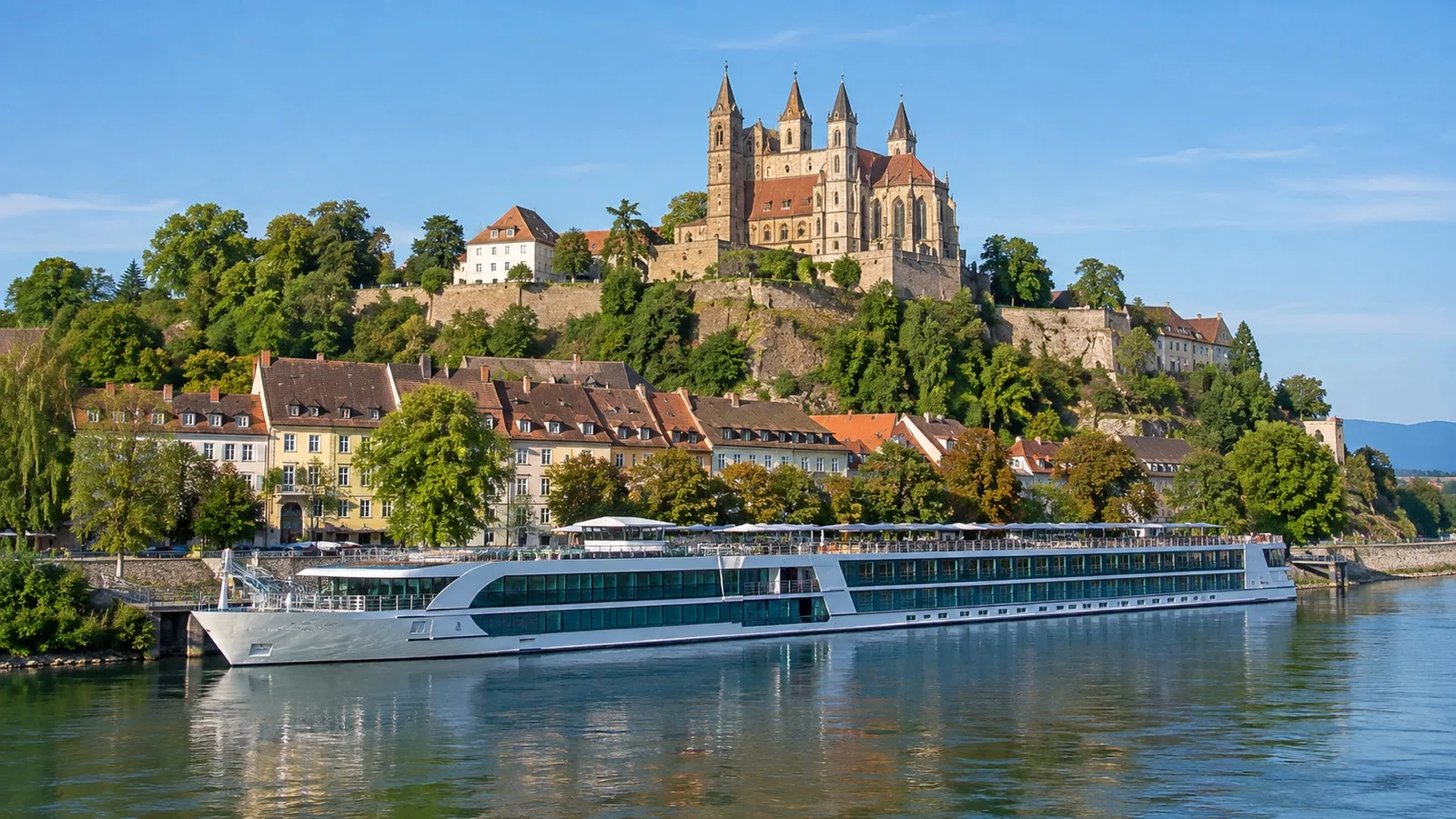
A Breisach call may use a landing on the German side near Breisach am Rhein or a position on the French side around Vogelgrun and the Rhine canal system. The wording used by cruise lines is inconsistent enough that the daily program is more useful than a generic port map.
Ask for the berth name, street or quay, country, and a map pin. If the answer is only “Breisach,” ask whether you can walk directly into the German old town or whether a shuttle crosses the river.
Landing in Breisach am Rhein
A German-side berth can make the center and Münsterberg reasonably accessible on foot for active travelers. The exact gangway location still changes the distance, and the old town sits above river level.
The climb is part of the visit, with lanes rising toward Saint Stephen’s Minster and viewpoints over the Rhine plain. Take your time on cobbles and slopes, especially after rain or in summer heat.
Landing near Vogelgrun
A French-side landing is not the same thing as stepping ashore in central Breisach. You may need a cruise shuttle, excursion coach, taxi, or a carefully planned bicycle route before reaching the German town.
Do not assume the nearest bridge entrance is designed for pedestrians from your berth. Port fences, canal infrastructure, roads, and the actual location of the gangway can turn a short line on a map into an impractical walk.
What to do in Breisach
Münsterberg and Saint Stephen’s Minster

Münsterberg is the obvious first destination because it explains why Breisach has commanded this stretch of the Rhine for centuries. Saint Stephen’s Minster crowns the hill, and the surrounding viewpoints open toward the Kaiserstuhl, Vosges, Black Forest, and river plain in clear weather.
Church access depends on services and events, so enter quietly when open. The town’s official website links to its tourism service for current visitor information, tours, and local notices.
Rheintor and town history
Breisach’s surviving gates, fortification traces, and reconstructed center reflect a history shaped by the Rhine frontier. The Rheintor houses the municipal museum when it is open, but museum hours can be limited and seasonal.
Check the official tourism information before crossing town for a specific interior. A self-guided walk still works when buildings are closed because the hill, gates, and street plan carry much of the story.
Kaiserstuhl wine
Breisach sits beside the Kaiserstuhl wine district, known for a warm microclimate and volcanic soils. Local restaurants, wine shops, and excursion programs offer an easier taste than trying to improvise a distant winery visit.
If a winery is your priority, book a tour or arrange transport in advance. Rural opening hours, tastings, and the return journey do not always align with a short ship call.
Freiburg, Colmar, and the Black Forest from Breisach
Freiburg
Freiburg is the most natural independent German city trip from Breisach because regional rail connects the two towns. Check the live journey with the operator or a national rail planner, and include the walk between your berth and Breisach station.
The Münster, market square, old lanes, and small water channels called Bächle make a compact central visit. A delay on the return train matters, so choose a departure that leaves a later backup connection before all-aboard.
Colmar
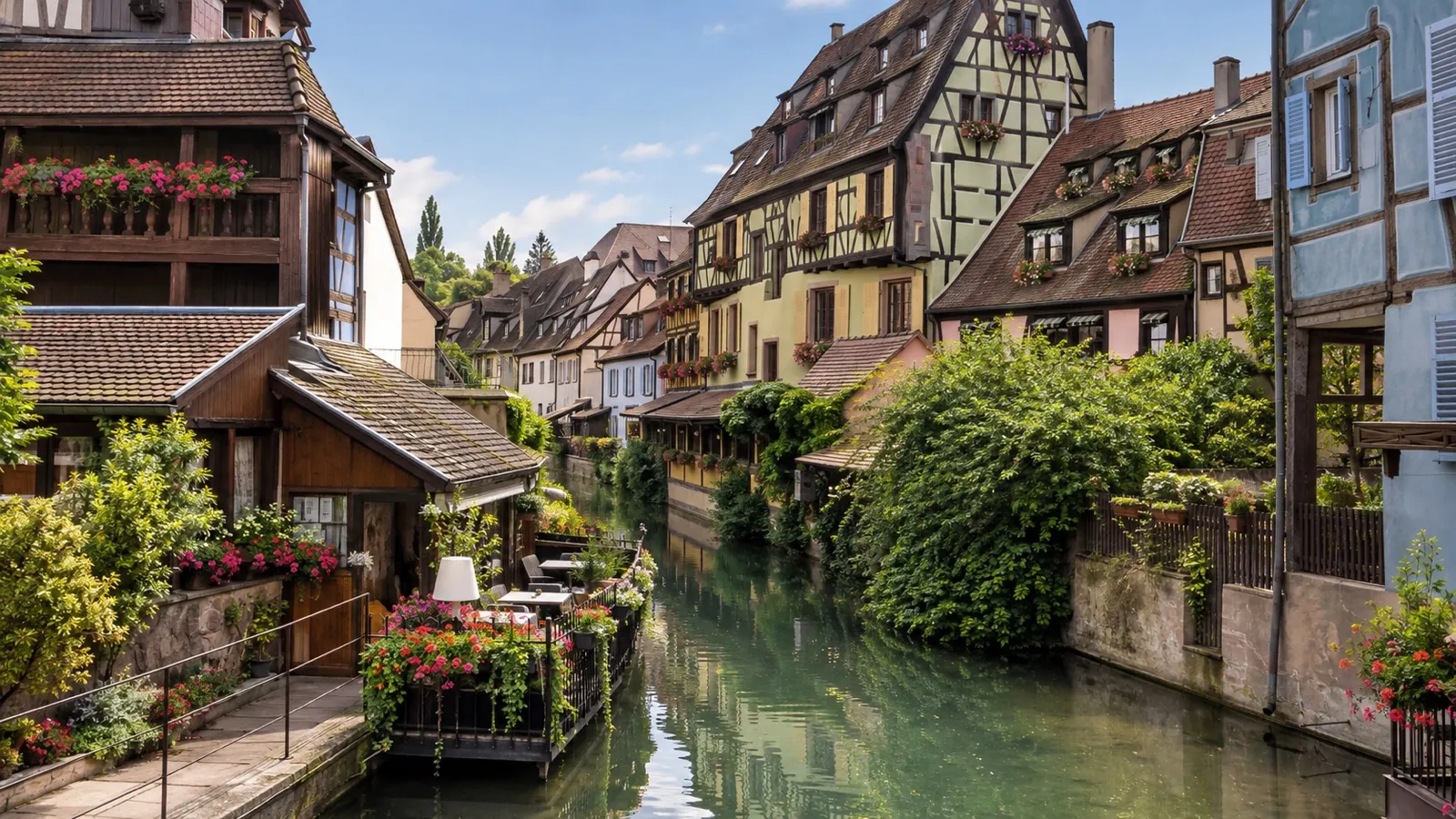
Colmar is close in geographic terms but sits across the Rhine in France without a simple direct rail link from Breisach. A ship excursion, reserved taxi, or organized transfer is usually more dependable than building a chain of local buses around a cruise schedule.
The preserved center, canals, and half-timbered streets reward a focused walk. Confirm the pickup point before wandering because several squares and pedestrian zones can look similar when you are watching the clock.
The Black Forest
Black Forest excursions often combine a scenic coach ride with a village, viewpoint, demonstration, or regional food stop. Read the description carefully because the label covers a large area and does not guarantee deep time in any one place.
I would choose the excursion for scenery and convenience, not because it is the only way to enjoy the call. Breisach itself is the better choice if you dislike long coach rides or want control over your pace.
Bicycles and cross-border riding at Breisach
The Upper Rhine is appealing cycling country, and some river ships carry bicycles or arrange guided rides. A route can cross between Germany and France, follow river embankments, and pass canal infrastructure in a single outing.
Confirm that your ship allows independent bike use, whether helmets and locks are provided, and which bridge or path the route uses. Navigation works best with an offline map because your mobile network may switch near the border.
Wind, heat, construction, and a missed turn can change the return time quickly. Keep more margin than you would for a walk and never rely on lifting a heavy e-bike over an unexpected barrier.
Strasbourg river cruise berths
Strasbourg calls can use different positions within the Rhine port landscape, including French-side port areas and German-side landings associated with Kehl. Neither “Strasbourg” nor “Kehl” alone tells you how far the gangway is from useful public transportation.
The Port of Strasbourg is an active commercial and urban port, while Kehl has its own Rhine-side facilities across the border. Confirm the berth pin and the authorized pedestrian route before trying to connect independently.
If you dock on the French side
A French-side berth may still be some distance from the cathedral and Grande Île. Shuttle buses, tour coaches, taxis, local buses, or the tram can close the gap, but the best choice depends on the exact basin and gate.
Do not follow a blue cathedral spire on the skyline as if it were a walking route. Port waterways, rail tracks, and industrial roads can force long detours.
If you dock in Kehl
Kehl is a German city on the east bank of the Rhine, not a district of Strasbourg. It is connected to Strasbourg by tram line D, which crosses the international border and continues toward the French city center.
That connection is useful only after you reach a line D stop. Some cruise landings may require a shuttle, local bus, taxi, or substantial walk before the tram becomes practical.
Using the Strasbourg tram from Kehl
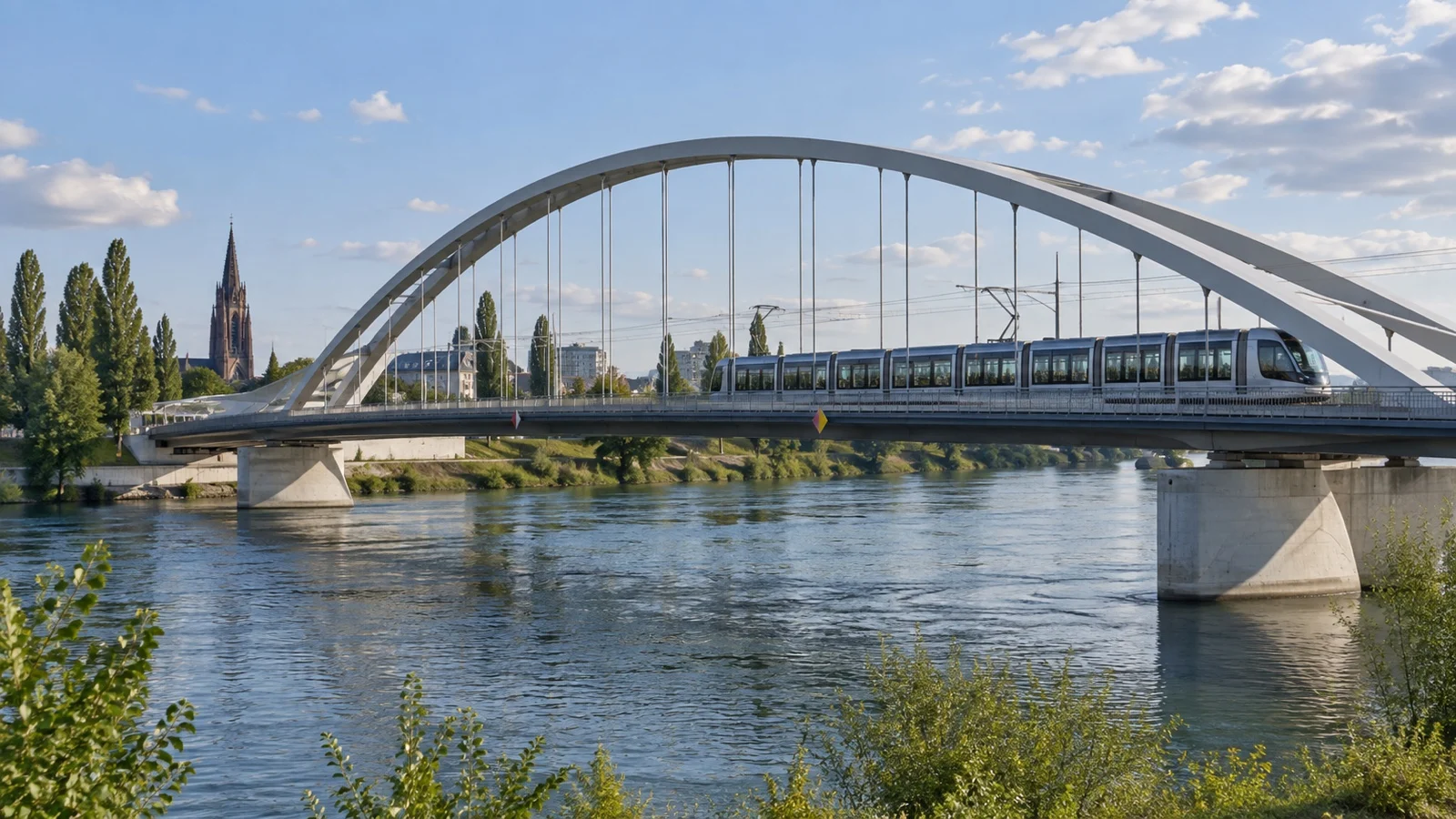
CTS operates Strasbourg’s tram and bus network, with route search, live timetables, traffic notices, and ticket information on the official CTS website. Use the current journey planner instead of relying on an old screenshot because construction and service disruptions can change the best stop.
Line D links Kehl with central Strasbourg, including access to stops useful for the Grande Île. Confirm that the tram you board is traveling in the correct direction and that your ticket is valid and properly activated before the ride.
Save the name of your Kehl return stop exactly as shown by CTS. “Port,” “station,” “town hall,” and a cruise berth are not interchangeable destinations.
Tickets and validation
Buy the ticket product that matches your actual journey and group size. CTS sells single and day options, but prices and conditions change, so the official ticket page should decide what you purchase.
Validation rules matter even when you bought a ticket moments earlier. Follow the instructions at the platform, on the vehicle, or in the mobile app and keep the ticket until the trip is finished.
The return from Strasbourg
Work backward from the ship’s all-aboard time and include the walk to the tram, a possible wait, the border crossing, the final transfer, and port security. One delayed tram should not be enough to make you miss the vessel.
If service becomes disrupted, take a taxi before the problem turns urgent. Show the driver the berth address or map pin, not only the ship’s name.
What to do in Strasbourg
Notre Dame Cathedral
Strasbourg Cathedral is the city’s essential landmark, a Gothic building whose facade, interior, and astronomical clock attract heavy visitor traffic. Worship, security, events, and ticketed elements can affect access even when the main church is open.
Check current visitor details before your call and dress respectfully. The official Strasbourg tourism website links to the cathedral, city transport, museums, and accessibility information.
Grande Île
UNESCO identifies the Grande Île as Strasbourg’s historic center, structured around the cathedral and enclosed by branches of the Ill River. Cathedral Square, Place Kléber, medieval lanes, and major civic buildings sit within a compact area that suits a cruise-day walk.
You do not need to chase every named square. Build the route around the cathedral, Petite France, and the tram stop you will use for the return.
Petite France
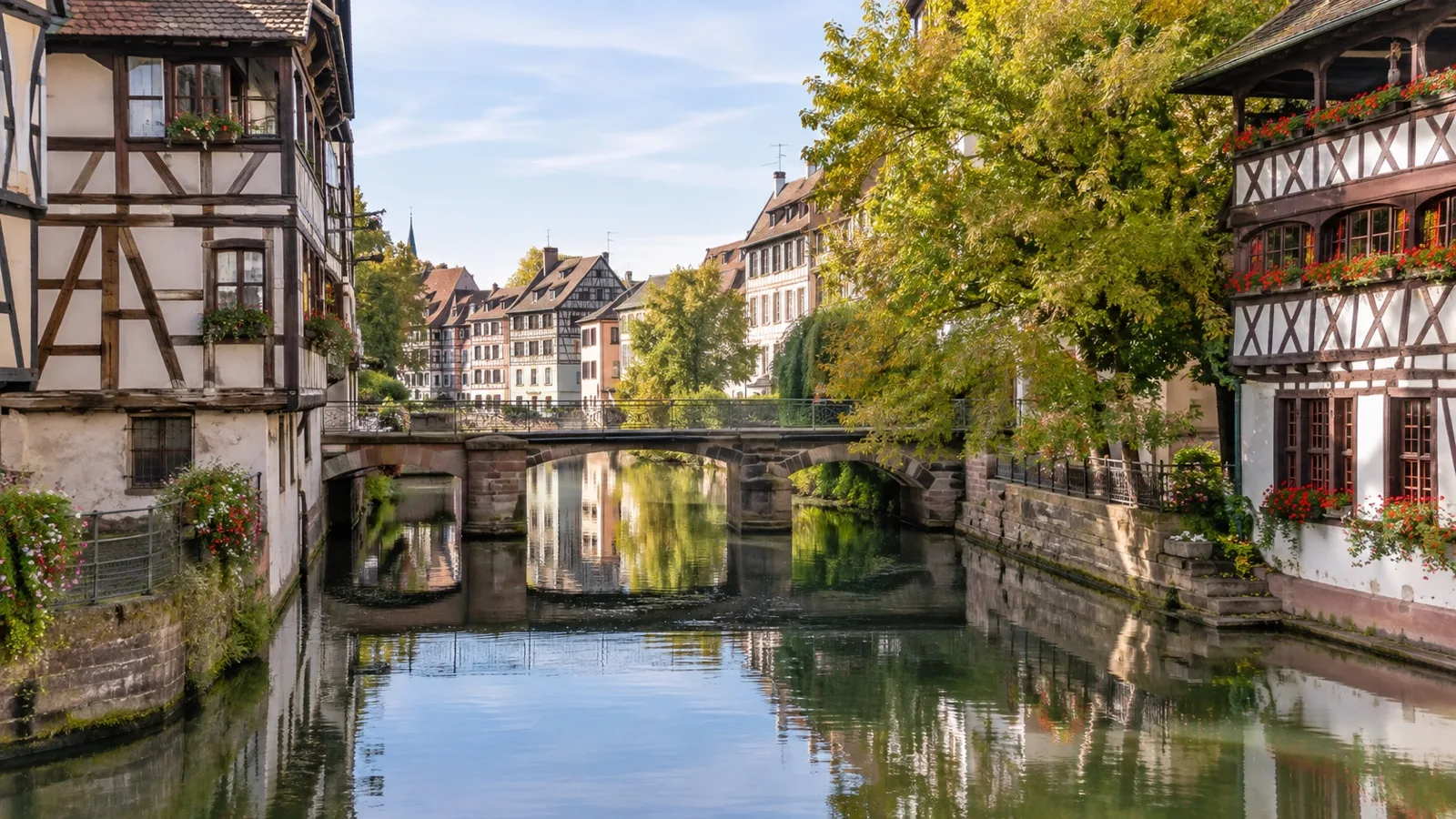
Petite France is the former quarter of millers, tanners, and fishermen, now known for half-timbered houses, canals, and bridges. It is photogenic enough to become crowded, particularly when cruise groups arrive together.
Walk one bank out and another back rather than stopping at the first viewpoint. The covered bridges and Barrage Vauban area add context when time and mobility allow.
A sightseeing boat
A city boat tour can reveal canals, locks, the historic center, and European institutions without a long walk. It also introduces a fixed departure time that may not fit a delayed ship transfer.
Reserve only when the cancellation terms and schedule leave a safe return. An independent walking loop is the better fallback if the berth arrival slips.
Food, wine, and markets
Alsace combines French and German influences in dishes such as tarte flambée, choucroute, baked pastries, and seasonal specialties. A winstub can be memorable, but table service may consume more time than expected on a short call.
In Breisach, look toward Kaiserstuhl wines, while Strasbourg offers the wider Alsace list. Drink lightly enough to manage cobbles, tram platforms, bicycles, and the gangway without difficulty.
Christmas-market sailings require extra patience because central Strasbourg becomes much busier and security measures can redirect pedestrians. Agree on a meeting point that does not depend on one crowded stall or entrance.
Weather and river conditions
The Upper Rhine can bring hot summer afternoons, cold winter winds, rain in any season, and rapid weather changes near the hills. Dress in layers and use shoes with grip for gangways, cobbles, slopes, and wet tram platforms.
High water can close landings or restrict bridge clearance, while low water can limit a ship’s draft. Cruise lines may change berths, transfer guests by coach, swap vessels, or revise the itinerary rather than cancel the entire trip.
A country change on the gangway can therefore be operational rather than planned far in advance. Follow the cruise director’s morning announcement even if your original documents named a different bank.
Accessibility
Accessibility begins with the gangway and assigned berth, not the destination’s general reputation. River level, rafting, steps, temporary ramps, and distance to a shuttle can all affect the route ashore.
Breisach’s Münsterberg is steep, while Strasbourg’s historic center mixes smoother public space with cobbles, bridges, and busy pedestrian areas. A vehicle or tram may reduce distance but does not automatically solve the final approach.
CTS publishes information about its services, and Strasbourg tourism provides reduced-mobility resources. Ask for the exact stop, platform, vehicle boarding method, and berth transfer rather than relying on the word “accessible.”
Travelers using larger wheelchairs or scooters should confirm storage and securement on ship shuttles and excursion coaches. Cross-border taxi availability for adapted vehicles may require advance booking.
Three practical plans
Breisach on foot
From a confirmed German-side landing, walk into town, climb Münsterberg at your own pace, visit Saint Stephen’s Minster if open, and return through the lower center. Add local wine or coffee only after you know the walk back to the gangway.
Breisach with one excursion
Choose Colmar, Freiburg, a winery, or the Black Forest rather than trying to combine all four. Keep a short Breisach walk as a bonus if the excursion returns early.
Strasbourg from Kehl
Reach a confirmed line D stop, ride into central Strasbourg, visit the cathedral, walk through Petite France, and return on a tram that leaves a later backup. If the berth lacks a practical tram connection, use the ship transfer instead.
Common questions
Will my Breisach ship definitely dock in Germany?
No. A Breisach itinerary can use a French-side landing, so confirm the country and exact berth on the day.
Can I walk from Vogelgrun to Breisach?
Do not assume it. The answer depends on the precise landing, authorized port exit, bridge access, distance, weather, and your mobility.
Can I take a train from Breisach to Freiburg?
Yes, regional service connects the towns, but you must include travel between the berth and station. Check the live timetable and preserve a backup return.
Is there a direct train from Breisach to Colmar?
Do not plan on a simple direct rail trip across the Rhine. A ship excursion, taxi, or organized road transfer is generally easier for a cruise call.
Does the Strasbourg tram really cross into Germany?
Yes, CTS line D serves Kehl and crosses the Rhine. Your cruise berth may still be some distance from a useful stop.
Do I need my passport to cross the bridge?
Carry the identification required by your cruise line and nationality. The crossing is normally within Schengen, but temporary checks or ship rules can still apply.
Which city is more walkable from the ship?
Breisach can be walkable from a German-side landing, while central Strasbourg usually requires a transfer from the Rhine port. Exact berth location decides more than the itinerary name.
The last word
Breisach and Strasbourg are rewarding stops precisely because the Rhine binds two countries into one travel day. The mistake is treating the brochure’s city name as a berth address.
Confirm which bank you are on, identify the first reliable transport link, and protect the return with a backup. Once those three pieces are clear, the border becomes part of the experience instead of a complication.
How this guide was researched: Ellie desk-checked the cross-border, transit, rail, visitor, and heritage details against current official sources, including CTS, Deutsche Bahn, Breisach and Strasbourg tourism, the European Commission, and UNESCO.
Time-sensitive details were reviewed on September 12, 2026. This guide does not claim a personal sailing, berth inspection, rail or tram ride, or attraction visit.
Berths, border checks, timetables, river levels, and attraction access can change, so confirm the day’s arrangements with your cruise line and the relevant operator.