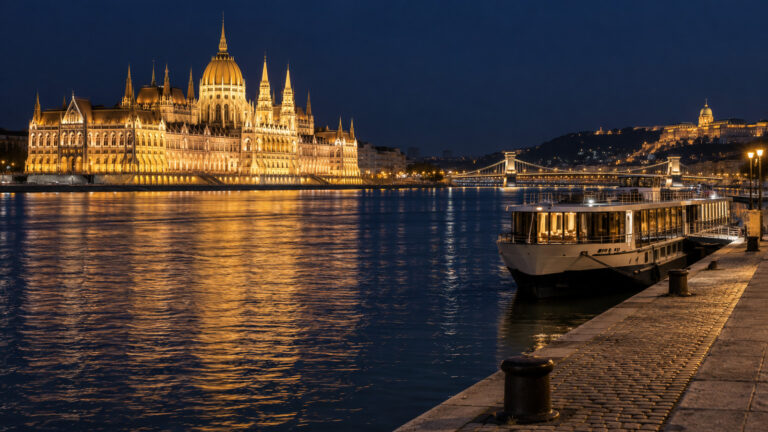
Are River Cruise Ports Walkable? The Ones Where You Do Not Actually Walk Into Town
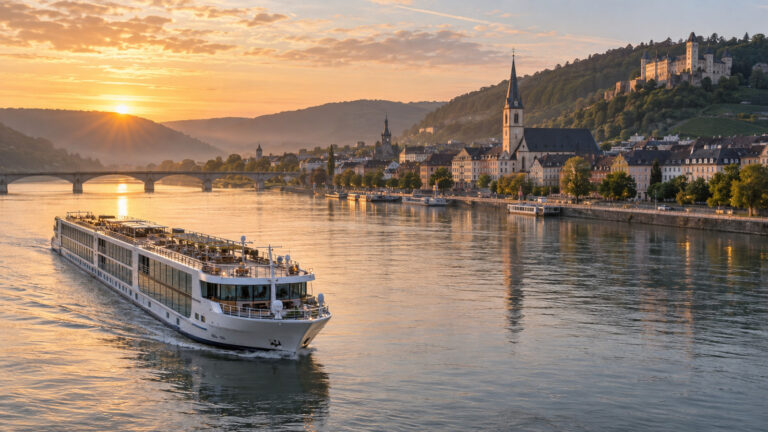
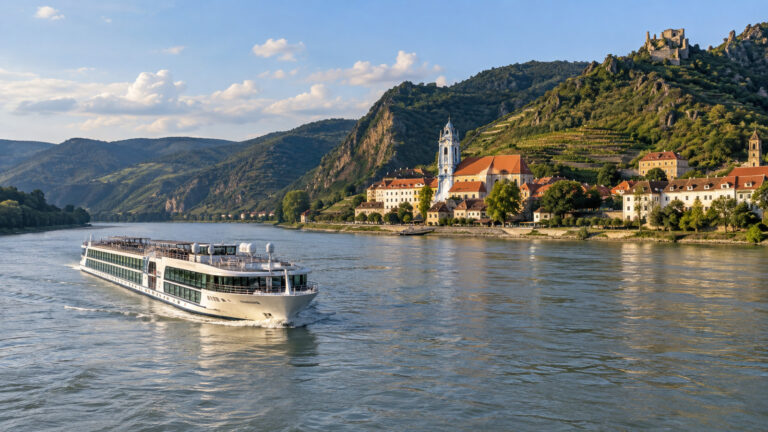
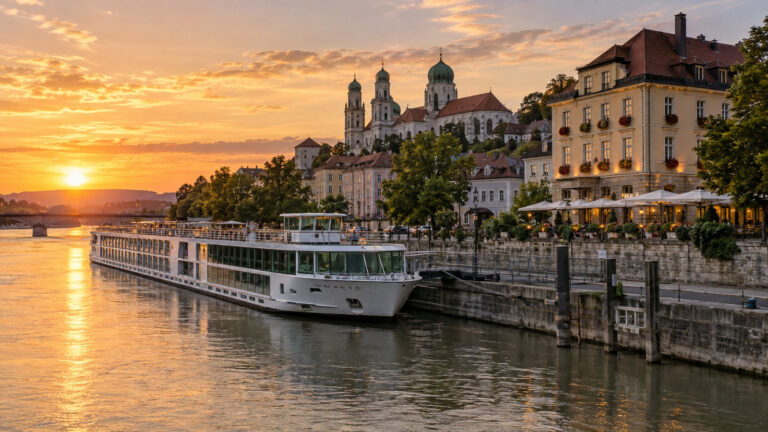
River cruising is famous for placing the ship close to historic centers, and many calls live up to that promise. The exceptions matter because they often involve the biggest names on the itinerary, where an outer quay, working harbor, or gateway town can add a bus, train, taxi, or long coach ride.
A distant berth is not automatically a bad port day. It simply needs a different plan, beginning with the exact docking address rather than the destination printed in the brochure.
Quick Facts
- Best first check: Get the exact berth name, street address, and road-side access from the cruise line
- Why berths move: Water levels, port traffic, construction, vessel size, events, and quay availability
- Common transfer types: Metro, tram, city bus, shuttle, taxi, regional train, or included motorcoach
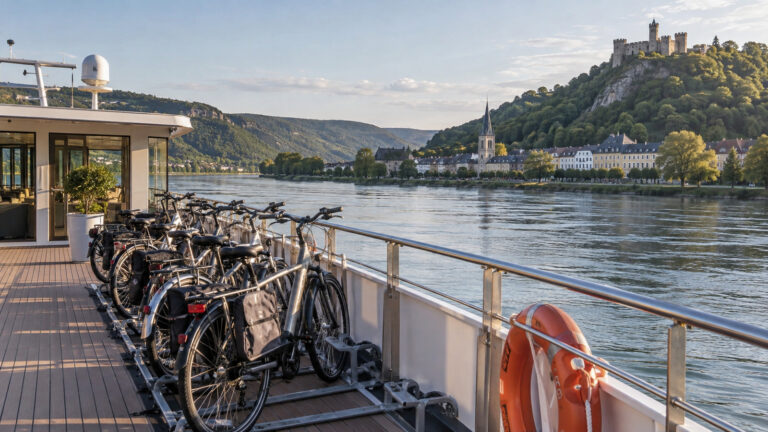
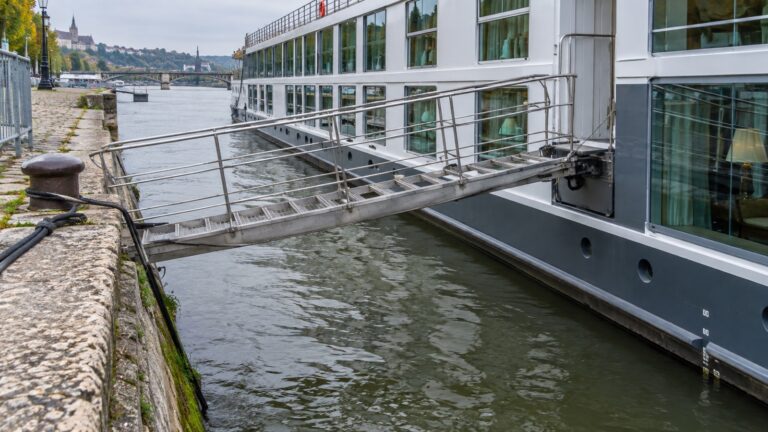
- River-ship access: Usually a gangway to the quay, with side-by-side rafting possible
- Highest-risk independent plan: A long regional excursion with one practical return
- Safest planning rule: Identify the return route and backup before leaving the ship
- Accessibility priority: Check the gangway, raft crossing, quay exit, vehicle, and destination separately
- Final authority: The ship’s live daily notice, not an itinerary printed months earlier
What “Not Walkable” Actually Means
A port can be non-walkable for several different reasons. The ship may use an industrial quay outside the center, the old town may lie far from the navigable channel, or the advertised attraction may be in a completely different city.
Those situations need different solutions. A metro station near the berth makes a city easy, while a countryside attraction reached by one coach has almost no independent recovery plan.
Walking distance is also personal. Fifteen level minutes may feel effortless to one traveler and impossible to someone facing heat, cobblestones, a steep quay ramp, or a mobility device.
Judge the complete route from cabin to attraction rather than the line on a map. A ship can sit close to town while rafting and quay access add the hardest part of the day.
Why River Ships Use Outer Quays
Historic riverfronts were not designed for today’s volume of long hotel ships. Central berths fill, vessel dimensions differ, and ports assign the available space according to navigation and operational needs.
Some cities developed beside an older river channel while modern navigation follows a canal or engineered waterway elsewhere. Nuremberg is a clear example, with its passenger harbor on the Main Danube Canal rather than beside the Old Town.
Water level can also change where a ship can reach or how safely it can use a berth. An itinerary may keep the same destination name even when passengers complete the last section by road.
Vienna: Easy by Transit, Not by Foot
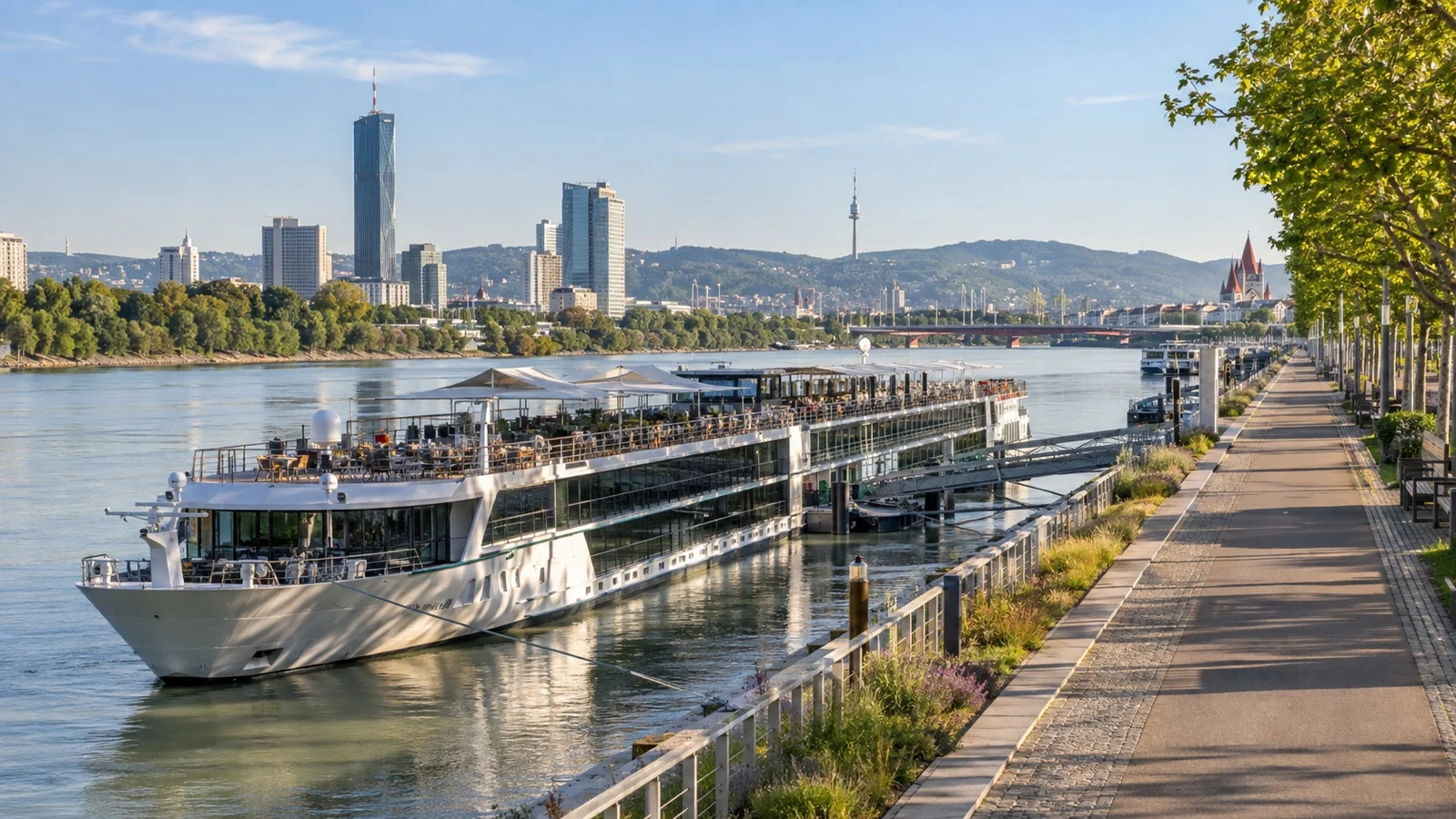
Many Vienna river ships use Danube berths around Handelskai and Reichsbrücke rather than the historic center. The good news is that Vienna’s public transportation turns this into a simple connection when the assigned berth is near a suitable station.
Confirm the exact landing because different Vienna-area docks produce different routes. Once you know the address, use Wiener Linien’s official planner for live service, accessibility, and the ticket that fits your day.
A private taxi is useful for luggage, limited mobility, or a tightly timed reservation. The ship’s panoramic tour may be convenient, but it is not the only sensible way into central Vienna.
Nuremberg: A Purpose-Built Harbor Outside Town
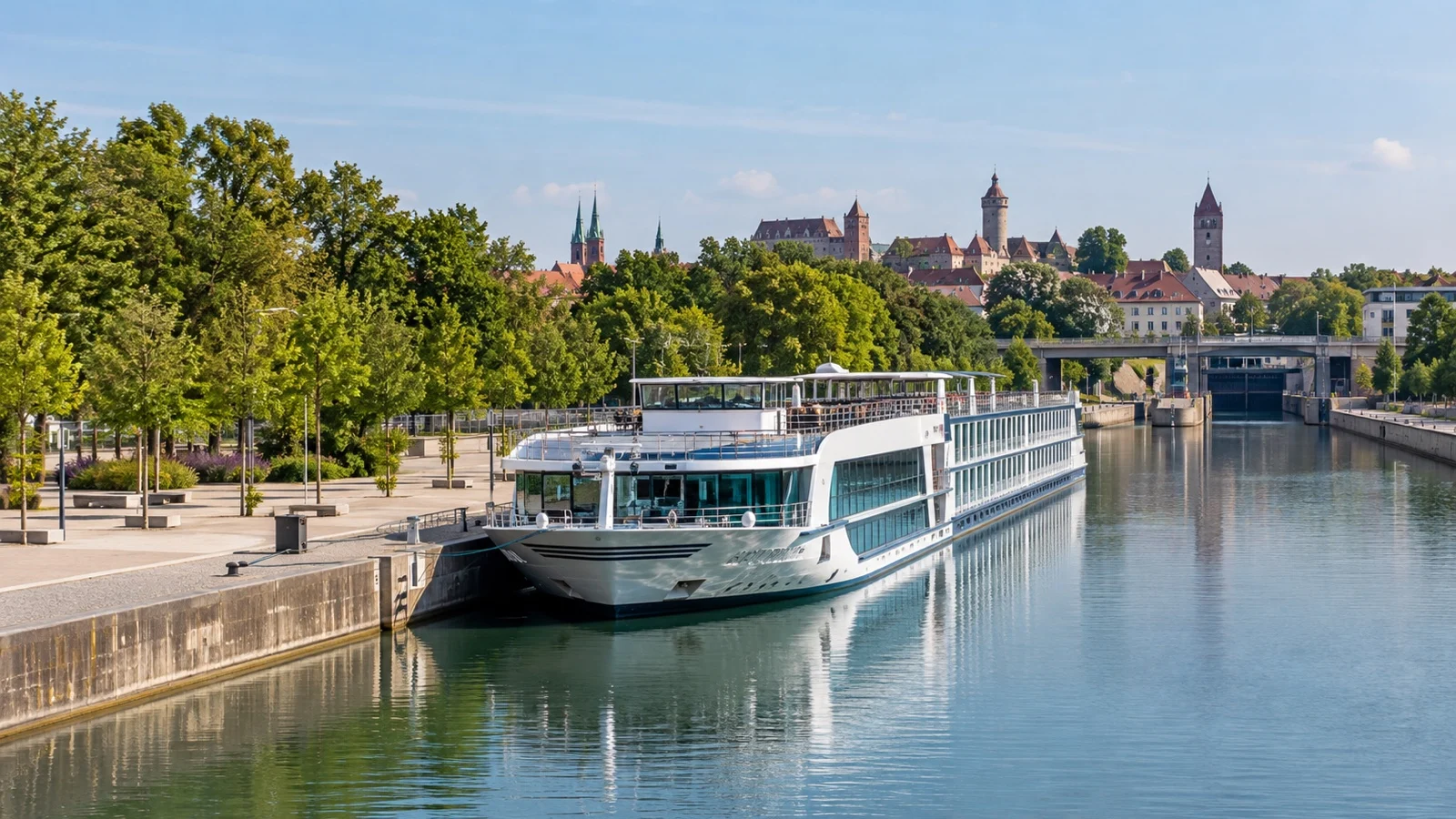
Nuremberg’s passenger harbor is at Europakai on the Main Danube Canal, well outside the Old Town. The city says the modern facility has ten berths along a 1,400-meter site, which is excellent infrastructure for ships and not a sightseeing district.
Use the current VGN journey planner or a confirmed transfer from Europakai rather than relying on an old route number. A taxi can be quicker when traffic cooperates, though current construction and access controls around the operational harbor should be checked before arrival.
Do not set off walking simply because the ship’s map labels the city “Nuremberg.” Use the transit connection, an included transfer, or a confirmed taxi and save your energy for the walls, castle hill, churches, and market square.
Amsterdam: The Address Changes Everything
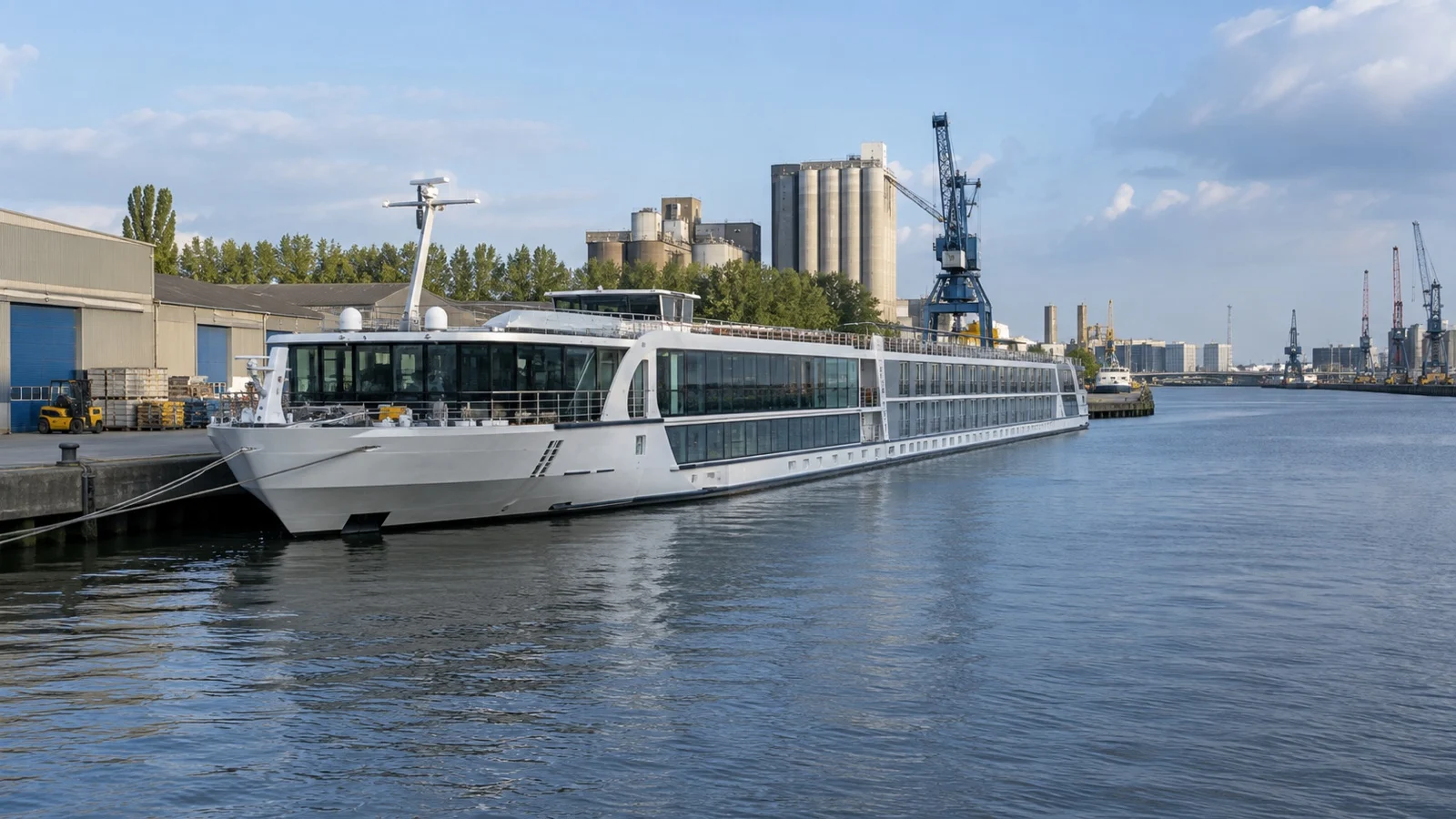
Amsterdam has river berths close to Centraal station and others much farther away. The live Cruise Port Amsterdam schedule shows central berths such as Westerdoksdijk and calls outside the city, including Zaandam.
That range makes “Amsterdam” one of the least useful berth descriptions in a brochure. Get the live address before booking a walking tour, train, museum entry, or airport transfer.
A central berth can make the city highly walkable, while an outer turnaround point needs transportation. Arrival and departure berths may also differ, so repeat the check at both ends of the cruise.
Gateway Ports: When the Destination Is Somewhere Else
Some itinerary names describe the excursion rather than the place where the ship docks. Prague, Salamanca, Colmar, Heidelberg, Giverny, and other famous destinations can appear beside a river call even though the vessel remains in another town or country.
Prague from an Elbe or Vltava-Area Landing
Long river ships do not simply berth beside Prague’s Old Town for the standard Elbe itinerary. Operators use landing places elsewhere and connect the capital by coach, so the day should be understood as a land excursion.
Use the included program unless you have verified the exact landing, rail station, transfer time, and return. A beautiful independent train ride is still a poor choice when one missed connection separates you from a moving ship.
Salamanca from Barca d’Alva
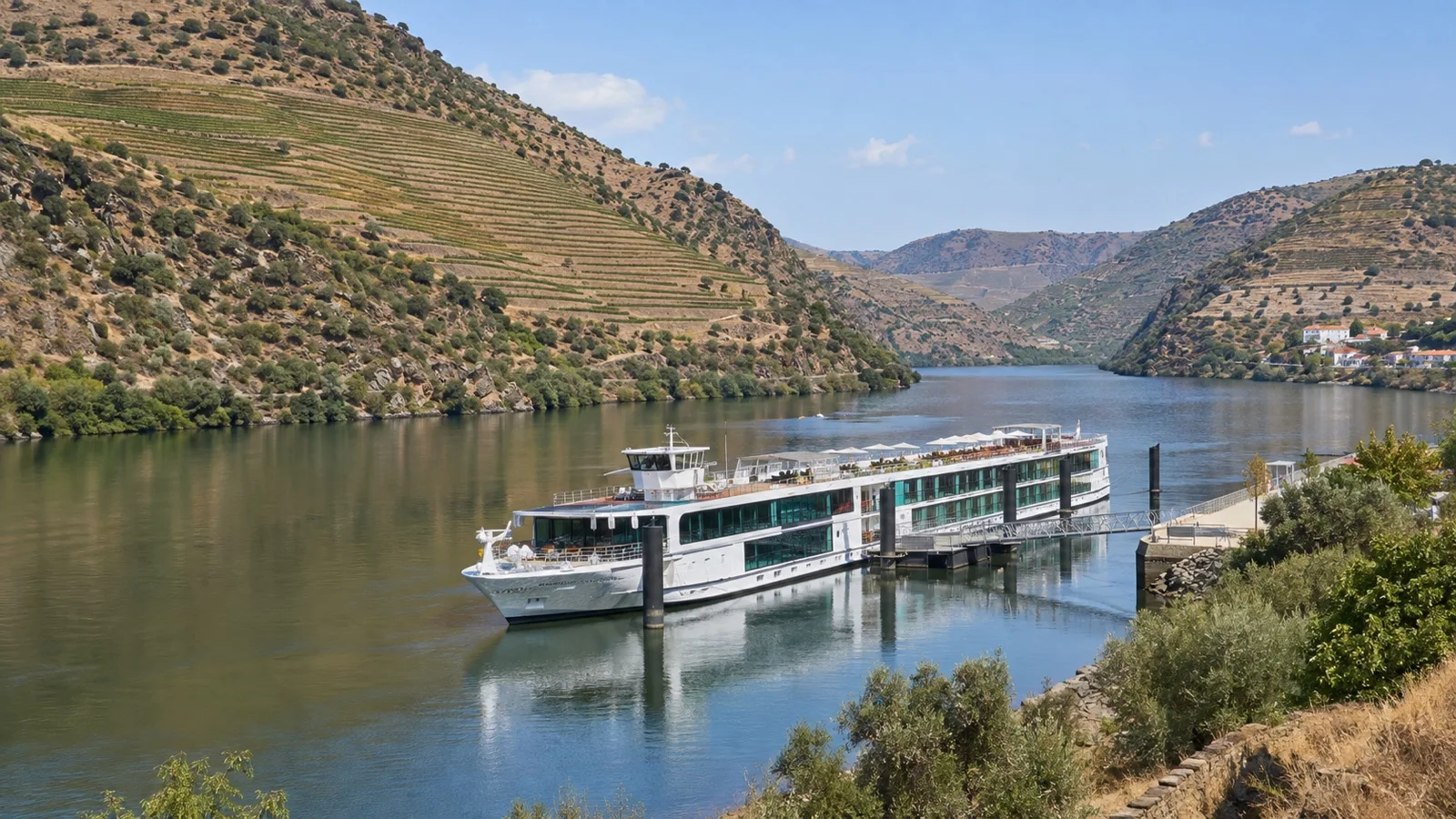
Upper Douro itineraries may use Barca d’Alva near the Spanish border as the starting point for a long road trip to Salamanca. The ship remains in Portugal while passengers travel inland to Spain.
This is a classic case for the cruise line’s transportation because distance, border context, road time, and the vessel’s schedule all need to work together. Travelers who prefer a slower day can ask what remains available near the landing.
Colmar from Breisach
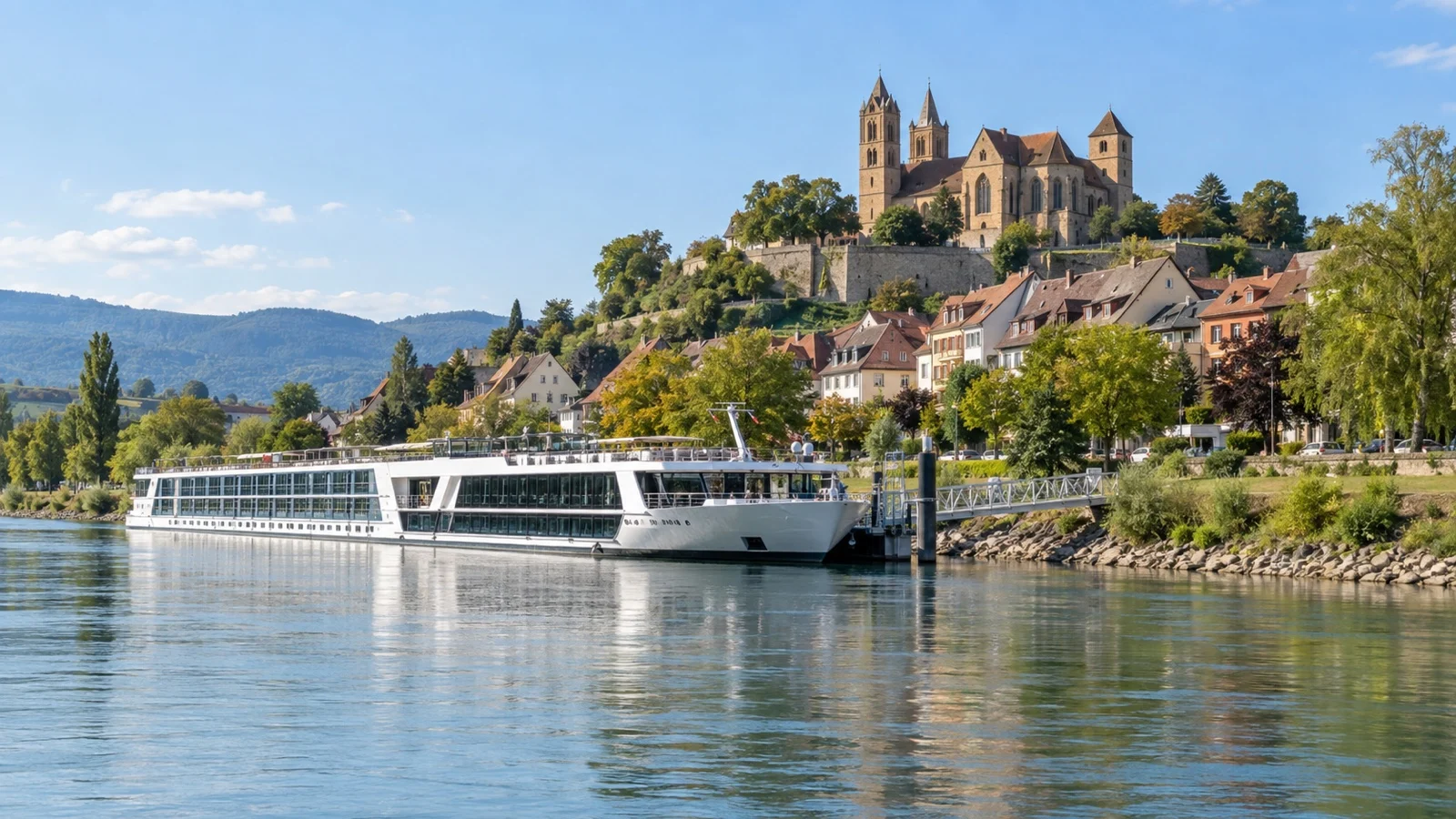
Breisach is a real and pleasant Rhine town, but it is not Colmar. Reaching the Alsatian city involves a cross-border road or transit connection, and the return schedule matters more than the distance alone suggests.
Decide whether you want the advertised excursion or a quieter day in the place where the ship actually docks. Breisach itself can be the lower-stress choice when weather, mobility, or timing makes another transfer unappealing.
Heidelberg from Mannheim or Ludwigshafen
Heidelberg is inland from the Rhine, so river itineraries commonly transfer passengers from Mannheim, Ludwigshafen, or another regional landing. The ship’s bank and berth affect the first leg, making a generic “Heidelberg” map pin useless.
Regional rail can work for confident independent travelers, but station access and the final return need a backup. The included excursion buys simplicity and protection when the call is short.
Giverny from Vernon
Vernon is the Seine landing for many visits to Monet’s home and gardens at Giverny. The berth can be close to Vernon’s center, but the famous destination still requires road transportation from town.
Check the attraction’s seasonal opening, timed-entry rules, and the transfer back before setting out. A day in Vernon offers an alternative when Giverny is closed or a packed excursion feels like more movement than pleasure.
How to Research the Berth Before Sailing
Start with the cruise line’s docking directory or travel documents and look for a street address. If the line gives only a city, ask the agent for the expected quay while accepting that final assignments can change.
Next, check the port authority’s berth map and the local transit operator’s journey planner. Measure the route from the roadside quay entrance, not from a point placed on the river.
Save an offline screenshot showing the ship, nearest stop, and backup taxi pickup. Repeat the check on board the evening before because the daily program is more current than a document issued months earlier.
Shuttle, Transit, Taxi, or Ship Excursion?
A frequent metro, tram, or bus is usually the most flexible solution for an outer urban berth. It lets you return independently and often avoids waiting for a coach to fill.
A cruise shuttle is useful only after you confirm its stops, fare, accessibility, frequency, and final return. Some sailings provide no shuttle, while others offer transportation only to guests on organized excursions.
A taxi makes sense for a small group, luggage, limited mobility, or a location poorly served by transit. Arrange the return in advance when the berth is remote or vehicle supply may be limited.
The ship excursion is strongest for long regional trips with difficult recovery. If its coach is delayed, the cruise line controls both the excursion and the vessel’s response, while an independent booking does not carry that protection.
Accessibility Requires the Whole Route
A distant berth adds transfers, and every transfer creates another possible barrier. The gangway, neighboring rafted ships, quay ramp, curb, transit stop, vehicle, and final attraction must each work for the traveler.
Ask the cruise line whether the route can include stairs and whether staff can handle the dimensions and weight of your mobility device. An accessible city bus does not solve a ship exit that requires crossing an upper deck.
Reserve an accessible taxi early in cities where suitable vehicles are limited. Keep a low-effort alternative close to the berth in case the day’s actual docking arrangement differs from the expected one.
Build a Return Plan That Can Survive a Delay
Work backward from all aboard and choose a planned return that leaves room for a missed bus, traffic jam, elevator outage, or wrong platform. The farther the destination, the larger that margin should be.
Save the ship phone number, berth address, and taxi information before leaving Wi-Fi. Carry a payment method that works locally and enough battery to show tickets or navigate the backup route.
Do not confuse the scheduled train arrival with being back aboard. You still need time for the walk, port gate, security, quay ramp, gangway, and any rafted vessels between you and your ship.
Final Take
Most river cruise ports remain wonderfully convenient, but the exceptions reward a little homework. An exact address and a realistic transfer plan can turn a disappointing outer berth into a smooth city day.
Confirm the live quay, choose transportation with a backup, and protect the return before chasing the brochure’s headline destination. The goal is not to avoid every bus, but to know when the bus is part of the port.
How this guide was researched: We checked current port, transit, tourism, and operator information for the named destinations on September 12, 2026. Reconfirm the berth, road access, transportation, rafting, waterway status, accessibility, costs, entry rules, and all-aboard time because live operations can change.
More on this topic: browse every guide on river cruise planning.