Saint-Tropez Cruise Port: Tender, Vieux Port and Beach Planning
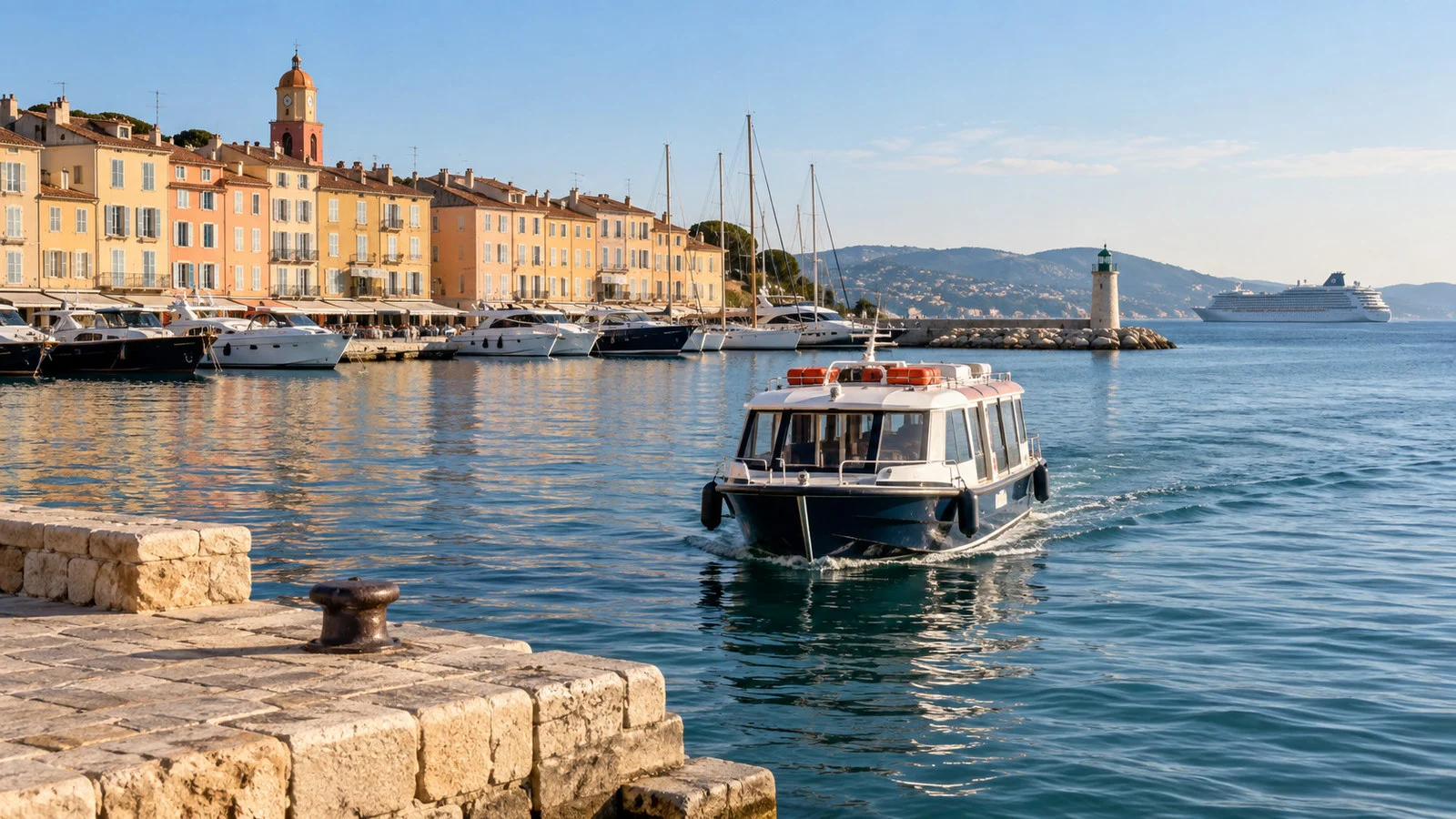
Saint-Tropez is a small Riviera port with limited space for visiting ships, so many cruise calls use tenders while very small vessels may receive a berth. The exact landing method matters because wind and swell can change the day.
Once ashore, the Vieux Port, old streets, Place des Lices, Annonciade Museum, and Citadel are close enough for an independent visit. Pampelonne Beach and vineyards require transportation and a larger return buffer.
My quick take
Keep the core day simple: walk the harbor, choose the Annonciade or Citadel, and leave time for Place des Lices. Book a transfer only when the beach or countryside is the real priority.
Do not promise yourself a tender landing until the ship confirms operations. Saint-Tropez’s glamour does not protect its exposed approach from mistral wind or uncomfortable swell.
Saint-Tropez quick facts
- Country: France
- Region: Provence-Alpes-Côte d’Azur
- Typical cruise access: Tender for many ships, with berth options limited by vessel size and harbor operations
- Tender destination: Usually close to the Vieux Port, subject to the day’s plan
- Main walking sights: Vieux Port, old town, Place des Lices, Annonciade Museum, and Citadel
- Beach excursion: Pampelonne in neighboring Ramatuelle
- Currency: Euro
- Independent transport: Walking in town, seasonal boats, bus, or prearranged taxi farther afield
- Accessibility: Tendering is the main barrier, followed by cobbles and the Citadel climb
- Best first check: Tender tickets, final boat time, sea conditions, and excursion pickup
Tender or berth?
Many cruise passengers arrive by tender because the harbor is designed around yachts, fishing craft, ferries, and smaller vessels rather than large cruise berths. Some small ships can use a direct berth or closer alongside arrangement.
Follow the ship’s written instructions rather than a universal rule. Vessel length, draft, traffic, security, and weather determine what is possible.
Tender tickets or assigned groups may be used at busy times. Passengers with an early independent reservation should ask how priority works before paying.
The ride length varies with anchorage position and conditions. Calculate the day from the posted first and final tenders, not the ship’s arrival and departure times.
The official Port of Saint-Tropez provides harbor services, weather information, and arrival guidance. Cruise-specific procedures still come from the vessel.
Getting ashore and oriented
Tender landings are generally close to the Vieux Port, making a central walk straightforward. Photograph the pontoon and note the final return instructions immediately.
The waterfront can become crowded with tender groups, ferry passengers, market visitors, and yacht traffic. Keep moving after disembarking so the landing stays clear.
There is no reason to rent a car for a town-only day. Parking and congestion can consume more time than walking.
If a local boat trip interests you, Les Bateaux Verts publishes current routes, schedules, and prices around the gulf. Verify the return and never substitute its schedule for the ship’s tender plan.
Vieux Port
The Vieux Port is the natural starting point, framed by cafés, boats, ochre façades, and the old town. It is worth walking both sides rather than stopping at the first viewpoint.
Working harbor activity continues around the visitor scene. Stay behind barriers, avoid handling lines, and give crews space.
Waterfront restaurants charge for the setting as much as the meal. Read the menu and prices before sitting if budget matters.
Morning light, late-day light, yacht arrivals, and market traffic each create a different atmosphere. A short call still provides the essential harbor experience.
Old town and La Ponche
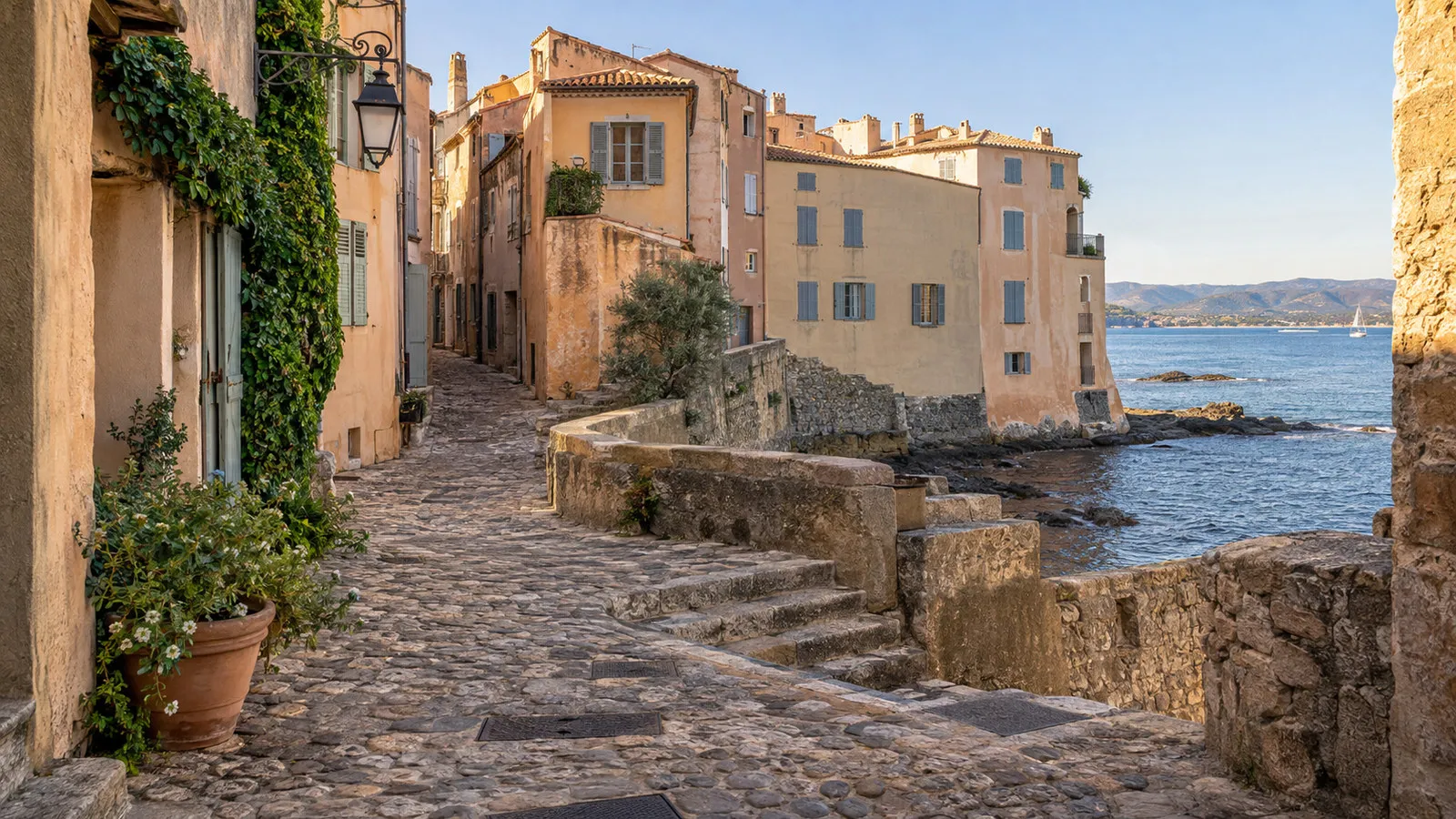
The lanes behind the harbor lead toward the historic quarter and La Ponche, the former fishing district. Expect cobbles, steps, narrow passages, and residents sharing the route.
Walk without treating private doorways as photo sets. Keep voices low in residential lanes and ask before photographing people.
The waterfront paths and small squares provide a gentler alternative to the steeper route toward the Citadel. Choose a loop that matches the weather and your footing.
Shops vary from luxury retail to local food and craft businesses. Spending locally is more meaningful when the product’s origin is clear.
Place des Lices and the market
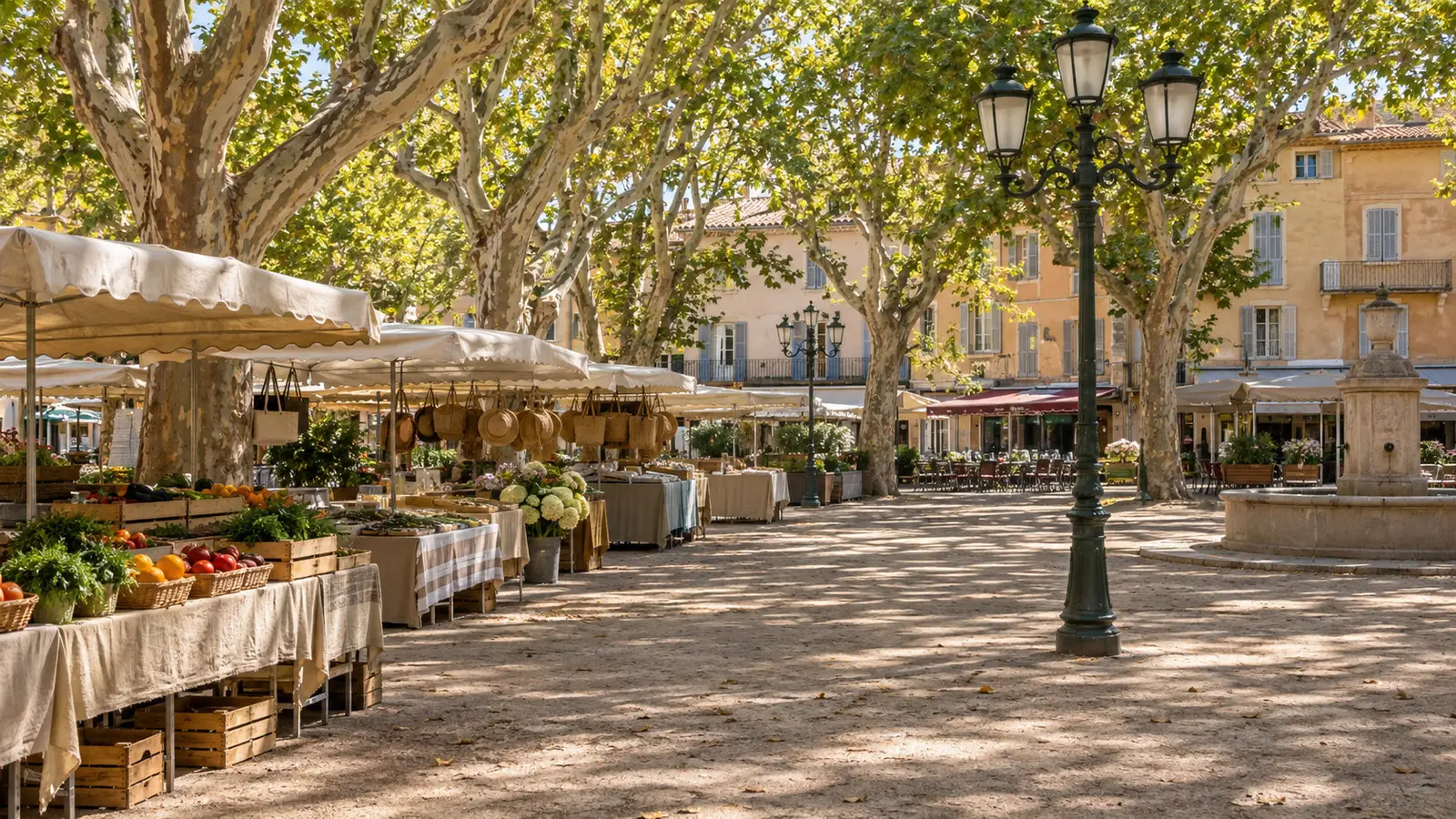
Place des Lices is a shaded square known for pétanque, cafés, and market activity. The atmosphere changes greatly between a quiet day and a full market morning.
The official Saint-Tropez tourism site publishes current market, museum, event, beach, and transport information. Check the calendar before building the visit around a particular event.
Markets can be crowded, so secure wallets and phones without becoming anxious. Keep enough time to walk back through congested streets.
Buy food only when you can store it safely and bring it back under the ship’s rules. Fresh produce, meat, and plant products may face restrictions on later international calls.
Annonciade Museum
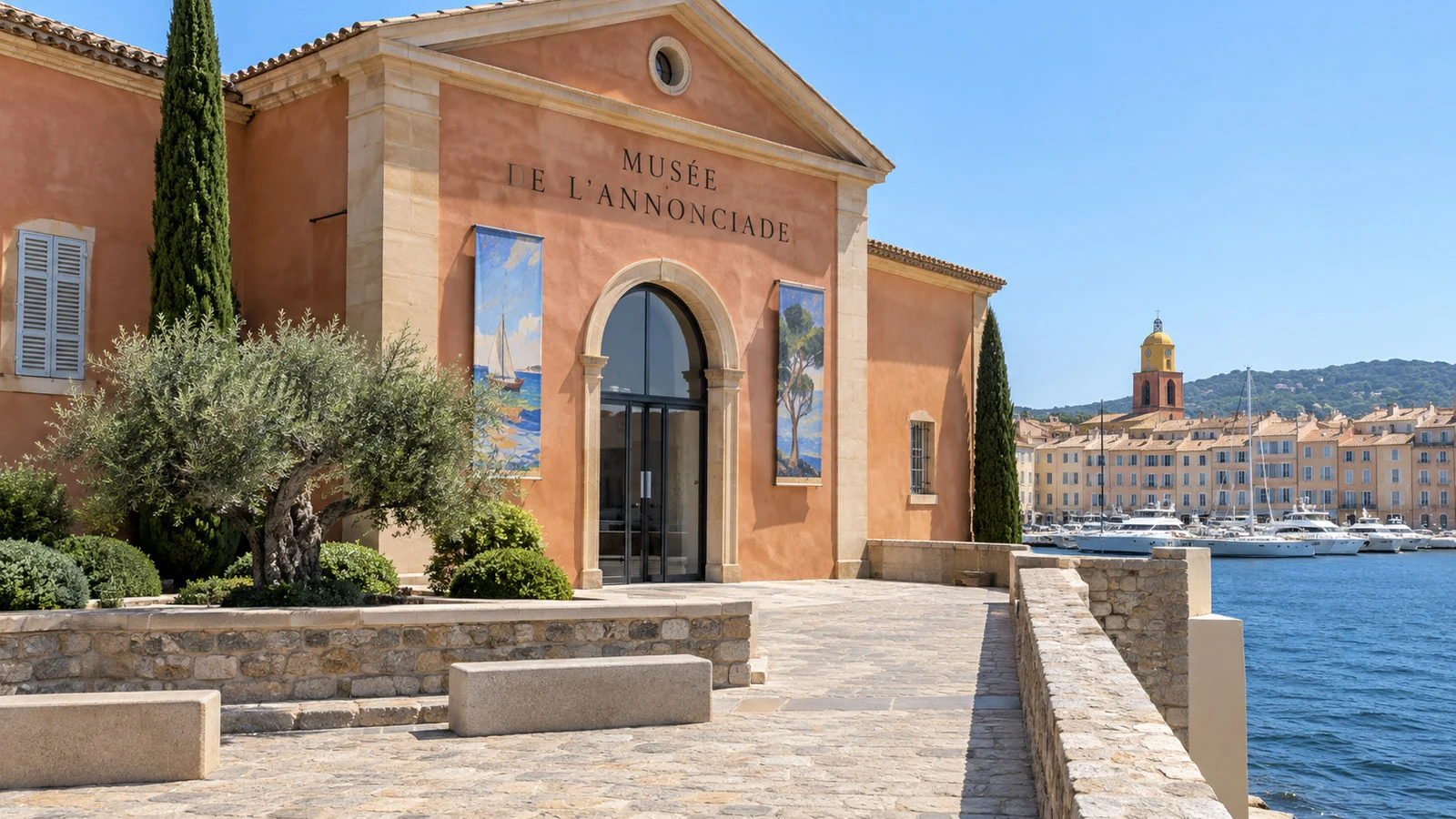
The Musée de l’Annonciade connects Saint-Tropez with painters who worked in the region and helped define its modern artistic reputation. Its manageable scale suits a cruise call.
Hours, temporary exhibitions, ticketing, and closures change, so check the official tourism or museum listing. Do not assume daily opening throughout the year.
Allow 45 to 75 minutes for a focused visit. This leaves room for the harbor and old town without rushing.
Ask about step-free access and bag storage before arrival if mobility or luggage matters. Historic buildings can have specific entrance arrangements.
The Citadel
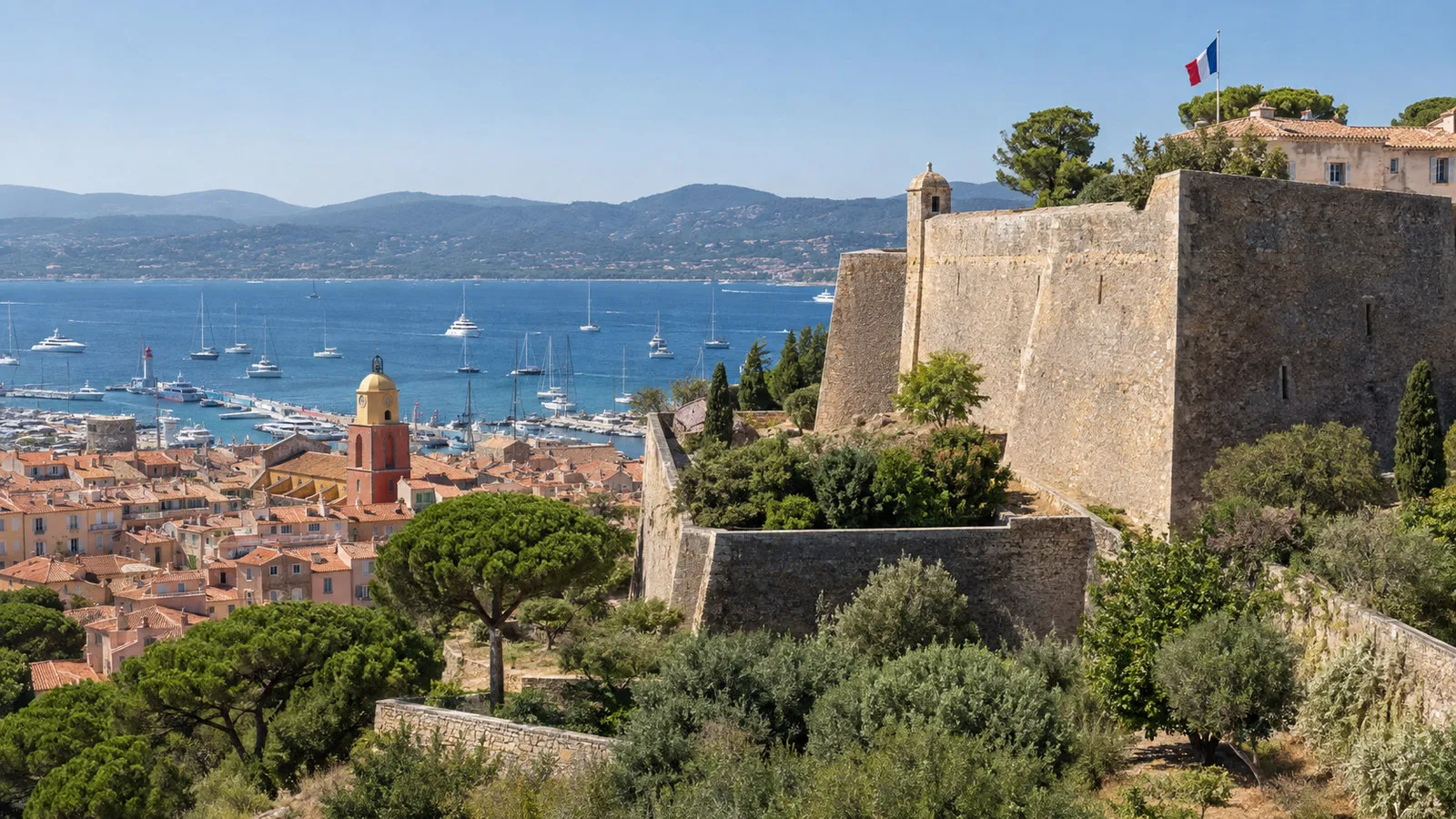
The Citadel stands above town and offers broad views over the gulf and rooftops. Its maritime museum adds context about Saint-Tropez’s relationship with the sea.
The uphill approach and interior surfaces require more effort than the harbor walk. Heat, cobbles, and steps can make a modest climb feel demanding.
Wear shoes with grip and carry water. Skip the climb if the tender call is short or the wind makes exposed paths uncomfortable.
Opening hours and access vary with events and maintenance. The viewpoint should not become a race against the final tender.
Pampelonne Beach
Pampelonne lies outside Saint-Tropez in the commune of Ramatuelle and requires road or organized boat transportation. It is not a quick extension of a Vieux Port walk.
Beach clubs have different reservation, minimum-spend, cancellation, and transport policies. Confirm every element before leaving the harbor.
Road traffic can be severe in peak season, especially late morning and afternoon. A ship excursion or prearranged driver provides more certainty than searching for a taxi at departure time.
The Mediterranean can still produce waves, currents, and sudden wind. Follow local flags and lifeguard instructions where service is present.
Wine and countryside
The peninsula and surrounding Var region include vineyards offering rosé and other wines. Visits usually require a reservation and vehicle.
Ask whether the tasting includes cellar steps, gravel, standing, and food. Rural properties vary considerably in accessibility.
Use a designated driver and keep the return conservative. A wine visit is not worth a missed tender.
Choose either the beach or a vineyard on a normal call, not both plus a full town tour. Traffic makes ambitious combinations fragile.
Ship excursion or explore independently?
Explore independently for the Vieux Port, old town, Place des Lices, Annonciade, and the Citadel. The central area is compact and does not require a coach.
Choose the ship excursion for Pampelonne, a vineyard, or a wider peninsula tour. Transportation and return protection are the main benefits.
A local walking guide can add art, maritime, and social history without committing the day to a bus. Confirm the endpoint relative to the tender.
If the ship shortens the call, stay near the harbor. Saint-Tropez still works well as a two-hour stroll.
Accessibility and mobility
Tender boarding is the first and largest barrier. Ask whether wheelchairs, scooters, walkers, or other devices can be carried under the day’s sea conditions.
The harbor edge and parts of the central route are relatively level, but cobbles, crowds, curb changes, and narrow lanes create friction. A waterfront-and-square plan is easier than the Citadel.
The tender pontoon may move with wake and swell. Crew can stop boarding when conditions become unsafe.
Contact museums directly for current step-free entrances and restroom access. Do not infer full accessibility from a ground-floor photo.
Accessible taxis should be reserved in advance for Pampelonne or a countryside trip. Supply on a busy cruise day can be limited.
Weather and tender risk
The mistral and other strong winds can make the anchorage uncomfortable or stop tender operations. A sunny sky does not guarantee a safe transfer.
Summer is hot, dry, and crowded, while spring and fall can bring cooler conditions and more schedule variation. Carry water, sun protection, and a light wind layer.
The captain may cancel before arrival, delay disembarkation, or recall passengers early. Keep the ship’s messaging active and stay within easy return range when conditions deteriorate.
No credible source can promise a fixed cancellation percentage for your sailing. Treat any such number as speculation.
Safety and responsible travel
Crowds around the port and market create opportunities for petty theft. Keep bags closed and phones controlled without letting normal precautions spoil the day.
Stay clear of yacht boarding areas and private docks. The harbor is working infrastructure, not an unrestricted promenade.
Do not fly a drone without confirming French aviation rules, local restrictions, port rules, and ship policy. Dense crowds and maritime traffic make casual operation inappropriate.
For emergencies in France, call 112. Carry the ship’s contact information and the name of the tender landing.
Return timing
Return to the tender queue well before the final boat, especially when wind is increasing. Boarding slows when the pontoon moves or passengers require extra assistance.
Use at least a 60-minute buffer after an independent beach or vineyard visit, and more in peak traffic. The drive back is only the first step before the tender.
Do not rely on catching the ship at another Riviera port. There is no railway station in Saint-Tropez, and road traffic can make recovery difficult.
If the ship announces an early recall, return immediately. A worsening sea state can close the transfer window.
How Saint-Tropez fits a Riviera cruise
Saint-Tropez often appears with Cannes, Villefranche-sur-Mer, Antibes, Monaco, or Toulon. Each has different docking and rail access.
Compared with Cannes, Saint-Tropez is smaller and lacks direct rail service. Compared with Villefranche, it offers a more enclosed harbor-town experience after tendering.
Choose the itinerary for the wider Riviera rather than assuming this one tender call will operate. A flexible alternative plan is part of coastal cruising.
Quick answers
Do cruise ships dock in Saint-Tropez?
Many use tenders, while some small vessels may receive a berth. Check the ship-specific plan.
Is the town walkable from the tender?
Yes. The Vieux Port and central streets are close to the usual landing, though the Citadel requires an uphill walk.
Can I visit Pampelonne independently?
Yes, with confirmed transport and a large traffic buffer. A ship excursion offers stronger return protection.
What should I do on a short call?
Walk the Vieux Port, La Ponche, and Place des Lices. Add one museum only if hours and tender time align.
Is Saint-Tropez accessible?
The flat harbor helps, but tendering, cobbles, and the Citadel climb create barriers. Ask for the exact route and transfer method.
What happens if tenders are canceled?
The ship may skip the call, delay operations, or use another itinerary plan. The captain decides based on safe vessel and tender operations.
The last word
Saint-Tropez is best treated as a harbor walk with one carefully chosen extra. The town’s appeal survives a modest plan.
Follow current directions from the ship, port, tourism office, transport providers, and local authorities. If access changes after your call, our editorial policy explains how to send a correction.