Arles Cruise Port: Roman Provence & Van Gogh Guide
Arles is a Rhône river-cruise call where Roman monuments, Van Gogh landmarks, and Provençal streets sit close together. The easiest day stays in the historic center, while the Camargue or Alpilles needs a booked vehicle and a longer schedule.
My quick take
Arles rewards travelers who like their history walkable and their pace unhurried. It is compact, sunlit, and refreshingly free of the motorcoach-parking chaos you find at bigger ports.
If you are mapping a wider itinerary, my guide to European cruise ports gives the bigger picture. Arles, though, deserves a slow and curious day of its own.
The appeal is how much history fits into a compact center. You can build an excellent day without a motorcoach, provided the assigned mooring and walking surface suit you.
Arles Cruise Port Quick Facts
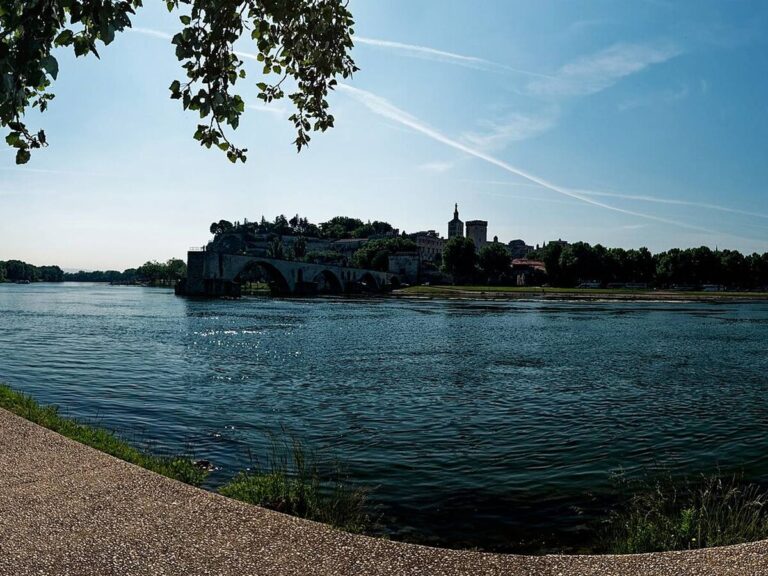
- Where you land: the river quay on the Rhône, directly below the old town. This is a river cruise call rather than an ocean one, so ships are small and there is no terminal building to walk through, just the quay and a tourist information point.
- Dock or tender: River ships tie up alongside the quay and you step straight off, so no tendering is involved.
- Into town: A couple of minutes on foot.
- Currency and language: The euro, and French.
- Time zone: Central European Summer Time (CEST, UTC+2) through the river cruise season, CET (UTC+1) in winter.
- River conditions: High or low water can alter the berth, timing, or sailing plan, so follow the ship crew on the day.
The logistics of a river call
Arles river vessels usually moor near the city, but berth position can change with ship traffic and river conditions. Confirm the gangway location and whether another vessel is rafted alongside before judging the walk.
River ships can berth side by side, which may require crossing one or more vessels and using stairs between decks. The crew decides the safe passenger route, and a city-center mooring is not a guarantee of step-free disembarkation.
The Arles tourist office is at Boulevard des Lices rather than guaranteed at the quay. Download a map and current monument hours before leaving the ship, then use the official office if its opening time fits.
The amphitheater, Roman theater, Place de la République, and Van Gogh route are compact enough for a short call. Les Alyscamps and the Musée Départemental Arles Antique add walking in opposite directions, so choose one rather than forcing both.
One practical note is worth flagging before you leave the ship. Confirm your all-aboard time with the crew, since river schedules can shift with water levels on the Rhône.
Getting around
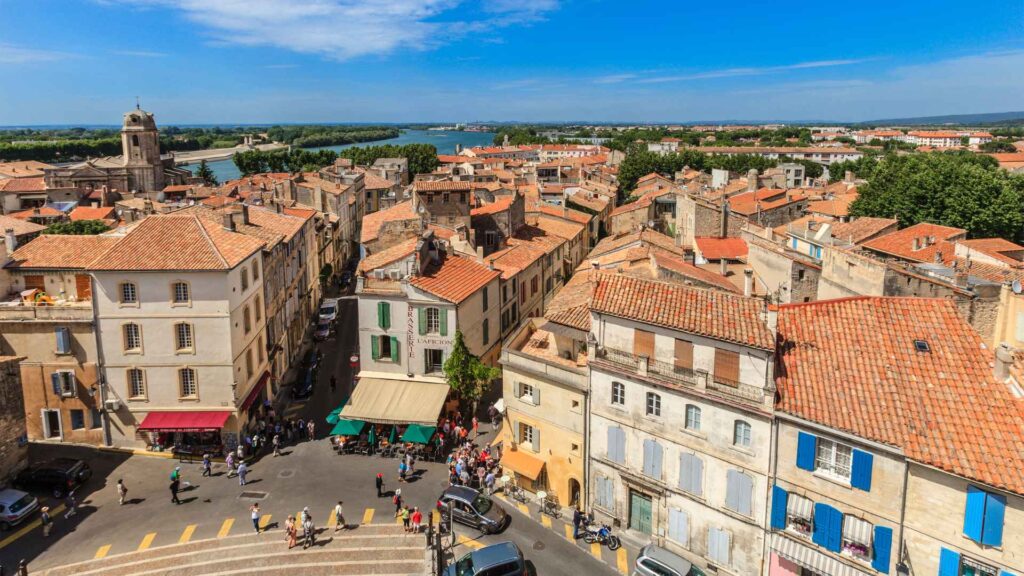
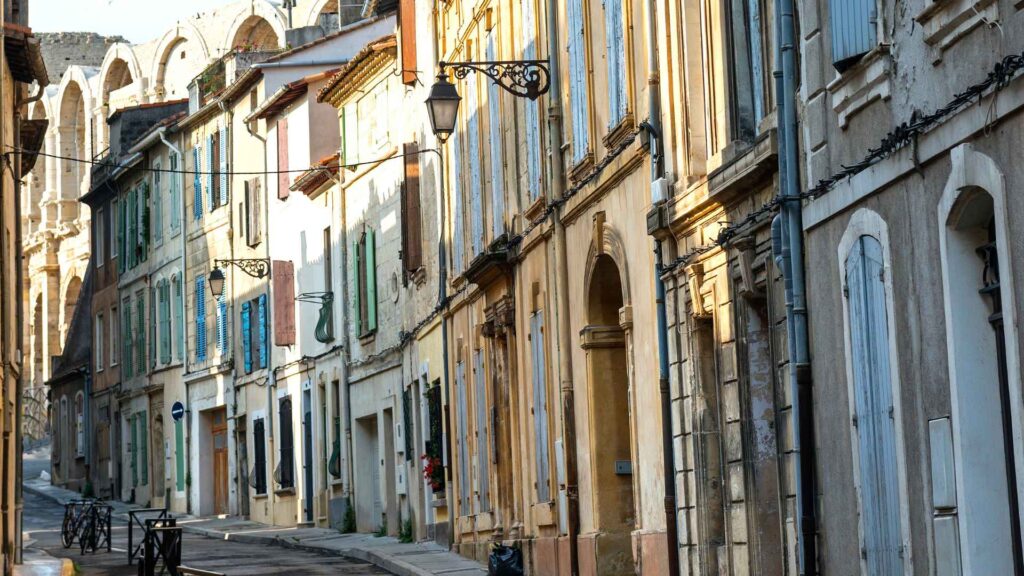
Arles is made for walking, and honestly that is how you should see it. The historic core is small, and the Roman monuments cluster within a few minutes of each other.
The streets are cobbled and a little uneven in places, so comfortable shoes matter more than anything else. Many lanes are pedestrian-only, which keeps the center quiet and pleasant.
Cycling can work for experienced riders with a long call, but the Camargue is not a casual extension of the old-town loop. Wind, heat, road exposure, rental pickup, and the return deadline make a guided vehicle the safer first choice.
Taxis wait near the main sites if you have mobility concerns or a countryside plan. For most cruise passengers, though, your own two feet cover everything you came to see.
Regional buses can reach some outer communities, but frequencies and stops are not designed around a ship’s all-aboard time. Use a tour or prearranged driver for the Camargue, Les Baux, or Saint-Rémy, and keep one geographic direction.
The stops I would actually spend time on
Arles packs an astonishing amount into a small center. The whole Roman and Romanesque ensemble carries a UNESCO World Heritage listing, which tells you how special this town really is.
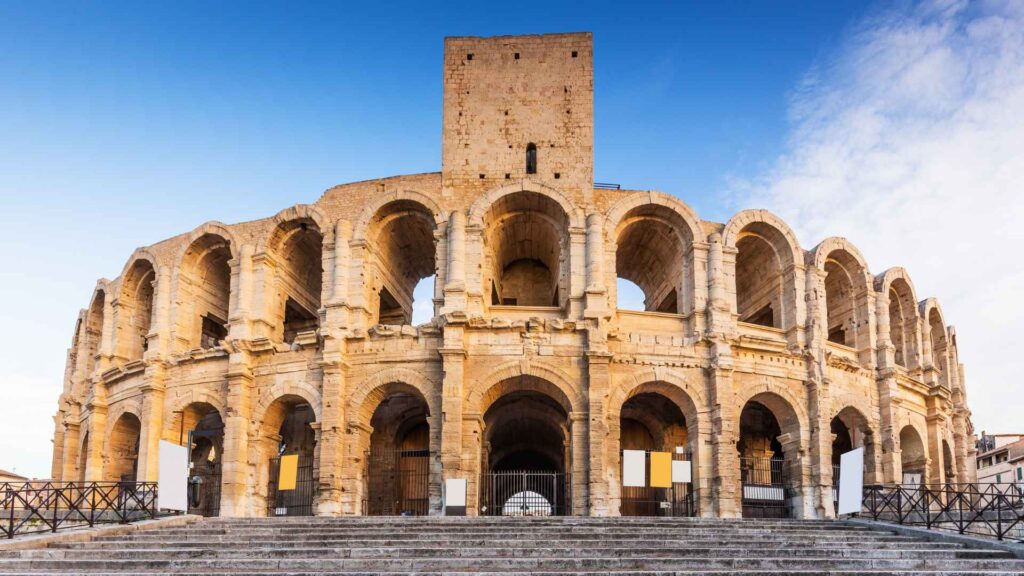
The Roman Amphitheatre (Arènes d’Arles): the city’s largest surviving Roman monument, with two tiers and an active event schedule. It once accommodated roughly 20,000 spectators, but modern events can change visitor access.
The Roman Theatre: A short walk away and usually far quieter than the arena. Sit on the ancient stone benches and picture the performances that filled this space two thousand years ago.
Les Alyscamps: A long, poplar-lined avenue of Roman tombs that later became a source of artistic fascination. Fun fact: both Van Gogh and Gauguin painted here during Vincent’s stay in Arles.
The Van Gogh trail and Espace Van Gogh: Vincent produced more than 300 works during his roughly fifteen months in the town. Seek out Place du Forum, the café that inspired Café Terrace at Night, and the courtyard garden of the old hospital, now the Espace Van Gogh.
Fondation Vincent van Gogh: A modern gallery with rotating exhibitions built around his legacy. Check the current show at the Fondation Vincent van Gogh before you go, since the displays change through the year.
Church of St Trophime and its cloister: The carved Romanesque portal is a marvel, but the calm cloister next door is the real reward. It is one of the quietest and most contemplative corners in the old town.
How I would plan the day
Start at the Roman Amphitheatre when its opening time fits the call, since this can reduce heat and queues. Events and seasonal schedules can restrict access, so check the official monument calendar before building the morning around an early entry.
From there I would drift to the nearby Roman Theatre, then wander toward St Trophime and its cloister. This whole loop is a matter of minutes, not miles.
Around midday I would slow down for lunch on a shaded square with a glass of Provençal rosé. Many shops close for a couple of hours in the afternoon, so this is the moment to linger.
In the afternoon, follow the marked Van Gogh route or visit the current Fondation exhibition, then choose Les Alyscamps only if time and mobility allow. Keep the final hour near the river rather than starting another outer sight.
If you crave more Roman history, the Musée Départemental Arles Antique is a rewarding detour. It holds mosaics, sarcophagi, and a remarkable Roman barge lifted straight from the Rhône.
Try to leave a buffer of at least an hour before all-aboard. A relaxed final coffee beats a stressful dash along the quay every single time.
A realistic word on accessibility
Let me be honest about the ground here, because Arles is an old town and it shows. Expect cobblestones, a few gentle slopes, and steps at some of the ancient monuments.
The Rhône quays and lower streets can be manageable, but cobbles, curb cuts, monument stairs, and a rafted ship create separate barriers. Ask the line about the actual mooring and vessel-to-vessel crossing before assuming disembarkation is level.
A vehicle can reduce street distance but may not reach every pedestrian lane or monument entrance. The ancient interiors remain uneven, so confirm the accessible route at each priority sight and choose the museum when ruins are impractical.
Inside the ancient monuments, expect uneven stone and the occasional tricky step. Take it steadily and you will still get close to everything that matters.
When to go, and the weather
Provence turns hot and bright through the summer, so a hat, sunscreen, and water are non-negotiable. The light is glorious for photos, but the midday heat is real.
Spring and autumn are, in my view, the sweet spot for a river call here. The temperatures are kinder, the crowds thinner, and the countryside still looks wonderful.
Winters are mild but can turn damp, so a light rain layer is worth packing. Watch for the mistral wind too, which can sweep down the Rhône and feel surprisingly cool.
Outdoor monuments are more comfortable in the cooler morning or late afternoon. Keep the ship deadline ahead of photography plans because river schedules can move with navigation conditions.
Tickets, closures, and outer-Provence choices
Arles sells combined monument options, but the best value depends on which sites are open and how many you can comfortably enter. Check same-day hours because festivals, restoration, religious services, and private events can alter access.
The Fondation Vincent van Gogh uses changing exhibitions rather than a permanent room of Van Gogh masterpieces. Review the current show before paying, especially if seeing an original Van Gogh is your main reason to visit.
For the Camargue, choose a focused birding, wetlands, or village route with a driver who knows the ship time. For Les Baux or Saint-Rémy, use one Alpilles loop and return to Arles at least 90 minutes before all-aboard.
Quick answers
Is Arles an ocean cruise port?
No, it is a Rhône river stop whose ships moor by the old town rather than at a coastal terminal.
Do I need to tender ashore?
No, but rafted river ships can require passengers to cross another vessel and use stairs.
Can I see the highlights in a single day?
Yes, the central Roman monuments and Van Gogh sites fit comfortably when you choose rather than rush them.
What currency should I carry?
The euro, with cards common and a little cash useful for small cafés or markets.
How Arles compares
Arles is a very different animal from the big coastal ports of the region. If your voyage also calls at the coast, my Marseille cruise port guide shows how a large urban terminal changes the rhythm of a day.
A coastal call at Nice or Villefranche gives you a polished Riviera contrast. Arles is strongest as a Roman and art day rather than a compressed version of coastal Provence.
My honest verdict is that Arles is a joy precisely because it asks so little of you. You walk off the ship, step into living history, and let a slow Provençal day do the rest.
Bring your curiosity, some comfortable shoes, and a healthy appetite for rosé and warm pastries. Arles will happily handle the magic all by itself.
How this guide was researched: This guide uses current Arles tourism, monument, Fondation Vincent van Gogh, UNESCO, and river-operations information. Mooring, attraction status, access, and time-sensitive details were reviewed on September 11, 2026; see our Editorial Policy.