Arrecife Cruise Port: A Cruiser’s Guide to Lanzarote’s Volcanoes and Manrique Art
Arrecife is the gateway to an island where volcanoes did the landscaping and César Manrique persuaded tourism to mind its manners. Lanzarote’s headline sights are spread across roads that require an actual plan.
Choose Timanfaya’s volcanic south, Manrique’s northern sites, or an easy Arrecife day. Attempting all three produces an excellent survey of traffic circles.
Quick Facts
- Port areas: Lanzarote Cruise Port uses the Naos and Los Mármoles areas of Arrecife, and the assigned berth determines the first transfer.
- Terminals: The port operator says new Naos and Los Mármoles cruise terminals were inaugurated in 2025.
- Ship access: Cruise ships normally berth alongside, but passengers should follow the sailing’s gangway, shuttle, and walking instructions.
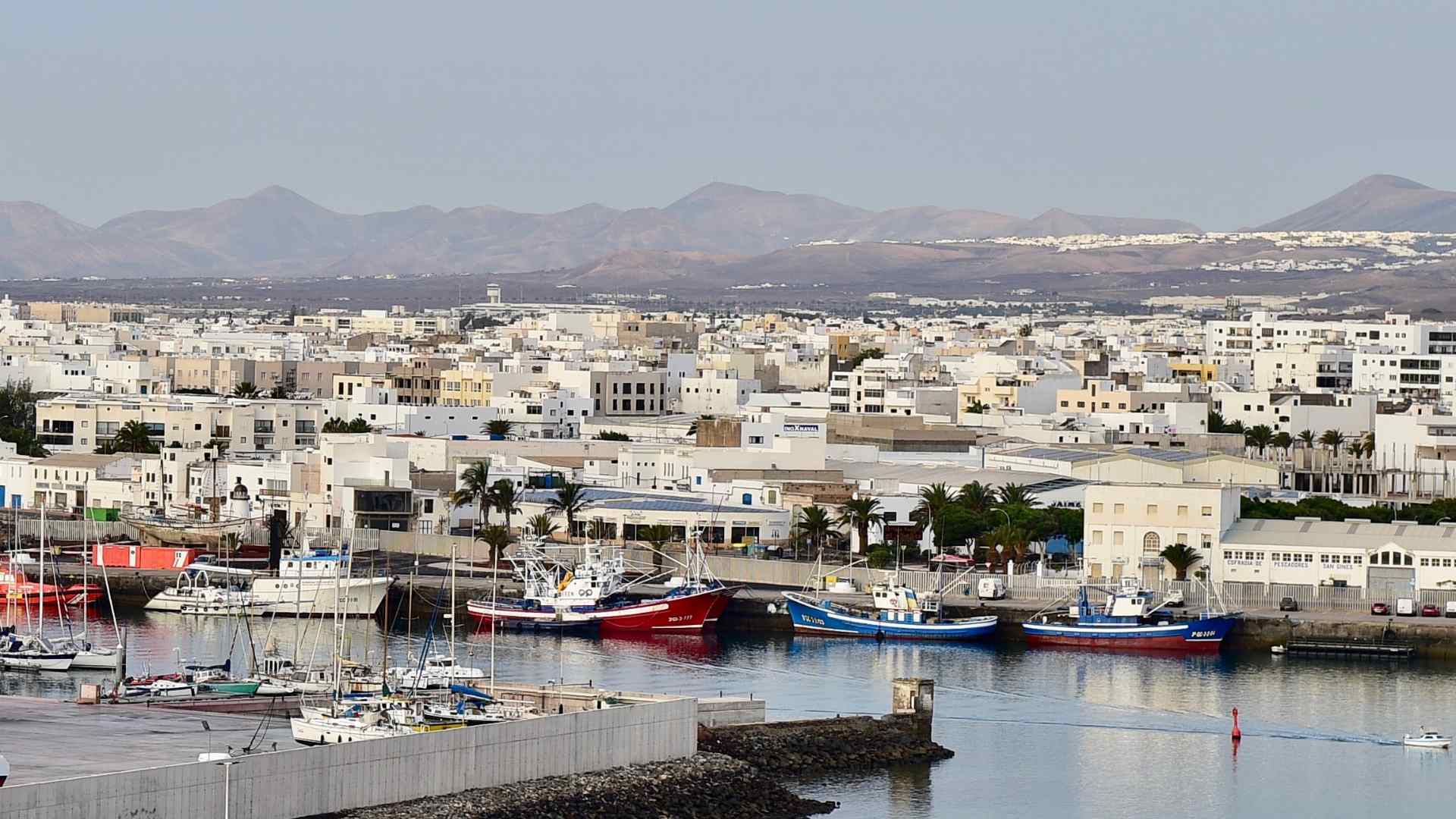
- Easy city plan: The marina, Charco de San Ginés, waterfront fortifications, central streets, and local food keep the day close to port.
- Island priority: Choose Timanfaya and La Geria, a northern Manrique route, or Arrecife itself rather than trying to combine everything.
- Currency and language: The euro and Spanish are standard, with English common in visitor-facing settings.
- Time: Lanzarote follows Canary Islands time, one hour behind mainland Spain, while ship time should be confirmed onboard.
- Operational risk: No official public call-by-call dataset supports a precise missed-call percentage, and port or weather conditions can change the day.
Your berth changes the first mile
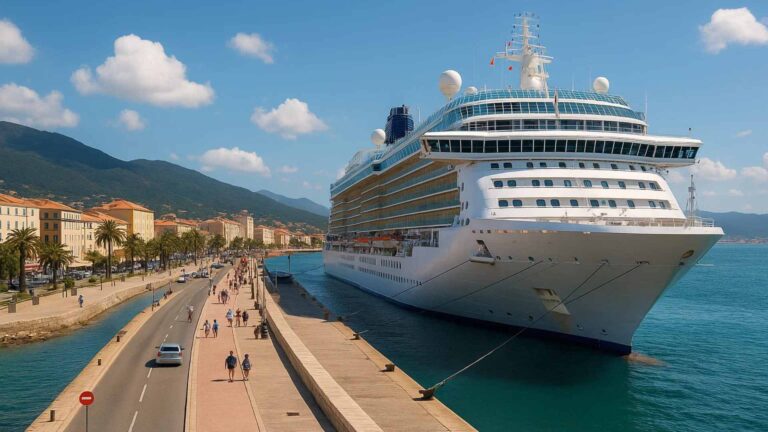
Cruise ships use facilities in the Puerto Naos and Los Mármoles areas of Lanzarote Cruise Port. Two new cruise terminals serving those areas were officially inaugurated in 2025, so older guides describing bare-bones arrivals may be out of date.
Puerto Naos sits closer to Marina Lanzarote and the central waterfront. Los Mármoles is farther northeast, making a shuttle or taxi more attractive even though a seafront route links the port areas with town.
Check the berth on the final daily program, not just the itinerary page. Walking distance, shuttle operation, taxi supply, and tour meeting points all depend on where the ship is assigned.
Arrecife’s waterfront is relatively flat, but the sun and trade wind can make distance deceptive. A pleasant outward walk may feel much less charming when the return is timed to all-aboard.
There is a full rundown of where to stay in our hotels near Arrecife cruise port guide.
The decision that shapes the day
Choose Timanfaya if this is your first Lanzarote visit and volcanic landscapes are the priority. Choose the northern route if caves, architecture, gardens, and Manrique’s design language matter more.
Stay in Arrecife if the call is short, mobility is limited, or you want a low-stress day. The capital cannot compete with Timanfaya for drama, but it can provide a good harbor walk, art, lunch, and beach without involving a coach line.
Do not depend on spontaneously hiring a taxi for a full island circuit during a busy multi-ship morning. Prebook a licensed driver or use a ship excursion when a timed attraction forms the center of the plan.
Public buses connect towns, but the major volcanic and cultural sites are not arranged as a cruise-friendly chain. One missed connection can consume the cushion you carefully pretended you did not need.
Timanfaya, done with realistic expectations
Timanfaya National Park protects the volcanic landscape created principally by eruptions in the eighteenth century, with later activity in the nineteenth. The result is a broad field of cones, lava, ash, and subtle colors rather than one neat crater with a gift shop at the top.
At Montañas del Fuego, visitors experience the protected core on the official motorcoach route. Private vehicles do not simply roam across the volcanic terrain, which preserves the landscape and channels visitors through the site.
Lines at the access road can become substantial during peak periods. A ship excursion cannot eliminate every delay, but it places the return responsibility with an operator working to the vessel’s schedule.
The geothermal demonstrations near the visitor facilities are brief illustrations of residual heat. They are not an invitation to test the ground with your hand or begin an ambitious picnic.
Timanfaya is visually rewarding from the coach, which helps visitors who cannot hike. The downside is that photography happens through windows and the route’s pace is controlled.
Pair the park with one nearby stop, not four. The wine landscape of La Geria works particularly well because its dark volcanic pits and low semicircular walls show how growers adapt vines to wind and scarce moisture.
If that is a concern on your sailing, Guadalquivir River Cruise Ports goes into it properly.
The northern Manrique route
César Manrique, born in Arrecife in 1919, was an artist and designer whose work helped shape Lanzarote’s approach to architecture and tourism. His influence is visible in visitor centers that combine volcanic formations, sculpture, planting, color, and controlled viewpoints.
Jameos del Agua adapts part of a volcanic tube into cultural and visitor spaces. It is theatrical, photogenic, and unmistakably designed, but includes stairs and uneven volcanic surfaces.
Cueva de los Verdes uses another section of the same volcanic system for guided visits. The tour includes low light, steps, and uneven ground, and it is unsuitable for some mobility or claustrophobia concerns.
Jardín de Cactus places a dense collection of cacti within a former quarry under a restored windmill. It is more compact than the caves and makes a useful companion stop, though paths and terraces still include changes in level.
Mirador del Río occupies the northern cliff edge with views toward La Graciosa when conditions are clear. Cloud or haze can reduce the panorama, so it is best treated as part of a northern circuit rather than the sole reason for a long drive.
The official Centers of Art, Culture and Tourism of Lanzarote manages Timanfaya’s Montañas del Fuego, Jameos del Agua, Jardín de Cactus, Mirador del Río, and other island sites. Use its current booking and visitor information because entry systems, renovation, and capacity rules can change.
Fundación César Manrique, the tighter cultural choice
The César Manrique Foundation is housed at Taro de Tahíche, in a home and studio that integrate volcanic bubbles into the architecture. It provides the clearest introduction to the artist’s work and his ideas about the island.
Its location outside central Arrecife makes a taxi or tour necessary for most cruise passengers. Visit early where possible, because rooms and passages feel crowded when several groups converge.
This is the best substitute if a full northern circuit is too ambitious. Combine it with Arrecife, La Geria, or one official center rather than rushing from end to end of the island.
The foundation and the CACT sites are separate organizations. Check each official website rather than assuming one ticket or opening notice covers everything with Manrique’s fingerprints on it.
Arrecife on foot
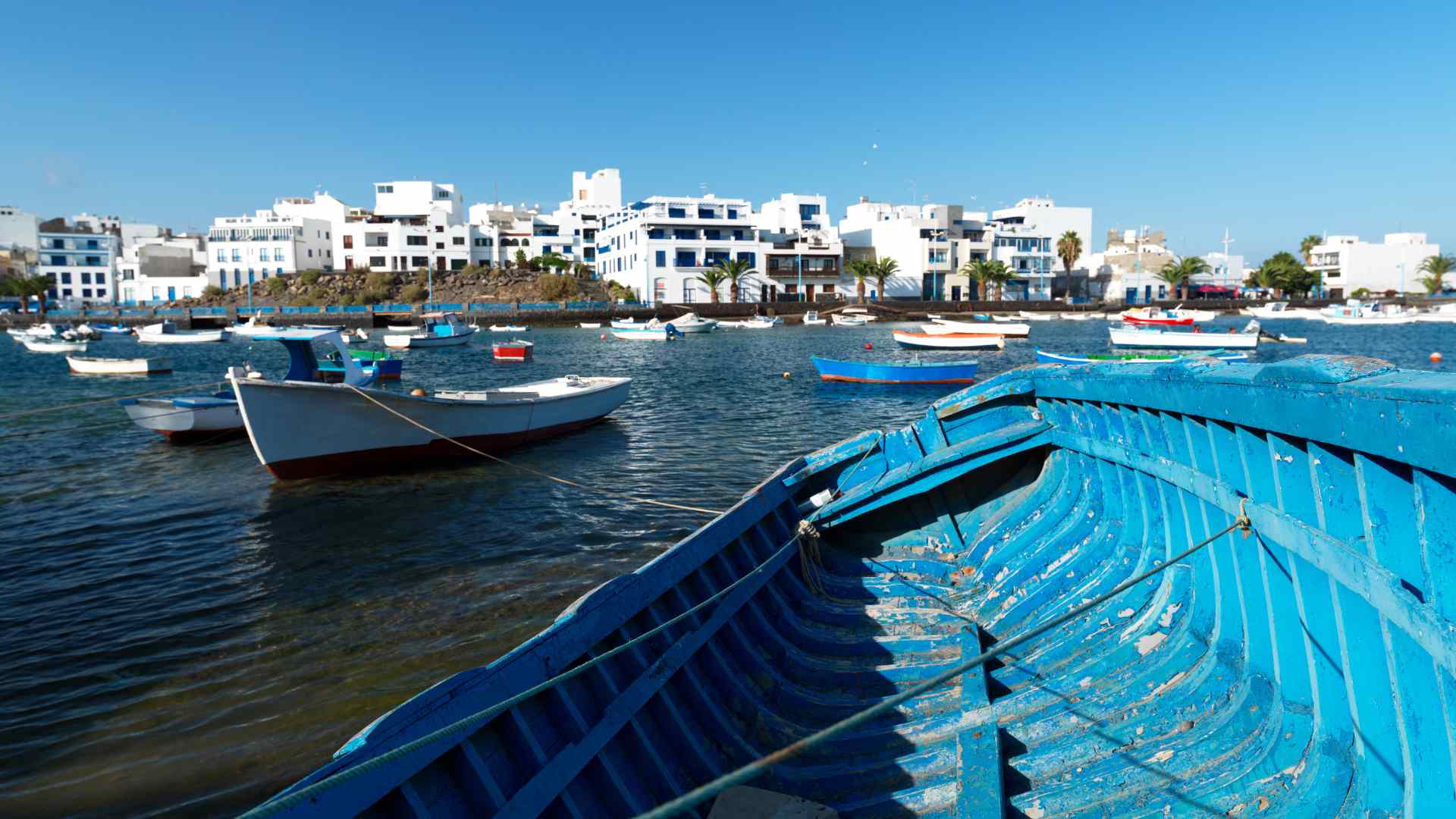
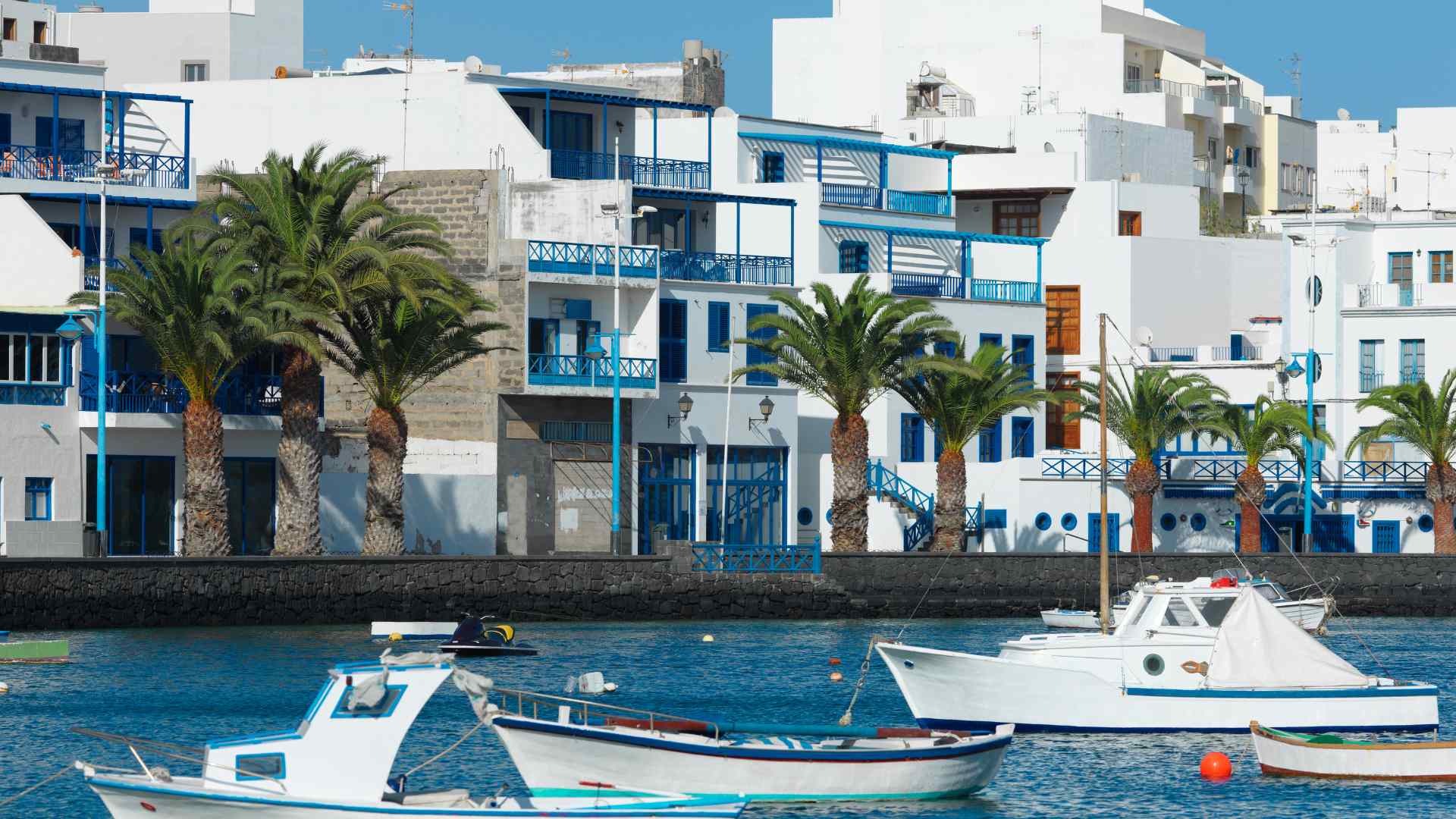
The Charco de San Ginés is a tidal lagoon lined with low buildings, small boats, restaurants, and pedestrian paths. It is the capital’s most pleasant place to wander without a schedule.
Nearby lanes lead toward the Church of San Ginés and the commercial center. The area feels local rather than curated, which is part of its charm and also means opening patterns follow ordinary city life.
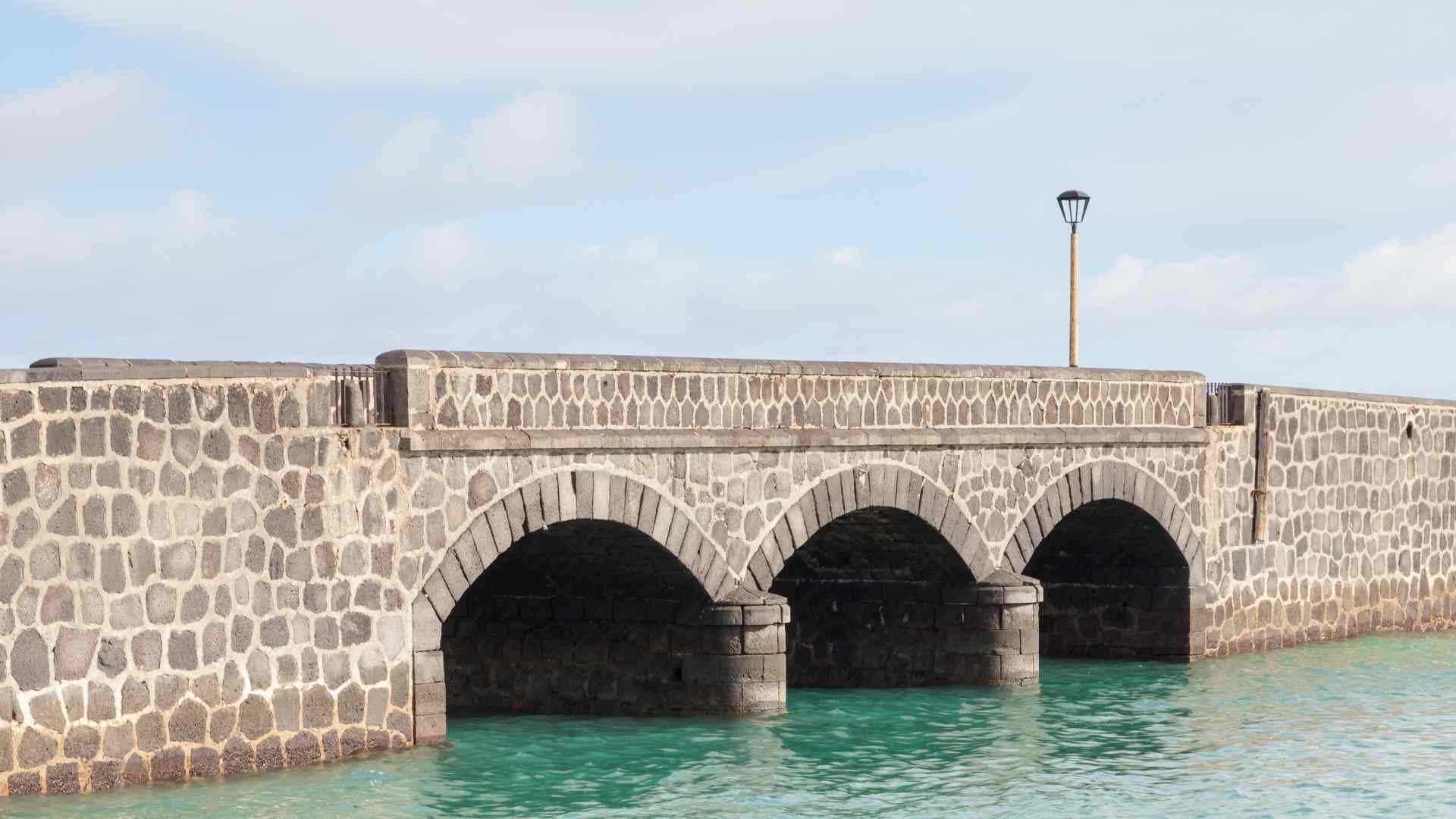
Castillo de San Gabriel occupies an islet reached by the Puente de las Bolas. The fortress houses a local history museum, subject to municipal opening days.
Castillo de San José stands closer to the port and contains the International Museum of Contemporary Art. Manrique helped transform the historic fort into an art venue, creating a logical cultural stop from Puerto Naos or Los Mármoles.
Playa del Reducto lies southwest of central Arrecife. Its sandy arc, promenade, and relatively sheltered water make it the easiest proper beach option near the capital, though conditions and lifeguard coverage must still be checked.
Reserve the transport chain, not just the attraction
Timanfaya’s visitor route is controlled, and private rental cars do not provide an independent drive through the protected volcanic core. A ship tour is simplest for a tight call, while a rental car gives flexibility elsewhere but leaves you responsible for lines, parking, fuel, and the port return.
For a Manrique route, reserve the vehicle and any timed admission before sailing, then choose two major sites rather than chasing every pin on the island. Northern roads are manageable in good conditions, but wind, road work, and a queue at one attraction can consume the slack.
Plan to reach the port area at least 60 to 90 minutes before all aboard and confirm which terminal serves the ship. If mobility matters, ask about the exact coach steps, volcanic walking surface, restroom stops, and whether a wheelchair can remain assembled.
Three plans that fit a cruise call
The first-timer plan
Take an organized morning excursion to Timanfaya and La Geria, then use any reliable spare time at Charco de San Ginés. This gives you the island’s defining geology and a taste of the capital without a frantic north-south circuit.
The limitation is obvious: the core park experience uses a coach and lines can shape the day. I would still choose it once, because Lanzarote’s volcanic scale is difficult to understand from town.
The art-and-design plan
Visit the César Manrique Foundation and one northern CACT site, selected according to distance, mobility, and bookings. Jameos del Agua offers the strongest theatrical design, while Jardín de Cactus is a more compact stop.
Finish in Arrecife if the route allows. Do not add Mirador del Río merely because it remains unchecked on the list.
The easy independent plan
Use the shuttle or walk from the closer berth to Charco de San Ginés, visit Castillo de San Gabriel or the contemporary art museum, and have lunch by the water. Add Playa del Reducto if weather and time cooperate.
This plan is inexpensive, flexible, and resistant to coach delays. Its downside is missing the lava fields that make Lanzarote unlike most other Canary Islands.
Accessibility, with volcanic rock taken seriously
Arrecife’s main waterfront is mostly level and is the easiest choice for wheelchair users. Our wheelchair-friendly cruise ports guide offers comparisons, but ask at the terminal about current paving and construction.
Timanfaya’s coach-based route makes the landscape visible with limited walking, though boarding the vehicle and accessing facilities still need confirmation. Request an adapted excursion through the cruise line well in advance.
Jameos del Agua, Cueva de los Verdes, Jardín de Cactus, and some Manrique properties use natural lava formations, stairs, narrow passages, or slopes. Official accessibility information should guide the choice, not a photo of one smooth entrance.
The northern caves can also be challenging for poor balance, low vision, or claustrophobia. A museum in Arrecife or a panoramic road tour may provide a better experience without framing it as a consolation prize.
Weather and what to carry
Lanzarote is dry, sunny, and exposed to Atlantic trade winds for much of the year. Temperatures are generally mild compared with continental extremes, but intense sun and wind can dehydrate visitors without feeling dramatically hot.
Bring sunscreen, water, sunglasses, and a layer that does not flap itself into another dimension. Closed shoes help on volcanic surfaces even if the rest of the outfit says beach.
Calima, an episode of dust carried from the Sahara, can reduce visibility and affect air quality. Travelers with respiratory conditions should follow local advice and adjust outdoor plans when warnings are issued.
Rain is infrequent but possible, and rare heavy showers can affect roads and paths. The official island tourism and attraction sites are the best places to check closures.
Money, timing, and bookings
Lanzarote is part of Spain and uses the euro. Cards are widely accepted, while small cash can help with minor purchases and local buses.
Book timed attractions through official channels when possible. Third-party vouchers do not always solve capacity limits or explain whether transport is included.
Keep a substantial return buffer from anywhere beyond Arrecife. Island roads are good, but attraction lines, coach loading, and traffic near the capital can still upset a tight plan.
My recommendation
On a first visit, I would choose Timanfaya and La Geria with organized transport, then walk around Charco de San Ginés if time remains. The pairing explains both the island’s geology and how people learned to work with it.
On a repeat call, I would devote the day to Manrique: the foundation plus one northern center, carefully chosen. Travelers comparing Canary Island capitals can also see our Santa Cruz de Tenerife guide.
How this guide was researched: This guide was checked on September 11, 2026 against current official information from Lanzarote Cruise Port, Lanzarote’s Art, Culture and Tourism Centers, and the César Manrique Foundation. Berth assignments, port shuttles, attraction access, reservations, hours, roads, weather closures, and transportation can change, so confirm the sailing-specific details and official attraction notices before leaving the ship; see our Editorial Policy.