Tarragona Cruise Port: Shuttles, Tarraco and Timing
Tarragona combines a modern cruise terminal with a city whose Roman monuments rise directly above the Mediterranean. The day begins with a controlled port transfer, then becomes a rewarding uphill walk through amphitheater ruins, medieval lanes, a cathedral, and sea views.
The best plan is usually Tarragona itself. Barcelona and PortAventura are possible on some calls, but both add transport and return pressure to a destination already rich enough for a full day.
Tarragona cruise port quick facts
- Main cruise area: Moll de Balears in the outer commercial port
- Arrival: Alongside at a port assigned berth
- Into town: Authorized shuttle from the secure port to the public meeting point
- Best independent plan: Roman amphitheater, Roman circus, old town, and cathedral
- Main challenge: Sustained uphill walking after the shuttle
- Currency: Euro
- Languages: Catalan and Spanish
- Heritage: Archaeological Ensemble of Tarraco, a UNESCO World Heritage property
Where cruise ships berth
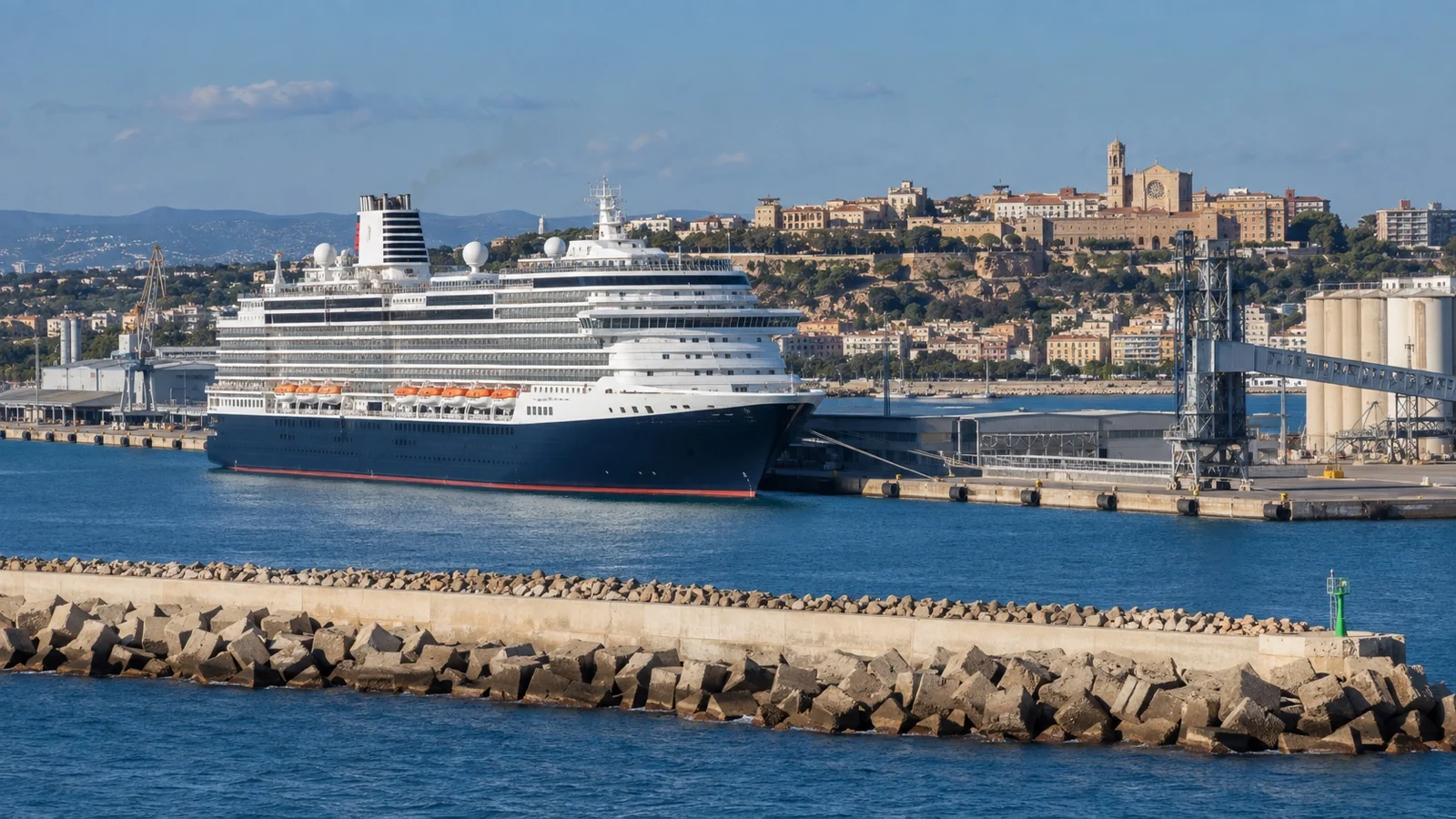
Moll de Balears is Tarragona’s purpose built cruise wharf, inaugurated in 2021 after an investment of about €30 million. Global Ports Holding opened the passenger terminal there in spring 2024 following a further investment of €5.5 million.
The port authority describes a dedicated cruise dock, passenger terminal, bus parking, tourist information, and access through the outer port. Final berth assignment still depends on ship and port operations, so the cruise line’s daily notice remains authoritative.
Tarragona is also a major commercial harbor, and passengers cannot treat the secure industrial area as a public sidewalk. Follow the marked route and use the authorized transfer rather than attempting to walk from ship to city.
The port shuttle
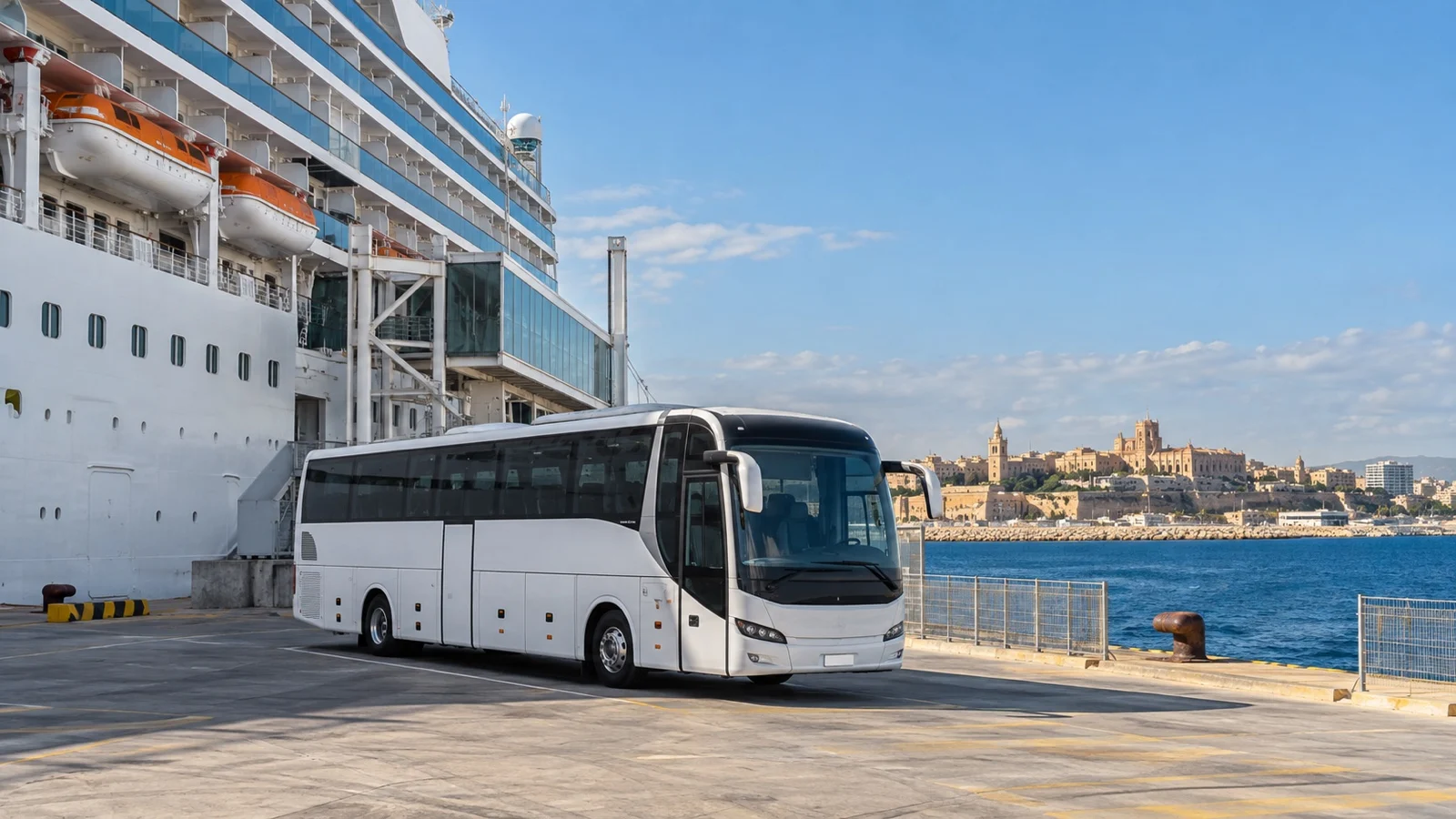
A shuttle links the terminal area with the public meeting point near Moll de Costa. Its schedule, stops, accessibility, and any charge are set for the individual call, so check the ship’s instructions as soon as passengers are cleared to go ashore.
Record the final shuttle time before leaving the drop point and plan to use an earlier departure. A queue, traffic, or controlled port reentry can consume the margin that looked comfortable in the old town.
Walking Tarragona
The old city is compact but built on terraces above the harbor. The efficient approach is to climb once, connect the upper sights, and descend gradually rather than repeatedly moving between the waterfront and cathedral.
From the public port area, routes toward the Balcó del Mediterrani, Roman amphitheater, medieval center, and cathedral all involve elevation. Comfortable shoes, water, sun protection, and a measured pace are essential in warm weather.
The Roman amphitheater
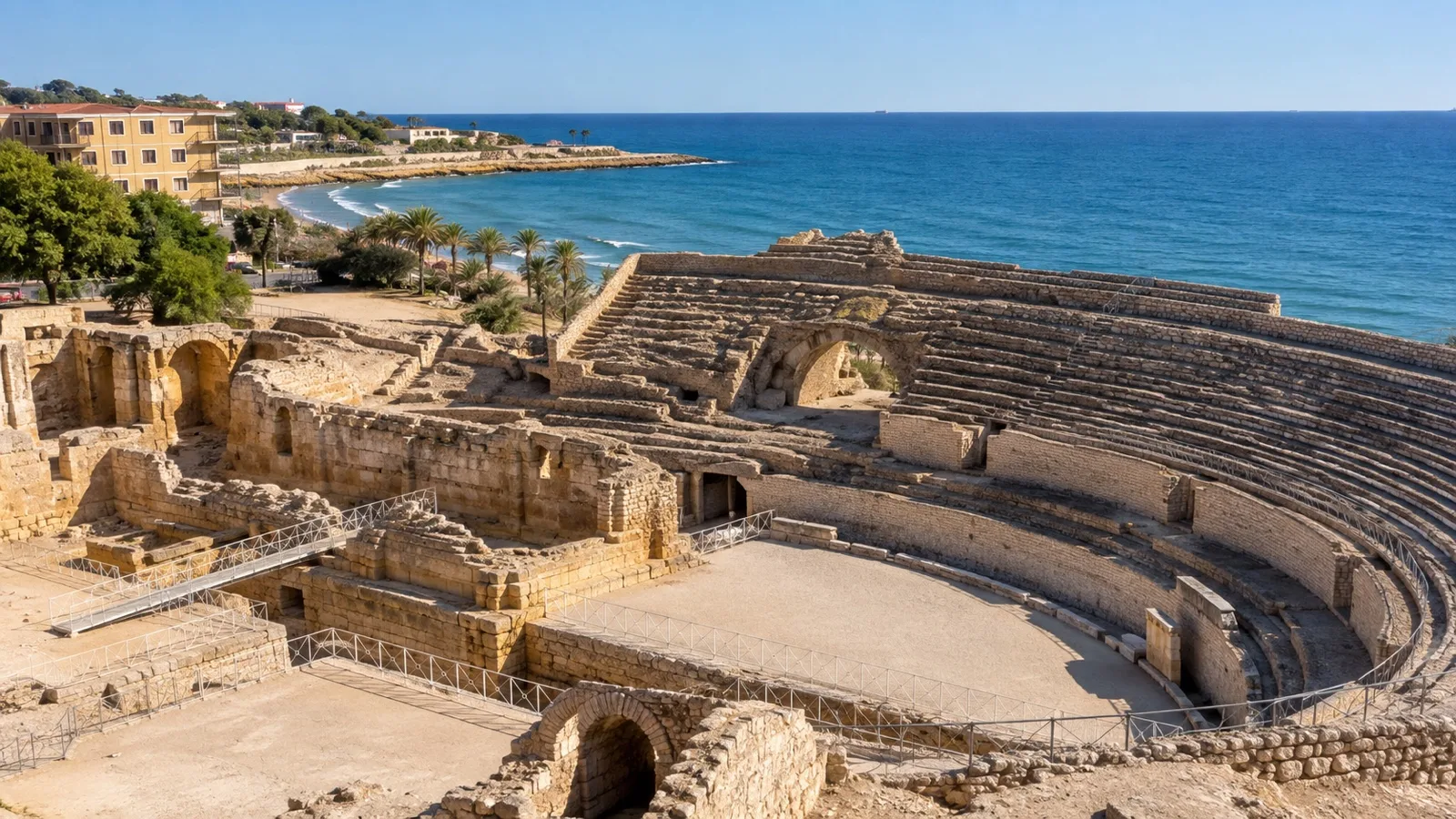
Tarragona’s amphitheater occupies a dramatic slope between the historic city and the sea. Roman seating and arena remains surround later traces of a Visigothic basilica and Romanesque church, making the site a compact view of several historical layers.
The open setting provides little protection from midday sun. Visiting early is more comfortable, and current access should be checked because archaeological conservation can close individual areas without closing the entire monument.
The circus and praetorium
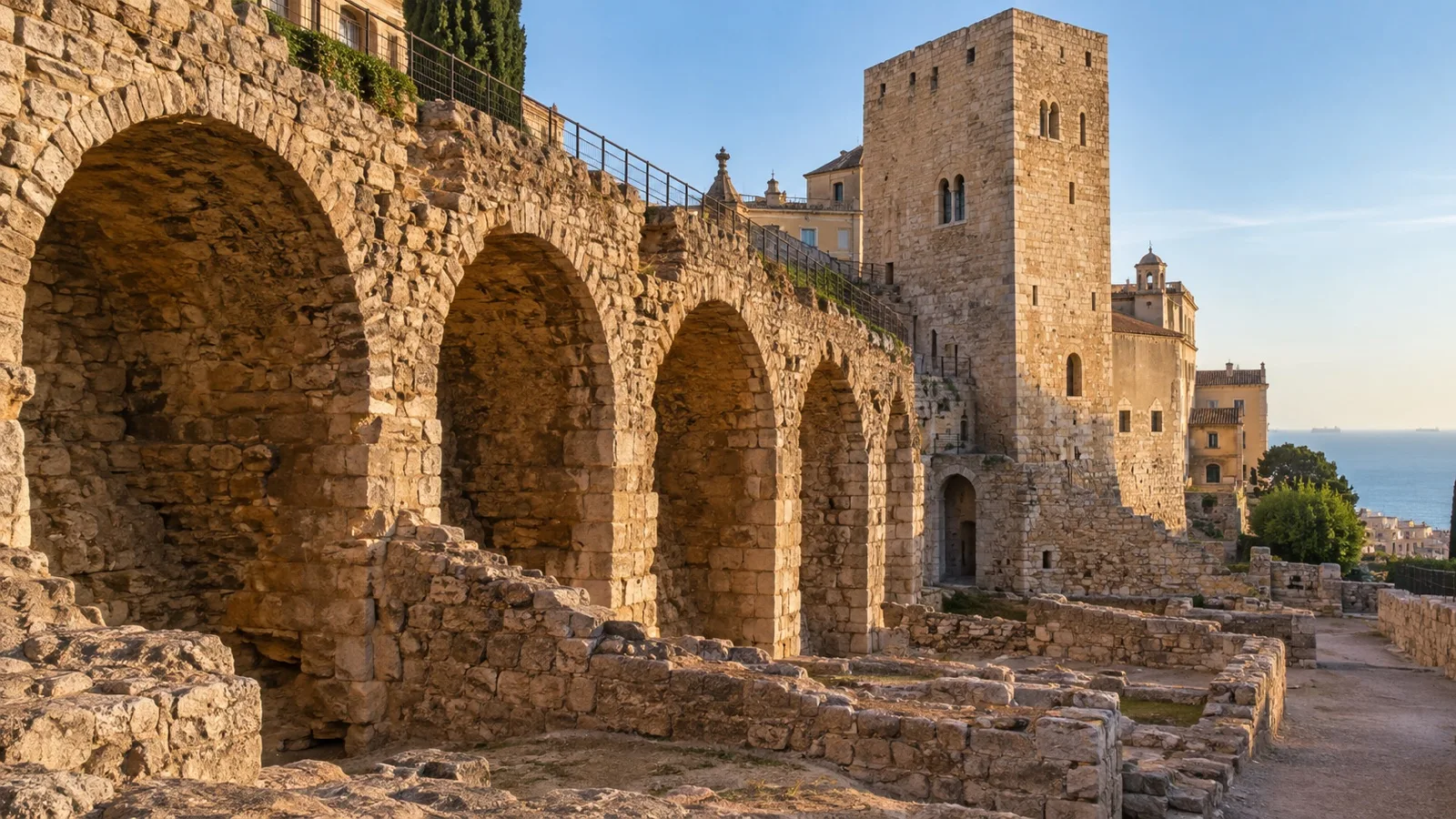
Much of the Roman circus survives beneath the modern city rather than as an open arena. Visitors can move through vaulted passages that once supported the seating and circulation around ancient chariot races.
The connected praetorium tower helps explain Tarraco’s terraced plan and offers elevated views. Stairs, dim passages, old stone, and conservation restrictions make the route more demanding than a conventional museum.
Tarragona Cathedral and the medieval quarter
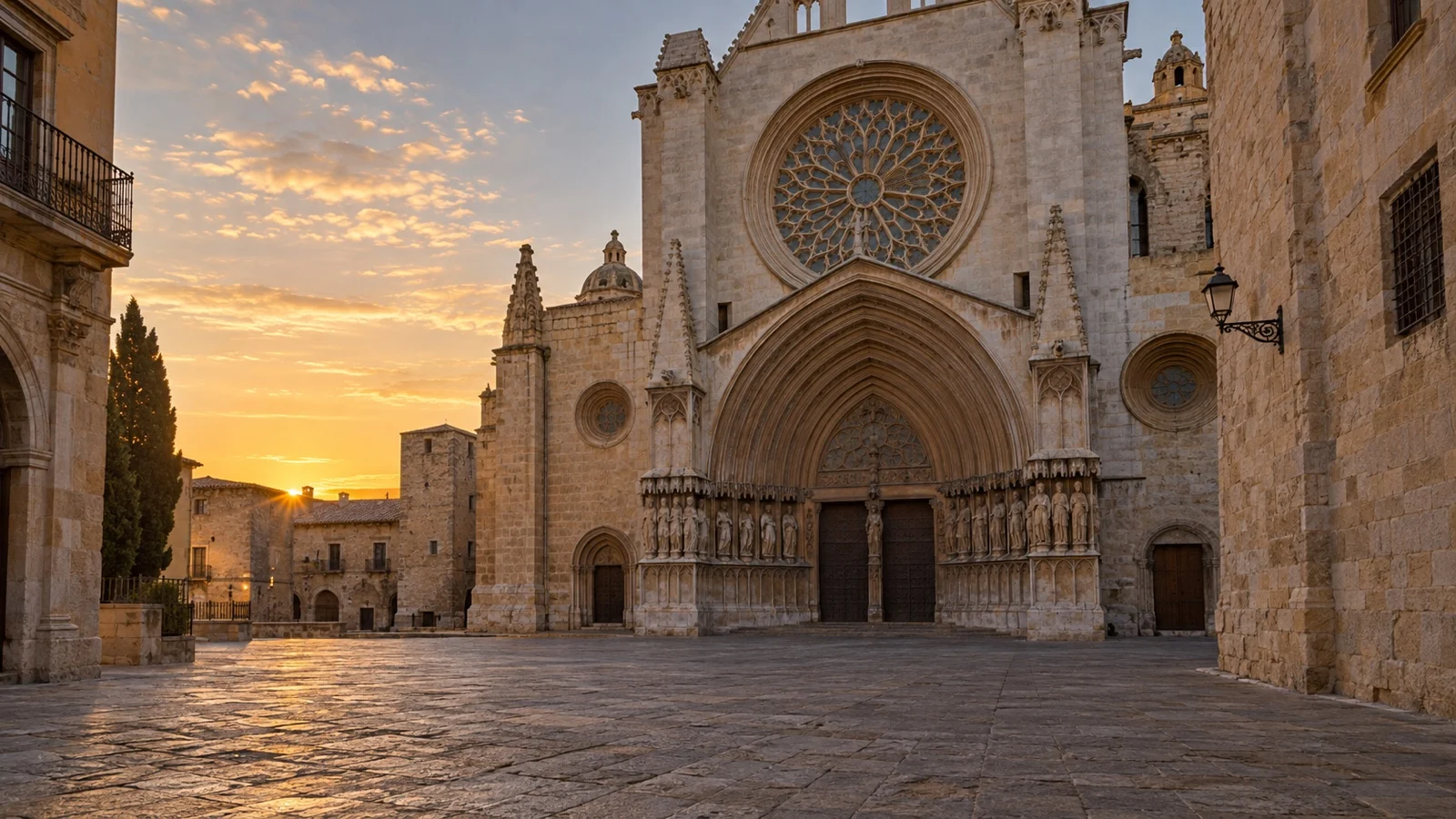
The cathedral stands at the old city’s highest point on ground once occupied by the Roman imperial cult precinct. Its architecture bridges Romanesque and Gothic traditions, while the cloister provides one of the calmest spaces in the center.
Opening hours vary by season and religious services take precedence. Confirm the official schedule before climbing if interior access matters, then dress respectfully and follow any photography rules.
The lanes around the cathedral contain stone buildings, small squares, restaurants, and fragments of Roman walls incorporated into later structures. This is a place where a slower walk often reveals more than an aggressive list of ticketed sites.
Balcó del Mediterrani and the city beach
The Balcó del Mediterrani marks the seaward end of Rambla Nova and provides a broad view over the coast, railway, and Platja del Miracle. It is free, open, and easy to combine with the Roman amphitheater nearby.
Platja del Miracle is an urban beach below the historic center rather than a secluded resort shore. Reaching it involves the city’s pedestrian route across or around transport infrastructure, so confirm the current access point instead of choosing a shortcut on the map.
Understanding Tarraco tickets
Tarragona’s Roman sites are managed by more than one institution. The city history museum oversees monuments such as the amphitheater, circus, praetorium, forum, walls, and Ferreres aqueduct, while the national archaeological museum manages a separate group.
A ticket for one group does not automatically cover the other. Check both official sites for current openings, combined options, conservation closures, and last admission before deciding which monuments fit the call.
The Archaeological Ensemble of Tarraco entered the UNESCO World Heritage List in 2000. It is a serial property spread across a living city, so the most meaningful visit connects several surviving fragments rather than expecting one fenced archaeological park.
PortAventura World
PortAventura World offers a major theme park resort experience outside Tarragona, but it requires dedicated transport and enough time to justify admission. Opening calendars, ride availability, and water park seasons vary, making advance checking essential.
A short port call can turn the outing into more travel and queuing than attraction time. If the resort is the priority, a ship excursion or carefully protected transfer plan is safer than an improvised independent visit.
Barcelona from Tarragona
Barcelona is a substantial city and not an extension of a Tarragona stroll. Reaching it requires port transfer, onward road or rail travel, movement within Barcelona, and a conservative return margin.
A very long call or organized excursion can make the trip possible, but a normal port day offers only a compressed taste. First time visitors often get better value by saving Barcelona for a dedicated stay and using this call to explore Tarragona.
Food and local rhythm
Tarragona’s market, old town restaurants, and waterfront neighborhoods offer Catalan cooking shaped by seafood, rice, vegetables, olive oil, and local wine. A menu of the day can provide a more relaxed break than trying to collect another distant monument.
Restaurant kitchens may follow local lunch hours, and some businesses close weekly or pause during the afternoon. Reserve a specific dining experience or keep a bakery and market option available for flexibility.
Accessibility
The modern terminal and alongside berth can simplify arrival, but accessibility still depends on the ship’s gangway and shuttle vehicle. Request assistance in advance and verify whether the day’s bus has a lift or ramp.
Tarraco’s terraced terrain creates sustained gradients, while archaeological sites include ancient surfaces, gravel, steps, and narrow passages. Individual monuments may provide adapted routes that cover only part of the visitor experience.
A taxi to the upper city can reduce climbing, followed by a gradual downhill route toward the waterfront. Confirm accessible entrances and pickup points in advance because pedestrianized streets can prevent door to door vehicle access.
Weather and comfort
Tarragona has a warm Mediterranean climate with hot, bright summers and mild winters. Spring and fall are often more comfortable for a long urban walk, though rain and coastal storms remain possible.
Carry water, sun protection, and shoes with grip. A light waterproof layer is useful outside midsummer, especially when the forecast includes an onshore wind or fast moving shower.
Three realistic port day plans
Roman Tarragona
Take the shuttle, visit the amphitheater early, then continue through the circus and praetorium before walking sections of the walls. Add the cathedral or an unhurried lunch rather than racing to a distant attraction.
Old city and sea views
Climb toward the cathedral, explore medieval lanes, descend along Rambla Nova, and pause at the Balcó del Mediterrani. This plan needs few advance tickets and can be shortened easily if the ship arrives late.
One regional excursion
Choose PortAventura, a beach, winery, monastery, or another single destination with confirmed transport. Protect enough time for the port shuttle after returning to the city meeting point.
Common questions
Can I walk directly from the ship to Tarragona?
No, passengers normally use the authorized shuttle through the working port. Walking begins at the designated public drop point shown in the ship’s instructions.
Is Tarragona worth a full port day?
Yes, particularly for travelers interested in Roman history, architecture, food, and a compact independent day. The city offers enough variety without adding a long transfer to Barcelona.
Are all Roman sites covered by one ticket?
No, different institutions manage different monuments and museums. Review the city history museum and national archaeological museum information separately before buying.
Final thoughts
Tarragona becomes easy once the port transfer and hill are treated as part of the plan. Use the shuttle, climb early, connect the Roman and medieval layers, and leave a comfortable margin for the controlled ride back to the ship.
How this guide was researched: This guide was checked on September 12, 2026, against the Port of Tarragona, Tarragona Cruise Port, Tarragona Tourism, Tarragona’s municipal history museum, and UNESCO. Berths, shuttle arrangements, monument openings, fees, and accessibility can change, so verify essential details before sailing; this independent guide is not affiliated with the port, attractions, or cruise operators.