Bilbao Cruise Port: Getxo Berths, Metro & Guggenheim
Bilbao is the name on the itinerary, but your gangway will almost certainly meet the waterfront in Getxo, near the mouth of the Nervión estuary. That distinction matters because central Bilbao is a deliberate transfer from the ship, while Getxo has enough character to support a satisfying day of its own.
I would not let the outlying berth put you off. Once you understand the first mile, Bilbao becomes an unusually rewarding Atlantic port call, with Frank Gehry’s Guggenheim, a walkable old quarter, serious Basque food, and one of the world’s great industrial landmarks all competing for your time.
My quick take
For a first visit with a comfortable port day, I would go into Bilbao early, reserve the Guggenheim if it interests you, walk the river toward Casco Viejo, and eat pintxos before returning. It is a clean, coherent day with very little backtracking once you reach the city.
For a shorter call, uncertain weather, or limited mobility, Getxo is not a consolation prize. The seafront, Algorta’s old fishing quarter, and the UNESCO-listed Vizcaya Bridge can fill several pleasant hours without committing to a city transfer.
The one mistake I see people make is treating “Bilbao” as a walk-off port. It is not, so read the ship’s transport notice before breakfast and decide which version of the day you actually have time to enjoy.
Quick Facts
- Where ships dock: At the Port of Bilbao’s passenger facilities in Getxo, outside central Bilbao.
- Dock or tender: Cruise ships normally berth alongside, although your cruise line remains the final authority for the call.
- Best independent transport: A confirmed shuttle, taxi, or port exit connection followed by Metro Line 1.
- Useful city stops: Moyua for the Guggenheim area and Zazpikaleak/Casco Viejo for the old town.
- Best nearby landmark: The Vizcaya Bridge between Areeta in Getxo and Portugalete.
- Currency: Euro, with cards widely accepted and some cash useful for small purchases.
- Languages: Basque and Spanish are official, and visitor-facing English is common at major attractions.
- Return strategy: Build in margin for the metro, the link back to the terminal, security, and any queue at the port entrance.
Where Bilbao cruise ships actually dock
The Port of Bilbao operates dedicated cruise facilities at Getxo on the outer estuary. The port identifies separate passenger stations and quays there, so two ships calling on the same date may not produce identical walking routes or shuttle arrangements.
That is why a generic map pin is never quite enough. Check the berth or terminal name in the daily program, photograph the ship’s transport notice, and look for the all-aboard time before you leave.
The setting is much more attractive than the phrase “outer port” suggests. There is a marina, broad waterfront space, nearby beaches, and residential Getxo beyond the terminal area, while central Bilbao lies inland along the estuary.
Do not assume that every gate is open to pedestrians or that every shuttle ends at the same station. Port security and traffic plans can change by call, which makes the information issued aboard your ship more useful than a traveler’s route from last season.
Getxo 1, Getxo 2, and Getxo 3
You may see Getxo 1, Getxo 2, or Getxo 3 in port material. Those labels identify different cruise berthing areas within the Getxo complex, and the practical difference for you is the precise distance to the exit, taxis, and any transfer pickup.
There is no prize for guessing your berth in advance. Wait for the confirmed assignment, then match your plan to the instructions on the day.
The first transfer: ship to Getxo or Bilbao
Cruise lines may sell a Bilbao transfer, and a port or ship-arranged shuttle may connect passengers with public transportation or another designated point. The destination, accessibility, schedule, and price are operational details, so confirm all four before stepping ashore.
A direct coach to the city is the simplest choice if its drop-off suits your plan. It can also be poor value if departures are infrequent or the return point is inconvenient, so do not buy it on autopilot.
A taxi removes the transfer chain and is particularly sensible for three or four people, a rainy morning, or anyone conserving steps. Ask where the driver can collect you for the return, because a city-center taxi rank may be easier than arranging a pickup at a crowded landmark.
Walking all the way to central Bilbao is not a serious cruise-day plan. The city is well inland, and the route would consume the hours you came to spend on art, food, and architecture.
Using Metro Bilbao from Getxo
Metro Line 1 is the backbone of an independent day, but the best boarding station depends on your terminal and the day’s port connection. Neguri, Gobela, and Areeta can all appear in cruise advice, yet none should be promised as the universal answer for every passenger.
Use the station named by port staff, or compare the live walking route only after you know which exit is operating. The official Metro Bilbao site is the place to check current service, maps, fares, and disruptions.
For the Guggenheim area, Moyua is often the most useful central stop, followed by a city walk. For the historic quarter, use Zazpikaleak/Casco Viejo and follow signs for the old town.
Buy the appropriate ticket from the station machine and keep it until your journey is complete. If the screen or fare zones feel confusing, use the language selector or ask staff rather than boarding in a rush.
The train ride is only one part of the return. Add the walk to the station, platform wait, ride, transfer or shuttle back to the terminal, port security, and a generous final cushion.
A calm return routine
Set two alarms, one for leaving your final attraction and one for abandoning any optional stop. I also save the ship’s port-agent number and terminal instructions offline, because a flat battery is an avoidable way to make a beautiful day stressful.
If service is disrupted, switch to a taxi early. Waiting in hope until your safety margin disappears is rarely cheaper and never more relaxing.
The Guggenheim plan that works
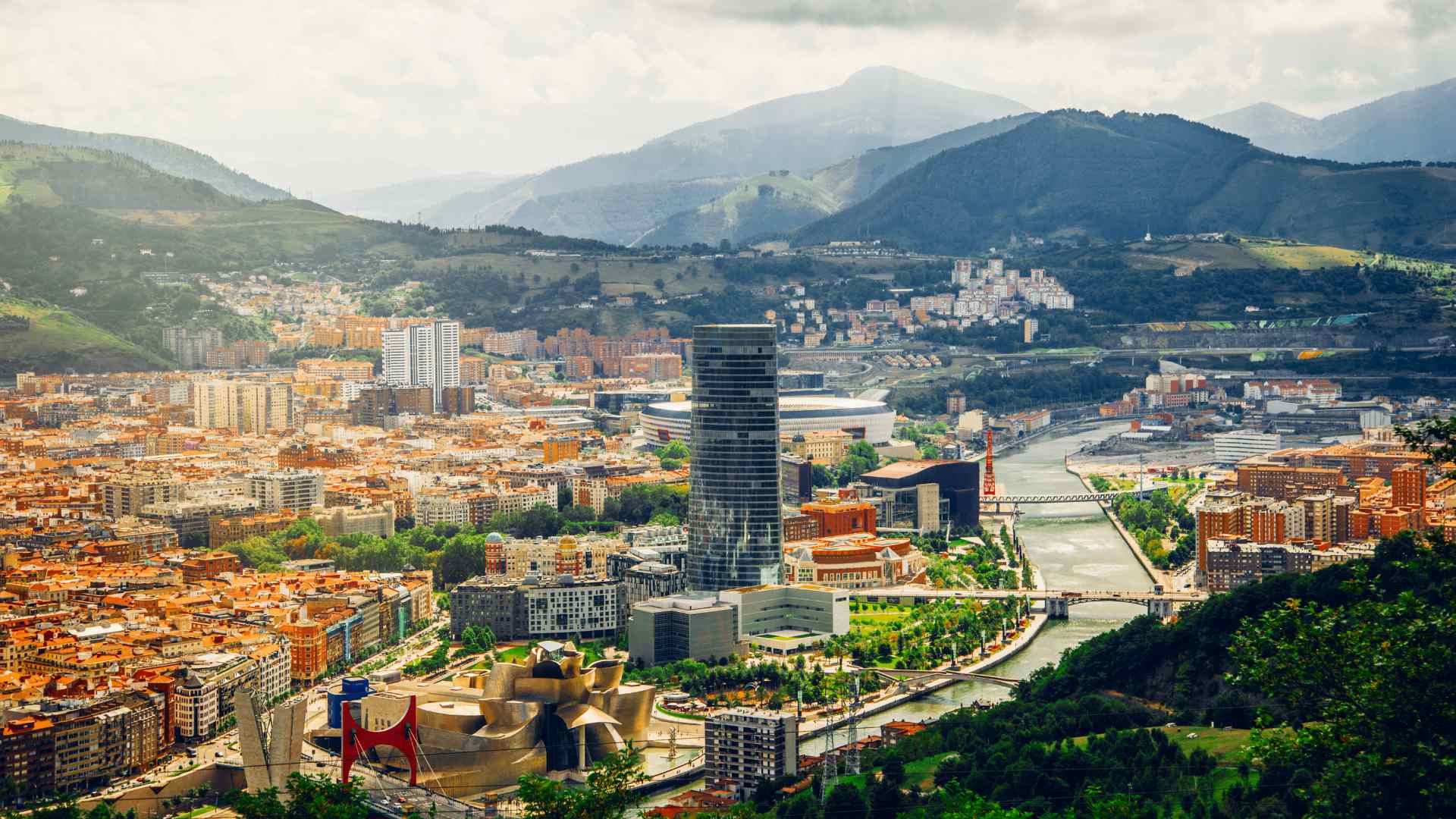
The Guggenheim Museum Bilbao is the obvious headline, and the titanium building is worth seeing even if you never enter. Its riverfront setting, outdoor works, bridges, and changing reflections create one of Europe’s great urban walks.
If you want the galleries, reserve through the museum’s official ticket channel and check the live opening calendar. Regular hours, special openings, gallery closures, and sold-out entry periods can change, so an old claim about Mondays is not a planning tool.
Allow enough time to pass security, use the cloakroom if required, and see the exhibitions without sprinting. A focused visit can work in a half day, but art lovers should protect a larger block and trim the old-town portion instead.
The exterior deserves at least a slow circuit. Walk toward the river for the broadest view, notice how the building changes from stone to glass to metal, and leave room for the large outdoor sculptures rather than treating them as a quick photograph.
From the museum, the river gives you an easy orientation line toward the center and Casco Viejo. This is the route I prefer because Bilbao’s transformation makes more sense when you experience it on foot.
Walking from modern Bilbao to Casco Viejo
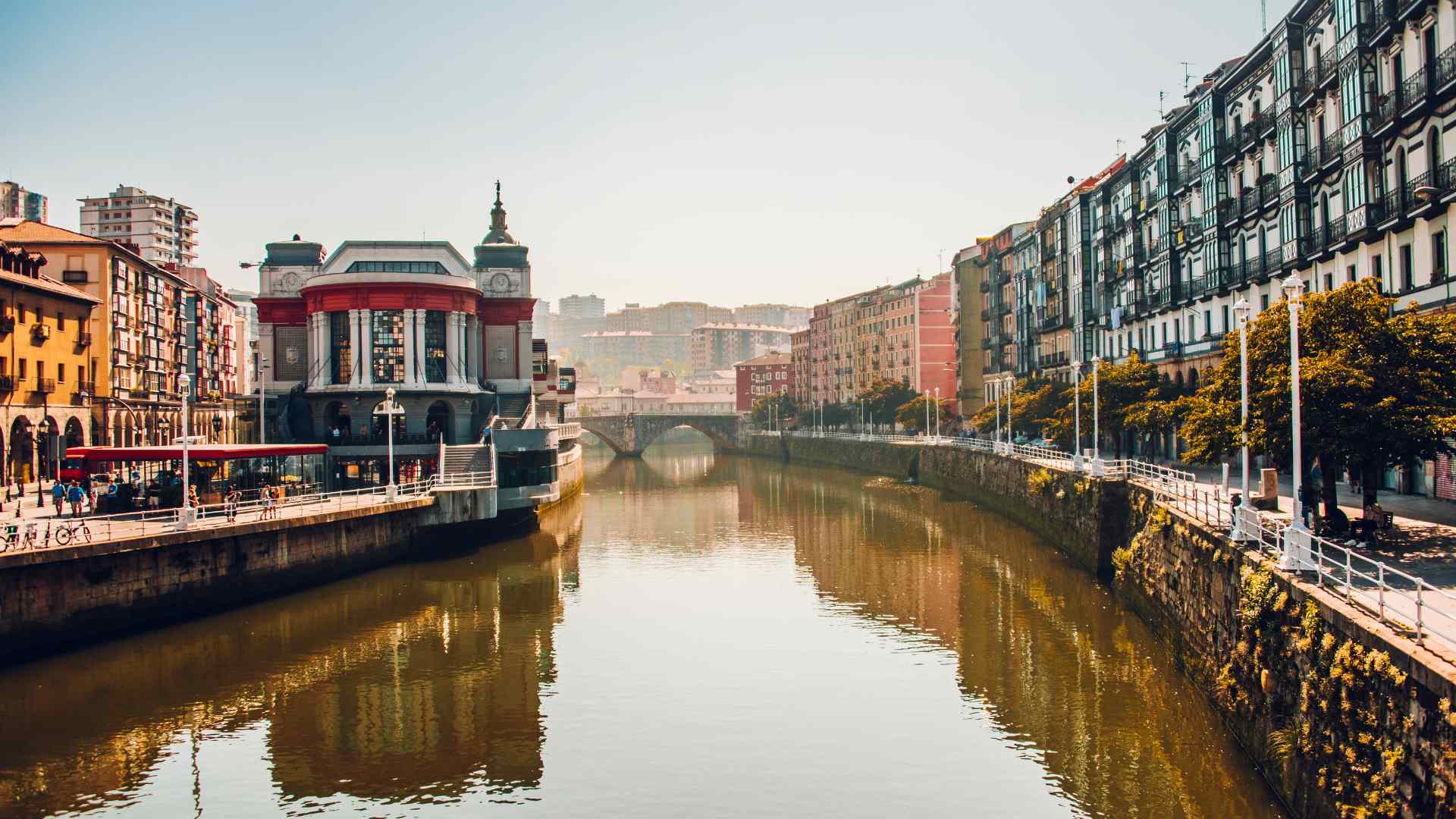
The riverside walk links Bilbao’s contemporary face with the streets where the city began. You pass a sequence of bridges, public spaces, and civic buildings without needing to decode a complicated street grid.
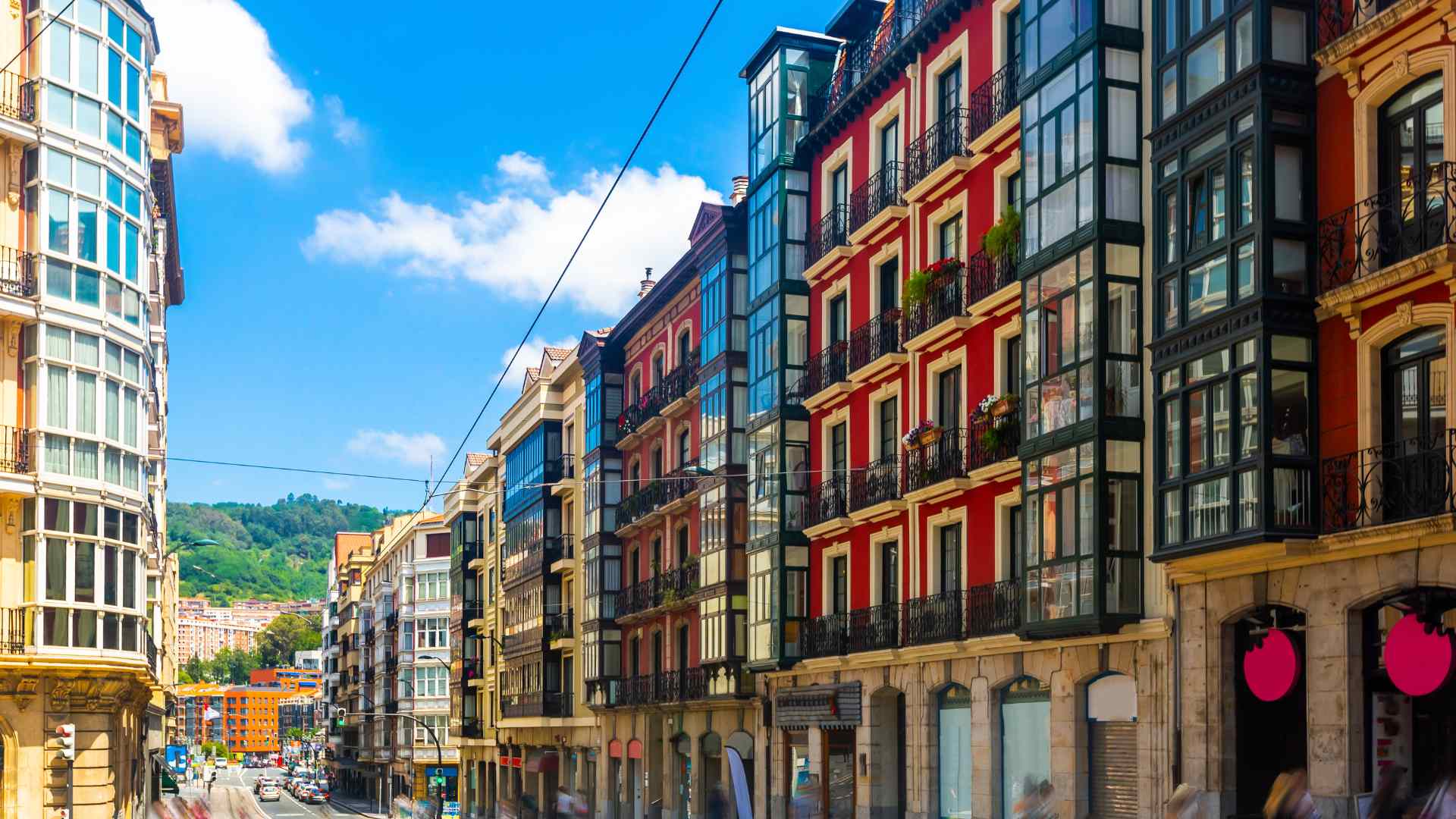
Casco Viejo grew around the Siete Calles, or Seven Streets, and still feels intimate despite being one of the city’s busiest visitor areas. Plaza Nueva provides an easy landmark, while the cathedral and small lanes reward wandering.
Do not turn the old town into a checklist. Give yourself enough time to look into food counters, step inside a church that is open, and choose a bar because it feels welcoming rather than because it appeared in a viral video.
How to eat pintxos without overthinking it
Pintxos are small Basque bar bites, and the pleasure comes from variety. Order one or two with a drink, notice how the bar handles payment, and move on when you are ready.
Some pieces sit on bread, while others arrive hot from the kitchen. Pointing is perfectly acceptable, but ask before taking anything yourself because service customs differ from one bar to the next.
I would rather visit three places than build one enormous plate at the first counter. That rhythm lets you compare styles and keeps lunch flexible if the metro transfer took longer than expected.
Bilbao is also a fine place to try bacalao, grilled fish, Idiazabal cheese, and a Basque cheesecake if it appears on the menu. Txakoli, the local lightly sparkling white wine, is lovely at lunch, though return logistics deserve your clear attention.
Mercado de la Ribera
Mercado de la Ribera sits beside the river at the edge of Casco Viejo and combines traditional market activity with places to eat. Opening patterns vary among produce stalls, food counters, and event spaces, so check the market’s own same-day information if it is central to your plan.
The building is useful even when you only want a quick look and a snack. It also gives you a logical endpoint before returning to the Casco Viejo metro station.
The Vizcaya Bridge: remarkable, but not at the gangway
The Vizcaya Bridge crosses the estuary between Areeta in Getxo and Portugalete. UNESCO recognizes it as the world’s first transporter bridge, a pioneering iron structure whose suspended gondola moves people and vehicles without blocking maritime traffic.
It is close in regional terms but not beside every cruise berth. Treat it as a planned Getxo stop with its own travel time, not as something you can casually squeeze into the last minutes before all aboard.
The gondola crossing gives you the essential experience and keeps the visit manageable. Access to the high walkway, elevators, ticketing, and weather restrictions should be checked with the bridge operator on the day.
If your ship has a short call, the bridge can anchor a Getxo-only itinerary. Pair it with Areeta’s streets, the waterfront toward Ereaga, or Portugalete across the estuary, then return without the extra journey into central Bilbao.
A Getxo day close to the ship
Getxo spreads along the coast and estuary rather than gathering around one postcard square. Its appeal is the sequence of water, beaches, handsome residential streets, marina views, and small neighborhood centers.
Ereaga Beach is the obvious fair-weather pause, though swimming conditions and lifeguard coverage are seasonal. Even when the water is too cold, the promenade gives you an easy coastal walk.
Puerto Viejo in Algorta is the old fishing quarter, with steep lanes and sea views that feel far removed from the industrial image many passengers expect. It is an excellent lunch target if Bilbao’s museums are not your priority.
Distances within Getxo can still add up, especially between a cruise berth, Algorta, and the Vizcaya Bridge. Use the metro, local taxi, or a carefully planned walk instead of assuming every Getxo sight is clustered at the terminal.
Beyond Bilbao: when a shore excursion earns its keep
Gernika, the Urdaibai area, and San Juan de Gaztelugatxe often appear on excursion menus. Each can be compelling, but none belongs in a casual do-it-yourself plan unless transport, reservations, access conditions, and return timing are settled in advance.
Gernika carries immense historical weight and deserves more than a rushed photograph. A guided trip can add the context that makes its assembly traditions, wartime history, and Picasso’s painting meaningful.
Gaztelugatxe is dramatic, but the visit can involve reservations, uneven terrain, many steps, and changing access rules. Choose it only if the operator explains the physical demands and protects a sensible ship return.
I would not try to combine an ambitious countryside excursion with a full Bilbao museum day. Pick one story and let it breathe.
Accessibility and reduced-mobility planning
Bilbao’s modern riverfront and metro infrastructure make the city more manageable than many historic European ports. That does not remove the uncertainty at the ship-to-station link, which is the part to confirm with the cruise line before committing.
Ask whether the day’s shuttle has a lift or step-free boarding, where it finishes, and whether mobility devices need advance space. If the answers are vague, a prearranged accessible vehicle may be the more reliable choice.
Metro stations commonly provide elevators, but a temporary outage can change an otherwise step-free route. Check live station notices in both directions and identify a taxi fallback.
The Guggenheim publishes visitor accessibility information and offers modern interior circulation. Casco Viejo is flatter than many medieval districts, though paving, crowds, thresholds, and compact bars can still create friction.
The Vizcaya Bridge’s gondola and high walkway are different experiences with different access conditions. Confirm which option suits your equipment instead of assuming the panoramic level is included or step-free.
For broader planning ideas, my guide to wheelchair-friendly cruise ports explains the questions I ask before relying on any port transfer.
Weather and what to pack
This is Atlantic Spain, green for a reason. Rain can appear in any cruise month, and a gray start in Getxo does not guarantee a gray afternoon in Bilbao.
Bring a light waterproof layer and shoes that grip on wet paving. A compact umbrella helps in town, though wind near the coast can make a hood more useful.
Summer is generally the easiest season for long walks, yet warm spells can make exposed riverfront stretches feel hotter than expected. Carry water and use museum or lunch time as your midday reset.
On a wet day, keep the Guggenheim and a relaxed old-town lunch, then use the metro between neighborhoods if needed. On a clear day, add the river walk, Artxanda viewpoint, or more time along the Getxo coast.
Three realistic cruise-day itineraries
The classic first visit
Take the confirmed port connection to Metro Line 1 or use a direct city transfer, then visit the Guggenheim at a reserved time. Walk the river to Casco Viejo, eat pintxos, and return from Zazpikaleak/Casco Viejo with a large margin.
This plan works because every major move continues in one direction. If the ship arrives late, cut the market or shorten lunch rather than compressing the return.
Bilbao without a museum ticket
Start at the Guggenheim exterior, follow the river, and turn toward central streets or the old town when something catches your attention. Add Plaza Nueva, the cathedral area, Mercado de la Ribera, and a proper pintxos lunch.
This is the most flexible version because nothing is tied to an entry slot. It is also my favorite answer for passengers who like cities more than galleries.
The easy Getxo day
Stay near the coast, use local transport toward Areeta and the Vizcaya Bridge, then choose either the gondola crossing or the Getxo waterfront. Finish with lunch in Areeta or Algorta and keep your final hour uncomplicated.
This route reduces the number of transport links but still requires a map and return plan. “Near the port” does not mean “beside the ship” in a municipality as spread out as Getxo.
Common planning mistakes
The first mistake is following directions from an old review without checking the current berth. A route that began at one terminal gate may be useless from another.
The second is counting only the time on the metro. Your real journey begins at the cabin door and includes the gangway, terminal, port transfer, station access, platform wait, and final city walk.
The third is booking a Guggenheim time before understanding the ship’s arrival procedures. Leave enough room for clearance and transport, particularly if your call starts later in the morning.
The fourth is promising yourself Bilbao, the Vizcaya Bridge, Gaztelugatxe, and a long lunch in one day. The map allows that fantasy more easily than a cruise schedule does.
The fifth is leaving every decision until the pier. Download maps, save official links, reserve only the attraction you truly care about, and keep the rest flexible.
Frequently asked questions
Can I walk from the cruise terminal to Bilbao?
No practical cruise-day plan should depend on walking from Getxo to central Bilbao. Use an authorized shuttle, taxi, or the confirmed connection to Metro Line 1.
Which metro station is closest to the ship?
It depends on the assigned terminal, open port exit, and any shuttle provided for your call. Neguri, Gobela, and Areeta are useful Getxo stations, but follow the day’s official instructions rather than choosing one blindly.
Is the Guggenheim open on my port day?
Check the museum’s official calendar for your exact date and reserve there if you want to enter. Seasonal schedules and special openings make blanket weekday rules unreliable.
Can I see the Guggenheim and the old town in one day?
Yes, on a normal full call with smooth transport, and the river walk links them naturally. Protect your return margin and shorten the museum or lunch if the ship clears late.
Is the Vizcaya Bridge next to the cruise terminal?
No, it is in the wider Getxo area between Areeta and Portugalete, not beside every gangway. Plan local transport and visit time before adding it.
Is Getxo worth seeing instead of Bilbao?
Absolutely, especially on a short call or repeat visit. Its coast, old fishing quarter, beach promenades, and transporter bridge form a real destination rather than a waiting area.
Should I book a ship excursion?
You do not need one for a straightforward Bilbao city day if you are comfortable with public transportation. An excursion becomes more attractive for rural destinations, complex mobility needs, or a short call with tight logistics.
The bottom line
Bilbao rewards passengers who solve the Getxo transfer before chasing attractions. Choose either a focused city day or a thoughtful Getxo day, then give that choice enough time to feel like travel rather than a race.
If this call sits inside a longer Iberian itinerary, compare the simpler walk-off logistics in my La Coruña and Lisbon guides. My Barcelona cruise port guide covers the Mediterranean contrast, while the European cruise ports overview helps put them all in sequence.
How this guide was researched: Port, transit, museum, UNESCO, tourism, and accessibility details were checked against current official sources on September 11, 2026. Operational arrangements can change by call, so verify the live ship notice and see our Editorial Policy.