Barcelona Cruise Port: Terminals, Getting Around, and What to Do
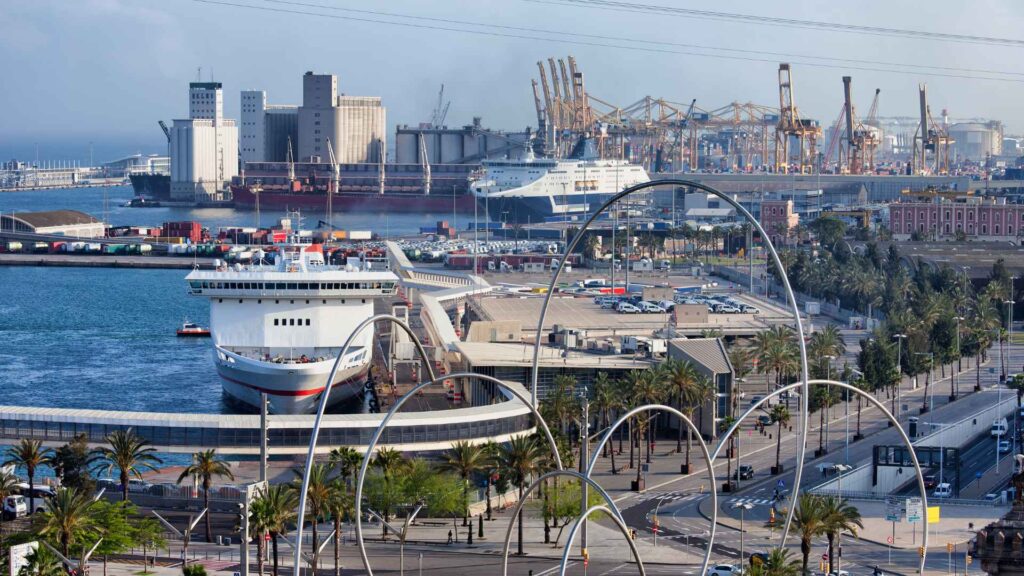
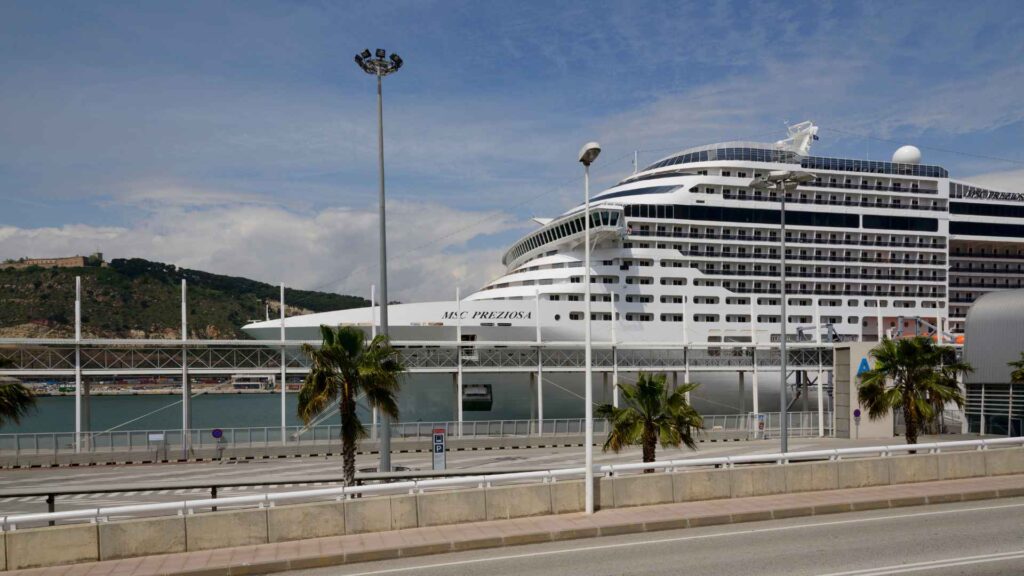
Barcelona can be wonderfully easy or needlessly rushed, and the difference starts with your terminal. Most ships use Moll Adossat and need a port shuttle or taxi, while the active World Trade Center berth is much closer to La Rambla.
My quick take
Barcelona is walkable, well signed, and easy to love in a single call. If it anchors your itinerary, my Mediterranean cruise ports guide and Europe cruise ports hub help you see how it fits the region.
The quick facts
- Where you land: most ships use Moll Adossat (Adossat Quay), which the Port of Barcelona lists with terminals A, B, C, D (Palacruceros), E (Helix), and MSC. The port also lists the World Trade Center Barcelona terminal; its North facility closed in 2023, so confirm the exact active berth for your sailing rather than following an old terminal map.
- Dock or tender: Every Barcelona berth is alongside inside a breakwater-protected commercial harbor, so you walk off the ship and there is no tender at any terminal.
- Into town: From the active World Trade Center berth it is a short walk to the foot of La Rambla. From Moll Adossat, use the T-3 Portbus or a taxi.
- Currency and language: The euro, with Catalan and Spanish both official and English widely spoken in tourist areas.
- Time zone: Central European Summer Time (CEST, UTC+2) through the April to October cruise season, Central European Time (CET, UTC+1) in winter.
- How often the call is missed: Low (under 1%): the sheltered berth is rarely limited by local weather.
How I would confirm my own terminal
Barcelona has several berths, and your terminal changes which transfer makes sense. The active World Trade Center berth is walkable to La Rambla, while Moll Adossat needs the shuttle or a taxi.
Check your cruise line’s port document for the exact terminal the night before. That one detail decides whether you can stroll off or need a shuttle or taxi.
There is a full rundown of where to stay in our hotels near Barcelona cruise port guide.
Getting around
From Moll Adossat, the T-3 Portbus is the simplest public connection into the waterfront area. It is a dedicated port shuttle rather than an ordinary city bus, so check the call-day stop, return boarding point, payment method, and final useful departure before leaving the terminal.
I would not plan to walk from Moll Adossat. The permitted route depends on your terminal and includes an exposed port approach, so a shuttle or taxi is the safer use of limited shore time, especially with heat, luggage, or reduced mobility.
TMB says the T-3 Portbus connects the cruise terminals with city bus lines D20, H14, V11, V13, 21, 59, and 120. Drassanes on L3 is the nearest Metro station to the city-side port area, not to the Adossat terminals themselves.
One honest heads-up: La Rambla and the Metro are well-known pickpocket hotspots, so keep your phone and wallet zipped away in crowds. A cross-body bag worn in front is a sensible precaution.
Taxis wait at the terminals, but “the center” is not one destination. The Gothic Quarter waterfront is the closest common trip, while Sagrada Família and Park Güell take longer and can be slowed by traffic or terminal queues.
If you fly in or out, the Aerobús runs between BCN airport and Plaça Catalunya, not directly to the cruise pier. A taxi is simpler with luggage, while the bus plus a second transfer can save money when time is generous.
The stops I’d actually spend time on
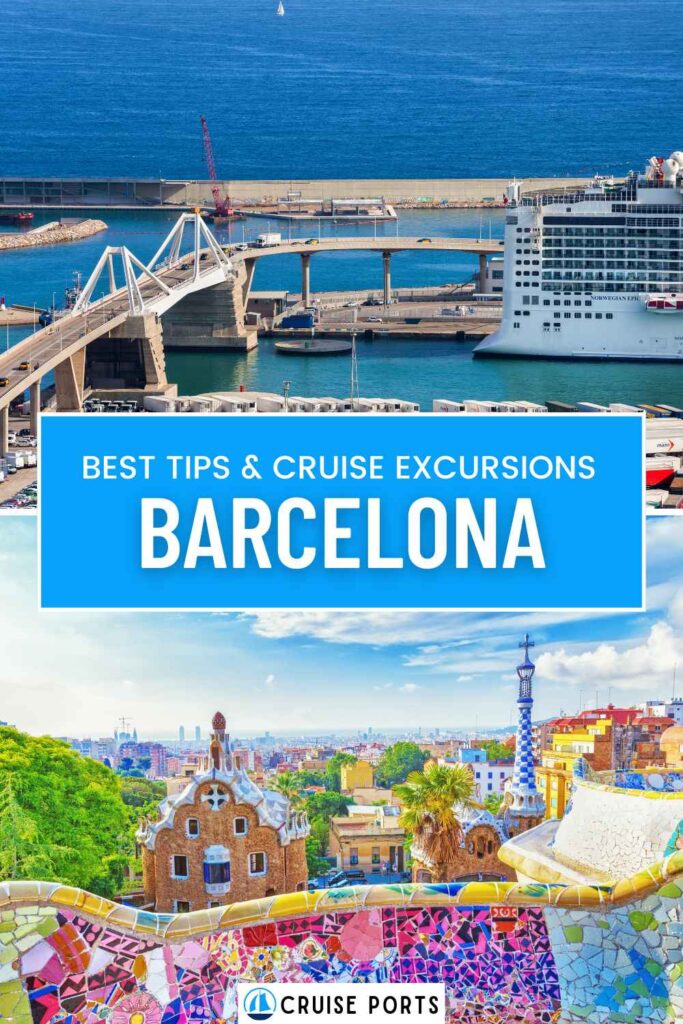
- La Sagrada Família: Gaudí’s unfinished basilica is the city’s signature sight, and the official basic individual ticket is currently 26 euros. Guided visits and tower access are separate products, so compare what is included before paying more and reserve a timed entry.
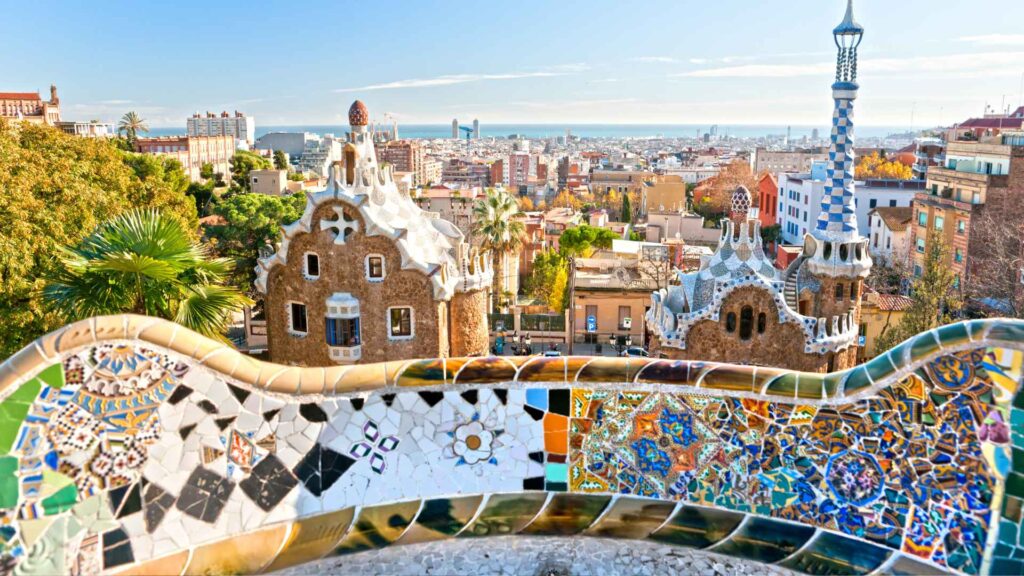
- Park Güell: Tourist access to the regulated park requires a ticket, currently about 18 euros, and the most popular areas use controlled entry. Free access programs are for eligible residents and local users, not a general tourist workaround.
- Casa Batlló: Gaudí’s dragon-scaled house on Passeig de Gràcia is a quick, vivid stop. Pair it with a walk up the boulevard.
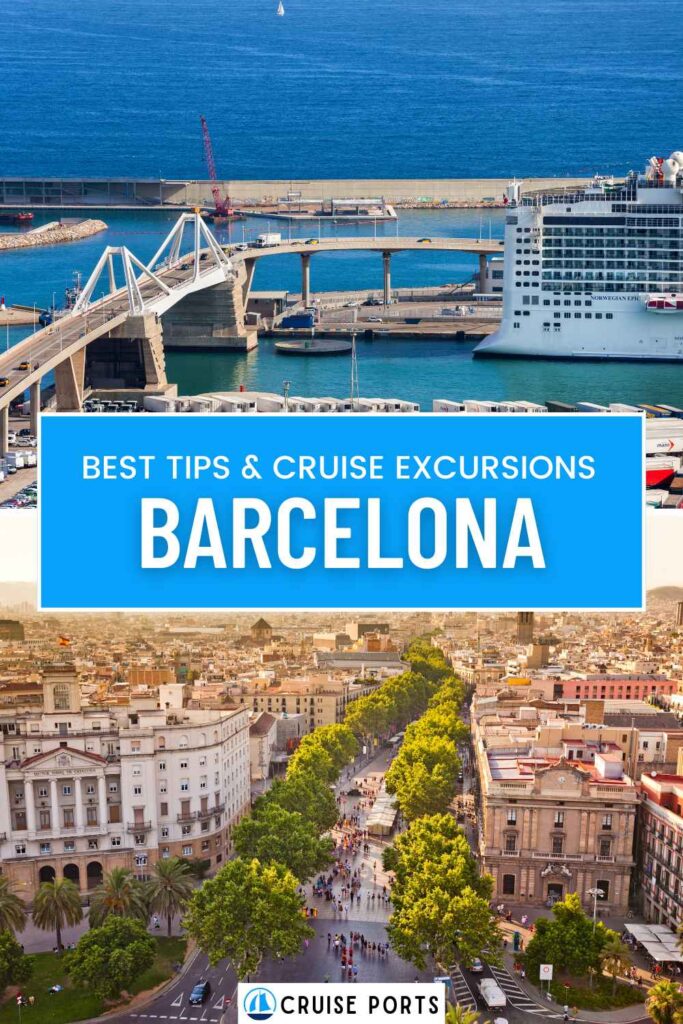
- La Rambla: The famous tree-lined promenade runs from Plaça Catalunya to the waterfront. Keep valuables close in the crowds.
- Gothic Quarter (Barri Gòtic): Medieval lanes wrap around Barcelona Cathedral and hidden squares. This is my favorite area to wander with no fixed plan.
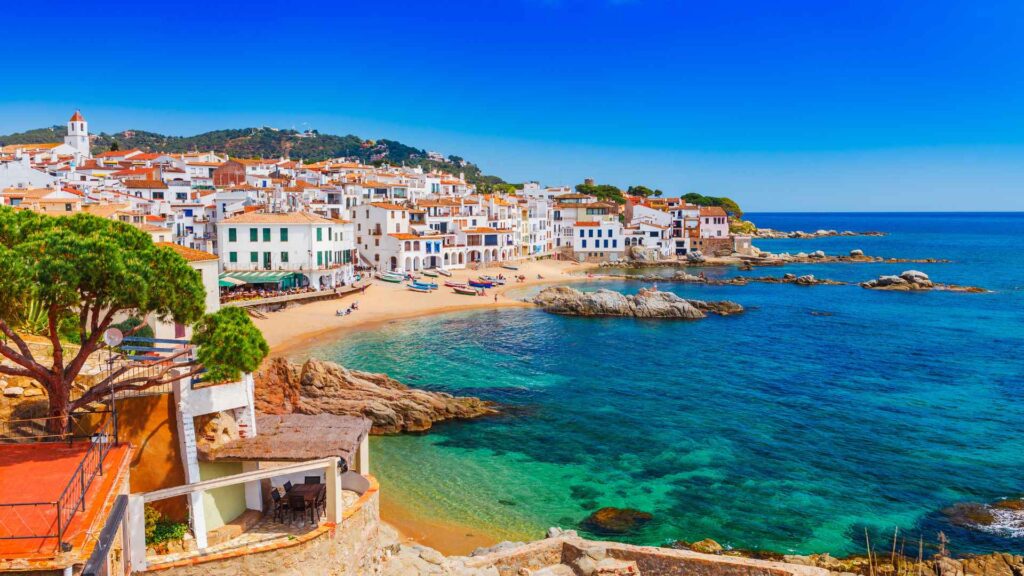
- La Barceloneta: The old fishing neighborhood leads to the city beach. It is an easy add-on if you want sand and seafood.
- Montjuïc: The hillside holds gardens, museums, the castle, and harbor views. The Montjuïc funicular is part of the city transit network, the Telefèric de Montjuïc cable car is a separate attraction ticket, and the Port Cable Car uses different stations, so decide which one you mean before navigating there.
- Museu Picasso: The Picasso Museum sits in the Born district across several Gothic mansions. It focuses on the artist’s early years.
Heads up: some links below are affiliate links. If you book through one, I may earn a commission at no extra cost to you. It never changes which hotels or tours I recommend. Full disclosure.
How I’d plan the day
Short call (about 4 hours): Ride the Cruise Bus in, walk La Rambla, and lose yourself in the Gothic Quarter. Head back with a comfortable buffer before all-aboard.
Half day (about 6 hours): Add a timed visit to the Sagrada Família by taxi or Metro. Return to the port area for a harbor-side lunch.
Full day (about 8 hours): Make one timed attraction the anchor, then add a nearby district. I would pair Sagrada Família with Passeig de Gràcia and the Gothic Quarter, or Park Güell with Gràcia, rather than gambling on two timed entries plus Montjuïc.
Protect time for the shuttle or taxi in both directions, terminal queues, and a comfortable all-aboard buffer. A broader Gaudí circuit makes more sense on a pre-cruise hotel day when the ship’s departure is not hovering over every café stop.
A realistic word on accessibility
Ask the port or cruise line to confirm lift or ramp boarding and mobility-device space on the call-day T-3 Portbus. A taxi gives the simplest step-free connection from Adossat, while Drassanes Metro is in the city-side port area and still requires a separate transfer from the cruise berth.
Gangway steepness depends on your ship and berth. The Gothic Quarter has cobbles, Park Güell has hills and controlled accessible routes, and Montjuïc transport options have different stations and access, so confirm the complete route rather than only the first vehicle.
When to go, and the weather
The main cruise season runs spring through fall, with warm, dry summers and mild shoulder months. Late spring and early fall give you comfortable sightseeing without peak summer heat.
If you love other Spanish calls, my guides to Valencia and Málaga pair naturally with a Barcelona itinerary.
Quick answers
Can I walk from the ship to La Rambla?
From the active World Trade Center berth, yes, it is a short walk. From Moll Adossat, take the T-3 Portbus or a taxi first.
How do I get to the airport from the port?
Take a taxi, or head to the center and catch the Aerobús to BCN from Plaça Catalunya. Line A1 serves Terminal 1 and A2 serves Terminal 2.
Do I need to book attractions in advance?
For the Sagrada Família and Park Güell’s Monumental Core, yes. Both use timed tickets that sell out, so reserve online before your call.
Sources
- Port de Barcelona: passenger terminals
- TMB: public transport from the port
- Aena: getting to BCN airport by bus (Aerobús)
- Barcelona Turisme: official visitor information
How this guide was researched: Unless a first-hand visit is explicitly identified above, this guide is based on independent research using official port, tourism, transit, government, and attraction sources where available. Logistics and time-sensitive details were reviewed in August 2026. See our Editorial Policy.