Valencia Cruise Port: A Cruiser’s Guide to the City
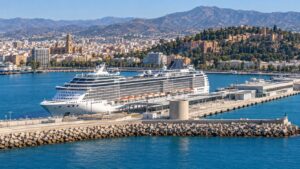
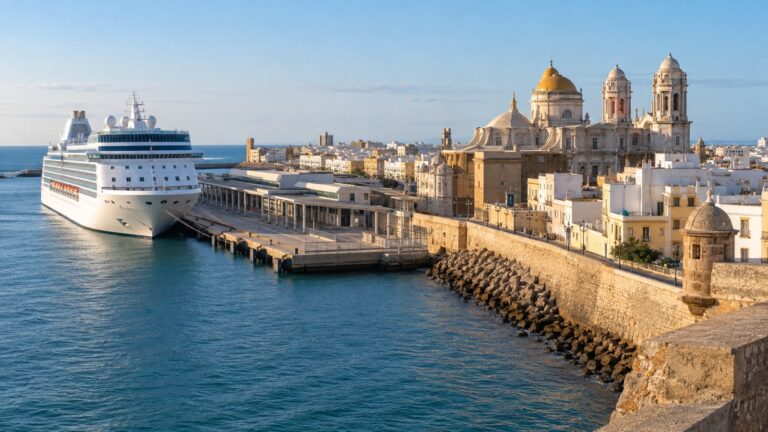
Valencia is an easy-going Mediterranean call: a real Spanish city, not a cruise stage set. Ships tie up in the working port a short ride from the center, and a day here buys you Gothic streets, futuristic architecture, and the home of paella.
My quick take
Valencia is a dock port, not a tender port, and the ride into town is short and cheap. It pairs beautifully with other Spanish calls like Barcelona and Malaga.
If it is your first Spanish port, my first-timer guide and the wider Europe cruise ports hub are worth a look before you sail.
The quick facts
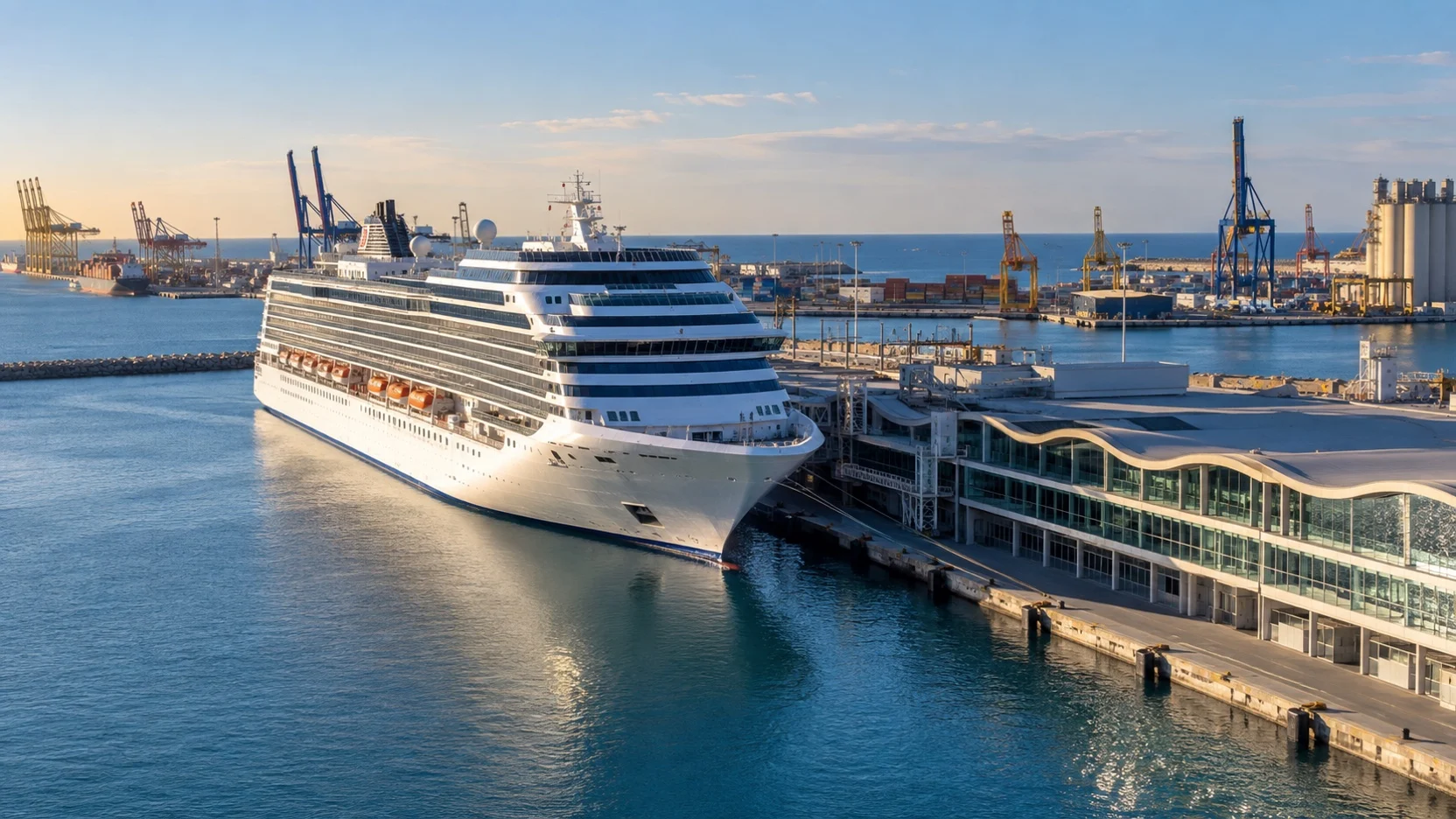
- Where you land: the cruise and ferry terminals in the southern area of the Port of Valencia, next to the Muelle de Poniente (Poniente pier), per the official Visit Valencia cruise page. The exact quay shifts by sailing, so check your daily program.
- Dock or tender: You berth alongside and walk off, with passenger assistance, internal shuttle service, and taxis available through the port facilities.
- Into town: Roughly 15 to 20 minutes by taxi to the center, and about 10 to 12 minutes to the City of Arts and Sciences.
- Currency and language: The euro (EUR), with Spanish and Valencian both official.
- Time zone: Central European Summer Time (CEST, UTC+2) through the cruise season, CET (UTC+1) from late October to late March.
- How often the call is missed: Low (under 1%): the sheltered berth is rarely limited by local weather.
How I would confirm my own terminal
Valencia is a big commercial port with several berths, so your exact quay can shift by sailing. The best source is your ship’s daily program, which lists the assigned terminal and any shuttle details.
For the port’s own layout and passenger services, I cross-check the Valenciaport passenger services page. If your line runs a paid shuttle to the city gates, it usually drops near the Torres de Serranos.
Getting around
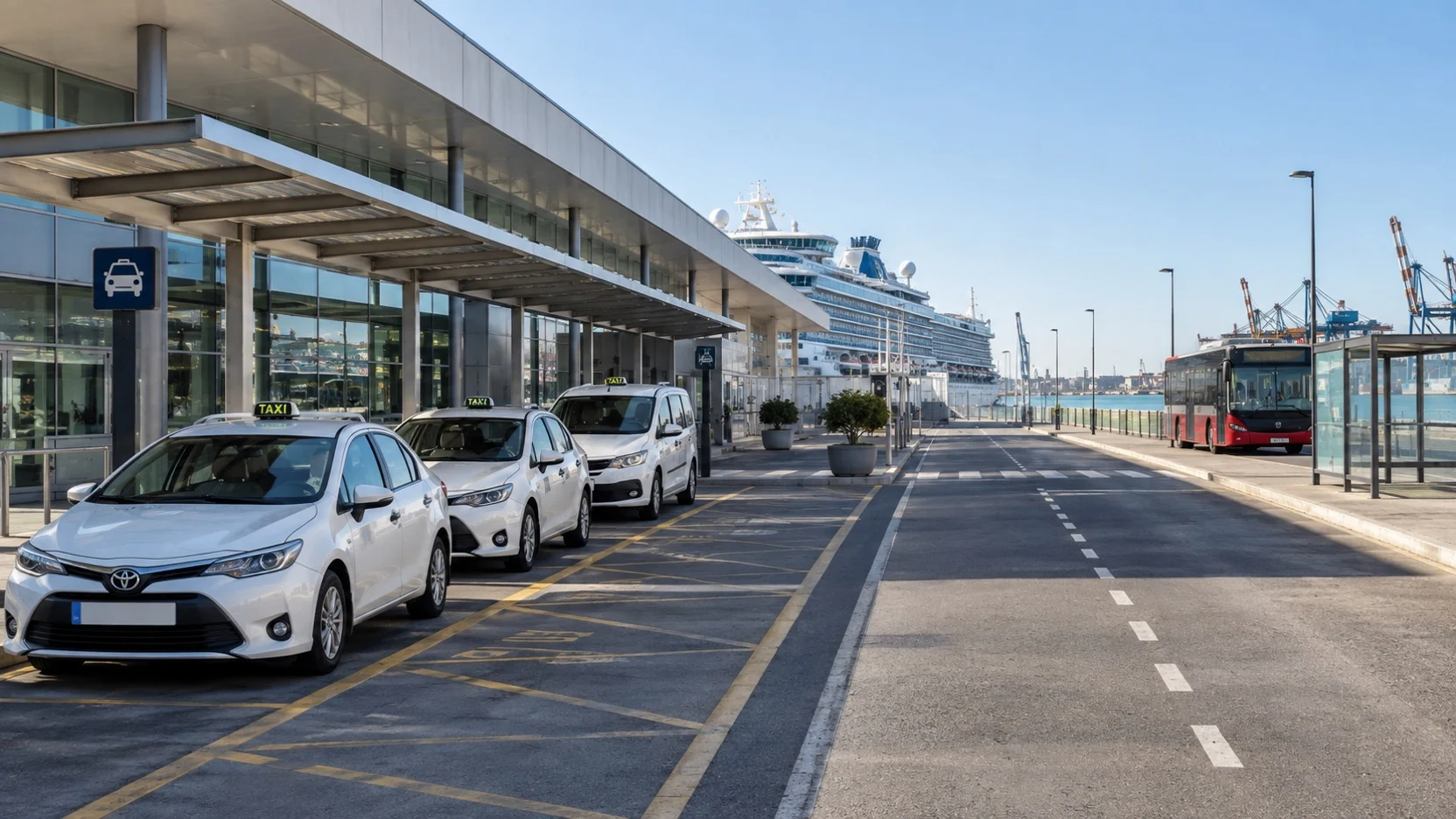
A taxi from the terminal to the historic center takes about 15 to 20 minutes, and the rank sits right outside the passenger building. Rideshare apps including Uber, Cabify, and Bolt also operate in the city.
Valenciaport lists city buses 4, 30, 95, and N8, plus Metro lines 5 and 6 at Neptú. Confirm the live stop and route because the internal port transfer depends on the assigned quay.
For the City of Arts and Sciences, a taxi is quickest at roughly 10 to 12 minutes. I would confirm current routes on the official Visit Valencia transport pages the morning you arrive.
Our Valencia cruise port hotel guide sorts the options by how easy the morning transfer is.
Heads up: some links below are affiliate links. If you book through one, I may earn a commission at no extra cost to you. It never changes which hotels or tours I recommend. Full disclosure.
The stops I’d actually spend time on
Valencia rewards a plan. Here are the named places I would build a day around, each verifiable and genuinely worth your limited hours.
City of Arts and Sciences
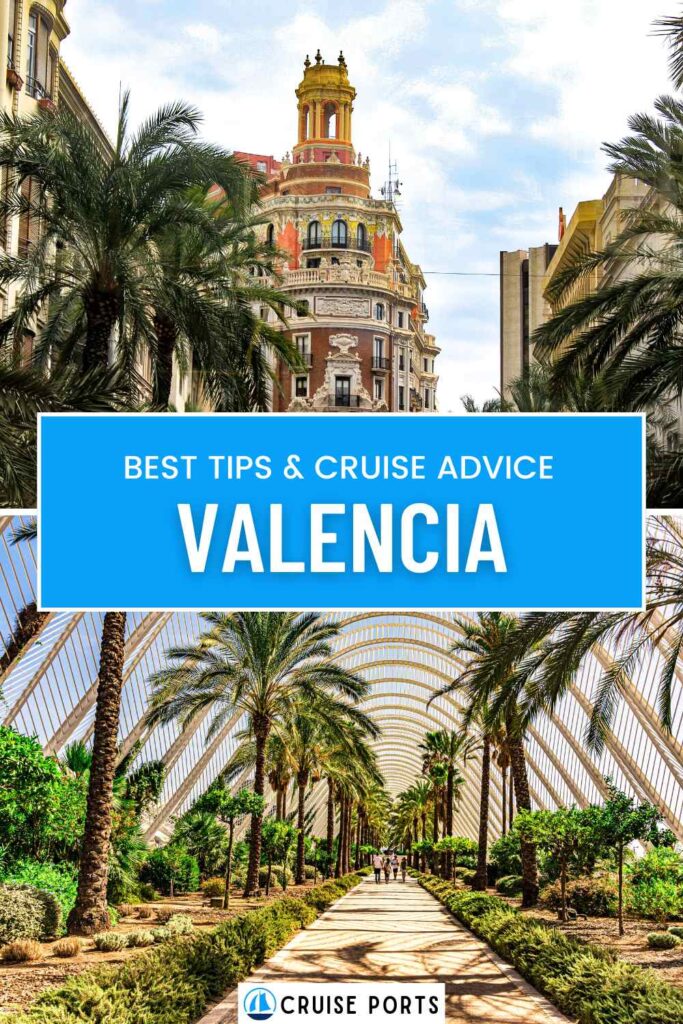
The Ciudad de las Artes y las Ciencias is Valencia’s signature sight, a run of gleaming white Santiago Calatrava structures beside the old riverbed. It gathers a science museum, an IMAX planetarium (the Hemisferic), and the Oceanografic aquarium in one photogenic complex.
L’Oceanografic
L’Oceanografic is billed as the largest aquarium in Europe, with recreated marine habitats from the Mediterranean to the poles. It is the one City of Arts ticket I would prioritize if you travel with kids.
Valencia Cathedral and the Holy Chalice
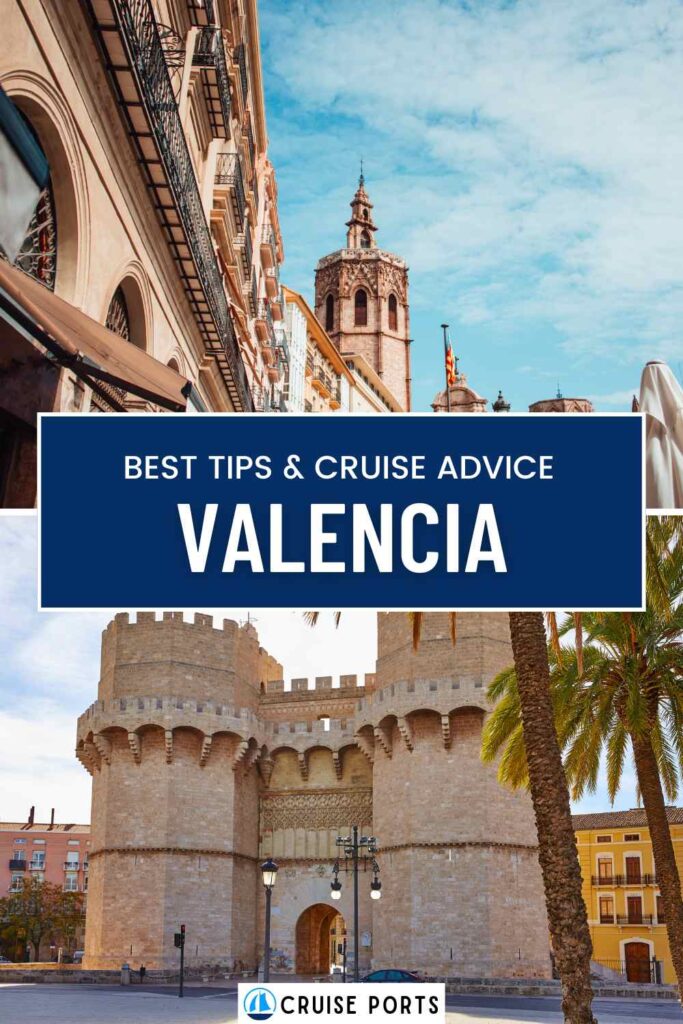
Valencia Cathedral guards a Roman-era agate cup that the Church venerates as the Holy Chalice, long identified with the Holy Grail. Climb the Miguelete bell tower for a rooftop view over the old town.
La Lonja de la Seda
This late-Gothic silk exchange is a UNESCO World Heritage Site, and its twisting stone columns are a highlight. It is a quick, cool, uncrowded stop between the market and the cathedral.
Mercado Central
The Central Market is a vast modernist hall of iron and stained glass packed with produce, jamon, and seafood. Grab a coffee or a snack and watch the city shop.
Plaza de la Virgen and El Carmen
Plaza de la Virgen is the heart of the old town, ringed by the cathedral and the basilica. From there, wander the narrow lanes of the El Carmen quarter, where medieval walls meet colorful street art.
Torres de Serranos
These twin medieval gate towers once guarded the city walls and still frame the northern edge of the old town. Climb them for a clean view down over the Turia Gardens.
Turia Gardens
The Jardin del Turia is a green ribbon that winds through the city along the former bed of the Turia river, which was rerouted after catastrophic flooding in 1957. It links the old town to the City of Arts, and it is lovely on foot or by rental bike.
Malvarrosa Beach and El Cabanyal
Malvarrosa is Valencia’s broad city beach, backed by a promenade of seafood restaurants. The neighboring El Cabanyal fishing quarter, with its tiled facades, is the classic place to sit down to a proper paella.
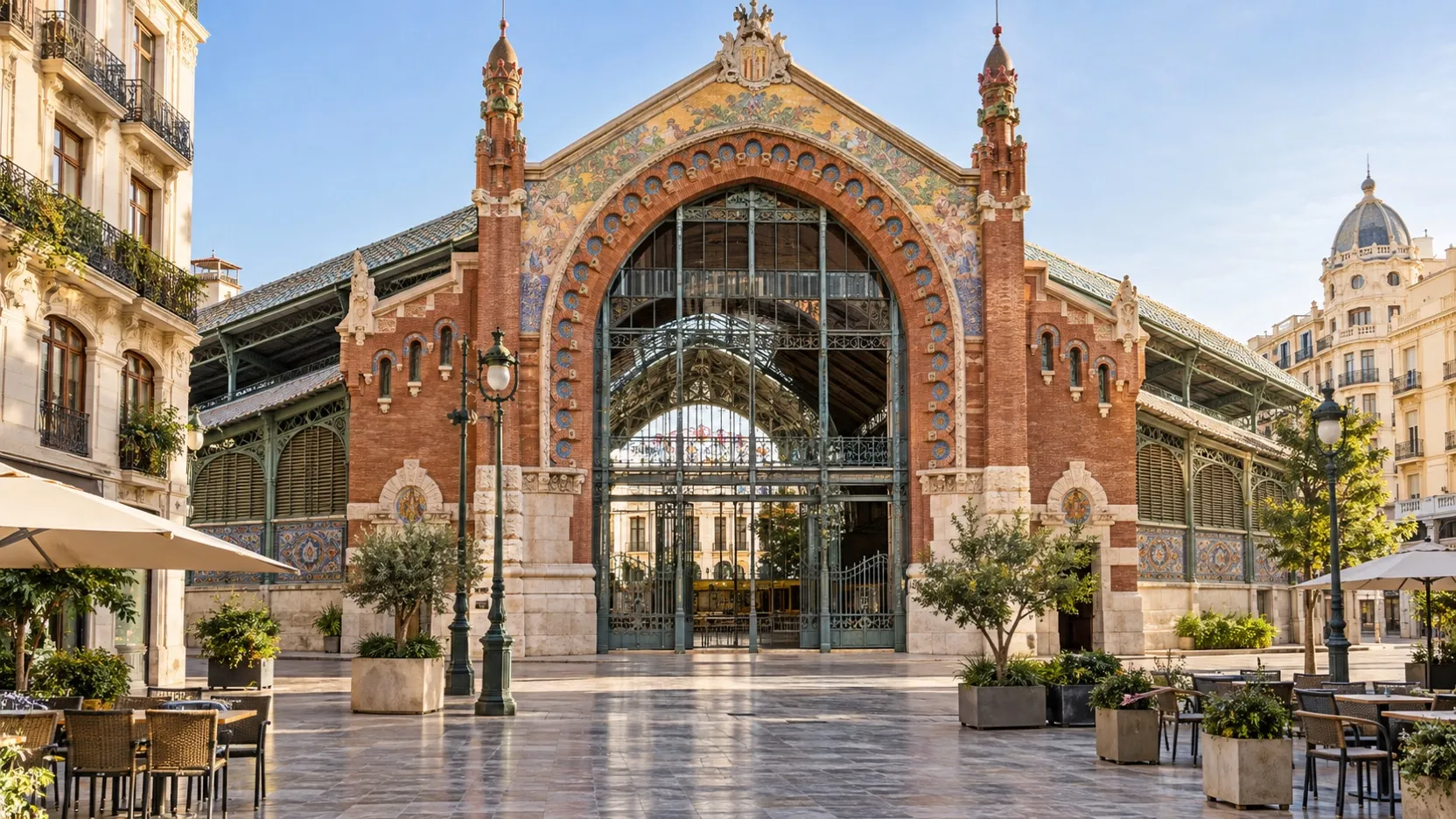
Mercado de Colon
A restored modernist market hall, the Mercado de Colon is now an elegant spot for horchata, the local tiger-nut drink, and a pause off the tourist track. It is an easy add-on if you have extra time in the center.
One happy fact to carry ashore: Valencia is the birthplace of paella, born in the rice paddies of the nearby Albufera lagoon. Eating it here, near where it was invented, is the tastiest bit of the day.
How I’d plan the day
Three hours: taxi straight to the old town for the cathedral, La Lonja, and the Central Market, then back. Keep it tight and leave a full hour of buffer before all-aboard.
Five hours: add the City of Arts and Sciences, choosing either the Oceanografic or a walk along the Turia Gardens between the two areas.
Eight hours: do the old town and the City of Arts, then finish with paella and a stroll at Malvarrosa beach. Always pad your return, since Valencia traffic can slow a taxi.
Want more Spanish Mediterranean ideas? Compare the day here with nearby Cartagena.
A realistic word on accessibility
The passenger terminal is modern and largely step-free, with taxi ranks right outside, so getting off the ship and into a vehicle is straightforward. The catch is the old town, where some streets are cobbled and a few sights, like the Miguelete tower, involve stairs.
The City of Arts and Sciences and the Turia Gardens are broad and level, so they suit slower walkers and wheelchairs well. If you need specific assistance boarding or a low-floor taxi, arrange it through your cruise line in advance.
When to go, and the weather
Valencia enjoys a mild Mediterranean climate, so most cruise calls land in comfortable weather. Spring and autumn bring warm days without the peak summer heat or crowds.
High summer is hot and busy but great for the beach, while winter stays gentle and quiet. Whenever you visit, midday sun is strong, so carry water and shade.
Use the port shuttle as the first leg
Valenciaport lists an internal port shuttle, city-center shuttles, taxis, city buses 4, 30, 95, and N8, plus Metro lines 5 and 6 at Neptú. Your ship’s daily program is still the best source for the pickup point because the assigned quay changes the first leg.
The City of Arts and Sciences is about 1.9 miles from the maritime station, while the historic center is about 3.7 miles away. Choose the aquarium and modern complex for families or architecture fans, and choose the cathedral, La Lonja, and Central Market for history and food.
A traditional paella lunch is a better fit with Malvarrosa or El Cabanyal than with a rushed old-town loop. Reserve a lunch table, allow for the local habit of a slower midday meal, and do not make the restaurant your final stop before the ship.
Leave the center at least 75 minutes before all aboard and more during a festival, heavy rain, or a major event. Ask about the gangway, internal shuttle lift, accessible taxi availability, aquarium routes, and the cobbled or uneven sections around older monuments.
Quick answers
Can I walk from the ship into Valencia?
Not really. The terminal sits in the working port, so plan on a 15 to 20 minute taxi, a shuttle, or a bus rather than walking to the center.
What is the one thing to see with a short stop?
If you only have a few hours, choose either the old town cluster of cathedral, La Lonja, and the Central Market, or the City of Arts and Sciences. Trying to do both in a rush is a mistake.
Where should I eat paella?
The El Cabanyal and Malvarrosa beach areas are the traditional home of Valencian rice dishes. Look for a lunch-time paella, since locals rarely eat it in the evening.
How this guide was researched: Unless a first-hand visit is explicitly identified above, this guide is based on independent research using official port, tourism, transit, government, and attraction sources where available. Logistics and time-sensitive details were reviewed on September 10, 2026; see our Editorial Policy.