Cartagena Cruise Port (Colombia): A Cruiser’s Guide
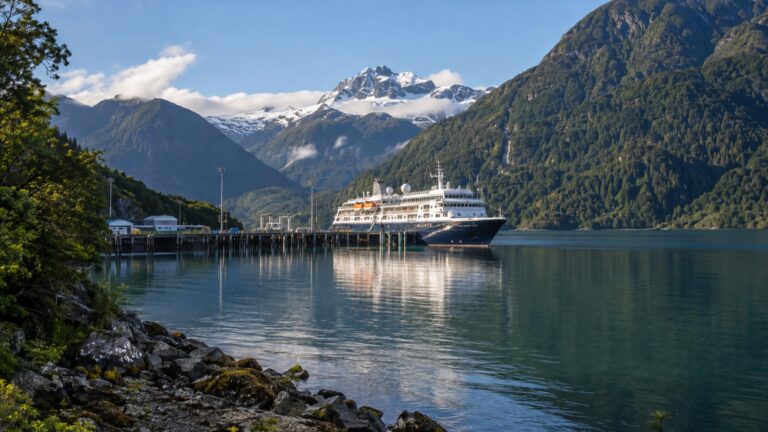
Cartagena de Indias is one of my favorite Caribbean cruise calls in Colombia: a walled colonial old town, sea forts, and a dock that sits right in the city. Here is exactly how I would plan a day ashore.
Last Visited: December 2019 aboard Norwegian Star. This stop was part of my South America sailing from Miami to San Antonio, Chile.
My quick take
Cartagena is an easy, rewarding stop where the UNESCO-listed old city is only a short taxi ride from the pier. If you want more Colombian coast context, my South America cruise ports guide and my Caribbean cruise ports hub are good companions.
For a pre-cruise night, see our guide to hotels near Cartagena cruise port.
The quick facts
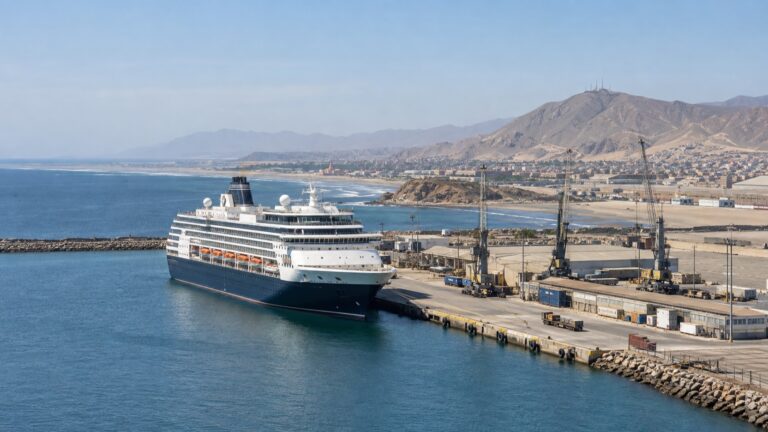
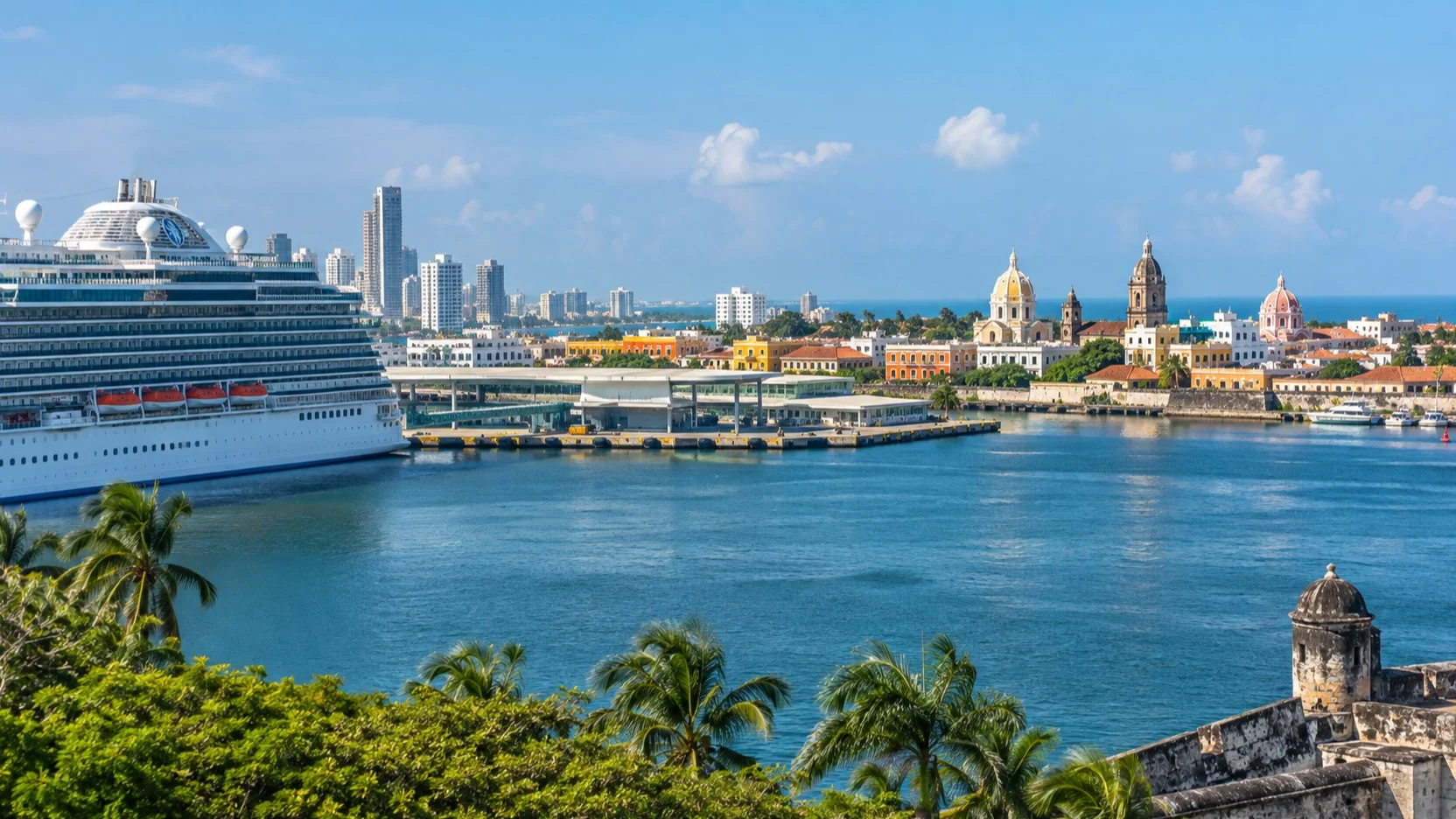
- Where you land: the Puerto de Cartagena cruise terminal on Manga Island, inside the city itself. The berths take vessels up to about 1,150 feet long, and the terminal has a small “Port Oasis” garden with native plants and exotic birds, craft and emerald shops, a Juan Valdez coffee store, and paid Wi-Fi.
- Dock or tender: Ships berth alongside here, so you walk off, no tender.
- Into town: The historic walled center is about 2 miles away, roughly a 10 to 15 minute taxi ride.
- Currency and language: The Colombian peso (COP) and Spanish. Some tourist shops take US dollars, but pesos are better for taxis and market stalls.
- Time zone: Colombia Time (COT, UTC−5).
- How often the call is missed: Low (under 1%): tropical storms can make the approach unsafe.
A quick, honest word on safety
The U.S. State Department lists Colombia at Level 3, Reconsider Travel, because of crime, terrorism, civil unrest, kidnapping, and natural-disaster risk. Cartagena is outside the specifically named Level 4 areas, but violent street crime can occur as well as pickpocketing, so this deserves more than a casual warning.
Use a terminal-authorized taxi or a driver booked through your ship or hotel, confirm the fare and destination before leaving, and avoid hailing a random car in the street. Carry only what you need, keep jewelry and watches out of sight, and move away from any protest or roadblock.
Getting around
Because the pier is inside the city, most people simply take a taxi to the walled old town and explore on foot from there. The old city is compact and walkable, though the Caribbean heat is real, so pace yourself and carry water.
Taxis may not use a meter, so confirm the total price and whether it is in Colombian pesos before you get in. For a slower loop of the ramparts, horse-drawn carriages and sightseeing tours operate from the old town, but confirm the route, duration, and price first.
From the ship to the city gate
The cruise terminal is inside the working port on Manga, and the Port Oasis sits within the secure passenger area. Follow the marked passenger route or cruise-line shuttle to the approved pickup point, because drivers cannot always meet directly beside the gangway.
For the Walled City, ask for Torre del Reloj or another exact gate and save a photo of the authorized return point. Castillo San Felipe and La Popa are better by the same booked driver, while Getsemaní and the Walled City pair naturally on foot.
There is no useful public luggage-storage reason to carry bags on a port call. Bring a light day bag, keep medicine and valuables with you, and plan to clear port security well before the ship’s all-aboard time.
The stops I would actually spend time on
1. The Walled City (Ciudad Amurallada)
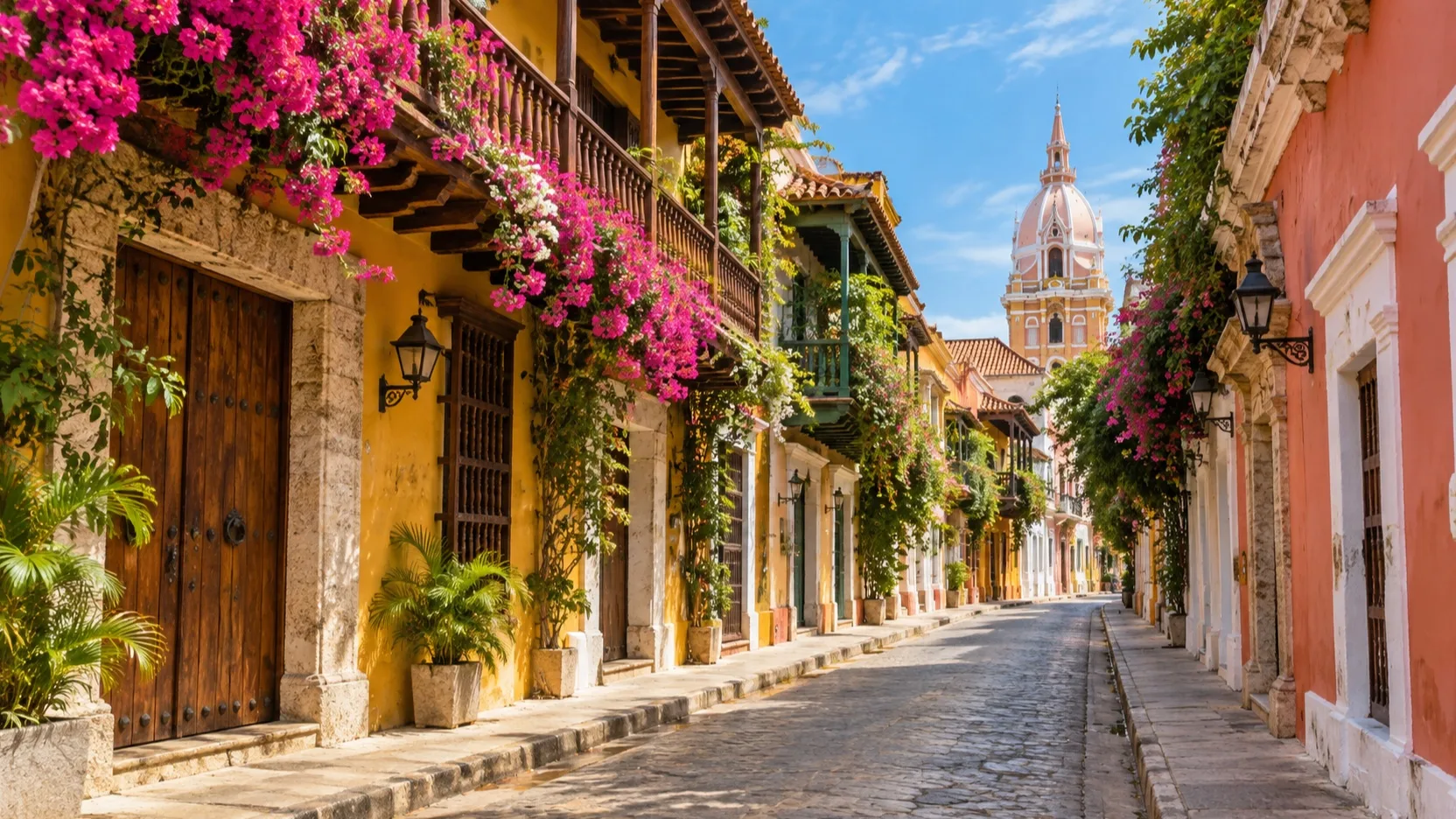
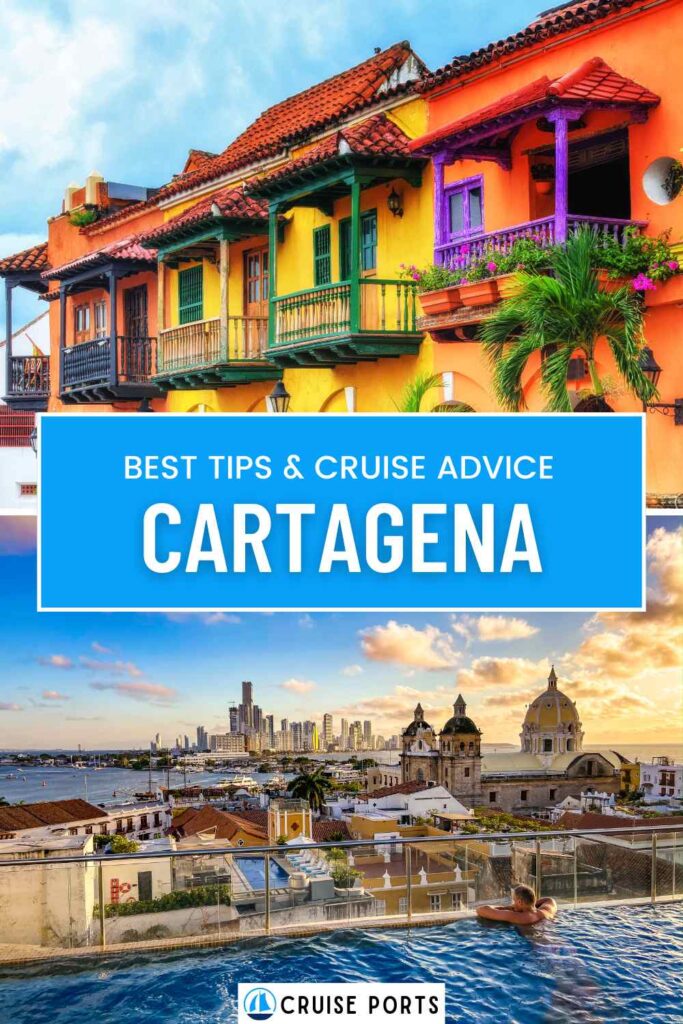
This is the reason most ships call here: a UNESCO-listed maze of colonial streets, balconies, and plazas ringed by sea walls. Fun fact worth the walk: the walls took about 200 years to finish, from 1614 to 1796.
2. Castillo San Felipe de Barajas
A short taxi from the pier, this hilltop fortress was built to defend the city and is honeycombed with tunnels. The ramparts give you one of the best skyline views in Cartagena.
3. Torre del Reloj (Clock Tower Gate)
The yellow clock-tower gate is the main entrance to the old city and a natural meeting point. Just inside sits Portal de los Dulces, a row of vendors selling traditional Colombian candy.
4. Plaza de Bolívar and the Palace of the Inquisition
This shady central square is a good place to reset, ringed by the cathedral and colonial facades. On one side, the Palacio de la Inquisicion museum covers a darker chapter of the city’s history.
5. Plaza Santo Domingo
A lively square framed by cafes and the old Santo Domingo church. Its landmark is “La Gorda Gertrudis,” a reclining bronze by Colombian artist Fernando Botero.
6. Sanctuary of San Pedro Claver
This church and adjoining museum honor the priest who ministered to enslaved Africans arriving in Cartagena. The stone courtyard is a calm break from the midday sun.
7. Las Bovedas
These vaulted arches were once military storerooms and dungeons built into the walls. Today they hold craft and souvenir shops, making them a tidy last stop for gifts.
8. Getsemani
Just outside the main walls, this neighborhood is known for its street art and easygoing plazas. Plaza de la Trinidad is its social heart, especially in the late afternoon.
9. Cerro de la Popa convent
The 17th-century convent crowns the highest hill in the city, with sweeping views over Cartagena and the bay. It is a quick taxi ride and best paired with the fortress if you have a car.
10. Rosario Islands
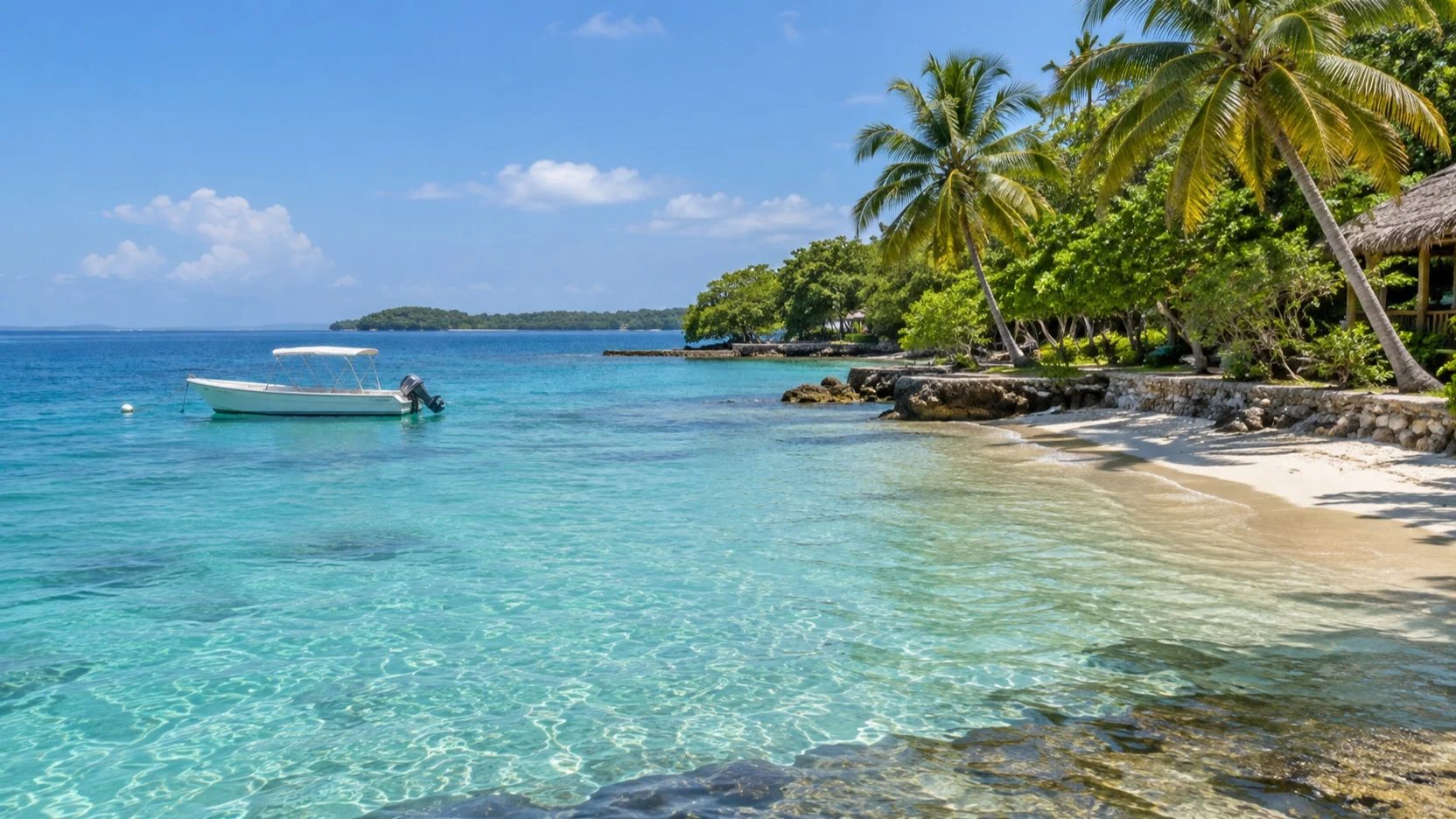
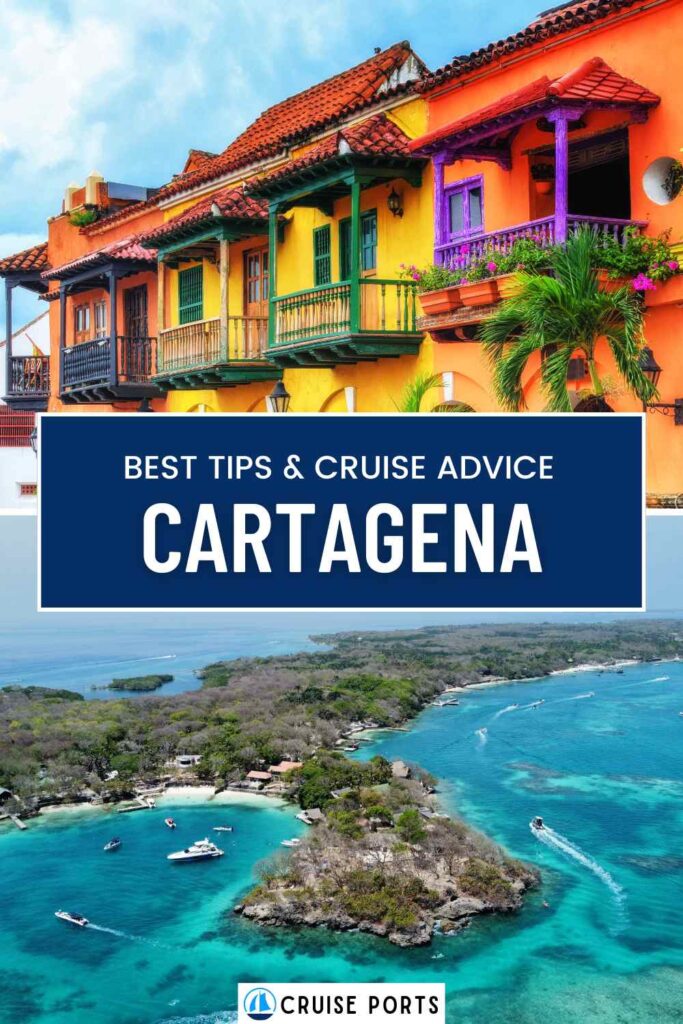
For a beach day, boats run from the city to this coral archipelago with clear water and snorkeling. Use a cruise-line excursion or a reputable operator with a documented return plan, because sea conditions, boarding delays, and the boat ride make this a poor independent choice on a short call.
Heads up: some links below are affiliate links. If you book through one, I may earn a commission at no extra cost to you. It never changes which hotels or tours I recommend. Full disclosure.
How I would plan the day
Short stop (about 3 hours): taxi straight to the Torre del Reloj, then wander the old city on foot through Plaza de Bolivar, Plaza Santo Domingo, and Las Bovedas.
Half day (about 5 hours): add Castillo San Felipe de Barajas early, before the heat peaks, then do the old-town loop and a coffee stop.
Full day (8 hours or more): either combine the fortress, Cerro de la Popa, Getsemaní, and the Walled City, or commit to a Rosario Islands boat trip. Choose the islands only with a protected return plan, and aim to be back inside the port at least an hour before all-aboard.
A realistic word on accessibility
Because ships berth alongside rather than tender, boarding and leaving is straightforward for most travelers. The old city itself, though, is paved with uneven cobblestones and has stepped ramparts, so a firm surface is not guaranteed.
If mobility is a concern, a private taxi or accessible tour that drops you at flatter plazas is the easier way to see the highlights. If you are weighing ports on this, my walkable cruise ports guide adds useful context.
When to go, and the weather
Cartagena is hot and humid year round on the Caribbean coast. The drier, more comfortable stretch runs roughly December through April, which also lines up with peak cruise season.
Whenever you visit, plan the outdoor forts and walls for the cooler morning hours and keep water and sun protection on hand.
Quick answers
How far is the cruise port from the walled city?
About 2 miles, or a 10 to 15 minute taxi ride, according to the port authority.
Do ships dock or tender in Cartagena?
Ships dock alongside at the Manga Island terminal, so you can walk off directly.
What currency should I bring?
The Colombian peso. Some tourist shops take U.S. dollars, but pesos are better for taxis and small purchases.
Planning your first Colombian call? My first-timer cruise ports guide covers the basics of getting ashore with confidence.
How this guide was researched: Unless a first-hand visit is explicitly identified above, this guide is based on independent research using official port, tourism, transit, government, and attraction sources where available. Logistics and time-sensitive details were reviewed on September 10, 2026; see our Editorial Policy.