Uruguay Cruise Ports: Montevideo and Punta del Este Compared
Uruguay often arrives quietly on a South America cruise itinerary, then becomes the stop travelers talk about over dinner. Montevideo offers layered history, smoky grills, street life, and a remarkably walkable old city, while Punta del Este delivers beaches, art, and a glamorous resort mood.
These two ports are not interchangeable. Montevideo is usually the easier independent day because ships berth beside Ciudad Vieja, while Punta del Este generally involves a tender and rewards a more carefully timed coastal plan.
My best advice is to choose one clear theme before you arrive. Uruguay feels most generous when you leave time for a long waterfront walk, a proper lunch, or an unhurried museum instead of turning the day into a race.
Quick Facts
- Primary cruise ports: Montevideo and Punta del Este
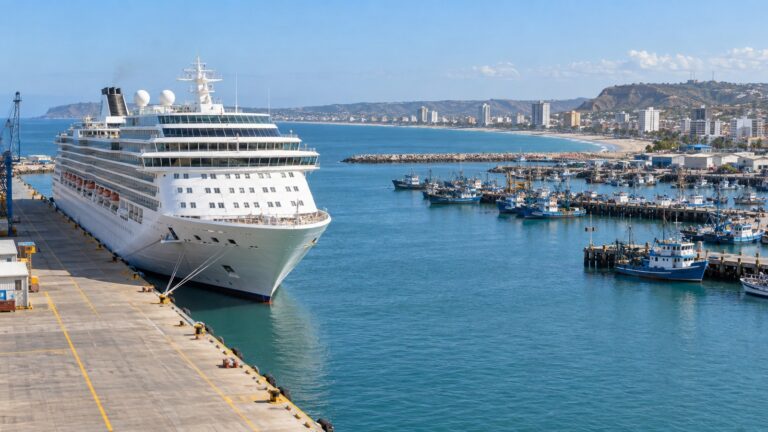
- Montevideo arrival: Ships generally dock in the commercial port beside Ciudad Vieja
- Punta del Este arrival: Cruise ships normally anchor offshore and use tenders
- Currency: Uruguayan peso
- Language: Spanish
- Best for walkability: Montevideo
- Best for beaches: Punta del Este
- Main cruise season: The Southern Hemisphere summer, with many calls between November and April
- Planning priority: Confirm the berth or tender schedule and the final boarding time with your cruise line
Montevideo Cruise Port: The Easy City Day
Montevideo is one of my favorite independent cruise ports in South America because the geography makes sense as soon as you leave the secured port area. Ciudad Vieja begins close to the harbor, and many headline sights can be linked on foot without committing to a long transfer.
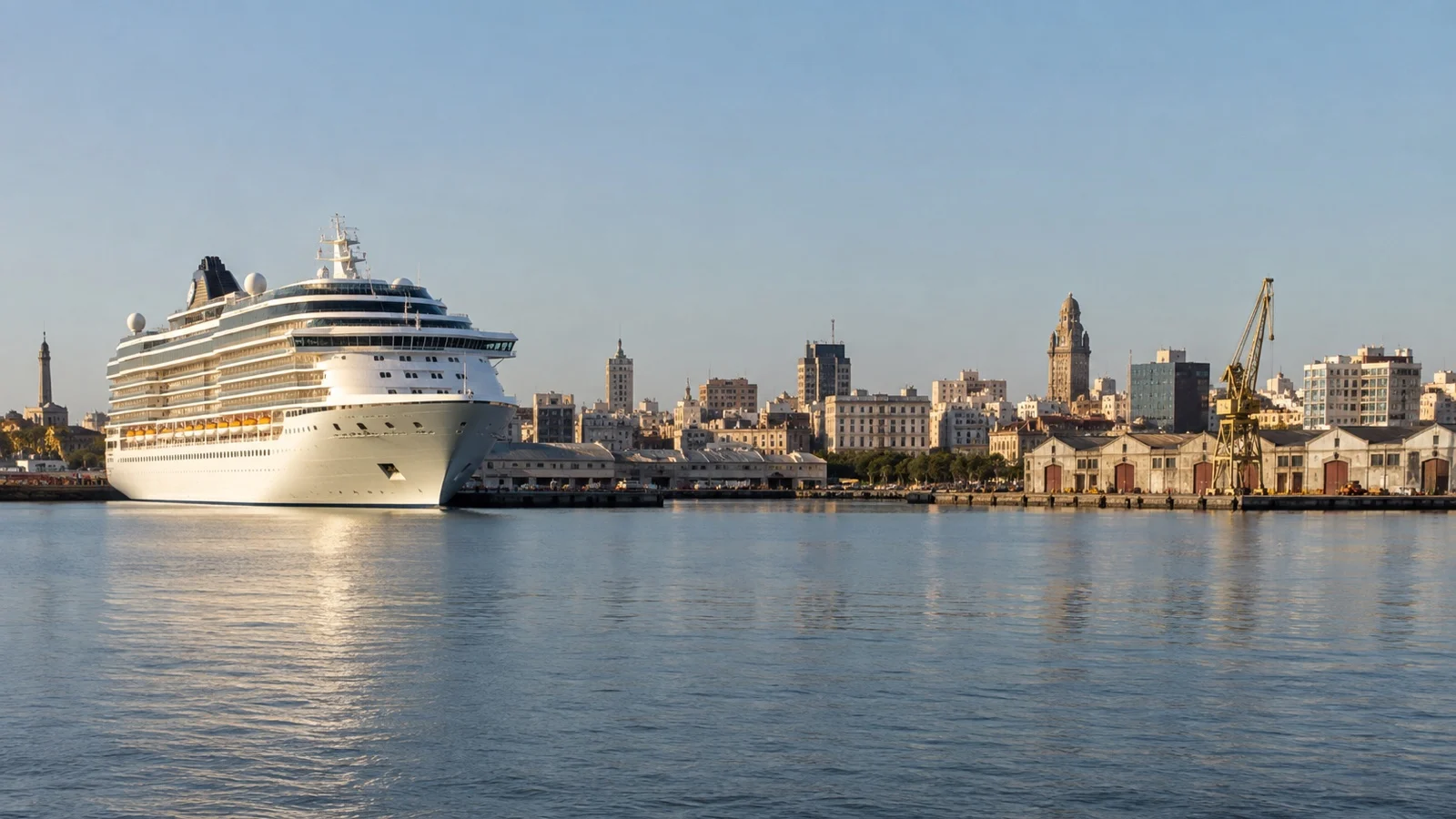
The Port of Montevideo is a working commercial harbor, so your exact berth, pedestrian route, and any shuttle arrangement can vary. Follow the marked passenger path and do not assume that a short line on a map means you can walk through an operational dock zone.
Once outside, the city feels approachable rather than theatrical. Faded facades, restored civic buildings, small galleries, bookstores, sidewalk cafes, and working offices all share the same historic streets.
That everyday texture is a large part of Montevideo’s charm. It is a capital you can experience at street level, with enough major landmarks to structure the day and enough local life to reward wandering.
Ciudad Vieja on Foot
A sensible walking route begins near the port and moves through Ciudad Vieja toward Plaza Independencia. Along the way, Sarandí pedestrian street provides an easy spine through the district, with side streets leading to squares, churches, shops, and cultural spaces.
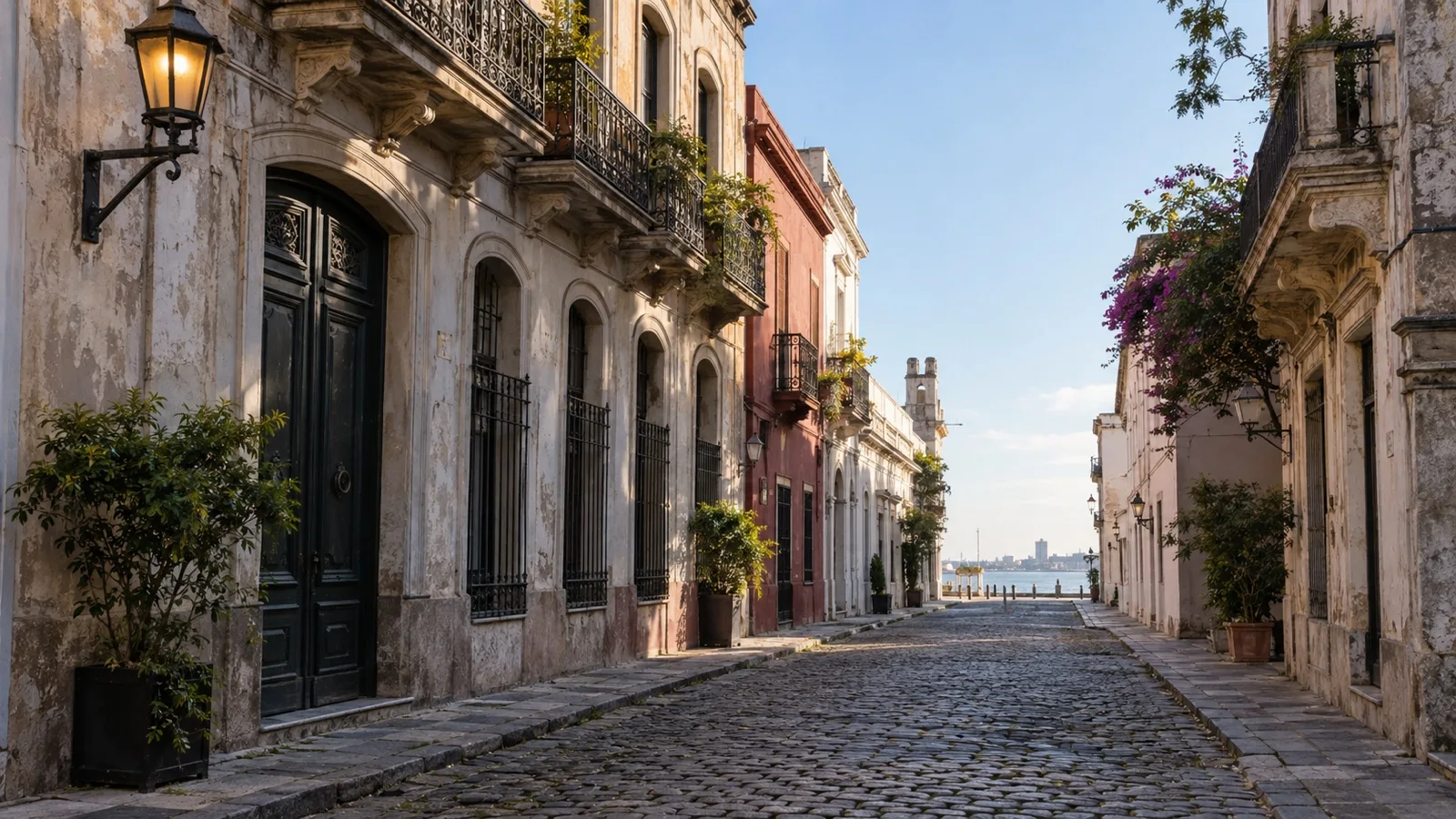
Plaza Matriz, also known as Plaza Constitución, is a natural pause with its cathedral, historic buildings, and cafes. From there, continue toward the gateway that marks the transition into Plaza Independencia and the broader modern city.
Plaza Independencia is framed by some of Montevideo’s most recognizable architecture. The Artigas monument, Palacio Salvo, government buildings, and nearby Teatro Solís make this the visual high point of an old-city walk.
Teatro Solís is worth touring when the current schedule fits your port day. Check the official theater program before sailing because guided visit times and performance access can change.
Travelers who enjoy art should look for the museum dedicated to Joaquín Torres García near the old city route. Museum hours in Uruguay can be limited on certain weekdays, so verify the official listing instead of assuming every venue opens daily.
Mercado del Puerto and What to Eat
Mercado del Puerto sits close to the cruise port and is the easiest place to understand Uruguay’s devotion to the grill. The historic market building contains restaurants centered on parrilla cooking, with beef, sausages, vegetables, and other ingredients prepared over fire.
It is popular with visitors and priced accordingly, but the atmosphere can still be great fun. If you want something quieter, use the market as an introduction and eat at a neighborhood restaurant elsewhere in Ciudad Vieja.
Order only as much meat as you genuinely want because portions can be substantial. Grilled provoleta, salads, empanadas, and local desserts make it possible to build a broader meal rather than treating lunch as a challenge.
Uruguay is also known for Tannat wine, which pairs naturally with grilled food. If you drink, keep the ship’s return and the strong summer sun in mind, and never combine a winery outing with self-driving.
The Rambla and Neighborhoods Beyond the Center
Montevideo’s rambla follows the Río de la Plata for miles and shows a more relaxed side of the capital. Locals walk, run, fish, sit with mate, and watch the changing light along this broad waterfront corridor.
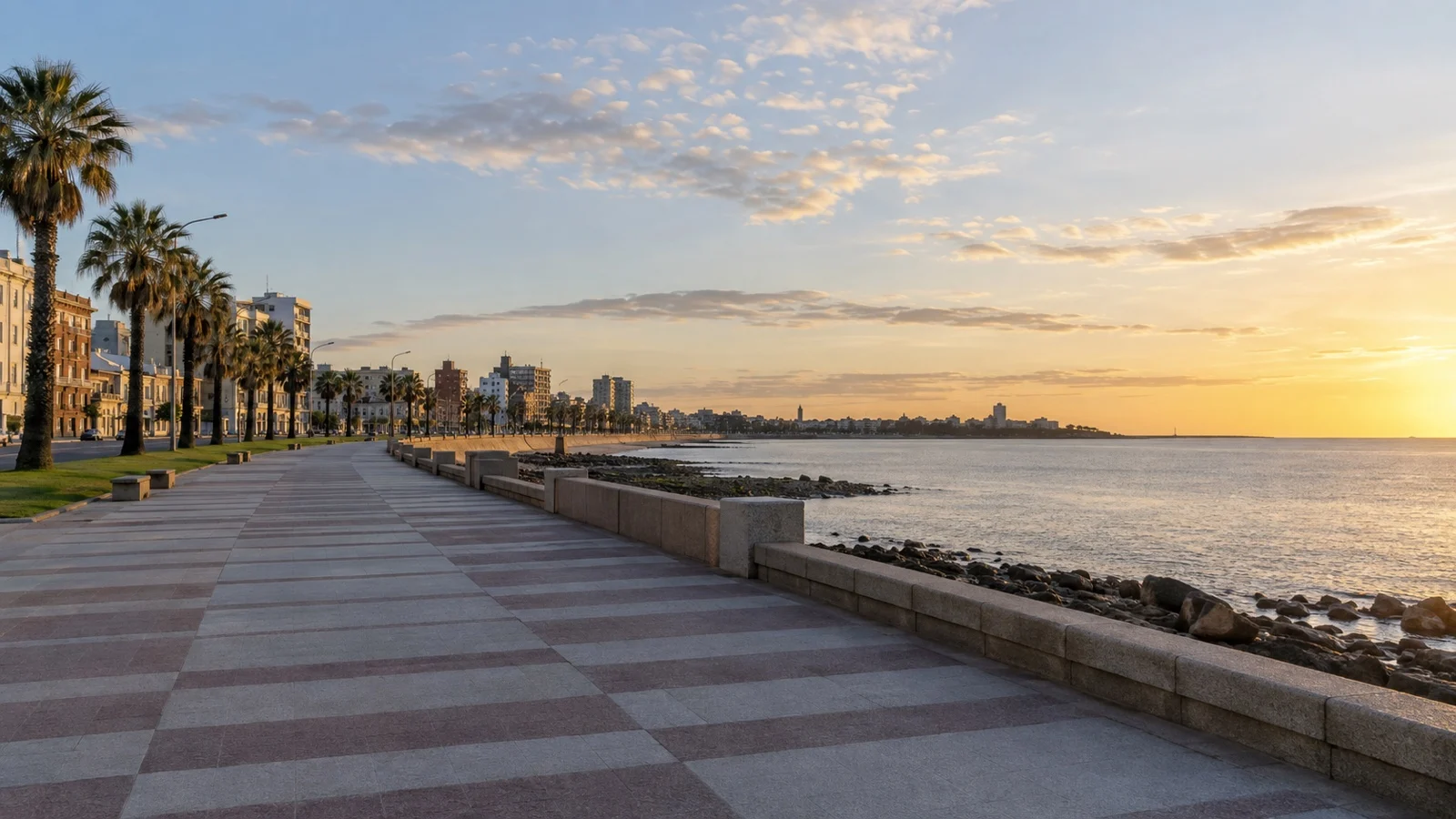
You do not need to cover a huge distance for the rambla to feel worthwhile. A taxi can take you to a chosen section and return you to the port, or you can combine a coastal drive with neighborhoods such as Pocitos.
Pocitos offers a beach, apartment-lined waterfront, and a modern city atmosphere that contrasts with Ciudad Vieja. The water color depends on wind and river conditions, so come for the local scene rather than expecting a Caribbean palette.
Football fans may be interested in Estadio Centenario and its museum, while market lovers often ask about the agricultural market. Both require leaving the immediate port area, which means checking current opening hours and deciding whether they matter more than the walkable historic core.
Punta del Este Cruise Port: A Tender and Beach Day
Punta del Este is Uruguay’s best-known resort and feels polished, breezy, and distinctly seasonal. The city occupies a peninsula where the Río de la Plata meets the Atlantic, creating two coasts with noticeably different personalities.
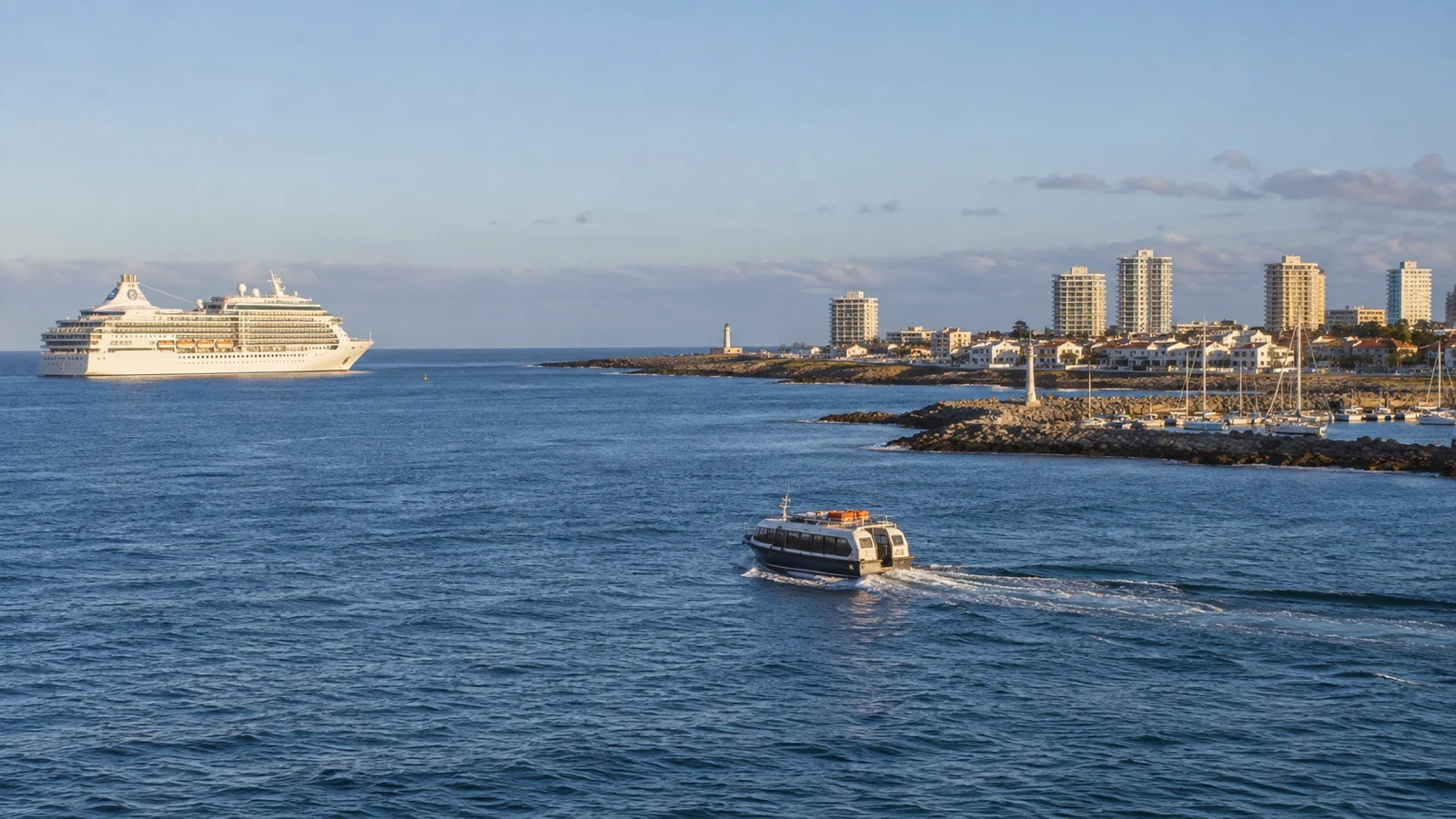
Large cruise ships anchor offshore because the harbor is designed around smaller craft. Official local information describes dedicated berths for cruise tenders, but sea conditions still control whether boats can operate safely and how quickly passengers reach shore.
The tender changes the rhythm of the day. You may need to collect a ticket, wait for a boat, cross uneven gangways, and allow extra time for the return queue, even when the waterfront looks only minutes away.
The Port, Peninsula, and La Mano
Tender passengers normally arrive in the harbor area, where fishing boats, yachts, seafood stands, and sea lions may all compete for attention. From here, the peninsula’s central streets and waterfront are easy to explore on foot if the weather is comfortable.
The famous hand sculpture, La Mano, rises from the sand at Playa Brava on the Atlantic side. It is walkable from the harbor for active travelers, though a taxi saves energy on a hot or crowded day.
Playa Brava faces the ocean and is known for stronger surf, while Playa Mansa looks toward the Río de la Plata and is generally calmer. Conditions change daily, so obey lifeguards and beach flags rather than relying on a simple nickname.
A loop between the harbor, Brava, the central avenue, and Mansa gives you the essence of Punta del Este without a tour. Add a cafe or seafood lunch and the day stays pleasantly flexible around the tender operation.
Casapueblo and Punta Ballena
Casapueblo is the signature excursion beyond central Punta del Este. Artist Carlos Páez Vilaró created the white sculptural complex at Punta Ballena, where terraces and curving walls overlook a broad sweep of water.
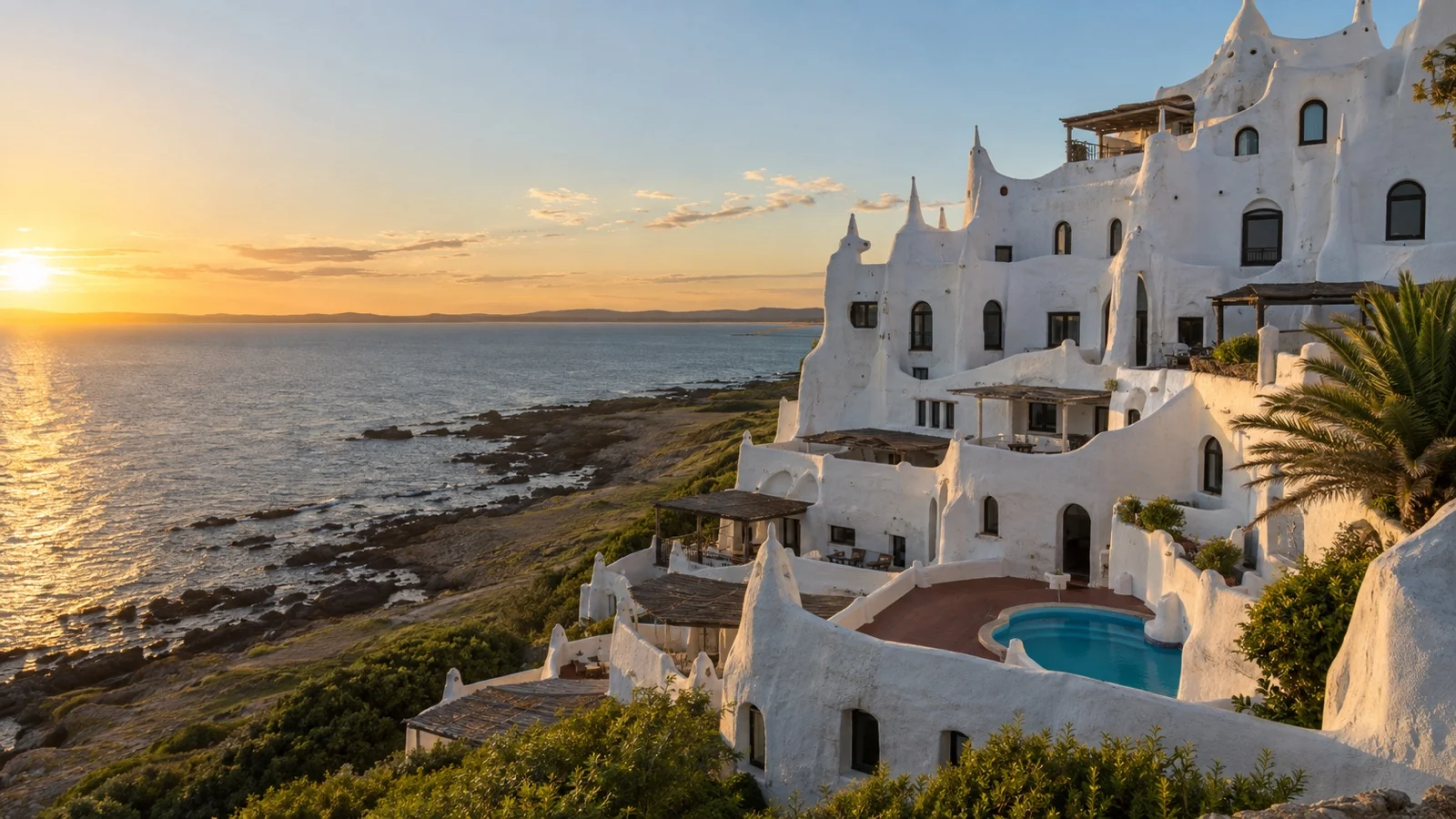
The site operates as a museum and cultural attraction as well as a hotel, and it is not within practical walking distance of the tender port. Use a taxi, private driver, or organized excursion and confirm current visitor hours directly before you go.
Late-day visitors often associate Casapueblo with sunset, but a cruise timetable may not match that ritual. The view and architecture are worthwhile at other times, so do not risk the final tender for a specific light show.
A driver can combine Casapueblo with a panoramic coastal route, but agree on the price, waiting time, and return point in advance. Keep the tour simple because resort traffic can build during peak summer.
Beaches, Art, and Easy Alternatives
Travelers who want a true beach day should choose one side of the peninsula based on current wind and water conditions. Bring sun protection, watch possessions, and leave enough time to rinse off and rejoin the tender line.
The Ralli Museum is sometimes included in art-focused visits, but it sits away from the harbor and its schedule can be limited. Confirm official opening information before paying for transport, especially outside the busiest season.
If the tender runs late, stay near the peninsula rather than forcing an ambitious excursion. The harbor, La Mano, a short coastal walk, and lunch can still create a complete Punta del Este day.
Montevideo or Punta del Este: Which Port Is Better?
Montevideo is the stronger choice for history, food, museums, architecture, and independent exploration. It also handles imperfect weather better because you can move between indoor sights, cafes, and covered dining without making the entire day about the beach.
Punta del Este wins for coastal scenery, resort atmosphere, and a relaxed outdoor day. It is more sensitive to wind, swell, summer crowds, and tender delays, so the best plans remain adjustable.
First-time visitors who love cities will probably get more depth from Montevideo. Travelers who already have several urban ports on the itinerary may appreciate the contrast of Punta del Este.
If your cruise calls at both, avoid duplicating the same kind of day. Use Montevideo for the old city and a parrilla lunch, then give Punta del Este to the peninsula, beaches, and Casapueblo.
Transportation and Money
Walking is the default transportation for central Montevideo and the Punta del Este peninsula. Sidewalk quality varies, and summer heat can make distances feel longer, so comfortable shoes and a flexible route matter.
Taxis and app-based rides are useful for the rambla, Pocitos, Casapueblo, and other sights beyond the core. Use official pickup areas, confirm how the fare is calculated, and keep the port name or tender landing point available in Spanish.
Public buses can be practical for experienced independent travelers, but they are less forgiving on a short call. Routes, payment arrangements, and schedules can change, so consult the current municipal transport source before relying on a connection.
The Uruguayan peso is the national currency, and cards are widely useful in established businesses. Carry a modest amount of local cash for small purchases, but avoid assuming every vendor accepts foreign currency or offers a favorable exchange rate.
Do not build a day around fragile prices quoted online. Ask for the fare before a taxi or tour begins, review the card terminal amount, and keep enough backup funds for an unexpected ride to the ship.
Passports, Entry Rules, and Regional Itineraries
Cruise routes often combine Uruguay with Argentina or Brazil, which can create different entry requirements during one sailing. Your nationality, passport validity, visa status, and the sequence of ports all matter.
Use Uruguay’s immigration and foreign ministry guidance plus your cruise line’s document instructions as the final authority. Do not assume that staying on an organized tour removes the need to meet national entry rules.
A ferry ride between Montevideo and Buenos Aires may look tempting on a map, but it is a poor improvised cruise excursion. International border procedures, terminal check-in, schedules, and delay risk can consume the entire call.
Keep your passport or cruise-issued identification exactly as directed by the ship. Carry a separate copy of key details and the local port agent’s contact information, but protect personal documents from theft and water.
Weather and the Cruise Season
Most cruise calls fall during Uruguay’s warm season, when Montevideo and Punta del Este are lively and outdoor plans feel natural. Summer can also bring strong sun, humidity, sudden rain, and busy resort traffic.
Punta del Este is especially seasonal, with a noticeable difference between peak summer and quieter shoulder months. Restaurants, museums, tours, and beach services may operate on reduced schedules outside the busiest period.
Wind matters in both ports but has a greater operational impact on a tender call. A clear sky does not guarantee calm water, so watch the ship’s announcements before leaving your cabin for an early tender.
Pack sunscreen, a hat, water, and a light layer for wind or air conditioning. If rain is possible, Montevideo’s museums and cafes make the more resilient plan, while Punta del Este may require a complete change of emphasis.
Accessibility and Comfort
Montevideo’s proximity to Ciudad Vieja is helpful, but old sidewalks, curbs, cobbles, and uneven paving can complicate an otherwise short route. Ask the cruise line where accessible transport meets the ship because commercial port controls may limit independent vehicle access.
Punta del Este requires an honest look at the tender process. The ship determines whether a passenger can safely board based on equipment, mobility, and sea conditions, so request the exact procedure before sailing.
Accessible taxis or vehicles should be reserved in advance in either port. When booking a tour, ask about steps, restroom access, walking surfaces, shade, and the amount of time spent getting in and out of the vehicle.
A shorter plan is not a lesser plan. One square and lunch in Montevideo or one waterfront loop in Punta del Este can be far more enjoyable than pushing through terrain that does not suit you.
How to Plan the Best Uruguay Port Day
Begin with the arrival method, then choose one anchor experience. In Montevideo that might be Ciudad Vieja or a waterfront drive, while in Punta del Este it might be the peninsula or Casapueblo.
Add food and one flexible secondary stop. Keep a generous buffer before all-aboard time, and make that buffer larger when tendering or traveling beyond the urban core.
Check official opening hours close to your sailing because museums and cultural venues can close on particular weekdays or adjust seasonally. Reserve only what you would be comfortable losing if weather changes a tender call.
Finally, let Uruguay set the pace. The country is at its best when there is time to notice a courtyard, linger over lunch, or sit beside the water without checking the clock every three minutes.
My Final Take
Montevideo and Punta del Este are an excellent pair because each reveals a different Uruguay. One is a working capital with history close to the gangway, and the other is a tender port built around coast, light, and leisure.
I would choose Montevideo for the easiest independent day and Punta del Este for a carefully timed outdoor escape. Whichever port appears on your itinerary, keep the plan focused and give yourself time to enjoy it.
Port arrangements, tender operations, entry rules, attraction hours, and transport details can change, so confirm current information with your cruise line and the relevant official Uruguayan authorities before sailing. This guide is for general planning and does not replace current immigration, safety, accessibility, weather, or local transport advice.