U.S. Virgin Islands Cruise Ports: St. Thomas and St. Croix Compared
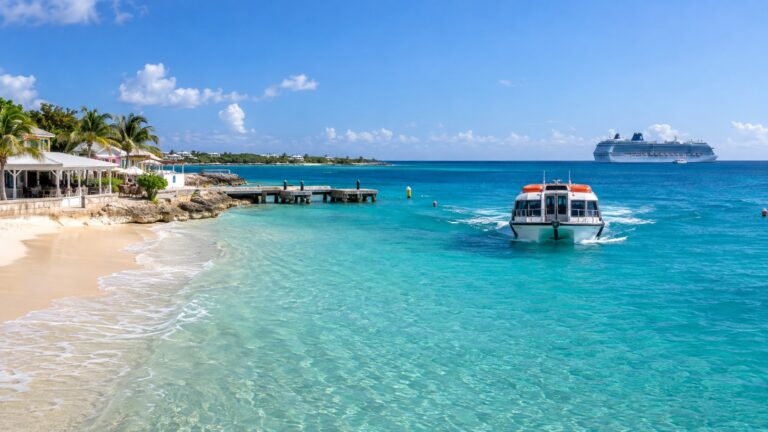
The US Virgin Islands give cruisers two wonderfully different port days. Saint Thomas is the busy hub with beaches, shopping, viewpoints, boat trips, and ferry access to Saint John, while Frederiksted on Saint Croix offers a calmer pier, local history, snorkeling, and room to slow down.
Both islands do turquoise water beautifully, but the logistics are not interchangeable. Saint Thomas has multiple cruise facilities and heavier traffic, while Frederiksted places the ship beside a small waterfront town and a long, exposed pier.
Quick Facts
- Best first USVI port: Saint Thomas offers the broadest mix of beaches, scenery, history, shopping, and marine excursions.
- Easiest arrival: Frederiksted’s pier puts the waterfront, town, and near-shore activities close to the ship.
- Best ambitious day: A carefully timed Saint John trip from Saint Thomas adds national park beaches and trails.
- Official currency: The US dollar is standard, and cards are widely accepted.
- Driving rule: Vehicles drive on the left even though most rental cars have left-side steering.
- Essential strategy: Confirm the exact berth before booking transportation, then protect a generous return margin around traffic, ferries, or boats.
Saint Thomas and Saint Croix create different cruise days
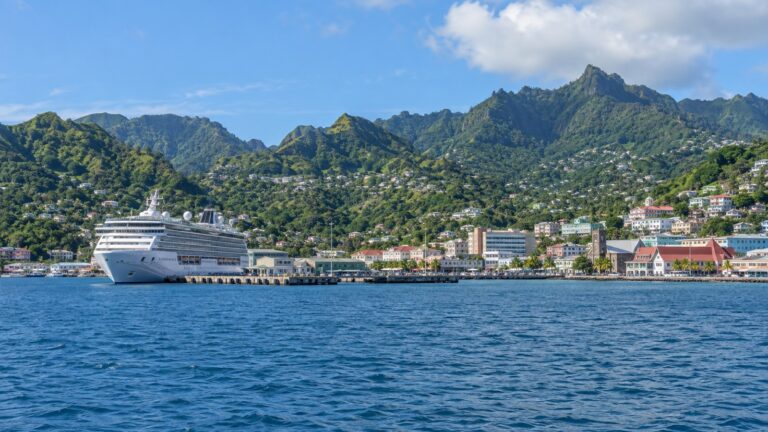
Saint Thomas handles the territory’s largest share of cruise traffic and supports almost every classic Caribbean activity. The choice can feel overwhelming because a beach, downtown visit, island tour, snorkel trip, and Saint John ferry all compete for the same hours.
Frederiksted has a more intimate rhythm. A traveler can walk the pier, explore the town, snorkel nearby, or arrange a wider Saint Croix tour without first escaping a large cruise district.
The official US Virgin Islands tourism site covers Saint Thomas, Saint John, Saint Croix, beaches, culture, marine activities, and cruise information. The ship’s final program still controls the actual berth, gangway, tender, clearance, and all-aboard time.
Saint Thomas
Saint Thomas is the high-choice gateway, and the first planning question is not which beach you want. It is where the ship will dock.
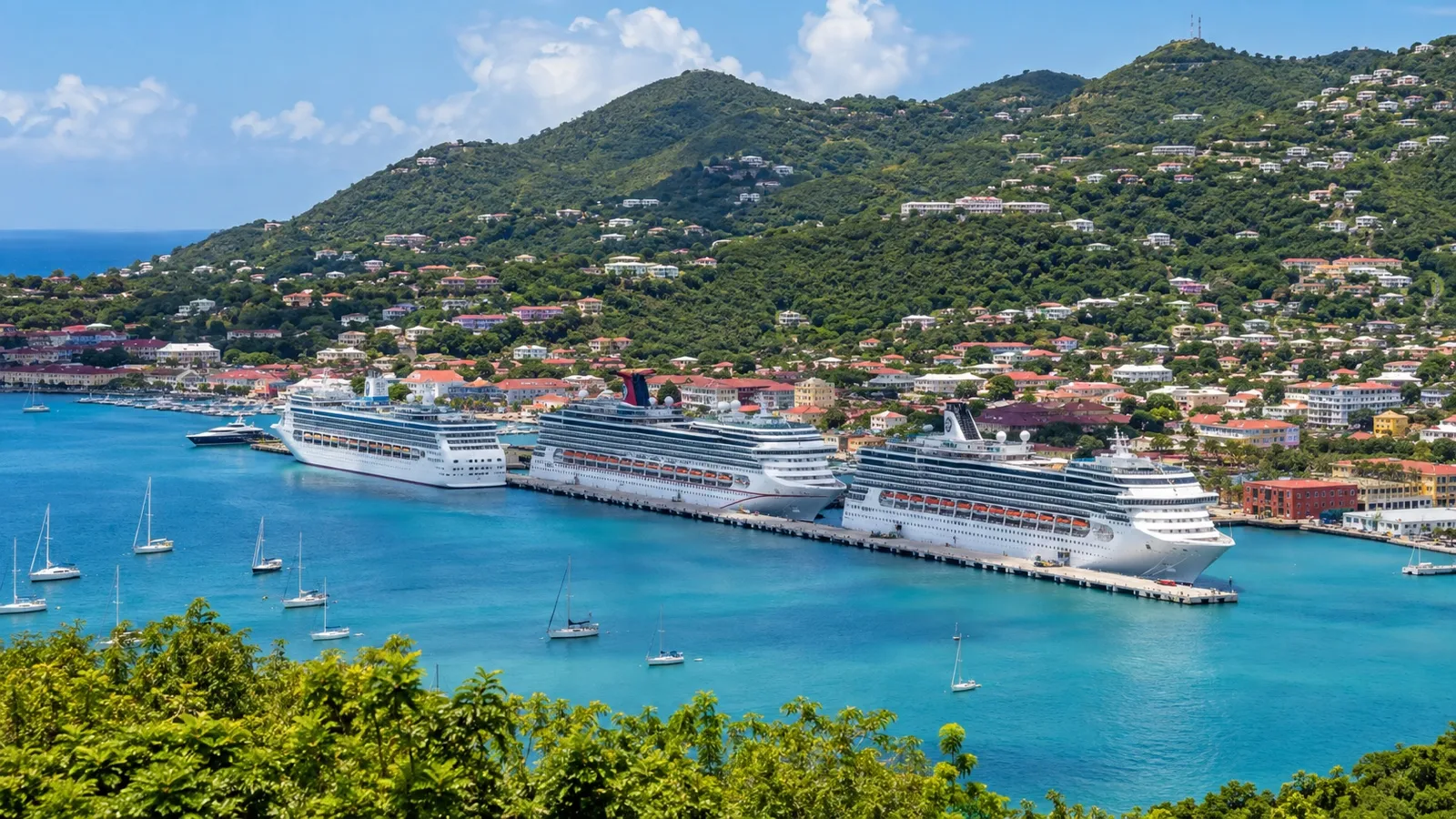
Havensight and Crown Bay sit on opposite sides of central Charlotte Amalie, producing different taxi times and walking options. The Virgin Islands Port Authority maintains current cruise facility and schedule information, so use the terminal name rather than relying on a generic Saint Thomas label.
Charlotte Amalie offers historic streets, Fort Christian, shopping, restaurants, and steep lanes climbing from the harbor. The heat and grades can make a short map distance feel much longer, so add shade and water to any walking plan.
Fort Christian provides valuable context for the island’s Danish colonial history and changing identity. Check current museum hours and entrance details because restoration, events, or operating schedules can affect access.
Paradise Point is convenient from the Havensight side when the aerial tram operates, and the harbor view helps explain the island’s geography. Travelers at Crown Bay should include the cross-town transfer rather than assuming every ship is beside the tram.
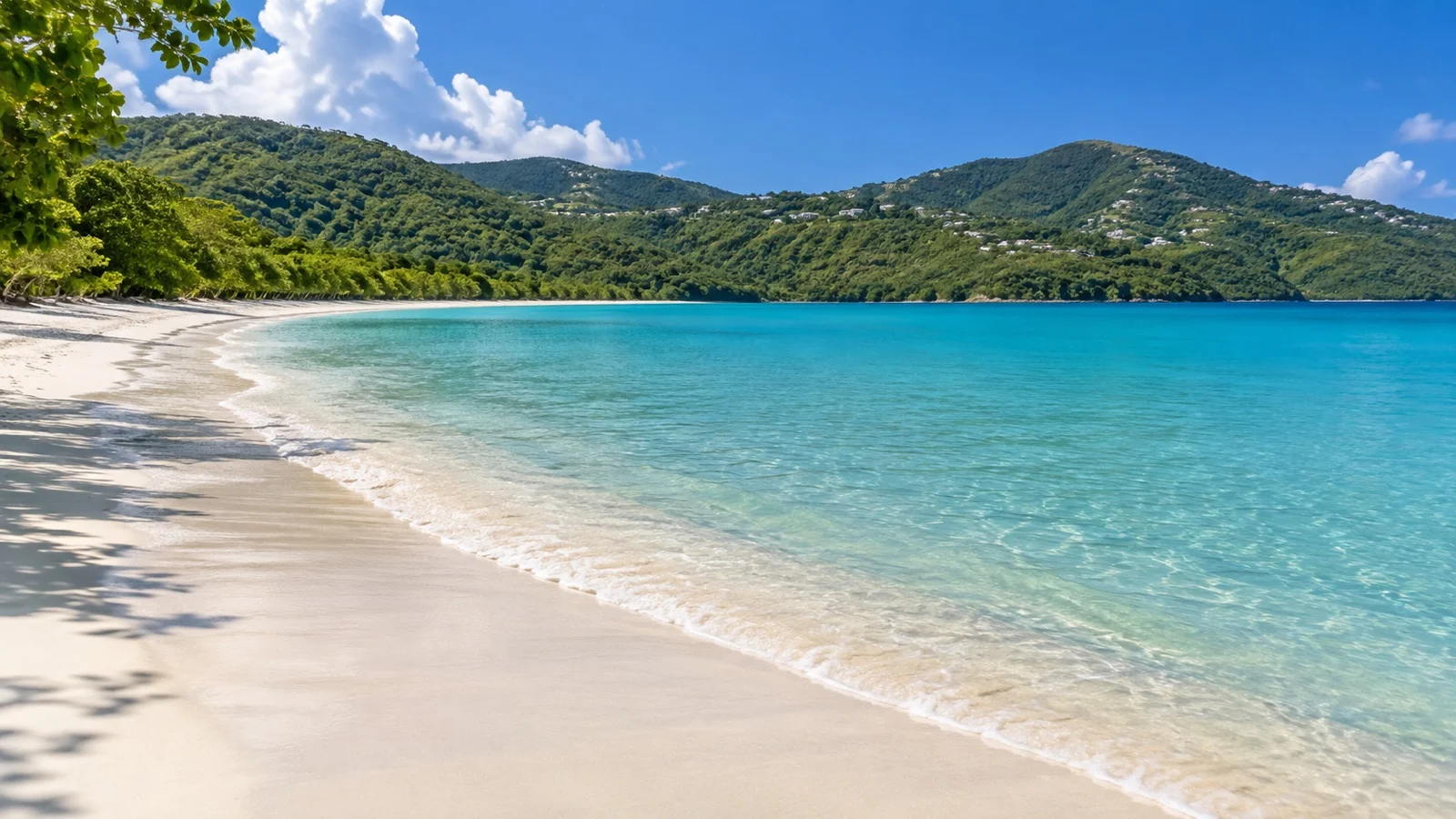
Magens Bay is the famous beach choice, but it is not the only one. Beach conditions, facilities, crowd levels, driving time, and the number of ships in port should matter more than a ranking created on a different day.
Open-air safari taxis are common and practical, though they usually involve high steps, bench seating, and limited room for mobility devices. Agree on the fare, destination, pickup time, and whether the ride is shared before leaving.
Going from Saint Thomas to Saint John
Saint John is a beautiful addition, but it turns one island day into a chain of connections. Most independent plans require a taxi across Saint Thomas, a public ferry, another island transfer, and the same sequence in reverse.
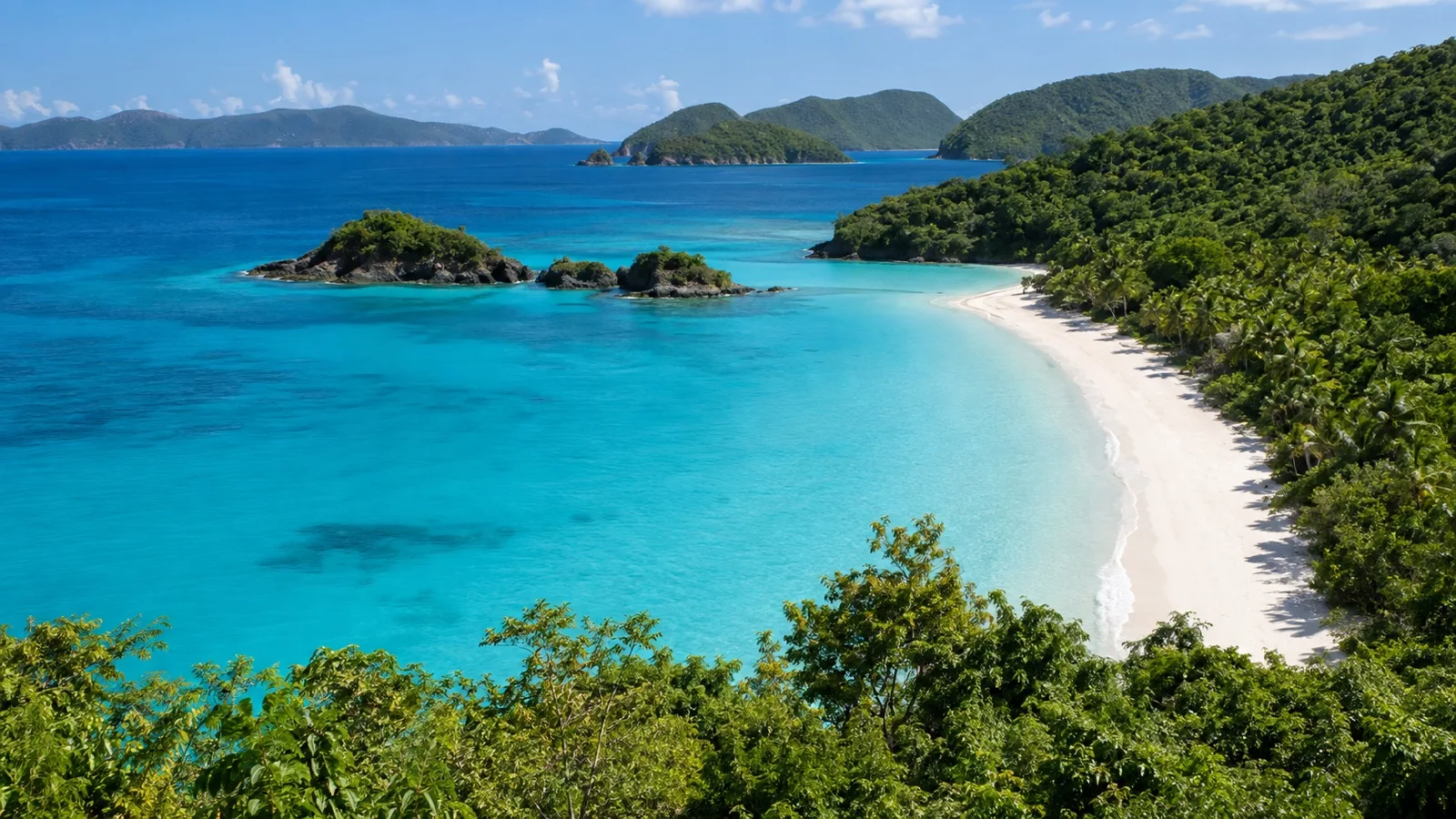
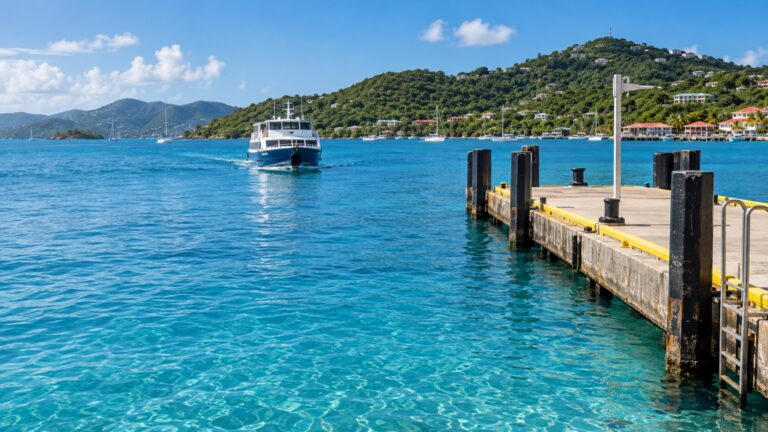
The National Park Service explains that Saint John has no airport and identifies Red Hook as a principal Saint Thomas ferry gateway to Cruz Bay. From Cruz Bay, the park visitor center and Lind Point trailhead are nearby, while famous beaches farther along the north shore require transport.
Choose an outbound ferry with time to spare and keep an earlier return sailing in reserve. A ferry schedule is not a promise that taxis, ticket lines, loading, and road traffic will all move without delay.
Virgin Islands National Park protects much of Saint John, and rules apply to trails, wildlife, reefs, historic resources, moorings, and beaches. Never stand on coral, remove shells, feed animals, or leave trash behind.
Frederiksted on Saint Croix
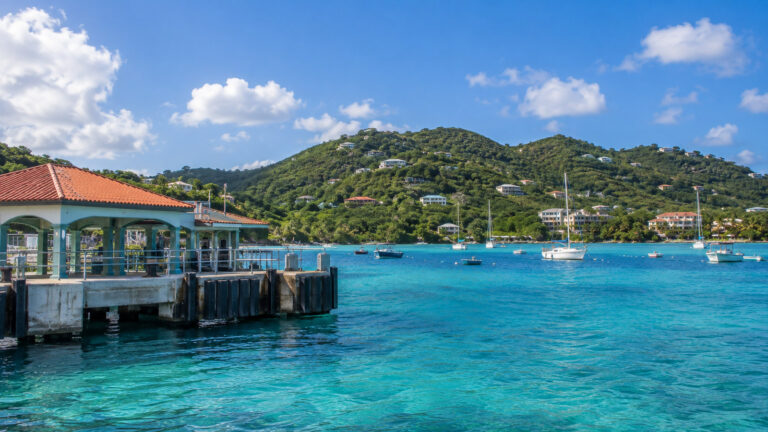
Frederiksted places cruisers at the Ann E. Abramson Marine Facility, a long pier beside the town’s waterfront. The easy arrival makes this one of my favorite ports for a low-stress day.
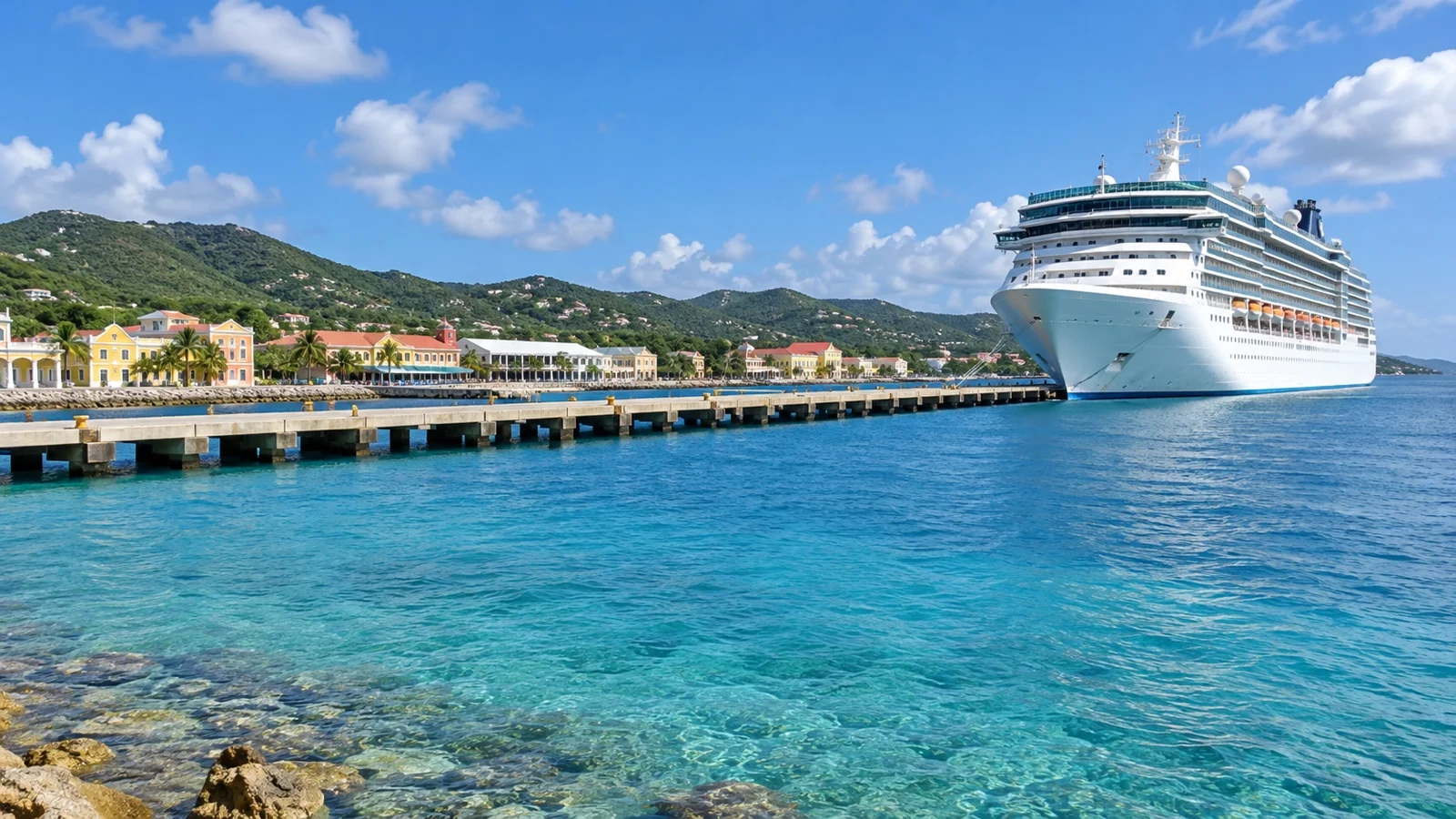
The pier area supports a stroll, local food, historic streets, and near-shore water activities without a major transfer. The walkway is exposed to sun and wind, so comfortable shoes and water matter even when the town looks close.
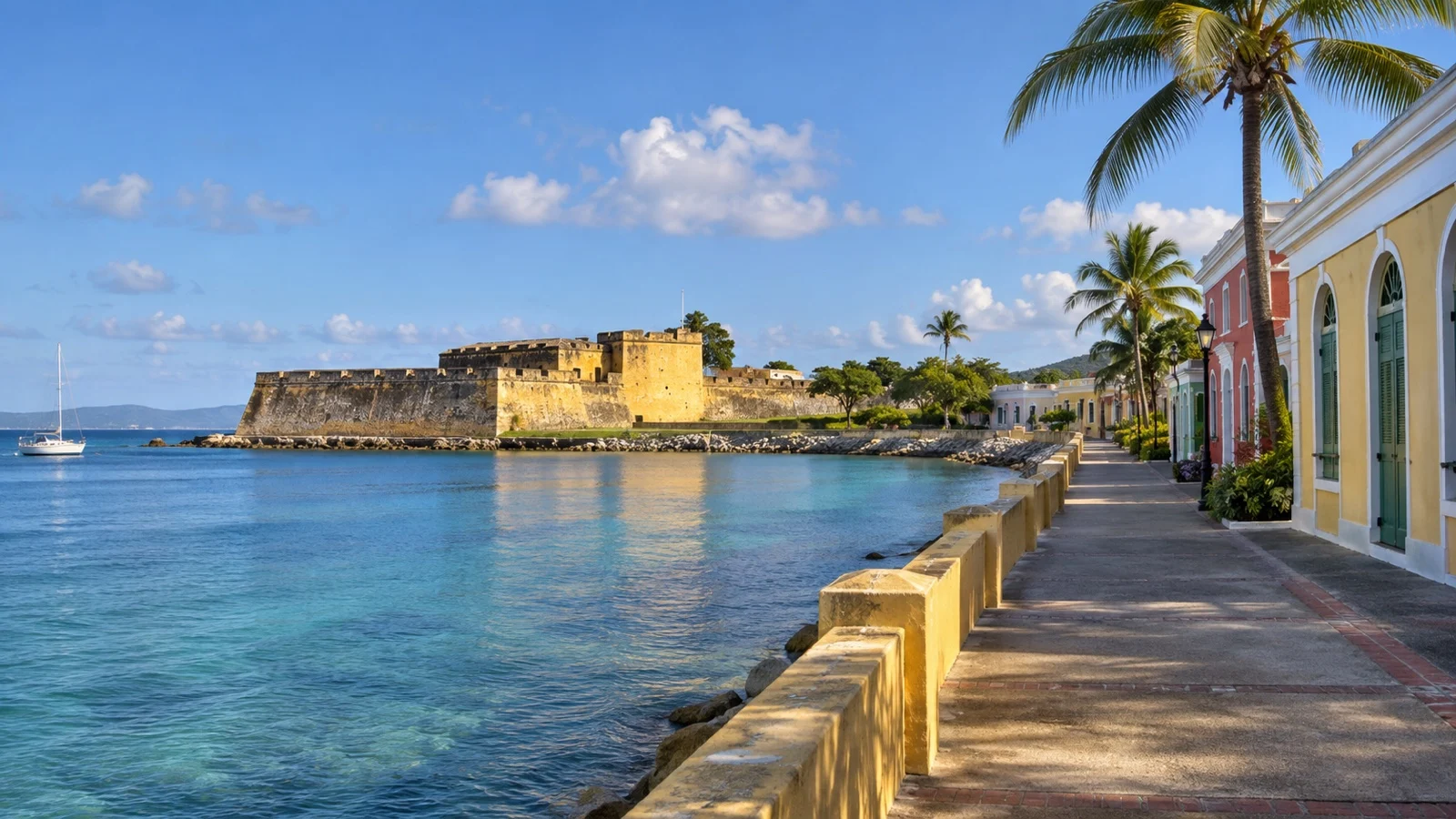
Fort Frederik and nearby historic buildings provide context for Saint Croix’s colonial, maritime, and emancipation history. Check current opening hours before building the day around an interior visit.
Frederiksted’s clear water makes snorkeling and diving appealing, sometimes remarkably close to the pier. Use a reputable operator, stay outside restricted vessel zones, and follow conditions because ship movement and marine traffic change the safe area.
A broader island tour can reach rain forest roads, estates, scenic overlooks, rum history, and Christiansted. Saint Croix is larger than many first-time visitors expect, so choose one side or one theme rather than crossing the island repeatedly.
Christiansted is worth visiting for its waterfront and historic district, but it requires transportation from Frederiksted. A prearranged driver or tour removes the uncertainty of finding a return ride during a busy call.
Docking, tenders, and daily changes
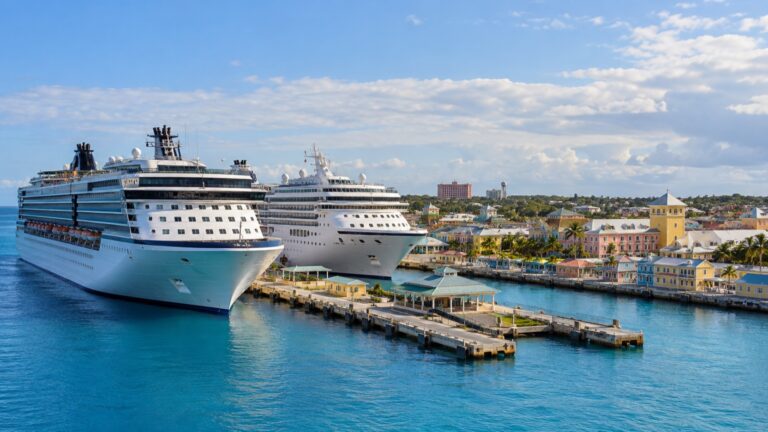
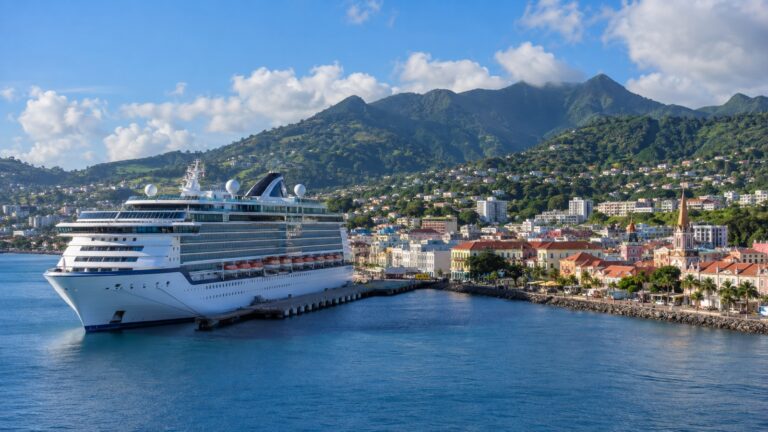
Saint Thomas uses multiple facilities around Charlotte Amalie, including major berthing areas at Havensight and Crown Bay, and may occasionally use tenders. Frederiksted normally centers on its long pier, though every assignment should be confirmed for the specific sailing.
A dock does not make every attraction walkable, and a tender does not automatically ruin the day. Judge the complete route from cabin to destination, including port gates, taxis, boat lines, vehicle steps, and the final return.
If the ship tenders, the crew decides whether actual conditions are safe. Travelers with limited mobility should ask about step height, transfer assistance, and equipment restrictions before assuming the boat can carry a wheelchair or scooter.
Photograph the ship and berth name after arrival. A driver returning to a crowded Charlotte Amalie harbor needs the precise terminal, not only Saint Thomas cruise port.
Transportation and driving on the left
Traffic in Saint Thomas can build around ship arrivals, school hours, downtown, and the routes to major beaches or Red Hook. Work backward from all aboard and add time for the final taxi queue.
Saint Croix is more spacious, and the drive between Frederiksted and Christiansted takes a meaningful portion of the call. Keep one driver for a multi-stop route instead of assuming a taxi will be waiting at every attraction.
Vehicles drive on the left in the USVI, while many cars have the steering wheel on the left. Visitors who rent should be especially cautious at intersections, turns, and steep roads.
Ship excursions are most valuable for Saint John, multi-stage marine trips, or broad Saint Croix routes where a delay would be hard to solve. Independent touring works beautifully for Charlotte Amalie or a simple Frederiksted plan when the return is clear.
Documents and customs
The US Virgin Islands are a US territory, but cruise-document requirements still depend on citizenship, voyage type, departure port, and any foreign calls. A closed-loop cruise from a US port and an international itinerary can require different proof.
Follow the cruise line and current US Customs and Border Protection guidance rather than assuming domestic air-travel rules answer every cruise question. A passport is often the most resilient document when an emergency changes the route.
Travelers leaving the USVI may encounter customs procedures that feel different from another domestic destination. Keep receipts for significant purchases and follow the ship’s declaration instructions.
Weather and hurricane season
The USVI stay warm throughout the year, with seasonal shifts in rainfall, humidity, wind, and tropical-weather risk. Winter and spring are popular for drier conditions, while summer and fall require greater flexibility.
The Atlantic hurricane season officially runs from June through November, though storms do not follow vacation calendars perfectly. Use the National Hurricane Center for official tropical outlooks and cruise-line notices for itinerary changes.
Wind and swell affect ferries, tenders, snorkeling, and the comfortable side of an island. Ask a local operator which beach fits the day’s conditions rather than insisting on a famous name.
Pack sun protection, water, a compact rain layer, and secure footwear for boats or steep streets. Trade winds can make the sun feel gentle right up until the evening sunburn appears.
Money, phones, and practical details
The US dollar is the official currency, and card acceptance is broad. Small cash remains useful for taxis, tips, beach vendors, lockers, and purchases when a card terminal loses its connection.
US phone plans may include the islands, but coverage and roaming terms vary. Keep ferry schedules, contacts, maps, and all-aboard time available offline before relying on the network.
English is the main official language used by visitors, with local Caribbean speech and culture giving each island its own character. Ask respectfully if a place name or pickup point is unclear rather than guessing.
Accessibility and mixed-age groups
Saint Thomas offers many established services but also steep grades, safari-taxi steps, ferries, and beach sand. Frederiksted’s pier is comparatively straightforward, though it is long, exposed, and may lead to vans, boats, or uneven historic streets.
Ask about gangways, tender transfers, vehicle type, wheelchair storage, restroom access, firm beach paths, sand, boat boarding, and the longest continuous walk. An attraction can be accessible while the taxi or ferry that reaches it is not.
Wheelchair and scooter users should reserve an adapted vehicle early and provide exact dimensions, weight, and battery details. Confirm whether the chosen beach has a beach wheelchair and whether it can be reserved.
Mixed-age groups do best with one shared anchor and an obvious meeting point. Frederiksted supports an easy split between town and waterfront, while Saint John plans are calmer when everyone uses the same ferry return.
How I would choose an itinerary
For a first visit, I would choose Saint Thomas because the island offers the broadest menu. A viewpoint, Charlotte Amalie, and one beach can become a classic Caribbean day without adding another island.
Choose Frederiksted when easy arrival, snorkeling, history, and slower pacing appeal more than a famous checklist. The port is valuable precisely because it can be excellent without a dawn-to-all-aboard operation.
If both appear, let Saint Thomas carry the ambitious plan and keep Saint Croix flexible. That balance makes the itinerary feel varied rather than exhausting.
A Saint John day makes sense when the ship has a long call and ferry timing is favorable. If the connections look tight, stay on Saint Thomas and save Saint John for a land trip.
Common planning mistakes
The biggest Saint Thomas mistake is booking transport without knowing the berth. Havensight and Crown Bay change the first and last transfer, especially for Red Hook or downtown.
Another mistake is treating Saint John as one simple ferry ride. Count both taxis, ticketing, loading, the island transfer, and an earlier return sailing in reserve.
On Saint Croix, do not confuse a quiet pier with a tiny island. Christiansted and broader island sights require real road time from Frederiksted.
Frequently asked questions
Which US Virgin Islands port is best for a first visit?
Saint Thomas is the broadest first visit because it offers beaches, shopping, scenery, history, and boat connections. Frederiksted is easier for travelers who value calm pacing and immediate waterfront access.
Do cruise ships dock or tender?
Saint Thomas has major cruise berths and can occasionally use tenders, while Frederiksted normally uses its long pier. Confirm the specific assignment because schedules and operations change.
Can I explore independently?
Both ports support independent days. Saint John from Saint Thomas requires disciplined ferry and taxi timing, while Frederiksted is especially easy near the pier.
Should I book through the ship?
Use the ship for Saint John, a multi-stage boat outing, or a wide Saint Croix route when return protection matters. Independent touring works well for compact plans and reputable local operators.
My final advice
The USVI are easy to enjoy when the day has one purpose. Choose a beach, town, island tour, or ferry adventure, then leave enough room for the warm water and hillside views to feel like the destination rather than the background.
I would plan Saint Thomas around the exact berth and plan Frederiksted around how little transport the day truly needs. Both islands reward a schedule with space in it.
How this guide was researched: This guide was independently checked on September 11, 2026, against the Virgin Islands Port Authority, US Virgin Islands tourism authority, National Park Service, US Customs and Border Protection, National Hurricane Center, and current cruise-line guidance.
Reconfirm the berth or tender, documents, ferry schedule, park access, weather, transportation, accessibility, and final return time before sailing because live conditions can change.