Caribbean Cruise Ports by Region: How to Choose
Planning a Caribbean cruise and staring at a wall of port names? Here is how I sort them.
This is a decision hub, not a single-port guide. I group the main ports by region, tell you dock or tender, and give a one-line read on the vibe so you can pick the itinerary that fits your day.
Choose your Caribbean loop first
Western Caribbean leans into adventure: reefs, Maya ruins, cave tubing, and beach clubs. It is the region for snorkelers and families who want a big excursion.
Eastern Caribbean mixes beaches, shopping, and several easy dockside towns. It is a practical first cruise if you want simple days ashore without making “safer” claims that depend on the island and current conditions.
Southern Caribbean suits travelers who want the Dutch Caribbean, drier weather on the ABC islands, and strong snorkeling choices. Bahamas loops are shorter from Florida, but Nassau crowds and private-island inclusions vary by ship and line.
Western Caribbean Ports
Cozumel, Mexico
Docked at one of three piers, with cheap, plentiful taxis into San Miguel. This is the region’s reef-and-beach-club heavyweight: snorkel tours, calm water, and tacos in town, all covered in my Cozumel cruise port guide.
Costa Maya, Mexico
Docked at a purpose-built port village with a pool, shops, and bars right off the ship. The vibe is mellow: a short ride reaches Mahahual’s laid-back beach road, and Chacchoben’s Maya ruins are the headline excursion.
Our Costa Maya cruise port guide covers the terminal layout and how far the walk really is.
Grand Cayman (George Town)
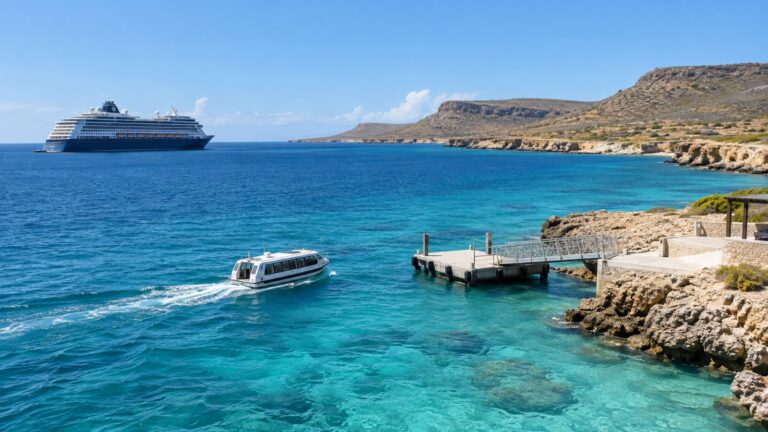
This is a tender port: ships anchor and passengers are ferried ashore to one of three terminals, so build in extra buffer. The payoff is that famous clear water: Seven Mile Beach, Stingray City, and Rum Point, all in my Grand Cayman cruise port guide.
Roatan, Honduras
Docked at either Mahogany Bay or Coxen Hole, depending on your line. Lush and reef-fringed, it is a snorkeler’s island: West Bay’s coral is the draw, with sloth encounters and West End cafes close behind.
There is more on berths, transport and timing in our Roatan port guide.
Belize City, Belize
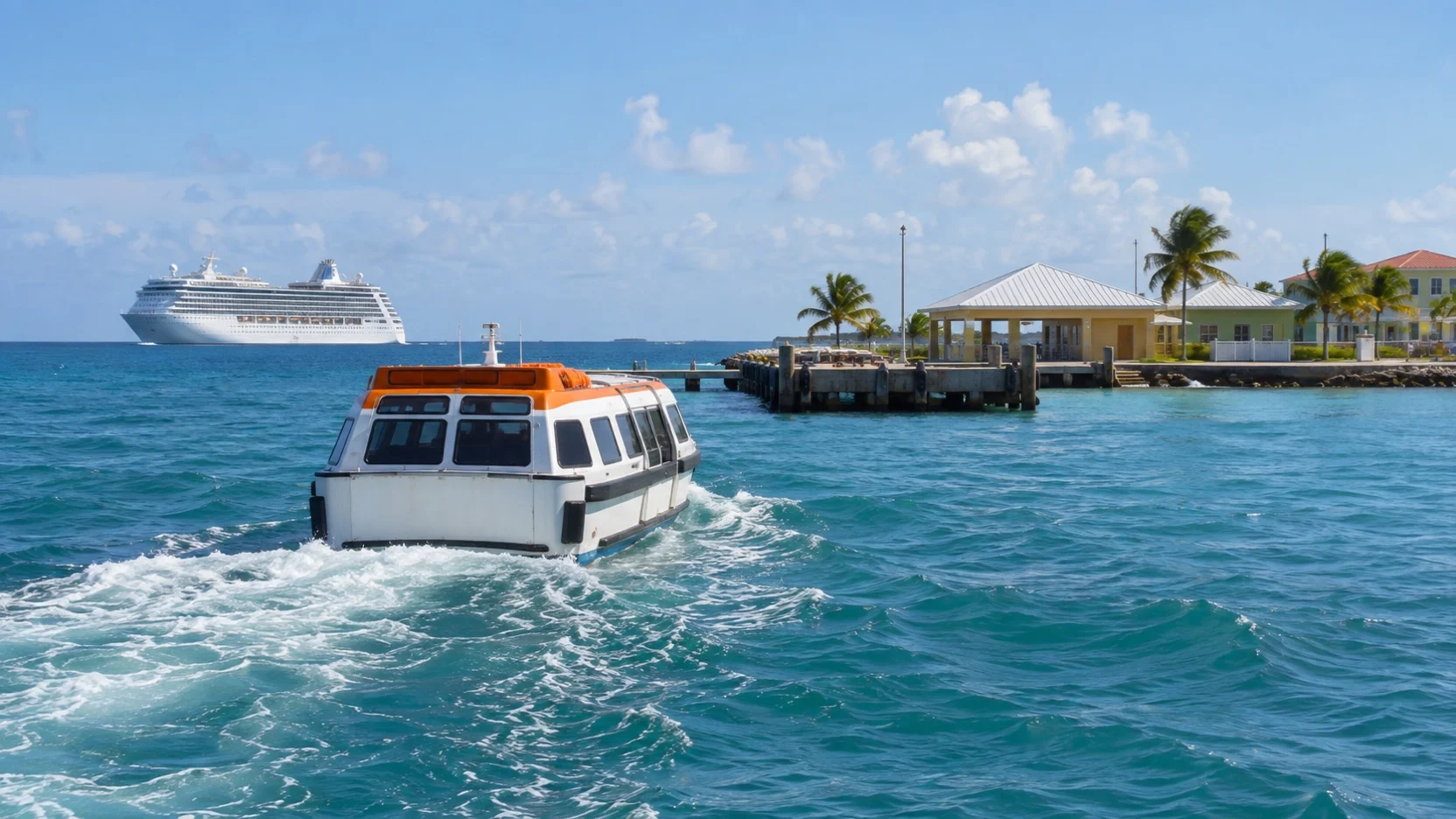
This is a tender port: ships anchor offshore and tender guests to the Fort Street area, so a pre-booked tour is the smart move. It is a launchpad for big adventures: Altun Ha and Lamanai ruins, cave tubing, and reef snorkeling.
Eastern Caribbean Ports
San Juan, Puerto Rico
Docked right at Old San Juan, one of the most walkable arrivals in the Caribbean. Cobblestone streets, pastel facades, and the forts of El Morro and San Cristobal are steps away; details are in my San Juan cruise port guide.
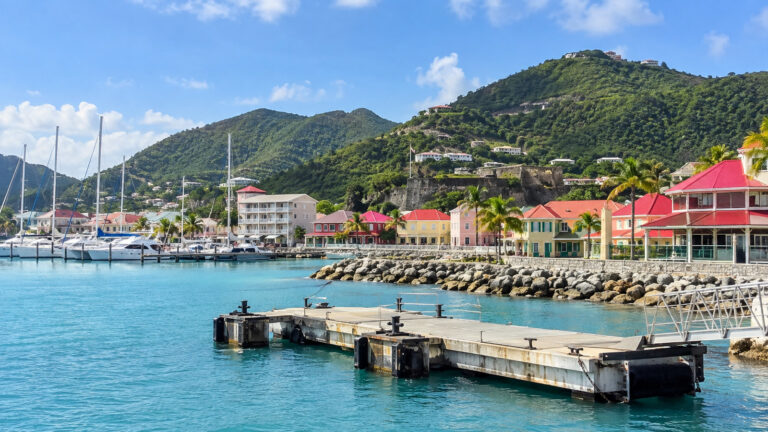
St. Thomas (Charlotte Amalie), USVI
Docked at Havensight or Crown Bay, with taxis for the beaches and viewpoints. It is the classic beach-plus-shopping day: the Skyride to Paradise Point and calm Magen’s Bay are the signatures of a St. Thomas beach day.
St. Maarten (Philipsburg)
Docked about a mile from Front Street, with a water taxi, walk, or regular taxi into Philipsburg. Maho Beach can take much longer than the map suggests when traffic builds, so my St. Maarten cruise port guide explains the return buffer.
St. Kitts (Basseterre)
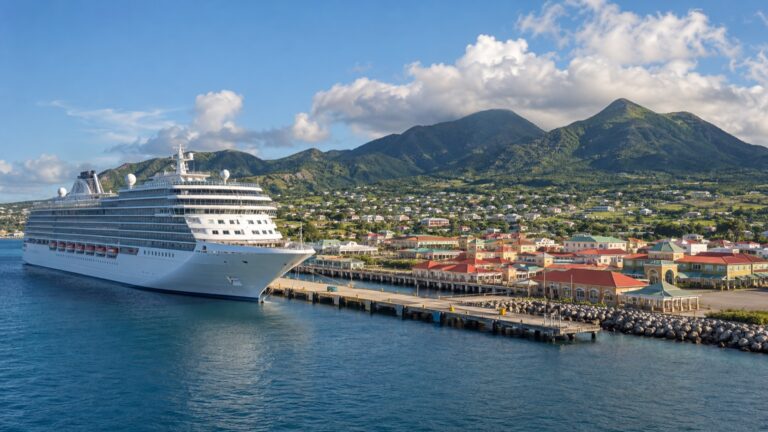
Docked at Port Zante, with shops and town right at the gangway. The pace is mellow and scenic: Brimstone Hill Fortress and the St. Kitts Scenic Railway are the standout half-day trips.
Antigua (St. John’s)
Docked at Heritage Quay or the Nevis Street Pier, steps from town. This is a pure beach island (locals boast a beach for every day of the year), with Nelson’s Dockyard as the historic counterpoint.
For the full picture of what the pier is like on the day, see our Antigua port guide.
Grand Turk, Turks and Caicos
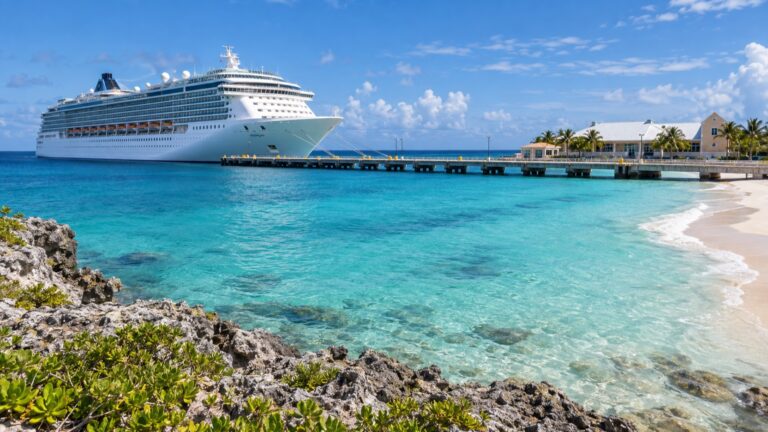
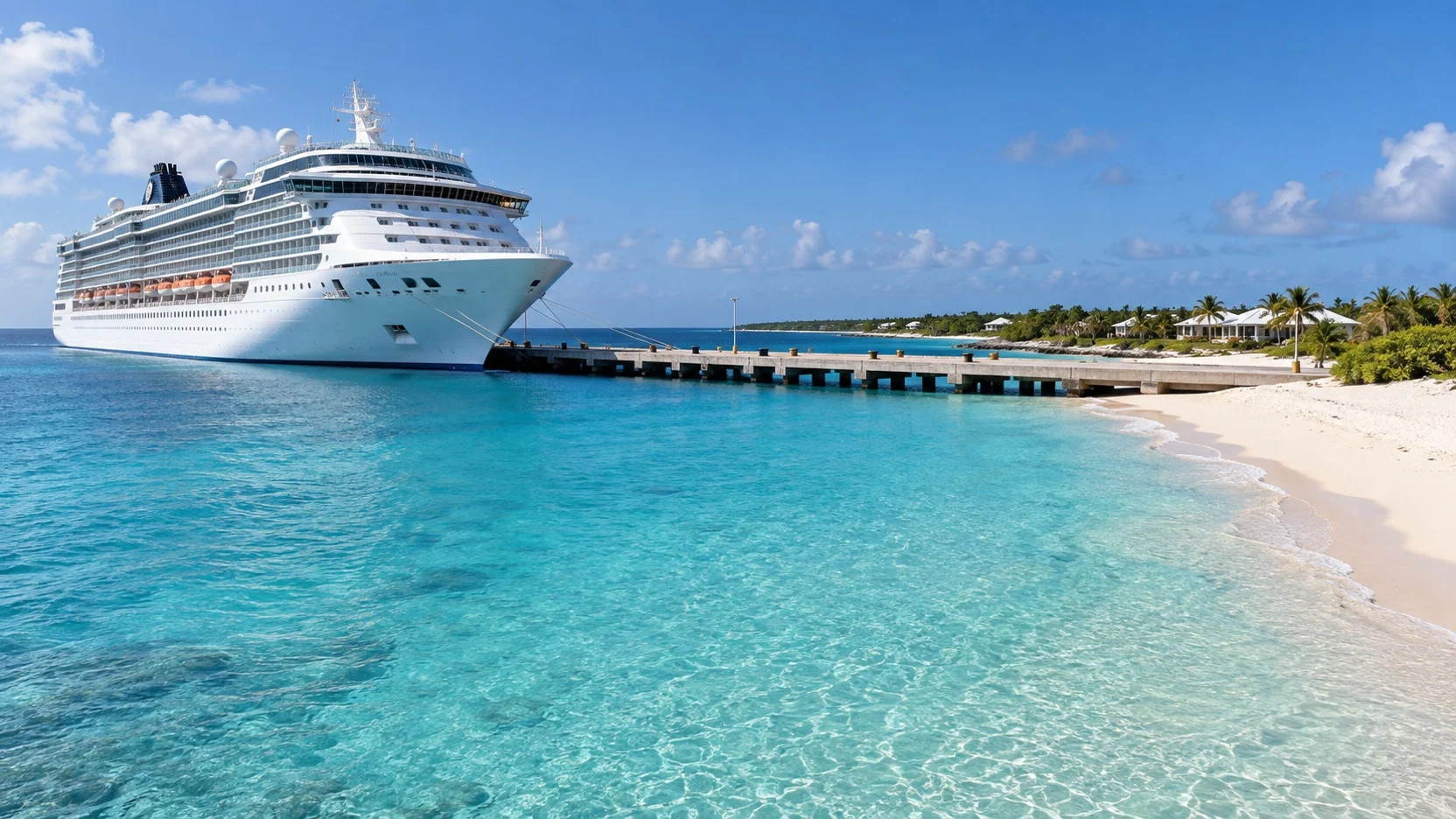
Docked at the Grand Turk Cruise Center, with a beach and pool beside the pier. It is a low-transfer day, although shade, loungers, food, and quieter sand may require walking, paying, or taking a taxi beyond the busiest area.
Southern Caribbean Ports
Aruba (Oranjestad)
Docked a short walk from downtown Oranjestad, with easy buses and taxis to the sand. The dry climate makes it the region’s most reliable sun: Eagle and Palm Beaches are the headliners here.
Our Aruba cruise port guide covers the terminal layout and how far the walk really is.
Curacao (Willemstad)
Docked beside the candy-colored Handelskade, this is a walk-everywhere town. The Queen Emma floating bridge and Dutch-Caribbean facades make it a photographer’s port, mapped out in my Curacao cruise port guide.
Bonaire (Kralendijk)
Docked beside Kralendijk, steps from town. Bonaire’s protected marine park rewards confident snorkelers, but the best entries may need transport, a guide, water shoes, and any current nature fee; Klein Bonaire also needs a timed water-taxi return.
Barbados (Bridgetown)
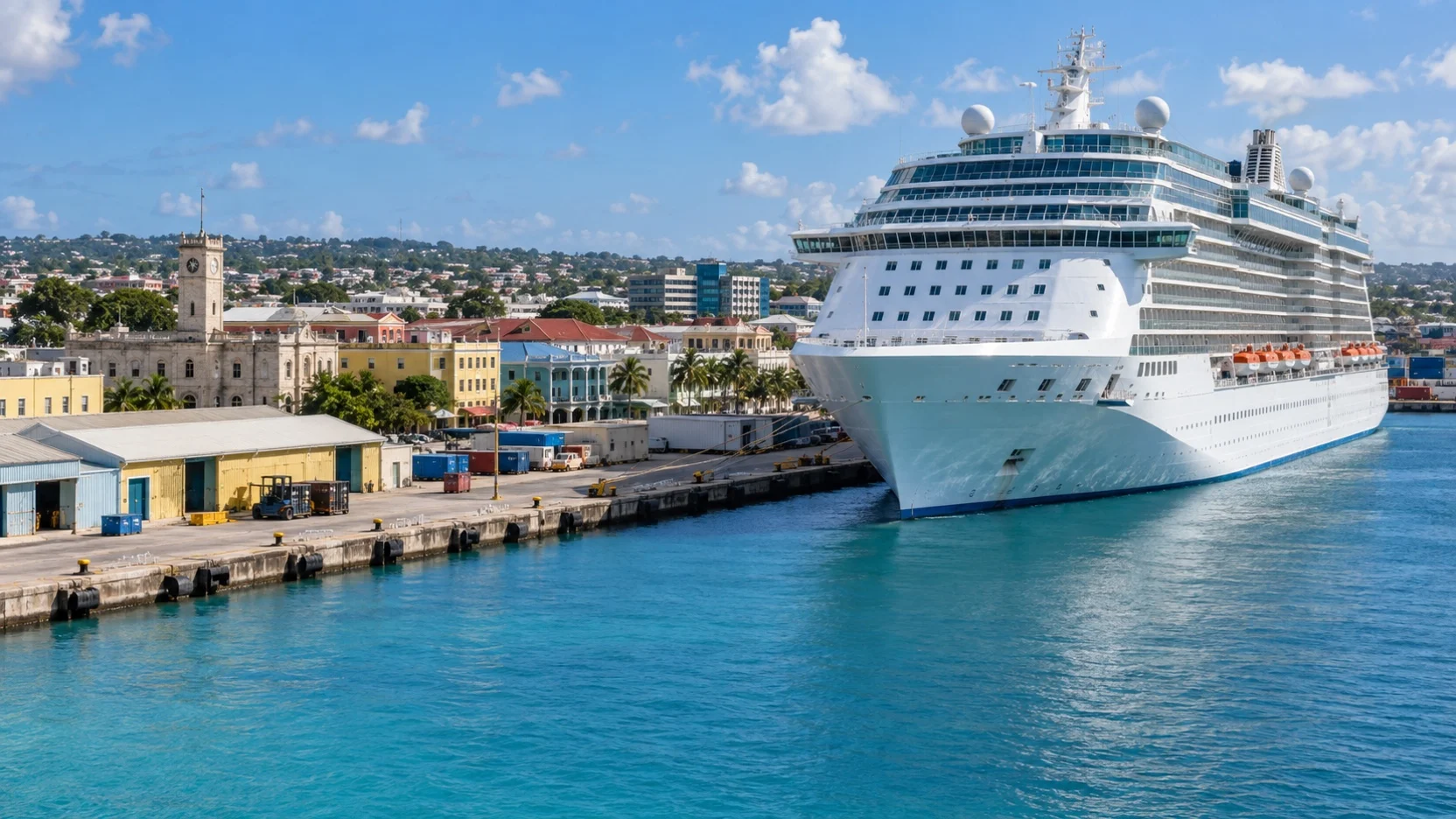
Docked at Bridgetown Port, a short taxi from town and beaches. The mix is beach plus heritage: Carlisle Bay’s shipwreck snorkeling and the historic Garrison area anchor a classic Bridgetown day.
Bahamas: Nassau and the Private Islands
Nassau, Bahamas
Docked at the revamped Nassau Cruise Port, with a walkable historic core right outside. Expect the Queen’s Staircase, the straw market, and beach clubs a taxi or ferry away; the official Bahamas tourism site and my Nassau cruise port guide cover the options.
Bahamas private islands
Whether you dock or tender depends on the island: CocoCay, Ocean Cay, and Great Stirrup Cay have piers, while Half Moon Cay and Princess Cays normally tender. Food and basic beaches may be included, but cabanas, premium areas, water sports, drinks, and some transport cost extra.
How to turn the region into a workable day
For a four- to six-hour call, choose one beach, town, or excursion and keep the transfer short. With seven to nine hours, combine a half-day activity with a nearby beach or town, but do not pair two long cross-island trips.
At Grand Cayman, Belize City, or a tendered private island, budget for ship tender tickets and the return line. For an independent trip, aim to reach the port area 60 to 90 minutes before all aboard, and add more for island traffic or a boat connection.
Accessibility and disruption
Docking is easiest for a wheelchair or mobility scooter, but beaches may have soft sand and local vans may lack lifts. Tender access depends on the ship, transfer equipment, sea conditions, and whether the device can be safely handled, so ask about each call before booking.
Atlantic hurricane season runs June 1 through November 30, and a storm can reroute an itinerary even when the destination has clear skies. Winter cold fronts can also create swell in the northern Caribbean, while heat and short tropical downpours matter year-round.
Quick answers
Which Caribbean cruise ports require a tender?
Grand Cayman and Belize City normally tender, as do Half Moon Cay and Princess Cays, but every daily program can change with weather and operations.
Which region is best for first-timers?
Choose the Eastern Caribbean for several simple town-and-beach days, or the Western Caribbean if a major reef, ruins, or cave excursion matters more than easy logistics.
Where is the snorkeling best?
Bonaire, Cozumel, Roatán, and Grand Cayman are strong choices, but select the operator and site for that day’s wind, current, experience level, and marine-park rules.


How this guide was researched: Port arrivals, private-island access, regional weather, and transport tradeoffs were checked in September 2026 against official port, line, tourism, and hurricane-season guidance. Operations change, so verify the daily program and see our Editorial Policy.