Jamaica Cruise Ports: Ocho Rios to Montego Bay Guide
Jamaica is not one cruise port with interchangeable excursions. Ocho Rios, Montego Bay, Falmouth, Port Antonio, and the Kingston area each open onto a different part of the island, and the port name should control what you attempt in a single day.
The best Jamaica calls are focused: one waterfall, one beach or river experience, or one cultural route with a dependable return. Long cross-island drives can turn a joyful day into a race, so I would choose the strongest experience within the natural orbit of the ship.
Quick facts for Jamaica cruise ports
- Main cruise gateways: Ocho Rios, Montego Bay, Falmouth, Port Antonio, and occasional Kingston-area calls
- Best for waterfalls: Ocho Rios
- Best for resorts and easy beach days: Montego Bay
- Best port-area heritage: Falmouth
- Best for a quieter nature day: Port Antonio
- Best for music and urban culture: Kingston with an organized plan
- Currency: Jamaican dollar, while United States dollars are often accepted in visitor areas
- Transportation: Licensed taxi, vetted tour operator, or cruise excursion
My quick take on choosing a Jamaica port day
Start by checking the exact port and all-aboard time in the ship’s daily program. Then choose one anchor activity within the same region and treat everything else as optional.
A traveler in Ocho Rios can reach Dunn’s River Falls efficiently, while a passenger in Montego Bay has a much easier resort or beach day. Falmouth works well for heritage and north-coast excursions, and Port Antonio rewards travelers who slow down for rivers, coves, and scenery.
The official Jamaica Tourist Board covers the island’s cruise gateways, resort areas, and visitor experiences. Use it to understand the destination, then confirm the actual excursion logistics through your cruise line or operator.
Ocho Rios Cruise Port
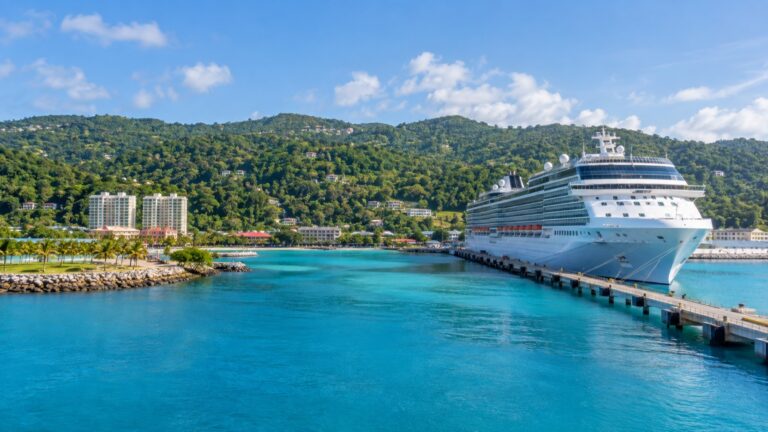
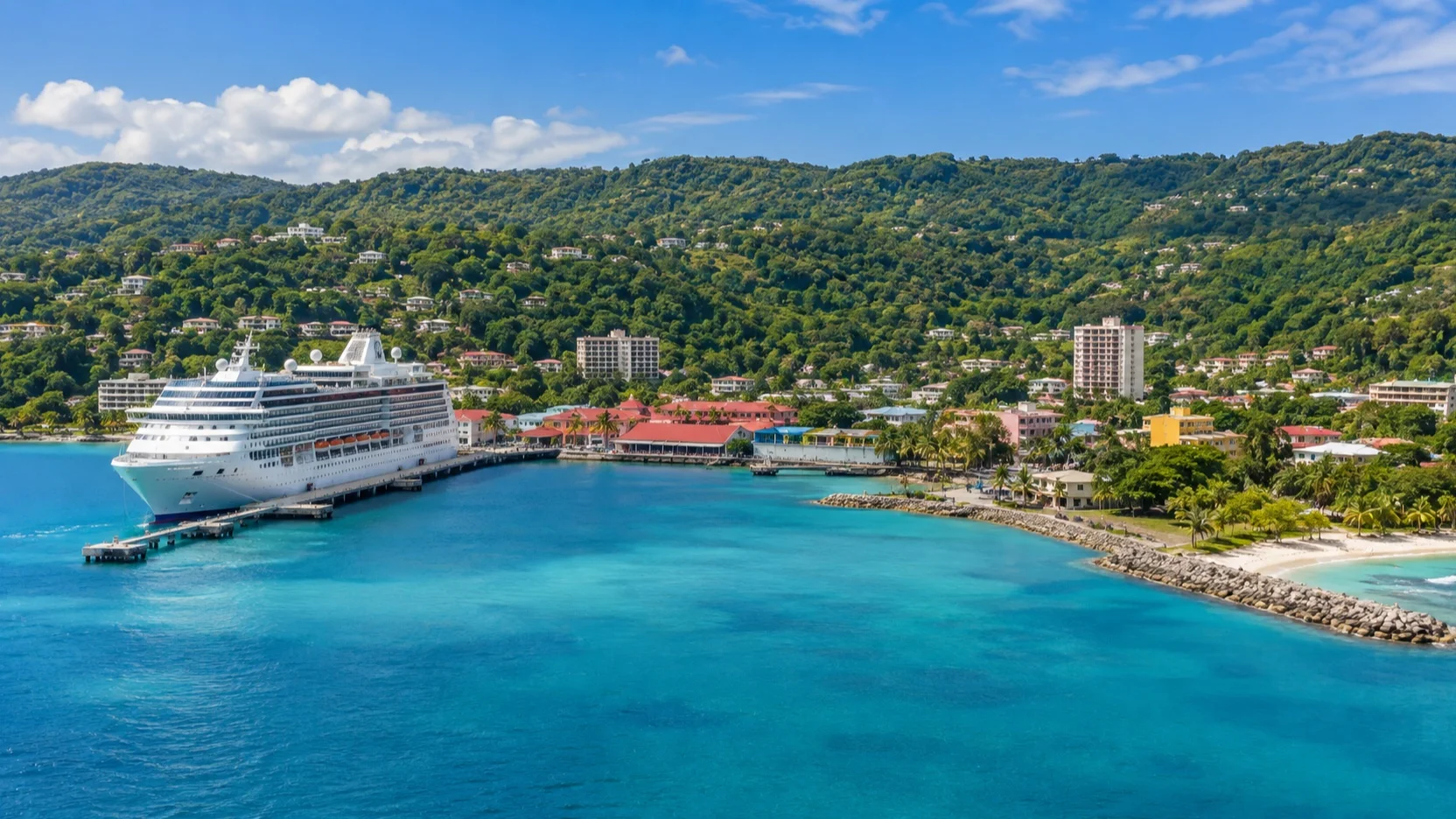
Ocho Rios is Jamaica’s most excursion-heavy cruise stop, with waterfalls, gardens, adventure parks, and beaches clustered along the north coast. Ships may use different berth arrangements, so follow the daily information rather than assuming every gangway opens beside the same exit.
The port area connects quickly with the town, shops, transportation, and tour meeting points. Independent walking can suit a simple central visit, but the famous attractions require a taxi or organized excursion.
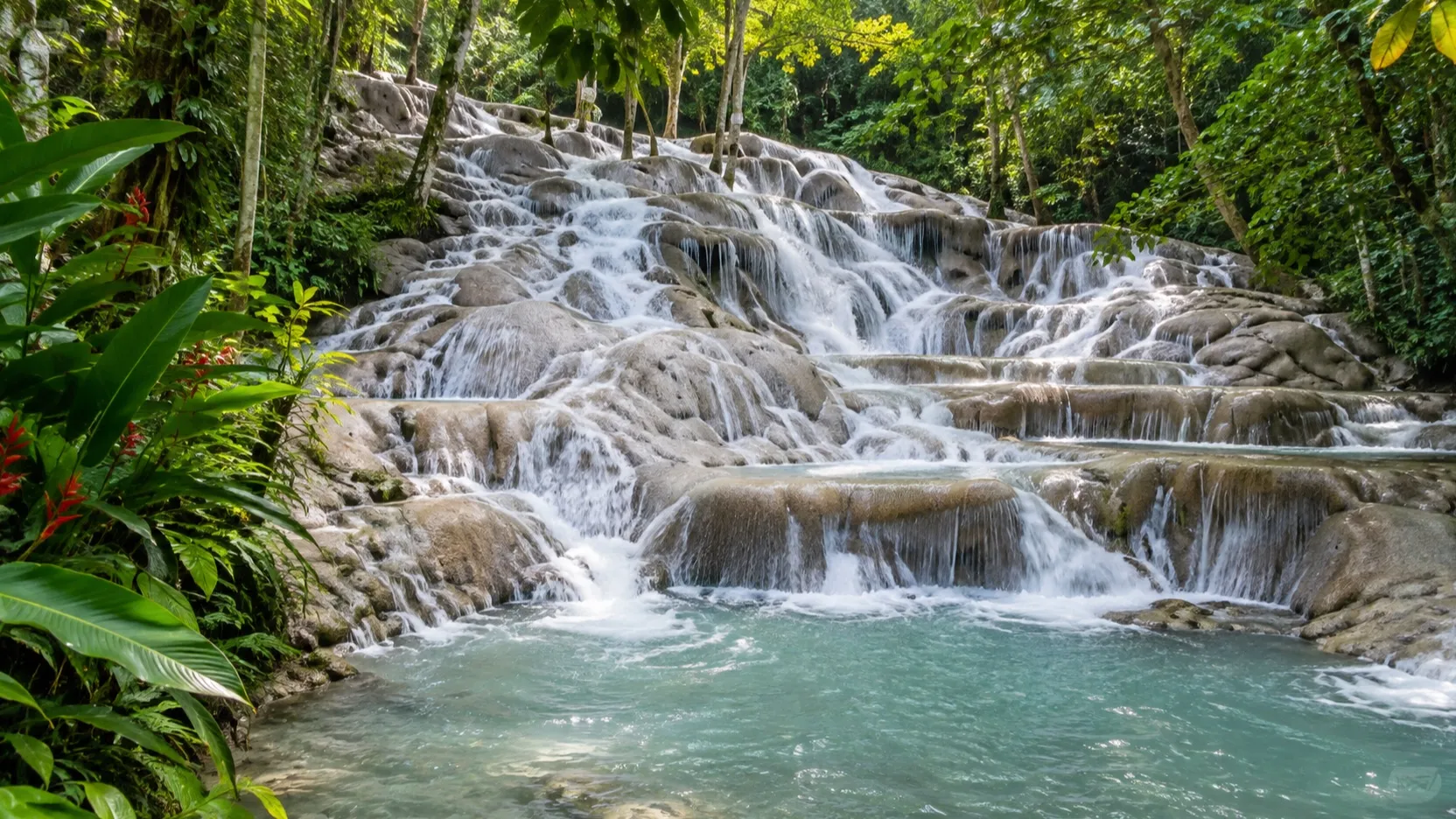
Dunn’s River Falls
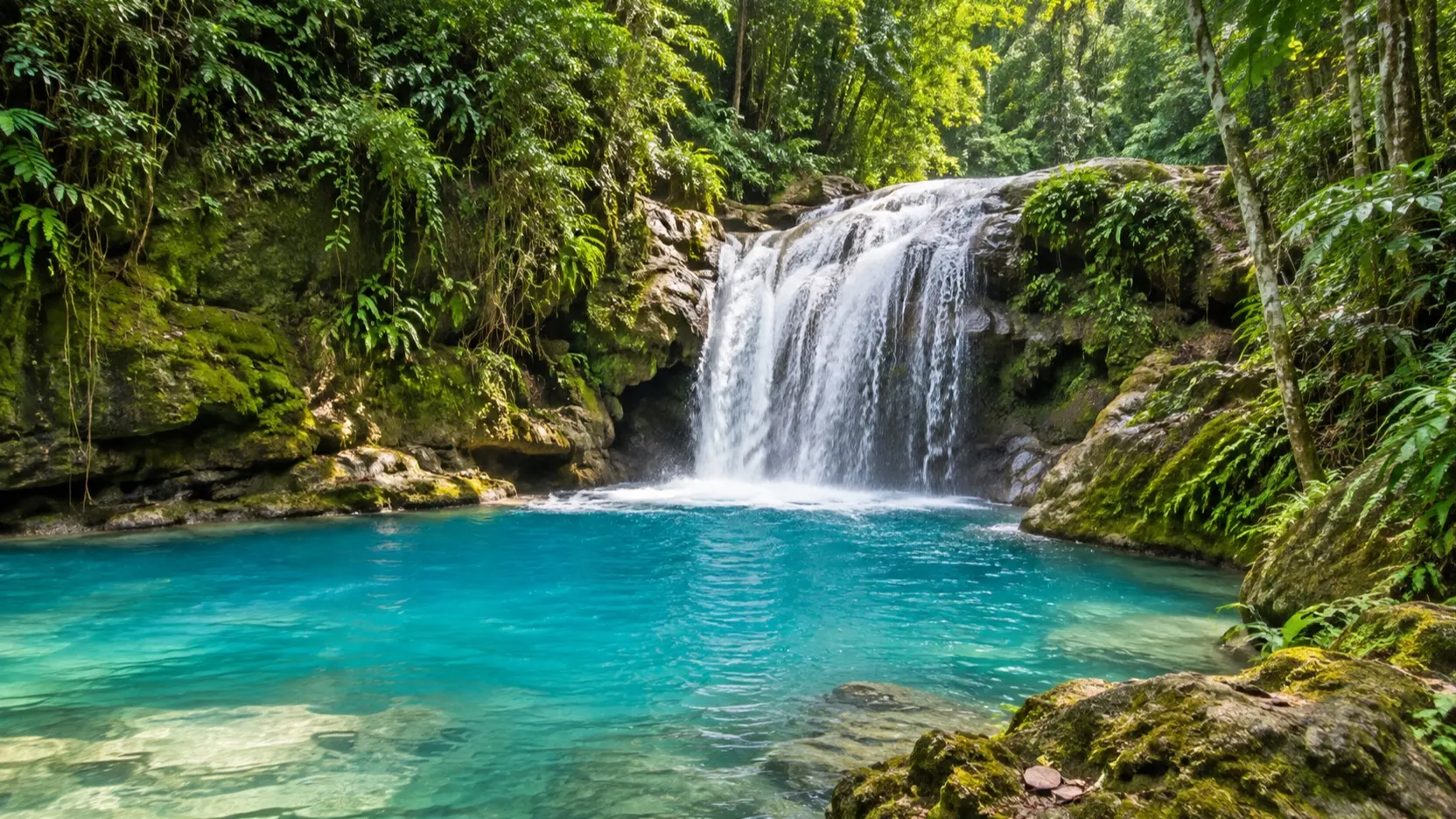
Dunn’s River Falls is the classic Ocho Rios outing, where water descends over terraced rock toward the sea. Visitors may join a guided human-chain climb or use paths and viewing areas according to current operations and personal comfort.
Wear secure water shoes and bring only items that can get wet. Check the official site for admission, opening, lockers, accessibility, and any activity restrictions rather than relying on a bundled tour description.
The climb involves moving water, slippery rock, uneven footing, and group pacing. Travelers with balance concerns can enjoy the setting without completing the full climb, but they should verify available viewing routes before arrival.
Mystic Mountain and adventure parks
Adventure attractions near Ocho Rios may offer chairlifts, bobsled-style rides, zip lines, pools, and forest views. Choose a package that matches your mobility, height, weight, and medical requirements because not every activity is suitable for every guest.
Combine one park with the falls only when transfer and admission times fit comfortably. Buying too many components can leave you paying for activities you have no time to use.
Blue Hole and river experiences
Blue Hole outings are popular for swimming, jumping, rope swings, and waterfall scenery, but the physical demands vary by route and water conditions. Use a vetted guide, confirm safety equipment, and never feel pressured to jump or climb.
Heavy rain can change river flow and visibility even when the weather at the pier appears pleasant. Respect any closure or route change as a safety decision.
For a deeper port-specific plan, use our Ocho Rios cruise port guide. It keeps the day centered on the attractions that make sense from this berth.
Montego Bay Cruise Port
Montego Bay ships generally use the Freeport cruise facilities west of the resort center. The terminal is not a pleasant walk to the Hip Strip or major beaches, so plan transportation before leaving the controlled port area.
This port is strongest for resort passes, beach clubs, Rose Hall-area attractions, and relaxed coastal days. Travelers who want waterfalls can find options, but a long transfer toward Ocho Rios should be weighed against time lost on the road.
Beach and resort days
A prebooked resort day can simplify chairs, restrooms, food, security, and the return ride. Confirm exactly what the pass includes, whether transportation is bundled, and whether the beach facilities are accessible without steps.
Doctor’s Cave Beach is a well-known central option, but crowding, admission, and chair availability vary. A taxi is the practical choice from the cruise terminal, and the return pickup should be agreed before you settle in.
Hip Strip and town time
The Gloucester Avenue visitor area has restaurants, shops, bars, and access to popular beaches. It can support an independent half-day, yet you should remain aware of surroundings and use established transportation rather than wandering into unfamiliar streets.
Prices may be quoted in Jamaican or United States dollars, so confirm the currency before paying. Keep small notes separate from your main cards and passport.
Rose Hall and west-coast excursions
Rose Hall-area experiences may combine heritage interpretation, estate stories, golf, shopping, or resort facilities. Read the tour description critically and distinguish documented history from entertainment built around legends.
Rafting, river, and countryside trips can also work from Montego Bay when the operator accounts for road conditions. Do not add a distant beach afterward unless it lies naturally on the return route.
Our Montego Bay cruise port guide explains the Freeport setting and the choices between beach, resort, and touring days. Use it before booking a transfer based only on a map pin.
Falmouth Cruise Port
Falmouth’s cruise complex sits beside a historic Georgian town and creates the easiest contained port-area experience of Jamaica’s major gateways. Passengers can browse shops and find transportation inside the visitor zone, then walk into town only after checking current local guidance.
The port lies between Montego Bay and Ocho Rios, which makes excursions in either direction possible but not equally efficient. Road traffic and attraction queues should decide whether a headline sight is worth the long round trip.
Historic Falmouth
Falmouth grew through the plantation economy and maritime trade, leaving an important architectural and social history. A guided walk can explain the town’s buildings, water system, churches, markets, and the central role of slavery far better than a quick independent circuit.
Choose a tour that treats that history honestly and includes local voices. The visual charm of Georgian buildings should not erase the exploitation that created much of the town’s early wealth.
Good Hope and countryside experiences
Estate and countryside excursions near Falmouth can include river activities, adventure components, food, or heritage interpretation. Verify which elements are operating on your date and whether the itinerary involves stairs, rough ground, swimming, or long waits.
A single well-run countryside activity is usually enough. Adding Dunn’s River Falls or a Montego Bay beach can create an unnecessarily long day unless the operator designs the route around ship time.
Using Falmouth as a base for Dunn’s River Falls
Dunn’s River Falls is reachable from Falmouth, but it is a substantial road trip compared with visiting from Ocho Rios. A cruise excursion or reputable operator with a protected return plan is the safer way to manage it.
Check how much time the tour actually spends at the falls after transfers and staging. A long excursion title can hide a short experience on site.
Our Falmouth cruise port guide gives more detail on the heritage district and regional excursion tradeoffs. It is especially useful when choosing between a local day and a cross-coast attraction.
Port Antonio Cruise Port
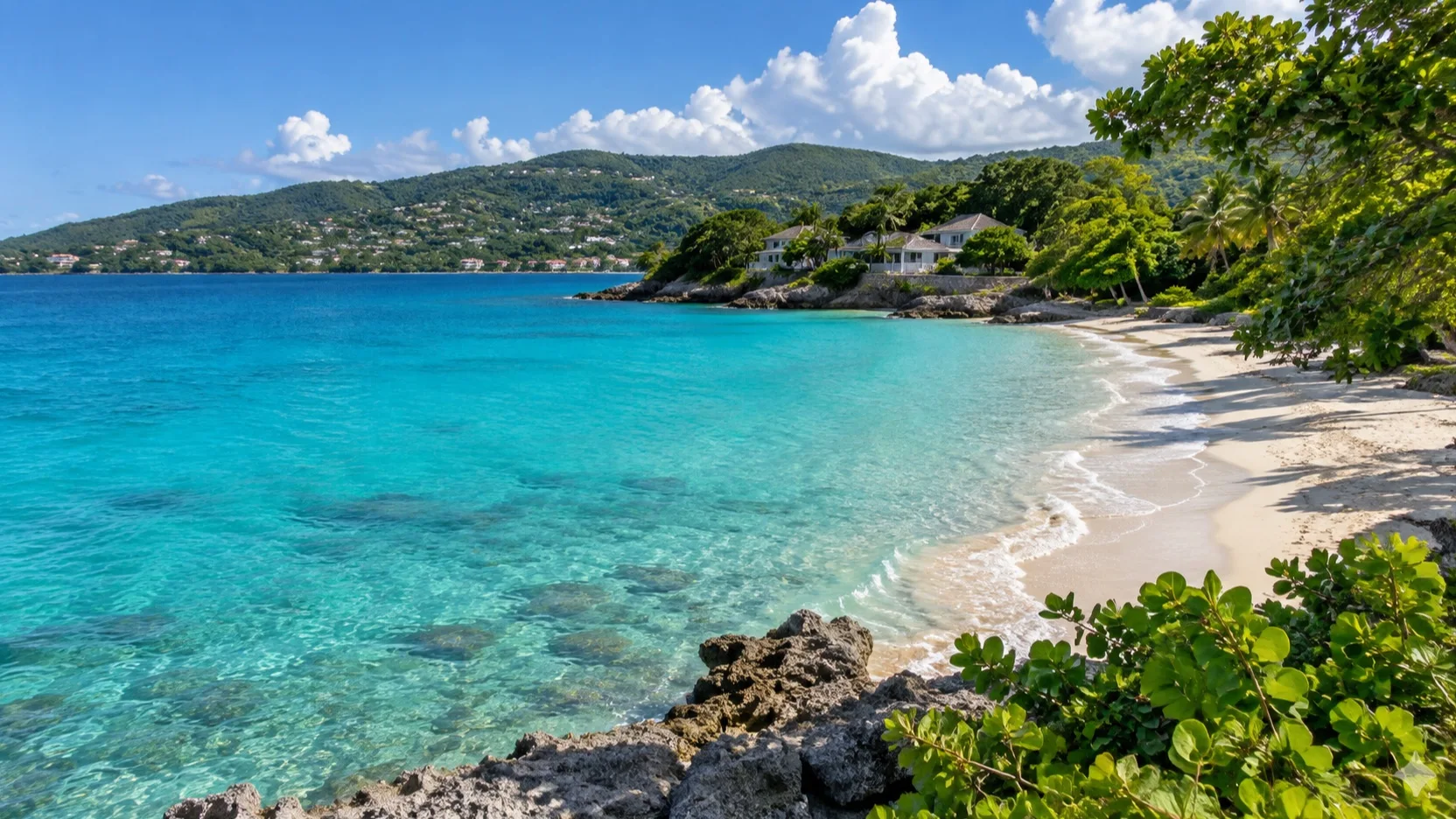
Port Antonio feels greener, quieter, and less standardized than Jamaica’s larger cruise stops. Smaller ships may berth or tender according to the call, and the arrival arrangements should be confirmed through the ship.
This is the port for river scenery, coves, beaches, and a gentler day rather than a crowded chain of commercial attractions. Transportation is still essential because the best-known places spread along winding roads outside town.
Blue Lagoon
Blue Lagoon is known for deep blue-green water, surrounding vegetation, and a sheltered coastal setting. Access arrangements have changed over time, so check current official or operator guidance before treating it as guaranteed.
Boat rides, swimming, and shoreline access should be booked only through a recognized provider. Confirm where you enter, where belongings stay, and whether changing or restroom facilities are available.
Rio Grande rafting
Traditional bamboo rafting on the Rio Grande offers a slower journey through lush scenery. It requires road transfers and river time, making it a dedicated excursion rather than a brief add-on.
Water level and weather can affect the operation. Ask about seating support, sun exposure, restroom stops, payment, and the return schedule before departure.
Beaches and coves
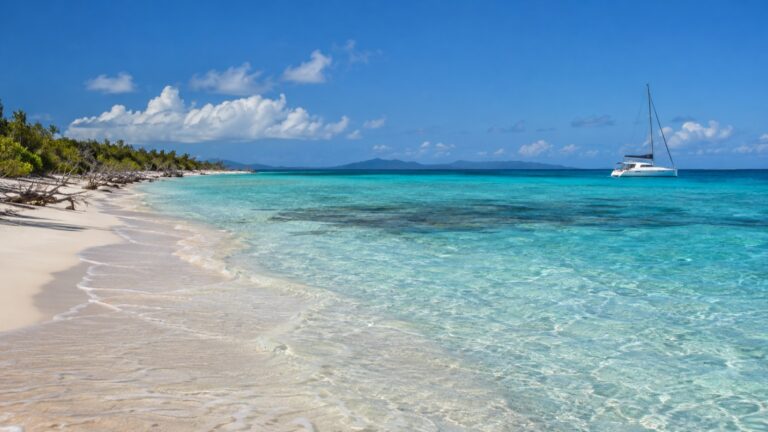
Frenchman’s Cove, Boston Bay, and other coastal stops may fit a Port Antonio day according to current access and the ship’s schedule. Each has different swimming conditions, facilities, and road distance, so choose one rather than trying to sample the entire coast.
Boston Bay is also associated with jerk traditions, but food stalls and service vary. Choose freshly cooked food served hot and leave enough time for preparation rather than ordering as the vehicle is due to depart.
See our Port Antonio cruise port guide for a focused look at the marina, tender possibilities, rivers, and coves. This is the Jamaican port where a flexible local guide can add the most value.
Kingston and Port Royal cruise calls
Some itineraries call in the Kingston area or identify Port Royal as the destination. The exact berth and transportation plan matter because Kingston is a large working capital, not a compact resort town organized around the cruise terminal.
This is Jamaica’s strongest port for music, museums, food, and urban history. It also requires the most deliberate routing and current security awareness, so I would choose a cruise excursion or established local operator.
Music and cultural history
The Bob Marley Museum, Trench Town Culture Yard, National Gallery, Devon House, and other sites can anchor a focused Kingston day. Opening hours, reservation rules, and travel time between them should be checked directly because city traffic can reshape the plan.
Do not try to turn a short call into a full survey of Jamaican music history. One museum and one food or heritage stop create more time for context and conversation.
Port Royal
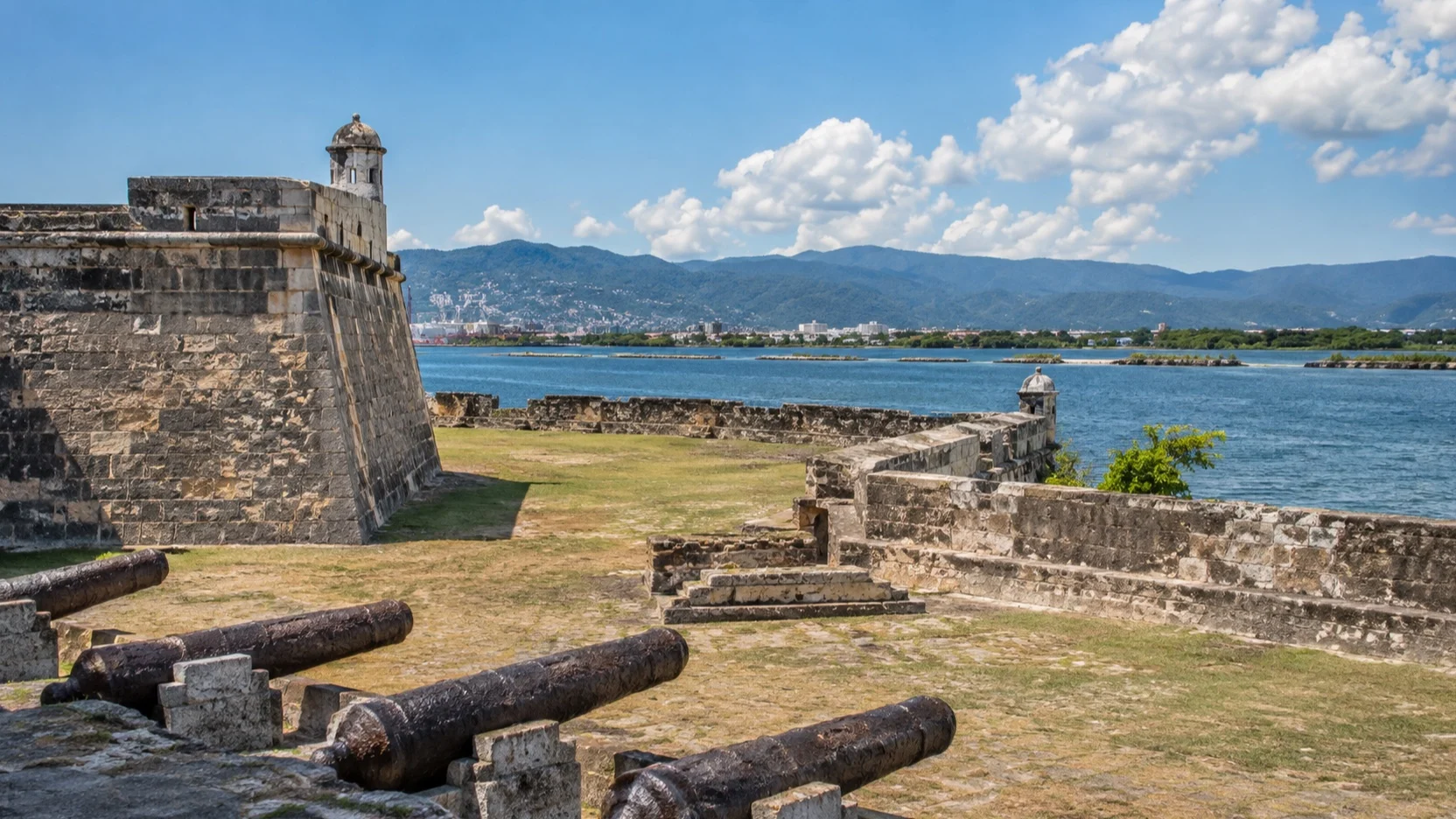
Port Royal offers maritime, colonial, earthquake, and naval history at the mouth of Kingston Harbour. Access to specific heritage sites, museums, and guided areas can change as conservation and development continue.
Treat Port Royal as its own experience rather than assuming it is a quick extension of central Kingston. Confirm whether your ship’s arrival point makes the historic area easier or harder to reach.
Getting around Jamaica from a cruise port
Licensed taxis
Use the authorized transportation area at the port and agree on the destination, total price, currency, waiting time, and return pickup before leaving. A taxi hired for several hours should have a clear itinerary and a driver who understands the all-aboard deadline.
Do not assume every taxi operates with a meter. Ask the port transportation desk what system applies at your terminal and get the agreed amount in writing when possible.
Independent tour operators
A good local operator can create a more flexible day and keep spending within Jamaican communities. Look for a clear business identity, recent references, appropriate insurance, working seat belts, and a cancellation policy that covers schedule changes.
Share the ship name and return deadline, then set your own earlier target. An operator’s confidence does not remove the risks of traffic, road work, weather, or attraction queues.
Cruise excursions
Ship excursions cost more but simplify meeting points, admission, and return coordination. They make the most sense for long transfers, river activities, adventure parks, or a day with several operational dependencies.
Read the walking and accessibility description carefully. A bus-based tour can still involve steep steps, slippery surfaces, uneven ground, or a long distance from vehicle to attraction.
Rental cars and public transportation
Driving independently is rarely the best use of a single port day because road conditions, local driving patterns, navigation, and parking add work. Public transportation serves local communities but is not designed around a ship’s fixed departure.
Visitors who want independence will usually get more value from a licensed taxi or private guide. The driver handles the route while you focus on the destination and return time.
Safety and current travel advice
Jamaica’s visitor areas receive many cruise passengers, but crime and health conditions still require informed choices. Review the current United States travel advisory for Jamaica or your own government’s equivalent close to departure.
Advisories can identify areas or conditions that do not apply evenly across the island. Follow cruise-line guidance, remain in established visitor areas, and use vetted transportation when leaving the port.
Keep jewelry and electronics discreet, carry limited cash, and avoid isolated beaches or streets. Do not buy illegal drugs, and do not accept an unplanned ride or invitation from someone who approaches aggressively.
Night travel introduces more risk and fewer dependable alternatives. Unless your cruise has an organized evening call, return to the controlled port area before dark.
Money and tipping
The Jamaican dollar is the national currency, while United States dollars are commonly accepted in many visitor businesses. Confirm which currency a price uses because the same dollar sign can create confusion.
Small notes are useful for tips, market purchases, restrooms, and minor expenses. Count change before leaving and keep most cash in a secure place rather than opening a large wallet in public.
Tipping guides, drivers, and service staff is customary when service is good, but it should remain connected to the work provided. Ask whether a service charge has already been included before adding more.
Cards work at established attractions, hotels, and larger restaurants, yet connectivity can fail. Carry a modest cash backup without depending on an unfamiliar cash machine during a short call.
Beaches, rivers, and water safety
Jamaica’s water experiences range from calm resort beaches to fast rivers and slippery waterfalls. Treat each as a distinct activity with its own current conditions rather than assuming all tropical water is gentle.
Wear secure water shoes for falls and rocky entries, use flotation equipment when offered, and tell the guide honestly about swimming ability. Never jump from a height because a group is watching or a guide says everyone does it.
Sea conditions can change during the day, and lifeguard coverage varies. Stay within marked areas, watch children continuously, and avoid alcohol before swimming or climbing.
Use sun protection that minimizes harm to marine environments and avoid touching coral or wildlife. Do not take shells, coral, or living material from the sea.
Weather and the cruise season
Jamaica is warm throughout the year, with seasonal patterns in rain, heat, and tropical weather. A short downpour can pass quickly, but heavy rain can also raise river levels and close a waterfall or rafting activity.
The Atlantic hurricane season requires flexible planning, especially in late summer and fall. Cruise lines may change ports or reverse itineraries when weather threatens, so avoid nonrefundable independent arrangements without a ship-change policy.
Bring light clothing, a hat, water, sun protection, insect repellent, and a compact rain layer. Air-conditioned buses can feel cool after tropical heat, making a dry light layer useful.
Accessibility and family planning
Accessibility varies widely across ports, vehicles, beaches, waterfalls, and heritage sites. Ask about the complete path from gangway or tender to vehicle, attraction entrance, restroom, and activity area.
A wheelchair-accessible vehicle must be reserved in advance rather than assumed at the taxi line. Confirm lift or ramp type, tie-downs, passenger transfer requirements, chair dimensions, and whether the driver remains with the group.
Families should check child-seat availability and attraction height rules before paying. Young children may enjoy a simple beach or resort day more than a long bus ride followed by a crowded waterfall climb.
Tender operations can create additional steps, movement, and weather limitations. The cruise line decides whether it can safely assist a traveler onto a tender, so discuss requirements before sailing.
Three strong Jamaica port-day strategies
One headline nature experience
From Ocho Rios, choose Dunn’s River Falls or another vetted river attraction and keep the rest of the day nearby. From Port Antonio, choose Rio Grande rafting or one coastal cove and let the scenery set the pace.
A protected beach day
From Montego Bay, reserve a resort or beach club with transportation and clear inclusions. From Falmouth, compare local coastal options with the longer drive toward Montego Bay before committing.
History, food, and culture
Take a guided historic walk in Falmouth or a structured music and museum route in Kingston. Add a meal or tasting near the main route instead of crossing the region for a second major attraction.
Common mistakes to avoid
Booking before checking the port: An excursion advertised as “Jamaica” may involve a very different drive from each terminal. Confirm pickup location and travel time from your actual berth.
Trying to cross too much of the island: Mountain roads, towns, and traffic make straight-line distance misleading. Keep one anchor attraction within the port’s natural region.
Assuming every price uses the same dollars: Jamaican and United States currency may both appear. State the currency before agreeing to a taxi, tour, or purchase.
Ignoring rain at a river attraction: Conditions upstream can affect flow even when the pier is sunny. Follow closures and guide instructions without argument.
Leaving no return buffer: A road delay is enough to miss all aboard. Aim for the ship earlier than the final deadline, especially from a distant beach or waterfall.
Frequently asked questions
Which Jamaica cruise port is best for a first visit?
Ocho Rios offers the easiest access to famous north-coast attractions, especially Dunn’s River Falls. Montego Bay is equally appealing for travelers who prefer a resort, beach, or easy coastal day.
Can I explore Jamaica without an excursion?
The controlled port areas and parts of central Falmouth or Ocho Rios can support limited independent time. For waterfalls, rivers, beaches outside town, Port Antonio coves, and Kingston cultural routes, use licensed transportation or a vetted guide.
Do Jamaica cruise ports use tenders?
Many calls berth alongside, but smaller ports, ship size, berth availability, and weather can change the operation. The ship’s daily program is the only dependable answer for your sailing.
Can I visit Dunn’s River Falls from Falmouth or Montego Bay?
It is possible, but the road trip is much longer than from Ocho Rios. Use a dependable operator, check the actual time at the falls, and protect a substantial return buffer.
Is Jamaica safe on a cruise day?
Many passengers enjoy well-planned visits, but current travel advisories identify crime and health concerns. Use established areas, vetted transportation, discreet valuables, and current guidance from the ship and authorities.
What should I buy in Jamaica?
Coffee, spices, sauces, crafts, art, and music-related items are popular, but verify origin and agricultural import rules. Buy from makers and established retailers, and do not assume every “Blue Mountain” label proves certified origin.
My bottom line
Ocho Rios is the clearest choice for waterfalls and adventure, Montego Bay for resorts and beaches, Falmouth for an accessible heritage base, Port Antonio for rivers and quieter scenery, and Kingston for organized culture. Each port becomes easier when you stop trying to make it behave like another one.
Choose one meaningful experience, use dependable transportation, and give the road more time than the map suggests. Jamaica’s best port days balance energy and ease, leaving room for music, food, conversation, and the landscape between the major stops.
Continue planning with our Caribbean cruise ports guide or open the individual port guides linked above. Those deeper pages help turn the island-wide comparison into a practical day plan.
How this guide was researched: This guide uses current official port, tourism, government, attraction, weather, and transportation sources where available. Port logistics, visitor guidance, safety, accessibility, and attraction operations were reviewed in September 2026; see our Editorial Policy.