Trinidad and Tobago Cruise Ports: Both Islands Compared
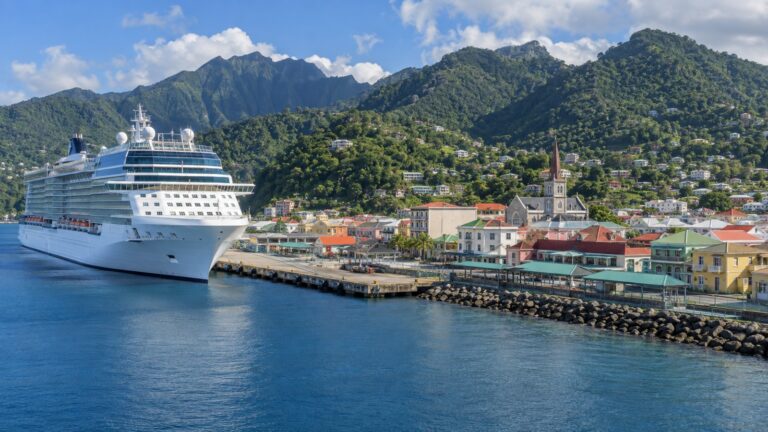
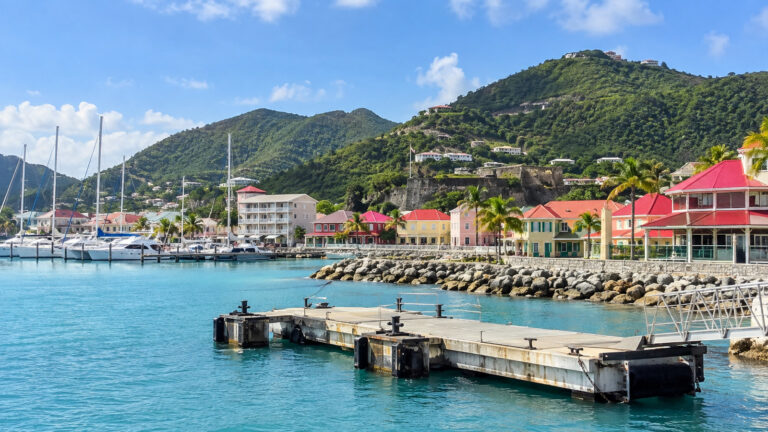
Trinidad and Tobago share one country but create completely different cruise days. Port of Spain is a gateway to Trinidad’s food, music, wetlands, mountains, and layered urban culture, while Scarborough puts Tobago’s beaches, reefs, rainforest, and slower island rhythm within reach.
For a first leisure-focused visit, Tobago is the easier recommendation because its strongest experiences fit the dream of a Caribbean port day. Trinidad is more complex and deeply rewarding when you arrive with a good guide and a clear interest in culture or nature.
Quick facts about Trinidad and Tobago cruise ports
- Main cruise ports: Port of Spain in Trinidad and Scarborough in Tobago
- Best beach day: Tobago
- Best cultural day: Trinidad
- Best nature excursion: Caroni wetlands or Tobago rainforest
- Best easy island tour: Tobago
- Currency: Trinidad and Tobago dollar
- Weather: Tropical, warm, humid, and prone to quick rain
- Planning rule: Use a reputable tour or arranged driver beyond the immediate port
Scarborough cruise port in Tobago
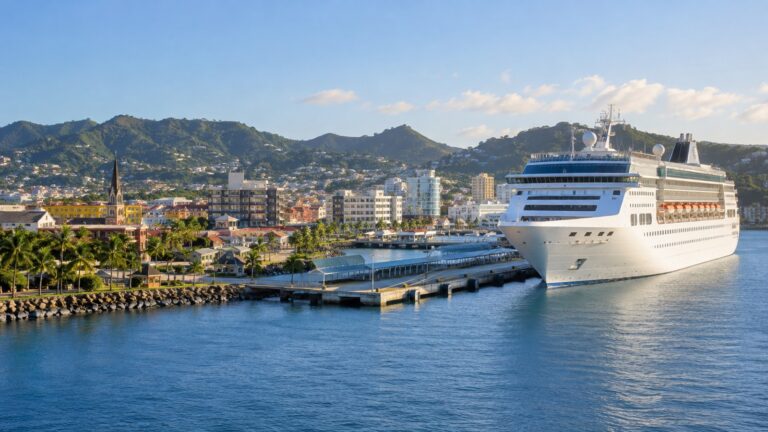
Scarborough is Tobago’s principal port and a working ferry and commercial center. Cruise access may involve a berth or tender-style arrangement depending on the ship and harbor conditions, making the onboard instructions authoritative.
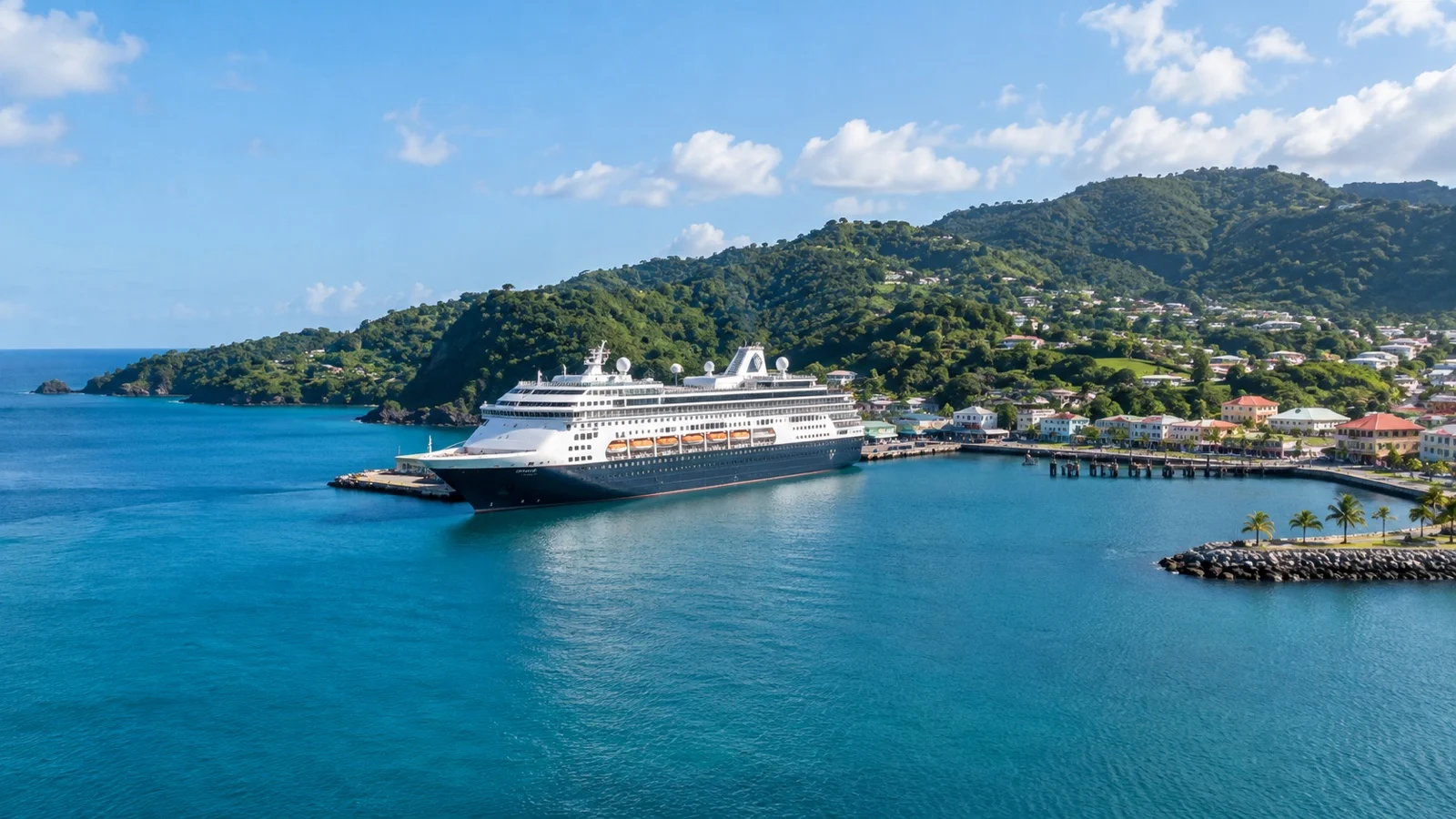
The town offers markets, Fort King George, local food, and everyday island life, but Tobago’s headline beaches and natural areas require transportation. An island tour or prearranged taxi creates a far easier day than negotiating each ride separately.
Fort King George and Scarborough
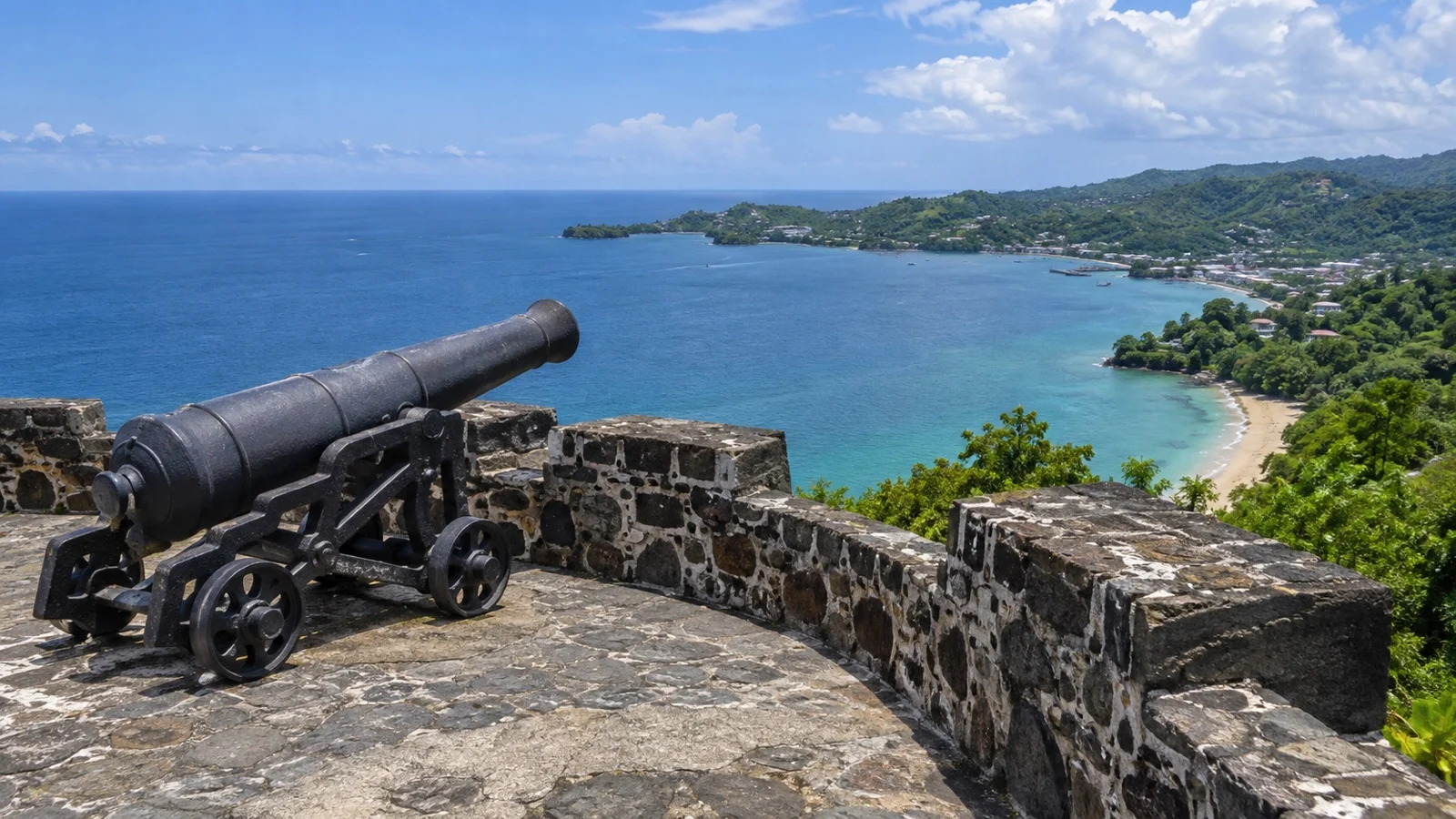
Fort King George overlooks the town and coast, adding history, views, and a museum stop to a Scarborough visit. The approach and fort grounds can involve slopes, heat, and uneven surfaces, so a taxi to the top is sensible.
Back in town, keep the route focused around the waterfront and established commercial streets. The market and food stops feel most rewarding with a local guide who can explain ingredients, customs, and the island’s history.
Pigeon Point and southwest beaches
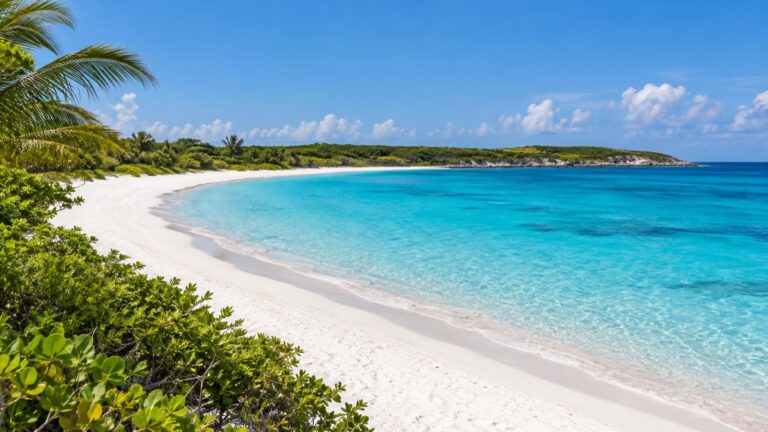
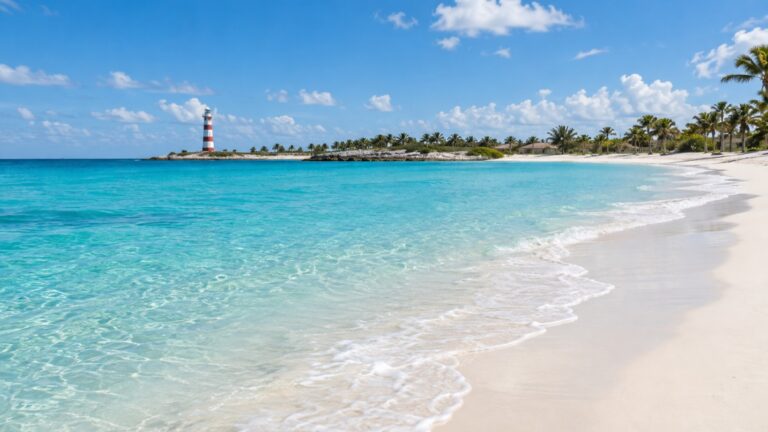
Pigeon Point is Tobago’s best-known beach area, with postcard sand, palms, facilities, and access to water excursions. Entry fees, chair rentals, food, and transportation should be included in your comparison rather than treating the beach as a free stop.
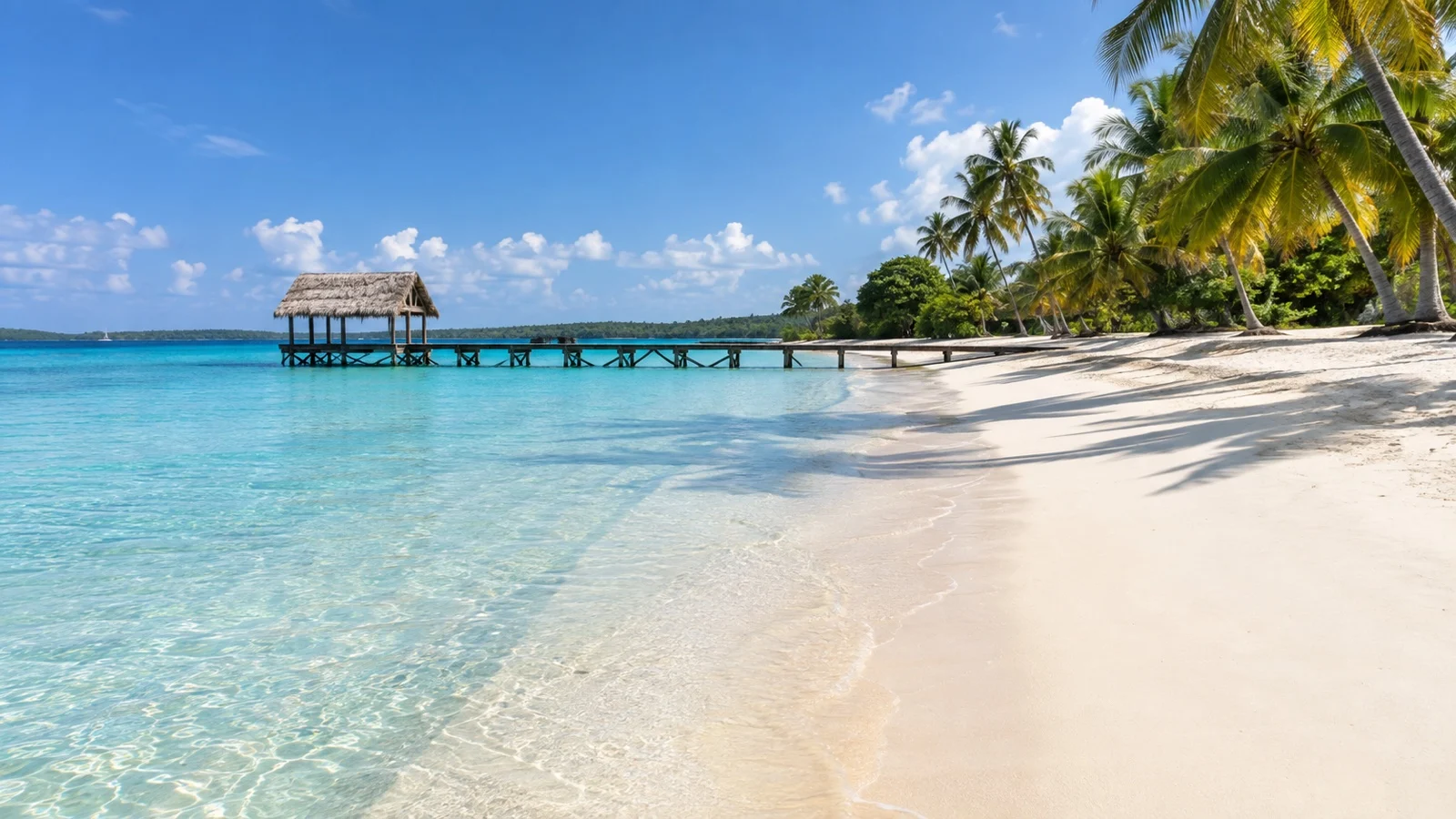
Store valuables securely and follow local swimming conditions. Arrange a pickup time with margin because road traffic around Crown Point and Scarborough can slow the return.
Buccoo Reef and Nylon Pool
Glass-bottom and snorkeling trips to Buccoo Reef and Nylon Pool are popular additions to a Tobago beach day. Boat quality, group size, safety equipment, reef practices, and the amount of actual water time vary widely.
Choose an authorized operator who protects coral, avoids wildlife feeding, and provides clear return timing. Never stand on living reef or take coral, shells, and marine life as souvenirs.
Tobago rainforest and island drives
Tobago’s Main Ridge forest, waterfalls, villages, and Atlantic coastline can create a beautiful full-day tour. The roads are winding, which makes an experienced local driver valuable and limits how many distant stops fit comfortably.
A shorter nature walk should still include insect protection, rain gear, supportive shoes, and water. Ask about trail conditions, river crossings, restroom access, and the actual walking level before booking.
Port of Spain cruise port in Trinidad
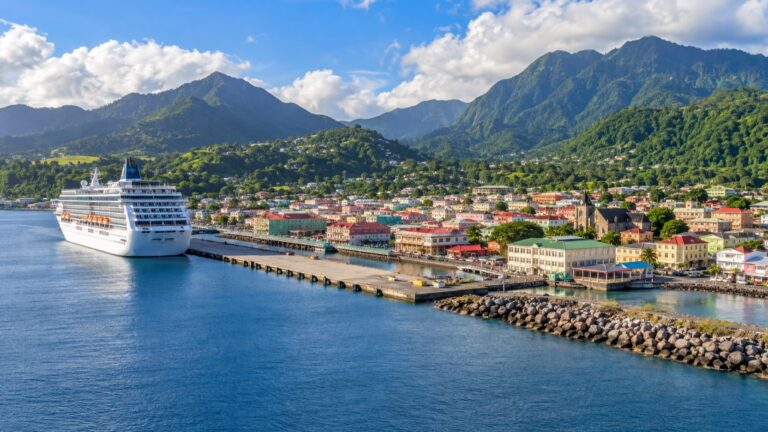
Port of Spain is Trinidad’s capital and a busy commercial city on the Gulf of Paria. The cruise terminal puts you near downtown, but the city’s most interesting nature and scenic excursions spread across a large, traffic-sensitive island.
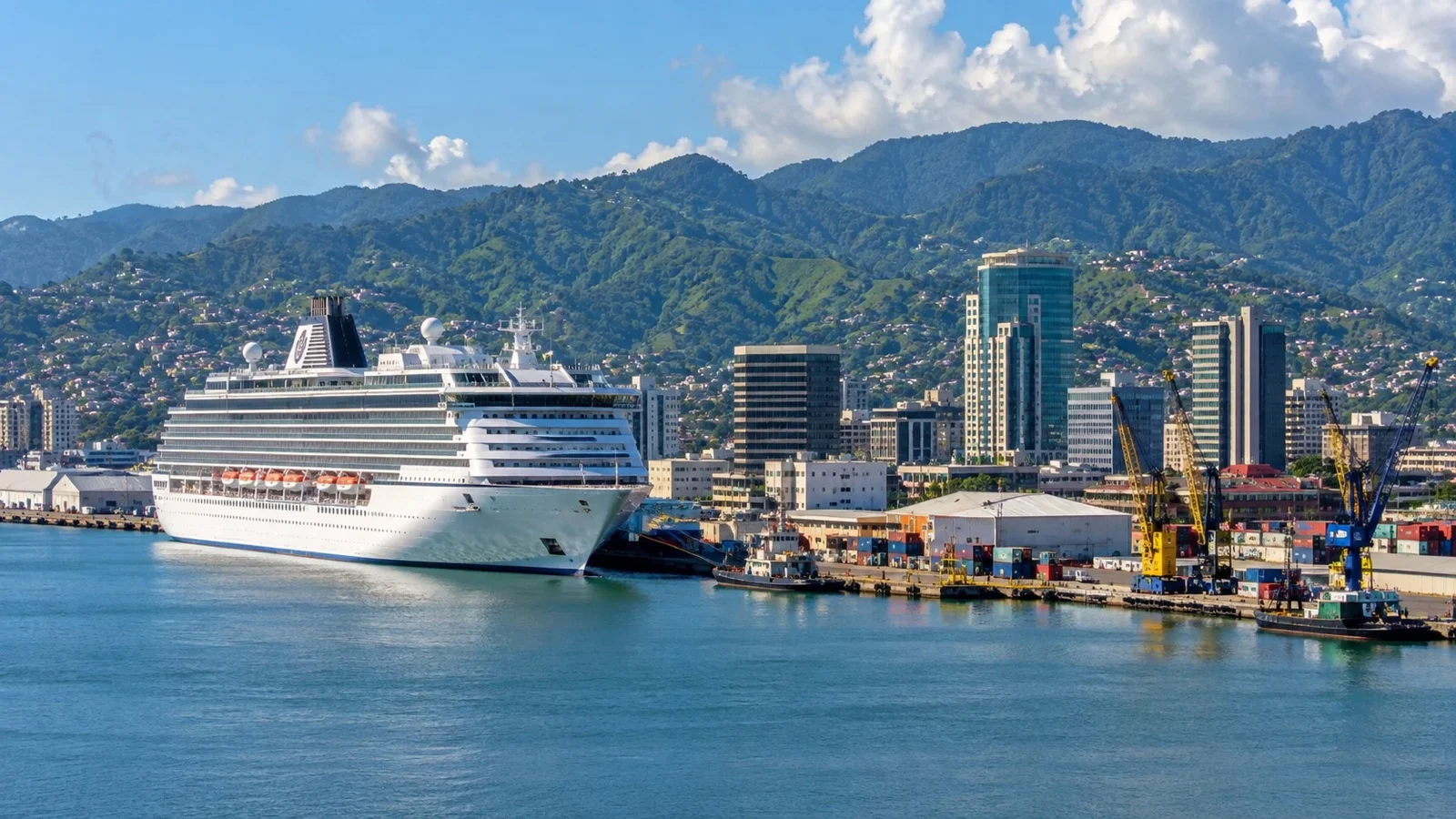
Independent walking should follow current local and cruise-line guidance, with valuables kept discreet. A reputable guide or arranged driver simplifies transportation and adds the cultural context that turns the city from a quick photo stop into a meaningful visit.
Port of Spain culture and food
Trinidad’s identity draws on Indigenous, African, Indian, European, Chinese, Middle Eastern, and Caribbean histories. Music, Carnival traditions, religious diversity, markets, architecture, and food provide a richer port day than a generic drive past government buildings.
Try doubles, roti, bake and shark, pelau, callaloo, or other local dishes from an established vendor or restaurant. Ask about heat levels and ingredients when allergies or dietary restrictions matter.
Caroni Bird Sanctuary
Caroni’s mangrove wetlands are famous for scarlet ibis and other birdlife, usually experienced on a guided boat trip. Wildlife is never guaranteed, and the most dramatic evening roosting period may conflict with a cruise ship’s departure schedule.
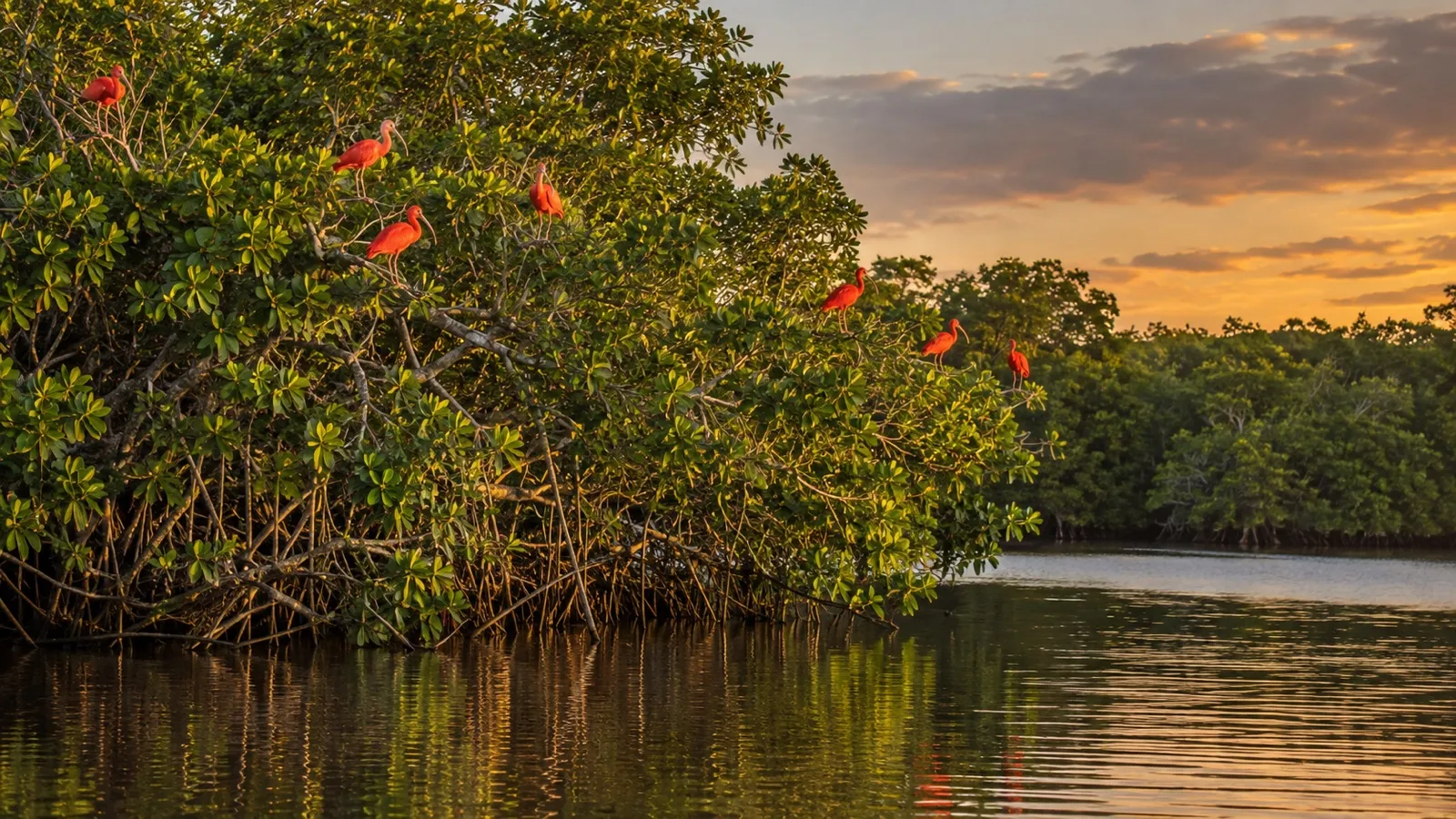
Choose the excursion for the wetland ecosystem rather than one perfect photograph. Bring insect repellent, sun protection, and a light rain layer while keeping voices and movement calm around wildlife.
Maracas Bay
Maracas Bay combines a scenic mountain drive with a broad north-coast beach and Trinidad’s famous bake-and-shark food tradition. The route is beautiful but winding, and travel time changes with traffic and road conditions.
Confirm the return time before swimming or ordering a meal. Watch local flags and sea conditions because an attractive Caribbean beach can still have powerful surf.
Other Trinidad nature experiences
Trinidad supports remarkable birdlife, forest, wetlands, and wildlife reserves beyond Caroni. Many lie too far from the port for an improvised day, making a specialist guide essential for both sightings and scheduling.
Choose one ecosystem instead of chasing several remote stops. A patient morning with a skilled naturalist creates more value than hours of road travel between hurried viewpoints.
Trinidad or Tobago: which is better?
Tobago is better for beaches, reef trips, rainforest scenery, and a classic island day. Distances still matter, but the tourism geography is easier to grasp and the atmosphere usually feels more relaxed.
Trinidad is better for culture, food, music history, wetlands, and a more complex view of the country. It demands stronger transport planning and rewards a guide who can explain what you are seeing.
If the itinerary includes both, use Tobago for sea and landscape, then use Trinidad for people, food, and culture. That contrast reveals far more than repeating two beach days.
Transportation and realistic timing
Use authorized port taxis, a reputable tour, or an established local operator. Agree on the full fare, currency, waiting time, route, and pickup location before departure.
Roads beyond both capitals can be winding, narrow, or congested, and rain can slow the journey. End the farthest excursion first and keep the final hours closer to the ship.
Weather, money, and practical comfort
Both islands are warm and humid with sudden tropical showers. Carry water, sunscreen, insect repellent, a hat, and a compact rain layer.
Local currency is clearest for small purchases, although established visitor businesses may accept cards or foreign cash. Confirm the currency before agreeing to a price and carry small notes for tips.
Accessibility and family planning
Working ports, uneven sidewalks, boat transfers, sand, mountain roads, and natural trails can create accessibility barriers. Ask about step-free vehicles, wheelchair storage, boat boarding, restrooms, shade, and the exact walking requirement.
Families should choose one anchor experience and leave room for food and rest. Tobago’s beach day is easiest, while a short Trinidad food-and-nature tour can engage older children without an exhausting island circuit.
Responsible nature and community visits
Keep an appropriate distance from birds and wildlife, avoid feeding, and choose operators who limit disturbance. Never stand on coral, chase marine animals, remove natural objects, or leave waste on beaches and trails.
Spend locally on guides, food, crafts, and small businesses when possible. Ask before photographing people, respect worship and private property, and approach both islands as living communities rather than backdrops.
Inter-island travel and what not to attempt
Trinidad and Tobago are linked by domestic flights and ferries, but a cruise call on one island is not an invitation to improvise a visit to the other. Schedules, check-in rules, weather, and ground transfers create far too many failure points for a short port day.
Enjoy the island where the ship arrives, then add the other through a separate land stay or an itinerary that calls there. This protects the sailing and gives each destination enough time to feel distinct.
Carnival, events, and opening hours
Trinidad and Tobago’s Carnival traditions are globally influential, but major festival periods change traffic, prices, road access, and the rhythm of daily life. A ship calling near an event needs a specific plan rather than an ordinary sightseeing schedule.
Museums, forts, nature tours, and restaurants may also operate limited hours on Sundays or public holidays. Verify the exact date and venue before building the whole day around one stop.
Keeping the ship return under control
Photograph the terminal entrance and save the port agent’s contact details before departure. Confirm whether ship time matches local time and set a personal return target well ahead of all aboard.
When a guide proposes an extra stop, judge it against the return margin rather than enthusiasm. The final hour belongs near the ship, not on a mountain road or waiting for a beach pickup.
Final thoughts
Tobago offers the easier tropical escape, while Trinidad delivers a deeper cultural and ecological story. Choose one strong theme, use trusted transportation, and protect the return from beaches, wetlands, and mountain roads.
CruisePorts.co provides practical, independent planning guidance for cruise travelers. Port operations, road conditions, prices, and nature access can change, so verify critical details with the port, operator, and cruise line before travel.