Samaná Cruise Port: Bayport, Whales & Waterfalls
Samaná is the Dominican Republic at its most cinematic, with green mountains folding into a broad bay, waterfalls hidden inland, and humpback whales arriving in season. The new Bayport terminal makes arrival easier, but it does not make every cruise call identical.
One ship can use Bayport’s floating SeaWalk while others may anchor and tender, so begin with the unglamorous question that protects the whole day: exactly how is your ship getting passengers ashore? Once you know that, choose one major experience and give it room to breathe.
Samaná cruise port quick facts
- Arrival point: Samaná Bayport beside Santa Bárbara de Samaná
- Dock or tender: One ship can use the floating SeaWalk while additional ships may anchor and tender
- Best seasonal experience: Responsible humpback whale watching, mainly from January through March
- Top nature outings: Los Haitises National Park, El Limón Waterfall, and Cayo Levantado
- Best easy day: Bayport facilities plus the Santa Bárbara waterfront
- Currency: Dominican peso, with United States dollars accepted by many visitor businesses at their stated rate
- Language: Spanish, with English available through many established tourism operators
- Time zone: Atlantic Standard Time throughout the year
- Return rule: Protect the last tender or SeaWalk closing time, not just the ship’s departure time
Where cruise ships arrive in Samaná
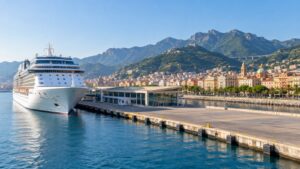
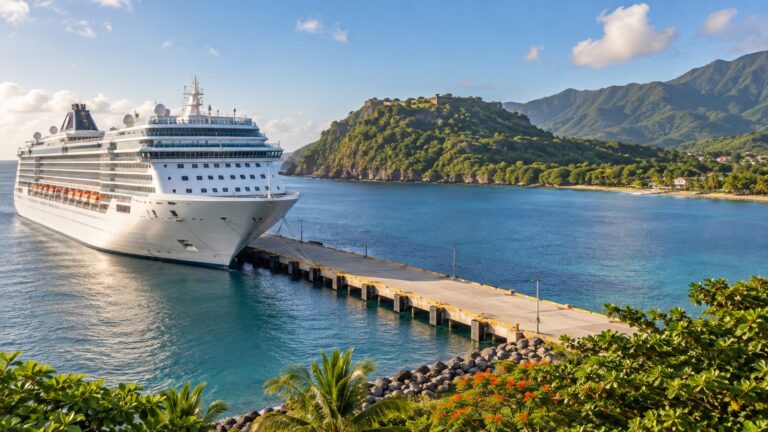
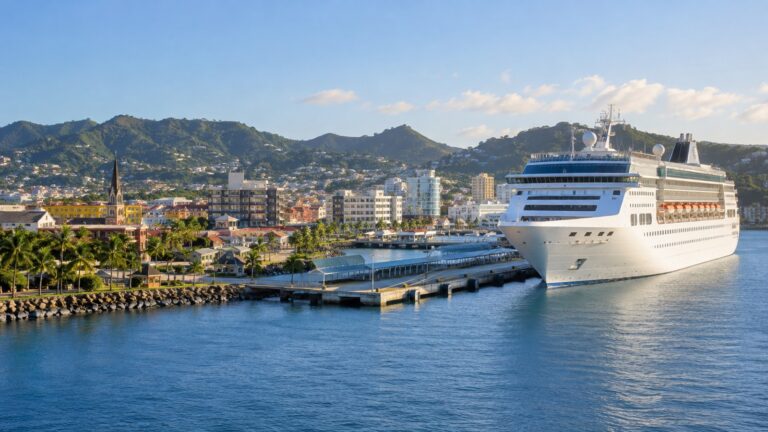
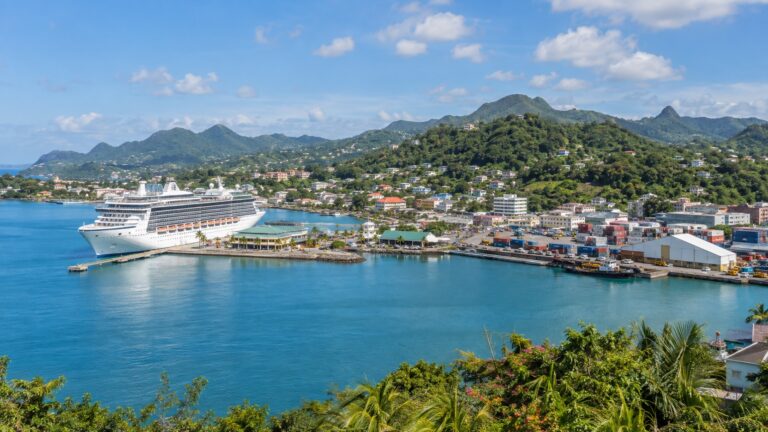
Samaná Bayport is a cruise terminal and tourism complex integrated with Santa Bárbara de Samaná. Its first operating phase began receiving calls in December 2025 and was officially inaugurated by the Dominican government on April 10, 2026.
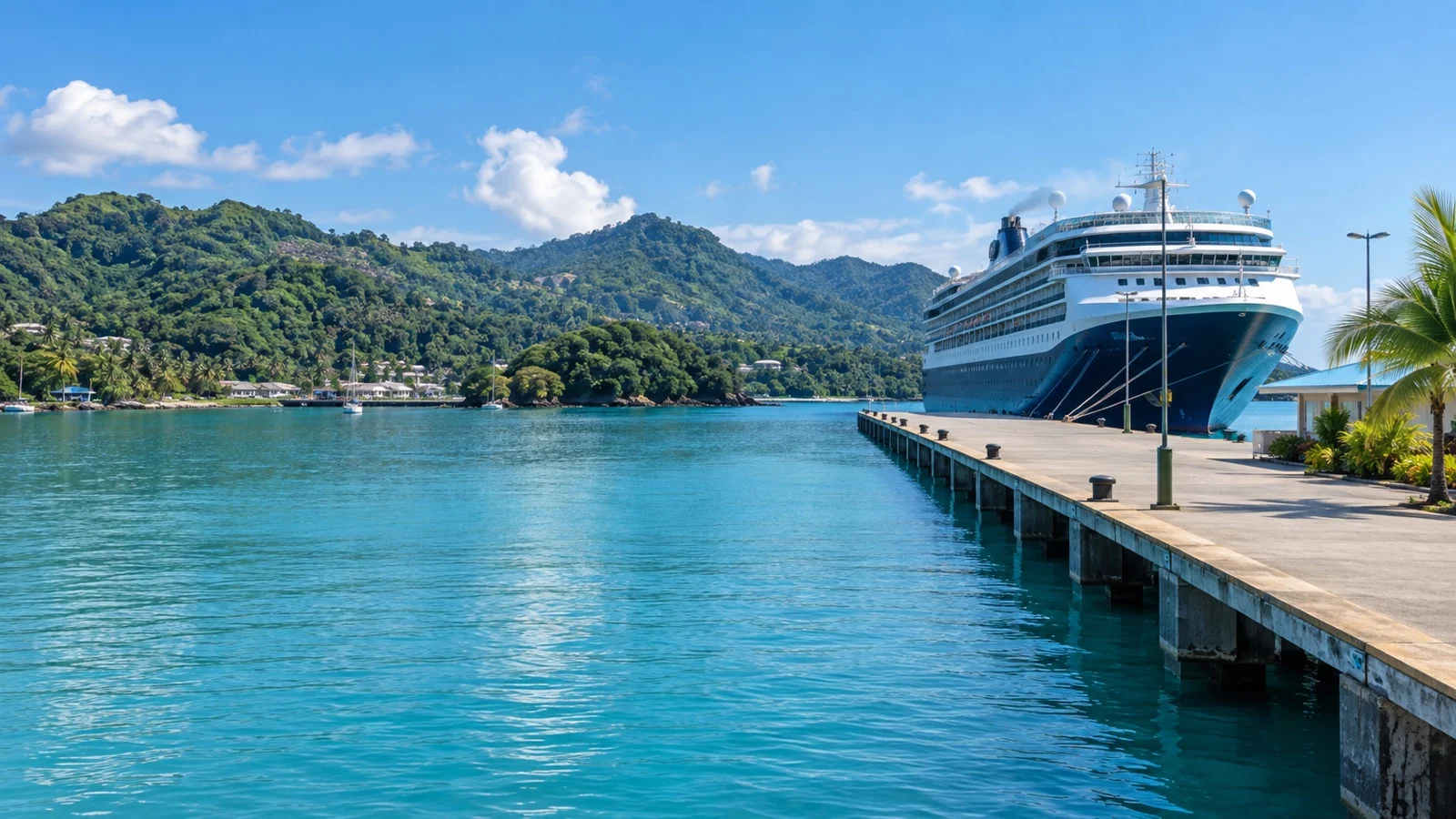
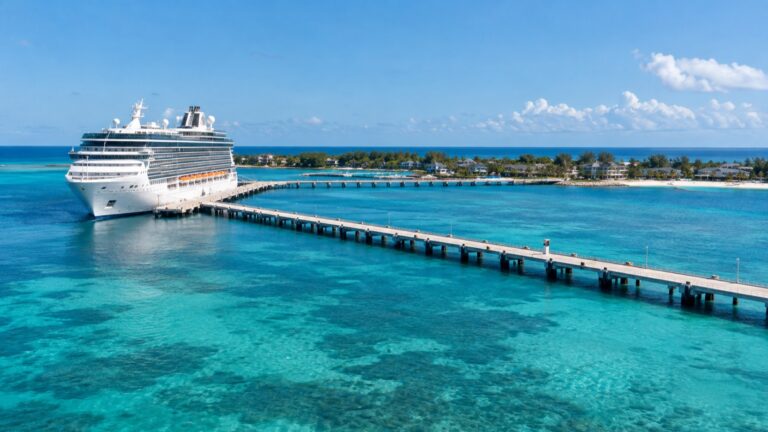
The government describes a completed operating design capable of handling three ships at once. One vessel carrying up to 5,000 passengers can use a floating SeaWalk, while two additional ships can remain at anchor and use tenders.
That hybrid design means an itinerary showing Samaná Bayport does not guarantee a simple walk down a fixed pier. Your cruise app, daily program, and crew announcements determine whether you use the SeaWalk or a tender on your actual call.
Tender passengers may receive tickets, assigned meeting times, or priority based on excursions and ship procedures. Record the final tender time separately because the small boat back to the ship is the real deadline.
What you will find at Bayport
The official opening announcement lists commercial areas, food and drink, a beach club, pool, recreation spaces, landscaped zones, tourist information, excursion and taxi transport, a multipurpose area, and first aid. That range makes a comfortable low-energy port day possible without a long transfer.
Bayport was also designed to connect arriving passengers with Santa Bárbara’s restaurants, shops, and culture. It is not meant to function only as a sealed private resort, so walking beyond the complex can support local businesses and add texture to the visit.
Facilities, day-pass rules, pool access, operating hours, and prices can change with season or ship volume. Check signs on arrival and ask staff what is included rather than assuming every visible amenity is complimentary.
Before leaving, photograph the correct return entrance and confirm security procedures. A large complex can look different from the town side, particularly after several ships have added thousands of passengers.
SeaWalk versus tender arrival
A floating SeaWalk can be more convenient than tendering, but it still moves with the water and may have a changing slope. Travelers using wheelchairs, scooters, walkers, or canes should request a ship-specific assessment before sailing.
Tender boarding typically involves steps, handholds, and movement between two vessels. Sea conditions and crew judgment determine whether a passenger can transfer safely, even when the same traveler managed a tender on another cruise.
Either arrival method can be delayed by weather or traffic at the platform. Avoid booking an independent tour so tightly that a slow disembarkation immediately ruins the plan.
If an excursion offers ship pickup, confirm whether the meeting is onboard, in Bayport, or after tender landing. That distinction can change when you need to leave your cabin by more than an hour.
Getting around the Samaná Peninsula
Organized excursions and prearranged drivers are the cleanest choices for Los Haitises, El Limón, Las Galeras, and Playa Rincón. Bayport’s transport center should simplify taxi and tour departures, but every independent arrangement still needs a confirmed price and return.
Agree on the currency, total fare, included stops, waiting time, vehicle type, and pickup location before you leave. Save the driver’s number offline and take a photograph of the vehicle plate if that feels appropriate.
Roads across the peninsula are scenic, winding, and slower than a map can suggest. Rain, construction, local traffic, and the final approach to Bayport can all erode a generous-looking margin.
Spanish is useful, although established tourism operators commonly work with international visitors. Keep the ship name, terminal, all aboard time, and destination written in a format you can show even without mobile data.
Los Haitises National Park
Los Haitises is a water-shaped world of mangroves, limestone formations, caves, birds, and sheltered channels. Most cruise-day visits travel by boat and may include cave landings, short walks, or a second stop elsewhere in the bay.
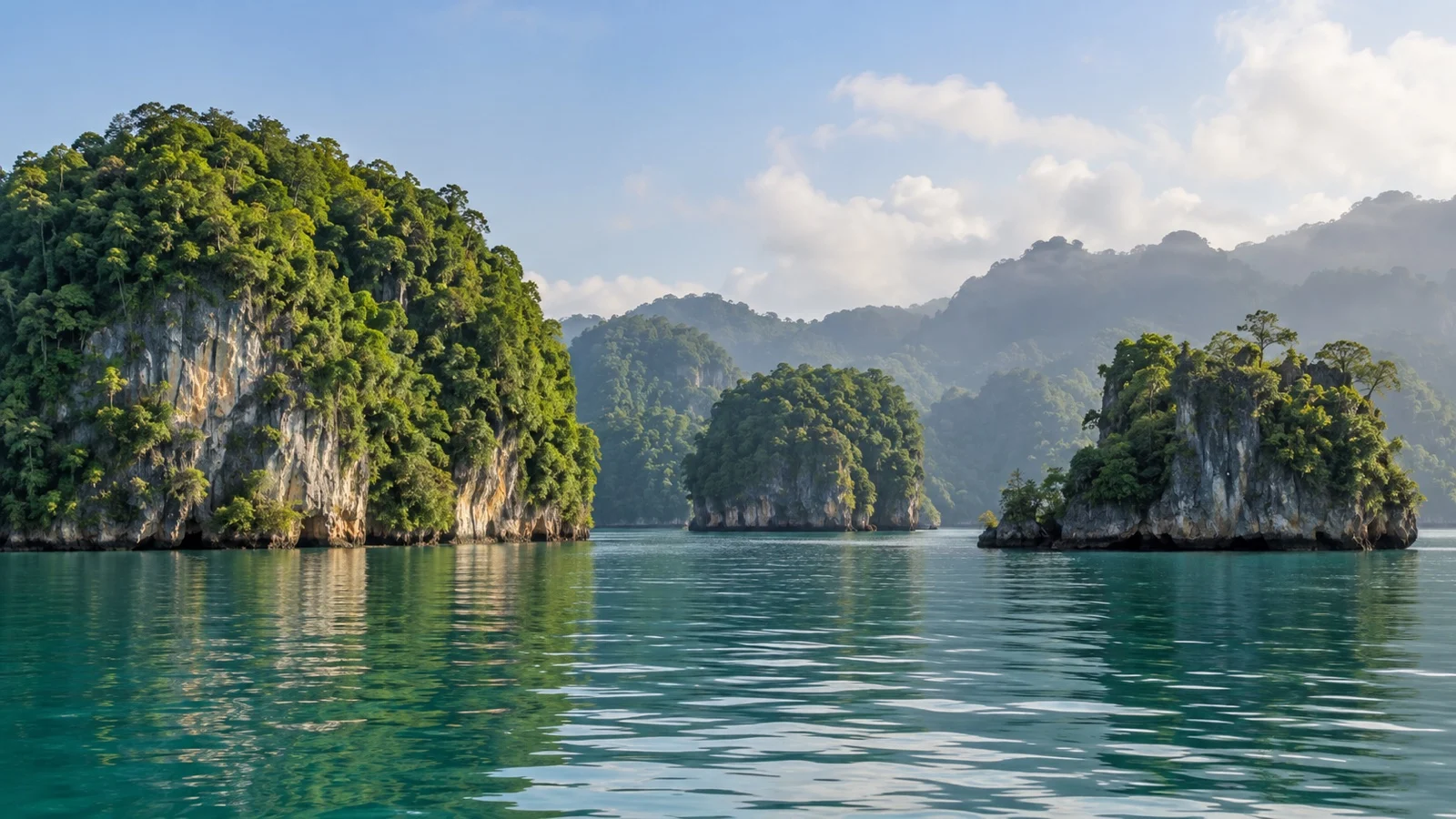
This is one of Samaná’s signature experiences, and the official tourism site highlights the park’s karst landscape. A good tour should explain the natural and cultural setting rather than treating the caves as a quick backdrop.
Ask about boat shade, life jackets in suitable sizes, restroom access, cave steps, wet landings, and total dock-to-dock time. A small open boat may be thrilling for one traveler and completely unsuitable for another.
Use an operator that follows protected-area rules and never pressures wildlife. Carry a dry pouch, sun protection, a light waterproof layer, and footwear that can cope with a damp landing.
Marine conditions can alter the route or cancel a departure even on a bright morning. Understand the refund or substitute policy before booking and keep Bayport or Santa Bárbara as a satisfying backup.
El Limón Waterfall
El Limón combines a cross-peninsula drive with a humid trail through tropical countryside to a dramatic waterfall. It is beautiful, muddy, and more physical than the phrase waterfall stop makes it sound.
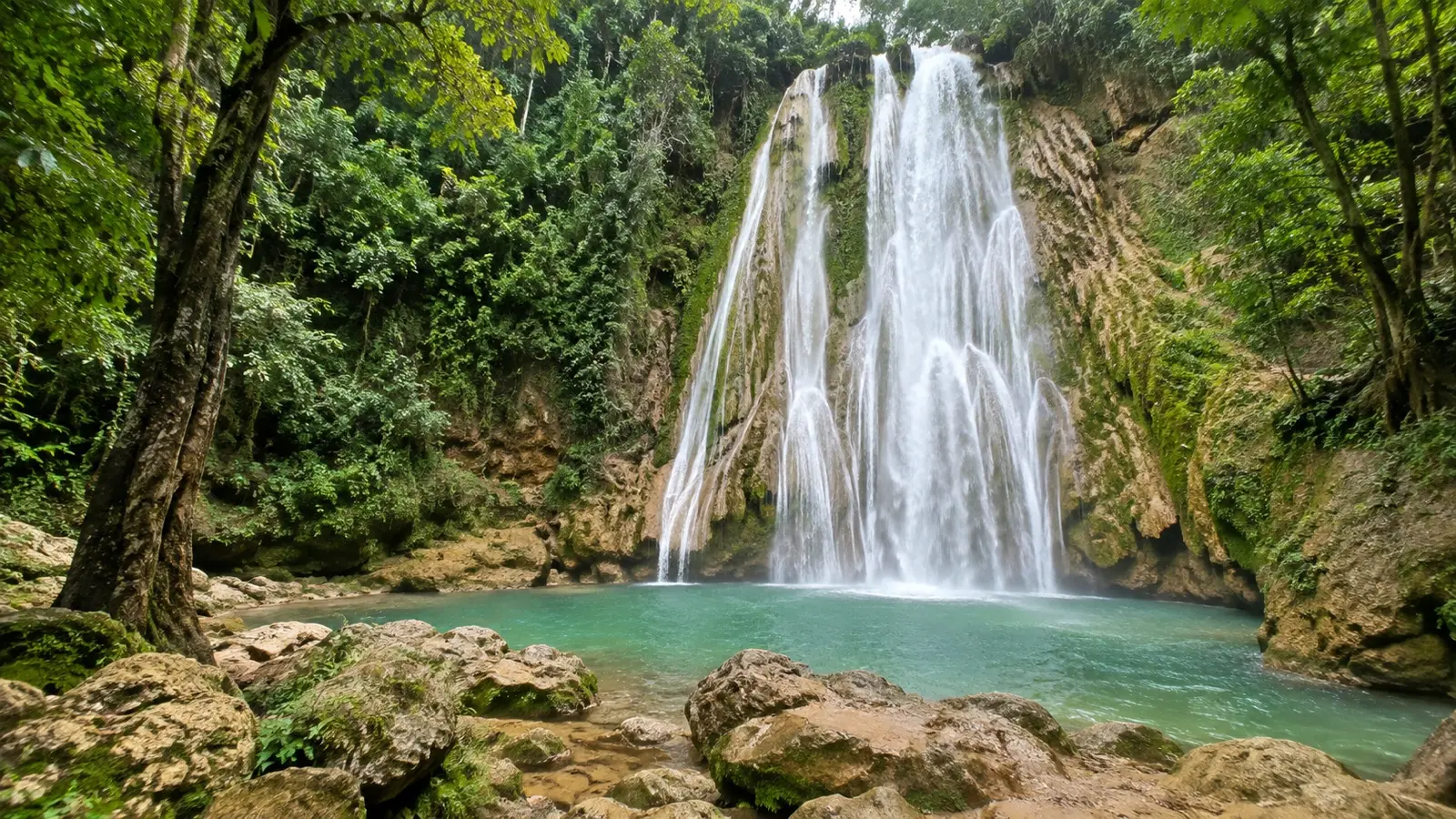
Trails can include roots, stones, slopes, river crossings, and slick surfaces after rain. Wear closed shoes with genuine grip, bring water, and ask for the exact walking distance from the trailhead used by your operator.
Some excursions use horses for part of the route. Ask how animals are handled and cared for, and choose a walking option or another excursion if the welfare standards or riding setup make you uncomfortable.
Swimming conditions change with recent rainfall and current flow. A guide’s local safety decision should override the picture you imagined before the trip.
El Limón deserves to be the day’s central outing, not something squeezed between Los Haitises and a distant beach. Clarify the full vehicle and trail time, then protect an early return to Bayport.
Cayo Levantado beach day
Cayo Levantado is the photogenic island in Samaná Bay that many travelers picture when they imagine this port. Boat trips provide sand, swimming, and bay scenery without the long road journey required for the peninsula’s remote beaches.
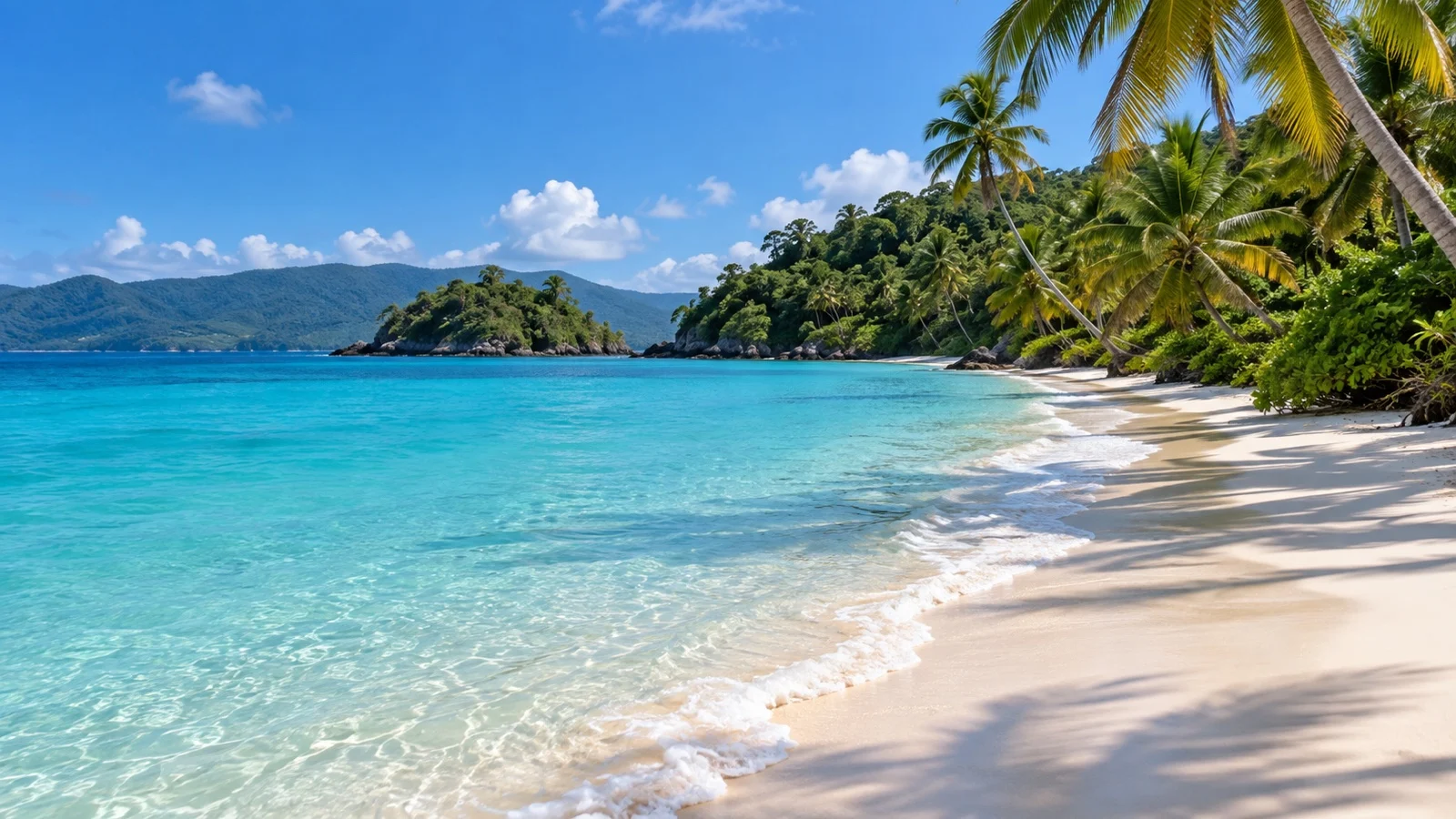
Confirm the exact landing area because public and resort arrangements may differ. Ask what the price includes, whether loungers and meals are provided, and which return boat you must take.
A short boat ride does not automatically make this the most accessible excursion. Boarding, wet sand, limited shade, and the step from boat to dock or shore can still create barriers.
Use reef-conscious sun protection where appropriate, supervise children closely, and follow local flags or guide instructions. Set a return alarm early enough to gather belongings and board without a sprint.
Humpback whale watching
Humpback whales migrate into Samaná Bay during the winter breeding season, and official Dominican tourism information highlights January through March. The gathering is one of the Caribbean’s defining seasonal wildlife experiences.
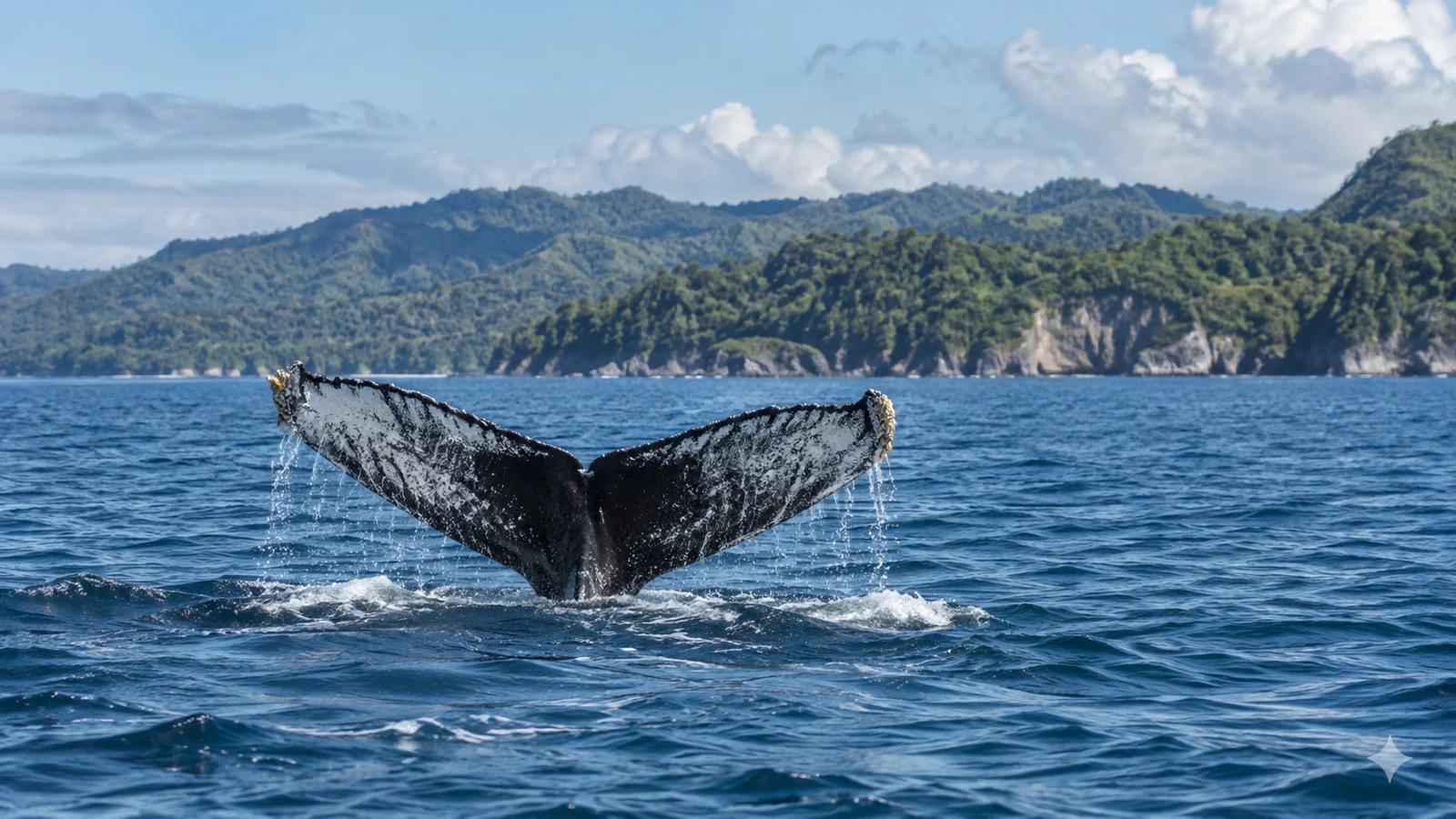
Sightings are never guaranteed because these are wild animals in open water. Choose a responsible authorized operator that respects approach rules, limits pursuit, and explains how boats should behave around mothers and calves.
Ask about the vessel size, shade, seating, life jackets, restroom, motion, and cancellation policy. Travelers prone to seasickness should take their preferred preventive measure early enough for it to work.
Bring sun protection and a rain layer because a whale boat can move between intense glare and tropical shower quickly. Protect cameras from spray, but do not spend the entire encounter staring through a screen.
The best operators make education part of the experience and manage expectations honestly. A respectful distant sighting is better than a close approach that disturbs the animal.
Explore Santa Bárbara de Samaná
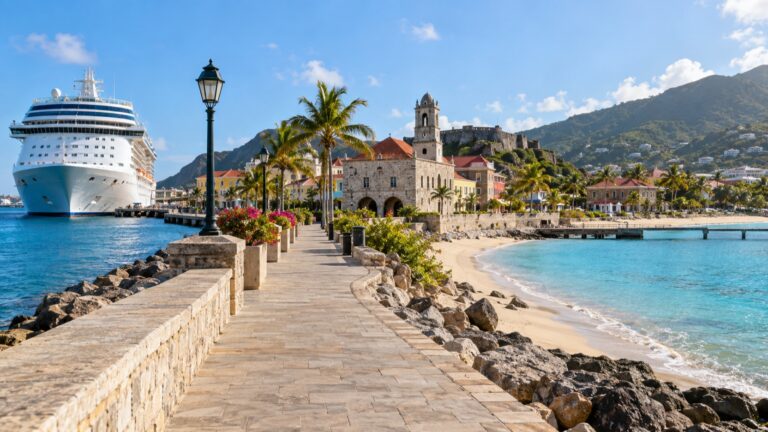
A town-focused day keeps cost, complexity, and return risk under control. The waterfront, local restaurants, shops, public spaces, and bay views can fill several unhurried hours.
La Churcha is a distinctive historic church associated with a congregation and structure brought from England in the nineteenth century. Visit respectfully when open, avoid interrupting worship, and accept that community use takes priority over sightseeing.
The waterfront bridges and viewpoints provide recognizable Samaná scenery without requiring a distant vehicle. Heat and sun exposure can still make the walk tiring, so use shade breaks and carry water.
Walk with ordinary city awareness, ask before photographing people, and keep phones or wallets secure in crowds. The goal is to experience a living town, not to turn every moment into a staged photo stop.
Playa Rincón and Las Galeras
Playa Rincón and the Las Galeras area represent the peninsula’s wilder beach appeal. Official tourism information names Playa Rincón among the destination’s standout shores, but the road distance makes it a deliberate full-day choice from a cruise call.
Travel time, surface conditions, and the final beach access can vary. Use an experienced operator, confirm whether a boat segment is involved, and agree on a return time that anticipates traffic near Santa Bárbara.
Do not pair this with El Limón or Los Haitises unless a reputable operator presents a realistic protected plan for your unusually long call. A beautiful beach loses its charm when every passing minute becomes a calculation.
Food and drink ashore
Samaná’s coastal setting makes fish, shrimp, coconut flavors, plantains, rice, beans, cassava, and tropical fruit natural choices. Ask what is fresh, and tell the server your ship deadline before ordering a leisurely multicourse meal.
Bayport offers the most convenient dining, while Santa Bárbara creates more opportunity to support independent local businesses. Menus and prices near a cruise terminal may appear in dollars, pesos, or both, so confirm the currency before ordering.
The Dominican peso is the national currency, and many visitor businesses also accept United States dollars at a rate they set. Small peso notes are useful for simple purchases, while cards should be backed by a second payment option.
Drink sealed or otherwise reliably treated water if you are uncertain, and use food-safety judgment at outdoor stalls. Tropical heat can reduce appetite while increasing dehydration, so keep drinking water even during a beach day.
Accessibility and lower-energy planning
Bayport’s modern visitor services can simplify a low-energy day, but the method of getting ashore still matters. Ask the cruise line about SeaWalk slope, gangway conditions, tender transfers, wheelchair policy, and assistance for the actual ship.
An accessible terminal does not make every nature excursion accessible. Small boats, cave landings, waterfall trails, wet sand, and vehicles with high steps can each become the deciding barrier.
Request exact details from operators, including vehicle step height, equipment storage, boat handholds, seating, shade, restrooms, walking distance, and whether a companion can assist. General labels such as easy or moderate are too vague for mobility planning.
A flexible plan can remain at Bayport, add a short vehicle tour of Santa Bárbara, and include an accessible restaurant or waterfront viewpoint. That is a complete port day, not a consolation prize.
Weather, seasons, and what to pack
Samaná is warm, humid, and green, with fast tropical showers possible even on a promising morning. Wear breathable clothing and carry water, a hat, sunscreen, insect repellent, and a lightweight waterproof layer.
The Atlantic hurricane season runs from June through November, but a named storm is not the only weather that affects a call. Local rain, swell, or wind can disrupt tenders, SeaWalk use, waterfall access, and small-boat tours.
Closed shoes suit El Limón and cave landings, while water shoes may be useful for boat or beach trips. A dry bag or waterproof pouch protects phones, medication, travel documents, and a spare layer.
Keep cancellation terms handy and select a backup that works without marine transport. Bayport and Santa Bárbara can rescue a day when the peninsula’s ambitious attractions are unsafe or impractical.
Safety, documents, and return timing
Carry the cruise card and identification required by your line, plus the port-agent contact if it appears in the daily program. Save a screenshot of all aboard time and the final tender or SeaWalk closure because those may not be the same.
Use established taxis and tours, agree on prices before departure, and avoid isolated shortcuts. Keep valuables discreet, protect belongings from water, and use helmets or life jackets whenever the activity calls for them.
The national emergency number is 911, but the port agent or ship may be the fastest route for a cruise-specific problem. Follow the current contact information issued onboard rather than relying on a number saved from an old guide.
Plan independent tours to return at least 60 to 90 minutes before the ship’s stated deadline, with even more margin after heavy rain or on a tender day. A last scenic stop is never worth losing the backup boat.
Three realistic Samaná port-day plans
Three to four hours ashore
Explore Bayport, then walk or take a short taxi into Santa Bárbara for waterfront views, La Churcha if open, and lunch. Tender passengers should keep this compact because outbound boarding and the return line can remove a surprising amount of usable time.
Six to eight hours ashore
Choose one main experience: Los Haitises, El Limón, Cayo Levantado, seasonal whale watching, or a carefully managed distant beach. Add only a simple terminal or waterfront stop afterward, and preserve a wide return margin.
A low-energy day
Use Bayport’s available facilities, eat nearby, and take a short supervised vehicle loop through Santa Bárbara if comfortable. Confirm pool, beach-club, and mobility arrangements on arrival because operating rules can change.
Common planning mistakes
The first mistake is assuming every Bayport call uses the SeaWalk. The port can handle one ship there while other vessels tender, and the difference affects disembarkation time and accessibility.
The second is booking two major nature experiences because they look close on a flat map. A boat park, inland waterfall, distant beach, and seasonal whale trip each deserve their own cruise-day plan.
The third is ignoring the complete door-to-door duration. Transport queues, briefing, boat loading, trail time, weather, and the return through security all sit outside the advertised highlight.
The fourth is treating United States dollars and Dominican pesos as if they were the same currency. Ask which one a price uses, check the operator’s exchange rate, and carry small notes.
The fifth is aiming for ship departure instead of the last tender or SeaWalk closing procedure. The passenger deadline arrives earlier than the vessel’s movement.
Samaná cruise port frequently asked questions
Is Samaná still a tender port?
It can be. Bayport allows one ship to use a floating SeaWalk while additional ships may anchor and operate tenders, so your sailing’s assignment decides the answer.
Can I walk into town?
Bayport is integrated with Santa Bárbara de Samaná, and the waterfront is the easiest independent area. Confirm the pedestrian exit and return security entrance with terminal staff.
When is whale season?
Official tourism guidance identifies January through March as the main humpback whale-watching period. Wildlife and weather determine each trip, so sightings remain unguaranteed.
Can I combine El Limón and Los Haitises?
Usually not comfortably on a standard cruise call because one is an inland waterfall trip and the other is boat-based. Pick the experience your group values most and protect the return.
Is Cayo Levantado easy for limited mobility?
The shorter distance can help, but boat boarding, steps, wet sand, and limited accessible facilities may still be challenging. Ask the ship and operator for precise boarding and beach details.
What is the safest simple plan?
Stay around Bayport and Santa Bárbara, with a prearranged short taxi ride if desired. This minimizes road and boat exposure while still providing waterfront scenery, local food, and a sense of the destination.
The bottom line
Samaná rewards a decisive plan more than an ambitious one. Choose one waterfall, one park, one island, one whale boat, or one relaxed town day, then let the peninsula be vivid instead of frantic.
Bayport reduces old arrival friction without turning this lush destination into a generic pier stop. For more regional planning, compare our Caribbean cruise ports guide, Puerto Plata guide, and La Romana guide.
Planning note: Ship assignments, tenders, SeaWalk operations, tours, wildlife seasons, prices, and access conditions can change. Confirm time-sensitive details with your cruise line, Bayport, official Dominican tourism sources, and your operator before travel.
How this guide was researched: This guide was checked against current official Dominican presidency, tourism, port-development, protected-area, wildlife, and public-safety information. Logistics and time-sensitive details were reviewed September 11, 2026; see our Editorial Policy.