La Romana Cruise Port: Altos de Chavon & Isla Catalina
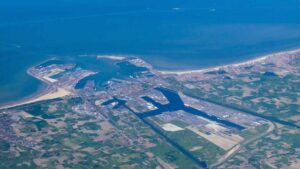
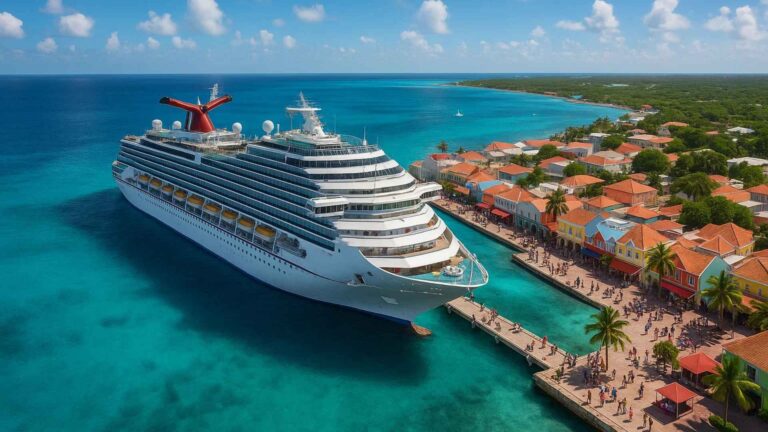
La Romana is the Dominican port nobody can picture in advance. The terminal is a working industrial harbor with a cruise pier attached, and the view from the deck sells you absolutely nothing.
Get in a vehicle and everything changes within twenty minutes. Stone villages, protected islands, and Blue Flag beaches all sit within easy reach of that unpromising pier.
My quick take
This is a port where doing nothing is genuinely the wrong choice. There is no charming old town at the gangway to save you, so you need a plan before the ship ties up.
The two good plans are a stone village on a clifftop or a boat to an uninhabited island. Pick one, because trying to do both turns a lovely day into a transport exercise.
If it is your first time in the Dominican Republic, I would take Altos de Chavon over the beach, because you can get sand almost anywhere. My Caribbean cruise ports roundup shows how this call compares with the rest of the region.
The honest warning is about La Romana town itself, which is a working Dominican city rather than a postcard. It is perfectly fine and completely unremarkable, and it is not why you came.
La Romana Cruise Port Quick Facts
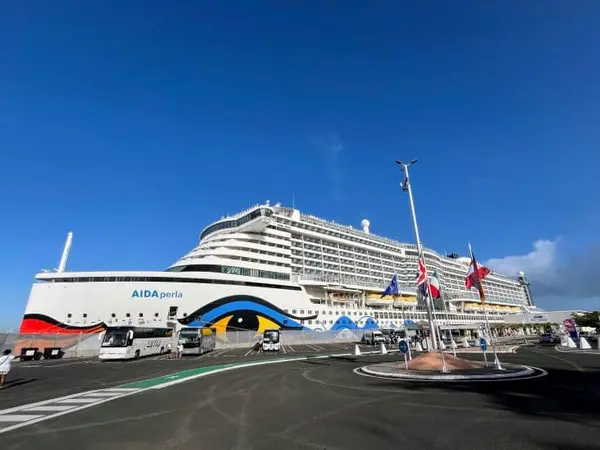
- Where you land: the cruise pier on the eastern bank of the Río Dulce, built from 2002 on the site of the old sugar shipping facilities. The La Romana Cruise Terminal site is the clearest place to confirm what is operating on your date.
- Dock or tender: Ships dock alongside on a modern pier, which keeps the morning simple.
- Into town: You will need a taxi or a tour.
- Currency and language: The Dominican peso and Spanish; tourist businesses widely accept U.S. dollars, usually returning change in pesos.
- Time zone: Atlantic Standard Time (UTC−4) all year.
- Weather and operations: Ships normally berth alongside, but tropical weather or other operational conditions can still change a call.
The pier, the terminal, and getting out of the port
La Romana has been a port since 1912, when the first privately funded industrial dock in the Dominican Republic was built here for sugar. The cruise pier is the modern addition, built on the eastern bank of the Rio Dulce from 2002.
That history explains the view, because you are sharing a harbor with cargo operations rather than sitting in a marina. It is tidy and secure, but it is not scenic.
The terminal handles ship excursions, private tours, and taxis in one area, and the process is refreshingly quick. Guides and drivers wait just beyond the gangway rather than mobbing you on the pier.
La Romana also works as a homeport, so on turnaround days the terminal is busier and the taxi supply is stretched. If your call overlaps with an embarkation, get moving early.
The port’s own site for the La Romana Cruise Terminal is the clearest place to confirm what is operating on your date. It is run by Central Romana rather than a national port authority, which is unusual and worth knowing.
Getting around
Taxis and organized tours are how everybody moves here, and both wait at the terminal. Agree your price in advance, in writing if you can, because meters are not part of the culture.
Local shared minibuses and motorbike taxis exist and are genuinely useful if you live here. On a ship day with a fixed all aboard time, I would not touch either of them.
Distances are mercifully short in this corner of the country. Altos de Chavon sits inside the Casa de Campo estate a short drive from the pier, and the tourism board puts Bayahibe about twenty minutes from La Romana.
Boat departure points vary by island and operator: Catalina trips may use La Romana, while Saona trips commonly use Bayahibe. Confirm the exact road-and-boat chain instead of assuming every excursion leaves from the same dock.
Santo Domingo is roughly two hours each way by road, and I would only attempt it on a long call with a booked tour. Punta Cana is generally at least about an hour away depending on the resort area and traffic, which offers little value on a normal call once the round-trip road time is counted.
The stops I would actually spend time on
Almost everything worth doing here sits within half an hour of the pier, which is unusually kind for the Caribbean. These are the ones I would build a day around.
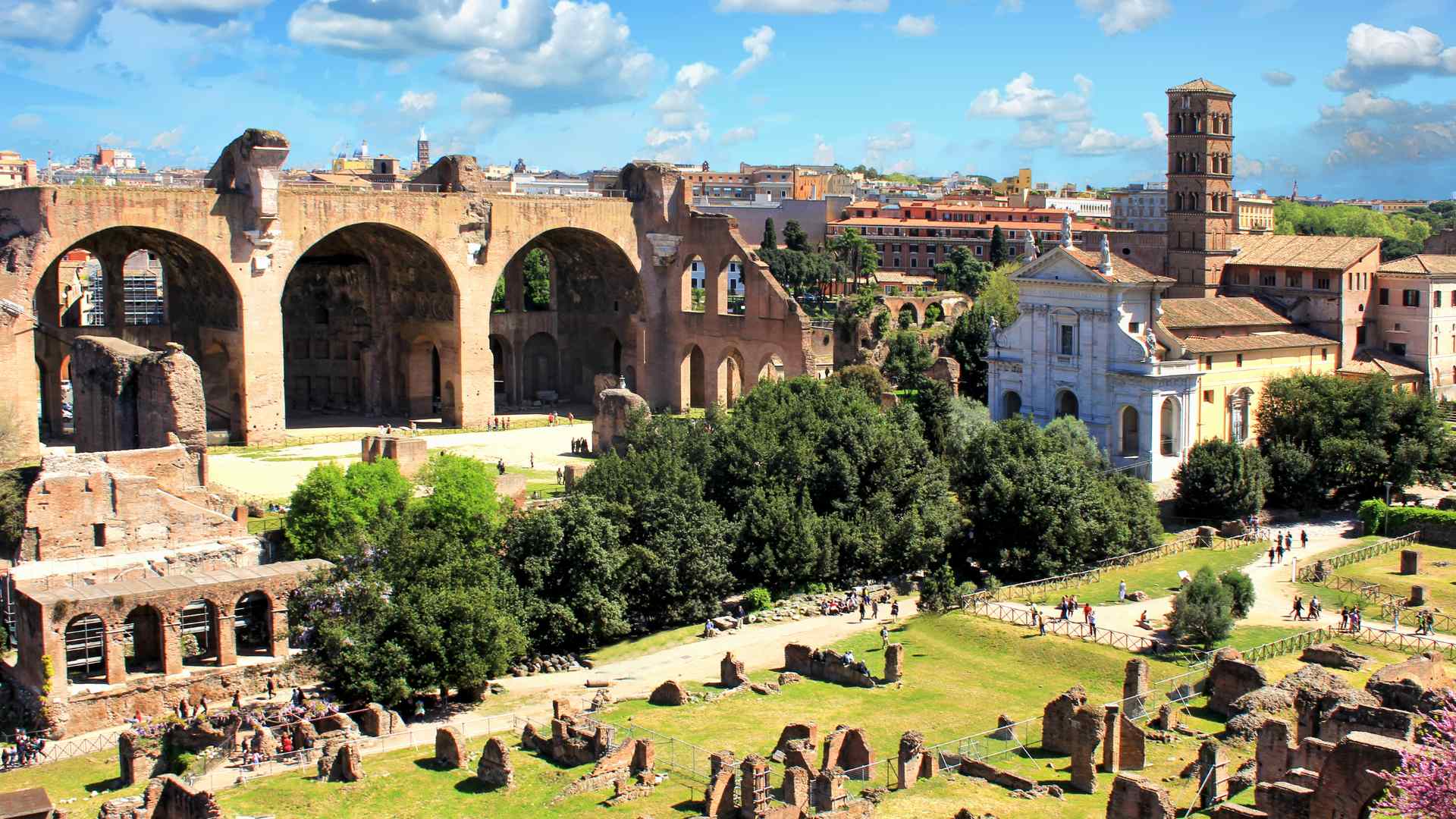
Altos de Chavon: A model 16th century Mediterranean village carved entirely from stone, sitting 300 feet above the Chavon River. It took six years to build and opened in 1982, and it is far more convincing than that description makes it sound.
The Grecian amphitheater: A 5,000 seat open-air theater at the edge of the village, inaugurated by Frank Sinatra. Even empty on a weekday morning it is worth the ten minutes.
Altos de Chavon Archaeological Museum: One of the most comprehensive collections of indigenous Taino artifacts in the country, and blessedly air conditioned. It is small enough to enjoy rather than endure.
Casa de Campo: A 7,000 acre resort estate that surrounds the village, with a marina, Minitas Beach, and the Pete Dye designed Teeth of the Dog golf course. Access varies by day and by tour, so check before you build a plan on it.
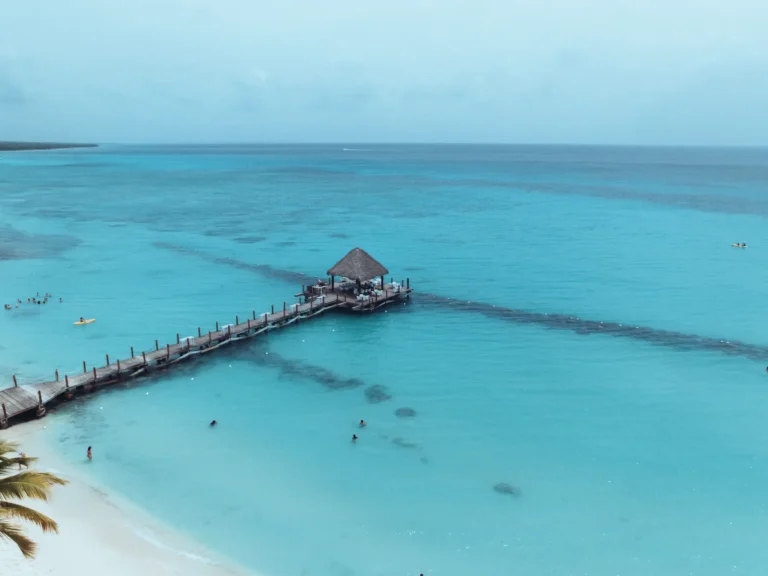
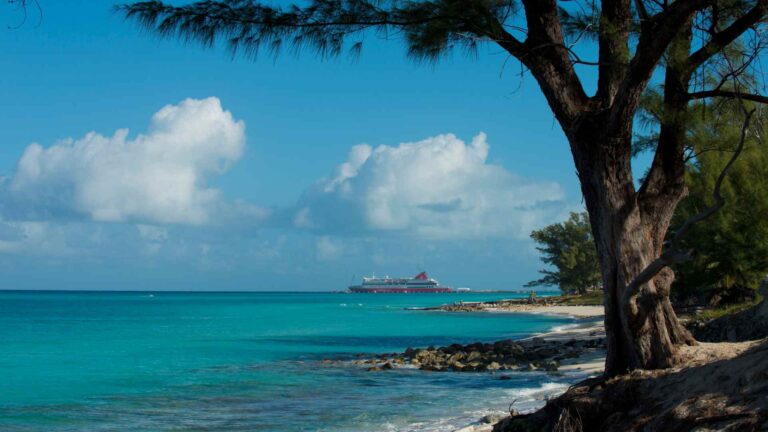
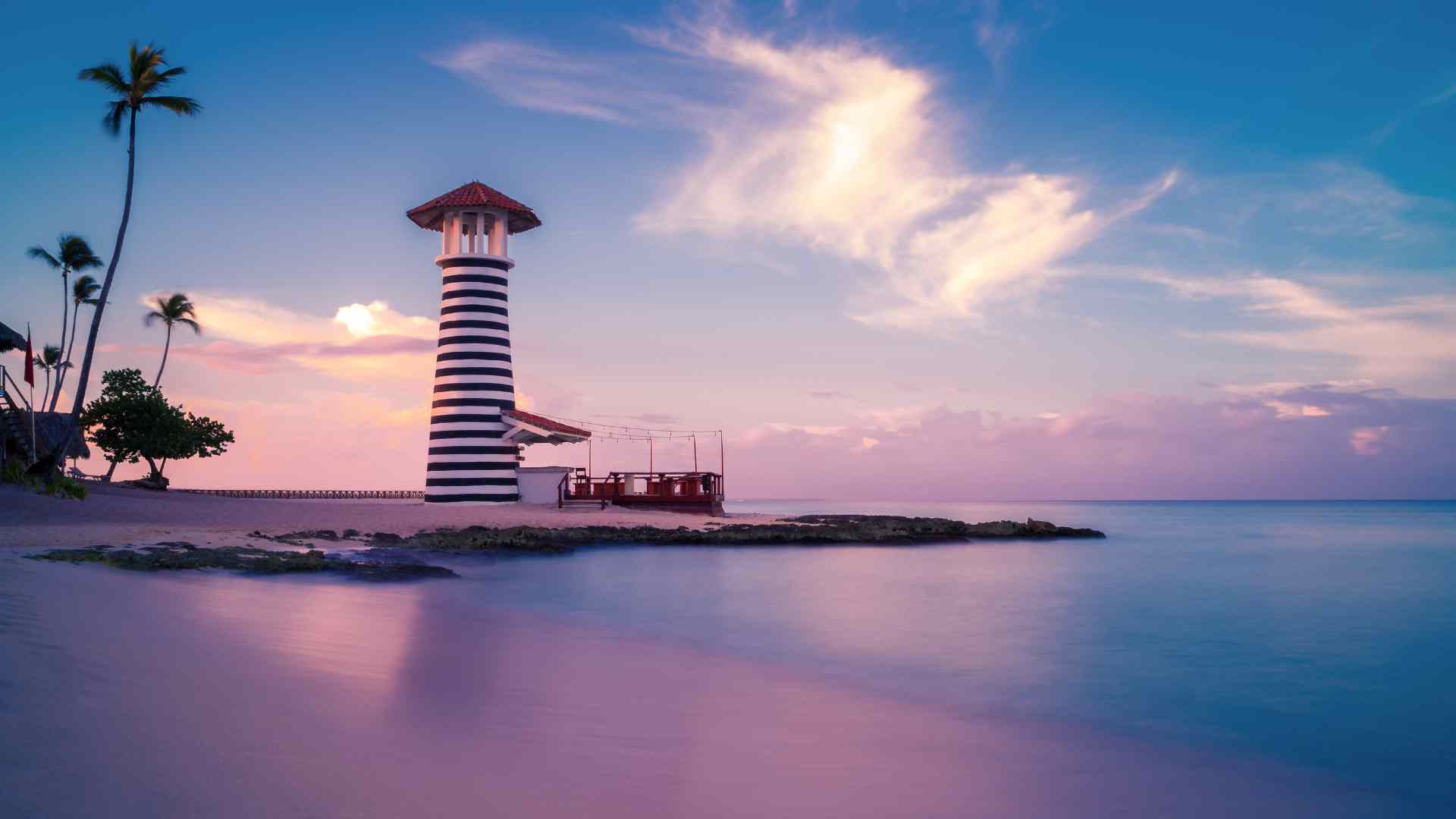
Isla Catalina: An uninhabited protected island about 1.5 miles off the coast, with no overnight stays permitted. The Catalina Wall drops away more than 330 feet and is one of the better dives in the country.
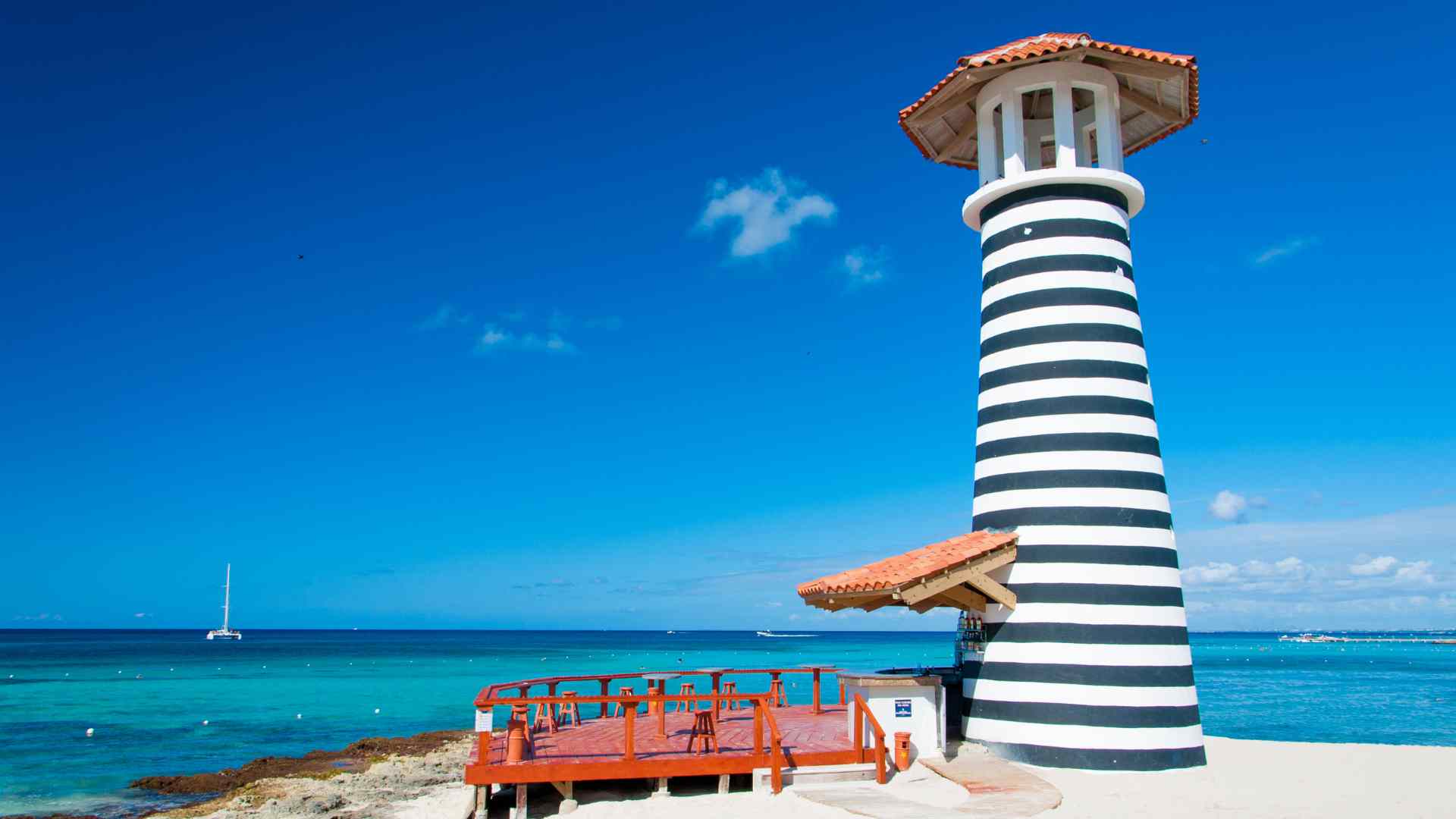
Bayahibe: A small fishing village turned dive town about twenty minutes away, and the departure point for most boat trips. It is also a pleasant enough place to simply have lunch and watch boats.
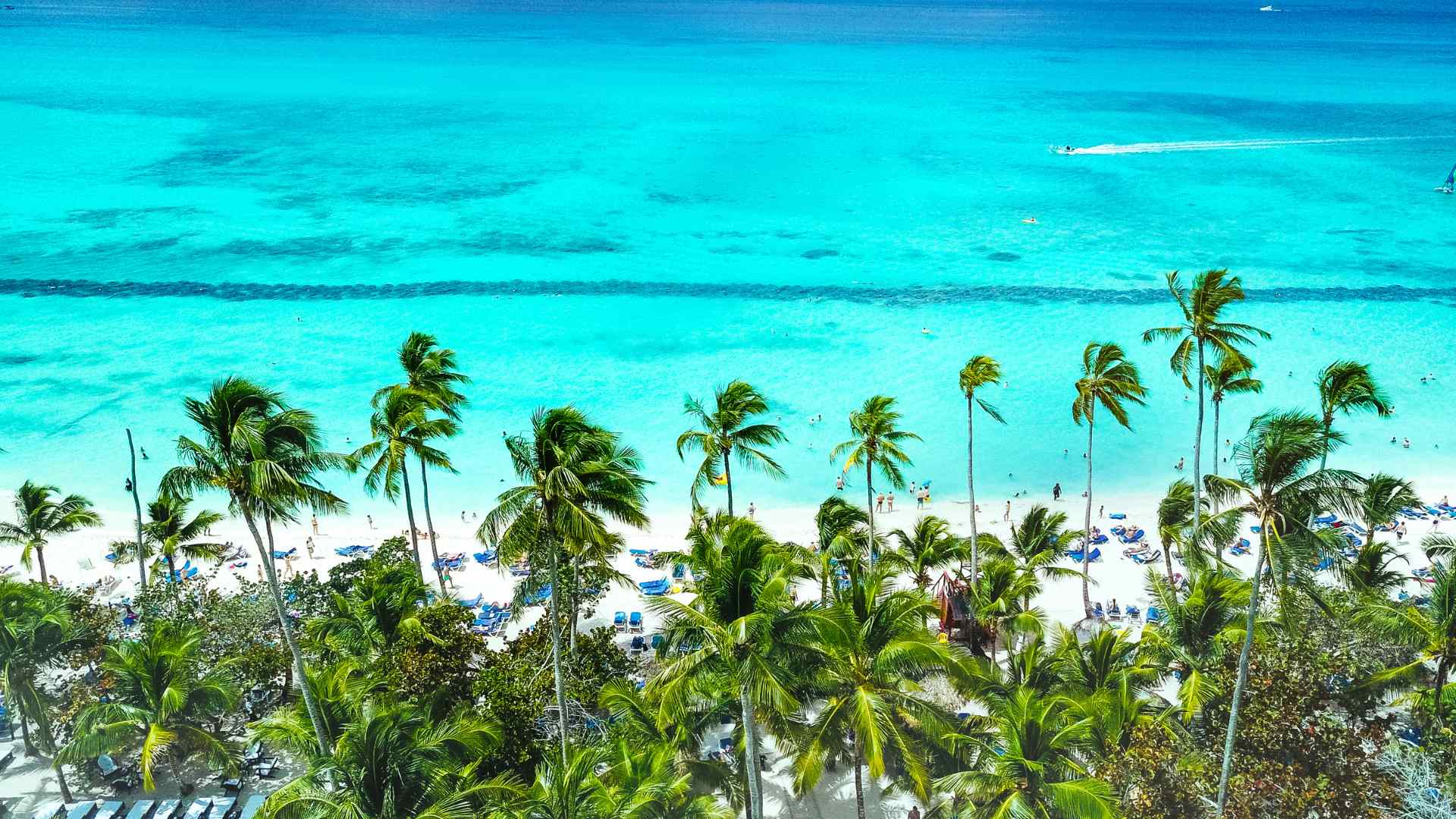
Playa Dominicus:This resort-area beach near Bayahibe can suit a land-based beach day without a small boat. Check current public access, facilities, annual certification, swimming flags, and the return pickup before leaving the port.
Isla Saona: The famous one, inside Cotubanama National Park, reached by catamaran or speedboat from Bayahibe. It eats an entire day and it is usually busy, so go in knowing that.
Cueva de las Maravillas: A cave system west of La Romana with indigenous rock art and a genuinely well-run visitor setup. Opening days can be inconsistent, so confirm before committing a taxi fare.
Fun fact: Altos de Chavon looks medieval and is younger than the Sony Walkman, having opened in 1982 after six years of stonework. The official tourism board page for Altos de Chavon covers the village, the church, and that 5,000 seat amphitheater Frank Sinatra opened.
How I would plan the day
On a standard call I would do Altos de Chavon first thing, before the motorcoaches and the heat arrive together. Two hours there covers the village, the museum, and the view over the river.
With the afternoon left I would head toward Bayahibe for lunch and a swim. That combination gives you culture and sand without ever feeling rushed.
If the boat day is what you want, book it through the ship or a reputable operator rather than at the pier. Catalina and Saona trips run to a schedule that does not forgive a late start.
On a short call I would skip the islands entirely and stay on land. The transfer times alone will eat any margin you thought you had.
If the weather turns, Altos de Chavon is the better plan B because the museum and the restaurants are covered. A tropical downpour here is usually over faster than your coffee.
There is a full rundown of where to stay in our hotels near La Romana cruise port guide.
A realistic word on accessibility
Docking alongside on a modern pier is a real advantage, and the terminal side of the day is straightforward. Getting into a motorcoach or a taxi is the first real decision point.
Altos de Chavon is the tricky one, because the whole charm of the place is uneven cobbles, steps, and slopes. Some of it can be seen from the level areas, but not all of it.
Beach and boat days involve small vessels, wet landings, and soft sand, so ask hard questions before booking. For a wider view of which stops work well, see my roundup of wheelchair-friendly cruise ports.
When to go, and the weather
Cruise traffic peaks between December and April, which is also the driest and most comfortable stretch. The tourism board points at the same window for La Romana generally.
Daytime highs sit in the mid 80s Fahrenheit in winter and climb into the low 90s by late summer. Humidity does most of the damage rather than the number on the thermometer.
Rain here arrives as short heavy showers rather than gray drizzle, and it rarely wrecks a day. Pack a hat and reef-safe sunscreen instead of a raincoat.
Atlantic hurricane season runs June to November, and the south coast is not immune. If a storm is anywhere in the forecast, the National Hurricane Center is a better source than any forum at midnight.
Choose one complete outing from La Romana
Altos de Chavón sits inside the controlled Casa de Campo resort, so the taxi ride alone does not guarantee admission. Reserve through Casa de Campo, the cruise line, or a vetted operator and confirm whether the price includes the village, museum, resort gate, waiting time, and return.
Isla Catalina is the shorter island day and may depart from La Romana or another confirmed dock, while Saona trips usually add a road transfer to Bayahibe and a longer boat day. Choose either island only with life jackets, licensed operation, weather terms, landing method, and a return that protects all aboard.
Bayahibe or Dominicus suits visitors who want lunch and beach time without committing to a full boat excursion, but annual beach certifications and daily swimming conditions can change. Arrange the return pickup before the driver leaves and follow local flags rather than a permanent “calm beach” label.
Punta Cana is generally about an hour or more away by road, depending on destination and traffic, and Santo Domingo is much farther. Neither is a sensible add-on to Altos de Chavón or an island trip on a normal call.
Quick answers
Do you tender at La Romana?
No; ships normally berth alongside at the cruise pier on the Rio Dulce, while an itinerary specifically naming Catalina Island uses a different operation.
Is La Romana town worth visiting?
Not on my first short call; I would spend the limited hours at Altos de Chavon or on a well-timed water excursion.
Do I need Dominican pesos?
Not necessarily; many tourism businesses accept US dollars, but small bills are useful and change may come back in pesos.
Can I visit Casa de Campo on my own?
Access is controlled and can vary, so confirm the current visitor arrangement or book a tour before leaving the port.
The last word
La Romana is the port that punishes passivity and rewards ten minutes of planning. Choose one well-defined outing with every transfer, inclusion, and return confirmed before leaving the pier.
For the north coast version of this country, my Amber Cove guide covers the purpose-built cruise complex near Puerto Plata. It is the polished opposite of a sugar port.
My Puerto Plata guide handles the town next door, and my San Juan guide covers the usual neighbor on these itineraries. Between the three you get a fair picture of the Greater Antilles.
How this guide was researched: This guide was checked against official port, government, transit, attraction, and cruise-operator sources, including the applicable live schedules and access notices. Logistics and time-sensitive details were reviewed September 11, 2026; see our Editorial Policy.