Saint-Pierre Martinique Cruise Port: Tender, Ruins and Mount Pelée
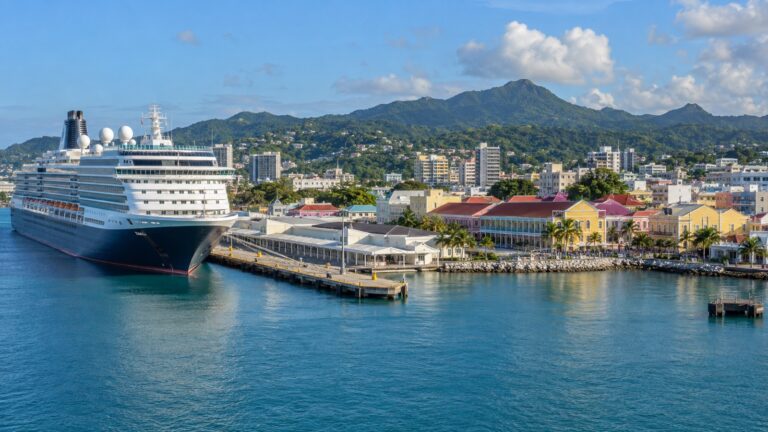
Saint-Pierre is Martinique’s most affecting cruise call because the landscape and the history refuse to separate. A tender brings you to a calm waterfront beneath Mount Pelée, then the town reveals the traces of May 8, 1902 in streets where everyday life has long since returned.
Come for the volcano view, but give the people, museum, ruins, and modern community more than a dramatic photograph. The strongest day is a respectful walking route with one carefully chosen north-island addition and a generous margin for the return tender.
Quick Facts
- Port: Saint-Pierre, Martinique, on the northwest Caribbean coast
- Arrival: Anchorage call with ship tender to the town waterfront
- Terminal: No conventional cruise terminal
- Town access: The historic center begins at the quay, with hills and uneven surfaces beyond
- Essential visit: Mémorial de la catastrophe de 1902, also known as Musée Frank A Perret
- Signature ruins: Theater, prison and Cyparis cell, streets, and surviving foundations
- Longer options: Earth Sciences Discovery Centre, Depaz estate, Le Carbet, or a guided north-island circuit
- Currency: Euro
- Languages: French and Martinican Creole
- Time zone: Atlantic Standard Time at UTC-4 year-round
- Driving: Right-hand side
- Main risks: Tender conditions, heat, steep streets, volcanic weather, fragile ruins, and overambitious Mount Pelée plans
This is Saint-Pierre in Martinique
This guide covers Saint-Pierre on the French Caribbean island of Martinique. It does not cover Saint-Pierre in Saint-Pierre and Miquelon, and it is not a guide to the much busier cruise facilities at Fort-de-France.
Saint-Pierre sits between the Caribbean Sea and Mount Pelée in Martinique’s volcanic north. Before 1902 it was the island’s leading commercial and cultural city, a role that explains the scale of the tragedy and the density of ruins still visible today.
On May 8, 1902, a devastating eruption destroyed the city and killed tens of thousands of people within minutes. The event became fundamental to volcanology and remains a human catastrophe, so avoid language that turns loss into spectacle.
How the tender arrival works
Visiting cruise ships anchor offshore and transfer passengers by tender to the Saint-Pierre waterfront. The town starts at the landing, which makes an independent walk practical when the sea and your mobility cooperate.
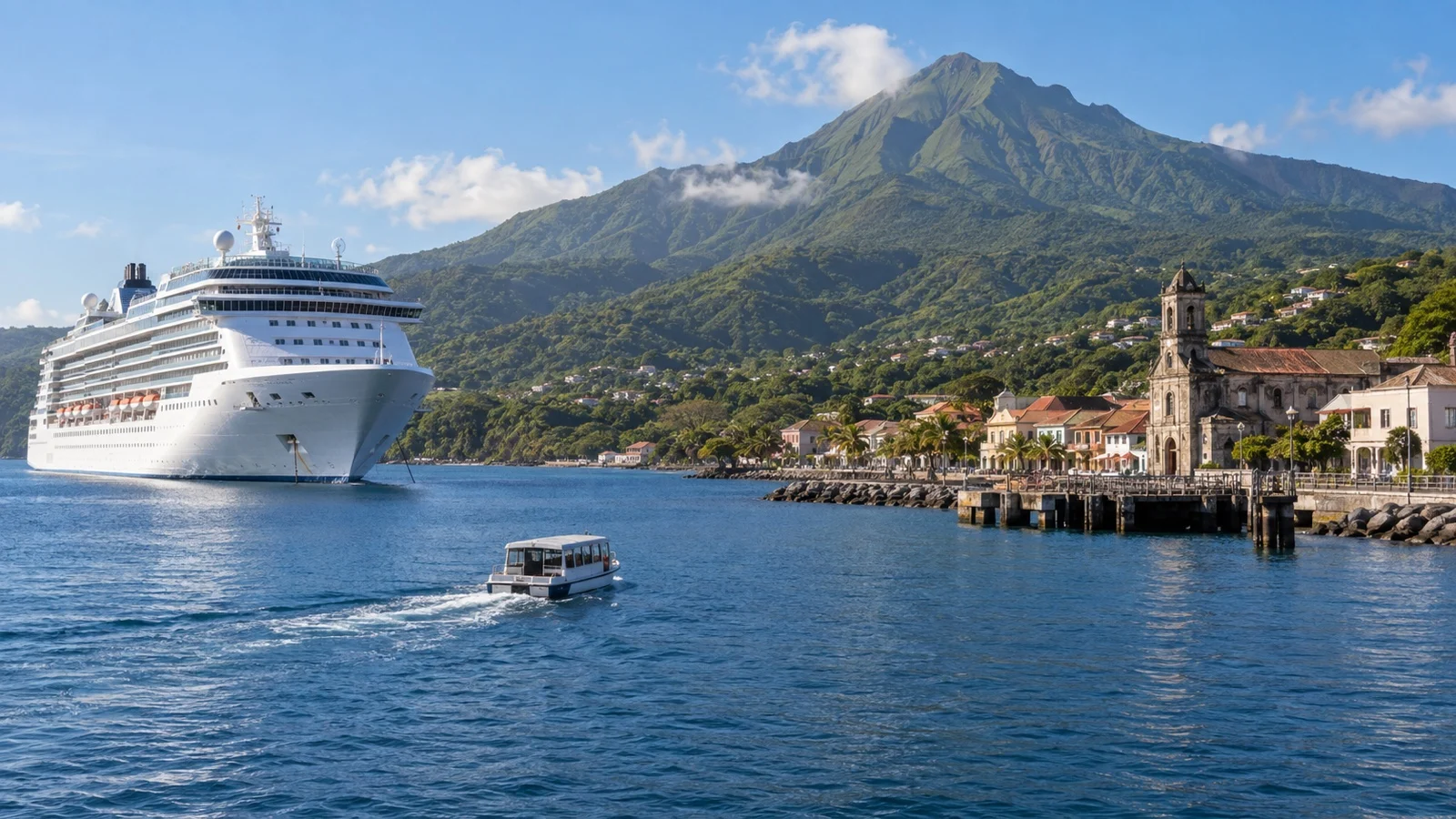
The exact tender point, ticket system, priority, and last return are set by your ship. Use the daily program and onboard announcements because a harbor description cannot tell you which float the marine team will use on your call.
Tender steps, wet surfaces, swell, and the moving gap between vessels can challenge balance. Keep both hands available, secure cameras and phones, and follow crew instructions even when the shoreline looks close.
There is no conventional cruise terminal filled with services. Find restrooms, drinking water, and the return route early, then begin the historic circuit with a clear turnaround time.
A tender call remains conditional
Saint-Pierre’s Caribbean coast can look protected while offshore swell or wind makes the boat transfer unsafe. The captain may delay the first tender, pause service, change the landing, or cancel the call.
If the usable window shrinks, keep the memorial and central ruins while dropping Mount Pelée, a distant distillery, or any long coastal drive. History is not improved by a rushed circuit and an anxious ride back.
Return well before the final tender because queues and loading conditions can slow the last part of the day. The ship controls tender departures, not a taxi driver or independent guide.
Begin at the 1902 memorial
The Mémorial de la catastrophe de 1902, also known as Musée Frank A Perret, gives the scattered ruins a human and chronological frame. Visit early if it is open so the objects, testimony, and interpretation guide everything you see afterward.
The museum’s current hours, admission, guided visits, and language options can change. Confirm the official Mémorial 1902 information for your date and ask whether the cruise line has arranged special access.
Give the galleries enough time to read rather than scanning them for a famous artifact. The essential story includes the city’s people, the warnings and decisions before the eruption, the destruction, the survivors, and the long rebuilding.
Photography rules may vary by gallery or exhibition. Follow current signs and staff guidance, and do not let a camera interrupt other visitors’ quiet engagement with the subject.
Walk the theater and prison ruins carefully
The old theater ruins show the scale and ambitions of the pre-eruption city. Nearby prison remains include the stone cell associated with Louis-Auguste Cyparis, who survived severe injuries and became the disaster’s most famous survivor.
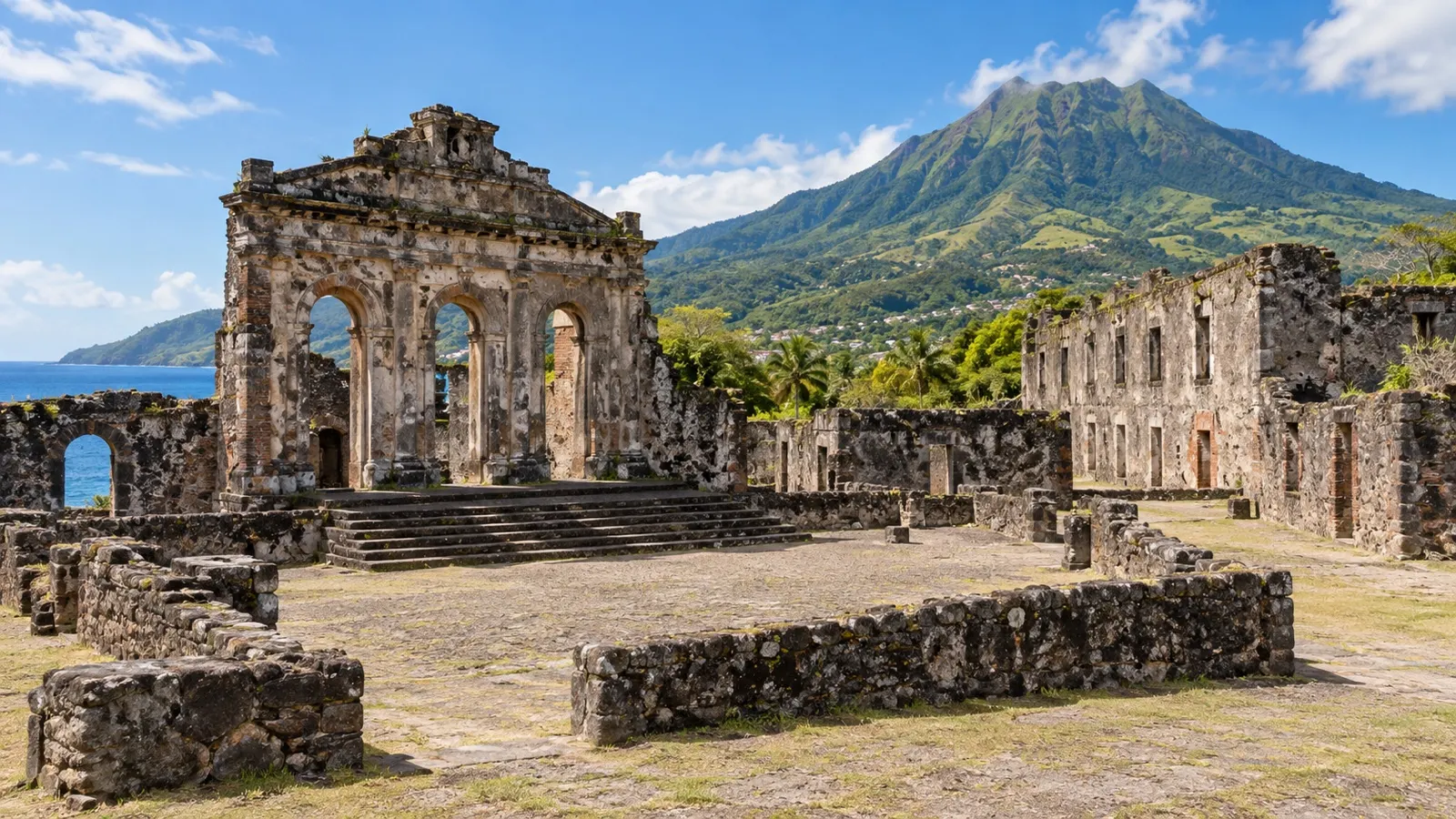
The shorthand that calls Cyparis the sole survivor is misleading because other people survived in different parts of the affected area and under different circumstances. Use the memorial’s interpretation rather than repeating a simplified legend.
Ruins can include irregular stone, steps, drainage channels, broken edges, and surfaces polished by rain. Stay on designated routes, do not climb masonry, and resist stepping backward for a photograph without checking the ground.
A local guide adds enormous value by connecting street fragments to the city that existed before 1902. Ask about the current route length and terrain before joining, especially if heat or mobility is a concern.
The waterfront and rebuilt city
The waterfront offers a gentle visual introduction with fishing activity, small boats, public spaces, and Mount Pelée rising behind the town when cloud permits. It also shows clearly that Saint-Pierre is a living community rather than an open-air disaster set.
Allow residents room to work, avoid blocking narrow streets, and ask before photographing people or private homes. The most respectful images often come from public viewpoints where daily life can continue undisturbed.
The rebuilt cathedral and streets of the Mouillage area can fit naturally into the historic walk. Confirm opening and dress respectfully if entering an active place of worship.
A narrow volcanic-sand beach edges parts of the coast, but width and access change with sea conditions. Treat it as a scenic pause unless local advice confirms safe swimming and a suitable exit.
Understanding Mount Pelée today
Mount Pelée is an active volcano monitored by the Observatoire volcanologique et sismologique de Martinique. Never interpret clear weather, tourism activity, or the time since the last eruption as proof that a mountain route is safe.
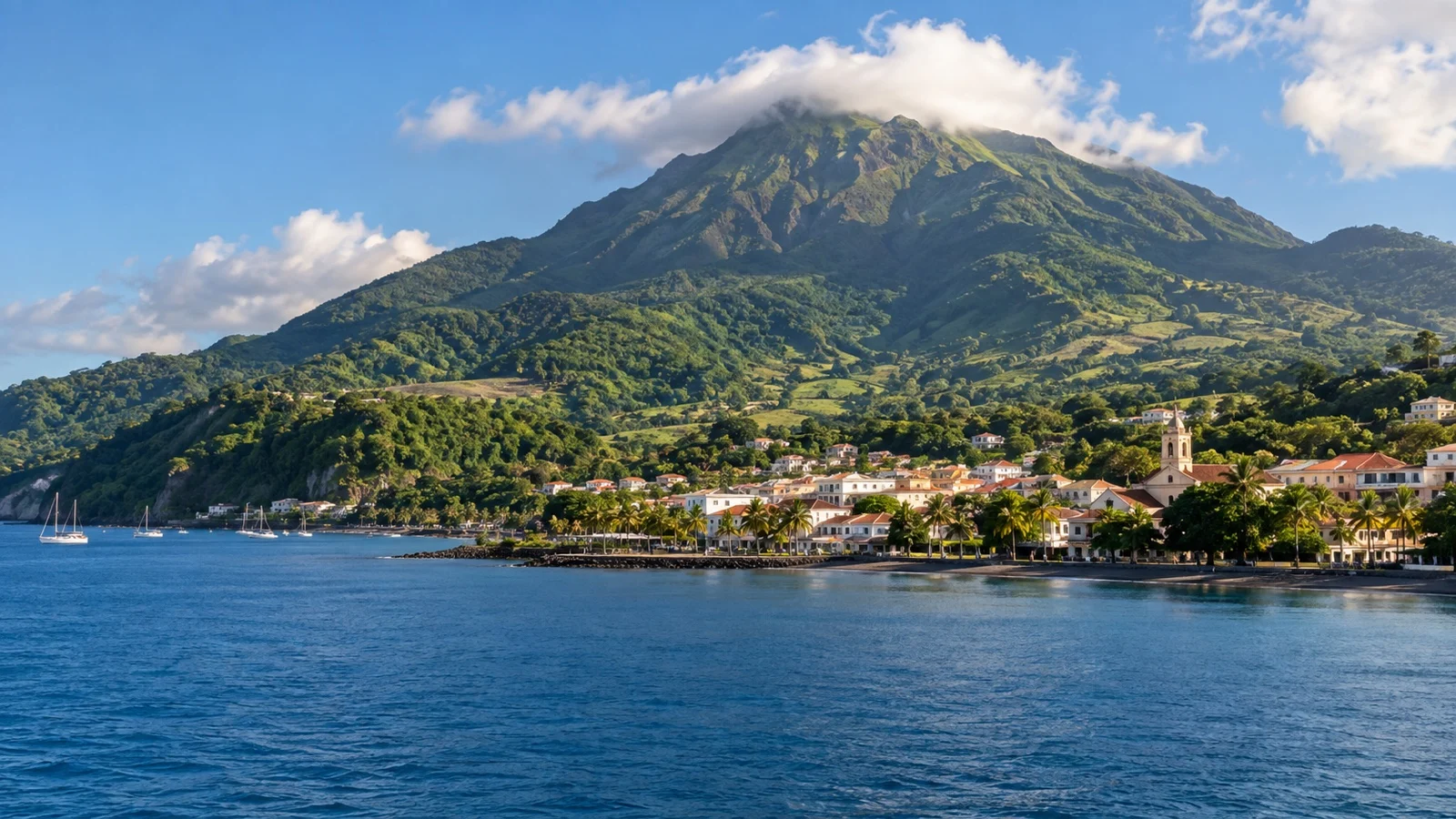
Check official observatory and prefecture information for current volcanic status, weather, trail access, and restrictions. Follow closures immediately because volcanic, seismic, landslide, and meteorological hazards are evaluated by specialists with live data.
The volcano and forests of Mount Pelée form part of the UNESCO World Heritage property that also includes the Pitons of Northern Martinique. UNESCO recognizes both the area’s volcanic significance and its exceptional biodiversity.
The 1902 eruption was a defining event in the science of explosive volcanism and had an immense human impact on Saint-Pierre. That global significance does not turn the summit into a casual cruise excursion.
Should you hike Mount Pelée on a cruise day?
For most passengers, the answer is no. A serious Pelée hike requires road transport, sustained climbing, appropriate footwear, navigation, variable cloud and rain, and enough spare time to turn around safely.
Conditions near the mountain can be wet, cool, windy, and completely different from the waterfront. Visibility may disappear quickly, while mud and steep sections slow the descent more than expected.
Only consider a hike on a long call with a qualified guide, confirmed trail status, suitable fitness, and a conservative return plan. A ship-sponsored excursion offers the strongest protection when available, but it cannot override an official closure.
A scenic drive to a legal viewpoint is the better choice for many visitors. Even then, tell the driver the all-aboard time and keep the return route independent of one last possible connection.
Earth Sciences Discovery Centre
The Centre de découverte des sciences de la Terre lies north of central Saint-Pierre and interprets volcanology, earthquakes, cyclones, and the 1902 disaster. It can deepen the day for travelers interested in science and risk rather than only historic ruins.
The site is not as naturally walkable from the tender landing as the central memorial circuit. Use a taxi or tour, verify current hours, and ask how much time the exhibitions require.
Check language availability and accessibility directly because program formats can change. A good guide or translated material can make technical exhibits much more rewarding.
The centre combines well with a short northern drive, not with a summit hike and a long distillery visit. Choose the day’s main story before adding stops.
Depaz and the rum-estate option
The Depaz estate sits in the volcanic landscape near Saint-Pierre and can add agricultural and rum-making context to a north-island tour. Opening hours, tour access, production activity, and tasting arrangements vary, so verify directly before departure.
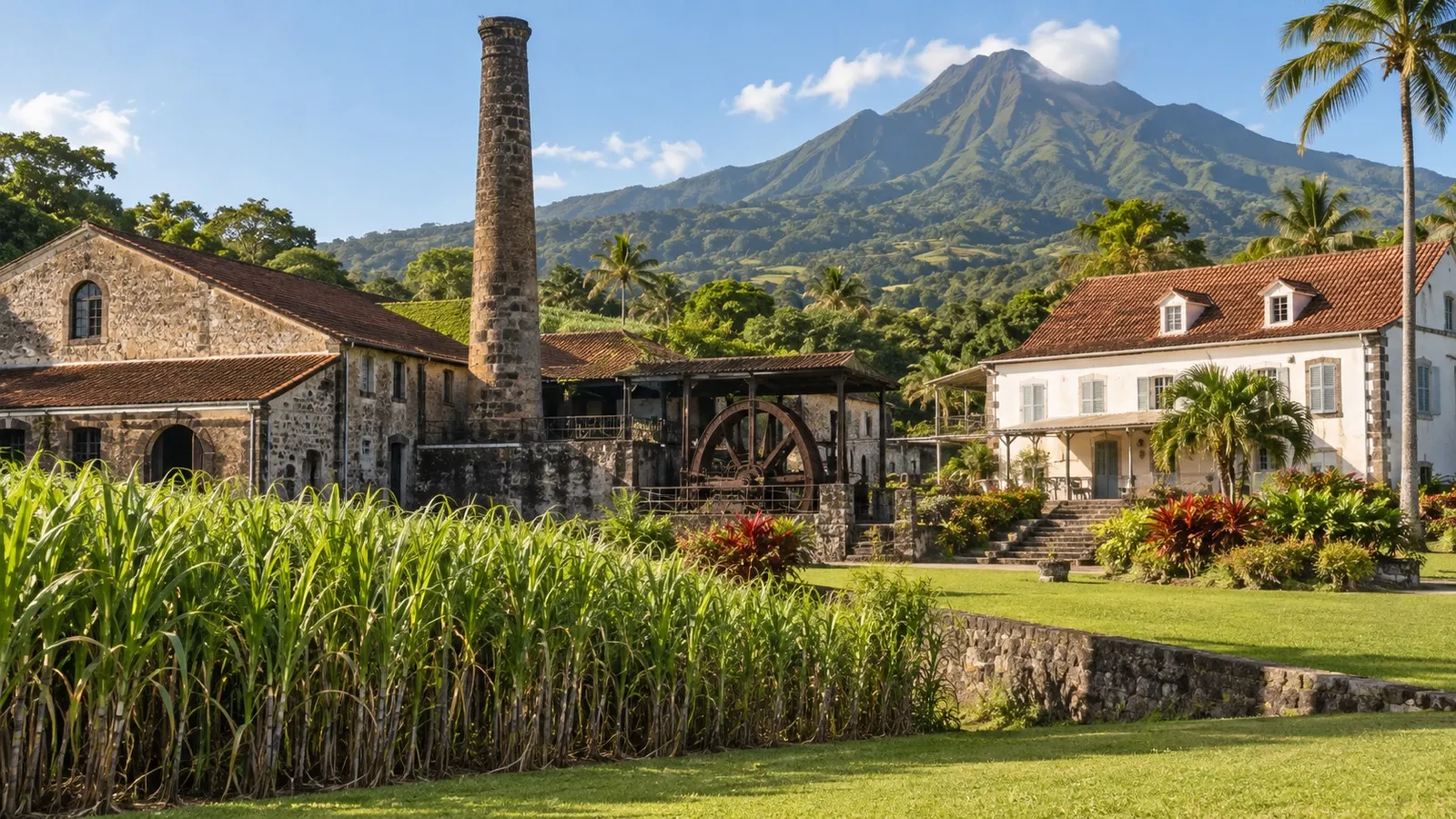
A distillery is not merely a tasting stop. Look for interpretation of land, labor, colonial history, production, and the people whose work shaped the estate and Martinique’s rum industry.
If tasting is offered, the driver should not drink and passengers should keep the heat and tender ride in mind. Confirm customs and ship rules before buying bottles because allowances depend on the itinerary and destination.
Depaz fits best after the central Saint-Pierre history route or as part of a prearranged vehicle circuit. Do not combine it with a long hike unless the cruise line has designed the schedule.
Le Carbet and the coastal south
Le Carbet lies south of Saint-Pierre and can be paired with a scenic coastal drive, a beach stop, or another approved attraction. Traffic and road conditions can stretch the return, especially when several ships or local events concentrate vehicles.
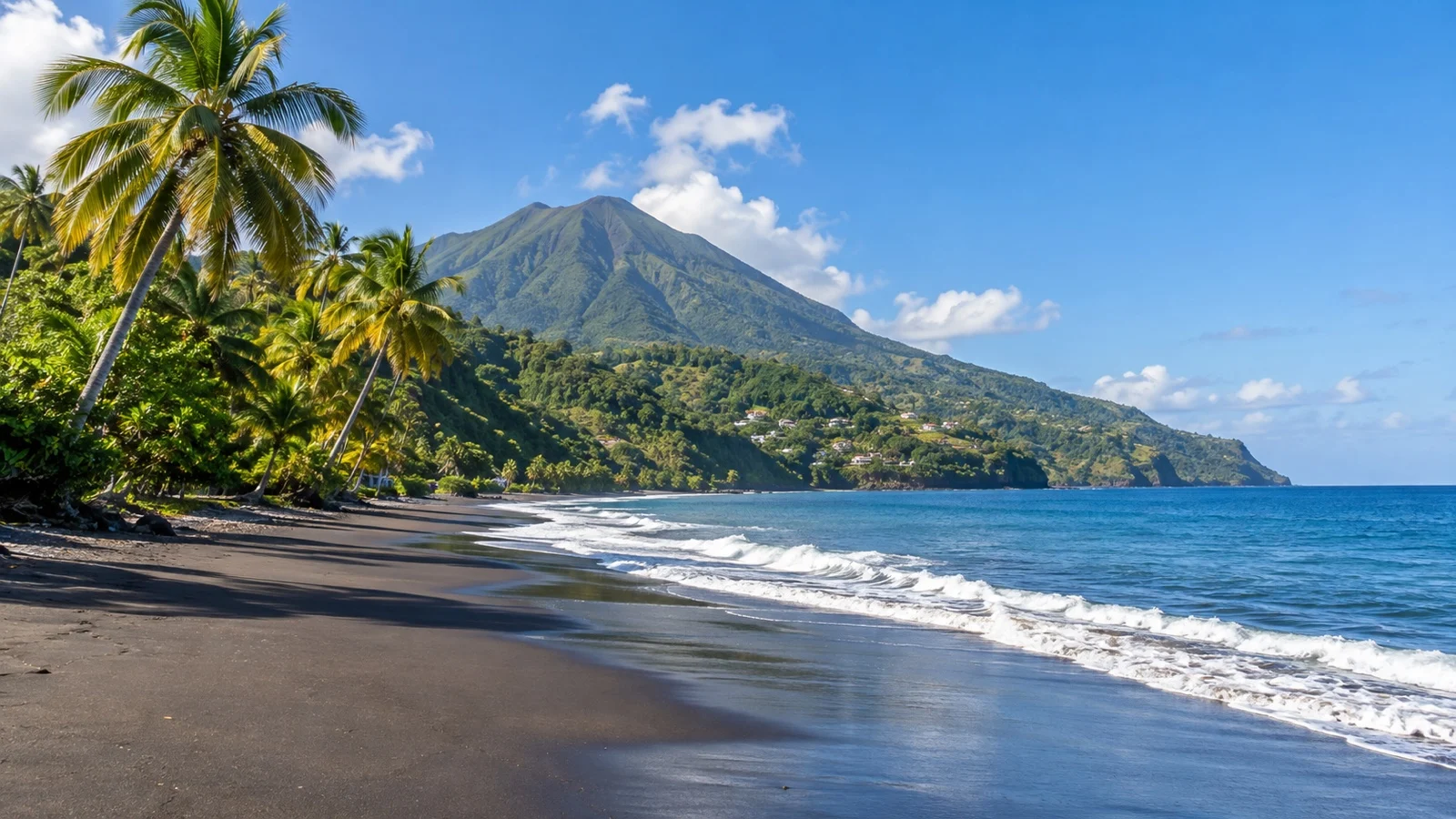
A taxi or guide is simpler than trying to coordinate local buses on a fixed cruise deadline. Agree on the total fare, waiting time, stops, and return before leaving Saint-Pierre.
If a beach is the goal, ask about currents, water quality notices, facilities, shade, and the safest swimming zone that day. Dark volcanic sand can become very hot in direct sun.
Keep the final part of the afternoon in Saint-Pierre. A last museum room or waterfront drink is much calmer than a late sprint north from Fort-de-France traffic.
Local buses, taxis, and rental cars
Regional buses and shared transport connect communities in northern Martinique, but service patterns, pickup points, and payment can be unfamiliar. They are useful for residents and flexible travelers, yet less reliable for a short tender call with a hard return.
Use public transport only after confirming the current outbound and return schedule locally. Build a backup taxi plan because a missed bus can erase the margin before the final tender.
Taxis and private guides are the strongest independent option for Pelée viewpoints, the Earth Sciences Discovery Centre, Depaz, or Le Carbet. Ask for a written itinerary and confirm whether the driver waits at each stop.
A rental car adds pickup paperwork, navigation, parking, fuel, and return formalities to a day that already begins by tender. Unless the call is long and the vehicle is confirmed near the landing, a driver is usually the better use of time.
Martinique follows right-hand traffic and French road rules. Seat belts, speed limits, parking restrictions, and sober driving are not negotiable simply because the route feels tropical.
Swimming, diving, and underwater heritage
The waters off Saint-Pierre contain wrecks linked to the 1902 disaster and have long attracted experienced divers. A wreck dive is a specialist excursion requiring a reputable operator, certification appropriate to the site, safe equipment, and a schedule built around the ship.
Do not assume every wreck is suitable for beginners or casual snorkelers. Depth, current, visibility, overhead hazards, historic sensitivity, and decompression planning all matter.
Choose an operator who protects cultural heritage and does not remove artifacts. No object from a wreck or archaeological site should become a souvenir.
For ordinary swimming, seek current local advice and stay clear of tender lanes, fishing activity, and boat traffic. Use a buddy, watch the exit point, and leave the water before fatigue or a changing sea complicates the return.
Weather, heat, and tropical systems
Saint-Pierre can move from bright sun to cloud, heavy rain, and mountain mist within one outing. Carry a breathable waterproof layer, secure hat, sun protection, water, and shoes that grip wet stone.
Mount Pelée creates its own visual drama by collecting cloud even when the coast is clear. Do not let a hidden summit tempt you into waiting so long that the tender margin disappears.
Atlantic hurricane season runs from June through November, though disruptive weather can occur outside neat calendar boundaries. Follow official forecasts and ship instructions when a tropical system affects Martinique.
Heavy rain can create slippery ruins, sudden runoff, poor visibility, and landslide risk on mountain roads. A guide may shorten the route for reasons that are not obvious at the waterfront.
Accessibility and mobility planning
Accessibility begins with the tender, which may involve steps, a moving platform, and a gap between ship and boat. Ask the cruise line before sailing about transfer assistance, mobility-device restrictions, and the day’s final safety decision.
Once ashore, the waterfront is the easiest terrain, while historic streets and ruins can include cobbles, slopes, broken stone, steps, and limited shade. A site described as walkable may still be unsuitable for a wheelchair or anyone with balance concerns.
Contact the Mémorial 1902 and other attractions directly for current entrance, restroom, seating, and exhibit access. Ask whether a companion route or alternative entrance avoids the steepest section.
Reserve an adapted taxi ahead if you need one. Confirm ramp or lift, doorway width, interior dimensions, securement, and whether the driver will wait at each stop.
A rewarding lower-mobility day can combine a waterfront orientation, accessible parts of the memorial, a vehicle loop, and a relaxed meal. The goal is meaningful history without turning uneven ruins into an endurance test.
Money, language, and practical details
The euro is Martinique’s currency, and cards are widely useful at established businesses. Small purchases, temporary connection problems, and market stalls still make some euro cash helpful.
French is the official language, and Martinican Creole is widely spoken. A greeting in French, written addresses, and a translation app used politely can smooth an independent day.
The time zone is Atlantic Standard Time at UTC-4 throughout the year. Your ship may keep a different clock, so confirm onboard time before setting a return alarm.
Cell service is generally useful in town, but download an offline map and save the tender landing. Roaming should never be the single point of failure between you and the ship.
Public restrooms and seating are easiest to plan around the waterfront, museum, and established businesses. Ask early rather than waiting until you are climbing through the historic district.
Food and responsible shopping
Saint-Pierre offers cafés, restaurants, bakeries, markets, and small shops that reflect Martinique’s French and Creole food culture. Menus may include local fish, accras, fruit, stews, baked goods, and rum products depending on the day.
Opening hours and lunch service can be highly specific, particularly on Sundays or holidays. Keep a second option and ask for the bill well before the tender deadline.
If you buy food, alcohol, plants, or handmade items, check customs rules for the ship and next country. Natural materials and agricultural products can be restricted even when sold legally in Martinique.
Spend with local guides, restaurants, museums, and makers when possible. A smaller route that keeps value in Saint-Pierre often contributes more than a long drive that barely pauses in town.
French Caribbean entry rules
Martinique is a French overseas department, but it is outside the Schengen Area and can have its own immigration rules. Requirements depend on nationality, residence status, passport, route, and the rest of the cruise itinerary.
Use the official France-Visas checker and follow your cruise line’s documentation instructions. Do not assume that a Schengen visa automatically covers Martinique or that a visa-free rule for metropolitan France applies in exactly the same way.
Carry the documents specified by the ship and protect them from spray during the tender ride. A digital copy is useful backup, but it does not replace an original when authorities require one.
French customs rules apply alongside local and itinerary-specific controls. Declare restricted goods and do not carry ship food ashore unless current instructions allow it.
Three realistic ways to spend the call
A short historic walk
Visit Mémorial 1902, the theater and prison ruins, and the central waterfront. Keep the final hour close to the landing and skip every mountain or coastal add-on.
History and volcano science
Begin with the memorial and central ruins, then take a reserved taxi to the Earth Sciences Discovery Centre or a legal Pelée viewpoint. Return directly to Saint-Pierre rather than extending the drive to Fort-de-France.
History and north-island flavor
Walk the essential 1902 route, then use a driver for Depaz or one coastal stop near Le Carbet. Finish with lunch or a waterfront pause in Saint-Pierre and return early.
Common mistakes to avoid
The first mistake is treating the eruption only as a spectacular story. Center the people, evidence, and local interpretation instead of repeating myths or posing carelessly among ruins.
The second is planning a Mount Pelée summit hike from a short tender call. Mountain weather, trail conditions, transport, and descent time make that a poor independent gamble.
The third is assuming every historic site is flat because it lies near the quay. Saint-Pierre climbs, and old surfaces become slippery quickly in rain.
The fourth is relying on the final regional bus or an unconfirmed taxi. Your return plan should have a backup and a buffer before the ship’s deadline.
The fifth is reading a clear sky as an all-purpose safety signal. Volcanic status, trail restrictions, sea conditions, and mountain weather each require their own official check.
Final checks before going ashore
Confirm the tender landing, last tender, all aboard, ship time, weather, and any tour meeting point. Recheck Mémorial 1902, the Earth Sciences Discovery Centre, every driver, and all mountain access.
Carry water, sun protection, a light rain layer, secure footwear, offline directions, and ship contact details. Set a return alarm early enough to walk the final streets slowly and wait at the quay without stress.
Give Saint-Pierre the attention it asks for
Saint-Pierre is not a ruin with a town attached. It is a living town that carries one of the Caribbean’s most consequential disasters, and a good visit respects both realities.
Our Editorial Policy explains how operating claims are checked and corrected. Reconfirm tender operations, landing, museum access, transport, volcanic guidance, weather, and all aboard on your sailing.
How this guide was researched: This guide was checked against official Martinique Tourism Authority, Mémorial 1902, UNESCO, French immigration and customs, volcano-monitoring, and current local operator sources. Logistics and time-sensitive details were reviewed September 11, 2026; see our Editorial Policy.