Bonaire Cruise Port (Kralendijk): The Ultimate Guide
Bonaire Cruise Port: A Diver’s Island in the Dutch Caribbean
I love Bonaire for one simple reason: you step off the ship straight into Kralendijk, and the whole island is built around the water. This little Dutch Caribbean gem rewards divers, snorkelers, and flamingo watchers alike.
Here is how I would choose between an easy snorkel day, an island loop, and the rougher national-park adventure.
There is more on this in Aruba, Curaçao or Bonaire.
My quick take
Bonaire is the one Caribbean port I would treat as a swim day first and a sightseeing day second. If you like reefs and calm water, it belongs near the top of any Caribbean cruise ports shortlist.
It also pairs naturally with its ABC neighbors, so it is worth reading alongside my Aruba and Curacao guides if your itinerary strings all three together.
The quick facts
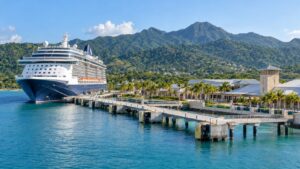
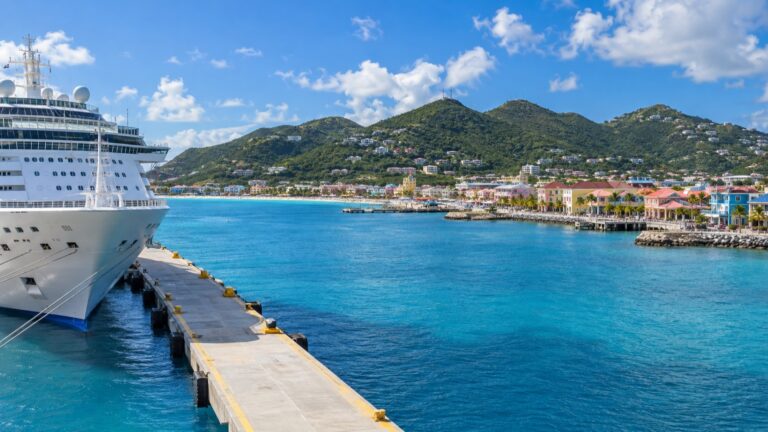
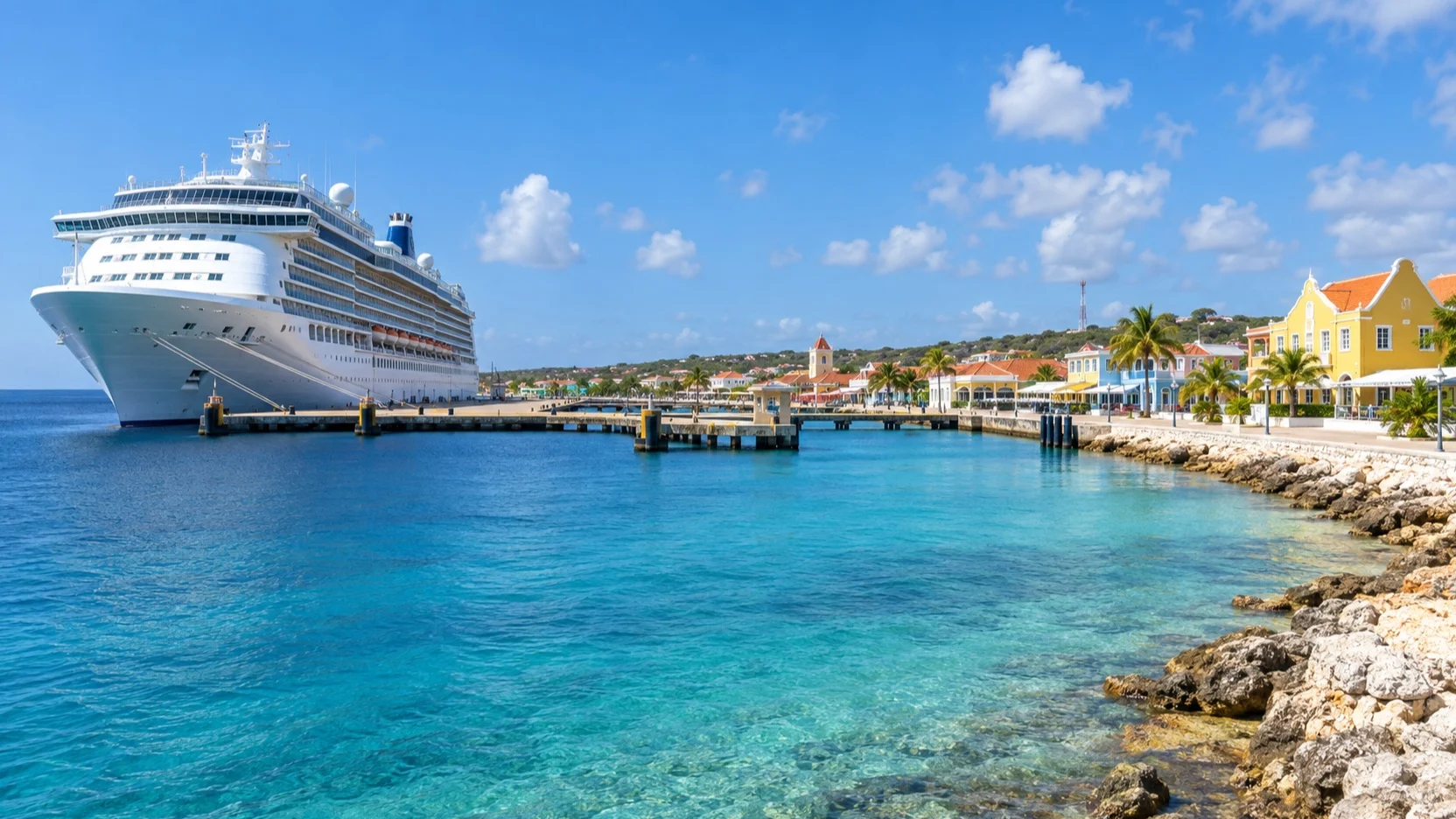
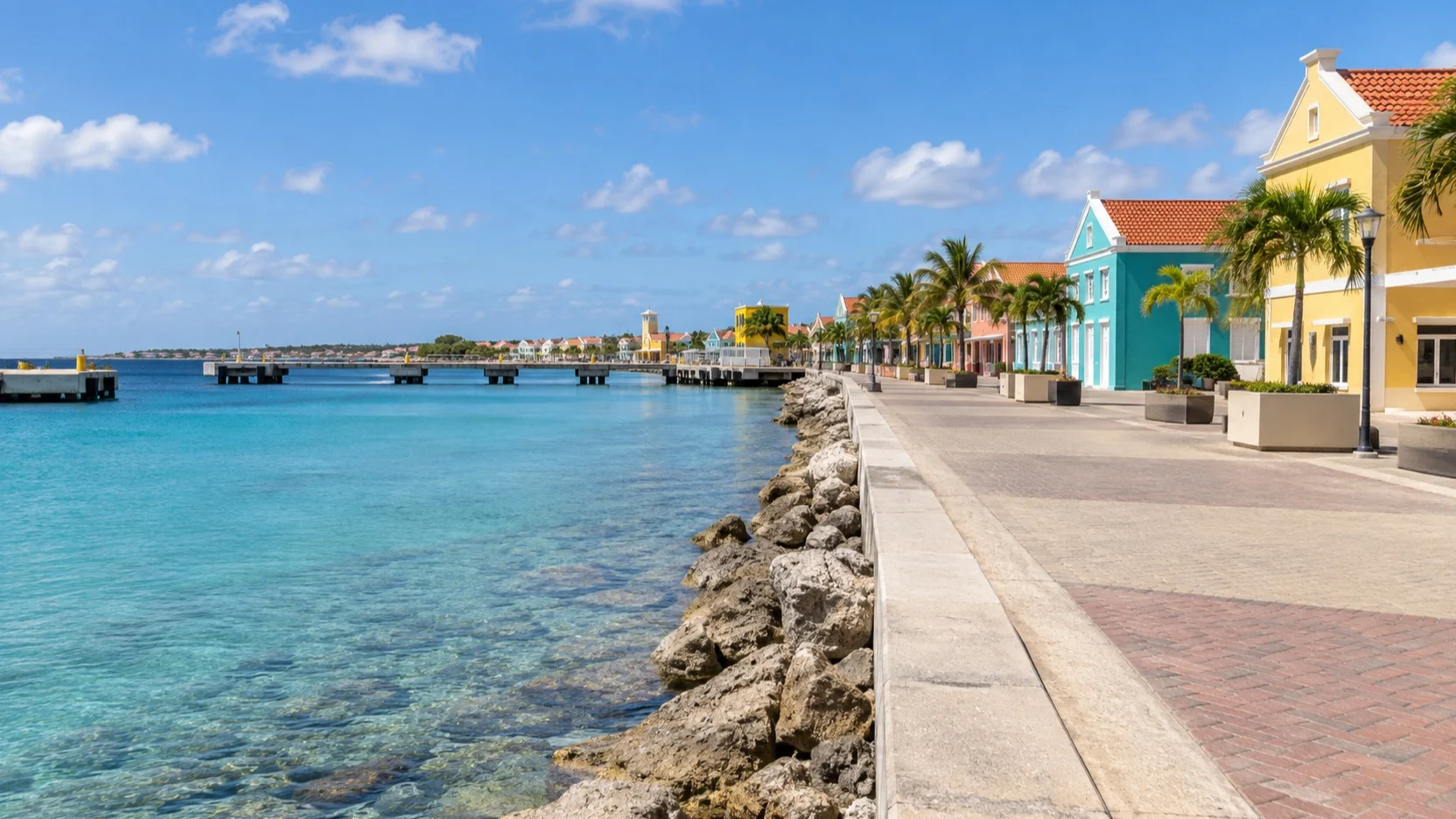
- Where you land: right in Kralendijk, the capital. Per the island tourism board, cruise ships dock at the North or South Pier year round, both of them on the town waterfront.
- Dock or tender: You berth alongside at either pier and walk off.
- Into town: You are already in it.
- Currency and language: The US dollar is the official currency, so no exchange is needed.
- Time zone: Atlantic Standard Time (AST, UTC−4) all year.
- How often the call is missed: Low (under 1%): tropical storms can make the approach unsafe.
The nature fee: pay it before you get wet
This is the single most important planning note for Bonaire. The island runs on conservation, and access to the water is not free.
STINAPA, the official park authority, says visitors entering the sea need a nature fee. Cruise passengers currently pay a $10 one-day fee, while the standard $40 fee covers the calendar year, so choose the cruise product unless you need the longer validity.
The standard $40 fee covers the marine park waters around the whole island plus Washington Slagbaai for the calendar year. STINAPA lists exemptions for children under 12 and certain regional residents, but children under 12 who scuba dive are not exempt.
Getting around
Kralendijk itself is flat and walkable, so you can cover the town center, shops, and waterfront on foot. On cruise days a small market sets up on Wilhelmina Square.
To reach the dive sites, salt flats, or national park, you will want wheels. Taxis, rental cars, and scooters are the usual options, and a rental gives you the freedom to follow the coastal dive road at your own pace.
Heads up: some links below are affiliate links. If you book through one, I may earn a commission at no extra cost to you. It never changes which hotels or tours I recommend. Full disclosure.
The stops I’d actually spend time on
Bonaire has a long list of possible excursions, but a cruise day is short. These are the named, verifiable places I would prioritize.
The Bonaire National Marine Park
This is the reason people cruise here. The whole coastline is protected, and STINAPA manages the reef from the high water mark outward, which is why the shore diving is so easy to reach.
Fun fact worth knowing: because the entire coast is one continuous marine park, Bonaire is regularly ranked among the world’s premier shore-diving destinations. You can wade in from the beach and be on a reef within minutes.
Klein Bonaire and No Name Beach
Klein Bonaire is the uninhabited islet just offshore, and its No Name Beach is white sand fringed by coral. You reach it by water taxi from Kralendijk, so it is a realistic half-day even on a cruise stop.
Bring snorkel gear, water, food, and serious sun protection. Two shelters provide limited cover, but you should plan as if you will not get one.
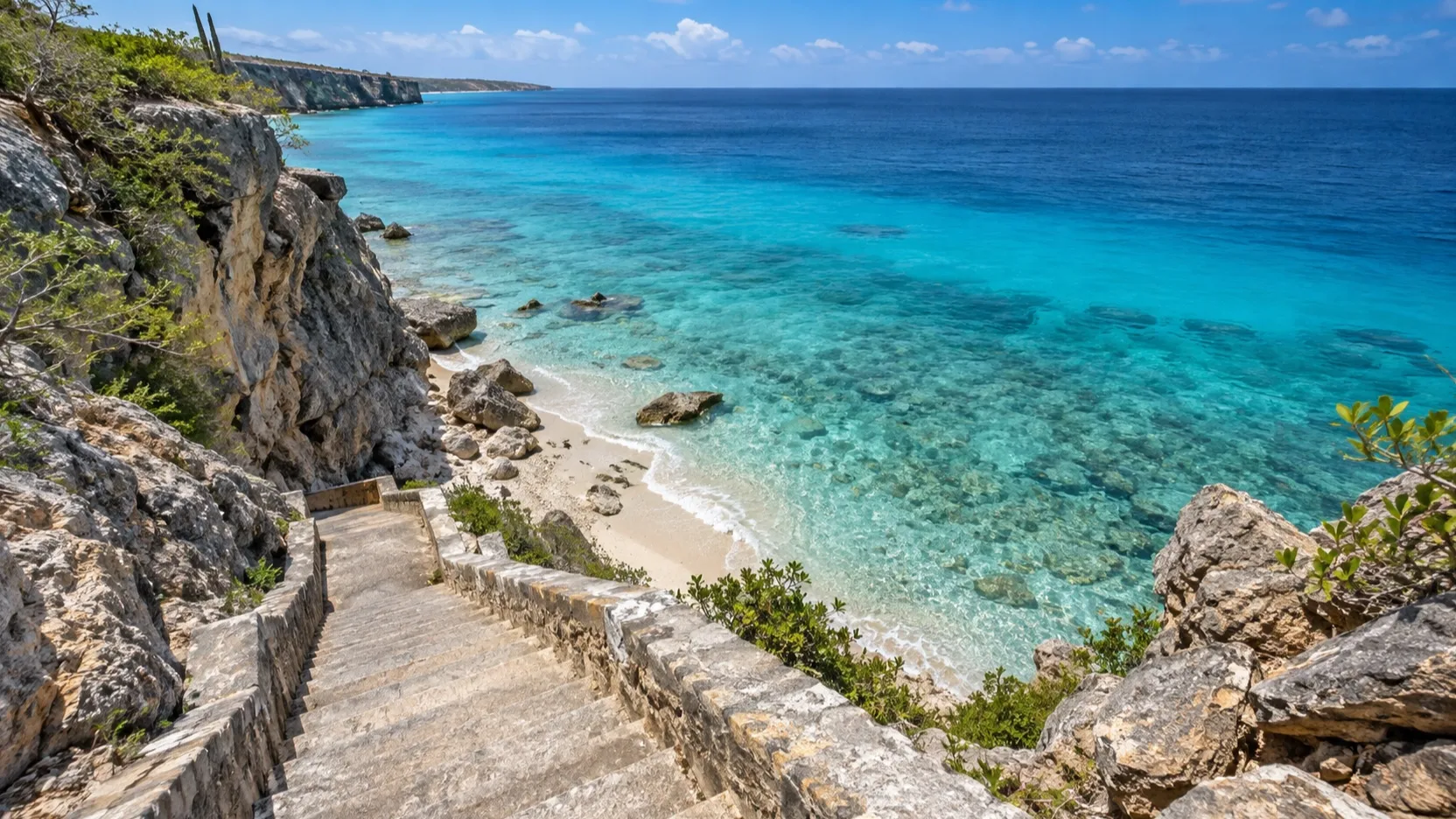
1000 Steps
Do not let the name scare you. The tourism board notes that 1000 Steps is actually about 67 steps down to a limestone cove, and it just feels like a thousand on the climb back up.
It is one of the island’s strongest shore snorkel and dive spots, with shallow turquoise water and possible turtle sightings. The return climb is the real issue if stairs are hard for you.
The salt flats and the historic slave huts
The south end of the island is one huge working solar salt operation, with white salt mountains you can see from the road. It is still an active industry today.
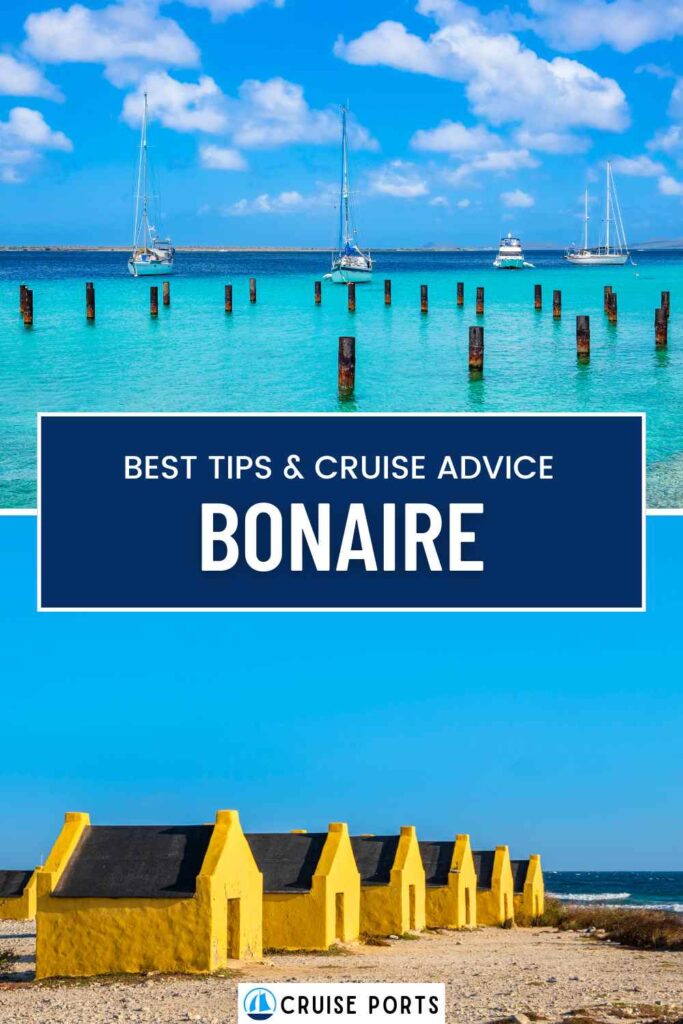
Nearby stand the tiny slave huts and colored obelisks. The huts were built in 1850 as shelters for enslaved salt workers, while the obelisks helped ships identify loading areas.
The flamingos at Pekelmeer and Gotomeer
Bonaire is one of only a handful of places on earth where Caribbean flamingos breed. The Pekelmeer Flamingo Sanctuary in the south is home to thousands of them.
You cannot enter the sanctuary itself, but you can watch from the road. For a closer, quieter look, the northern lagoon Gotomeer has a roadside observation area overlooking the birds.
Lac Bay for windsurfing
Over on the east coast, an offshore reef keeps the shallow water of Lac Bay calm and warm. Combined with steady trade winds, that makes Sorobon Beach one of the world’s great windsurfing spots.
It hosts international competitions, yet the flat, waist-deep water also makes it forgiving for first-timers taking a lesson.
Washington Slagbaai National Park
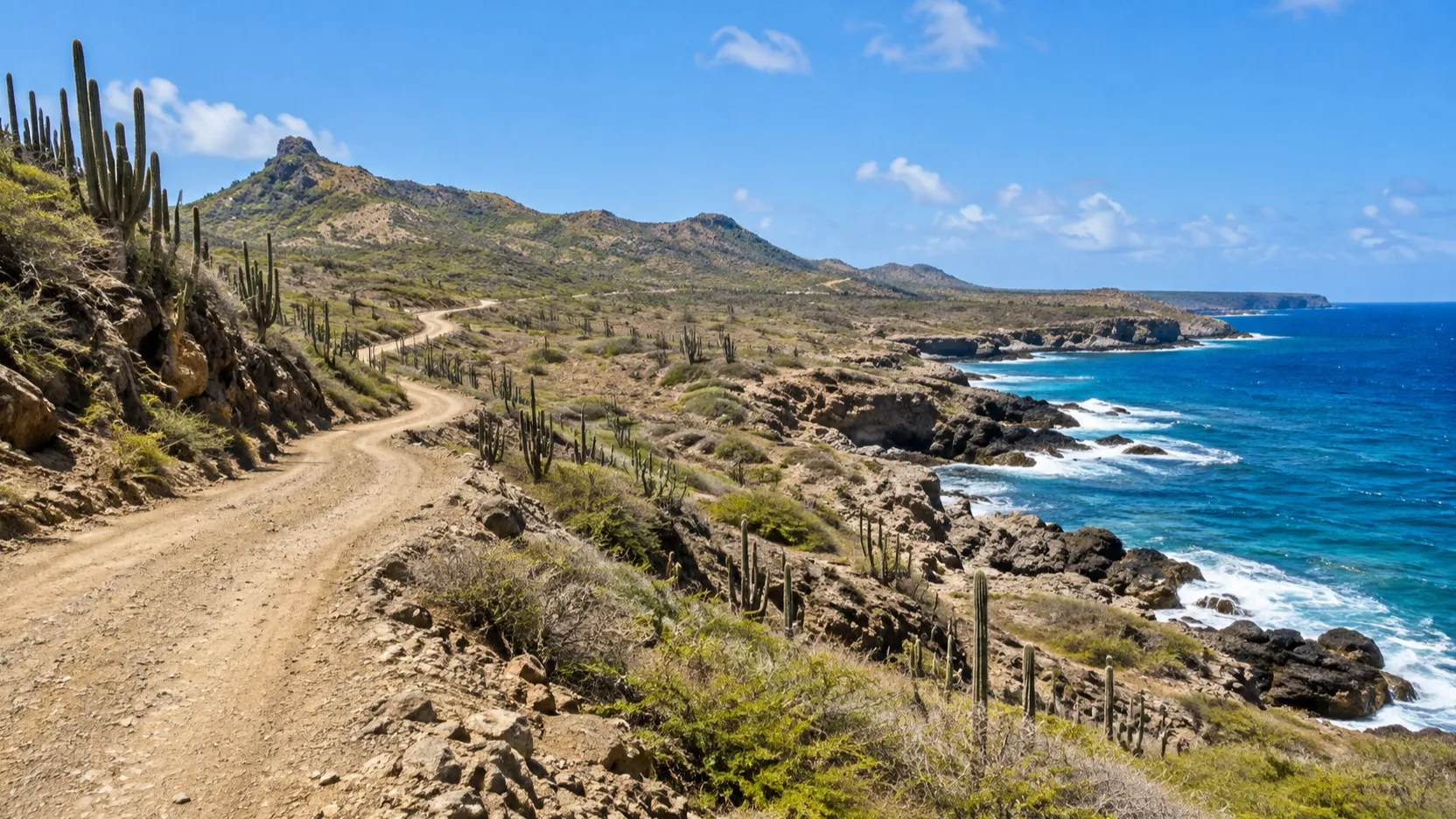
The wild northwest of the island is a protected area of 4,286 hectares, or about 10,600 acres, established in 1969 as the first nature sanctuary in the former Netherlands Antilles. It protects habitat for parrots, iguanas, flamingos, and sea turtles.
It is a genuine adventure with 21 miles of rough roads and long loops, so I would only tackle it with a vehicle the rental contract allows on park roads. STINAPA recommends at least 12 inches of ground clearance, bans golf carts and similar vehicles, and can turn away a low-clearance car when road conditions are poor.
How I’d plan the day
Because you dock right in town, you can be flexible. Here is how I would shape it around your time ashore.
- About 3 hours: Walk Kralendijk, browse Kaya Grandi, then take the short water taxi to Klein Bonaire for a snorkel at No Name Beach. Buy the $10 cruise-day nature fee first and confirm the last return boat before leaving town.
- About 5 hours: Rent a car and drive the southern loop: salt flats, slave huts, and the Pekelmeer flamingos, with a snorkel stop on the way back.
- A full day (8 hours): Head north for 1000 Steps and Gotomeer, or commit to Washington Slagbaai. Leave a generous cushion; the park roads are slow.
A realistic word on accessibility
Docking alongside at the North or South Pier means no tender, which is a real plus for anyone with limited mobility. The town center right by the piers is flat and easy to roll or stroll.
Beyond town it gets harder fast, since beaches, dive entries, and the parks involve rough ground and rocky shorelines. Gangway steepness can vary with the tide, so check conditions with your ship on the day.
When to go, and the weather
Bonaire sits at the southern edge of the Caribbean and is generally dry and sunny. It lies outside the main hurricane belt, which is part of why cruise lines call year round.
If flamingo nesting matters to you, the tourism board notes the birds tend their young roughly January to June. Whenever you visit, pack reef-safe sunscreen; the sun here is strong.
Quick answers
Do cruise ships tender at Bonaire?
No. Per the island tourism board, ships dock alongside at Kralendijk’s North or South Pier, and you walk straight into town.
Do I really have to pay to snorkel?
Yes. STINAPA requires most visitors entering the sea to have a nature fee, and cruise passengers currently have a $10 one-day product instead of the standard $40 calendar-year fee.
Is Bonaire good for a first cruise?
It is easy and safe, though it rewards water lovers most. If you are new to DIY port days, see my guide to the best first-timer cruise ports.
How this guide was researched: Unless a first-hand visit is explicitly identified above, this guide is based on independent research using official port, tourism, transit, government, and attraction sources where available; logistics and time-sensitive details were reviewed in September 2026; see our Editorial Policy.