Jost Van Dyke Cruise Port: BVI White Bay Day Guide
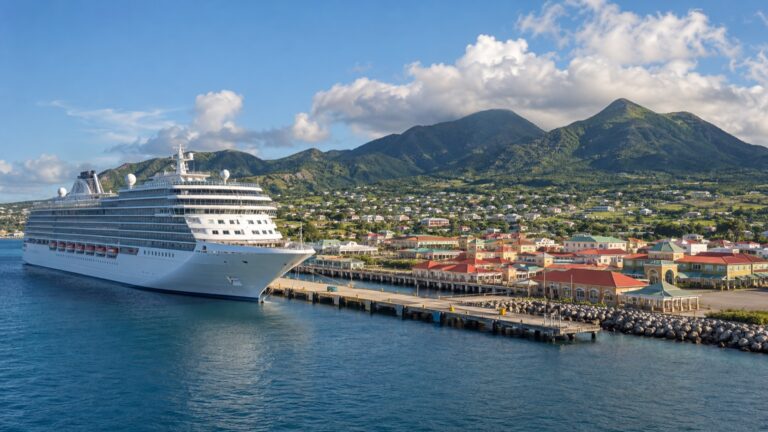
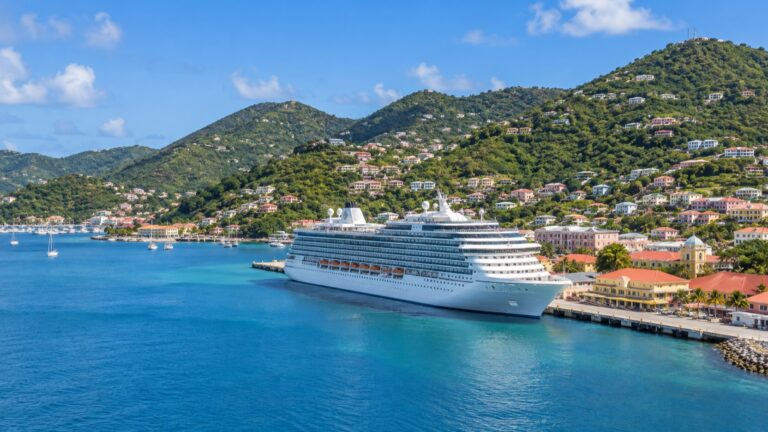
Jost Van Dyke is the barefoot heart of the British Virgin Islands, tiny and laid back, and your ship will tender you into a slice of Caribbean that still feels unhurried. Here is how I would actually spend a day ashore.
My quick take
This is a place you come to slow down, not to tick off a list of sights. If you like your port days spent on a beach with a cold drink and warm sand, Jost Van Dyke is close to perfect.
Calls are generally made by smaller ships, but White Bay and Great Harbour can still feel busy when cruise guests and yachts overlap. My roundup of the best cruise tender ports explains the small-boat tradeoff.
Think of this as a beach day with a little island character rather than a shopping or sightseeing stop. Manage that expectation and you will love it.
The whole island is home to only a few hundred residents, which is exactly why it stays so peaceful. That small-scale feel is the draw, not a drawback.
Jost Van Dyke Cruise Port Quick Facts
- Where you land: the dinghy dock at Great Harbour, the main settlement on the south coast and one of the busiest little harbors in the BVI. Background and beach detail are on the official British Virgin Islands Tourist Board page.
- Dock or tender: There is no cruise pier on the island, so ships anchor off Great Harbour and run small boats in.
- Into town: You land in the village, so Great Harbour’s beach bars are a walk of a minute or two.
- Currency and language: The US dollar, which is the official currency of the British Virgin Islands, and English.
- Time zone: Atlantic Standard Time (AST, UTC−4) all year.
- Weather watch: Swell, wind, and tropical weather can interrupt tender operations, so keep the ship schedule flexible.
Arriving by tender, and how it works
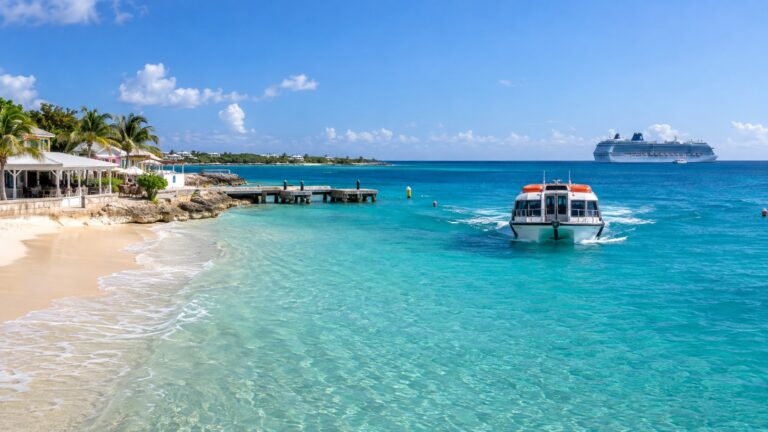
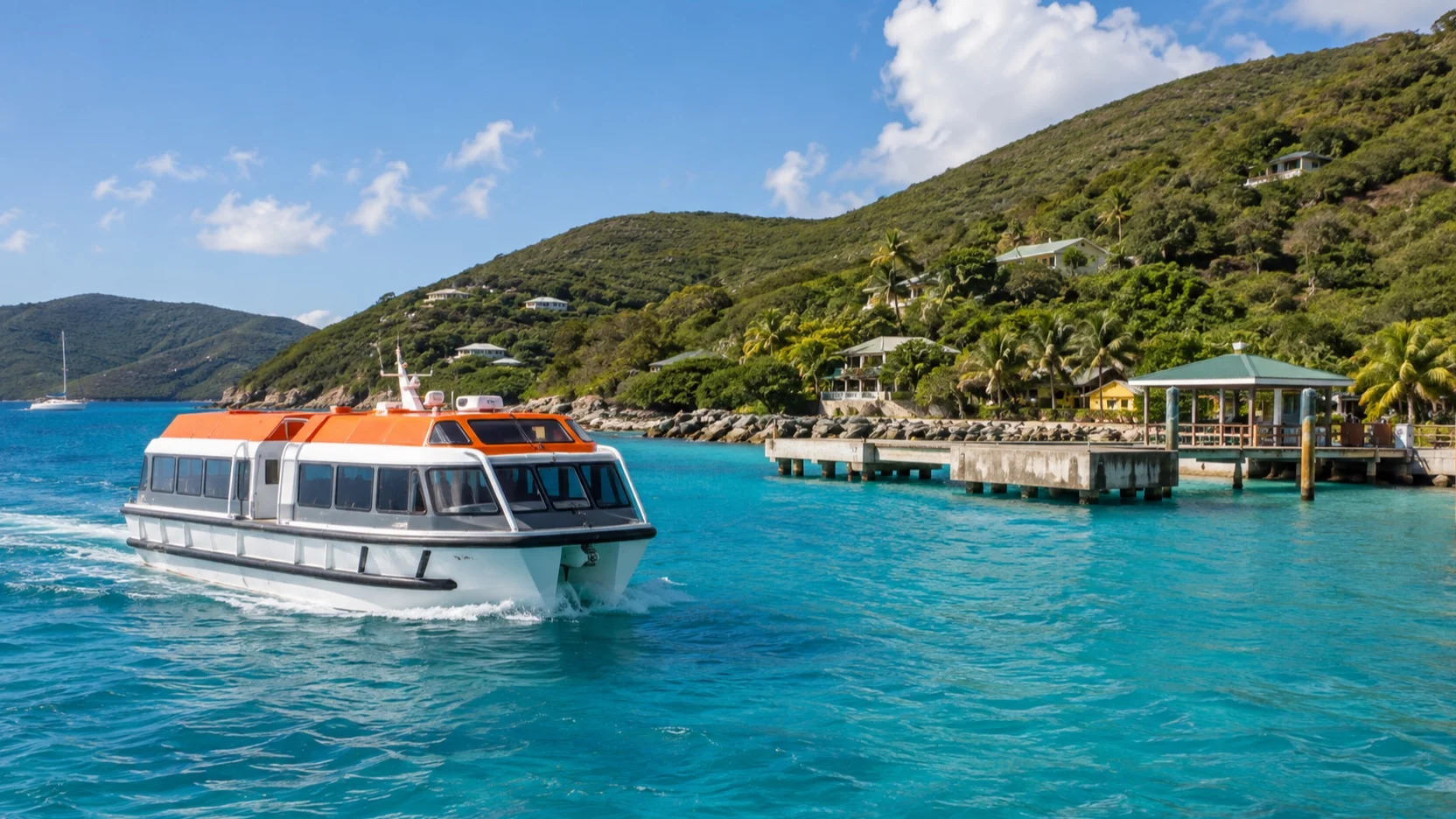
Jost Van Dyke has no cruise pier, so your ship anchors offshore and shuttles you in by tender. That small-boat ride is part of the charm, and it keeps the crowds gentle.
Great Harbour is a common tender landing, but small ships and excursion boats may use another approved point, including White Bay. Follow the ship’s landing notice and carry only the documents it tells you to take ashore because immigration is often cleared collectively.
The official Government of the Virgin Islands immigration service is the place to check current entry rules before you sail. Your cruise line will also brief you on the ship, but it never hurts to confirm.
Tenders run on a schedule, and the last one back is earlier than you might expect. Note the cutoff time the moment you step ashore.
Getting around
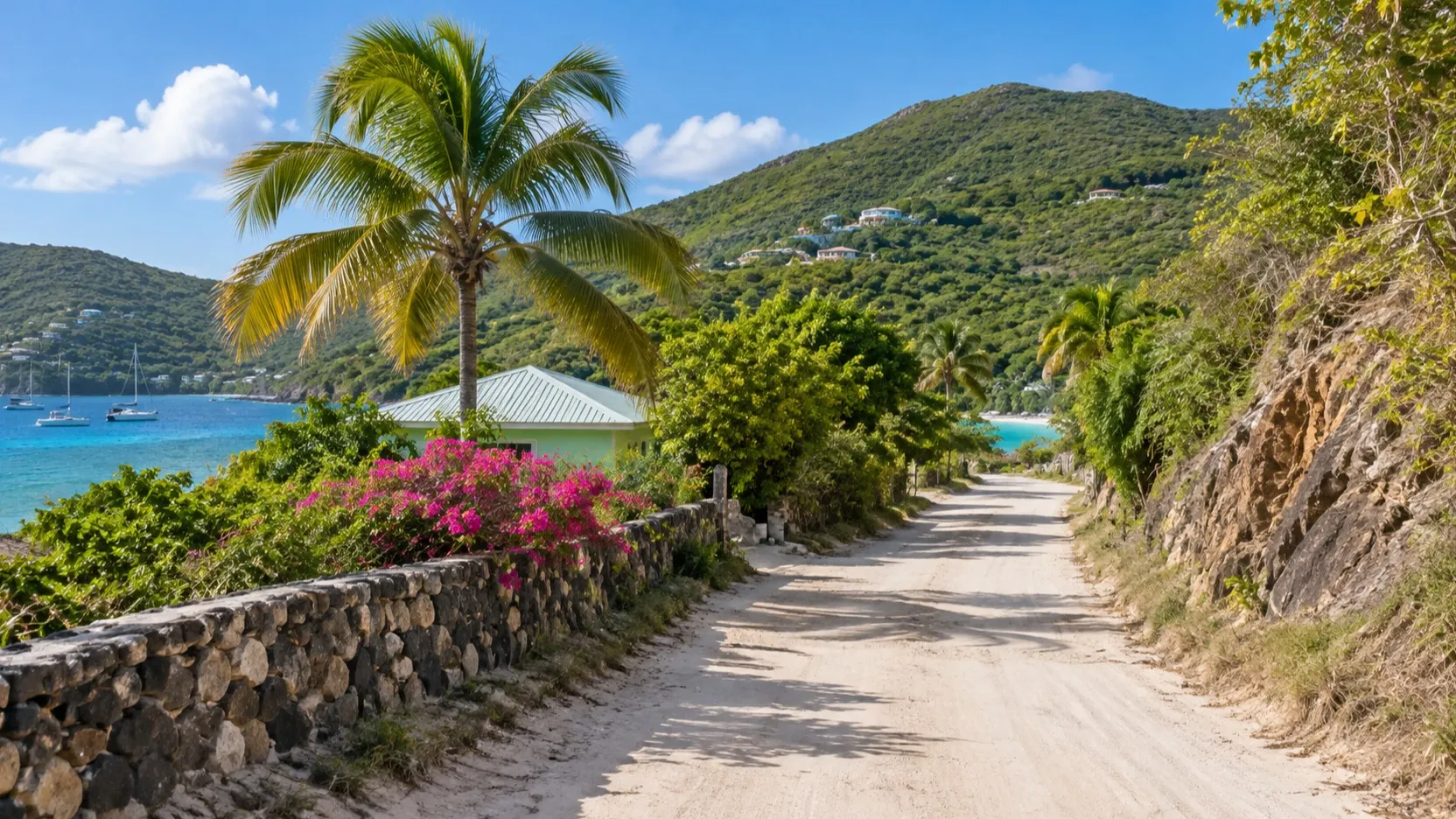
The island is only about 3 square miles, so getting around is refreshingly simple. Great Harbour itself is a stroll, and you can walk the whole village in a few minutes.
To reach White Bay, the easiest option is an open-air taxi truck that runs over the hill in a few minutes. There is also a footpath, but it is a steep, hot climb that I would skip in the midday sun.
Water taxis and dinghies also hop between anchorages if you want to island-hop. Agree the fare before you set off, since taxis here are shared and cash-friendly.
There are no major rental counters, and taxi supply can tighten when yachts and cruise guests arrive together. Arrange the return ride when you arrive at White Bay or the Bubbly Pool rather than expecting a vehicle on demand.
The stops I would actually spend time on
White Bay and the Soggy Dollar Bar
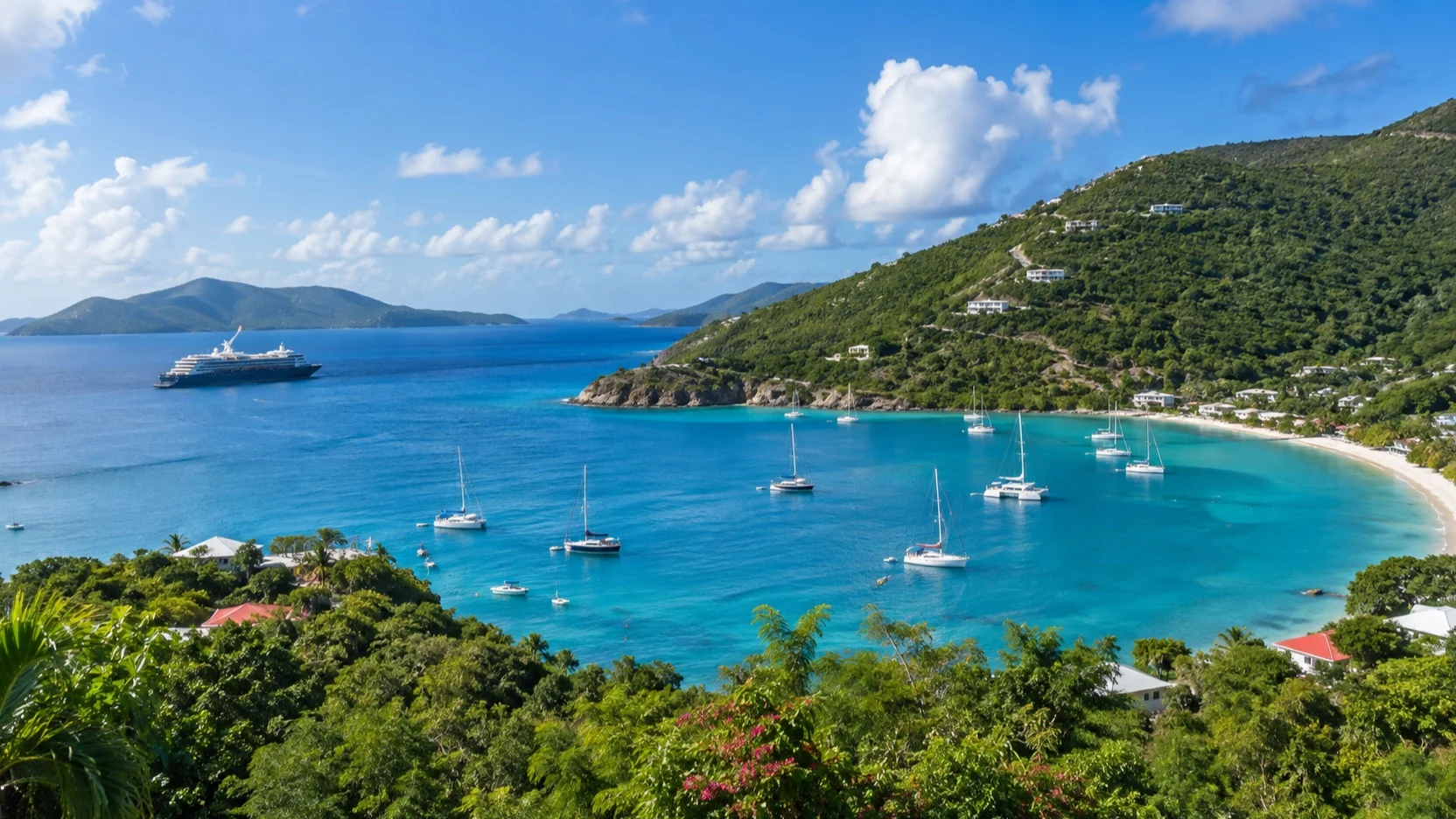
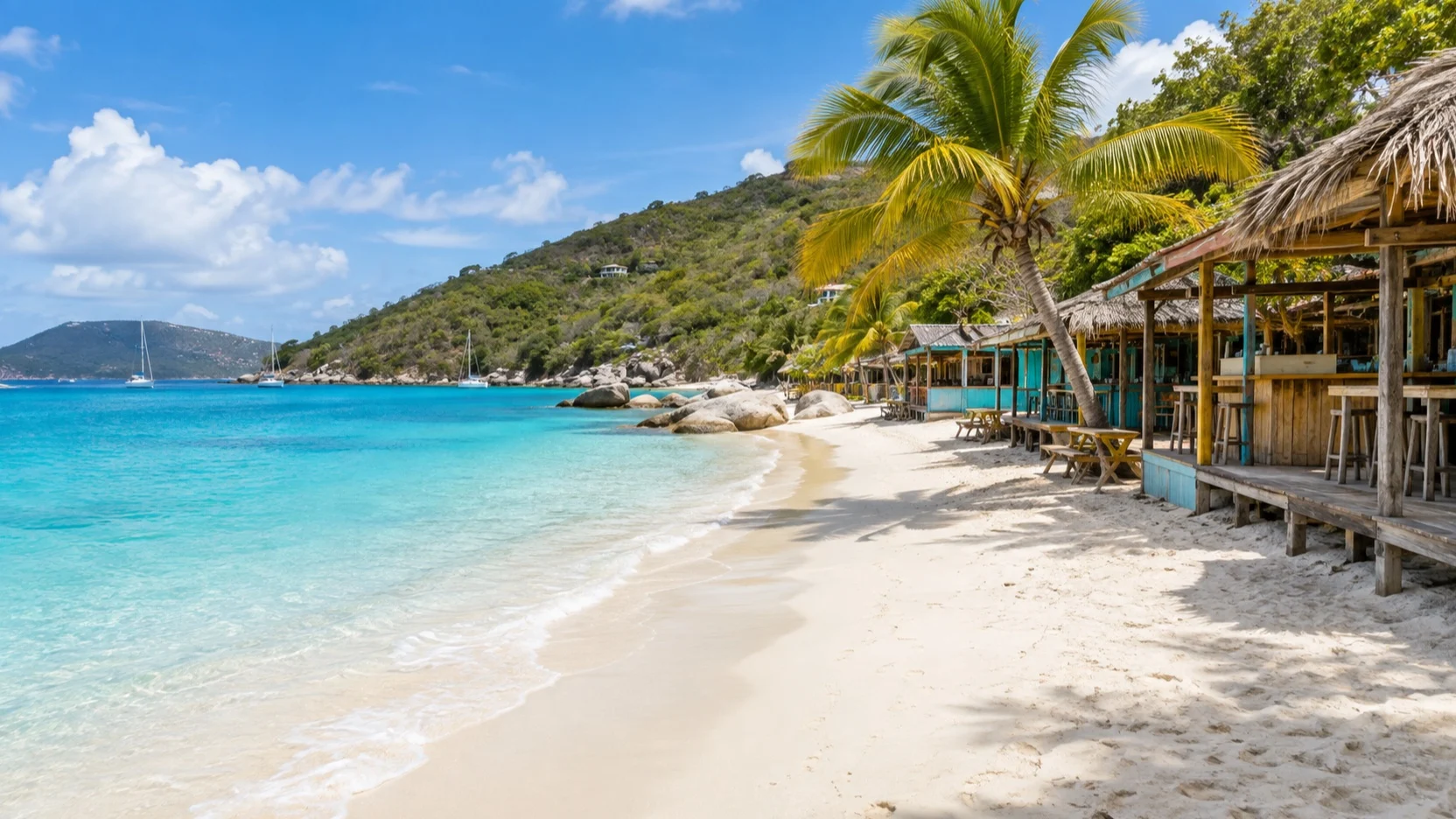
If you do one thing here, make it White Bay for the sand and beach bars. Water clarity and swimming conditions depend on wind and swell, so follow local warnings and do not count on a calm-water day.
The Soggy Dollar Bar is the star, and it is worth the hype for the setting alone. Order a Painkiller, plant yourself on the sand, and let the afternoon drift.
Fun fact: the Painkiller cocktail was originated and perfected at the Soggy Dollar back in the 1970s, blending dark rum, cream of coconut, pineapple and orange juice, finished with grated nutmeg.
The bay itself is unspoiled and framed by low green hills, which makes it feel almost private on a quiet call. Bring water shoes if the small dinghy landing looks rocky.
Great Harbour and Foxy’s
Great Harbour is where you land, and it is a fun, low-key strip of bars and restaurants right on the beach. This is the island’s main settlement and one of the busiest little harbors in the BVI.
Foxy’s Tamarind Bar anchors the eastern end and is a legend in its own right. Even a quick look around gives you a real feel for the island’s easygoing character.
Fun fact: Foxy’s proved its worth after Hurricane Irma in 2017, when it housed the island’s only major surviving refrigerator and generators and became a community recovery hub.
You will also find a handful of small shops selling local crafts, hot sauce, and cold drinks. It is a nice place to pick up a low-key souvenir before the tender back.
The Bubbly Pool
Over on the north side, the Bubbly Pool is a natural rock formation that turns into a fizzy Caribbean jacuzzi when the swell rolls in. It takes a short walk over uneven ground to reach.
Fun fact: waves force water through the rocks and create the pool’s bubbles, but heavier swell makes the same spot dangerous. Visit only when local operators say conditions are safe, and stay out when waves are breaking hard over the rocks.
Snorkeling
The waters around Jost Van Dyke are clear and calm, which makes for easy, relaxed snorkeling. White Bay’s protected shallows are a gentle place to start.
Bring your own mask if you have one, since rentals ashore are limited. Small-boat trips can also take you out to quieter reefs nearby.
Food and drink
Beyond the famous cocktails, the beach bars serve up fresh grilled fish, conch, and simple island plates. Prices lean touristy, so carry some cash for the smaller spots.
Lunch on the sand with your toes in the water is the whole point of a day here. Do not rush it.
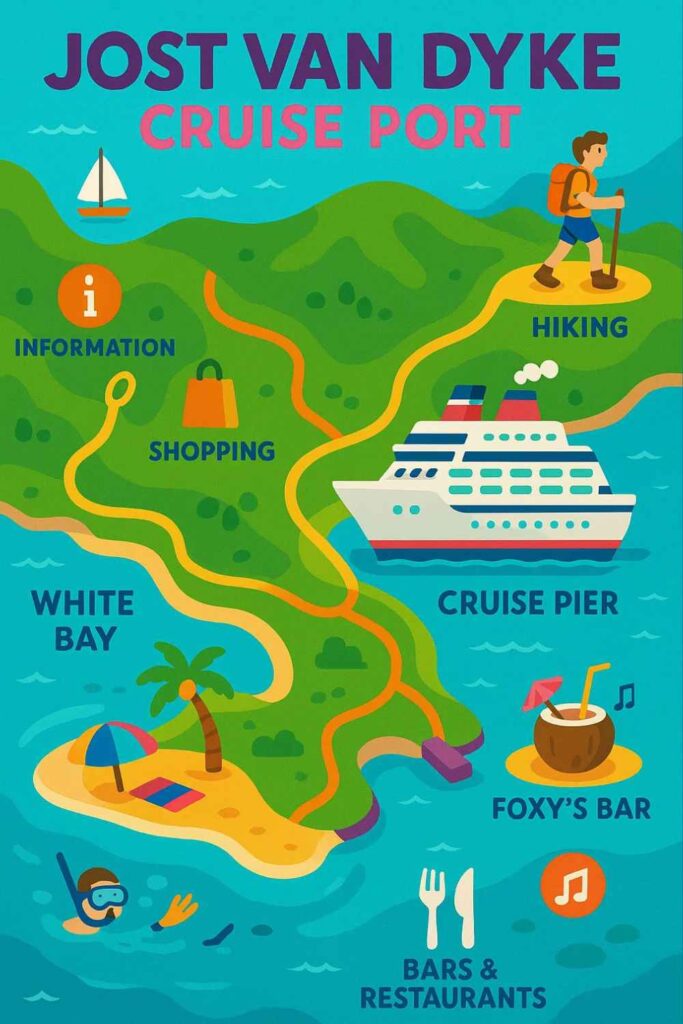
White Bay and Great Harbour make the easiest two-stop day because they are close, while the Bubbly Pool adds another taxi and a rough path. Skip that third stop if swell, heat, limited mobility, or a short call makes the logistics outweigh the payoff.
How I would plan the day
Get on an early tender so you beat the heat and grab a good patch of White Bay. The morning light there is lovely and the sand is still cool underfoot.
Spend the heart of the day on the beach with a swim, a snorkel, and a long lunch. Save the last hour or two for a wander around Great Harbour before you head back.
Set a phone alarm and aim for the tender landing 60 minutes before the published cutoff, with 90 minutes if a taxi or water taxi must return you first. The final tender time is earlier than sail-away and is the deadline that matters.
If you have energy left, a short trip to the Bubbly Pool makes a fun contrast to the beach bars. Just factor in the walking time both ways.
A realistic word on accessibility
Let me be honest here, because Jost Van Dyke is not an easy island for limited mobility. You arrive by small tender, step onto a simple dock, and most of the good stuff involves soft sand.
There are few paved paths and no boardwalks to speak of. If steps and uneven ground are a challenge, Great Harbour’s flat beachfront is your most comfortable option.
The taxi trucks can be a stretch to climb into as well, so ask the driver for a hand if you need it. Planning around the flattest spots makes the day far more relaxing.
When to go, and the weather
The BVI cruise season runs roughly from December to April, when the weather is drier and the trade winds keep things pleasant. This is the busy, comfortable window most itineraries use.
Summer and early autumn are hotter and fall within the wider hurricane season. Whenever you visit, pack reef-safe sunscreen, water shoes, and more sun protection than you think you need.
Shade is limited on the beaches, so a hat and a good cover-up go a long way. A little cash for taxis and drinks rounds out the essentials.
For the wider picture on the islands and their beaches, the official British Virgin Islands Tourist Board page for Jost Van Dyke is a good place to browse. It is the tourism authority for the whole territory.
Quick answers
Where do cruise ships dock in Jost Van Dyke? They do not dock, so ships anchor offshore and tender passengers into Great Harbour by small boat.
Can I walk from Great Harbour to White Bay? You can, but it is a steep, hot climb over the hill, so most people take the quick taxi truck instead.
What currency do I need? The US dollar is the official currency of the British Virgin Islands, so there is no need to change money.
Do I need a passport? Entry documents depend on nationality, itinerary, and cruise-line procedure, so bring a passport on the voyage but take it ashore only when the line instructs you to.
Where it fits with other BVI stops
If Jost Van Dyke is your barefoot beach day, Tortola is the busier hub with more to see and easier logistics. The two make a natural pair on a BVI itinerary.
For something even quieter, Anegada trades the beach bars for flat sands, flamingos, and fresh lobster. You can compare all of these in my wider Caribbean cruise ports guide.
How this guide was researched: Unless a first-hand visit is explicitly identified above, this guide is based on independent research using official port, tourism, transit, government, and attraction sources where available. Logistics and time-sensitive details were reviewed on September 11, 2026; see our Editorial Policy.