The Best Cruise Tender Ports Worth the Extra Effort
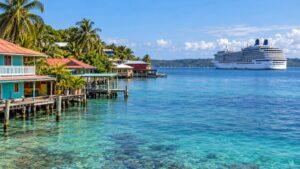
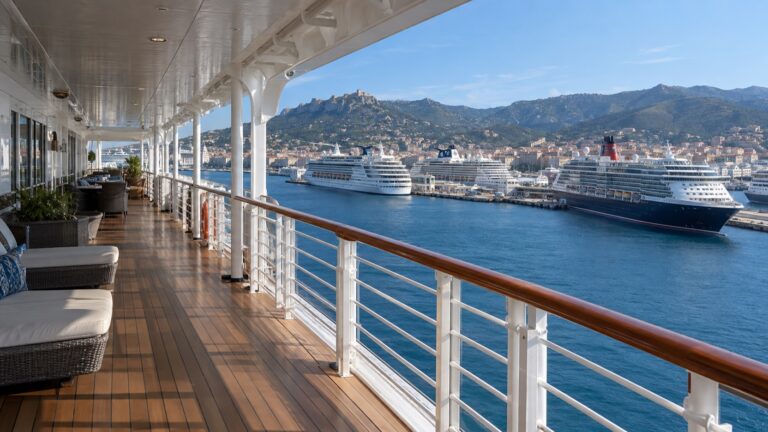
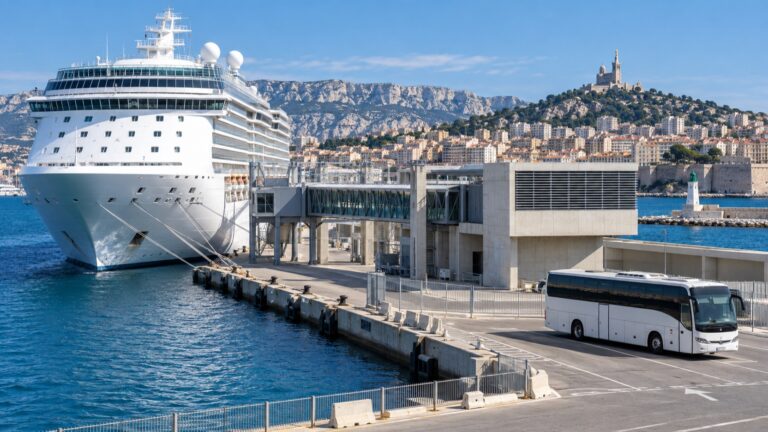
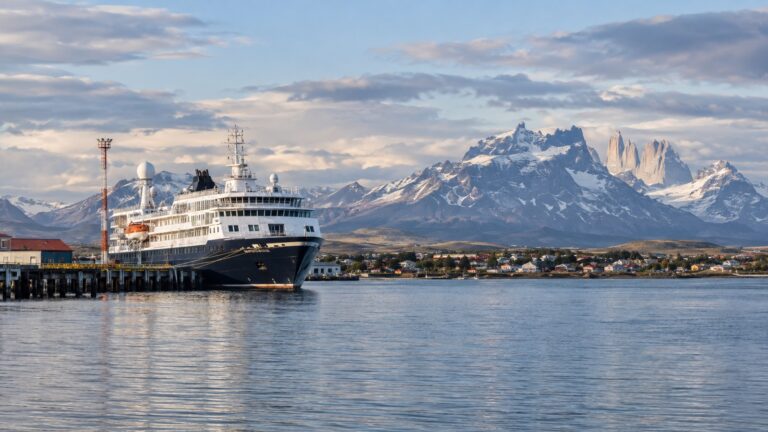
Tender ports ask you to trade the certainty of a pier for a smaller boat, a moving platform, and a little more patience. The best ones repay that effort with caldera cliffs, reef water, private-island sand, or historic harbors that would lose something if a giant cruise pier replaced the arrival.
A beautiful destination does not erase the practical reality. Tender tickets, sea conditions, landing points, accessibility, tour timing, and the final boat back must shape the day from the beginning.
My quick take
Santorini and Bora Bora deliver the most dramatic tender approaches, while Grand Cayman and Half Moon Cay turn the transfer into a beach day. Belize City rewards travelers who use the landing as a gateway to reef or inland adventures rather than judging the port only by the tender pier.
Cabo San Lucas brings instant marina energy and Land’s End scenery, while Villefranche-sur-Mer offers the most flexible mix of a lovely local town and easy Riviera rail connections. Each is “best” for a different reason, so match the port to your tolerance for onward travel.
I would never make the last tender the target. Return with enough margin that a taxi delay, cable-car line, train disruption, or crowded pier remains an inconvenience instead of a ship-missing emergency.
Quick Facts
- What tendering means: The ship anchors offshore and carries guests to land in smaller boats rather than using a cruise pier.
- Ticket systems: Cruise lines may issue numbered groups, digital reservations, excursion priority, or open boarding after the first rush.
- Weather: Wind, swell, visibility, and landing conditions can delay or cancel the operation even when shore looks inviting.
- Best footwear: Closed shoes with grip make the moving step between ship and tender safer.
- What to carry: Bring a ship card, required identification, water protection for electronics, and any medication needed ashore.
- Accessibility: Mobility-device acceptance depends on the ship, tender, sea state, landing, weight, and the traveler’s ability to transfer.
- Return rule: The final tender is earlier than sailaway and is the deadline that matters.
- Excursion advantage: A ship-sponsored tour may receive early tender priority and cruise-line handling when an outing returns late, subject to its stated terms.
What makes a tender port worth it
Tendering is not automatically charming. The transfer becomes worthwhile when the anchorage protects a place that cannot or should not accommodate a large ship directly beside its main attraction.
Scenery during the ride matters because it turns logistics into experience. Santorini’s caldera, Bora Bora’s lagoon, Cabo’s rock formations, and Villefranche’s natural harbor begin delivering before the boat reaches shore.
The landing also needs a clear payoff. Grand Cayman puts downtown and island transport at the waterfront, while Half Moon Cay brings guests directly to a beach destination designed around the ship call.
A long tender can still earn a place when it unlocks exceptional excursions. Belize City’s offshore transfer is only the first stage of a day that may lead to the barrier reef, Maya sites, caves, or rivers.
Finally, a good tender port rewards simple plans. The best day usually has one major objective and a conservative return rather than three attractions linked by fragile connections.
How the first boats work
Cruise lines often prioritize their organized excursions, guests with certain status, or passengers holding assigned tender groups. Independent travelers should read the ship’s process the evening before rather than appearing at the gangway and hoping.
The busiest moment is often the first wave ashore. A later departure can be calmer when you only want the local town, but it may sacrifice too much time for a long excursion.
If an independent operator sets an early meeting, ask how it handles tender delays. A reputable company serving cruise guests should know that the ship controls the arrival.
Santorini, Greece
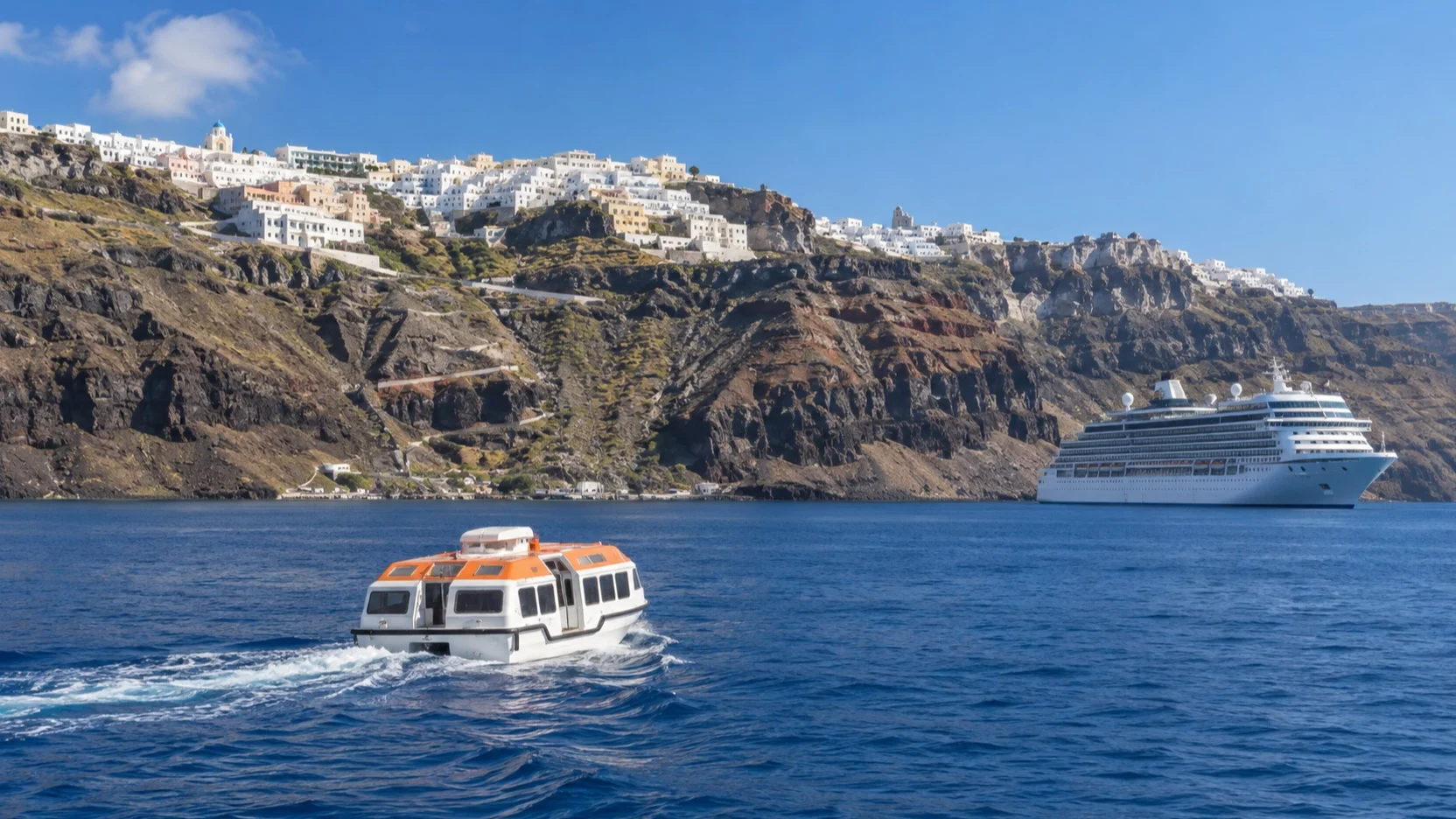
Santorini delivers the grandest tender theater in the Mediterranean. Ships anchor inside the volcanic caldera, with white settlements perched on dark cliffs above water that looks almost impossibly deep.
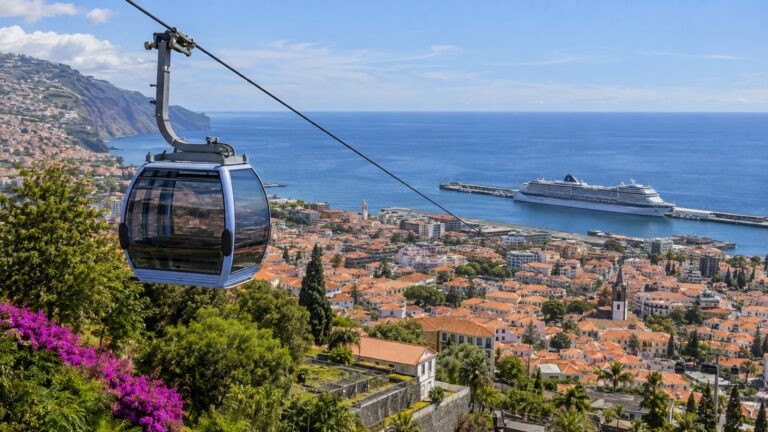
Most cruise tenders land at the Old Port below Fira, where the cliff becomes the day’s first logistical problem. The official Santorini Cable Car connects the harbor with the town above, while the steep switchback path provides a demanding alternative.
Cable-car lines can become long when several ships overlap, particularly in the return direction. Do not treat the footpath shared with working animals as a quick universal backup because it is steep, slippery, exposed, and unsuitable for many travelers.
Once on the rim, Fira offers caldera views, lanes, museums, cafés, and onward transport. Oia is the famous second destination, but reaching it and returning through Fira adds road traffic plus another cable-car queue.
My first-visit plan would choose either a focused Fira day or an early organized trip that reaches Oia and returns with substantial margin. Trying to wait for sunset on a daytime cruise call is usually a fantasy written without reference to the tender schedule.
The official Greek tourism guide to Santorini gives useful island context, while my Santorini cruise port guide explains the port-day sequence in detail.
Why it makes the list
The anchorage is not an inconvenience before the scenery. It is the only way to appreciate the scale of the caldera from water level before rising to the towns above.
Santorini also teaches the central tender lesson: the attraction farthest from the ship is not always the main risk. The final cable car and the pier queue can matter more than the island drive.
George Town, Grand Cayman
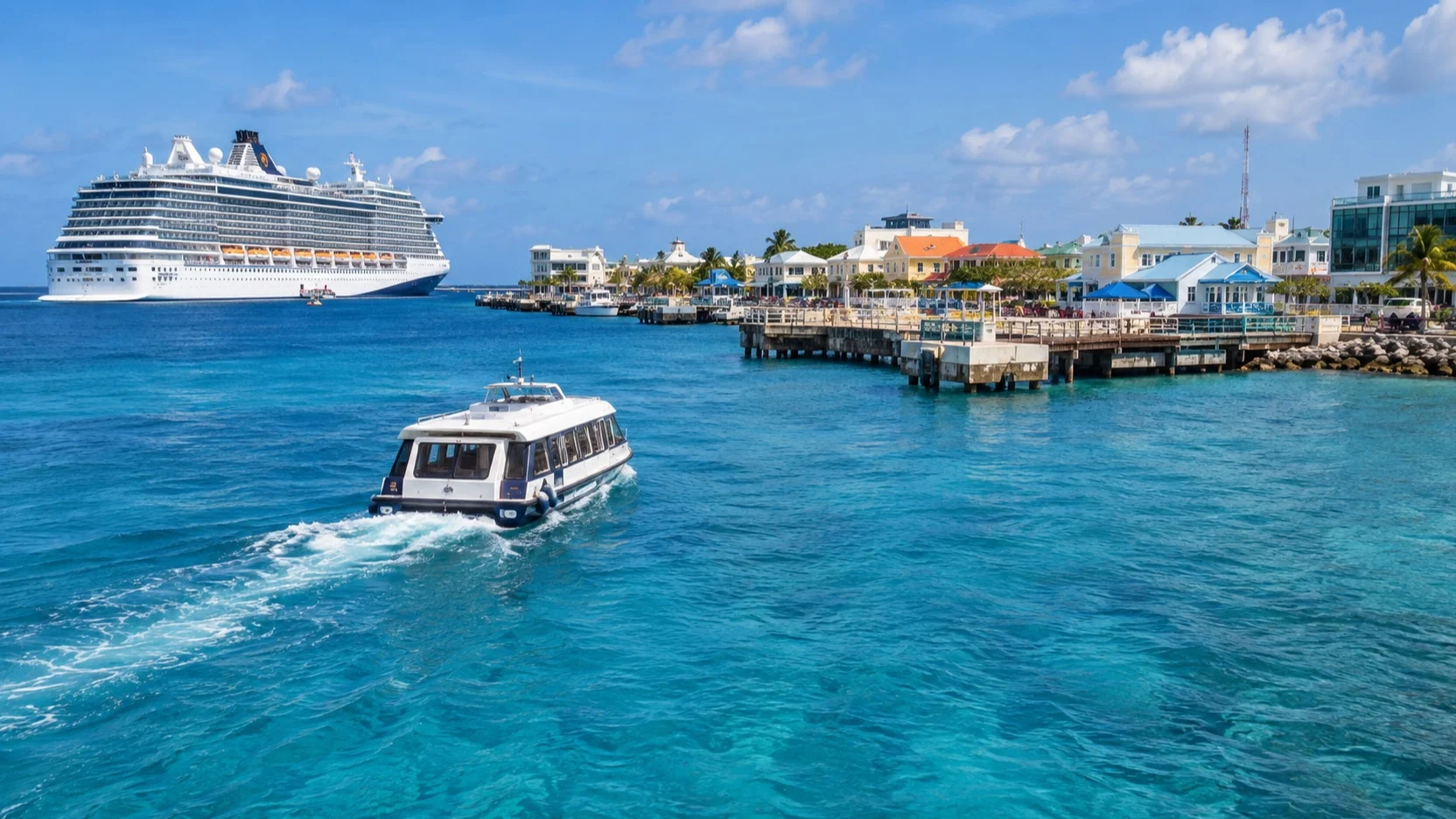
Grand Cayman has long handled cruise ships through tender operations into the George Town waterfront. The ride is normally direct, but wind and sea conditions can change where or whether landing is safe.
Once ashore, the day becomes easy to understand. Choose Seven Mile Beach for sand and water, Stingray City for a boat-based wildlife experience, or a broader island tour for sites farther from town.
Seven Mile Beach has several public-access points and resort areas, each with different facilities and shoreline conditions. Decide where you want to go before entering a taxi, then arrange the return rather than assuming every beach exit has an empty vehicle waiting.
At Stingray City, use a reputable licensed operator and follow the briefing. The southern stingrays are wild animals, so never chase, lift, crowd, or force contact for a photograph.
I would not combine a long beach stay with a separate sandbar tour unless the operator sells them as one cruise-compatible itinerary. Two boat trips plus the ship’s tenders create too many moving pieces.
My Grand Cayman cruise port guide covers beach access, transport, and major excursions. Check the ship’s final landing announcement because weather can alter the normal downtown routine.
Why it makes the list
Grand Cayman rewards a tender with clear, swimmable-looking water and a waterfront landing close to the capital. The island then lets you choose between a simple beach day and a distinctive marine excursion.
It is also forgiving when plans change. George Town itself offers shops, food, museums, and harbor views if sea or road conditions make the original outing unwise.
Belize City, Belize
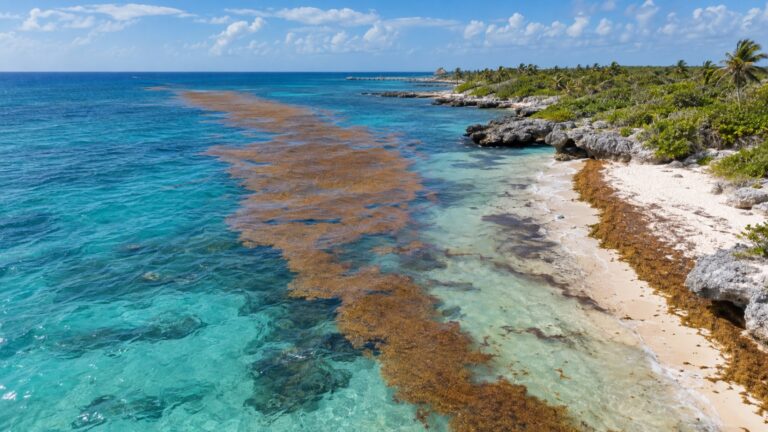
Belize City asks more patience than most ports because ships anchor well offshore and tender vessels cover a substantial stretch of water. The landing near the tourism village is only the starting point for the country’s strongest cruise-day experiences.
The Belize Barrier Reef, offshore cayes, inland caves, rivers, wildlife areas, and Maya sites pull travelers in very different directions. Choose one lane for the day, because combining reef and ruins usually creates more transit than experience.
A ship-sponsored excursion can be especially valuable when early tender priority and return handling are included. Read the cruise line’s terms rather than assuming every delay will be held automatically.
Independent guests should book operators experienced with the specific ship schedule and tender process. The meeting point, departure grace period, return dock, and final tender margin all need to be explicit.
Reef trips require sun protection, water awareness, and instructions that protect coral and wildlife. Inland adventures need suitable footwear, hydration, insect protection, and an honest look at the walking or cave environment.
My Belize City cruise port guide helps compare those choices. This is the tender port where a tightly designed single excursion pays off more than casual improvisation.
Why it makes the list
Belize earns the extra travel because the tender opens a country-scale decision rather than a small port stroll. Few cruise calls offer such different possibilities in reef, archaeology, and inland nature.
The reward is largest when expectations are realistic. The city landing is a transport gateway, while the memorable part of the day often happens far beyond it.
Bora Bora, French Polynesia
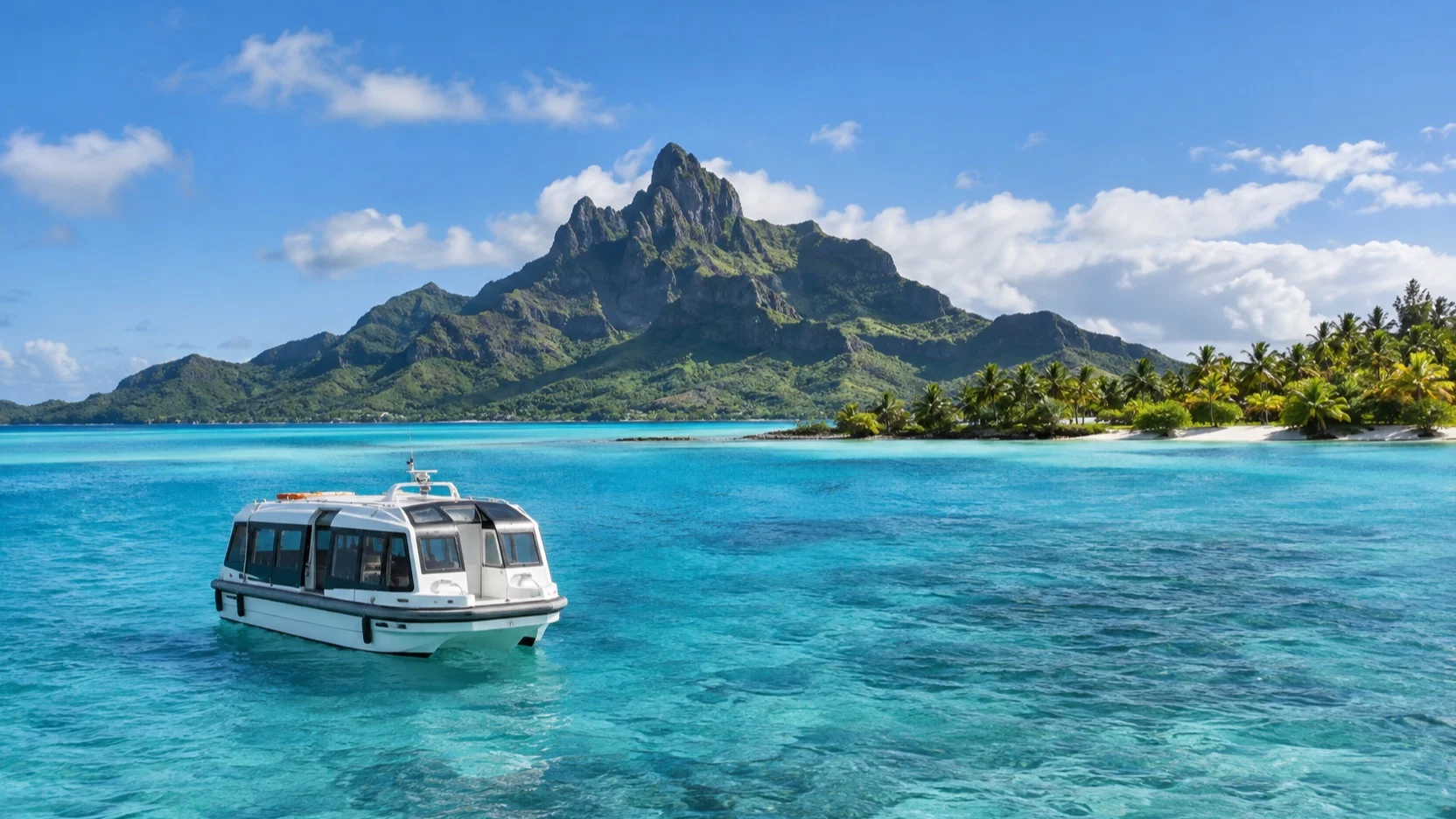
Bora Bora makes tendering feel like a privilege. The ship anchors within or near a lagoon framed by reef, motu islets, and Mount Otemanu, then the tender carries guests toward Vaitape.
Vaitape provides shops, services, transport, and the main landing, but the lagoon is the destination. Book a boat excursion, snorkeling circuit, or carefully chosen beach transfer rather than expecting the small town to fill a full day.
The official Tahiti Tourisme guide to Bora Bora explains the island’s lagoon setting and visitor experiences. Availability should still be checked with the specific operator for your date.
Lagoon tours vary in boat size, shade, restroom access, snorkeling difficulty, wildlife practices, and meal arrangements. Ask whether guests must climb a ladder, wade ashore, or transfer between boats.
Reef and ray encounters should be led with respect for animals and habitat. Do not stand on coral, chase marine life, or accept handling that exists mainly for photographs.
Vaitape’s shops can fill the final hour, but pearl purchases deserve calm questions about grading, treatment, documentation, and return policies. Do not make a major purchase because a tender queue is approaching.
My Bora Bora cruise port guide goes deeper into lagoon-day planning. The core rule is simple: build the day around water, then return to Vaitape early.
Why it makes the list
The tender crossing is an introduction to the lagoon, not a barrier between ship and attraction. Every shift in water color makes the small-boat ride part of the day’s memory.
Bora Bora also rewards restraint. One well-run lagoon excursion and a little time in Vaitape are enough.
RelaxAway, Half Moon Cay, Bahamas
Half Moon Cay, now marketed by its cruise-line owners as RelaxAway, Half Moon Cay, is a private destination on Little San Salvador Island. Tendering preserves the separation between large ship and low-lying beach landscape.
Guests land near the developed activity area and a long crescent of pale sand. The first section naturally becomes busiest, so walking farther can produce a quieter atmosphere when mobility and timing allow.
Facilities, food, drinks, loungers, cabanas, excursions, and island transport depend on the cruise line’s current program. Read the onboard information because private-destination inclusions differ from an ordinary port.
Sea conditions can cancel the call, and private-island weather policies sit with the cruise line. Do not schedule the entire vacation around a nonrefundable expectation of one beach day.
Water entry varies with tide, recent weather, and the section of beach. Follow flags and staff directions, and watch children closely even when the water looks calm and shallow.
My Half Moon Cay cruise port guide would be the logical next step, but use the live cruise-line destination page if any link or branding has changed. The ship’s app is the authority for that day’s tender and facility schedule.
Why it makes the list
This tender has the clearest immediate payoff: the boat lands at the beach experience passengers came to enjoy. There is no separate city transfer or complicated transport network to solve.
It also demonstrates why tendering can protect a destination’s scale. The ship remains offshore while the shoreline stays visually low and open.
Cabo San Lucas, Mexico
Cabo’s tender approach crosses a busy bay toward the marina, with Land’s End rock formations marking the boundary between the Sea of Cortez and Pacific. The arrival has more energy than serenity, and that is part of its appeal.
The ship’s tender normally reaches the marina, where tour boats, water taxis, fishing charters, shops, restaurants, and pedestrians compete for attention. Know your operator and meeting point before stepping into the crowd.
A dedicated licensed boat trip is the best way to see El Arco and the surrounding formations closely. The ship’s tender route may provide views, but it is transportation rather than a narrated sightseeing circuit.
Beach transfers require understanding water conditions and pickup arrangements. Lover’s Beach and nearby shorelines can have rougher water, limited facilities, and boat-only access depending on the chosen spot.
Never assume the Pacific side is safe for swimming because the sand looks inviting. Follow local warnings, ask boat crews where landing is appropriate, and stay clear of breaking surf.
The marina provides an easy backup if a water excursion is canceled. Food, shopping, and a harbor walk can fill a shorter visit without risking the final tender.
My Cabo San Lucas cruise port guide explains marina logistics and Land’s End options. Add extra margin because the return includes both local transport and the ship’s tender queue.
Why it makes the list
Cabo turns a practical transfer into a panorama of anchored ships, pangas, yachts, beach, desert-colored cliffs, and rock arches. Few tender rides announce the destination so clearly.
The port also gives travelers a simple fallback. Even without an excursion, the marina begins at the landing.
Villefranche-sur-Mer, France
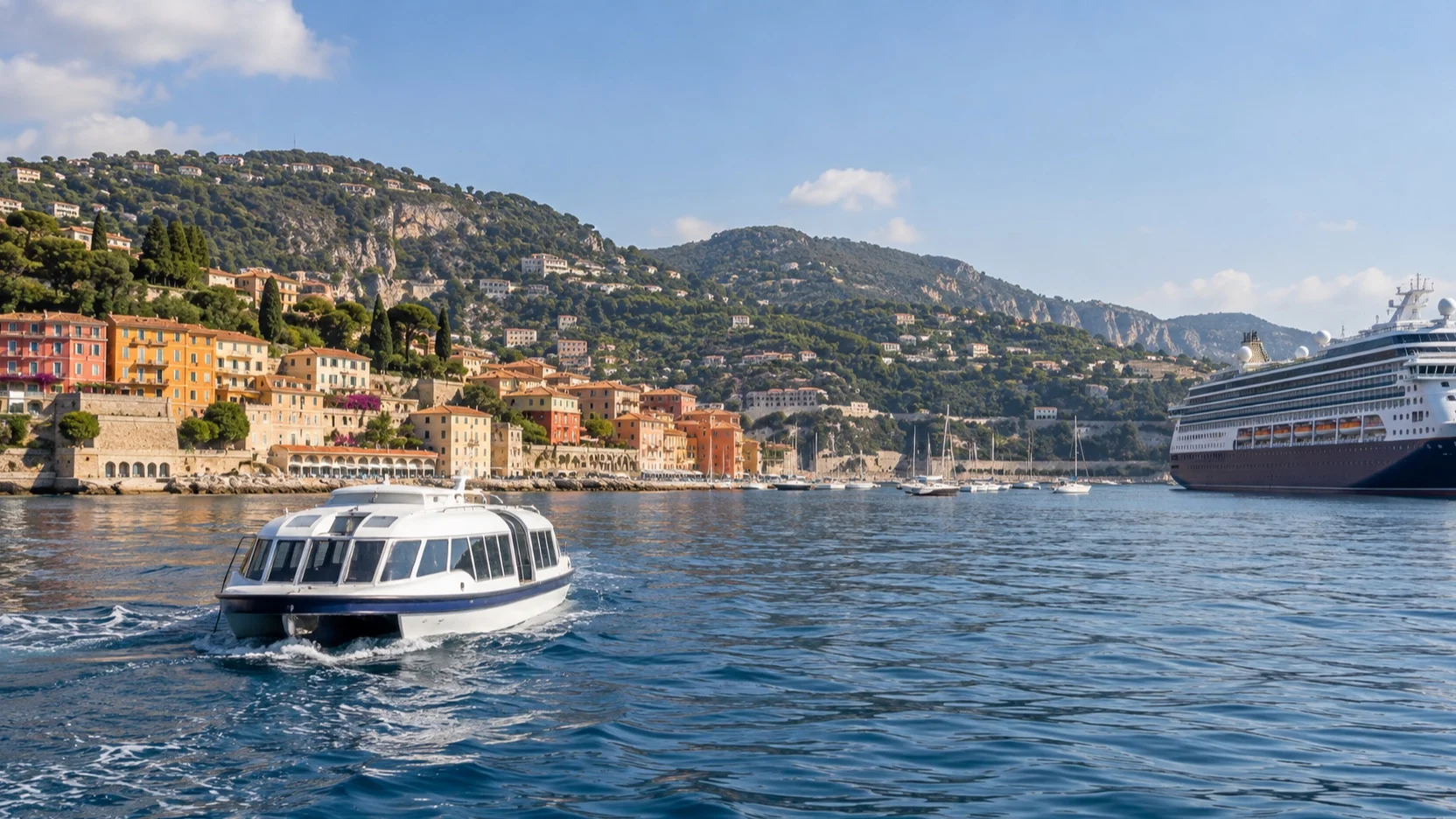
Villefranche-sur-Mer sits on one of the Mediterranean’s most beautiful natural harbors, with colorful buildings climbing above deep blue water. The tender lands below a compact old town that deserves time before anyone races to Monaco or Nice.
The local lanes, waterfront, church, beach, and Citadel area can create a complete port day without onward transport. This is my preferred plan when the call is short or the rail line looks disrupted.
The station above the waterfront connects the town with Nice and Monaco on the coastal route. Check live train information, validate the correct ticket, and leave a backup service before the final tender.
Èze is visually tempting but less simple because the hilltop village is not directly at the coastal rail station with the same name. Use a planned bus, taxi, or excursion rather than assuming one train solves the climb.
Nice offers old-town streets, markets, museums, and the Promenade des Anglais, while Monaco offers the old town and a more complex urban route. Choose one and keep Villefranche as the calm final hour.
My Villefranche-sur-Mer cruise port guide helps separate those options. Rail strikes, engineering work, and crowding are live conditions, so same-day checks matter.
Why it makes the list
The bay itself makes the tender ride beautiful, and the landing puts you in a destination rather than a transport compound. Villefranche also offers unusual flexibility between a local village day and major Riviera excursions.
It is the best choice on this list for travelers who want a tender port with strong independent rail possibilities. Those same trains still demand a conservative return.
How to make any tender day easier
Learn the ticket process early
Read the ship’s daily program the night before and check the cruise-line app for updates. If tender groups must be reserved, set a reminder and understand whether every person must be present.
Organized excursions may use separate meeting points and boats. Follow the excursion instructions rather than joining an independent tender line by habit.
Pack for the transfer
Keep both hands available when stepping aboard, and use shoes with grip. Place phones, cameras, passports, and medication in a water-resistant pouch inside the day bag.
A light layer helps because open windows, spray, and wind can make the boat cooler than shore. Avoid carrying bulky beach gear that becomes awkward on stairs and moving platforms.
Protect the return
Start with the final tender cutoff and work backward through taxi, train, cable car, walking, security, and pier queues. The more connections your day contains, the earlier the return should begin.
Photograph the landing point before leaving. A town with several small piers can feel less obvious when you return from a different direction.
Use ship excursions strategically
A ship excursion is most valuable when an attraction is far inland, the tender is long, or early priority materially improves the day. Confirm the cruise line’s stated return protection instead of relying on folklore.
Independent travel remains excellent for compact places such as Villefranche or central George Town. The right choice depends on distance and timing, not a blanket rule that one booking style is always better.
Accessibility and mobility realities
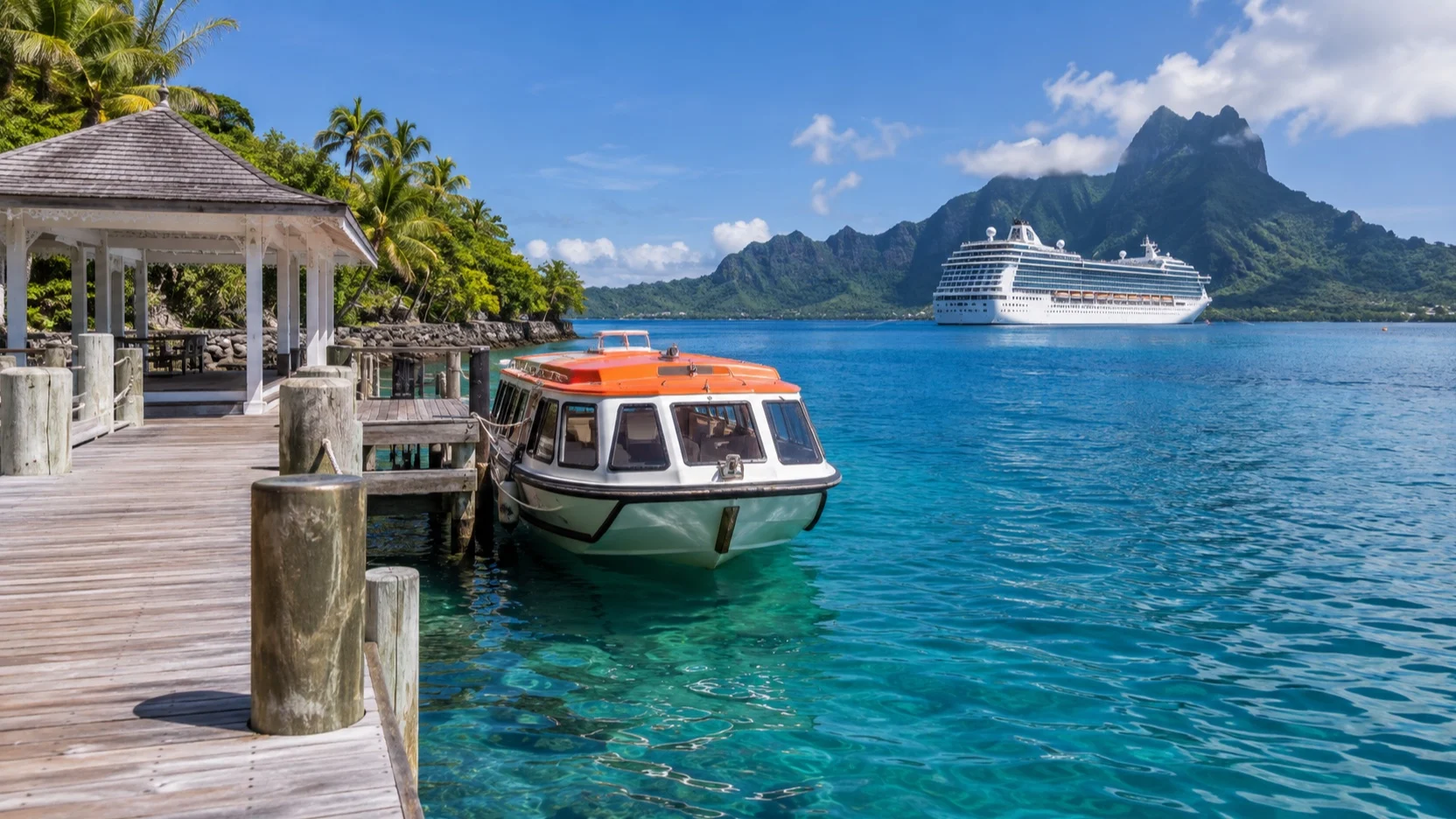
Tender accessibility is decided call by call. Ship design, tender door, platform movement, sea state, pier height, mobility-device weight, and the passenger’s transfer ability all influence whether going ashore is safe.
Ask the cruise line before booking, then ask again once the ship confirms conditions. A wheelchair accepted on one tender day may not be accepted when swell increases.
Some operations require guests to walk a few steps and fold a mobility device, while others can accommodate certain devices without a full transfer. Obtain the actual policy for the vessel rather than a general customer-service answer.
The shore destination adds a second layer. Santorini’s cliff, Bora Bora’s boat transfers, beach sand, Belize excursion vehicles, and Villefranche’s slopes create different barriers after the tender lands.
Travelers who cannot go ashore should still have a shipboard plan for the day. The anchorage itself may offer exceptional views, and a quiet ship can be enjoyable when access is not safe.
Mistakes that turn a tender into a problem
The first is confusing sailaway with the last tender. The printed final boat time is earlier and must govern the return.
The second is assuming a short distance means a short journey. Santorini’s cable car, Cayman taxis, Villefranche trains, and Belize excursion roads each add queue or disruption risk.
The third is booking an independent tour that does not understand ship tendering. Ask what happens if your group reaches shore late.
The fourth is carrying too much. A small, organized day bag moves more safely through stairs, boats, and crowded landings.
The fifth is treating a cancellation as excessive caution. Tender captains and ship officers are managing a moving transfer in real sea conditions.
Finally, do not make every port an endurance test. One excellent objective and a beautiful ride back are enough.
Quick answers
Are tender ports safe?
Cruise lines operate them with trained crews and suspend service when conditions are unsuitable. Passengers still need to follow instructions and use handrails during the transfer.
How do I get an early tender?
Follow the ship’s reservation or ticket process, or book a qualifying excursion if early transport is part of its terms. Never assume status or a private tour automatically provides priority.
Can I take a wheelchair on a tender?
Sometimes, but the answer depends on equipment, sea conditions, landing, and transfer ability. Confirm with the cruise line for the specific ship and call.
What happens if tenders stop temporarily?
The ship and local teams will issue instructions and may hold passengers ashore until transfers resume safely. Stay near an official communication point and do not hire an unapproved boat back to the ship.
Should I book a ship excursion?
It is most useful for long transfers, early priority, and tightly timed attractions. Compact tender towns may be easier and more rewarding independently.
Which tender port is best for a first-timer?
Grand Cayman or a private-island call offers the simplest learning curve, while Santorini requires more queue planning. The right answer also depends on mobility and tolerance for small boats.
The last word
The best tender ports are memorable partly because the ship cannot follow you all the way in. Plan the small-boat transfer seriously, then let calderas, lagoons, reefs, beaches, and historic harbors justify the effort.
If the process is new, begin with my guide to what a tender port is. A little preparation turns the tender from an obstacle into the first scene of the day.
How this guide was researched: This guide was independently researched using official cruise-line, port, tourism, transit, government, and attraction sources. Tender operations and time-sensitive details were reviewed in September 2026; see our Editorial Policy.
More on this topic: browse every guide on port logistics and timing.