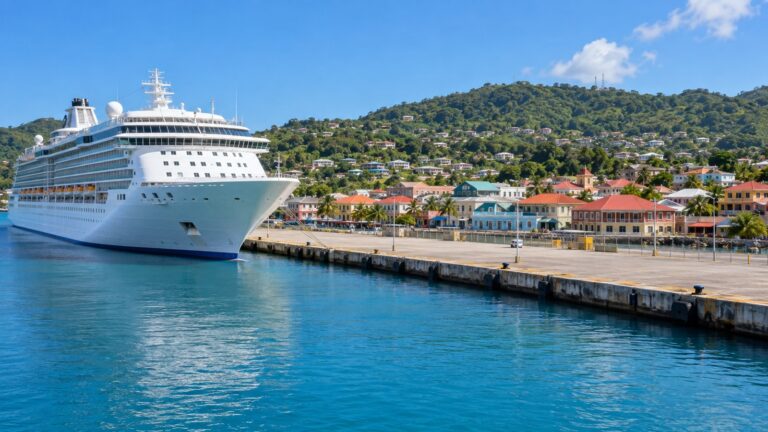
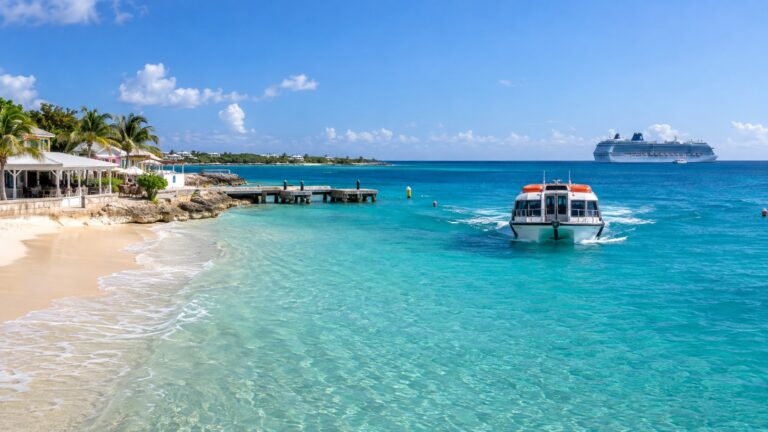
Catalina Island Cruise Port Guide, Dominican Republic: Tender & Beach Day
This Catalina Island is in the Dominican Republic, just offshore from La Romana, not the California island reached from Los Angeles. A cruise call here is usually a ship organized beach day built around an offshore anchorage, tender boats, warm Caribbean water, and facilities arranged specifically for visiting passengers.
That simplicity is real, but it is not the same as having a normal town or cruise terminal outside the gate. Your choices, payments, mobility, mainland access, and return time are shaped by the cruise line’s landing operation, so read the daily program before assuming you can improvise an island tour.
Catalina Island Cruise Port Quick Facts
- Location: Isla Catalina lies off La Romana on the Caribbean side of the Dominican Republic.
- Disambiguation: This guide covers Catalina Island in the Dominican Republic, not Santa Catalina Island in California.
- Arrival: Cruise ships anchor offshore and carry guests to a beach landing by tender or locally contracted boat.
- Terminal: There is no conventional city terminal, road network, or independent taxi rank at the cruise beach.
- Facilities: Shade, loungers, food, drinks, restrooms, shops, and activities depend on the cruise line and local operator for that call.
- Water activities: Snorkeling, diving, paddle sports, and boat trips should use the designated ship or authorized local operation.
- Mainland access: A Catalina beach call does not automatically provide independent transportation to La Romana.
- Currency: The Dominican peso is official, while accepted cards, United States dollars, and shipboard charging vary by vendor.
- Accessibility: Tender transfer, wet or floating landings, sand, heat, and limited firm paths are the central challenges.
- Return rule: Follow the ship’s final tender time and allow for the beach queue, boat loading, sea conditions, and transfer back aboard.
Your Port Is a Beach Landing
Catalina Island has no pier where an ocean cruise ship can come alongside. The vessel anchors offshore and uses its tenders or locally arranged boats, with the landing point and beach zone selected for the day’s ship operation.
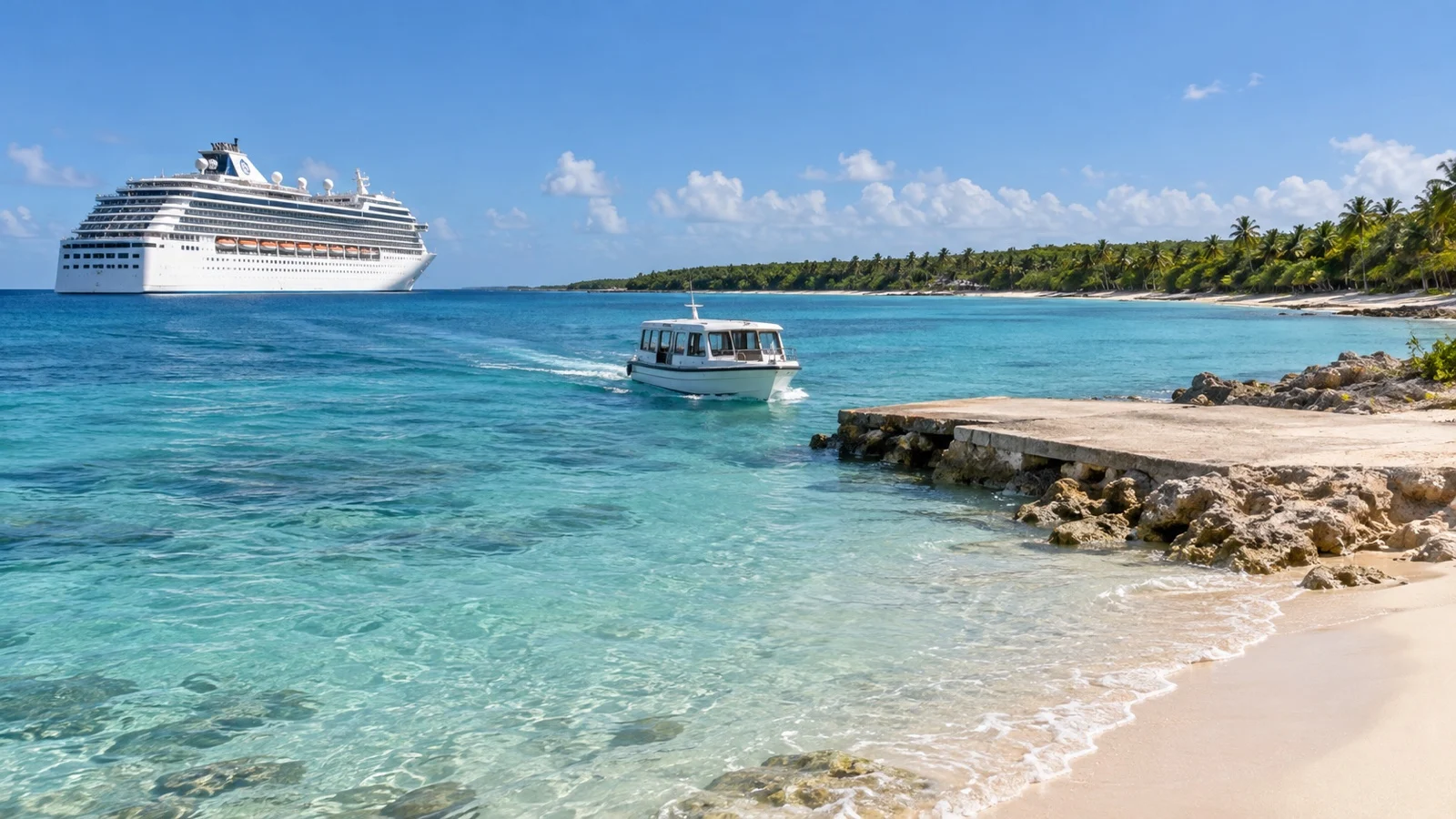
The cruise line’s program is the authority for tender tickets, priority groups, mobility rules, prohibited items, meal arrangements, and final return. A location pin from another sailing does not override the beach and boat setup chosen for yours.
The First Tender Sets the Tone
Early tenders can offer cooler sand and quieter water, but they may be reserved for excursions or loyalty priorities. If you do not need to be first ashore, a later boat can produce a calmer departure while still leaving plenty of beach time.
Listen to the safety briefing and keep both hands available for boarding. Crew may pause the operation when swell, wind, or vessel movement makes the transfer unsafe, even if the island still looks sunny from the ship.
Look Back Before Leaving the Landing
Beach operations can include several boats, lanes, activity desks, and vendor areas that look similar after a few hours in the sun. Note the exact tender queue, ship sign, and cutoff time before choosing a lounger or walking down the beach.
Take a photograph of the meeting point and keep the cruise card in a secure, dry place. If the ship uses colored wristbands or tickets, understand which one controls your return and whether an excursion meets somewhere else.
Expect a Cruise Managed Beach Day
Many calls create a temporary resort atmosphere with loungers, shade, music, food service, beverages, and organized activities. The offering changes by cruise line, ship, season, and local contractor, so an amenity shown in an old video may not be included for your visit.
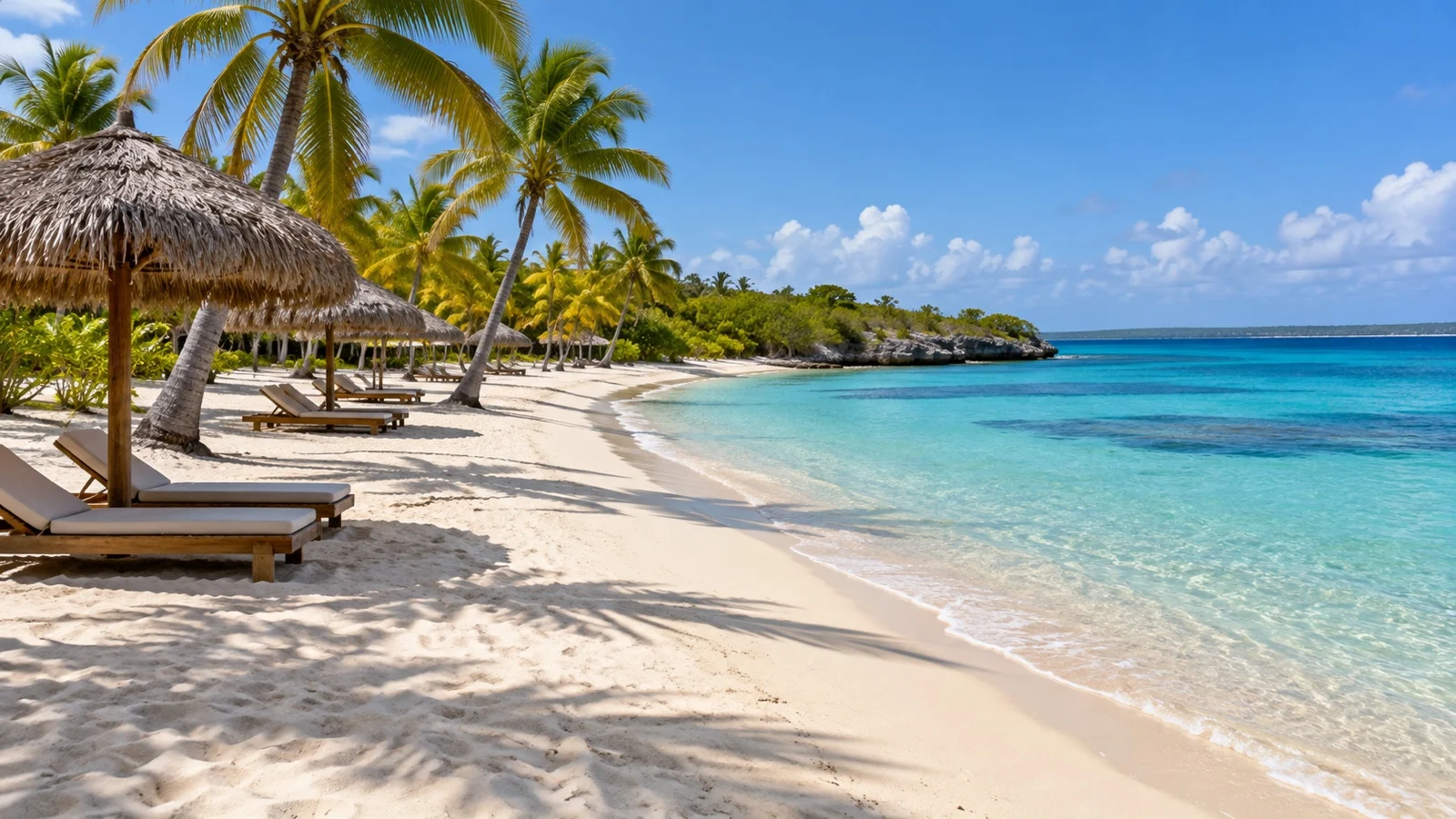
Check whether lunch is complimentary, whether drinks use a ship package, and whether beach equipment requires cash, card, or cabin charging. Ask before occupying premium seating or ordering from a vendor, since a wristband does not necessarily include every service on shore.
There Is No Town Behind the Beach
Catalina is not a port town with streets, banks, pharmacies, and a taxi line waiting beyond the sand. The island is lightly developed for visits, and most cruise passengers remain within the designated beach and activity area.
Bring essential medication, sun protection, and anything your child needs for the day, but follow the ship’s rules about food and liquids. Do not wander into staff areas or undeveloped terrain without an authorized route.
La Romana Is a Different Port Experience
La Romana is visible as the mainland reference point, but a Catalina Island call does not automatically include public boats into the city. The tender operation exists to move guests between ship and beach, not to serve as an independent ferry network.
Only plan a mainland visit if the cruise line sells it or confirms an authorized transfer with a return protected by the ship. A private boat found online may not be allowed to use the cruise beach, and returning to the wrong mainland pier does not put you back in the tender queue.
Altos de Chavón Requires a Real Excursion
Altos de Chavón, Casa de Campo, and La Romana attractions belong to mainland excursion planning. They can be appropriate from a La Romana berth, but from a Catalina anchorage they require marine transfers and controlled access that make casual do it yourself travel unrealistic.

If the ship offers a Catalina to mainland excursion, read the transport sequence carefully and note how much beach time remains. Otherwise, save the mainland for an itinerary that explicitly calls at La Romana.
Snorkeling From the Beach
Clear water and nearby marine life make snorkeling a natural choice, but visibility, current, crowding, and entry points change with weather. Use the marked swimming zone, listen to lifeguards or activity staff, and never cross a boat channel because the water appears calm.
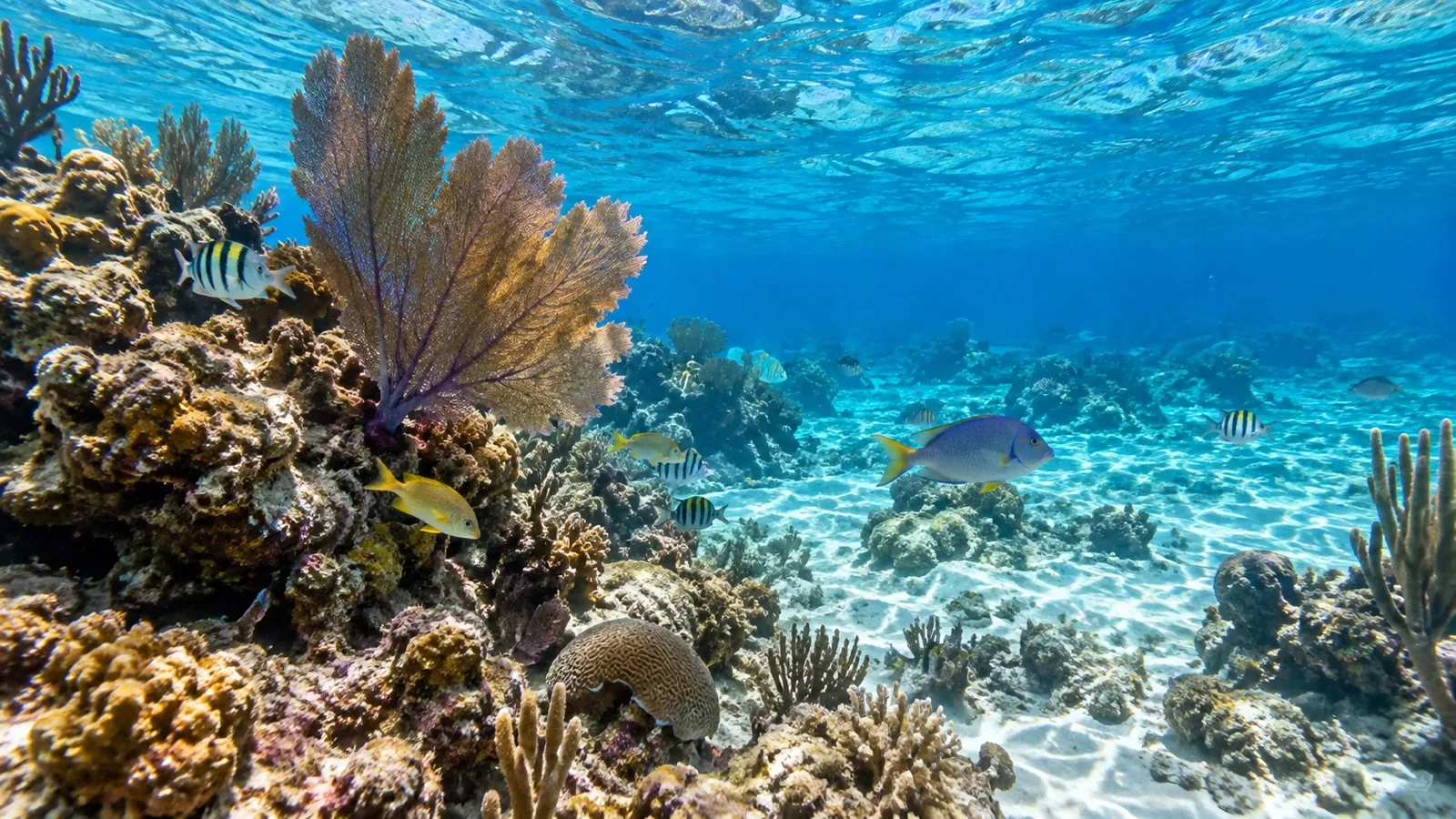
A flotation vest can reduce fatigue and make your position easier to see, while a buddy gives immediate help if a mask floods or a cramp begins. Strong swimmers still need to respect current and boat movement.
The Wall and Aquarium Dive Sites
Catalina is widely associated with dive areas known as the Wall and the Aquarium. These are boat based experiences with depth, current, certification, equipment, and operator requirements that cannot be reduced to a casual swim from the cruise beach.
Book through the ship or a licensed operator whose boat access is approved for the call, and disclose experience honestly. Confirm certification level, last dive, medical conditions, maximum depth, group size, emergency oxygen, and the guaranteed ship return before paying.
Protect the Reef You Came to See
Coral is living habitat, not a handhold or platform. Keep fins and equipment clear, maintain buoyancy, never stand on coral, and do not chase, feed, touch, or collect marine life.
Use sun protective clothing and a sunscreen approach that follows local and operator guidance. Avoid leaving plastic, cigarette waste, food, or disposable gear on the beach, because wind and runoff carry it directly into the water.
Swimming Safety Comes Before the Photograph
Enter only where staff indicate, because coral, rock, boat traffic, or a sudden drop can sit beneath beautiful clear water. Water shoes may help on some surfaces, but they do not make an unauthorized entry safe.
Never dive into unfamiliar water and keep children within arm’s reach near the shore. Alcohol, heat, and a long swim compound one another, so alternate drinks with water and stop before fatigue becomes an emergency.
Kayaks, Paddleboards, and Small Craft
Paddle sports may be offered within a designated zone, depending on the cruise line and conditions. Ask about the boundary, wind direction, life jacket, time limit, and what signal means the activity is closing.
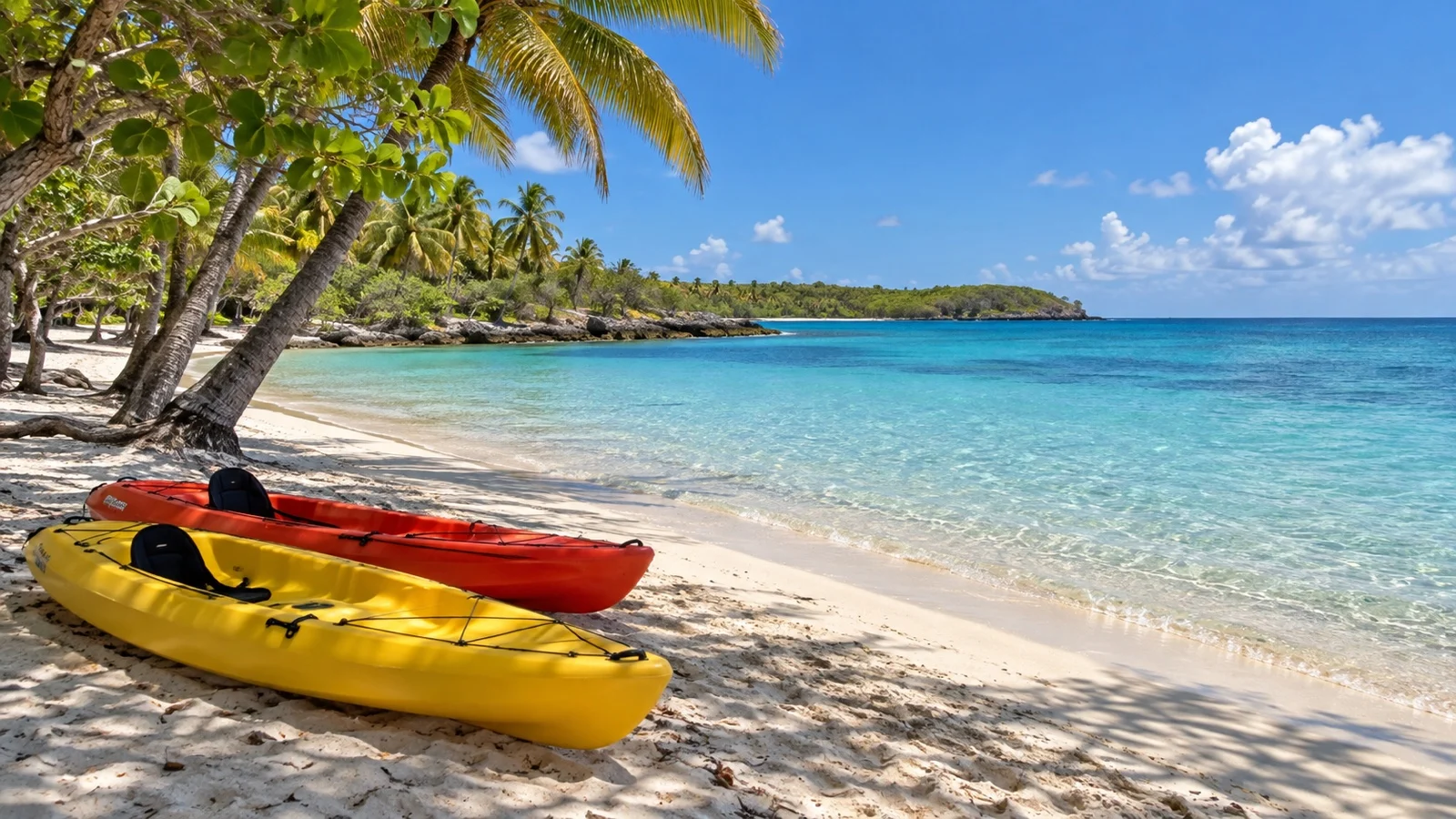
An offshore breeze can make the outward leg feel easy and the return unexpectedly hard. Stay inside the staffed area and return immediately when instructed, even if your rental period has not expired.
Walking Beyond the Main Beach
A walk along the public shore can provide quieter views, but the operational beach may have boundaries for safety, conservation, or another ship’s use. Ask staff how far you may go and whether the route remains passable at the current tide.
Wear footwear on hot sand and unknown paths, carry water, and avoid dense vegetation or rocky shorelines without guidance. The island is not a landscaped resort property simply because a row of loungers has been installed for the day.
Nature Rules Still Apply
Catalina’s shore and surrounding water support coral, fish, birds, and coastal vegetation. Follow signs and environmental staff, stay out of restoration zones, and leave shells, coral pieces, plants, nests, and animals exactly where they are.
Do not buy coral, shells, turtle products, or other wildlife items from a vendor. A souvenir that damages habitat or creates a customs problem is not a useful memory.
Facilities Vary by Ship
Restrooms, showers, changing areas, shade, food stations, and first aid are usually concentrated near the managed beach, but their layout and standard vary. Locate the restroom and medical point when you arrive rather than waiting until you urgently need them.
Water may be limited outside the main service zone, and wireless internet should never be assumed. Download anything essential before tendering and keep your phone protected from sand, salt, heat, and sudden rain.
Accessibility Begins With Tender Approval
Guests who use wheelchairs, scooters, walkers, or who have limited balance should ask the cruise line about tender eligibility before planning shore activities. Sea state, the ability to transfer, equipment dimensions, crew procedures, and the ship’s risk assessment all affect whether boarding is permitted.
The beach landing may use a floating dock, a fixed pier, steps, or a wet transfer depending on the operation. Sand, soft ground, narrow mats, heat, and limited shade can remain difficult even after a successful tender ride.
Ask Exact Accessibility Questions
Request a step by step description from cabin to beach, including thresholds, tender steps, equipment storage, lift use, shore landing, distance to shade, and restroom access. A broad claim that the beach is accessible does not answer whether a particular mobility device can cross the sand.
If going ashore is not safe or comfortable, the ship can still provide a pleasant day with views of Catalina and fewer crowds onboard. That is a valid choice, not a failed port visit.
Heat and Sun Are the Main Physical Load
Caribbean sun can become intense quickly, especially where white sand and water reflect it upward. Use shade before you feel overheated, drink water steadily, wear a hat and protective clothing, and reapply suitable sunscreen according to instructions.
Children, older adults, and people taking certain medications may overheat before they recognize the warning signs. Headache, nausea, confusion, weakness, or stopping sweat requires immediate cooling and medical attention.
Rain and Tropical Weather
A brief shower may pass quickly, while thunderstorms, tropical systems, or swell can change tender operations for the whole day. Cruise season overlaps with the Atlantic hurricane season, but no calendar can predict conditions for a specific call.
Check the Dominican Institute of Meteorology forecast and listen to the ship’s announcements. The captain may shorten, relocate, or cancel a Catalina visit when marine safety requires it, and a sunny beach photograph does not make that decision wrong.
Sargassum and Beach Conditions
Floating sargassum can reach Caribbean shores in changing amounts, while wind and current determine which side of an island receives it. The cruise operator may clean the managed zone or adjust activities, but no guide can promise a seaweed free beach months in advance.
Treat current conditions as part of a natural coast and follow staff around any cleanup equipment. If the shoreline is less appealing than expected, shift toward shade, food, a walk, or an approved boat activity rather than pushing into poor water.
Food and Drinking Water
A beach meal may be provided by the ship or local contractor, often buffet style, but the menu and inclusion vary. Confirm the dining window and tell staff about allergies, especially with shellfish, fish, dairy, gluten, nuts, and shared serving utensils.
Use sealed or ship provided drinking water and wash or sanitize hands before eating. Do not feed birds or other animals, because human food changes behavior and draws wildlife into crowded service areas.
Money and Shopping
The Dominican peso is the official currency, though some cruise beach vendors may accept United States dollars, cards, or a ship linked payment system. Ask the currency and total before agreeing, keep small cash separate, and do not assume change will be available in the currency you used.
For crafts, ask who made the item and favor work with clear local origin. Avoid high pressure transactions, inspect receipts, and resolve any cabin charge question before joining the return tender line.
Personal Safety on a Managed Beach
A ship organized beach can feel contained, but ordinary precautions still apply. Keep the cruise card, identification, medication, and payment secure, and never leave a phone or wallet unattended under a towel while swimming.
Use the buddy system in the water and tell someone before joining an activity away from the lounger area. If a vendor or operator tries to move you outside the approved zone without clear ship authorization, decline and check with shore staff.
Return Planning for Catalina Island
Work backward from the final tender, not from the ship’s published departure time. Include time to return rented gear, settle purchases, walk to the correct queue, pass any security check, load the boat, and transfer from tender to ship.
Tender queues can grow late in the day, and loading may pause when boats move against the ship. Join early when the sea is changing, when mobility assistance takes extra time, or when the daily program gives a recommended return rather than only a hard cutoff.
If you are on a boat based snorkel or dive excursion, confirm whether it returns directly to the ship or to the beach. That single detail determines whether another tender queue still stands between you and the vessel.
Catalina Island Cruise Port Questions
Is this Catalina Island in California?
No, this guide covers Isla Catalina near La Romana in the Dominican Republic. Cruise searches often mix the two islands, so check the country and itinerary before using maps or excursion advice.
Does the cruise ship dock at Catalina Island?
No conventional pier accepts an ocean cruise ship, so the vessel anchors offshore and passengers tender to a beach landing. The ship controls the exact operation and final boat time.
Can I visit La Romana independently?
Usually not from a Catalina beach call unless the cruise line provides an authorized mainland transfer. The tenders connect ship and beach, not the island with a public taxi or ferry network.
Can I snorkel without an excursion?
Beach snorkeling may be possible inside the marked swimming zone when conditions allow. For offshore reef or dive sites, use the ship or an approved operator with proper equipment, supervision, and return timing.
Is the beach wheelchair accessible?
Accessibility depends on tender boarding, landing type, beach mats, sand conditions, restroom access, and the equipment available that day. Ask the cruise line for a precise route before deciding whether to go ashore.
What should I bring from the ship?
Bring the cruise card, required identification, medication, sun protection, water as allowed, secure payment, and footwear suitable for hot sand or beach paths. Keep everything dry in a closed bag during the tender ride.
Let Catalina Be the Beach Day It Is
Catalina works beautifully when you stop asking it to behave like a city port. Respect the tender, choose one water activity or none at all, protect the reef, and give the final boat more time than you think it needs.
For current planning, consult the Dominican Republic Ministry of Tourism visitor site, the Ministry of Environment and Natural Resources, the official Dominican Republic E-Ticket service, and the Dominican Institute of Meteorology. Always follow your cruise line’s live anchorage, tender, beach, and all aboard instructions, because ship operations take priority over any general guide.