Martinique Cruise Ports: Fort-de-France and Saint-Pierre Compared
Martinique gives cruise travelers two very different windows onto one French Caribbean island. Fort-de-France is a lively capital and transport hub, while Saint-Pierre is a smaller northern call shaped by volcanic history and the green slopes of Mount Pelée.
I would not plan these ports as interchangeable versions of the same beach day. The arrival method, nearby sights, transport choices, and best use of limited time all change with the name on your itinerary.
Quick Facts
- Main cruise ports: Fort-de-France and Saint-Pierre
- Currency: Euro
- Languages: French and Martinican Creole, with some English in tourism settings
- Fort-de-France arrival: A city berth or another port facility, depending on the ship and schedule
- Saint-Pierre arrival: Commonly a tender landing near the waterfront
- Best for easy variety: Fort-de-France
- Best for focused history: Saint-Pierre
- Weather check: Use Météo-France Martinique shortly before arrival
Start With the Exact Arrival Point
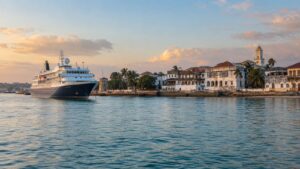
The destination name alone does not tell you how quickly you can begin sightseeing. Fort-de-France can feel wonderfully convenient from a central berth, but a ship assigned to another secure port area may need a shuttle before independent exploration begins.
Saint-Pierre is generally the more weather-sensitive call because passengers commonly transfer ashore by tender. The ship’s daily program should confirm the landing, first and last tender times, and any mobility restrictions.
Before booking a pickup, send the operator your ship name and the actual berth or tender information. Screenshot the meeting instructions and keep the port agent’s number with you in case the arrangement changes after arrival.
Fort-de-France Cruise Port
Fort-de-France is Martinique’s capital, commercial center, and most flexible cruise base. It suits travelers who want to mix a market, architecture, food, a museum, or a bay ferry without committing the whole call to one distant attraction.
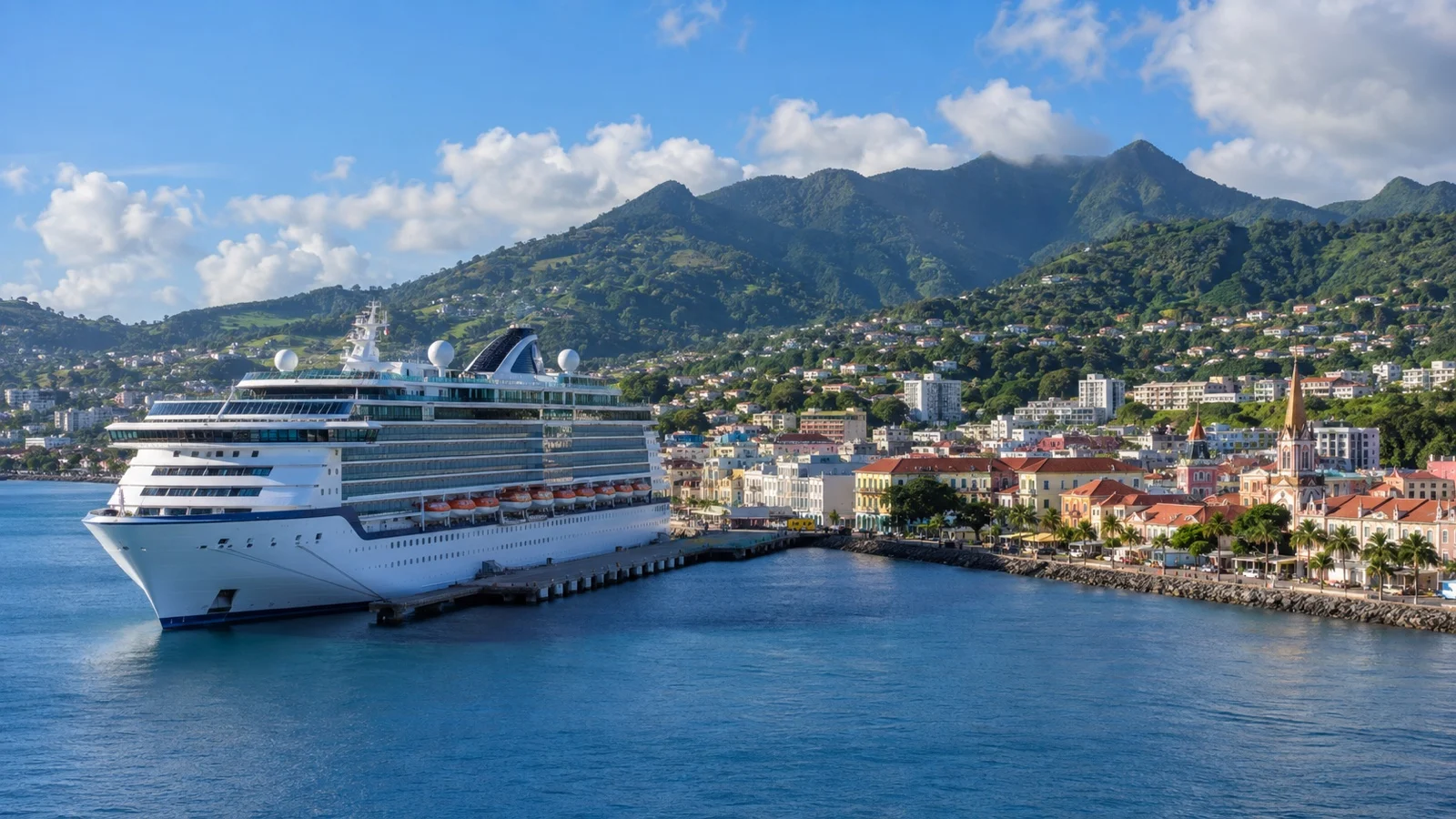
For a deeper arrival guide, see our Fort-de-France cruise port guide. Use it as orientation, then let the ship’s current berth notice decide the final walking and transport plan.
A Walkable Capital Day
When your arrival is close to the center, the Savane and surrounding streets create an easy starting point. The city rewards travelers who slow down enough to notice balconies, public art, churches, shops, and the contrast between French civic life and Caribbean rhythm.
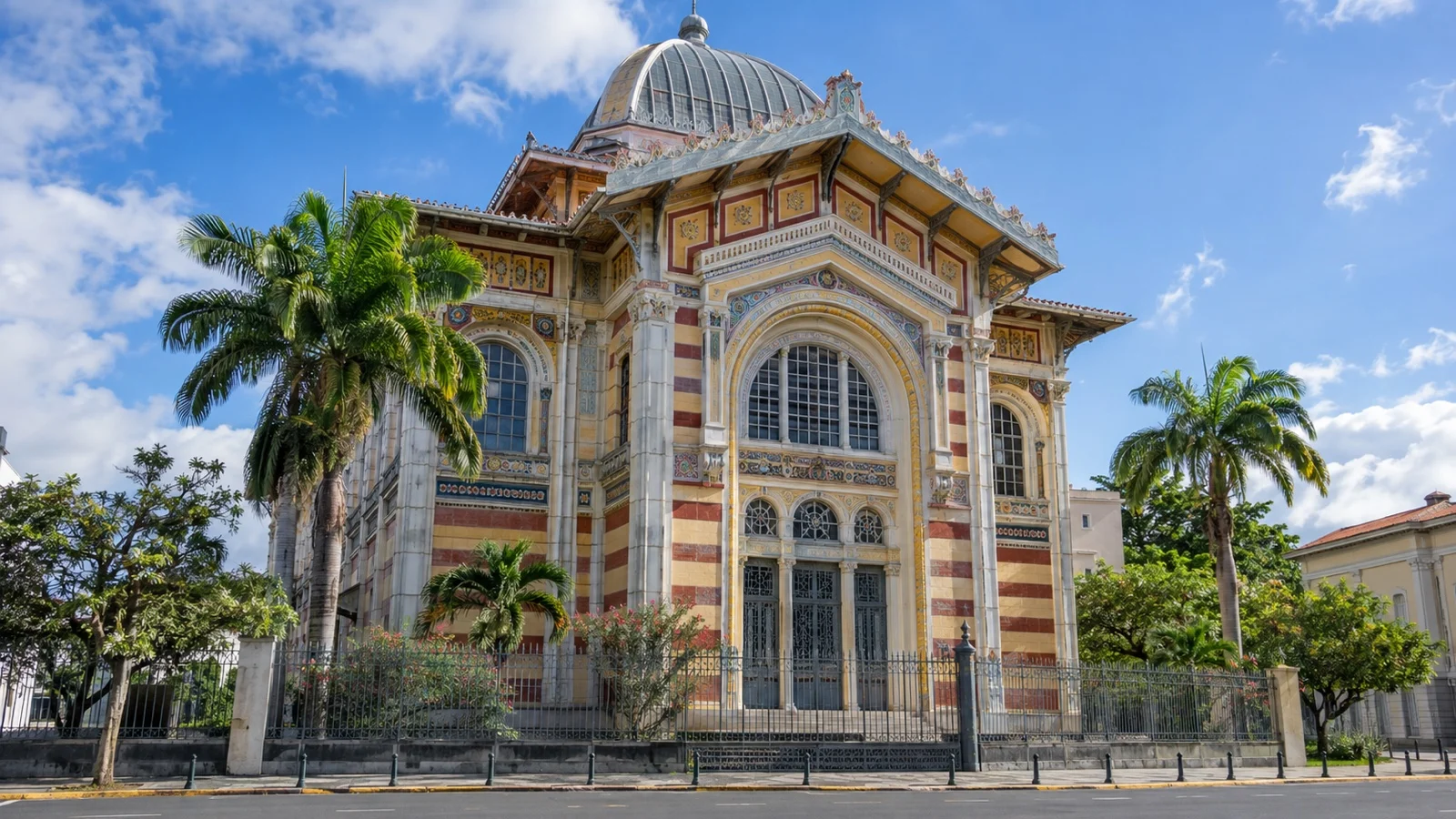
The covered market can be lively with spices, produce, prepared foods, and souvenirs, although hours and stall activity vary. Visit earlier if it matters to you, then leave room for coffee or lunch rather than racing across town.
Fort-de-France also carries the intellectual legacy of poet and statesman Aimé Césaire. Travelers interested in Martinique’s identity will get more from the city if they include cultural context rather than treating it only as a transfer point.
A Ferry and Beach Day
Bay ferries can connect central Fort-de-France with communities across the water, including departure points useful for beach outings. This can be a satisfying independent plan because the boat ride becomes part of the experience.
The apparent simplicity has one important condition: ferry schedules are not cruise schedules. Check the operator’s live timetable, identify the correct return dock, and never make the last practical crossing your only route back.
Beaches vary in facilities, shade, swimming conditions, and walking distance from the ferry landing. Carry sun protection and water, and confirm whether you need a short taxi or local connection after crossing the bay.
An Island Tour From the Capital
Fort-de-France is the better of the two ports for a broad island circuit. Gardens, distilleries, coastal viewpoints, the southern beaches, and the forested interior can all be possible, but not all in one relaxed day.
Choose one geographic direction and one anchor experience. Martinique’s roads can be winding, and congestion near the capital may turn a neat map into a slower return than expected.
A ship excursion earns its price when the plan travels far, involves a scarce reservation, or depends on several connections. An independent driver can offer a more personal pace, but you remain responsible for reaching the gangway on time.
What I Would Skip
I would skip any route that promises the entire island in a few hurried stops. Martinique is compact on a map, yet terrain, traffic, and the pleasure of actually being somewhere make a focused day much better.
I would also avoid deciding on a remote beach before confirming the berth. A central arrival and a shuttle-dependent port facility create different return equations.
Saint-Pierre Cruise Port
Saint-Pierre feels intimate after the capital. The waterfront sits beneath Mount Pelée, and the ruins left by the devastating 1902 eruption give the town an atmosphere unlike any other Caribbean port call.
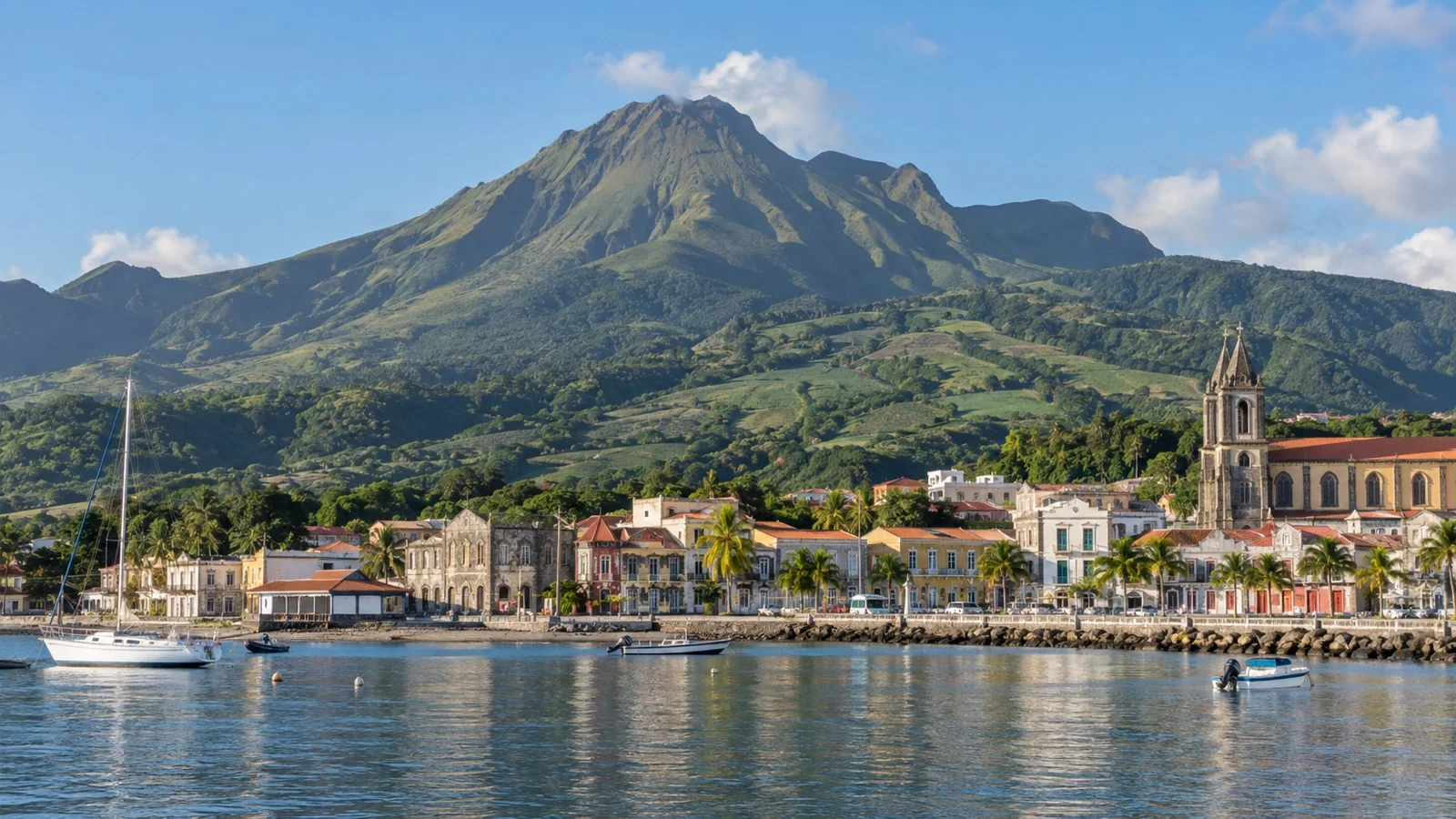
Our Saint-Pierre Martinique cruise port guide covers the local arrival in more detail. The key planning advantage is that history, town streets, and the waterfront can form a coherent day without crossing the island.
The Story That Defines the Town
The eruption of Mount Pelée in 1902 destroyed the old city and became a landmark event in the study of volcanic hazards. Today’s Saint-Pierre is a living community, not merely a ruin site, but the disaster remains present in walls, museum collections, and the shape of the town.
A guided walk can connect individual remains to the people and institutions that once stood here. Without that context, it is easy to see stones where there is actually a much larger story about colonial society, trade, risk, and recovery.
The former theater area and other surviving fragments reward careful looking rather than rapid photography. Wear shoes with grip because historic surfaces can be uneven or slick after rain.
A Local Day on Foot
If the tender lands near the center, Saint-Pierre works well for independent exploration. A museum visit, the ruins, the cathedral area, the waterfront, and a relaxed meal can fill the call without logistical strain.
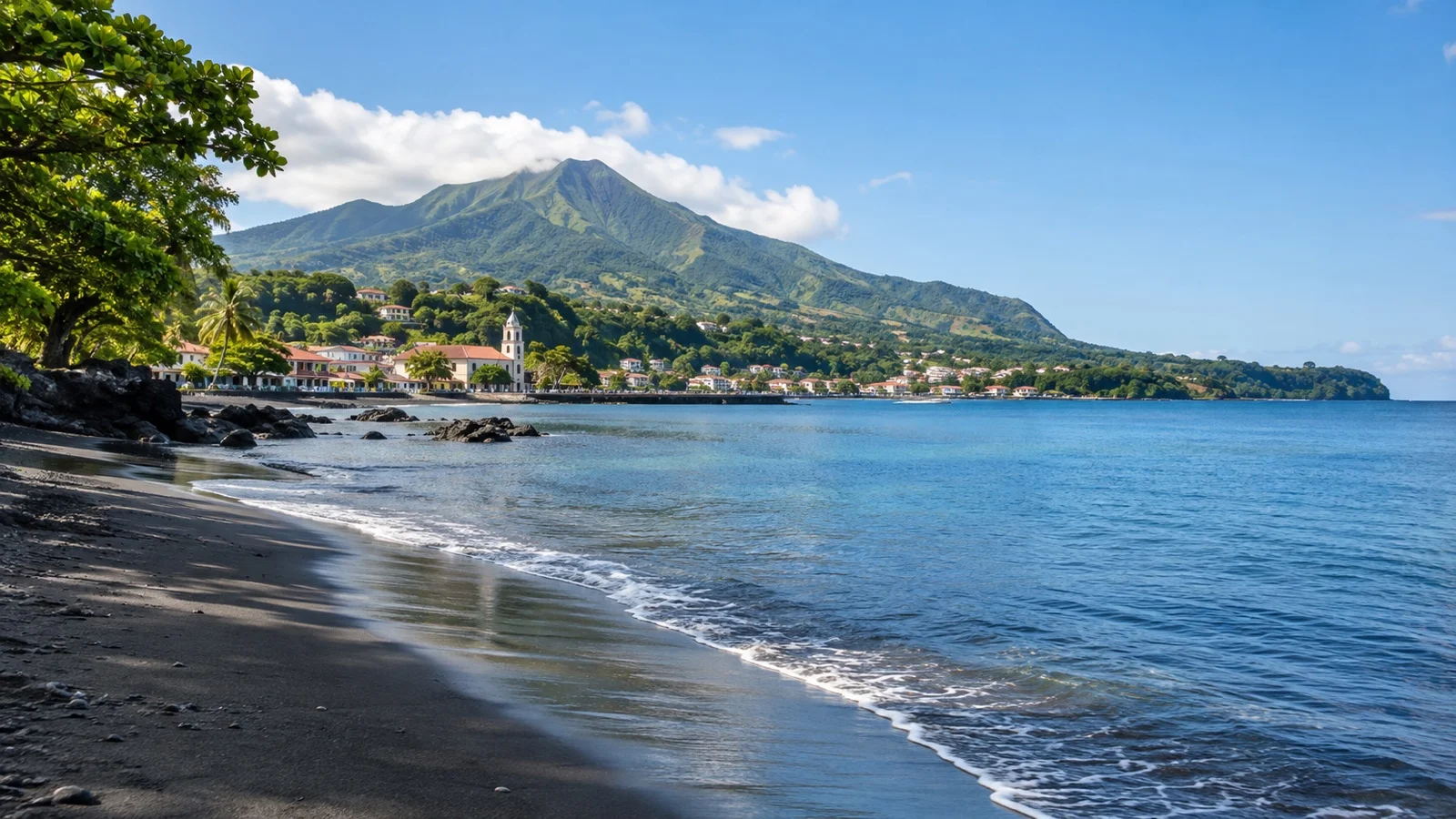
Keep the last tender procedure in mind from the beginning. Lines can build near the cutoff, and the final tender time is more important than the ship’s departure time printed elsewhere.
Travelers who prefer a gentle pace can treat the harbor view and town atmosphere as the main attraction. The scale makes it easier for companions with different interests to separate briefly and meet again.
Mount Pelée and Northern Martinique
Mount Pelée is an active volcanic landscape and part of the UNESCO-listed volcanoes and forests of northern Martinique. Its slopes also create their own weather, so a clear waterfront does not guarantee a visible summit.
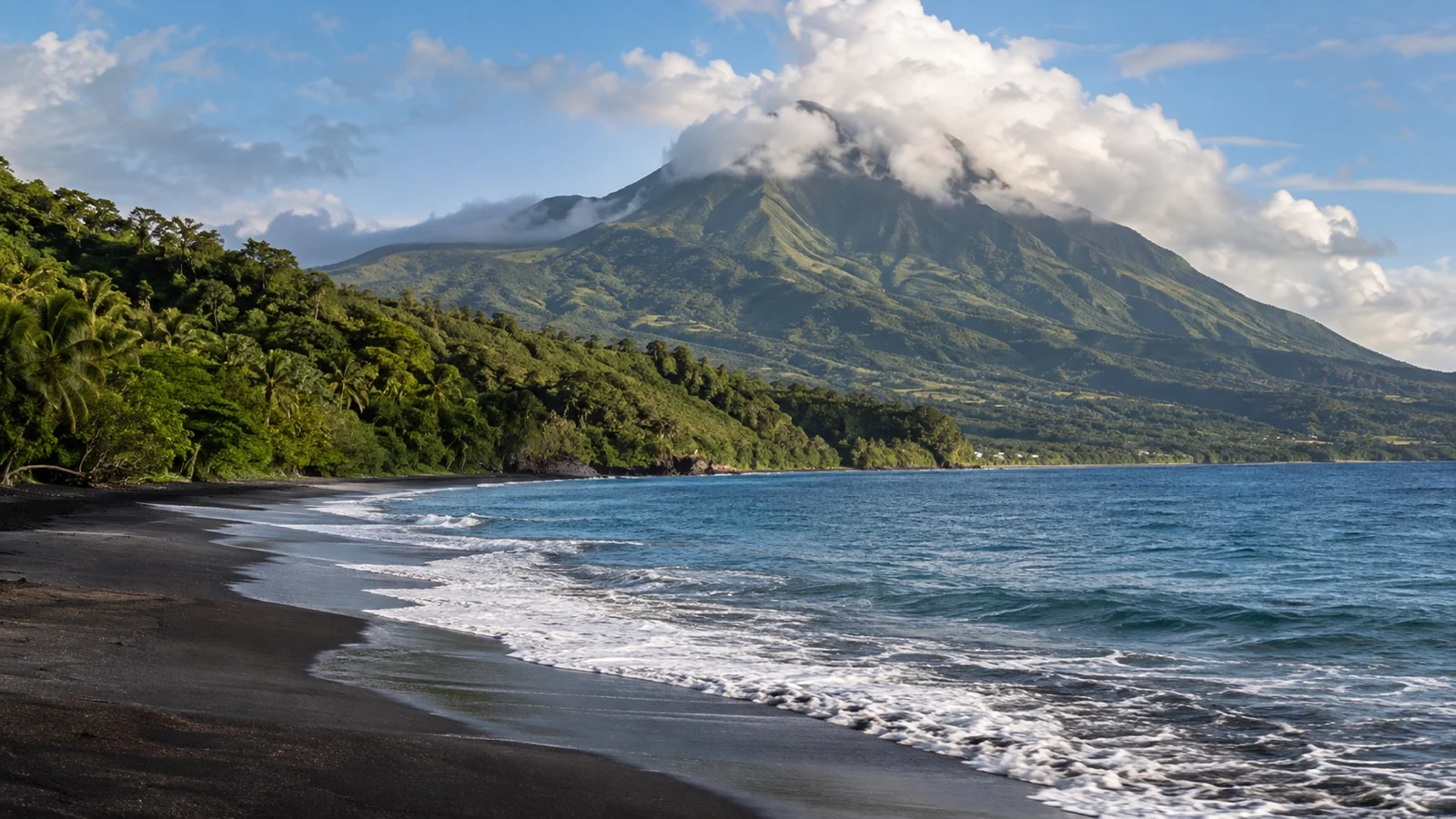
A serious hike is not an improvised cruise excursion. Trail status, volcanic guidance, rain, cloud, heat, footwear, fitness, and transfer time all need to align, and official closures must be respected.
Travelers who want the mountain without a summit attempt can choose a viewpoint, interpretive stop, or guided northern drive. This preserves the connection to the landscape while keeping the day compatible with a tender schedule.
Beyond Town
Northern Martinique offers distilleries, black-sand coastal scenery, gardens, and forested routes. These options require a driver or organized excursion, and the island’s winding roads make realistic timing essential.
Choose one addition beyond Saint-Pierre rather than stacking several. Returning to the tender landing with an easy buffer is far more enjoyable than spending the final hour watching the clock.
Fort-de-France or Saint-Pierre: Which Is Better?
Fort-de-France is the stronger first choice for travelers who value options. It offers the easiest mix of urban culture, shopping, ferries, beaches, and island tours, especially when the ship uses a central berth.
Saint-Pierre is the stronger choice for travelers who want a port with a singular story. The town’s relationship with Mount Pelée, its ruins, and its quieter northern setting create a more focused and reflective day.
Families may prefer Fort-de-France when a ferry and beach combination keeps the day light. History-minded adults and older children may find Saint-Pierre unforgettable when a guide makes the 1902 story accessible.
If an itinerary visits both, resist repeating the same excursion style. Use Fort-de-France for city life or a southern route, then keep Saint-Pierre centered on the north and its volcanic landscape.
Docking, Tendering, and Return Timing
The Grand Port Maritime de la Martinique manages major port infrastructure at Fort-de-France, including cruise activity. Assignments can vary, so confirm whether your ship is using a central city location or a facility that requires organized movement through the port.
Tendering at Saint-Pierre adds a marine transfer before sightseeing begins. Wind, swell, ship procedures, and priority groups can affect the first independent arrival ashore.
Build the day backward from the all aboard or last tender time. Allow for road traffic, ferry delays, security, shuttle movement, and the walk from the drop-off point to the gangway.
Independent travelers should agree on a hard turnaround time with their driver before leaving the port. A reputable cruise-focused operator will discuss return risk clearly instead of selling one more stop.
Transportation Without Guesswork
Fort-de-France offers the island’s broadest transport mix, including taxis, public services, ferries, and organized tours. Availability at the pier and access inside secure areas can still vary by call.
If you use a taxi, confirm whether the trip is metered or priced by agreement and clarify the currency before departure. For a round trip, decide whether the driver waits, returns at a fixed time, or leaves you to arrange a second vehicle.
Public transportation can work for simple journeys, but it is less forgiving when service frequency is limited. Do not build a complicated chain of bus and ferry connections close to the ship’s departure.
In Saint-Pierre, walking is the natural choice for a town-focused day. A northern excursion should be reserved in advance because a suitable vehicle may not be waiting when several tender boats arrive together.
Weather Changes the Day
Martinique is warm through the year, with tropical showers possible even during relatively drier periods. Humidity, sun exposure, and sudden rain can affect comfort more than the temperature number suggests.
The north is generally greener and can be wetter than the south, while mountain cloud develops quickly. A flexible plan matters most in Saint-Pierre, where Mount Pelée views and tender comfort may change within the same call.
Use Météo-France Martinique for local forecasts and active warnings, then check again close to arrival. A forecast saved at embarkation can be stale several days later.
Bring a compact rain layer, reef-conscious sun protection, water, and a dry pouch for electronics. A small umbrella may help in town, but it is less useful on a windy tender or exposed boat.
Accessibility and a Lower-Energy Day
Accessibility depends on the assigned berth, vehicle, and attraction rather than the country name. Fort-de-France offers more transport choices, yet curbs, older sidewalks, market crowds, ferry gangways, and port shuttles may create barriers.
Saint-Pierre adds the uncertainty of tender transfer and uneven historic surfaces. The ship’s crew makes the final decision about safe tender boarding for each guest under the actual sea conditions.
Ask excursion providers for specifics: vehicle step height, wheelchair storage, continuous walking distance, restroom access, shade, and whether a companion can remain seated. A general label such as easy is not enough.
For a gentler Fort-de-France day, stay near the center or choose one ferry destination with simple access. In Saint-Pierre, a short guided town route with a cafe break can provide substantial history without a mountain excursion.
Money, Language, and Connectivity
The euro is Martinique’s official currency, and cards are widely useful at established businesses. Small euro notes and coins are still handy for markets, modest purchases, and transport where card acceptance is uncertain.
French is the official language, and Martinican Creole is central to local life. A greeting in French and a patient, respectful tone go a long way, even when a tourism professional speaks English.
Cell service and roaming depend on your plan because Martinique is French territory but not necessarily included on every travel package. Download maps, tickets, ferry information, and pickup instructions before leaving the ship.
Check your phone against ship time and photograph the daily schedule. Automatic network time is convenient until it conflicts with the clock used on board.
Passports and Entry Rules
Martinique is a French overseas department, and entry rules are not always identical to those for metropolitan France or the Schengen Area. Nationality, residence status, itinerary, and the way the cruise processes passengers can all affect the answer.
Use the official France-Visas situation checker and follow your cruise line’s written instructions. Do not rely on a general statement that a Schengen document automatically covers Martinique.
Carry only the documents the ship tells you to take ashore, while keeping backup copies secure. Requirements can change, so recheck them before travel rather than depending on an old forum post.
Beaches, Nature, and Responsible Travel
Martinique’s beaches range from busy resort strands to quieter coves and dramatic darker sand in the north. Conditions and facilities differ, so match the beach to your swimming ability and transport plan.
Les Salines is one of the island’s best-known beaches, but it lies far from northern Saint-Pierre and is not automatically the smartest cruise-day choice. From Fort-de-France, it also requires a longer road plan than a beach reached by bay ferry.
Observe posted swimming guidance and never assume calm-looking water has no current. Keep valuables minimal and do not leave phones, passports, or wallets unattended on the sand.
Protected landscapes deserve restraint. Stay on open trails, leave coral and shells where they belong, and do not remove plants, archaeological material, or wildlife products.
Food and Cultural Etiquette
Martinique’s food blends Caribbean ingredients with French technique and the island’s own Creole traditions. Accras, seafood, tropical produce, local sweets, and carefully made rum can all become part of a port day.
Choose a restaurant or market stall with enough time to enjoy it. Service follows its own rhythm, and a rushed lunch far from the port is a poor final appointment.
Distillery visits are popular, but tasting and driving do not mix. Use an organized tour or designated driver, and remember that the ship may have rules about bringing alcohol aboard.
Ask before photographing people or market stalls at close range. Basic courtesy matters more than collecting every image.
Planning With Children or a Mixed-Age Group
Fort-de-France works well when the group wants flexibility because a city walk, ferry ride, beach, and lunch can be combined without an all-day tour. Choose shade and a clear meeting point before anyone separates.
Saint-Pierre can engage children who enjoy dramatic history, but the subject of the 1902 disaster needs age-appropriate context. Pair a short guided visit with waterfront time rather than expecting young travelers to absorb every ruin.
Heat, hunger, and tender queues can unravel an otherwise good plan. Schedule water and a seated break before the group needs them.
Give the day one shared anchor activity, then let optional stops depend on energy. The best family memory is rarely the attraction everyone reached after they were already tired.
Frequently Asked Questions
Do ships dock in Fort-de-France?
Many ships dock, but the assigned berth and distance from the city center can vary. Read the current ship notice before deciding the port is fully walkable.
Is Saint-Pierre always a tender port?
It is commonly served by tender, but operations remain specific to the ship and call. Weather and sea conditions can also change the plan.
Can I take a ferry to the beach from Fort-de-France?
A bay ferry can support an independent beach day when the berth, route, and timetable align. Verify the operator’s same-day schedule and protect an earlier return option.
Can I hike Mount Pelée during a cruise call?
Only if the call is long enough and official trail, weather, volcanic, transport, and fitness conditions all support it. A viewpoint or guided northern drive is the safer choice for many cruise travelers.
Which port is best for independent exploration?
Both can work independently once you reach the right starting point. Fort-de-France offers more choices, while Saint-Pierre gives you a compact historic focus.
Do I need a visa for Martinique?
The answer depends on nationality and travel circumstances. Check France-Visas and the cruise line’s instructions for your sailing.
My Final Take
Fort-de-France and Saint-Pierre show two sides of Martinique without competing for the same role. The capital is the practical launch point for variety, while the northern town turns landscape and history into a deeply specific port day.
My best advice is simple: confirm the arrival point, choose one anchor experience, and leave a generous route back. Martinique rewards travelers who give its places enough time to feel distinct.
I checked current planning information from the Grand Port Maritime de la Martinique, the Martinique Tourism Authority, France-Visas, Météo-France Martinique, and UNESCO information on Mount Pelée and the northern forests. Berths, tendering, ferry schedules, weather alerts, trail access, and entry rules can change, so verify them for your sailing.
I hope this guide helps you choose the Martinique port day that genuinely suits you. Leave a little room for a market conversation, a sudden mountain view, or one more quiet minute by the water.