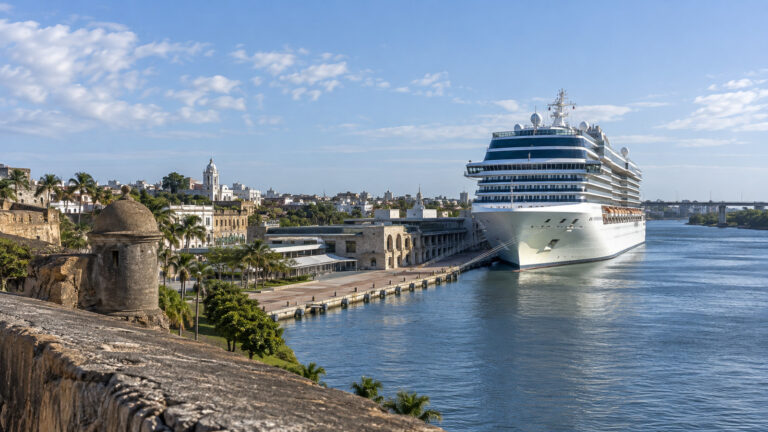
Scarborough Tobago Cruise Port: Fort, Beaches and Rainforest
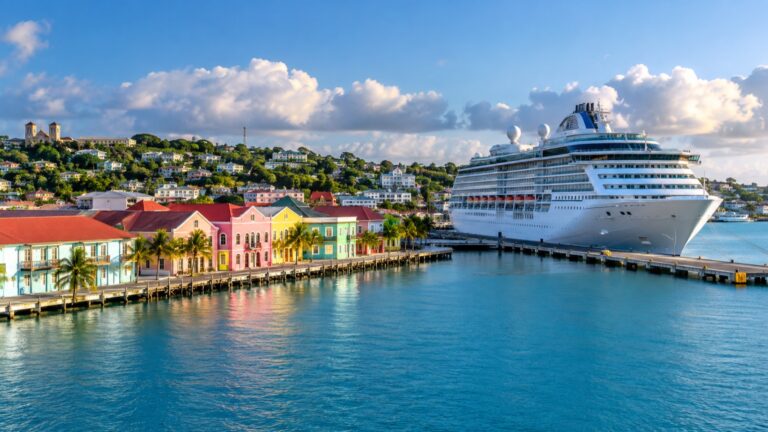
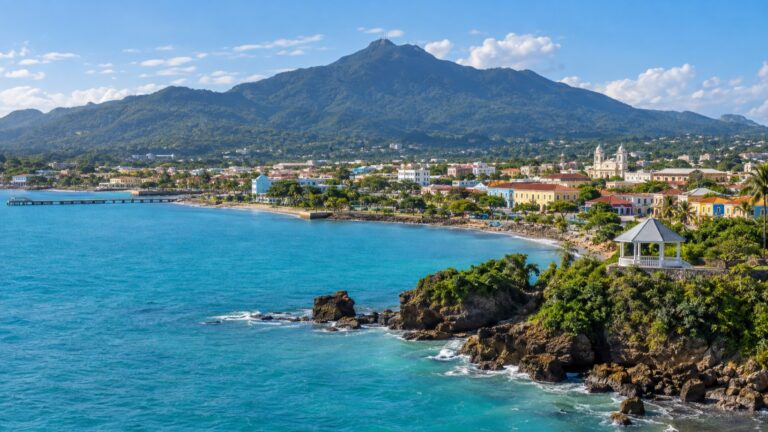
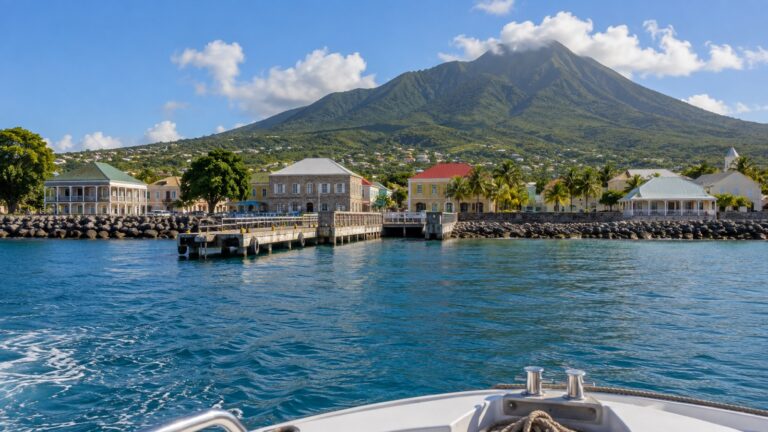
Scarborough introduces Tobago as a working island rather than a resort created for cruise day. Ferries, market traffic, green hills, fishing boats, and everyday town life surround the port, while beaches, rainforest, reef boats, and historic Fort King George wait in different directions.
The island looks compact, but winding roads and cruise-day demand can slow every plan. A satisfying visit starts by choosing one theme, confirming whether your ship is alongside or tendering, and building a serious return margin.
Quick Facts
- Port: Scarborough, Tobago, Trinidad and Tobago
- Arrival: Alongside or tender according to the vessel and confirmed port plan
- Town character: Active ferry port, market center, and island capital
- Closest major historic sight: Fort King George above Scarborough
- Popular beach trip: Pigeon Point Heritage Park or Store Bay
- Popular water trip: Buccoo Reef and Nylon Pool with an authorized operator
- Nature excursion: Main Ridge Forest Reserve or an island waterfall route
- Currency: Trinidad and Tobago dollar, code TTD
- Driving: Left side of the road
- Return rule: Use all aboard or the last-tender deadline, with extra road time
How cruise arrivals work in Scarborough
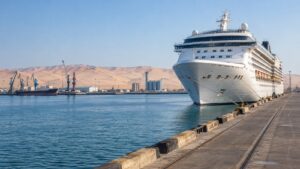
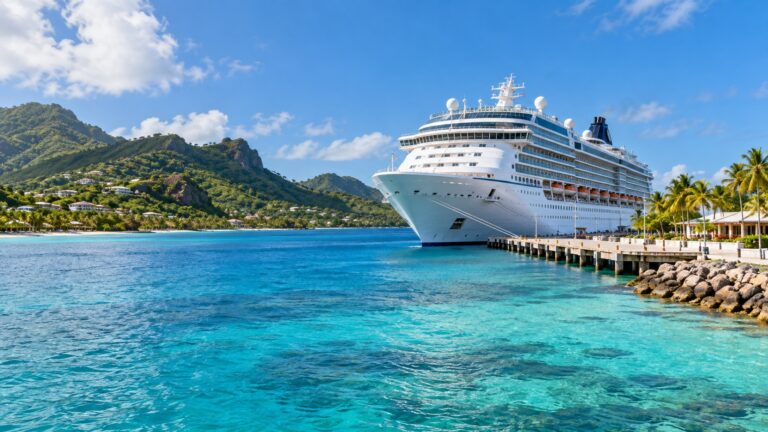
Scarborough has an active port serving inter-island ferries, cargo, and cruise traffic. Some cruise vessels can berth, while another call may use tenders because of ship size, scheduling, or operational conditions.
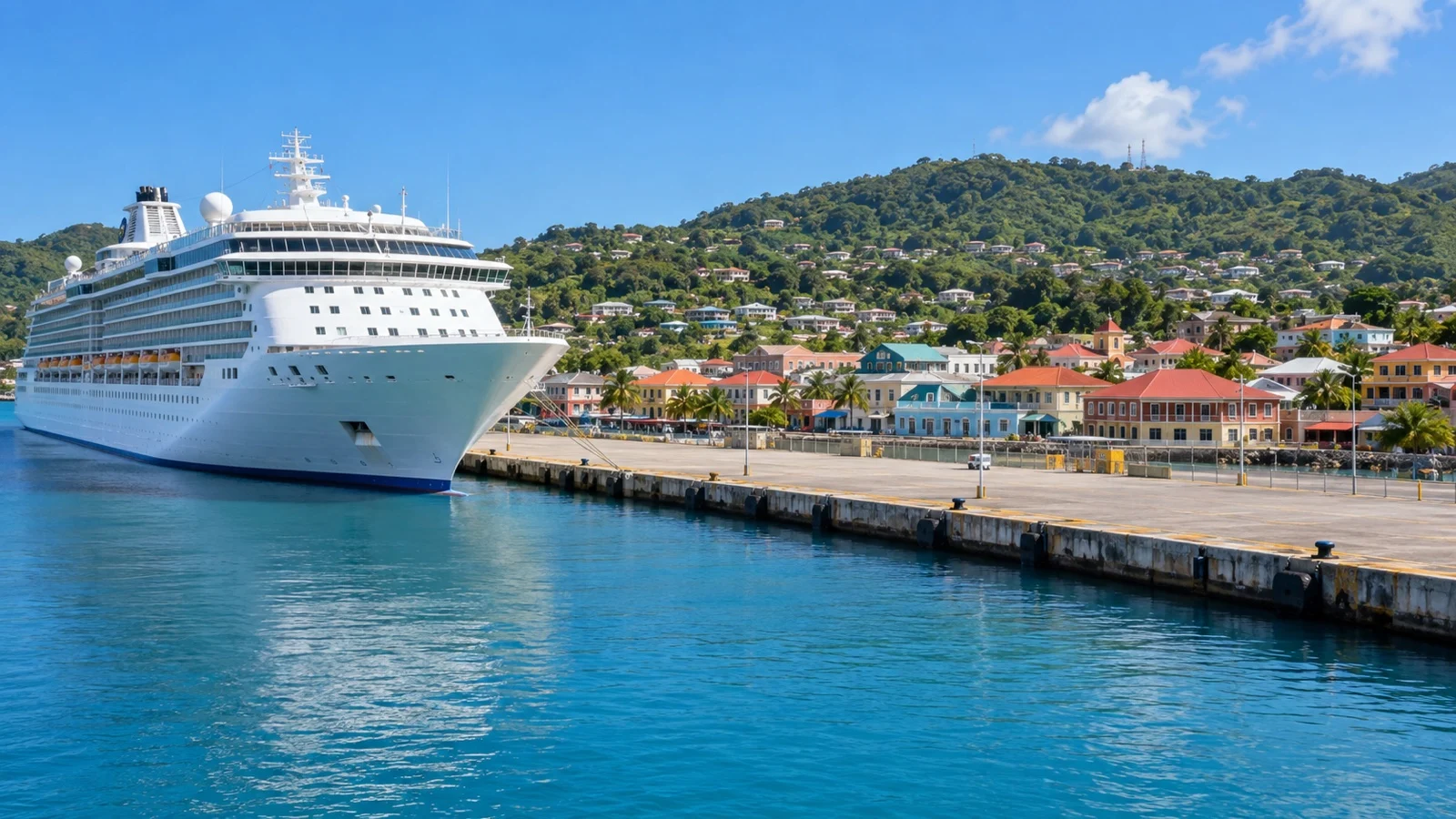
Use the ship’s daily program for the assigned arrangement, gangway or tender procedure, port exit, and return deadline. An online map cannot show temporary security boundaries or the traffic flow around a particular call.
If the ship is alongside, do not assume every working-port surface is open to pedestrians. Follow marked paths and staff directions until you reach the public side of the terminal area.
If tenders operate, allow for boat queues and changing sea conditions. Travelers with private tours should tell the operator that arrival depends on clearance and tender loading rather than a fixed walk-off time.
Passengers with mobility equipment should ask the cruise line about gangway slope, tender eligibility, terminal surfaces, and accessible vehicle pickup. The answer can change with the assigned berth and weather.
Scarborough on foot
Scarborough is a practical commercial town rather than a polished pedestrian attraction. A short independent walk can offer markets, shops, local food, and everyday Tobago, but traffic, heat, curbs, and uneven sidewalks require attention.
Begin by noting the exact port entrance and photographing a nearby landmark. The ferry complex and working waterfront can look different when you return through busy streets.
The market area can be lively, with produce, prepared food, clothing, and household goods depending on the day and hour. Ask before photographing vendors and keep valuables secure in crowds.
The Scarborough Botanical Garden can provide a greener pause if current access and opening conditions suit your route. Do not expect every facility or entrance described in an older guide to be operating unchanged.
English is the official language and widely spoken, so independent conversations are straightforward for many visitors. Local accents and expressions are part of the island’s character, and patience is always better than pretending not to understand.
Fort King George
Fort King George stands on a hill above Scarborough and offers history along with broad coastal views. The site preserves military structures and tells part of Tobago’s colonial story, shaped by repeated changes in European control.
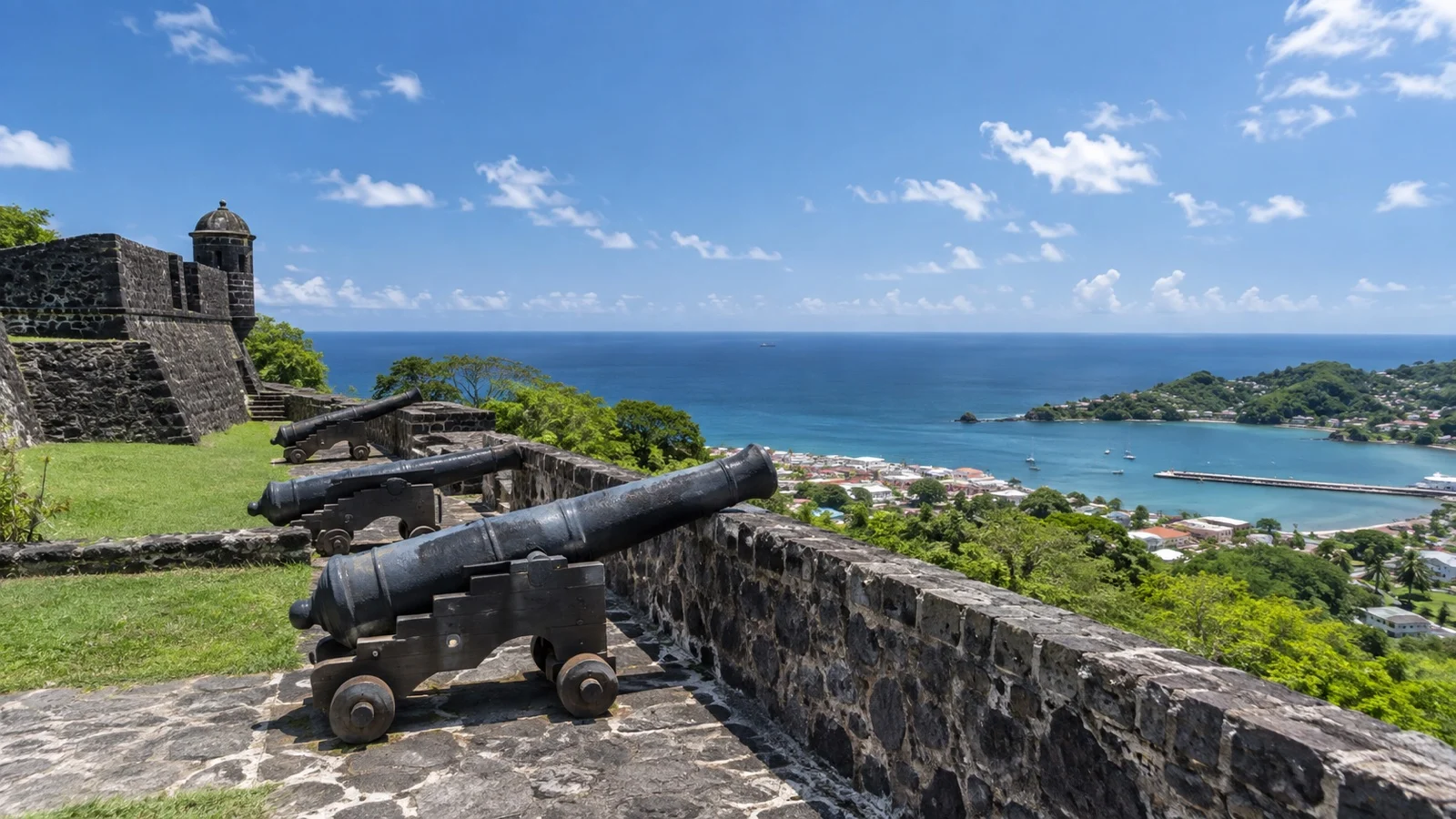
The Tobago Museum is associated with the fort complex, but current opening hours and exhibits should be confirmed. A closed museum does not necessarily mean the outdoor grounds are unavailable, yet local notices control.
The uphill route can be hot, steep, and less comfortable than the distance suggests. A taxi or guided city tour is often the sensible choice, especially if you want energy left for the grounds.
Discuss the return pickup before the driver leaves. Waiting taxis are not guaranteed, and walking downhill on narrow or busy roads may not suit every traveler.
Bring sun protection and water, then stay clear of walls, drops, and restricted structures. Heritage ruins should be viewed from safe public areas rather than climbed for a photograph.
Pigeon Point Heritage Park
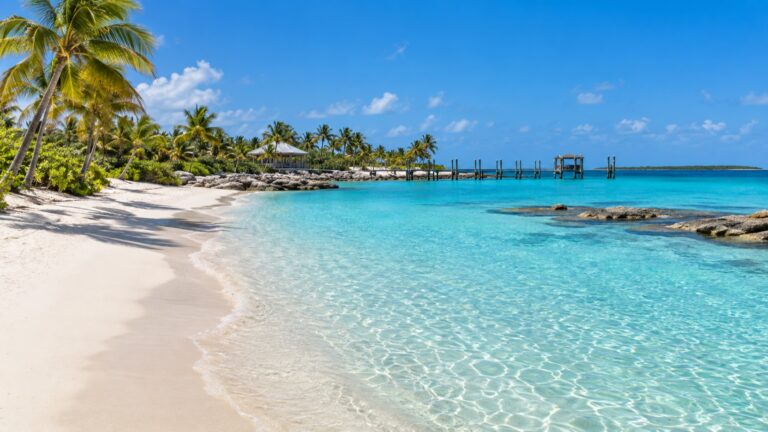
Pigeon Point is Tobago’s best-known developed beach destination, recognizable for its palm-lined shore and thatched jetty. The heritage park normally charges admission and offers visitor facilities, though fees and services should be checked directly.
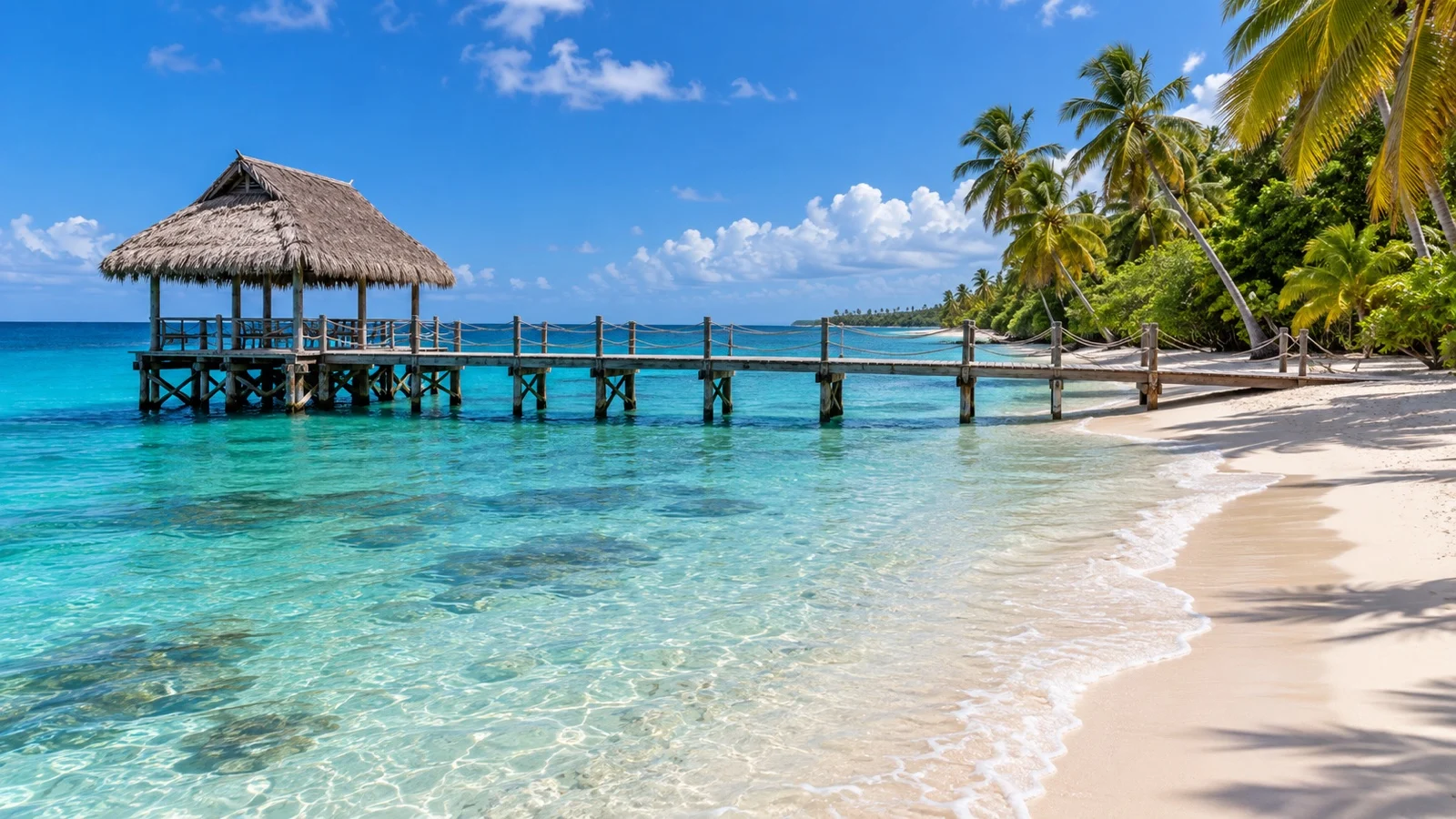
It lies west of Scarborough and requires road transport. Traffic through the more populated southwest can make the return longer than a quick map estimate.
A taxi or beach transfer should include a confirmed return time and meeting place. If you pay only for a one-way ride, arrange the pickup before entering the park.
Beach chairs, food, restrooms, water activities, and opening times can change. Carry water, sun protection, and a backup plan rather than assuming every amenity will be available when the ship arrives.
The park can work for families and mixed groups because travelers can choose between swimming, shade, food, and boat activities. Keep the ship’s deadline visible so the relaxed setting does not erase your return margin.
Store Bay and southwest Tobago
Store Bay is another popular beach area in southwest Tobago, closer to the airport and several visitor services. It may suit travelers who want local food stalls and a lively beach atmosphere rather than a formal heritage park.
Conditions, crowding, vendors, and boat departures vary by day. Check swimming flags and ask where authorized operators board before agreeing to any water trip.
The southwest is the busiest visitor zone on the island, which helps with services but can also mean traffic. Leave earlier than seems necessary for Scarborough, especially near school, commuter, or ferry travel periods.
Neither Pigeon Point nor Store Bay should be described as “near the ship” without considering road time. They are planned outings from Scarborough, not casual extensions of a short port walk.
Buccoo Reef and Nylon Pool
Boat trips to Buccoo Reef and the shallow offshore area known as Nylon Pool are among Tobago’s signature excursions. Experiences vary by operator, vessel, weather, water clarity, tide, and current marine-management rules.
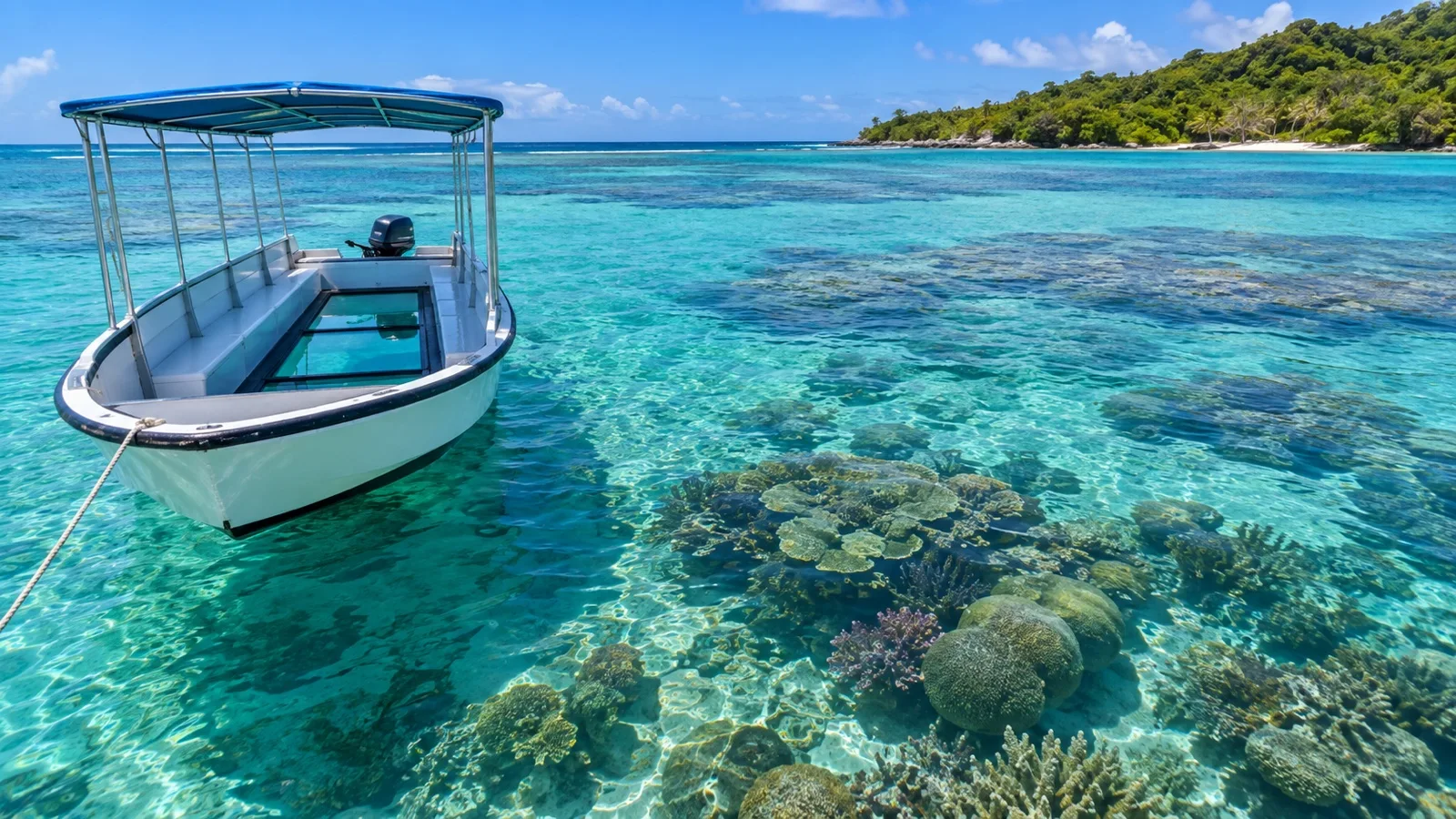
Book with an established, authorized operator and confirm the departure beach, transport, equipment, safety briefing, and return. A boat leaving from Pigeon Point or Store Bay still requires you to solve the road journey from Scarborough.
Glass-bottom viewing may be available, while snorkeling depends on the trip and conditions. Ask whether flotation gear and masks are included, and never join if the operator skips a proper safety explanation.
Do not stand on coral, remove marine life, feed fish, or chase turtles. Use controlled fin movements and follow all instructions designed to protect the reef.
No operator can guarantee perfect visibility or a particular wildlife sighting. Choose the trip for time on the water and the wider reef landscape, not a staged encounter.
Beach and water safety
Tobago’s warm water can look effortless, but currents, waves, boat traffic, sudden depth changes, and heat still matter. Swim in appropriate areas and follow local flags, lifeguards, and operator guidance.
Keep cruise cards, identification, phones, and cash in secure dry storage. A beach bag left alone is not a safe locker.
Use a high-protection sunscreen, a hat, and frequent water breaks. Tropical cloud does not remove ultraviolet exposure, and a breeze can hide how quickly you are overheating.
Allow time to rinse, change, find the driver, and travel back. Wet clothing and sand slow the transition more than many excursion schedules admit.
Main Ridge Forest Reserve
Tobago’s Main Ridge is a historic protected rainforest landscape running through the island’s interior. Guided walks can introduce birds, plants, forest structure, and the relationship between rainfall and Tobago’s greener northeast.

This is not a quick walk from Scarborough. Reaching a trailhead involves winding roads, while the route itself may be muddy, slippery, humid, and uneven.
Use a knowledgeable local guide who understands current trail access and wildlife etiquette. The guide’s value lies in safety and interpretation, not in promising a rare bird on demand.
Wear closed shoes with grip, carry water and insect repellent, and protect electronics from rain. A light poncho or shell is useful even when the coast is sunny.
Travelers with limited mobility should ask for the exact walking surface, duration, gradient, and availability of a vehicle-based alternative. “Rainforest tour” can describe anything from a roadside stop to a demanding trail.
Argyle Falls and the Atlantic side
Argyle Falls is a popular nature attraction on Tobago’s Atlantic side and may be combined with scenic villages or coastal viewpoints. It requires a substantial road trip from Scarborough plus walking from the entrance area.
Current admission, guide arrangements, trail condition, and swimming access should be confirmed. Rain can strengthen the waterfall while also making rocks and paths more hazardous.
Wear shoes suited to mud and wet stone, and never jump or climb where access is restricted. Water depth and force can change quickly after rainfall upstream.
A full rainforest and waterfall route can consume most of a port call. Use a cruise-aware operator and resist adding an unplanned beach stop if the schedule is already tight.
Island drives and coastal villages
A guided drive can reveal Tobago’s scale and variety, from the busy southwest to quieter Atlantic communities and green interior ridges. The best tours leave time to stop and listen rather than racing around the island.
Roads can be narrow, winding, steep, and slow behind local traffic. Travel time should be based on current local experience, not distance alone.
Ask which viewpoints and communities are actually included, how long you will leave the vehicle, and where restrooms are planned. A long attraction list often means only a few minutes at each place.
Remember that people live in the villages you visit. Ask before photographing individuals, homes, fishing activity, or ceremonies.
Weather and the tropical season
Tobago is warm throughout the year, with sunshine, showers, humidity, and breezy periods all possible during one port day. Rainfall can be highly local, so dark cloud over the hills does not always mean the beach is wet.
Check the Trinidad and Tobago Meteorological Service forecast, marine conditions, and official alerts close to arrival. Tropical waves, thunderstorms, Saharan dust, and rough seas can affect boat trips and tendering.
Tobago’s weather can differ from Trinidad’s and from neighboring Caribbean islands on the same day. Use a Tobago-specific forecast and compare it with the ship’s local marine information.
Pack sun protection and a light rain layer rather than choosing one or the other. A dry pouch and small towel are useful on both reef and rainforest days.
If a captain or operator cancels for safety, accept the decision. Switch to a town, fort, or sheltered local plan instead of searching for someone willing to ignore conditions.
Accessibility and reduced-mobility planning
Accessibility varies sharply by arrival method and excursion. An alongside call may still involve a long gangway and port surfaces, while a tender adds a moving boat transfer that may exclude some mobility equipment.
Fort King George sits uphill, beaches involve sand, and rainforest routes can be rough. Ask for exact walking distances, gradients, vehicle steps, restroom access, and seating before booking.
Adapted vehicles are limited and should be reserved in advance. Do not assume a taxi waiting at the port can carry a large wheelchair or scooter.
Pigeon Point may provide more organized facilities than an undeveloped beach, but current accessible paths and water access still need confirmation. A beach advertised as accessible may not provide independent movement across soft sand.
A panoramic island or Scarborough drive can be a satisfying alternative to trails and boats. Choose a route with planned accessible stops rather than one that expects passengers to remain in the vehicle all day.
Families and multigenerational groups
Tobago gives families excellent variety, but the smartest plan is usually one major outing. A beach and reef day, fort and town day, or rainforest day each has enough content without crossing the island repeatedly.
Children need close supervision near port traffic, fort walls, surf, boats, waterfalls, and forest edges. Warm weather should not be mistaken for a low-risk environment.
Pigeon Point can work well for mixed ages because shade, food, beach time, and boat trips may be available in one area. Confirm facilities and choose a driver who will return at a fixed time.
Pack water, sunscreen, insect repellent, hats, and familiar snacks. A change of clothes makes the ride back more comfortable after rain or swimming.
Food, money, and local flavor
Tobago food is a reason to leave room in the schedule. Crab and dumplings, curry dishes, roti, grilled fish, callaloo, and local fruit may appear in restaurants or stalls depending on the day.
Ask what is available now rather than expecting every famous dish on every menu. Fresh preparation can take time, so tell the server when you need to leave.
The local currency is the Trinidad and Tobago dollar. United States dollars may be accepted by some tourism businesses, but exchange rates and change can be unfavorable or provided in local currency.
Carry small local notes when possible and a backup card. Confirm the total price and currency before entering a taxi or booking a beach service.
Rum punch and other drinks can be stronger than they taste in the heat. Balance alcohol with water and keep your judgment clear for swimming and the trip back.
Taxis, tours, and independent transport
Taxis are the most practical independent option for many cruise visitors, but not every car operates the same way. Use an authorized driver, agree on the fare and currency, and confirm whether the price is per person or for the vehicle.
For a round trip, write down the pickup time and exact meeting point. Take the driver’s number, but do not rely solely on mobile service to reconnect.
Rental cars require comfort with left-side driving, local road habits, winding routes, and limited signage. A cruise day is not the ideal time to learn these conditions while watching the clock.
Ship excursions reduce the return risk for distant rainforest and waterfall routes. Private tours can be excellent, but the operator should demonstrate clear experience with Scarborough cruise calls.
Protecting your return to the ship
Start with all aboard or the last-tender time, then work backward through port entry, road travel, driver pickup, and a delay buffer. The southwest beach zone and Atlantic coast can both be slower to leave than expected.
Tell the driver the firm return deadline before departure and agree on an earlier target. Do not allow an optional shopping, rum, or photo stop to consume the margin.
Carry your cruise card, required identification, daily program, and port-agent contact information. Save everything offline and keep a small paper backup.
If your ship is tendering, return before queues build and watch for changed instructions. Sea conditions can force the operation to finish earlier than originally planned.
Simple plans for different call lengths
Short call
Focus on Scarborough, Fort King George by taxi, and a local food stop. Avoid a cross-island journey that depends on perfect roads and timing.
Medium call
Choose Pigeon Point with a prearranged driver, a reef trip designed for the ship, or one guided rainforest experience. Protect the return buffer before adding a second major stop.
Long call
A broader island drive or rainforest and waterfall combination may become practical. Keep the itinerary realistic because winding roads remain slow even when the ship stays late.
Common Scarborough planning mistakes
The first mistake is confusing Tobago with Trinidad and using transport advice for Port of Spain. Scarborough is on a different island with its own road times and services.
The second is treating Pigeon Point as a walk from the cruise terminal. It requires road transport from Scarborough.
The third is booking Buccoo Reef without confirming where the boat departs. The beach transfer and return are part of the excursion.
The fourth is attempting too much of the island in one call. Tobago rewards a focused beach, history, or nature day.
Frequently asked questions
Do cruise ships dock in Scarborough?
Some ships can berth, while others may tender according to vessel and port operations. Use the cruise line’s confirmed instructions for your call.
Can I walk to Fort King George?
It may be possible for strong walkers, but the climb, heat, and road conditions make a taxi appealing. Arrange the return pickup before the driver leaves.
Is Pigeon Point close to the port?
It is a road trip west of Scarborough, not an immediate port beach. Allow for traffic and secure round-trip transport.
Can I visit Buccoo Reef independently?
Yes, with an authorized operator and a complete transport plan. Confirm the departure beach, safety equipment, and cruise-safe return time.
Is the rainforest suitable for everyone?
No. Trails may be muddy, slippery, humid, and uneven, so ask for exact difficulty and a vehicle-based alternative if needed.
What currency should I use?
Use Trinidad and Tobago dollars when possible. Confirm the currency before paying a driver or vendor.
What if it rains?
Tropical showers may pass quickly, while heavier rain can affect roads, waterfalls, and trails. Follow official alerts and let the operator adjust the plan.
My take on Scarborough
Scarborough is the gateway to a Tobago day, not a reason to sprint around the whole island. Fort King George offers history close to town, while one carefully chosen beach, reef, or rainforest trip reveals the island’s natural character.
I would arrange transport before arrival, carry local cash, and return earlier than the map says is necessary. Tobago feels most generous when you give one part of it your full attention.
Planning sources include Visit Tobago, the Port Authority of Trinidad and Tobago, the Tobago House of Assembly, Pigeon Point Heritage Park, and the Trinidad and Tobago Meteorological Service. Confirm the berth or tender plan, road transport, reef and park operations, weather, and return deadline close to your visit.