Zeebrugge Cruise Port: Bruges Shuttles & Train Tips
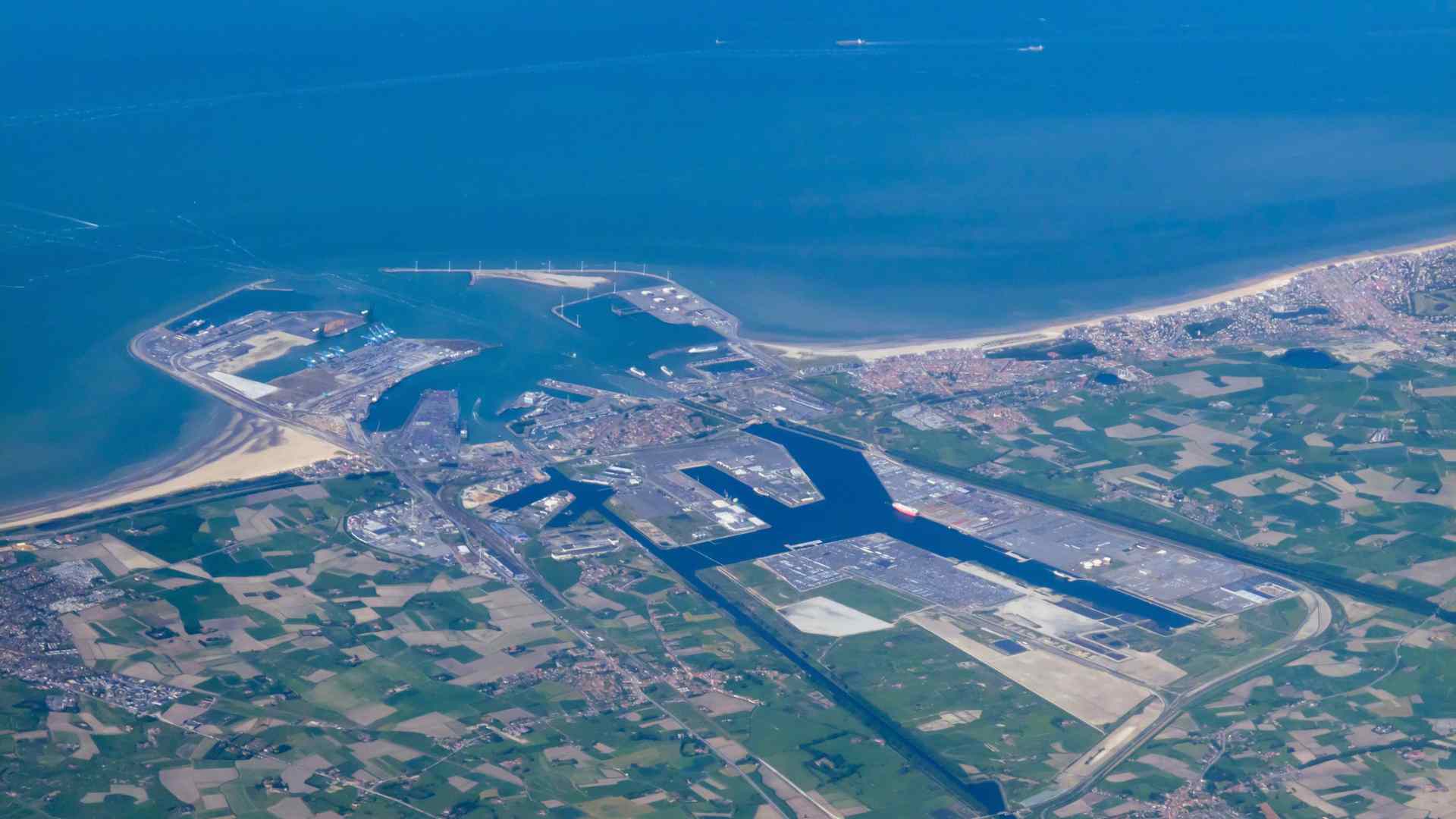
Zeebrugge is the sea gateway for Bruges, but the ship does not arrive beside medieval canals. It docks inside a large working port where secured roads, shuttle arrangements, and the final transfer back matter as much as anything you plan in the city.
Bruges is absolutely realistic on a normal full port call, and it rewards a slow route through Markt, Burg, quiet lanes, and one museum or canal trip. The cleanest plan is the transport option that fits your berth and still gives you a backup return.
Quick Facts
- Country: Belgium
- Cruise port: Zeebrugge, within the Port of Antwerp-Bruges
- Main destination: Bruges, roughly eleven miles inland
- Port access: Industrial and secured, with ship or port transport required to exit safely
- Popular independent route: Transfer to Blankenberge, then SNCB train to Bruges
- Currency: Euro
- Language: Dutch in Flanders, with English common in visitor services
- Main challenge: Connecting port transport with train or coach schedules
- Best return rule: Leave Bruges on an earlier service with a backup behind it
Where cruise ships dock
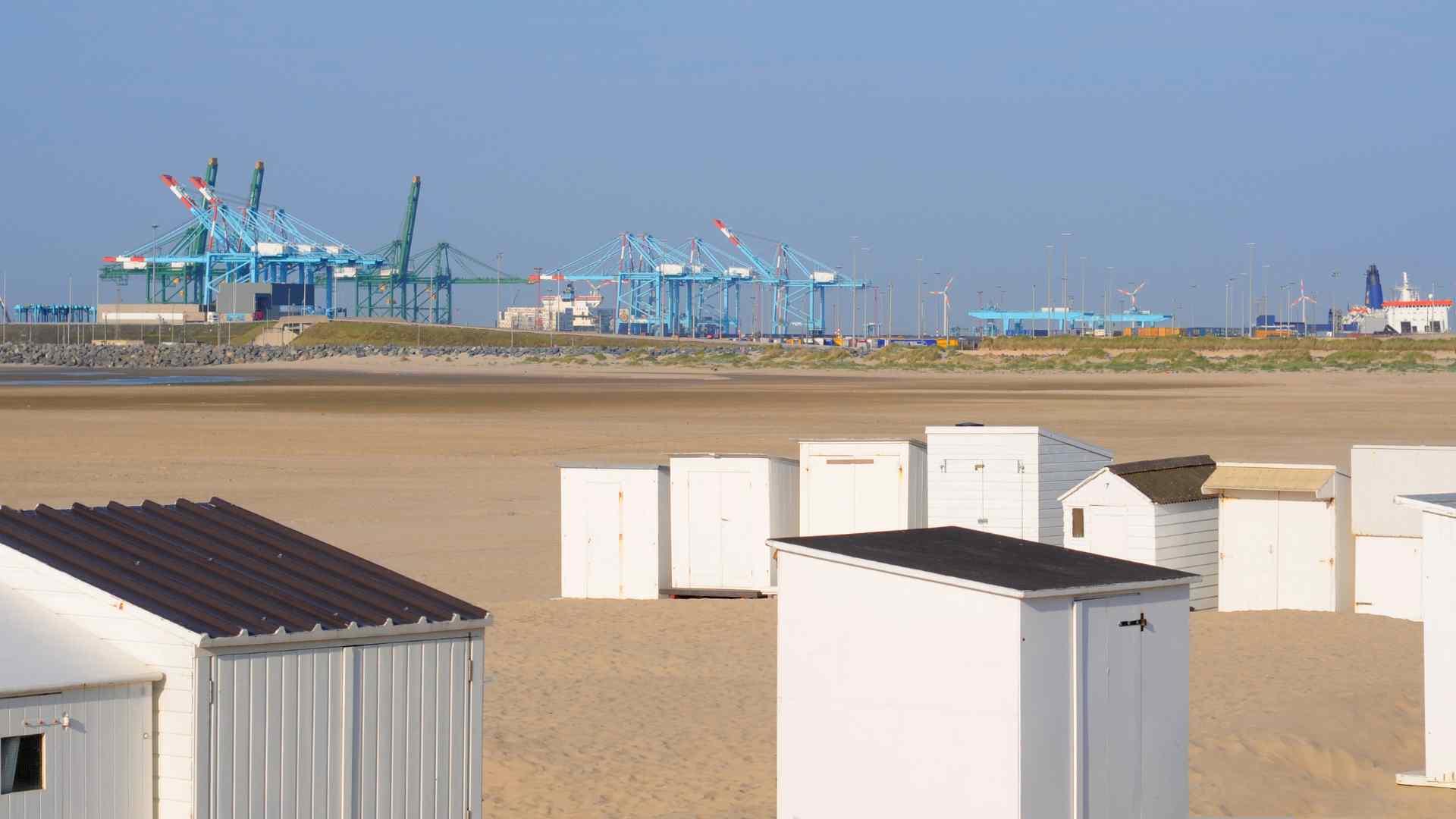
Cruise ships berth within Zeebrugge’s extensive harbor complex, which also handles ferries, cargo, vehicles, and industrial traffic. Passengers cannot treat the quay as a walkable city terminal.
Follow the cruise line and port directions to the authorized shuttle, excursion coach, taxi area, or passenger exit. Never walk across operational roads or through a secured gate because a map appears to show a shortcut.
Terminal and shuttle reality
The terminal setup and shuttle destination can vary by berth, ship, and day. Some cruise lines arrange transport toward Bruges, while others provide or describe a connection to a nearby town or port exit.
Read the daily program for the exact drop off point, price, frequency, accessibility, and final return. The word shuttle does not automatically mean free or direct to central Bruges.
The easiest choice: a ship transfer
A cruise-line transfer to Bruges reduces the number of connections and aligns the return with ship operations. It may be sold as transportation only or as part of a guided tour.
Ask where the coach stops because large vehicles cannot enter every medieval street. The drop off can still require a substantial walk to Markt.
Transfer only or guided tour
A transfer-only ticket suits travelers who want independent time and can navigate cobbles, maps, and meeting points. A guided tour adds context and may coordinate timed admission, though group pace can reduce flexibility.
Record the return meeting location with a photograph and map pin. Similar coach parks and crowded streets make verbal directions easy to forget.
Independent route through Blankenberge
A common independent strategy uses the port or cruise shuttle to Blankenberge, followed by an SNCB train to Bruges. It can be efficient when the two schedules align, but every connection needs current verification.
Confirm the shuttle’s exact stop relative to Blankenberge station and the time of its final return to the ship. Do not assume a late train will connect with a shuttle that has already stopped.
Buying the train ticket
Use SNCB’s official planner and ticket channels for the date of travel. Check the direction, platform, service alerts, and whether your ticket has any time or passenger restrictions.
Download the ticket and return schedule before leaving the ship. Mobile data or station machines can become an unnecessary delay.
The return train
Choose a primary return that leaves at least one usable later service before the final shuttle or ship deadline. If there is no backup, leave Bruges earlier.
Rail works, cancellations, and platform changes are possible. Watch the official live information rather than relying on the timetable saved weeks ago.
Direct rail from Zeebrugge
Stations named Zeebrugge-Dorp and Zeebrugge-Strand appear in rail planning, but service patterns and usefulness vary by season and day. Neither name guarantees a practical walk from your secured cruise berth.
Use a direct Zeebrugge train only when the port transfer and SNCB planner confirm the complete route. Blankenberge is often easier to understand because its station and coastal town form a clear transport hub.
Taxi or private transfer
A taxi offers direct travel and can work well for a small group, mobility needs, or an early start. Supply is limited when several ships or ferries create demand.
Prebook a licensed provider, agree on the price basis, and confirm the port pickup zone. Arrange the return in advance rather than searching for a vehicle at the busiest point of the afternoon.
Arriving at Bruges station
Bruges railway station sits outside the central medieval core. Active visitors can walk toward Minnewater, the Begijnhof, and the center, while local bus or taxi can reduce the distance.
The route is straightforward but not instant, and the final sections include cobbles and crowds. Add station-to-center time in both directions when calculating the day.
A sensible Bruges route
Begin near Minnewater and the Begijnhof if arriving by train, then continue through quieter lanes toward central squares. Visit one reserved interior, eat something local, and finish along a direct route back to the station or coach park.
Bruges is at its best when you notice details rather than sprint between landmarks. A compact loop provides more atmosphere than crossing the center repeatedly.
Markt and the Belfry
Markt is Bruges’ iconic central square, framed by historic facades and the Belfry. It becomes crowded when tour groups arrive, but the surrounding architecture remains worth seeing.
Climbing the Belfry involves many steps, narrow sections, and controlled admission. Reserve through the official Bruges Museums system when required, and do not add the climb to a tight return schedule.
Burg Square
Burg sits close to Markt and brings together the City Hall, Basilica of the Holy Blood, and richly detailed civic architecture. Its compact scale makes it easy to include without extra transport.
Interior access changes with services, ceremonies, ticketing, and events. Check official hours and dress respectfully.
Canal boat tours
A canal boat provides a memorable view from water level and reduces continuous walking, but queues can be long on busy cruise days. Boats have fixed capacity and may use steps or a low transfer into the vessel.
Ask about boarding, mobility, operating conditions, and the return point before paying. Rain, high water, maintenance, or crowd control can alter service.
When to take the boat
Go early before the largest groups arrive, or wait until the afternoon wave begins leaving. Do not join a long line if it would consume your protected return margin.
The canals are still rewarding from bridges and lanes. A boat trip is a bonus rather than the only way to experience Bruges.
Museums and churches
The Groeninge Museum, Saint John’s Hospital Museum, Church of Our Lady, and other cultural sites can anchor the day. Opening hours, timed entry, closures, and collection displays vary.
Choose one interior and use official booking information. Several ticketed stops create too much queuing for one cruise visit.
The Begijnhof
The Begijnhof offers a calmer historic enclosure near Minnewater and the station approach. It remains a living and sensitive place rather than a stage set.
Keep voices low, follow visitor rules, and respect restricted buildings. The courtyard can become crowded even when the atmosphere looks serene in photographs.
Food and drink
Belgian chocolate, waffles, fries, beer, and Flemish dishes are easy to find, but central prices and quality vary. Choose a business that shows clear pricing and fits the time available.
A beer tasting requires enough time and responsible consumption, especially before navigating the station or port. Never carry open alcohol into transport or the cruise terminal.
Chocolate shops
Bruges has artisan chocolate makers alongside mass-market souvenir shops. Ask about ingredients, storage, and heat resistance before carrying a purchase back to the ship.
Check customs and cruise-line rules for food items on the wider itinerary. Keep receipts for higher value purchases.
Accessibility in Bruges
The train and central routes may offer step-free elements, but cobbles, bridge slopes, curbs, and crowds create real barriers. Historic buildings often have partial rather than complete access.
Ask SNCB for current assistance requirements and confirm each attraction’s accessible entrance. A transfer labeled low walking may still drop guests several blocks from Markt.
Canal boats and mobility devices
Many traditional boats require a step down and cannot carry every wheelchair or scooter. Contact the operator directly and describe transfer ability plus device dimensions.
A panoramic coach, private adapted vehicle, or central cafe and museum plan may provide a better experience. Accessibility should shape the route before tickets are bought.
Families
Families can enjoy Markt, canals, horse carriages viewed from the street, chocolate shops, and open spaces near Minnewater. Toddlers may struggle with cobbles, queues, and long station walks.
Use a compact stroller with sturdy wheels or a familiar carrier, and plan one seated break. Keep children close near canals and busy streets.
Weather
Belgium’s coast and Bruges can be windy, cool, rainy, or bright within one day. A waterproof layer and shoes with grip are useful on quay surfaces, station platforms, cobbles, and bridges.
Check the Royal Meteorological Institute forecast and rail alerts before leaving the ship. A wet-day plan should include one museum and a cafe rather than relying entirely on canal boats.
Staying in Zeebrugge
A local day avoids the Bruges transfer and can include maritime surroundings, coastal views, or nearby beach areas when access and weather permit. Zeebrugge itself remains shaped by port activity rather than a dense historic center.
Use authorized transport between the terminal and public areas. Industrial distances and security fences make casual walking impractical.
Blankenberge
Blankenberge offers a beach, seafront promenade, shops, cafes, and rail connections in a compact coastal setting. It is a practical alternative when weather and shuttle timing favor the coast.
Attraction and pier access can change seasonally. Confirm current hours and keep the return shuttle location clear.
The Coast Tram
De Lijn’s Coast Tram connects communities along the Belgian shoreline and can extend a local day toward Knokke-Heist or other stops. It is not the simplest way to reach Bruges because Bruges lies inland.
Use De Lijn’s official planner, understand ticket validation, and choose a nearby destination. Do not ride a long coastal stretch simply because the line continues.
Knokke-Heist
Knokke-Heist offers beaches, shops, galleries, and a more resort-oriented atmosphere east of Zeebrugge. Tram, train, taxi, or local tour options depend on the starting point outside the secured port.
It is a good choice for travelers who have already seen Bruges or prefer the coast. Keep the route simple and verify the return connection.
Ghent
Ghent combines canals, medieval architecture, museums, and a lived-in university city atmosphere. Trains connect through the Belgian network, but the station-to-center transfer adds another layer.
A full call can support Ghent when rail timings are strong. It is less forgiving than Bruges because the complete journey and urban transit take longer.
Brussels
Brussels is possible by train on a long call, but it creates more rail time and a larger urban navigation task than Bruges. The capital should not be treated as a casual add-on.
Choose it only for a specific priority and keep an early return. Bruges remains the most coherent first visit from Zeebrugge.
Cycling
Flat terrain and cycling culture can make a bicycle appealing once outside the port. Busy roads, wind, rail crossings, and unfamiliar rules still require confidence.
Rent from an established operator, wear a helmet, and confirm the exact port return route. Never cycle through restricted harbor areas.
A short call plan
For a short call, use an organized Bruges transfer with clear return timing or stay along the coast in Blankenberge. Independent multi-connection rail becomes less attractive as the schedule narrows.
In Bruges, focus on Markt, Burg, one canal route or museum, and a quick meal. Leave before the final viable connection.
A full day plan
With a long call, travel to Bruges early, enter through Minnewater and the Begijnhof, explore the central squares, and choose one reserved attraction. Return on an earlier train or coach, then use any spare time near the coast.
Do not combine Bruges and Ghent unless the ship stays exceptionally long. One city deserves the available hours.
Return timing
Your route home may include a walk to Bruges station, train to Blankenberge, shuttle to the port, and security before the gangway. Each link needs its own buffer.
Use ship time and save the port agent details. If a rail alert appears, leave immediately while taxi or coach alternatives remain.
Frequently asked questions
Can I walk from the cruise ship to Bruges?
No, the ship is inside the industrial port and Bruges is inland. Use authorized port transport, coach, taxi, or a verified rail connection.
Is there a direct train from the cruise terminal?
The terminal itself is not a public railway station. Train service from nearby Zeebrugge stations varies, and the Blankenberge connection is often more practical.
How long is the train from Blankenberge to Bruges?
The rail segment is short, but total time includes port shuttle, station walking, waiting, and the final walk into central Bruges. Check SNCB for the exact current schedule.
Can I buy train tickets on the day?
Official machines and digital channels may allow it, but advance preparation saves time. Check the ticket rules and keep a backup payment method.
Is Bruges stroller friendly?
The center is compact, but cobbles, bridges, crowds, and historic interiors create challenges. A sturdy compact stroller and shorter loop work best.
What if the train is disrupted?
Use the official alert, leave while another route remains, and contact the port agent if timing becomes serious. Do not wait for the last possible train.
My take on Zeebrugge
Zeebrugge is a logistics port before it becomes a sightseeing port, and accepting that fact makes Bruges easy to enjoy. Choose the transfer first, then let the medieval city unfold at a human pace.
One direct plan, one meaningful interior, and an early return create the best day. The canals feel far more romantic when you are not calculating the last shuttle from every bridge.
Before arrival, confirm berth and passenger transport with the Port of Antwerp-Bruges, rail journeys with SNCB, and coastal transit with De Lijn. Use Visit Bruges for current attraction details and follow your cruise line’s final shuttle and all aboard instructions.