Trieste Cruise Port: Walk-Off Berth & Miramare Castle
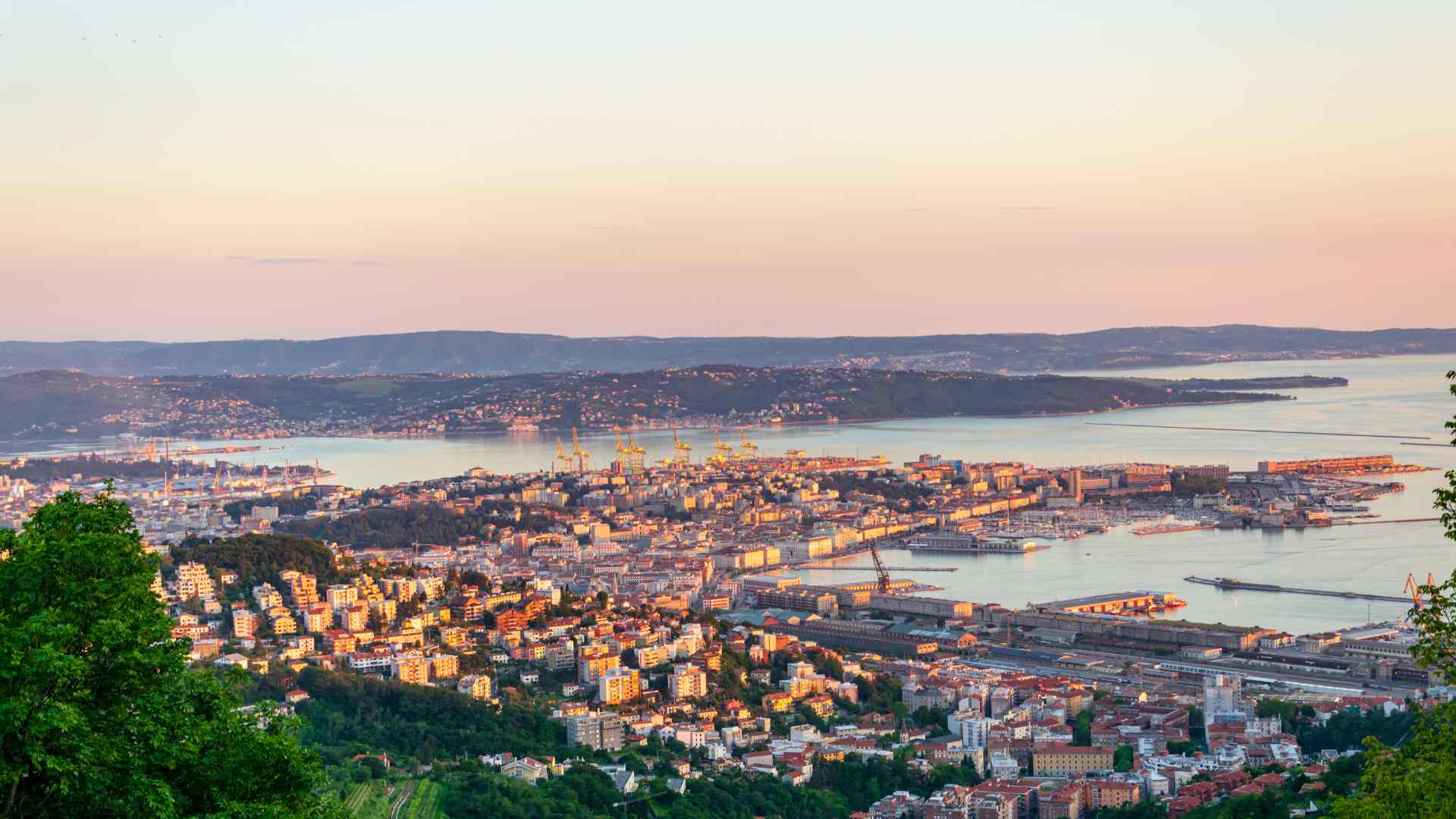
Trieste is the Adriatic port that feels like it wandered in from somewhere else. The buildings are Viennese, the coffee culture is serious, and Slovenia starts about twenty minutes down the road.
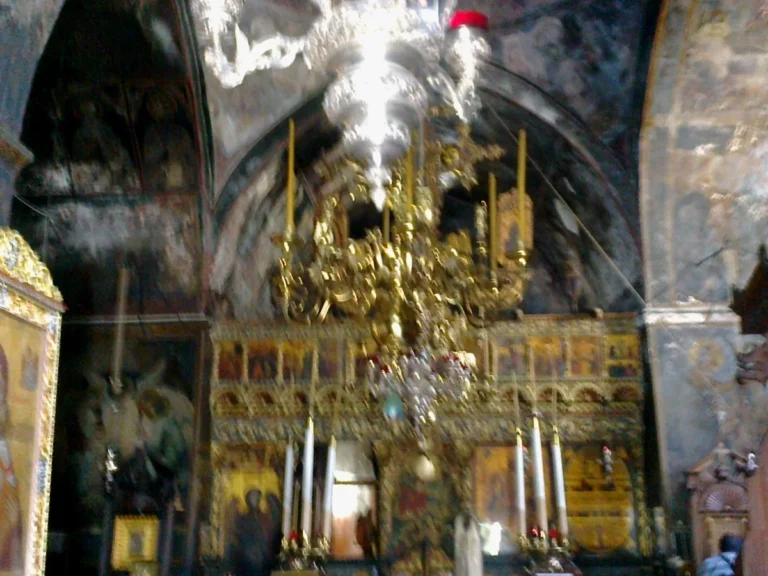
A Stazione Marittima berth puts you beside one of Europe’s great waterfront squares. Another Trieste quay or Monfalcone changes that completely, so confirm the terminal before planning the day.
My quick take
Trieste spent centuries as the Habsburg Empire’s seaport, and the city still looks the part. Expect grand insurance palaces, a Roman theater wedged between apartment blocks, and cafes that take their job extremely seriously.
The port is also growing fast as a turnaround base, which means some days you are sharing the terminal with people wheeling suitcases. It rarely gets in the way, but it does make the morning busier.
A strong default day is the old center on foot in the morning and Miramare Castle in the afternoon. That combination uses the walk-off berth properly without spending half the day in a vehicle.
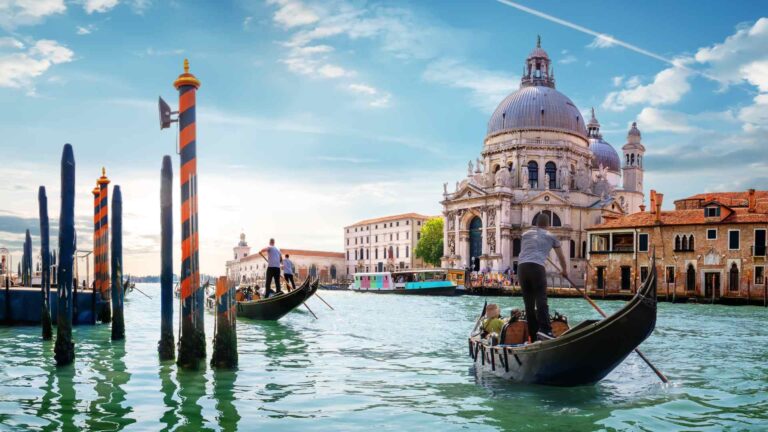
People do try Venice and Ljubljana from here, and I think both are a stretch on a normal call. If you like ports where the good stuff starts at the gangway, my roundup of walkable cruise ports is your list.
There is a full rundown of where to stay in our hotels near Trieste cruise port guide.
Quick Facts
- Likely arrival: Stazione Marittima beside Piazza Unità d’Italia is the signature city berth, while another Trieste quay or a Monfalcone assignment changes the transfer.
- Berth check: Use the cruise line’s final terminal notice because the destination label alone does not guarantee a walk-off arrival.
- Tendering: Ships normally berth alongside in this region, but follow sailing-specific instructions for any operational change.
- Easy city day: Central Trieste can begin immediately when the ship uses Stazione Marittima or another close city quay.
- Currency and language: The euro and Italian are standard, with Slovene also spoken in the surrounding province.
- Time: Trieste uses Central European Time and seasonal daylight saving changes, so confirm ship time before leaving.
- Operational risk: No official public call-by-call dataset supports a precise missed-call percentage, and berth access can change with weather or port operations.
Berthing at the Stazione Marittima, and the walk that barely happens
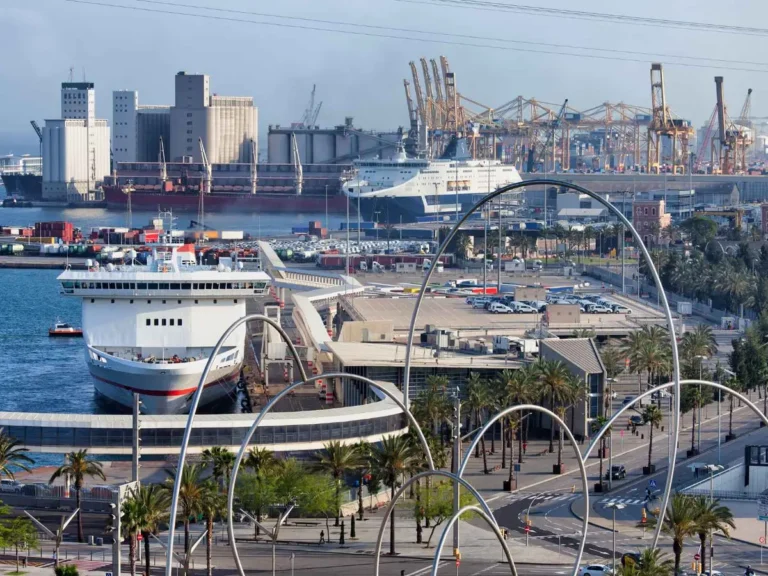
Trieste’s cruise berth is embedded in the city rather than parked beside it. The Stazione Marittima sits on the Molo Bersaglieri, which juts straight out from the waterfront next to the main square.
Trieste Terminal Passeggeri runs the operation and its official site lists two cruise moorings at the maritime station, with Molo IV and Molo Audace also in the mix. Which one you get depends on the day and the size of the ship.
Stazione Marittima, Molo IV, and other city quays can be close to central Trieste, but not every regional assignment is walkable. Follow the cruise line’s terminal and shuttle notice rather than the destination name alone.
On turnaround days the terminal handles embarkation and disembarkation as well as visiting calls. If you are joining a cruise here, allow for the usual port day crush rather than assuming a quiet building.
One local warning worth taking seriously is the bora, the northeasterly wind that can gust above 60 mph. It occasionally affects berthing and it will absolutely affect your hat.
Getting around
The historic center is entirely walkable and mostly flat along the water. Only the climb to San Giusto asks anything of your legs, and there is a bus if you would rather not.
Trieste Trasporti buses run out along the coast road toward Barcola and Grignano, which is how most independent visitors reach Miramare. The ride takes around twenty minutes and there is a short walk at the far end.
In summer there are usually seasonal boat services along the gulf toward Miramare and Muggia, which is a far nicer way to travel. Check what is actually running on the day, because these are seasonal rather than year-round.
Trieste Centrale train station is roughly a ten to fifteen minute walk along the waterfront from the terminal. Venice is about two hours away by train, which is doable on a very long call and misses the point of Trieste entirely.
Ljubljana is around ninety minutes to two hours by road depending on traffic and the border. That is an organized excursion job rather than an improvised one.
The stops I would actually spend time on
Trieste is a city of small pleasures rather than one enormous headline sight, with the exception of the castle. Here is the shortlist I would work through.
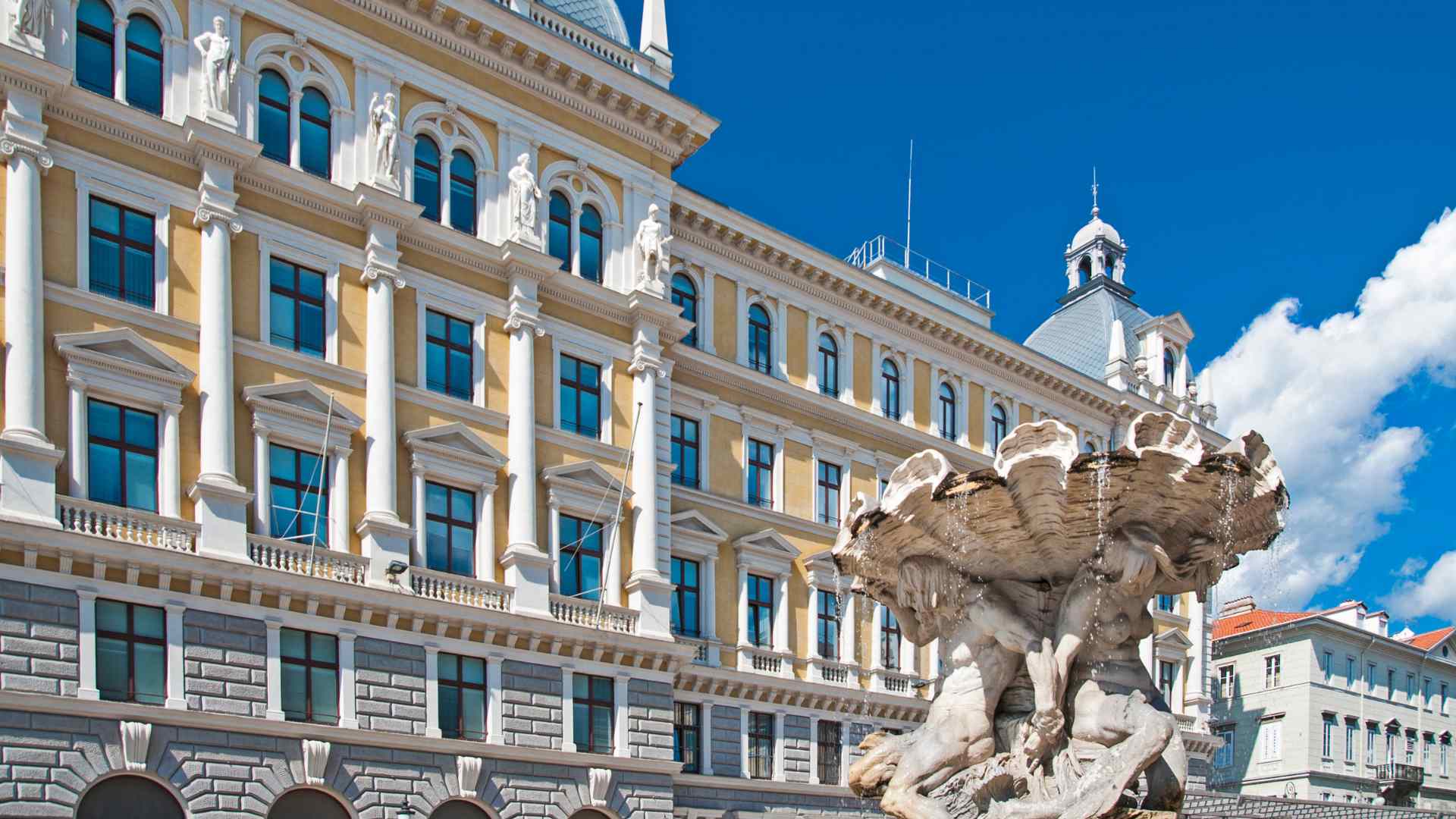
Piazza Unita d’Italia: The official city tourism board calls it the largest square in Europe open to the sea, and standing in it you will not argue. City Hall, the Palazzo del Governo, and the old Lloyd Triestino building all face in.
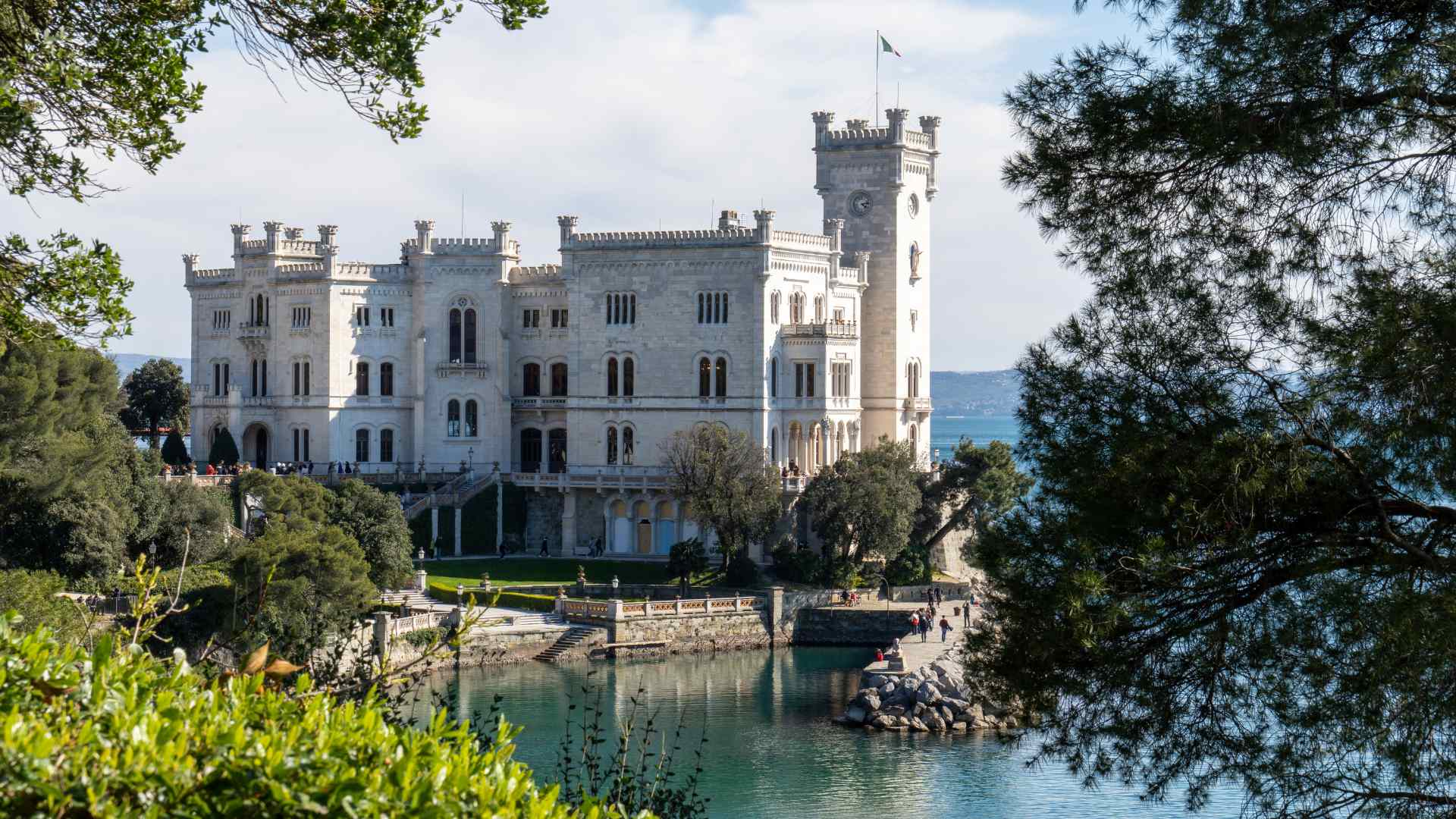
Miramare Castle:Built from 1856 on the Grignano promontory for Archduke Maximilian of Habsburg, the museum and surrounding park have separate access rules. Check the official calendar, timed ticket, room closures, and wind notices; the park is generally free.
Molo Audace: A stone pier running straight out into the gulf beside the main square, and the best free thing in Trieste. Walk to the end at sunset if your ship is in late.
Castello di San Giusto: The hilltop fortress and cathedral above the old town, with the best view over the harbor. It is a real climb, so take the bus up and walk down.
Roman theater: A second century theater sitting in the middle of the modern city at the foot of the hill. You can see most of it from the street without paying anything.
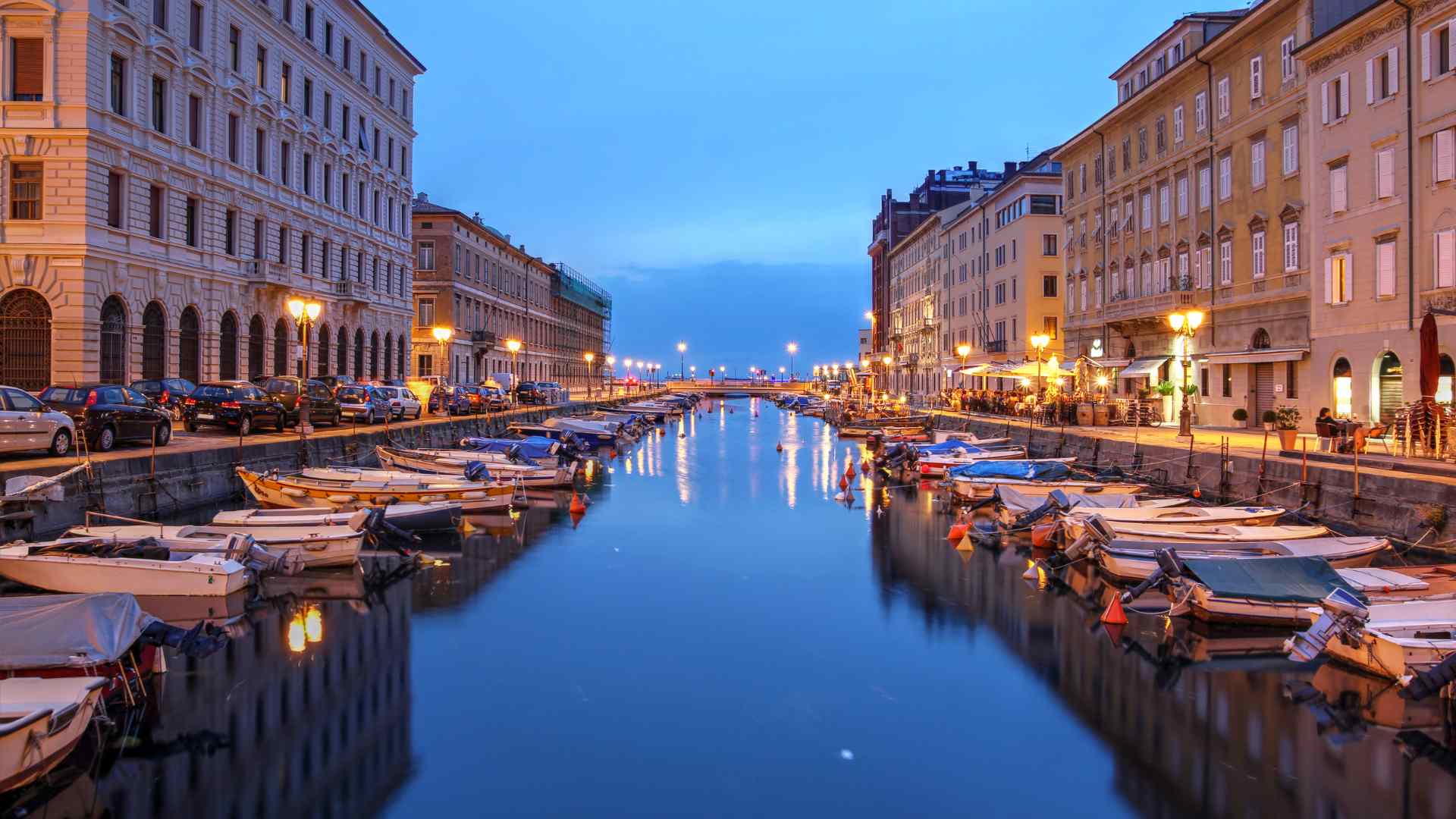
Canal Grande and Borgo Teresiano: The neat eighteenth century grid built under Maria Theresa, with a canal running inland to a church that looks vaguely Roman. It is the prettiest quarter for aimless walking.
The historic coffee houses: Caffe degli Specchi on the main square and Caffe San Marco inland are the two institutions. Order a nero or a capo in b and enjoy the fact that Trieste has its own coffee vocabulary.
Risiera di San Sabba: A former rice mill used as a Nazi detention camp, now a national monument and museum. It is a heavy hour and an important one.
A buffet lunch: Trieste’s buffets serve boiled pork, sausage, mustard, and beer with zero ceremony. It is the least Italian meal in Italy and it is excellent.
Fun fact: Maximilian of Habsburg built Miramare as a private residence and then left to become Emperor of Mexico, where he was executed in 1867. His wife Charlotte returned to Belgium, and the museum’s official history pages tell the whole strange story.
How I would plan the day
Because the berth is so central, I would do the city first and the castle second. Walk the square, the canal quarter, and the Molo Audace before the day heats up.
Then take the bus or the seasonal boat out to Miramare in the early afternoon, when the light on the white stone is at its best. Allow around two and a half hours door to door.
On a short call, skip the castle and do the old town plus a coffee house properly. Trieste rewards sitting still more than most ports do.
Crowds are rarely the problem here, because Trieste has more capacity than it has tourists on most days. The exception is a turnaround morning, when the waterfront fills with luggage.
If the bora is blowing hard, forget the exposed piers and head for the museums, churches, and cafes. That wind is not a gentle breeze and locals genuinely hold onto ropes in the worst of it.
A realistic word on accessibility
Trieste is one of the more manageable Italian ports for limited mobility. You dock alongside, the terminal is modern, and the waterfront is broad, flat, and smoothly paved.
Piazza Unita d’Italia, the Molo Audace, and the Canal Grande quarter are all reachable without a hill. That covers a genuinely satisfying half day without any struggle.
San Giusto is steep and cobbled, and Miramare involves paths and steps through a sloping park, so both need checking in advance. For how this compares elsewhere, see my guide to wheelchair-friendly cruise ports.
When to go, and the weather
July and August are the warmest months, averaging around 77°F, with sea temperatures in the same range. Heat waves can push past 95°F, which is unpleasant on a stone waterfront.
January is the coldest month at roughly 44°F on average, and the bora can drag the feel of it below freezing. Rainfall runs close to 40 inches a year, which is high for an Italian coastal city.
Mid April to mid June and the month of September are my picks, with warm days and a calmer wind. The official Discover Trieste site is the place to check what is on before you plan around a festival.
Pack a windproof layer whatever the month, because the bora does not consult the calendar. A scarf is not an affectation in Trieste, it is equipment.
Confirm the berth before counting on a walk-off day
Stazione Marittima beside Piazza Unità d’Italia is the dream assignment, but Trieste-area cruise operations can also use another city quay or Monfalcone. Check the cruise line’s final terminal notice before booking a pickup, hotel transfer, or timed castle ticket.
For Miramare, compare Trieste Trasporti’s live bus route, any seasonal boat, a train that actually stops at Miramare, and a taxi. The castle and park have different access rules, and the station or bus stop still leaves an outdoor approach, so the fastest option is not automatically the easiest.
Reserve the castle through the official museum site and confirm the day’s rooms, hours, and accessibility. The park is free but weather, maintenance, and high-wind closures can affect paths independently of the museum.
Keep at least 60 minutes for a return to a central berth and more for Monfalcone or another shuttle-dependent assignment. Slovenia is close, but Ljubljana or a cross-border trip belongs on a long call with documents, traffic risk, and the ship’s return policy settled in advance.
Quick answers
Do you tender at Trieste?
Ships normally berth alongside, but the exact city quay or a Monfalcone assignment controls the transfer. Confirm the terminal shown by the cruise line before departure.
How far is town from the ship?
Piazza Unità d’Italia is about two minutes from Stazione Marittima, but another quay or Monfalcone can require a shuttle. The final berth matters more than the itinerary label.
Can I visit Venice from Trieste?
Only on a very long call, since the train takes roughly two hours each way. You would see a fraction of Venice and none of Trieste.
Is Miramare Castle worth it?
Yes, and the park is rewarding even if you decide not to enter the museum. The setting on the promontory is the real attraction.
The last word
Trieste is the kind of port that people write off before they arrive and rave about afterward. It is not a postcard Italian city, and that is exactly the appeal.
Give it the day rather than treating it as a parking lot for Venice. The berth is too good to waste on a coach.
For the rest of the Adriatic, my Venice cruise port guide explains where ships actually go these days, and Ravenna covers the mosaics further south. If you are still shaping the itinerary, start with my roundup of Mediterranean cruise ports.
How this guide was researched: This guide was checked on September 11, 2026 against current information from Trieste Terminal Passeggeri, the official Discover Trieste city guide, and the Miramare museum. Berth assignments, terminal transfers, public transportation, museum access, tickets, and weather conditions can change, so confirm the sailing-specific terminal notice and attraction details before leaving the ship; see our Editorial Policy.