Kotor Cruise Port: A Cruiser’s Guide to the Bay
Kotor is the port I’d plan carefully, because the sail-in through Montenegro’s Bay of Kotor is half the reason to come. Here is how I’d spend a day in this walled UNESCO town without rushing or missing the good bits.
My quick take: a compact, deeply walkable stop where the Old Town gate sits right by the water. If you like Adriatic old towns, pair it in your mind with my Dubrovnik guide and Split guide.
The quick facts
- Where you land: At the Port of Kotor quay or by tender to a landing near the Old Town. Check the official port schedule and your ship’s daily program for the working plan.
- Dock or tender: Ships may dock or tender; it varies by ship.
- Into town: About a 5-minute flat walk from the quay or nearby tender landing to the Sea Gate, after any ship-controlled tender queue.
- Currency and language: The euro (EUR), which Montenegro uses despite not being in the EU, and Montenegrin.
- Time zone: Central European Summer Time (CEST, UTC+2) through the May to October cruise season, CET (UTC+1) in winter.
- How often the call is missed: Low (roughly 1 to 2%): the sheltered berth is rarely limited by local weather.
How I’d confirm my own arrival
Whether you berth or tender in Kotor depends on your ship’s size and the day’s traffic in the bay. I’d check my cruise line’s port schedule and daily program the night before.
If you are tendering, budget extra time both ways and pack a small bag with water, sunscreen, and sturdy shoes. If you want reassurance that Kotor is an easy tender, see my roundup of the best cruise tender ports.
The stops I’d actually spend time on
Kotor rewards slow wandering, but a few things are worth prioritizing. The whole area is listed by UNESCO as the Natural and Culturo-Historical Region of Kotor.
- Kotor Old Town: a maze of stone lanes, small squares, and churches inside the medieval walls. It is car-free and made for aimless walking.
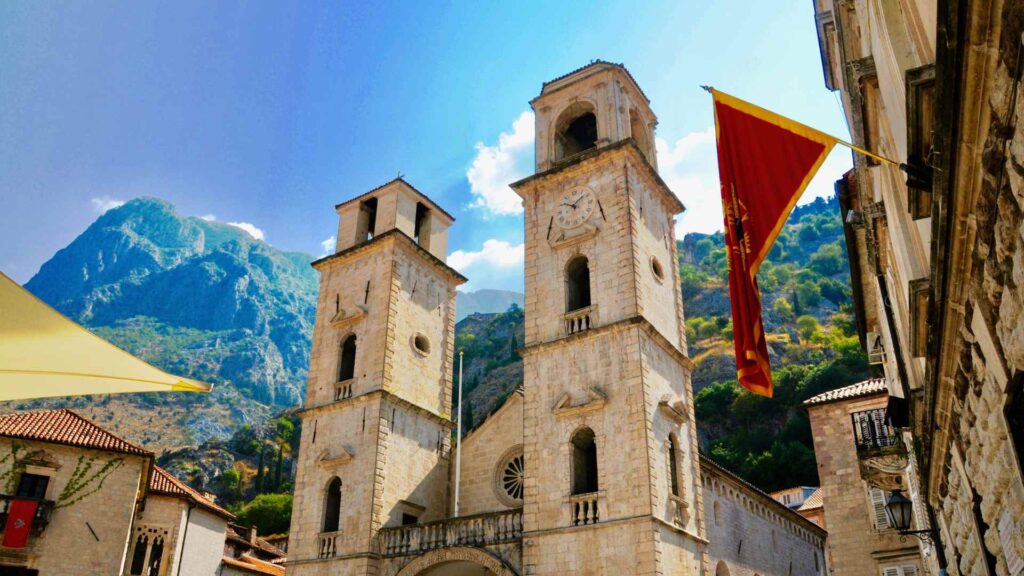
- St. Tryphon’s Cathedral: Kotor’s landmark Romanesque cathedral, first consecrated in 1166 and dedicated to the city’s patron saint. Its twin bell towers anchor the main square.
- The City Walls and Fortress of San Giovanni: a steep zigzag climb up the walls to the fortress that guards Kotor from about 985 feet (300 m) above sea level, per Montenegro’s national tourism board. Expect roughly 1,350 steps and a seasonal ticket in summer; start early to beat the heat.
- Maritime Museum of Montenegro: a compact museum in a baroque palace covering Kotor’s long seafaring history. A good rainy-hour option near the main square.
- The Clock Tower and Square of Arms: the busy entrance square just inside the Sea Gate, watched over by a 17th-century clock tower.
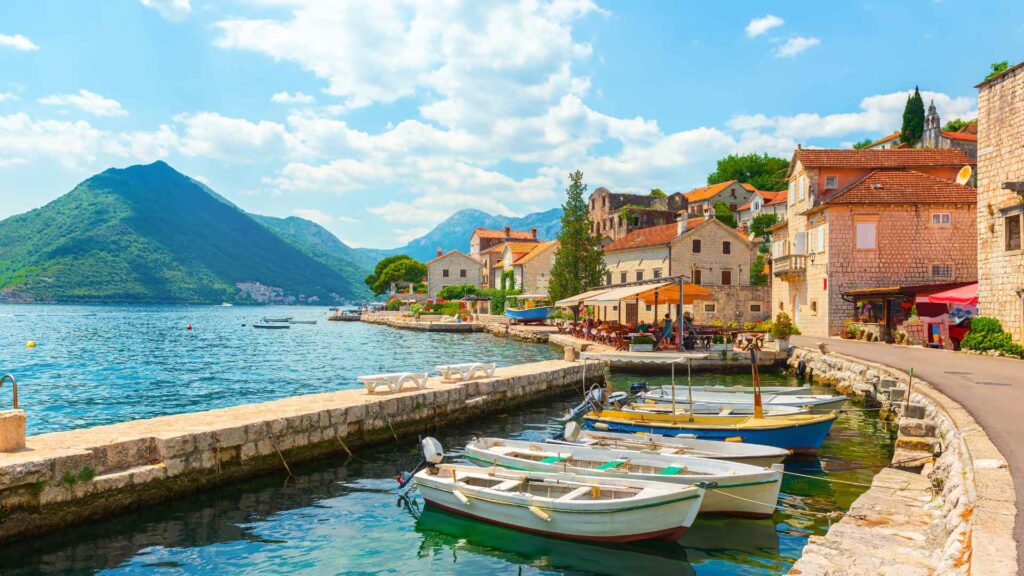
- Perast: a small baroque town along the bay, reached by taxi, bus, or boat. Road traffic and boat weather matter, so prearranged transport is worthwhile on a shorter call.
- Our Lady of the Rocks: a man-made islet off Perast with a 17th-century church, reached by a short boat ride. Fun fact: one votive tapestry inside was embroidered by a local woman over decades, worked partly with strands of her own hair.
- Lovcen National Park: the mountain above Kotor, reached by road, with a seasonal cable car connecting the Kotor area to the Lovcen side. The cable car does not take you directly to the Njegos Mausoleum, so a mausoleum visit still needs onward road transport and steps.
- Budva Old Town: a walled seaside town about 40 minutes south, with beaches and lively lanes. A good half-day pairing if you skip the mountains.
- Tivat and Porto Montenegro: a modern luxury marina across the bay, easy by taxi. Worth a look if you want cafes and yacht-watching over history.
Heads up: some links below are affiliate links. If you book through one, I may earn a commission at no extra cost to you. It never changes which hotels or tours I recommend. Full disclosure.
How I’d plan the day
If I had about 3 hours: I’d stay inside the walls. Old Town lanes, St. Tryphon’s Cathedral, and a coffee on a quiet square, then back to the ship.
If I had about 5 hours: I’d add the walls climb early, before the heat and crowds. Then reward myself with lunch and a slow wander before heading back.
If I had a full day: I’d take a boat or taxi to Perast and Our Lady of the Rocks, or make Lovcen the one big outing. I would aim for the port 90 minutes before all-aboard, adding more margin for a tender or a mountain drive.
A realistic word on accessibility
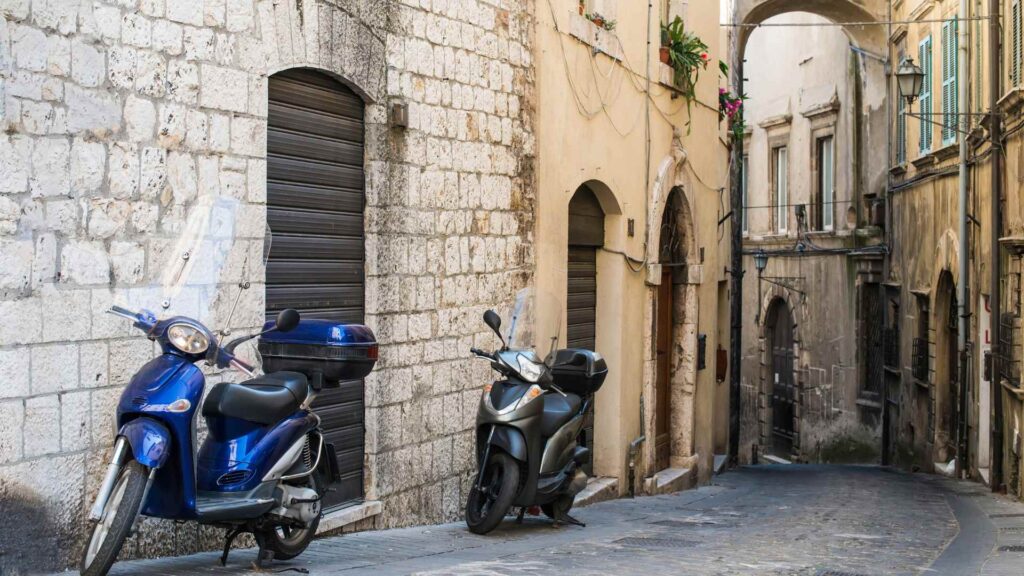
The quay-to-gate walk is short and flat, which helps. Inside the walls, though, streets are cobbled and uneven, and the fortress climb is stairs only.
If you are tendering, the transfer adds steps and a gangway, so confirm arrangements with your cruise line. For more step-light European stops, see my notes on cruise ports in Europe.
When to go, and the weather
The cruise season runs roughly May to October, with hot, dry summers. Peak months can bring several ships at once, so the walls and main lanes fill up by mid-morning.
May, early June, and September usually bring better climbing temperatures. Start early, carry water, and remember that wind can affect tenders or boats while road traffic around the bay can delay taxis.
Kotor also pairs beautifully with Greek and Croatian itineraries, so it is worth glancing at my Corfu guide if your route continues south.
Quick answers
Is Kotor a tender port?
It varies. Smaller ships often berth at the pier, while larger ships anchor in the bay and tender passengers ashore, so confirm with your cruise line.
How far is the port from the Old Town?
The pier sits right below the walls, about a 5-minute flat walk to the main Sea Gate.
What currency do I need?
The euro. Montenegro uses it despite not being an EU member, so no currency swap is needed if you are arriving from the eurozone.
How this guide was researched: Unless a first-hand visit is explicitly identified above, this guide is based on independent research using official port, tourism, transit, government, and attraction sources where available. Logistics and time-sensitive details were reviewed in September 2026; see our Editorial Policy.