Gibraltar Cruise Port: The Rock, Apes & Main Street
Gibraltar is the strangest port on any Mediterranean itinerary, and I mean that as a compliment. It is a British town with Spanish weather, a limestone monolith full of tunnels, and a colony of monkeys who will absolutely go through your bag.
You can also walk across a live airport runway on your way to the border, which never stops being funny. Just check one thing before you plan the day, because the cable car is out of action.
My quick take
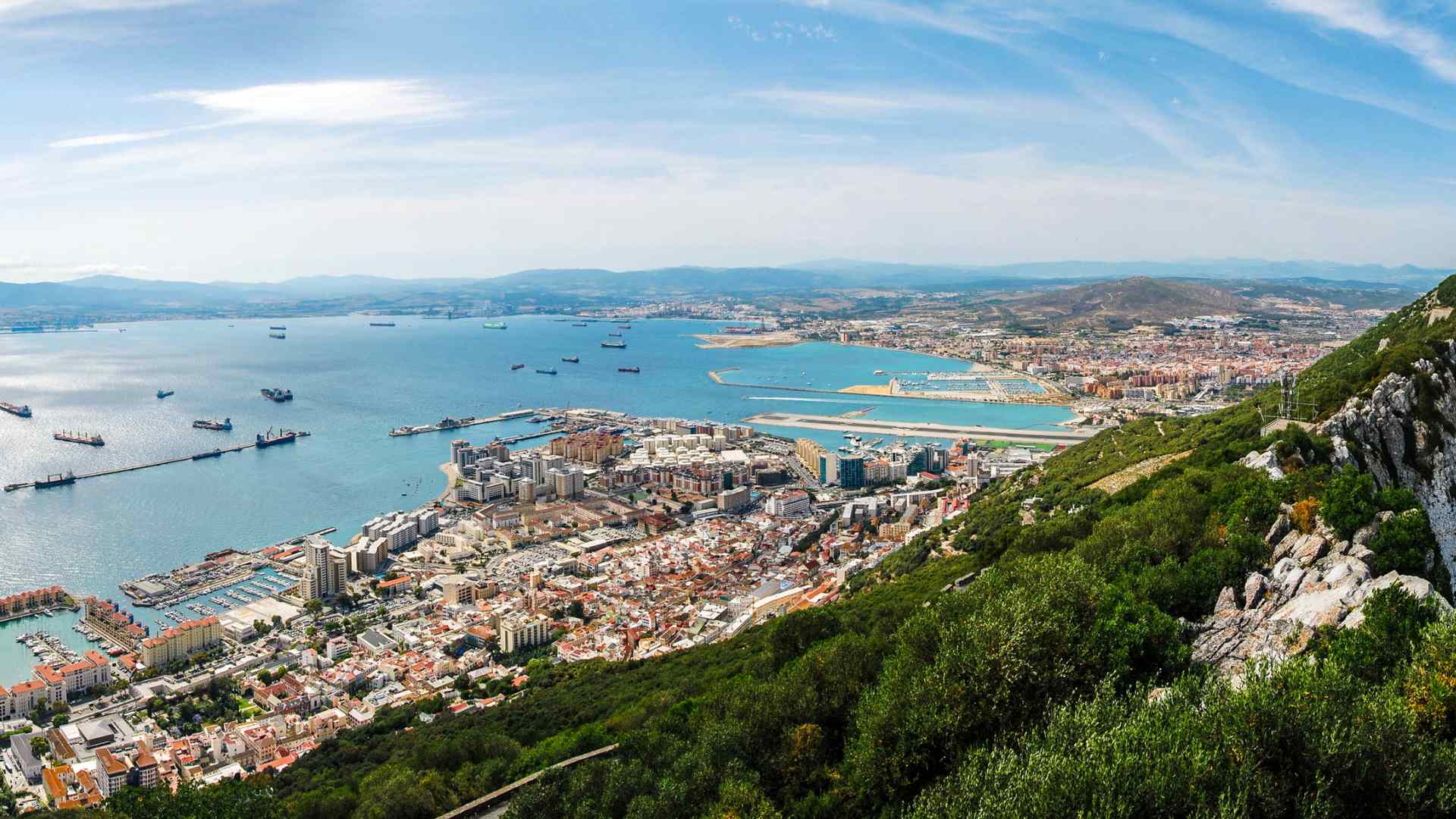
Gibraltar packs an absurd amount into two and a half square miles, and almost all of it is on or inside one rock. The Upper Rock Nature Reserve is the day, and everything else is a bonus.
The complication for 2026 is that the cable car is shut for a full refurbishment, with the official line pointing at a 2027 reopening. That changes the shape of the day quite a lot, because the easy way up is currently not available.
Which leaves a taxi tour, a fairly serious uphill walk, or skipping the summit and enjoying Main Street and Casemates Square instead. None of those is a bad day, but they are very different days.
I would take the taxi tour, see the caves and the tunnels, and then walk back down into town. If you are building a wider itinerary, my roundup of Mediterranean cruise ports shows where a stop this odd fits in.
Quick Facts
- Where you land: The North Mole cruise terminal has 940 meters of total quay, enough for two large ships or four medium vessels, according to the Gibraltar Port Authority.
- Dock or tender: Cruise ships normally berth alongside, but follow the ship’s current notice for the assigned operation.
- Into town: The port authority lists the city center at about one kilometer from the berth, or roughly a 10 minute walk.
- Currency and language: The Gibraltar pound (GIP), held at parity with pound sterling, and English is the official language.
- Time zone: Central European Summer Time (CEST, UTC+2) during the cruise season, Central European Time (CET, UTC+1) in winter.
- Operational caution: Wind, sea conditions, traffic, and the ship’s operating plan can change a call, so check the current onboard notice.
Berthing at the North Mole, and the walk into town
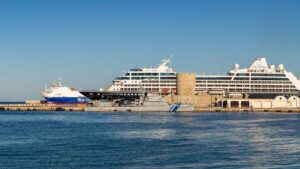
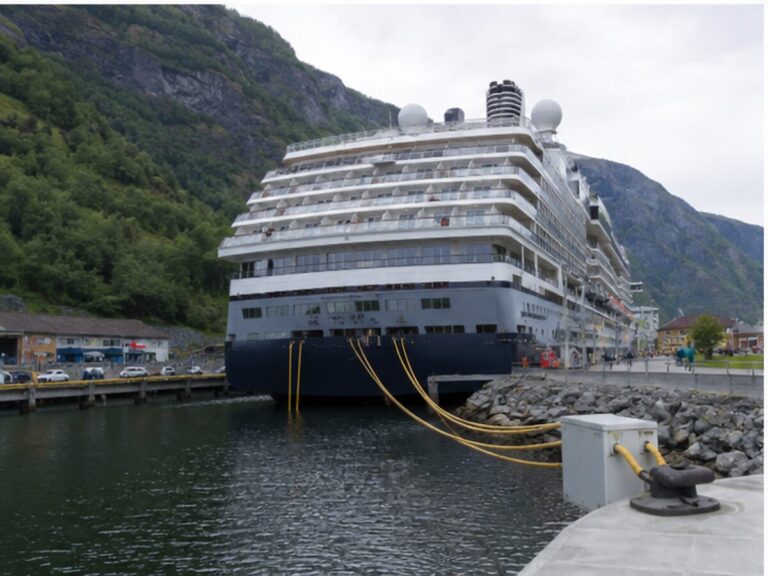
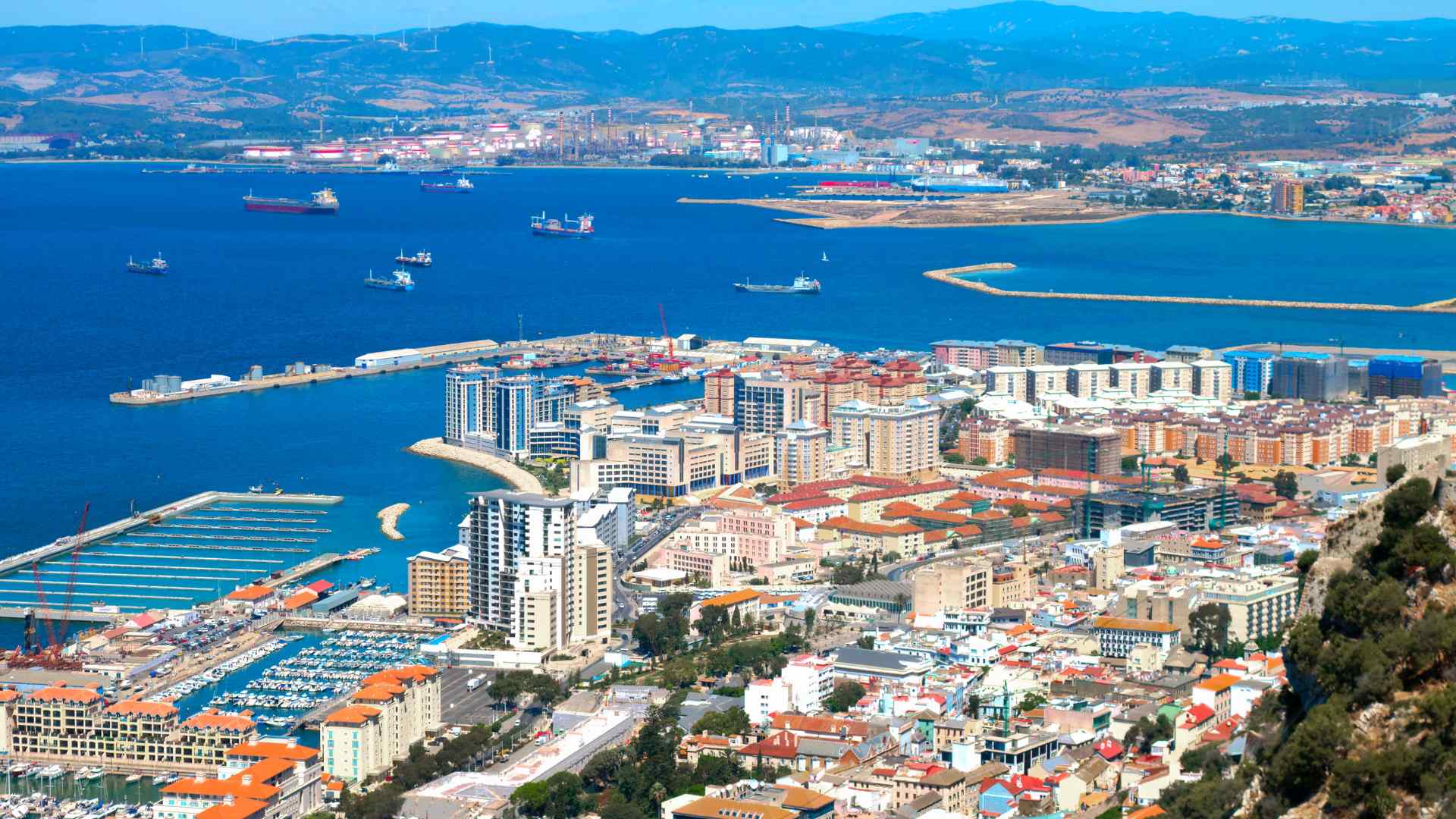
Gibraltar’s cruise terminal is a converted warehouse on the North Mole, and it does exactly what a terminal should do without any drama. Inside you get tourist information, taxis, car rental, a cafe, and restrooms.
The walk into town is straightforward but not scenic, following the port road around the harbor. The port authority estimates about 10 minutes to the city center, but allow extra time in heat or crowds.
A local shuttle bus runs between the terminal and the square for a small fare, and it is worth the money if you are not a natural walker. Waits can be long when two ships are in, which is the usual catch.
Cruise schedules and berth information are published by the Gibraltar Port Authority, which is the place to check how many ships share your day. Two large ships can make Main Street crowded by midmorning.
Licensed taxi drivers meet the ship with Rock tours of different lengths and stop combinations. Ask for the total price, reserve admissions included, accessibility, and final drop-off in writing because packages are not identical.
Getting around
Gibraltar is tiny, and once you are in town everything at ground level is walkable. Main Street runs the length of the old town and delivers you to Grand Parade at the southern end.
Getting up the Rock is the actual transport question, and the official cable car page says it is closed for full refurbishment with reopening expected in 2027. When operating, it covers the climb in about six minutes.
That leaves licensed taxi tours, which depart regularly and handle the hairpins for you, or your own legs up the Mediterranean Steps and the reserve trails. The walk is rewarding and it is not a casual stroll.
Public buses cover the town, Europa Point and the frontier cheaply, and they accept both currencies. Signs and drivers all work in English, which removes most of the guesswork.
The famous runway crossing still exists on foot, even though the Kingsway road tunnel opened in March 2023 and now takes all the traffic. The Gibraltar government and the Ministry of Defence agreed that pedestrians could keep crossing the runway, so the barriers still come down for aircraft.
The stops I would actually spend time on
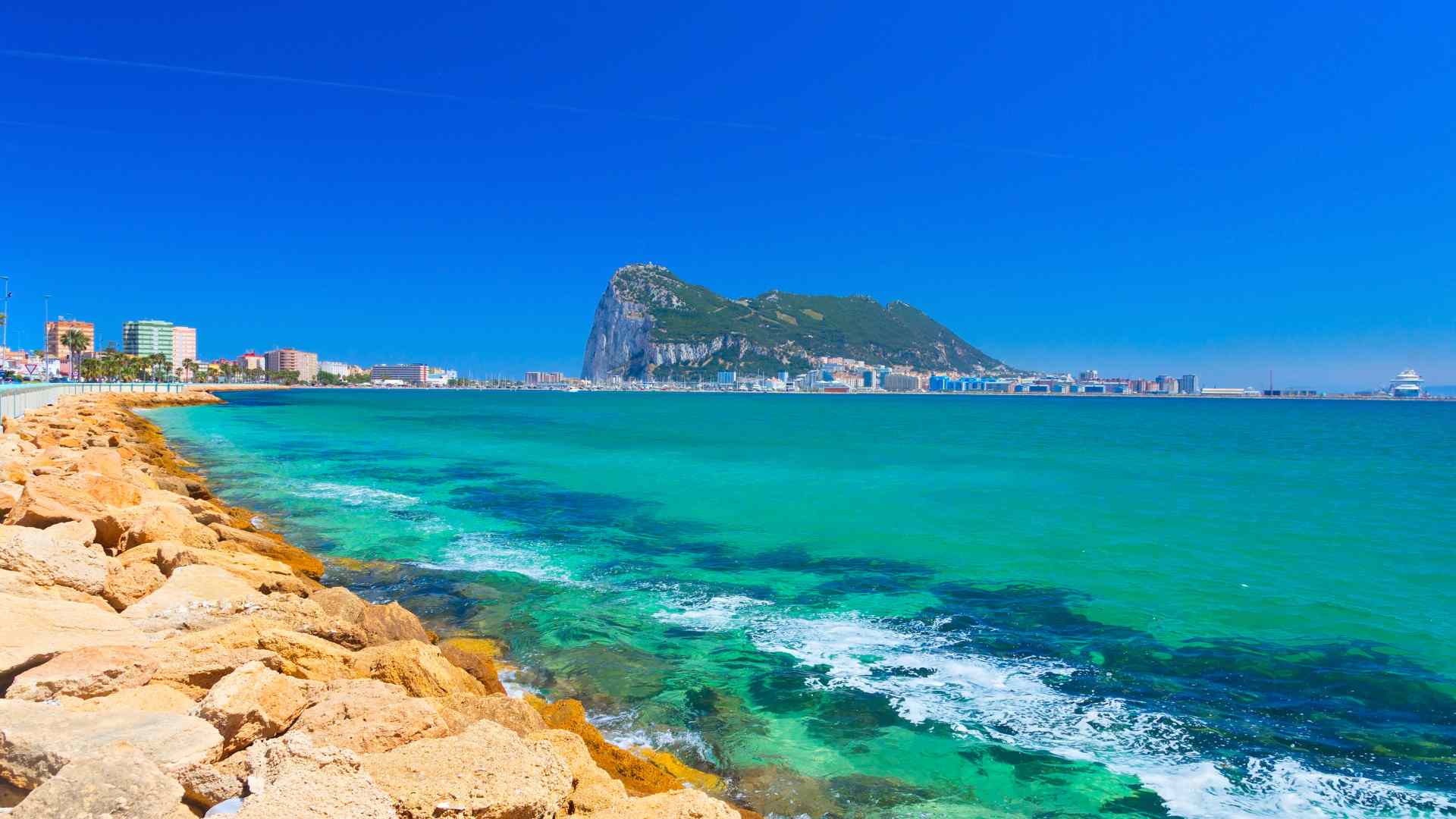
Most of the good stuff sits inside one paid reserve, which makes planning refreshingly simple. Here is what I would prioritize with a normal port day.
St Michael’s Cave: This vast natural cavern is also used as a concert venue and is included in the Nature Reserve ticket. It is the single most impressive stop on the Rock for many visitors.
The Great Siege Tunnels: These galleries were cut through limestone in the 1780s so cannon could fire toward the Spanish lines.
The Second World War Tunnels: A separate, much larger network was built to shelter a garrison inside the Rock. It is a useful indoor stop during the hottest part of the day.
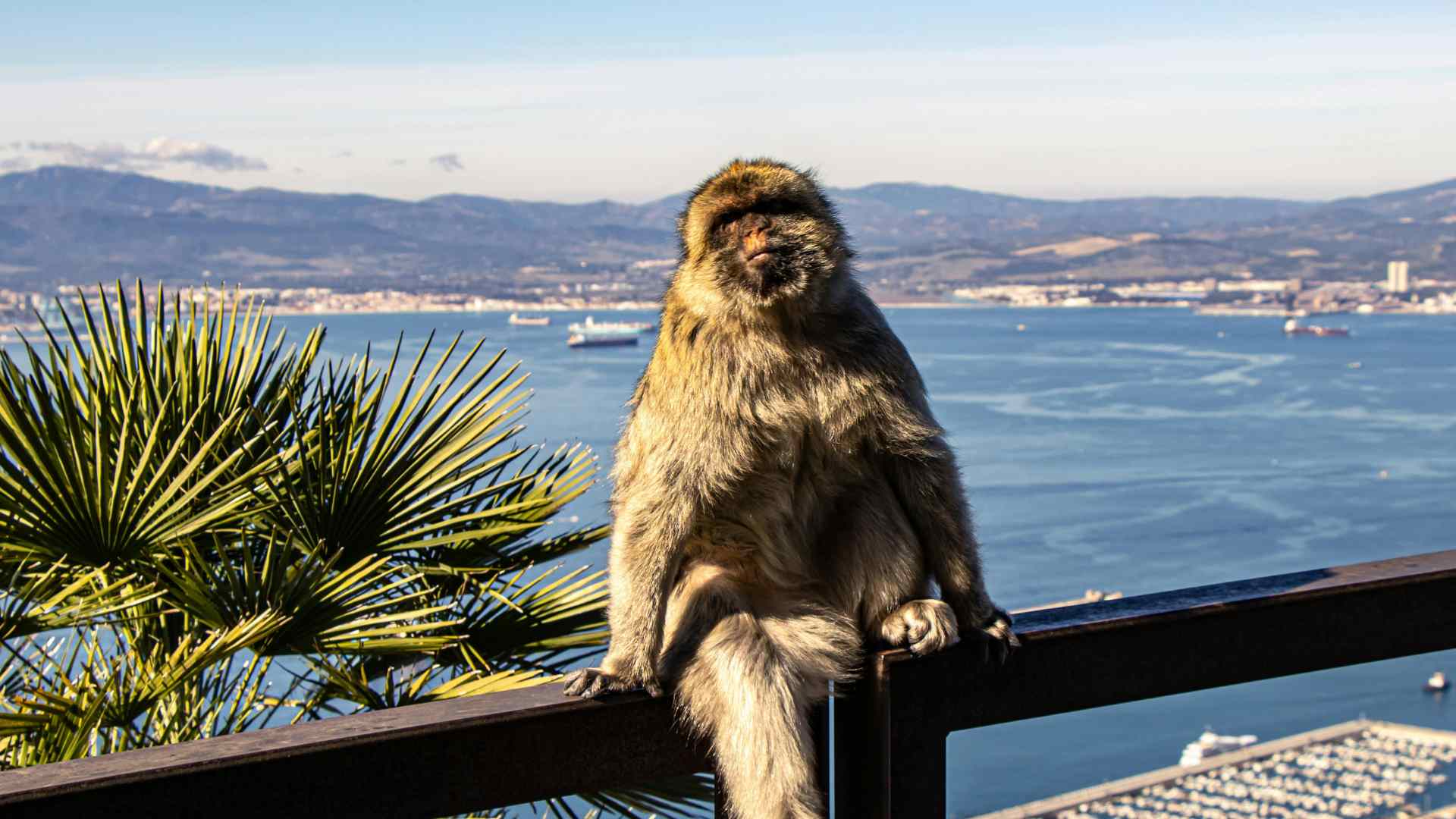
Apes’ Den and the macaques: Gibraltar’s free-ranging Barbary macaques are wild animals that may grab visible food or loose bags. Never feed or touch them, keep food hidden, and follow the reserve’s wildlife rules.
The Skywalk and Windsor Suspension Bridge: These two engineered viewpoints are included in reserve admission, with one glass-floored and the other intentionally flexible.
Moorish Castle: The Tower of Homage above town recalls Gibraltar’s long period under Moorish rule. It is a short but steep detour from the reserve road.
Casemates Square and Main Street: This is the center of the town day, with shops, pubs, cafes, and easy access to side streets.
Europa Point: The southern tip has a lighthouse, mosque, and views toward Morocco on a clear day. Public buses connect it with town.
Fun fact: The Upper Rock Nature Reserve covers roughly 40 percent of Gibraltar’s total land area, which in a territory this small is a genuinely startling number. Ticket prices, hours and current closures are all published on the official Gibraltar Nature Reserve site.
How I would plan the day
With the cable car out, I would settle the Rock question before I leave the terminal. Take a taxi tour early, while the caves are quiet and the macaques have not yet been fed by an idiot.
Two hours up top covers the cave, the tunnels, the monkeys and the viewpoints comfortably. Ask to be dropped in town at the end rather than back at the pier.
That gives you the afternoon for Main Street, a pub lunch and the walk out to the runway crossing if you fancy the photo. The barriers only come down for actual flights, so patience may be required.
On a short call I would skip the Rock entirely rather than rush it, and just do town, Casemates and Europa Point. Half a Rock is worse value than no Rock.
If a Levanter cloud has parked itself over the summit, the views will be gone and the top will be damp. That is the day to spend on tunnels, museums and shopping instead.
A realistic word on accessibility
The berth is level and the terminal is easy, so getting ashore is not the problem here. Town is flat, and Main Street and Casemates Square are largely pedestrianized and smooth.
The Upper Rock is another matter entirely, with steep gradients, stepped entrances and cave interiors that were not designed with ramps in mind. With the cable car closed, an accessible vehicle tour is realistically the only way up.
Arrange that in advance rather than hoping at the pier, because adapted taxis here are limited in number. For a wider comparison of ports that handle this better, see my guide to wheelchair-friendly cruise ports.
When to go, and the weather
Gibraltar gets calls almost year round, which is one of the perks of sitting at the mouth of the Mediterranean. Spring and autumn are the pick for walking the Rock without melting.
Summer highs generally sit in the low to mid 80s Fahrenheit, and the Upper Rock offers very little shade. Take more water than you think you need.
Winter is mild rather than cold, with daytime highs around the low 60s Fahrenheit. Rain arrives in short heavy bursts between November and March rather than settling in all day.
The local wildcard is the Levanter, an easterly wind that drapes a cloud over the summit while the town below stays sunny. It is harmless, it is photogenic from a distance, and it will absolutely ruin your view.
The 2026 border change and the closed cable car
The Gibraltar cable car remains closed for a major rebuild, with reopening targeted for 2027 rather than guaranteed on a specific date. A licensed Rock taxi tour is the practical substitute, but confirm which reserve admissions are included, the vehicle’s accessibility, and the final drop-off before paying.
The EU-UK Gibraltar treaty began provisional application on July 15, 2026 and removed routine controls at the land crossing with Spain. Gibraltar’s port and airport now function as external entry points with Gibraltar and Schengen checks, so cruise passengers should carry the travel document required for their nationality and itinerary.
A walk into La Línea no longer carries the old unpredictable passport queue, but it still uses time that a short call may need elsewhere. Nonresident travelers subject to Schengen’s 90-in-180-day rule should also understand that a Gibraltar arrival can count under the new system.
Macaques are free-ranging wild animals, not a photo prop. Keep food hidden, never touch or feed them, and follow reserve staff if an animal grabs a bag rather than trying to wrestle it back.
Quick answers
Pounds or euros: Pounds are the simpler choice because Gibraltar’s own pound runs at parity with sterling and UK notes are accepted. Euros are taken in plenty of shops, but the exchange rate applied is rarely in your favor.
Cable car status: It is closed for a full refurbishment with reopening expected in 2027. Check the official Nature Reserve site before you sail rather than assuming.
Airport runway crossing: Winston Churchill Avenue remains open to pedestrians after the road tunnel took over vehicle traffic. Barriers close when an aircraft is due, so allow a few spare minutes.
Travel documents for Spain: Carry the document required for your nationality and itinerary even though routine land-border checks ended in July 2026. Gibraltar port arrivals now involve Gibraltar and Schengen entry controls, so review current government guidance before sailing.
The last word
Gibraltar is a one joke port in the best possible way, and the joke is a very good one. Everything worth doing is a function of that lump of limestone, and it does not get old.
Just do not arrive expecting to glide up in a cable car this season. Plan the taxi tour, budget for reserve admission, and you will have a properly memorable day.
For neighboring calls on the same coast, my Cadiz and Malaga guides cover Andalusia properly. The full regional picture lives in my European cruise ports roundup.
How this guide was researched: This guide was checked against official port, government, transit, attraction, and cruise-operator sources, including the applicable live schedules and access notices. Logistics and time-sensitive details were reviewed September 10, 2026; see our Editorial Policy.