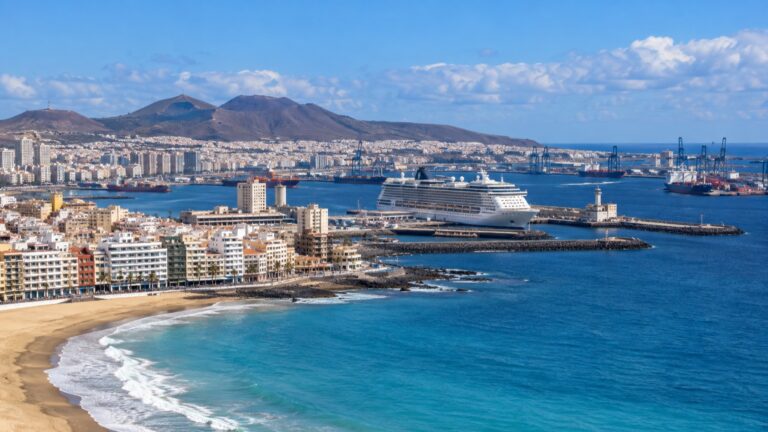
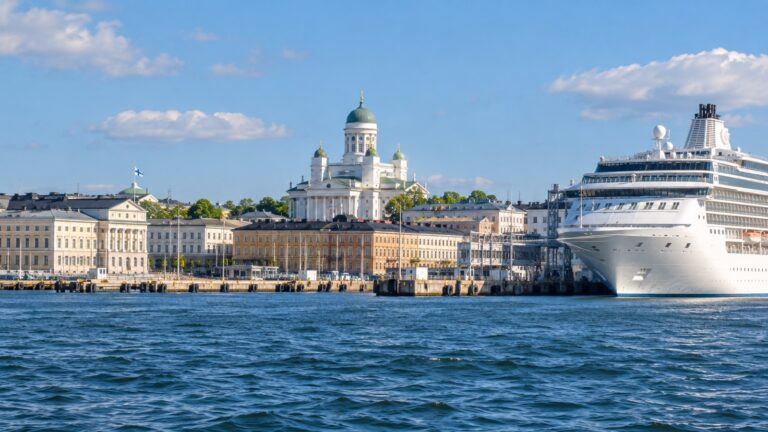
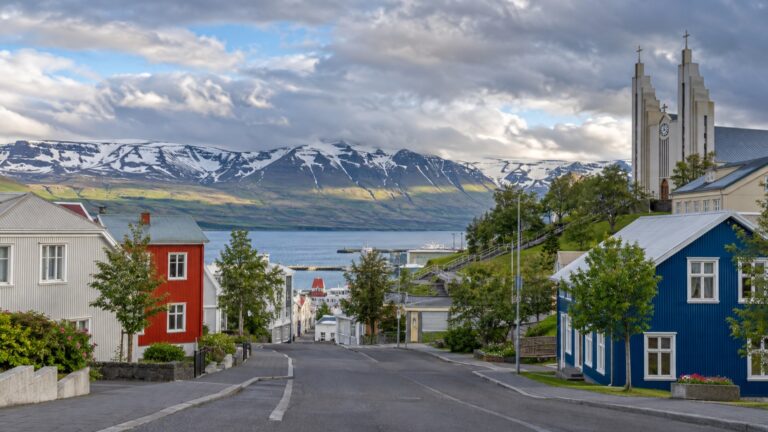
Genoa Cruise Port: Old Town & Cinque Terre Gateway
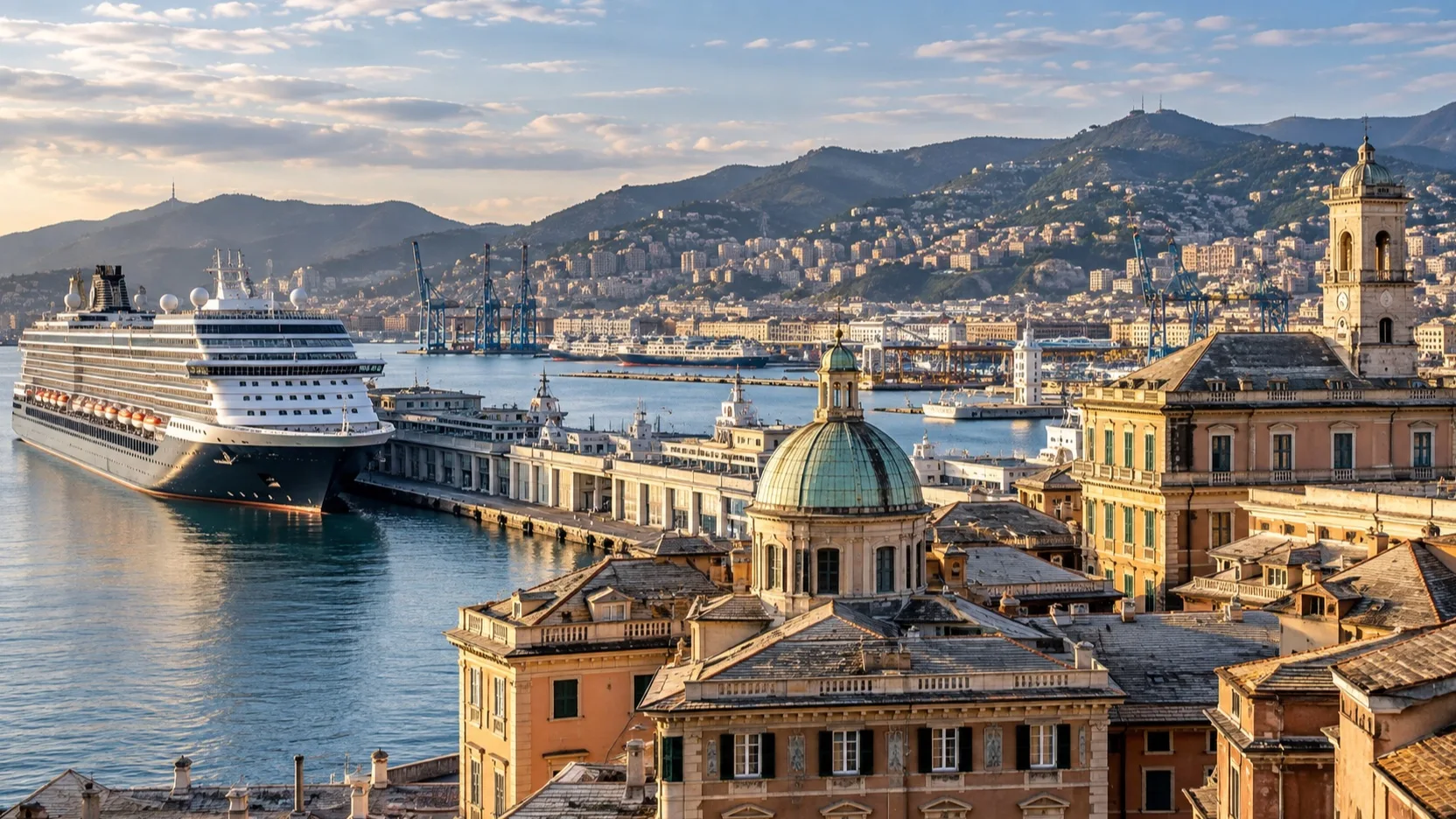
Genoa is not merely the place where you catch a train to somewhere prettier. The city has a vast working harbor, a maze of medieval lanes, monumental Renaissance palaces, excellent food, and enough close-to-ship attractions to fill a port day without touching a tour bus.
It is also a practical gateway to Portofino and Cinque Terre, but those are very different excursions. Portofino can fit into a controlled half or full day, while Cinque Terre asks for an early start, careful train planning, and the discipline to visit only a few villages.
My strongest advice is to decide whether Genoa or the Riviera is the main event before leaving the ship. Trying to combine the old town, aquarium, Portofino, and Cinque Terre creates more platform watching than pleasure.
My quick take
Give Genoa itself at least half a day unless the Riviera is a lifelong priority. The historic center rewards wandering, the Porto Antico is easy from the terminals, and the city’s rough edges feel honest beside the polished villages farther down the coast.
For an overnight or pre-cruise stay, use our guide to hotels near the Genoa cruise port. A room near Piazza Principe or the old port can simplify both embarkation and an independent rail day.
The Quick Facts
- Usual terminals: Cruise ships normally use the Stazioni Marittime area at Ponte dei Mille or Ponte Andrea Doria.
- Docking: Ships generally berth alongside, so a normal Genoa call does not require tender boats.
- City access: The old port and historic center are reachable on foot from the passenger terminal area, although the exact route depends on the berth.
- Nearest major station: Genova Piazza Principe is close to the cruise terminals and is the logical starting point for many regional rail trips.
- Best easy day: Combine Porto Antico, the aquarium or old town, Via Garibaldi, and a city viewpoint.
- Portofino plan: Travel to Santa Margherita Ligure, then continue by seasonal ferry or local bus after checking the live timetable.
- Cinque Terre plan: Use regional trains, choose two or three villages, and check the national park for trail closures and weather alerts.
- Return rule: Finish near Piazza Principe or the waterfront with enough margin for a train delay, platform change, and terminal security.
Where the ship docks
Genoa’s passenger terminals sit within the wider port at Ponte dei Mille and Ponte Andrea Doria. The exact building and gangway can vary, so I take the berth from the ship announcement and follow the marked passenger route.
The terminals are part of a major ferry and cruise complex rather than a small isolated pier. That brings useful rail and city connections, but it also means roads, barriers, and pedestrian exits can look confusing from the deck.
Ponte dei Mille is generally the most convenient starting point for Piazza Principe station and the historic center. Andrea Doria remains close by, yet the ship’s exit route and any shuttle can change the amount of walking.
Ships normally berth alongside, which makes Genoa operationally easier than a tender port. A last-minute berth change is still possible, so never promise a driver one gate without checking the arrival information.
The official Ports of Genoa cruise terminal page is the right place to verify terminal details. Your cruise line remains the authority for boarding time, luggage, and any secure shuttle.
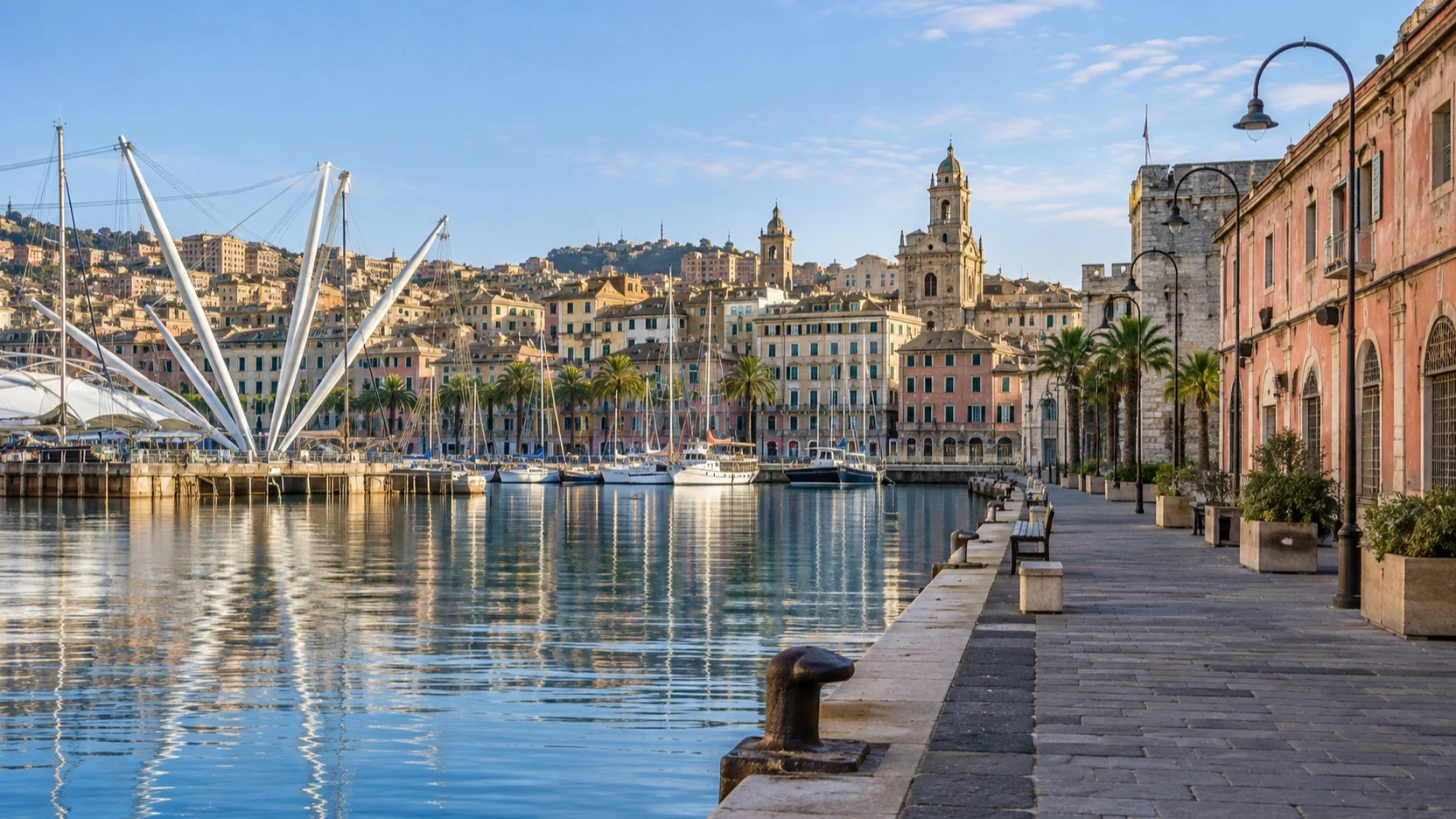
Walking into the old port and historic center
The Porto Antico and the edge of the old town are close enough for a straightforward walk from the usual terminal area. I download a map first because tall buildings and twisting caruggi can make phone navigation surprisingly unreliable.
Via Balbi leads toward grand palaces and the university, while routes closer to the water reach the aquarium and Piazza Caricamento. Neither is a single polished tourist corridor, so expect traffic, working streets, and the occasional rough block.
Genoa’s old town is best approached with a few fixed landmarks rather than a turn-by-turn route. Piazza Banchi, San Lorenzo Cathedral, Piazza De Ferrari, and Via Garibaldi create a useful spine while leaving room for a focaccia stop.
The lanes can change character quickly. Keep valuables controlled, use ordinary city awareness, and step onto a busier street if an alley does not feel comfortable.
Getting around Genoa
Walking is the best way to understand the historic center because many lanes are too narrow for normal traffic. Comfortable shoes matter more than speed, since paving, steps, and hills can turn a short route into steady work.
AMT operates the city’s buses, metro, funiculars, and public elevators. The Castelletto elevators connect the center with a panoramic terrace, while the Zecca to Righi funicular climbs much higher into the hills.
Check AMT Genoa for current fares, closures, and operating hours. Public lifts and funiculars are transport infrastructure, so maintenance interruptions should always have a backup plan.
Genova Piazza Principe is the most useful railway station for many cruise passengers because it sits near the maritime terminal district. Genova Brignole is east of the center and may offer a better departure for some services, but reaching it uses extra time.
Taxis are helpful for hills, mobility limitations, and fast terminal returns. I show the written destination and confirm the official fare method before departure rather than relying on an English pronunciation of a small street.
The stops worth prioritizing in Genoa
The old town and San Lorenzo Cathedral
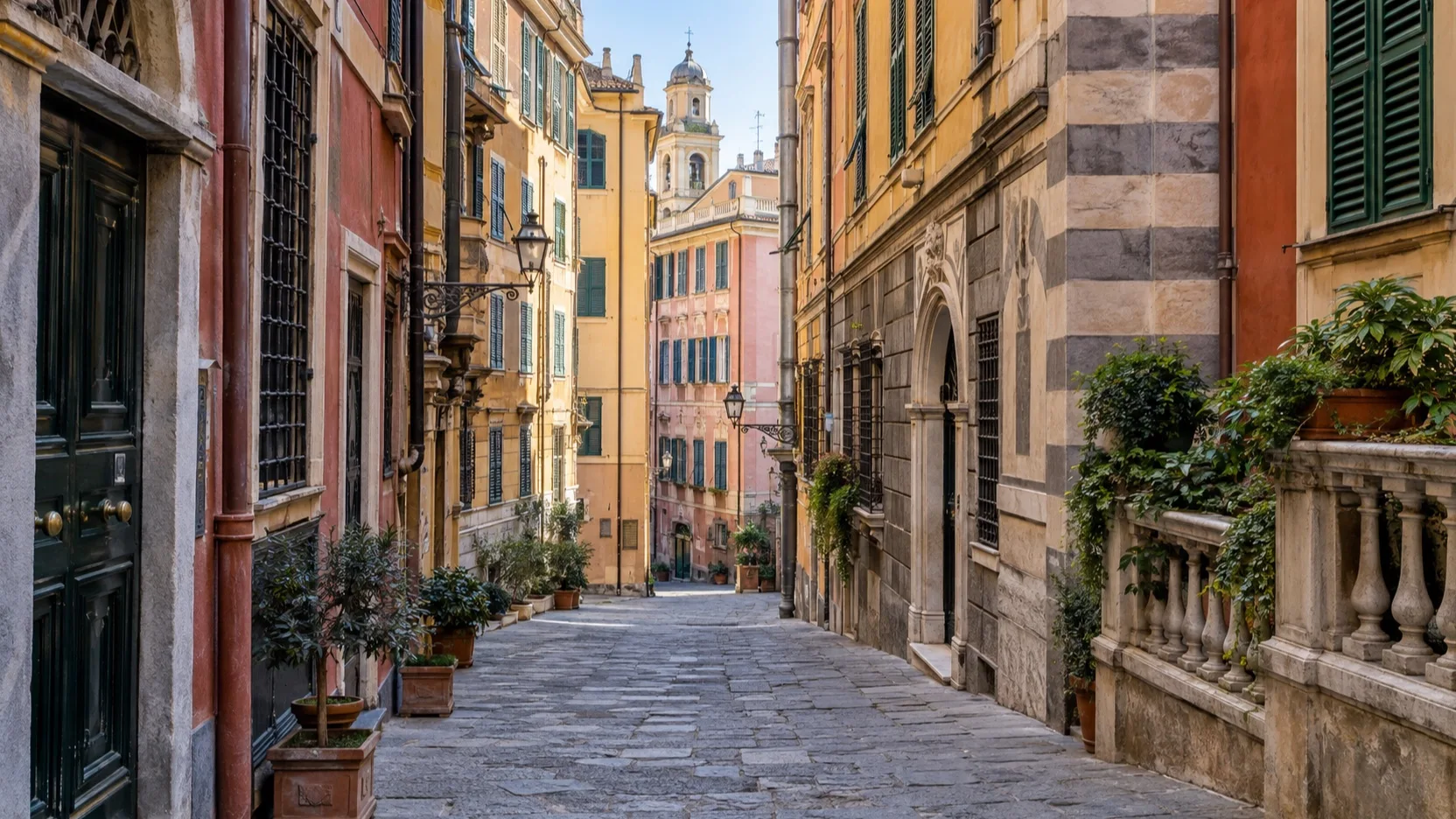
The old town is a dense mix of medieval lanes, small churches, food shops, palaces, and everyday apartments. San Lorenzo Cathedral provides an easy central landmark, while nearby Piazza Matteotti and Piazza De Ferrari open into broader civic spaces.
I resist trying to cover every famous alley. Pick a route between the waterfront, cathedral, and Via Garibaldi, then let the side streets supply the surprises.
Via Garibaldi and the Palazzi dei Rolli
UNESCO recognizes Le Strade Nuove and the system of the Palazzi dei Rolli for a remarkable urban and residential model. Noble residences were entered on official lists and could be selected to host state visitors, which helps explain why such lavish architecture sits inside Genoa’s tight street pattern.
Some palaces operate as museums, while others have limited access or remain in private use. Check the official Rolli and museum schedules instead of assuming every facade opens on a port day.
Aquarium of Genoa and Porto Antico
The Aquarium of Genoa is the easiest major attraction from the ship and a strong choice for families or rainy weather. Its official site uses timed fixed-date tickets alongside more flexible products, so read the change conditions before booking around a cruise arrival.
I allow two to three hours rather than racing through the building. The surrounding Porto Antico adds the Biosfera, Bigo panoramic lift, harbor views, restaurants, and open space, which makes the area an entire low-stress day if needed.
Spianata Castelletto
The Castelletto viewpoint looks across slate roofs to the harbor and hills. AMT’s public elevator from the central area removes most of the climb, making this one of the best effort-to-view trades in the city.
I check that the lift is operating before walking toward it. If it is closed, the old town and Porto Antico still form a complete plan without an improvised uphill scramble.
Galata Maritime Museum
Genoa’s maritime museum fits the city particularly well because the harbor is not decorative background. Exhibits connect navigation, migration, shipboard life, and the port’s long relationship with the Mediterranean.
It sits near the cruise approach and works nicely before a return to the ship. Confirm hours and last admission if saving it for late afternoon.
Cinque Terre from Genoa
Cinque Terre is possible on a long call, but it is not the effortless add-on that itinerary maps suggest. Regional trains take you along the Ligurian coast, and total travel time depends on the chosen village, service pattern, and any required change.
I go directly to Piazza Principe, use Trenitalia for the live itinerary, and limit the day to two or three villages. Monterosso is the easiest place to build around a beach, while Vernazza, Manarola, and Riomaggiore deliver the compact cliffside scenes most visitors expect.
Corniglia sits above its station and requires an uphill connection, which changes the physical demands. A plan that includes all five villages usually becomes a tour of platforms and stairs rather than a satisfying visit.
Trenitalia’s digital regional ticket is automatically validated at the selected departure and can be changed only within its published rules. Paper ticket procedures differ, so I follow the instructions on the ticket rather than an old travel tip.
Trail access is a separate decision from village access. The Cinque Terre National Park publishes closures, weather information, and card details, and paths can close after rain or maintenance.
I choose a return train that leaves room for cancellation, crowding, and a missed connection. The final hour belongs in Genoa, not on a platform far down the coast.
Portofino from Genoa
Portofino is closer and easier to contain than Cinque Terre, though it still requires more than one transport step. The reliable framework is a train from Genoa to Santa Margherita Ligure, followed by a local bus or a seasonal ferry.
Ferries are scenic but weather dependent, and schedules change through the year. Buses use the narrow coastal road and can encounter traffic, so neither connection should be treated as a guaranteed five minute handoff.
Once in Portofino, the harbor is tiny and easily explored. Walk toward Castello Brown or the lighthouse only if the climb, heat, and return time work for your party.
Santa Margherita Ligure is a useful fallback rather than merely a transfer point. Its waterfront, cafes, and rail station let you salvage the day if Portofino transport is disrupted.
A direct seasonal boat from Genoa may appear on some dates, but I use only the live operator schedule. The pretty sea route can also take longer than rail, which matters on a fixed ship call.
Three port-day plans that actually work
The classic Genoa day
Start at the aquarium or old town before crowds build, then connect San Lorenzo, Piazza De Ferrari, and Via Garibaldi on foot. Finish at Spianata Castelletto or the maritime museum, keeping the final stop close to the terminal.
This plan has the most resilience because almost every segment can be shortened. Rain favors the aquarium and museums, while clear weather makes the lanes and viewpoint more appealing.
The Portofino day
Take an early regional train to Santa Margherita Ligure, continue to Portofino by the best live connection, and return to Genoa with margin. If timing remains comfortable, add a short old town walk or focaccia stop before boarding.
Do not prepay several fragile transport links without reading cancellation rules. A flexible rail ticket and a current ferry or bus schedule make the day easier to adjust.
The Cinque Terre day
Choose two or three villages before leaving Genoa and decide which one is expendable if trains run late. Start with the farthest priority, then work back toward the ship rather than ending the day at the most distant point.
Skip ambitious hikes unless the park confirms the trail is open and the weather is stable. Village streets already involve stairs and slopes, so the train day can be physically demanding without adding a coastal path.
Accessibility and mobility
Genoa presents two very different accessibility experiences. Porto Antico and much of the aquarium area are modern and relatively level, while the medieval center includes cobbles, narrow passages, slopes, and steps.
The aquarium publishes current disability ticket and companion information on its official site. Contact the attraction directly for the exact route, elevator access, and assistance relevant to your visit.
Public elevators can remove major climbs, but an elevator closure can change the route completely. Build a plan that remains worthwhile at street level rather than depending on one mechanical link.
Cinque Terre stations and villages vary significantly, and a station labeled accessible does not make the whole destination step-free. Corniglia’s elevated position and the steep village lanes deserve particular caution.
Portofino’s harbor area is more manageable than the climb to the castle and lighthouse, but bus and ferry boarding create their own steps and gaps. A private accessible vehicle may offer more control if the operator confirms the exact route.
Food worth making time for
Pesto alla genovese belongs here, ideally with trofie or trenette pasta. The classic combination may include potato and green beans, which sounds humble and tastes exactly right after a morning of walking.
Focaccia is the easiest cruise-day food because bakeries sell it by weight and service is quick. Try the plain olive oil version first, then look for onion or cheese variations if the line is moving.
Farinata is a thin chickpea preparation baked in a hot oven, while focaccia di Recco is a different specialty filled with soft cheese. Neither needs a formal waterfront restaurant or a long reservation.
I eat a few streets away from the busiest aquarium entrance and avoid a heavy sit-down lunch before a train. Genoa rewards small stops more than a single meal that consumes two hours.
Weather and seasonal planning
Late spring and early fall often provide comfortable walking conditions, while summer brings heat, humidity, and heavier Riviera crowds. The caruggi offer shade, but stone lanes can still feel close and warm.
Autumn storms can be intense along the Ligurian coast. Heavy rain affects trails, ferries, roads, and occasionally rail operations, so a Genoa city plan is the essential backup for any Riviera excursion.
Winter calls can be quieter, but seasonal boats and some attractions may reduce service. Rail remains the backbone of independent travel, and current timetables matter more than a guide’s average duration.
Comfortable shoes with grip are useful year round. Add sun protection in warm months and a waterproof layer whenever coastal weather looks unsettled.
Quick answers
Can I walk from the ship into Genoa?
Usually, yes, from the main maritime terminal area to Porto Antico and the historic center. Follow the marked passenger exit because the exact route differs by berth and port operations.
Is Cinque Terre realistic on a cruise day?
Yes, on a long call with an early start and a disciplined two or three village plan. It becomes risky when you add a hike, several connections, or the expectation of seeing all five villages.
Is Portofino easier than Cinque Terre?
Usually, because the journey is shorter and the destination is compact. You still need to coordinate a train with a bus or seasonal ferry and protect the return.
Do I need to validate a regional train ticket?
Follow the instructions for the product you bought. Trenitalia says its digital regional ticket validates automatically at the selected departure, while paper ticket rules can differ.
How long should I allow for the aquarium?
Two to three hours is comfortable for most visitors, with more time for families who want every exhibit. Fixed-date tickets have binding entry slots, so book only after considering ship clearance.
Is Genoa safe to explore independently?
The central visitor areas are generally straightforward with normal urban precautions. Keep valuables secure in dense lanes and transit spaces, and move to a busier route if a street feels uncomfortable.
How Genoa compares
Genoa has more to reward an independent city day than Livorno, where many visitors focus immediately on Florence or Pisa. It shares some of Naples‘ working-port intensity, but the old town and Riviera connections create a different rhythm.
For me, that balance is the appeal. You can stay close and have a rich day, or use one of Italy’s most practical rail gateways to reach the coast without treating the port as wasted time.
Browse our full guide to cruise ports in Europe when comparing the rest of the itinerary. The best excursion is often the one that adds variety rather than repeating another famous village or cathedral.
The Bottom Line
Genoa deserves to be the destination, not merely the departure platform. The aquarium, Porto Antico, old town, Rolli palaces, viewpoints, and Ligurian food create a complete day within easy reach of the ship.
Choose Portofino for a more contained Riviera outing and Cinque Terre for a long, rail-focused adventure with fewer villages. Whichever plan wins, finish with enough time to absorb a delay and walk calmly back through the correct terminal.
How this guide was researched: Unless a first-hand visit is explicitly identified above, this guide is based on independent research using official port, railway, transit, tourism, government, and attraction sources where available. Logistics and time-sensitive details were reviewed on September 11, 2026; see our Editorial Policy.