Livorno Cruise Port: Gateway to Florence, Pisa & Tuscany
Livorno can look confusing at first, all industrial docks and rough edges, but its real value becomes obvious once you see it as a launchpad for Florence, Pisa, and coastal Tuscany. If Florence is your whole plan for the day, start with my step-by-step Livorno to Florence transfer guide.
What nobody tells you is how much of your day comes down to one question: Florence, Pisa, or a rushed attempt at both. That single choice shapes everything else, so it’s where I’ll spend most of this guide.
My quick take
If you’ve never been to Florence, go to Florence. It isn’t close, but the Duomo and the Uffizi are worth the longer train ride.
Pisa’s tower is fun, though honestly it’s a 60 to 90 minute stop once you’ve taken your photo and maybe climbed it. I’d only pick Pisa over Florence if I’d already seen Florence, or if I wanted a shorter, lower-stress day.
If trains and timing make you nervous, don’t rule out simply staying in Livorno itself, which I get into below. For a wider sense of how this port fits among Italy’s others, it’s worth skimming a broader guide to Europe’s cruise ports before you lock in a plan.
Quick Facts
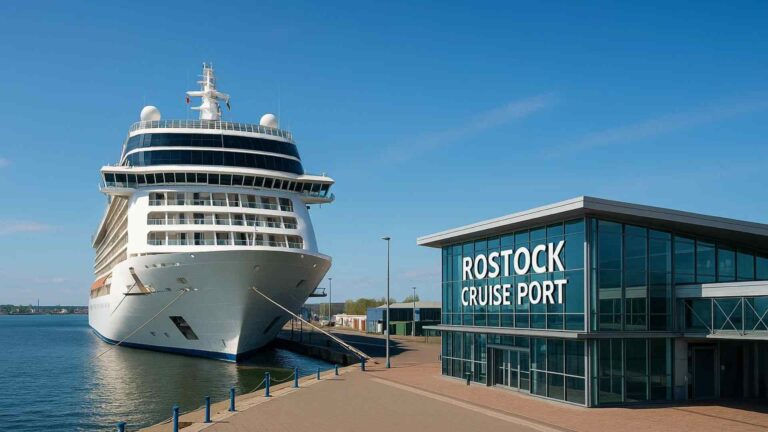
- Where you land: alongside in Livorno’s working commercial port on the Tuscan coast, among container berths and ferry quays rather than at a waterfront terminal. It is a functional arrival, and the port road is not built for walking, so plan on the shuttle.
- Dock or tender: Most cruise ships berth alongside in Livorno’s commercial port, but the exact quay and access procedure vary. Confirm the live assignment and any exceptional tender or shuttle arrangement for your ship through the cruise line and Porto di Livorno 2000.
- Into town: Walking through the working port is restricted from many berths. Use the required port or cruise shuttle to its stated drop-off, then connect by bus or taxi to Livorno Centrale for trains.
- Currency and language: The euro (EUR) and Italian.
- Time zone: Central European Summer Time (CEST, UTC+2) through the April to October cruise season, Central European Time (CET, UTC+1) in winter.
- Call reliability: Usually alongside, but weather, traffic, and port operations can still change the day’s berth or access plan.
Getting off the ship and figuring out logistics
Livorno Centrale is several miles from many cruise quays, and there is no single terminal-to-station travel time. Count disembarkation, the port shuttle, the city connection, traffic, and ticket time before choosing a train.
If your ship offers a shuttle into town, take it, because the port road is not built for walking. From the shuttle drop-off, it’s a short taxi or local bus to the station if you’re heading to Florence or Pisa on your own.
I’d budget more time for this stage than you think you need. Between disembarkation, the shuttle, and reaching the station, an hour can vanish before your train even leaves.
Getting around
Trenitalia regional trains connect Livorno with Pisa and Florence, but frequency and stopping patterns change by time and day. Check the official app or site and confirm whether your ticket is paper or digital before boarding.
Validate a paper regional ticket in a station machine before boarding when required. Digital regional tickets follow the rules shown in the Trenitalia purchase, so use the app’s current instructions rather than an old blanket check-in rule.
Direct regional trains from Livorno Centrale to Firenze Santa Maria Novella commonly take about 80 to 100 minutes. Door to door from the ship is often closer to two hours each way once the port shuttle and station transfer are included.
To Pisa the train itself is quick, often 15 to 20 minutes, but I wouldn’t plan your day around that number alone. Add the shuttle, the walk or taxi to Livorno Centrale, and a wait for your train, and door-to-door time to Pisa’s center runs closer to an hour.
It’s still the shorter, easier trip of the two. Just don’t expect to be standing under the tower twenty minutes after leaving the ship.
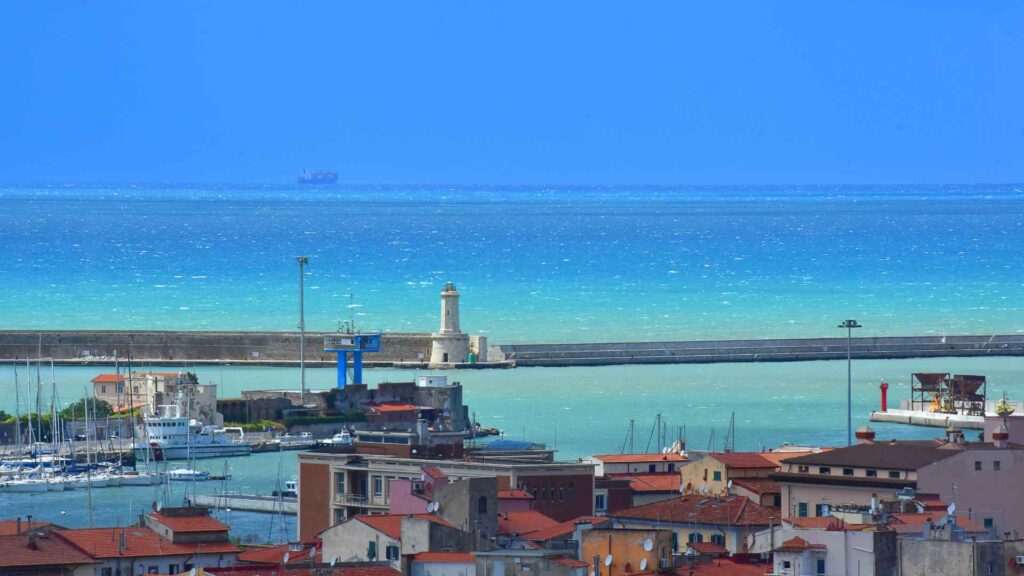
The stops I would actually spend time on
Florence’s Duomo and Uffizi are the reason most people make the longer trip. Filippo Brunelleschi’s dome over the Cathedral of Santa Maria del Fiore dominates the skyline, and the Uffizi Gallery a few minutes away holds room after room of Botticelli, da Vinci, and Raphael.
Fun fact: Brunelleschi built the dome without a wooden support frame, a method so unusual for its time that engineers still study it, and it remains the largest brick and masonry dome ever built.
Pisa’s Leaning Tower is the bell tower of the cathedral complex, set on the grassy Piazza dei Miracoli. It’s smaller and more crowded with photo-takers than the pictures suggest, but it’s still worth seeing in person.
Fun fact: construction started in 1173 and dragged on for almost 200 years thanks to wars and interruptions, and the tower began leaning while the third floor was still going up, because the ground beneath it was too soft to bear the weight evenly.
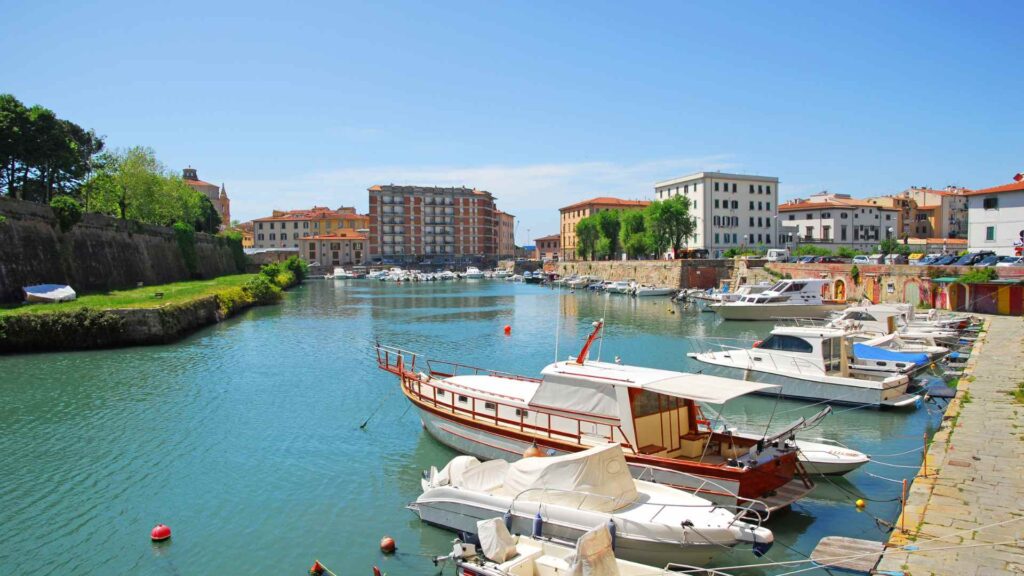
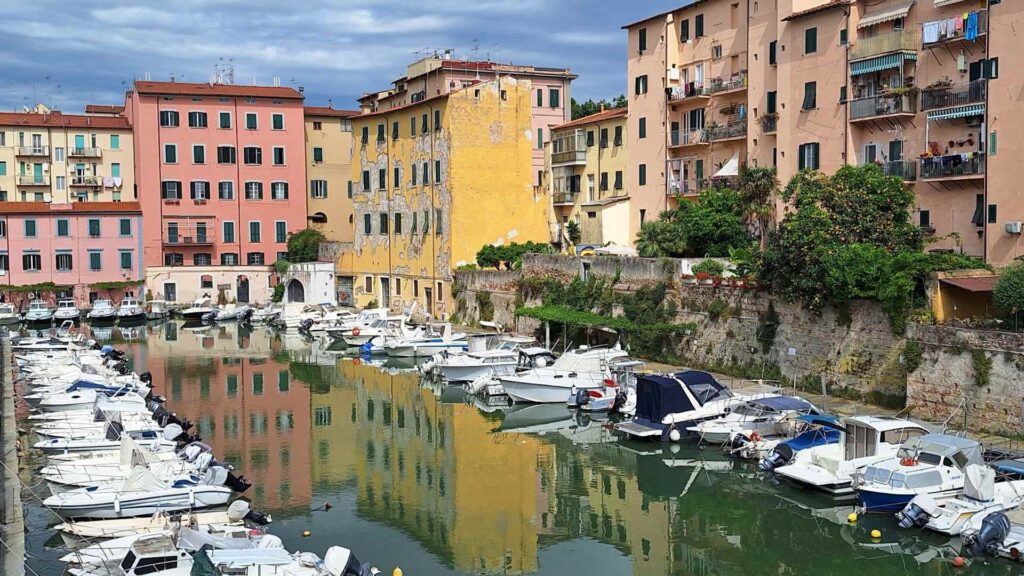
Livorno’s own old town and canals are the reason locals call this corner of the city “Little Venice.” The Venezia Nuova district, with its narrow waterways and pastel buildings, is quieter and far less touristy than Florence or Pisa.
Fun fact: the canals weren’t built for charm but engineered by the Medici in the 17th century as a working freight system, so cargo boats could move goods from the harbor straight into merchants’ warehouses.
The Terrazza Mascagni is Livorno’s grand seafront terrace, a sweeping checkerboard of black and white paving right on the water. It’s a lovely, easy stroll if you stay in town, and on a clear day you can see across to the islands of the Tuscan Archipelago.
Fun fact: the terrace’s monochrome paving is made up of more than 34,000 tiles, and it’s a favorite spot for locals to gather at sunset.
Tuscany beyond Florence and Pisa
Lucca is a calmer rail day with intact walls and a compact center, often easier than Florence when heat or crowds are high. Check the connection in Pisa and protect a backup train home.
A winery, Bolgheri, San Gimignano, or a countryside route needs a licensed driver or ship excursion because the useful sights are not clustered around one rail station. Pick one area, confirm tastings and lunch, and avoid a broad “Tuscany highlights” loop that spends most of the call in traffic.
For Florence, reserve one major museum or the Duomo dome and leave room to walk rather than stacking timed entries. For Pisa, allow the station-to-Piazza dei Miracoli walk and reserve the Leaning Tower only if its strict entry time fits your return train.
How I would plan the day
I’ll say it plainly: doing both Florence and Pisa properly in a single port day is a stretch. It’s possible on paper, since the trains connect and some tours package both, but the math rarely leaves you much time in either.
By the time you factor in shuttle time, ticket lines, and a safety buffer for getting back to the ship, you’re left with a rushed hour or two in Florence and a quick photo stop in Pisa. That can still work if seeing both, even briefly, matters more to you than lingering in one.
That kind of sprint can still be enjoyable if you go in knowing it will feel rushed rather than relaxed. Set that expectation before you leave the ship and the day makes much more sense.
If I only get one shot at Florence, I choose Florence and give it the whole day. If I’ve already seen it, or I want a shorter, lower-stress outing, Pisa on its own makes a genuinely good half-day.
And if trains, timing, or crowds don’t appeal that day, Livorno itself is a legitimate option rather than a consolation prize. Its old town, market, and canal district make for a relaxed day that doesn’t involve a single train schedule.
A realistic word on accessibility
I want to be straightforward here rather than optimistic. Port facilities and passenger routes vary by berth, and accessible shuttle equipment should never be assumed from a generic port description.
If you use a wheelchair or have mobility needs, contact your cruise line well before the trip to confirm accessible transport is actually arranged. Do it in writing so it’s genuinely booked and not just theoretically offered.
Trains to Florence and Pisa can accommodate wheelchair users, but this usually means booking assistance in advance rather than boarding on the spot. Cobblestones in Livorno’s old town, and in both Florence and Pisa, are worth planning around too.
Comfortable, sturdy footwear and a slower pace make a real difference. There’s no prize for rushing across uneven stone.
When to go, and the weather
Late spring, from April to June, and early fall, from September to October, are my favorite windows for this port. The weather is warm without being brutal, and Florence and Pisa are noticeably less packed than at the height of summer.
July and August bring serious heat, especially in Florence’s shadeless stone streets, plus the thickest crowds of the year at the Uffizi and the tower. If you can avoid those months, I would.
Winter calls are quieter and cooler, sometimes rainy, but they come with a real upside. You get shorter lines and a calmer Piazza dei Miracoli.
If your itinerary lands you in Livorno outside peak season, I wouldn’t treat that as a downgrade. Gray skies can suit Tuscany surprisingly well, especially when they come with shorter lines and thinner crowds.
Quick answers
Should I pick Florence or Pisa if I can only do one?
Florence, especially on a first visit, because its sights run far deeper than a single tower and piazza, even one as famous as Pisa’s.
Can I really fit both Florence and Pisa into one day?
You can, but expect a rushed version of each that suits travelers keen to tick both boxes more than those who want to linger.
Is staying in Livorno worth it instead?
Yes, if a slower, lower-stress day appeals, because the old town, market, and canal district give you a genuine, quieter taste of coastal Tuscany.
Do I need to book train tickets ahead?
Regional trains do not normally require a seat reservation, but check Trenitalia for strikes, engineering work, and the exact return pattern. Florence attraction tickets should be reserved separately because the Uffizi, Accademia, and Duomo dome can sell out.
How much time should I leave to get back to the ship?
Aim to be on your return train at least two to three hours before all-aboard, and more from Florence, because trains run late and no captain waits for a delayed regional service.
Is the Leaning Tower worth climbing?
If you enjoy views and don’t mind timed-entry tickets it’s worth the steep, oddly tilted climb, but if you’re short on time the photo from the lawn is honestly the main event.
Livorno rarely gets the spotlight that Florence and Pisa do, but as a port it does its job well. It gets you to two of Italy’s most iconic sights without much fuss, and it has enough character of its own to reward staying close to the ship.
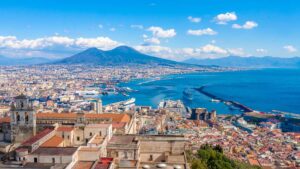
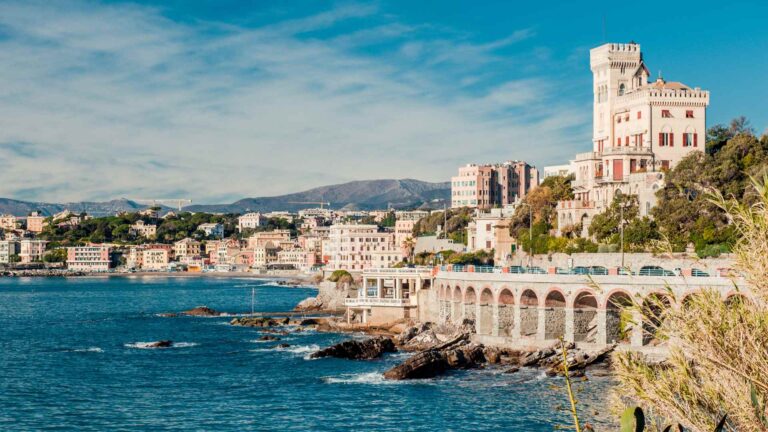
If you’re comparing it with other Italian stops on your itinerary, I’ve also written about Naples, the gateway to Pompeii and the Amalfi Coast. And there’s Genoa, which pairs a handsome historic center with easy access to Cinque Terre.
How this guide was researched: Unless a first-hand visit is explicitly identified above, this guide uses official port, tourism, transit, government, and attraction sources where available. Logistics and time-sensitive details were reviewed on September 11, 2026; see our Editorial Policy.