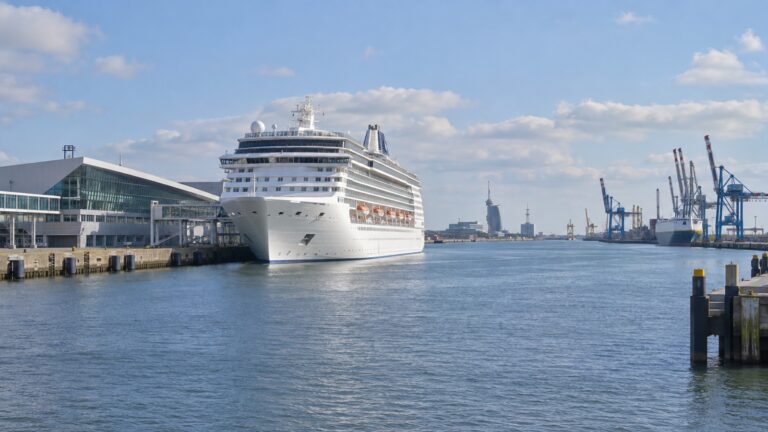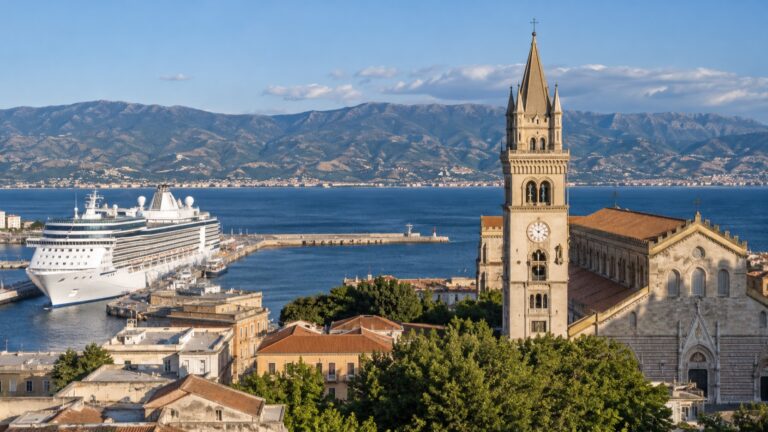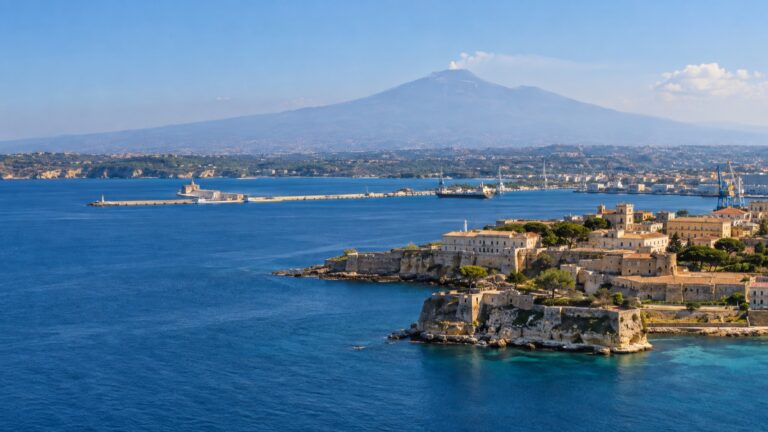
Wales Cruise Ports: Holyhead, Cardiff and Fishguard
Wales gets five cruise ports and several hundred castles, which tells you what the day is for. None of these calls are about the port town, and every one of them is about what you can reach before the last shuttle.
My quick take
Wales is the part of a British Isles itinerary people skim past in the brochure and then talk about afterward. The ports are small, the scenery starts within twenty minutes of the quay, and nowhere feels processed.
The catch is that all five ports are working commercial docks or ferry harbors, not tourist piers. I would decide what I am reaching before I sail, because improvising a rural connection here is how you spend your day at a bus stop.
The quick facts
- Ports: Holyhead in the north, then Fishguard, Milford Haven, Swansea and Cardiff along the south and west.
- Ship size: Only Holyhead regularly takes really large ships, and the rest lean small to mid sized or anchor offshore.
- Getting out: Every Welsh call is a working port, so expect a shuttle or a tender rather than a walk down a gangway into town.
- Money: Pounds sterling, cards and contactless nearly everywhere, a little cash for rural sites.
- Language: English and Welsh are both official, signage is bilingual, and place names on your itinerary may not match the ones on the road signs.
What a Welsh call is doing on your itinerary
Welsh ports show up on British Isles loops out of Southampton, Dover and Liverpool, and on Ireland and Iceland runs that need a stop on the way through the Irish Sea. Our guide to UK homeports and ports of call covers where those sailings start.
The season runs spring into fall, with the peak in the long daylight months. Wales sits on the wet side of Britain, so pack for rain rather than hoping.
Sort them by what they reach. Holyhead reaches the mountains and the big castles, Cardiff reaches a capital city, and the three southern and western ports reach a coastline a lot of people rate above anything else in Britain.
Holyhead reaches the most and asks the most of you
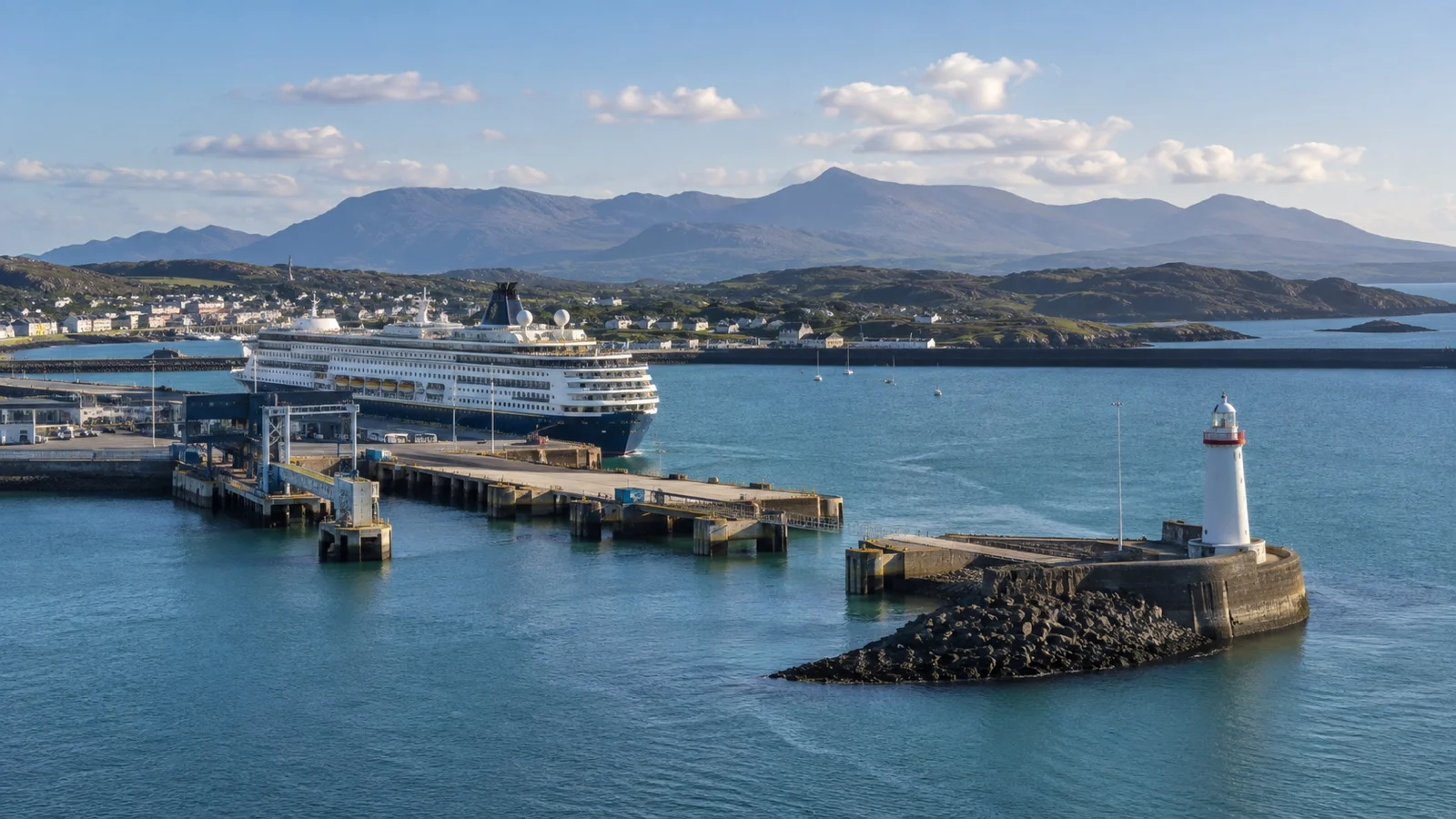
Holyhead sits on Holy Island off the northwest corner of Anglesey and is the only Welsh port that routinely handles large ships. Vessels up to about 985 feet (300 m) go alongside at the deep water berth or the inner harbor refit berth, and anything bigger anchors and tenders to the marina landing.
Do not plan on walking out. This is an active secure port, so you leave on the ship shuttle or on whatever transport the port directs you to, which is a normal arrangement and one our piece on ports where the shuttle is not optional covers in general terms.
What you can reach is the reason to bother. South Stack and its sea cliffs are about 3 miles (5 km) out with no public transport, Beaumaris is 35 to 50 minutes by road, and Caernarfon is 40 to 55 minutes across on the mainland.
The mountains of Eryri, the national park you may know as Snowdonia, are the big swing and they need a disciplined plan. Our Holyhead port guide sets out sensible return margins, and the short version is 60 to 75 minutes back from town and two hours or more back from anything in the mountains.
Cardiff is the one that puts you in a capital
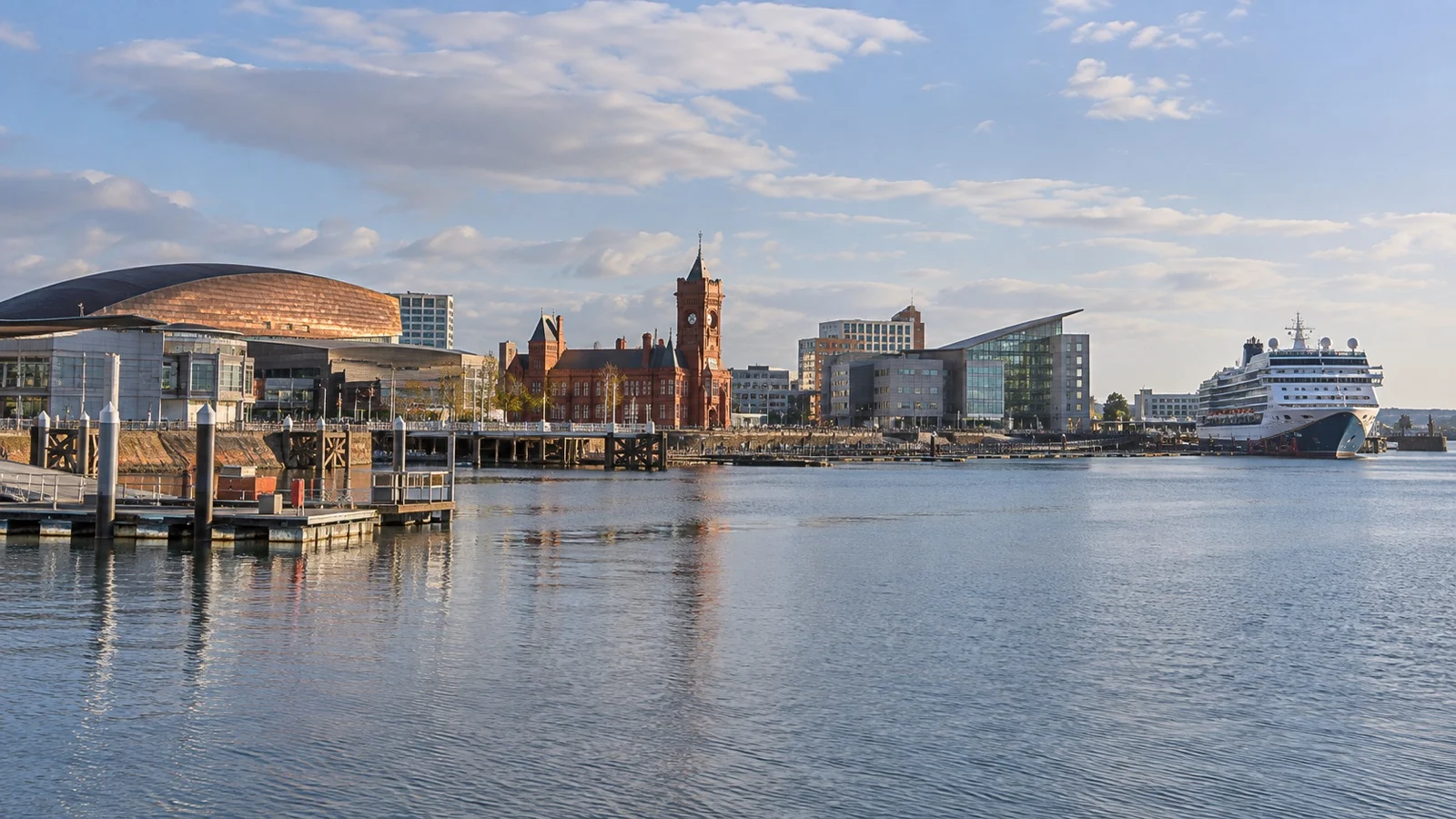
Ships use Queen Alexandra Dock, which sits next to Cardiff Bay and just under a mile (1.4 km) from the city center. The dock takes small to medium ships rather than the big hulls, and a complimentary shuttle usually runs for passengers who are not on a tour.
The route out is a working dock, so take the shuttle rather than trying to walk it. Once you are in town, Cardiff is genuinely compact and the whole day works on foot.
The castle is in the middle of the city, the covered Victorian arcades are a few minutes from it, and the bay is a short hop back the other way. Caerphilly Castle is a short train ride north, and the open air museum of Welsh buildings on the western edge of the city is the other easy half day.
This is the Welsh port where I would skip the excursion entirely. If your habit is to find the station and go, our roundup of ports you can reach a real city from by train is the right frame of mind for Cardiff.
Swansea is a mile from town and a short hop from the Gower
Swansea takes cruise ships at King’s Dock, roughly a mile to two miles (about 1.5 to 3 km) from the city center depending on which end of the estate you are measuring from. Like Cardiff it handles small to medium ships rather than anything enormous.
The city itself is pleasant rather than remarkable, with a maritime quarter, a covered market and a long curve of bay. I would not build the day around the center.
The reason to be here is west of town. Mumbles sits at the end of the bay with its pier and lighthouse, and beyond it the Gower peninsula, the first landscape in Britain to be formally designated for its natural beauty, delivers cliffs and beaches within a short drive.
Swansea is also the most central of the Welsh ports for reaching the wider south, with the mountains and waterfall country an hour or so north by road. That is a tour or a private driver rather than a bus timetable.
Milford Haven is really two ports with one name
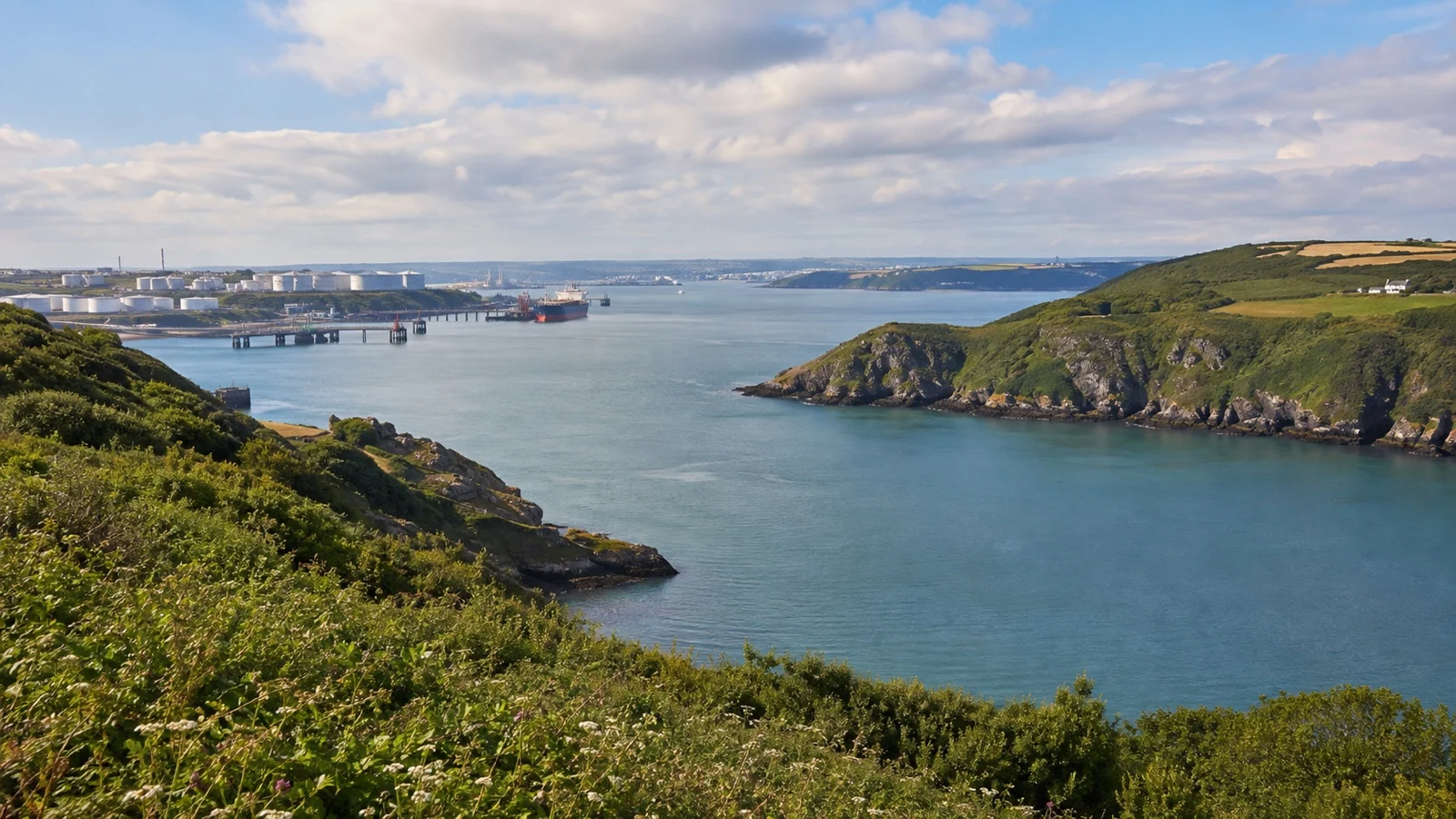
This is the call that changes shape depending on your ship. Vessels up to about 525 feet (160 m) lie alongside at Pembroke Port, roughly ten minutes from Pembroke Castle, while larger ships up to about 720 feet (220 m) anchor on the Milford Shelf and tender in to the old docks and the marina.
Check which one you are getting before you book anything, because the two arrangements land you on opposite sides of a wide waterway. The port’s own cruise information lays out both.
What Milford Haven reaches is the only national park in Britain designated for its coastline, with a 186 mile (299 km) coast path running its length. Castles, beaches, puffin islands in season and clifftop walking are all within a normal port day.
Alongside at Pembroke Port, walking to the castle and back is a genuinely good low effort day. If you are tendering, treat the boat schedule as your real clock and plan a shorter loop.
Fishguard is small, and that is the whole point
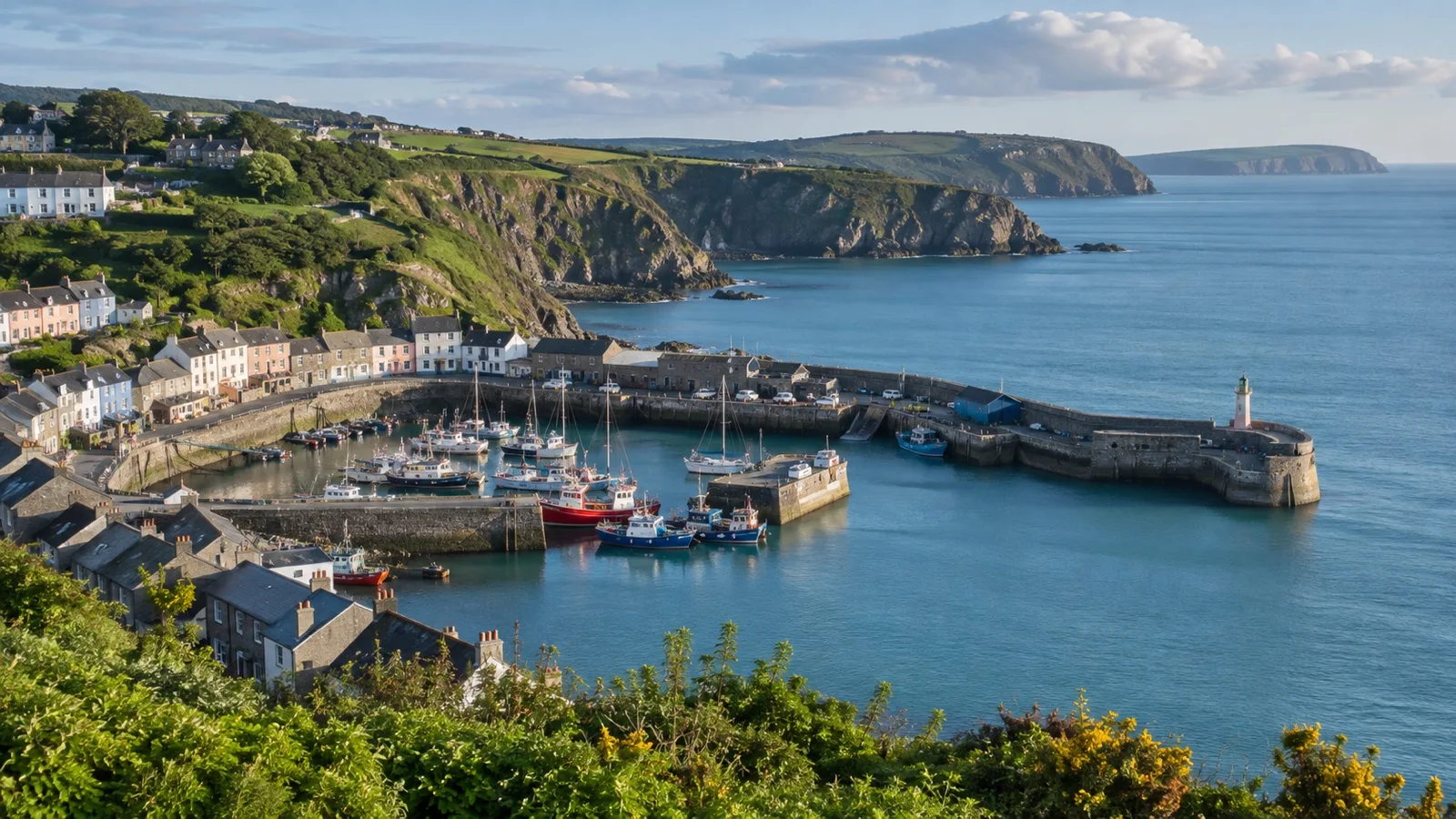
Fishguard is a ferry harbor on the north Pembrokeshire coast that added a tender berth so larger ships could work the call, alongside an existing sheltered berth that expedition sized vessels can use directly. The town center is about a mile (1.5 km) away.
Nobody comes here for the port. It is a gateway into the same national park coastline from the northern end, with a different set of beaches, harbors and headlands than you get from Milford Haven.
The one destination worth naming is St Davids, one of the smallest cities in Britain, sitting around a cathedral in a hollow on a wild peninsula. It is a manageable drive down the coast and it is the single best half day this port offers.
Small ports mean thin transport. Book a driver or take the ship tour rather than assuming a taxi rank with six cars in it.
The castles are the actual reason to come
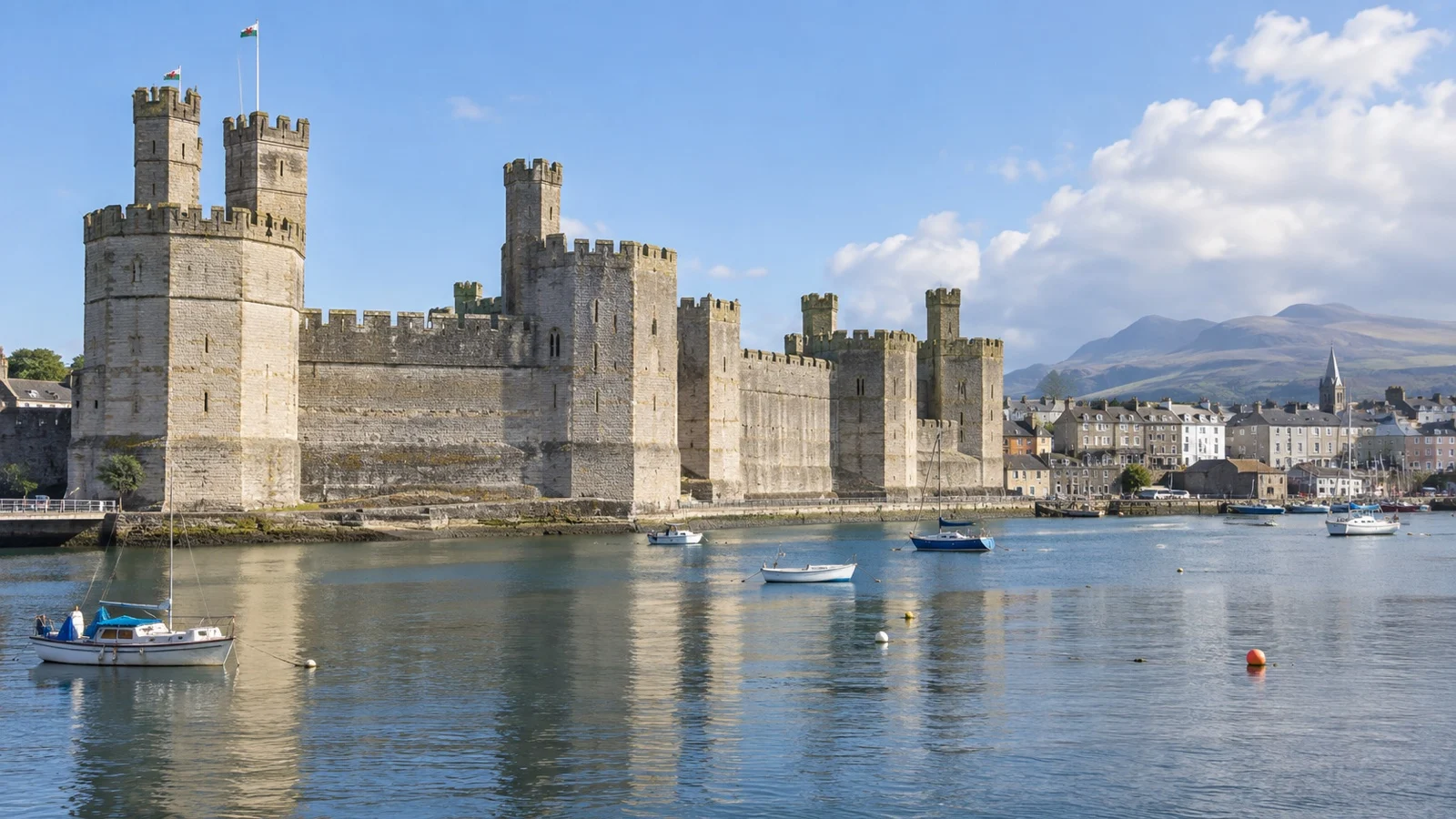
Wales packs several hundred castles into a country smaller than Massachusetts, and four of the biggest sit within reach of Holyhead. Caernarfon, Conwy, Beaumaris and Harlech are grouped together as a single World Heritage listing.
They are not interchangeable. Beaumaris is the closest and the flattest, Caernarfon is the biggest and the most theatrical, and Conwy comes with a walled town attached.
Opening hours shift by season and the last admission is usually a half hour before closing, which is exactly the kind of detail that ruins a late afternoon plan. Book online where you can and check the hours against your call, not against the summer schedule you saw in a photo.
South Wales has its own set, with Cardiff Castle in the middle of the capital and Pembroke reachable from the Milford Haven call. One castle done properly beats three done at a jog.
Tenders, wind and the Irish Sea
Three of the five Welsh ports can put you in a tender, depending on the size of your ship. Holyhead tenders the biggest vessels, Milford Haven tenders anything over the alongside limit, and Fishguard uses a tender berth for larger ships.
Wind is what stops the boats, not the drizzle that Wales is famous for. A gray morning with no wind runs fine, and a bright morning with a stiff westerly is the one that gets you a sea day.
Tour passengers usually get the early tenders, which costs independent travelers an hour they did not budget for. Our explainer on how tendering changes your time ashore and our piece on what happens when rough seas cancel a tender operation are both worth reading before you prepay anything.
Which Welsh port I would pick
If the itinerary gives me one Welsh call, I want Holyhead. It reaches the mountains and the World Heritage castles, and no other Welsh port comes close on the sheer quality of what is within an hour.
Cardiff is the easiest day by a distance and the one I would choose for a mixed group or a first visit to Britain. You get a real capital, a compact center and no dependence on a coach seat.
Milford Haven and Fishguard are the two I would take if I already know Britain and want the coastline instead of the monuments. Swansea is the one I would treat as a bonus, worth a good day but not worth rearranging an itinerary for.
The mistake I see people make is treating Wales as a filler day between Dublin and Liverpool. It is a small country with a lot packed into it, and a well planned Welsh call beats a lazy day in a bigger city.
Money, language and getting around
Wales uses pounds sterling and cards work almost everywhere, including on buses. I still carry some cash for rural visitor centers and small cafes where the card reader depends on a signal that comes and goes, which is the case our guide to carrying cash or card in port makes at length.
Welsh and English are both official and signage is bilingual, with the Welsh usually first. Eryri is Snowdonia, Yr Wyddfa is the mountain the English call Snowdon, and Bannau Brycheiniog is the park you may have seen written as the Brecon Beacons.
Rural bus and train service is thin and built around school runs and ferries rather than cruise calls. Outside Cardiff, I would book transport before I sail and treat public transport as a bonus rather than a plan.
Quick answers
Can you walk into town from a Welsh cruise port?
Not usually, because all five are working commercial docks or ferry harbors with secure areas. Expect a shuttle or a tender, and check the last one back the moment you land.
Which Welsh cruise port is closest to Snowdonia?
Holyhead, on Anglesey, which is the only Welsh call that gets you into Eryri and back inside a normal port day. Budget two hours or more for the return leg from anything in the mountains.
Do cruise ships dock in Cardiff city center?
They dock at Queen Alexandra Dock beside Cardiff Bay, just under a mile (1.4 km) from the center, and a shuttle usually covers the gap. The walk is short on a map and unpleasant through a working dock, so take the bus.
Is Milford Haven a tender port?
It depends on your ship, since smaller vessels go alongside at Pembroke Port and larger ones anchor on the Milford Shelf and tender in. Confirm which applies to your sailing before you commit to a plan with a fixed start time.
Do I need to speak Welsh in Wales?
No, English is spoken everywhere and no one expects a visitor to manage Welsh. Signs are bilingual, so the only real effect is that some place names on the road do not match the ones in your excursion booklet.
Final word
Wales is a small country that hides a lot behind five unglamorous port gates. The ports themselves are honest working docks, and none of them are trying to sell you the day before you leave the terminal.
Pick the one thing you actually want, book the transport before you sail, and give yourself a bigger return margin than feels necessary. Do that and a Welsh call turns into the day people ask you about when you get home.
How this guide was researched: Berth and anchorage arrangements, ship size limits, shuttle provision and distances into town for all five Welsh cruise ports were checked against official port, national park and heritage information in October 2026. Berth assignments, shuttle arrangements, seasonal opening hours and tender operations change from call to call, so confirm the details for your own ship and sailing date. See our Editorial Policy.