Cruise Ports You Can Reach a Real City From by Train
Yes, you can swap the cruise pier for Rome, Nice, Rostock, Rouen, or Tokyo by train. The trick is choosing a trip that leaves time for lunch, not just a scenic tour of ticket machines.
Here are the five port-to-city trips I’d actually consider, including the stations, realistic timing, and little catches that decide whether we’re buying tickets or staying put.
My quick take
Warnemünde to Rostock gets my vote for the easiest city outing here. Rome is the big, glorious commitment, while Nice, Rouen, and Tokyo each come with a catch worth sorting out before you leave the ship.
I’m all for saving money, but the train needs to deliver a day you’d enjoy. A bargain that mostly buys you platform time is not the little vacation victory we’re after.
The quick facts
- Civitavecchia to Rome: Give it a long call and one main sightseeing area, not your entire Rome wish list.
- Warnemünde to Rostock: The simplest station access here when your ship actually docks at the Warnemünde cruise terminal.
- Villefranche-sur-Mer to Nice: A tiny rail journey with tendering and walking attached, so the train is only one part of the clock.
- Le Havre to Rouen: Historic streets, a cathedral, and a proper lunch without making Paris the assignment.
- Yokohama to Tokyo: Worth considering from a well-connected terminal on a long call, but Daikoku needs a different transfer plan.
The time allowances below are my planning estimates, not cruise-line minimums or guarantees. Count from when you’re actually allowed off the ship to the announced all-aboard deadline, with your return cushion inside that window.
For a tender call, the ship’s last-tender instructions matter too. A six-hour port call does not magically become six hours on land, however enthusiastically we do the math.
Civitavecchia to Rome: big sights, not a sightseeing sprint
Rome deserves a proper day, not a breathless cameo between two train rides. I’d want about nine usable hours between getting off the ship and all aboard, with normal rail service and an early start.
Get the station and city stop right
Your departure station is Civitavecchia, but getting there from the port depends on your berth and shuttle arrangement. The shorter walk from the Forte Michelangelo exit and the longer approach through Largo della Pace are walks from port exits, not interchangeable measurements from your gangway.
A dedicated cruise-passenger bus connects ships and the station, with the port listing a fare of €6 each way, paid in euros and separate from the train. Confirm your ship’s pickup point and service hours, because a bus labeled “shuttle” is not a promise that it goes where you need.
For the Vatican side of Rome, look for a service calling at Roma San Pietro, with a rail journey of roughly 45 to 50 minutes. You’ll still need to walk to your first stop, so don’t schedule a basilica visit for the minute the train arrives.
Roma Termini is useful when your onward plan uses the metro, but its journey time varies considerably by train. Compare the actual departures and fares rather than borrowing a fast service’s travel time for a slower regional ticket.
Regional departures are generally frequent, often around half an hour apart, but check both directions in Trenitalia’s journey planner. Buy for the service you’ll actually take and read the ticket’s change and validation instructions.
The Rome day I would actually plan
Allow roughly 90 minutes to two hours each way from the ship to your sightseeing area, including port transport, waiting, and the final walk or metro ride. Longer queues or missed departures sit on top of that allowance.
From San Pietro, I’d build the day around St. Peter’s Square, a basilica visit if the line behaves, and a walk toward Castel Sant’Angelo. Leave room to sit down and eat something instead of treating lunch as whatever fits in your hand at a crosswalk.
For ancient Rome, make the Colosseum area your anchor and build around it. I would not pair a timed Vatican Museums booking with a timed Colosseum entry on an independent port day, because one sluggish connection can turn both reservations into a headache.
Add the station transfers, return rail fare, and any city transportation before celebrating the savings. That tempting one-way fare is only one ingredient in the bill.
I would skip independent Rome on a short call, after a late clearance, or during significant rail disruption. Stay around Civitavecchia’s historic waterfront instead, or compare a cruise-line excursion whose timing fits the actual call.
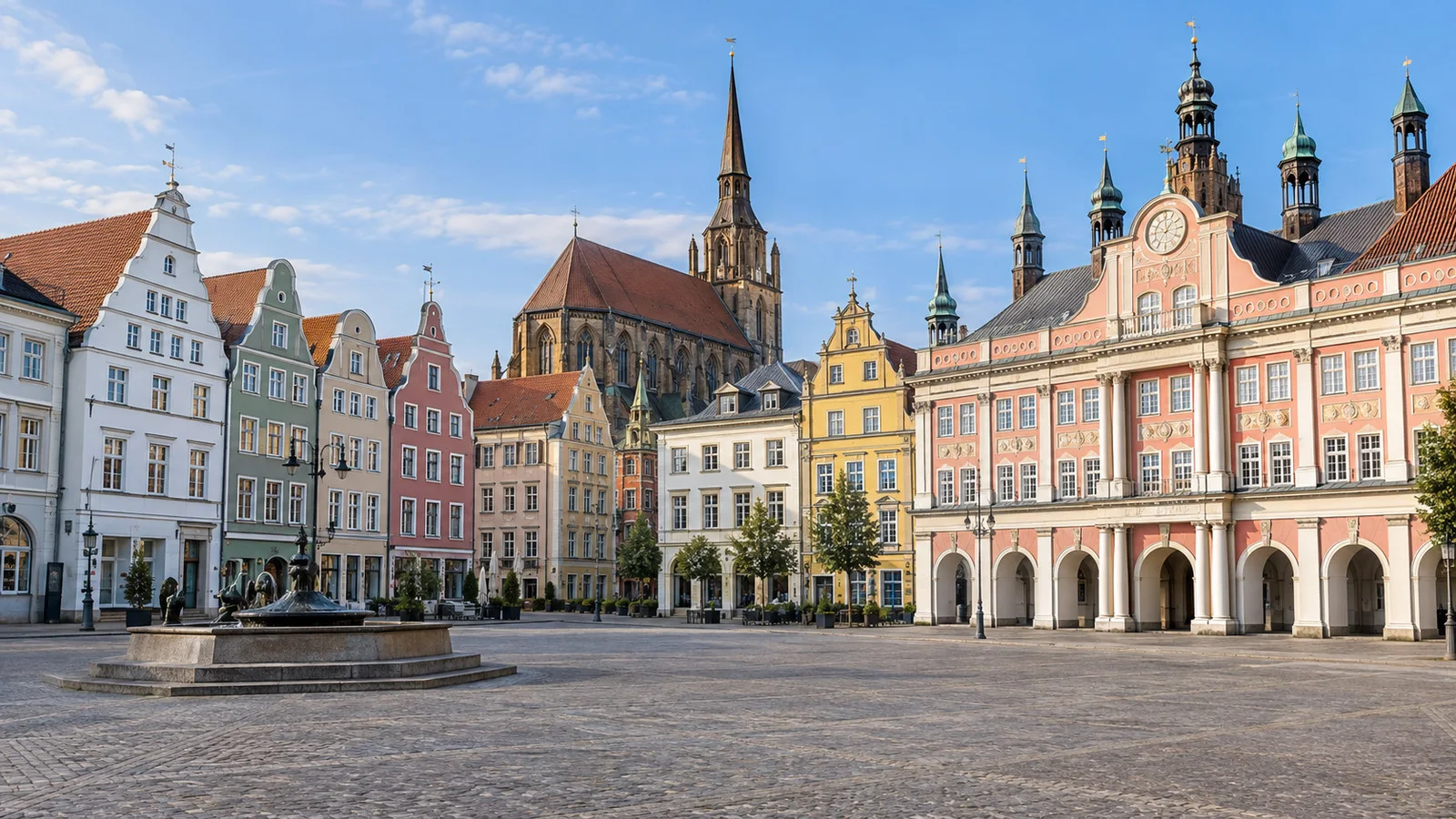
Warnemünde to Rostock: city stroll first, fish sandwich later
This is my pick when you want an actual city outing without giving the railway custody of your whole day. With about six usable hours, I’d explore a manageable chunk of Rostock and save the end of the outing for Warnemünde.
A genuinely useful station near the ship
At the Warnemünde cruise terminal, the station is about a third of a mile away. The port’s passenger information lists generally 15-minute S-Bahn service, with more frequent trains at some busy times; I’d allow five to ten minutes for the station walk, depending on your berth and pace.
Take the S-Bahn toward Rostock Hauptbahnhof, the main station. Allow about half an hour for the rail leg in your initial plan, then check the actual departure and leave a little extra time for your first ticket-machine encounter.
Rostock’s main station is not the old-town square, so include the onward tram or walk. I’d pencil in 45 to 60 minutes from the cruise terminal to central Rostock, adjusted for the connection you choose.
For tickets, compare a return made with individual fares against a local day ticket that covers the actual S-Bahn and tram journeys. Choose the correct travel area and passenger count, and check validation instructions before boarding.
Confirm that your berth is Warnemünde, not Rostock’s separate seaport. A ship using the industrial port does not inherit the same short station walk, even if the itinerary groups the destinations under a similar name.
How I would spend the visit
Start with Kröpeliner Straße, Neuer Markt, and the area around St. Mary’s Church. Pick an interior that genuinely interests you, not every church and museum on the map as though someone is grading your port day.
Then come back to Warnemünde while the clock is still being friendly. I’d finish with a stroll around the Alter Strom and a fish sandwich rather than adding a distant attraction just because the morning went smoothly.
You get a city wander and a little seaside time without having to build an elaborate transport plan. For a relaxed independent outing, I’d choose this over an ambitious Berlin day.
If trains are disrupted or your ship arrives late, let Warnemünde be the day. A waterfront lunch is a perfectly respectable Plan B, not an admission that you’ve failed at sightseeing.
Villefranche-sur-Mer to Nice: tiny train ride, sneaky extra steps
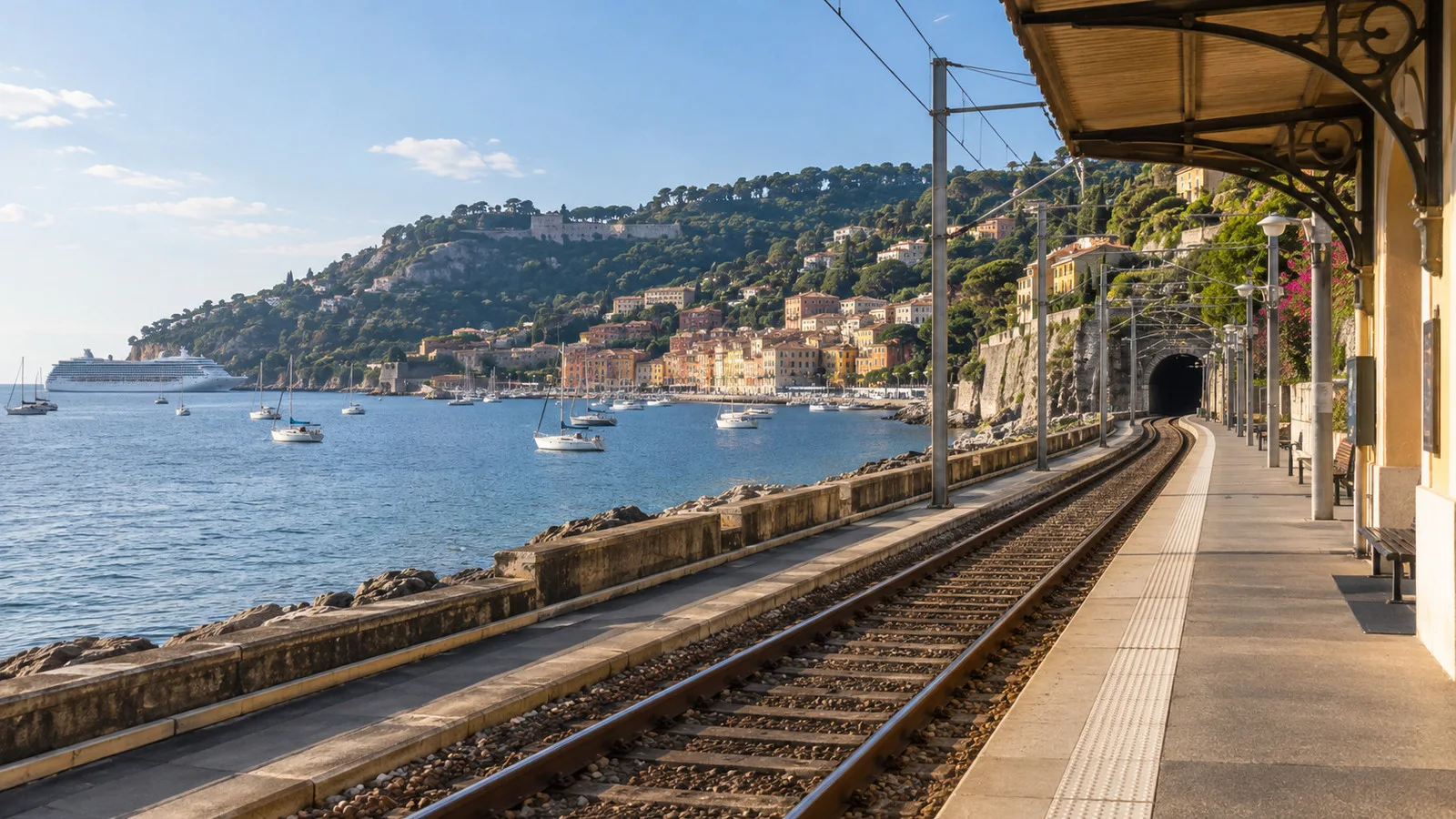
Nice is the pick for an old-town wander, lunch, and a little waterfront time. I’d look for at least six usable hours, then check how much of that day the tender operation is likely to nibble away.
Do not confuse the station time with the excursion time
First, you have to get ashore by tender, because the train does not collect you from the ship, lovely as that would be. From the waterfront landing, you’ll need to reach Villefranche-sur-Mer station, find your platform, and sort out the ticket.
For initial planning, I would set aside about 15 to 20 minutes for the shore-to-station walk rather than connecting directly from the tender arrival to a train departure. Check the exact route and platform access if steps or gradients are an issue for your group.
One useful destination is Nice Riquier, on the eastern side of Nice. The SNCF timetable for Villefranche to Nice lists direct Riquier journeys of around two to three minutes, with many departures roughly 15 to 20 minutes apart and occasional longer gaps.
Adorable train time, slightly misleading mental picture: you haven’t arrived on the Promenade des Anglais. Nice Riquier is not Nice-Ville, the main station, so map the onward walk or local transit from the station you’re actually using.
I would initially budget 45 to 75 minutes from the shore landing to the old-town area, depending on the train wait and your walking pace. Add the outbound tender process separately, and build the return around the ship’s last-tender instructions.
Keep the Nice plan pleasantly small
My Nice day would link the old town, the Cours Saleya area, and a stretch of the waterfront, with a proper lunch stop. Leave museums or a longer climb as optional extras, not appointments that make you spend lunch checking your phone.
Buy for the exact station pair and check the ticket’s validity window. A return ticket does not solve the separate problem of reaching the tender landing early enough.
Please don’t turn this into Nice plus Monaco plus one more quick stop. Nice and Villefranche already make a lovely pair, and adding another destination is how a leisurely day quietly becomes an endurance event.
If tenders are running slowly, I’d skip the train and enjoy Villefranche’s waterfront instead. Get familiar with the Villefranche port layout before choosing your day, because staying nearby can be the nicest decision you make.
Le Havre to Rouen: let Paris sit this one out
I know Paris is tempting, but Rouen is the city day I’d put in front of a friend who wants to enjoy the outing rather than conquer a map. Give it roughly eight to nine usable hours, including the station transfers and your return cushion.
Start at Le Havre station, not the cruise terminal
The ocean-cruise facilities at Pointe de Floride and Le Havre railway station are separate places. Price a taxi to the station or check your cruise shuttle’s exact drop-off before falling in love with a departure you can’t comfortably reach.
A shuttle advertised as going to the city center is not automatically a station transfer. Confirm the remaining walk and the return pickup point; this is precisely why port-shuttle arrangements belong in the plan before the train ticket.
Direct trains run from Le Havre to Rouen Rive Droite, with many services taking about 45 to 60 minutes. The SNCF route timetable is useful because it shows the actual gaps as well as the journey duration.
There are roughly hourly stretches of service, but gaps can be longer, so inspect the actual morning and afternoon departures. Check the reverse journey too, because a lovely outbound train has made precisely zero promises about getting you home.
Allow about 90 minutes to two hours each way between the ship and central Rouen, including station access and waiting. Select the fare for the actual service and read its change conditions before committing to an attraction reservation.
A Rouen route with room to enjoy it
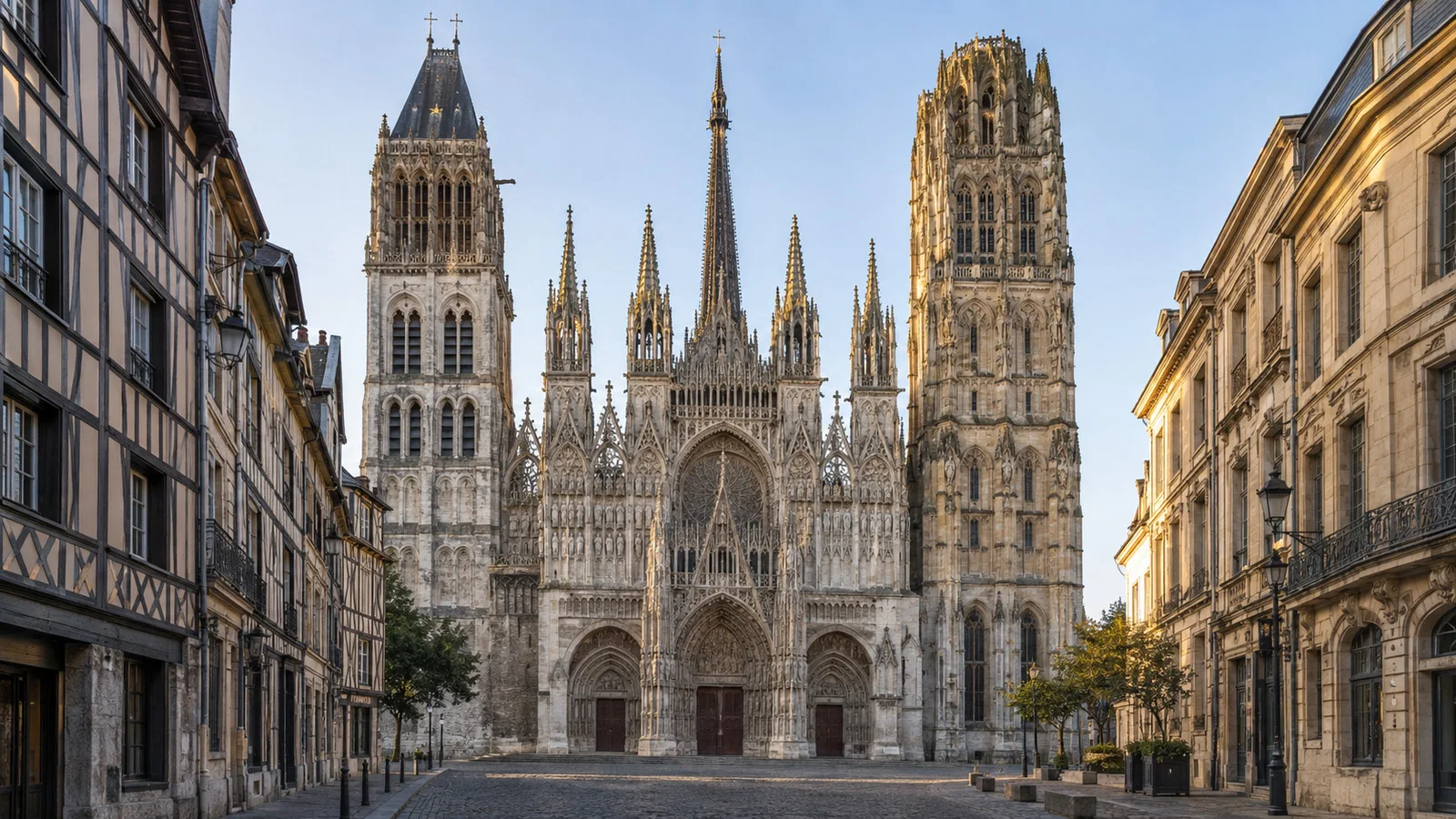
I’d head into the historic center toward the cathedral, include Rue du Gros-Horloge, and work in the old-market area if the pace allows. Give yourself permission to enjoy the streets instead of insisting that every memorable hour needs an admission ticket.
Choose one interior, then leave room for lunch and the inevitable “oh, let’s look down that street” detour. That’s the version of Rouen I’d recommend, not a row of timed bookings with a sandwich squeezed between them.
Remember the walk back to Rouen Rive Droite when choosing your last café. Your planned train should still leave another workable departure before the trip back to the ship becomes too tight.
Skip the rail outing if a long service gap, replacement buses, or a late arrival leaves only a rushed visit. Le Havre’s waterfront, Saint-Joseph’s Church, or MuMa can fill the day instead, without making your afternoon revolve around a departure board.
Yokohama to Tokyo: check your terminal before you get excited
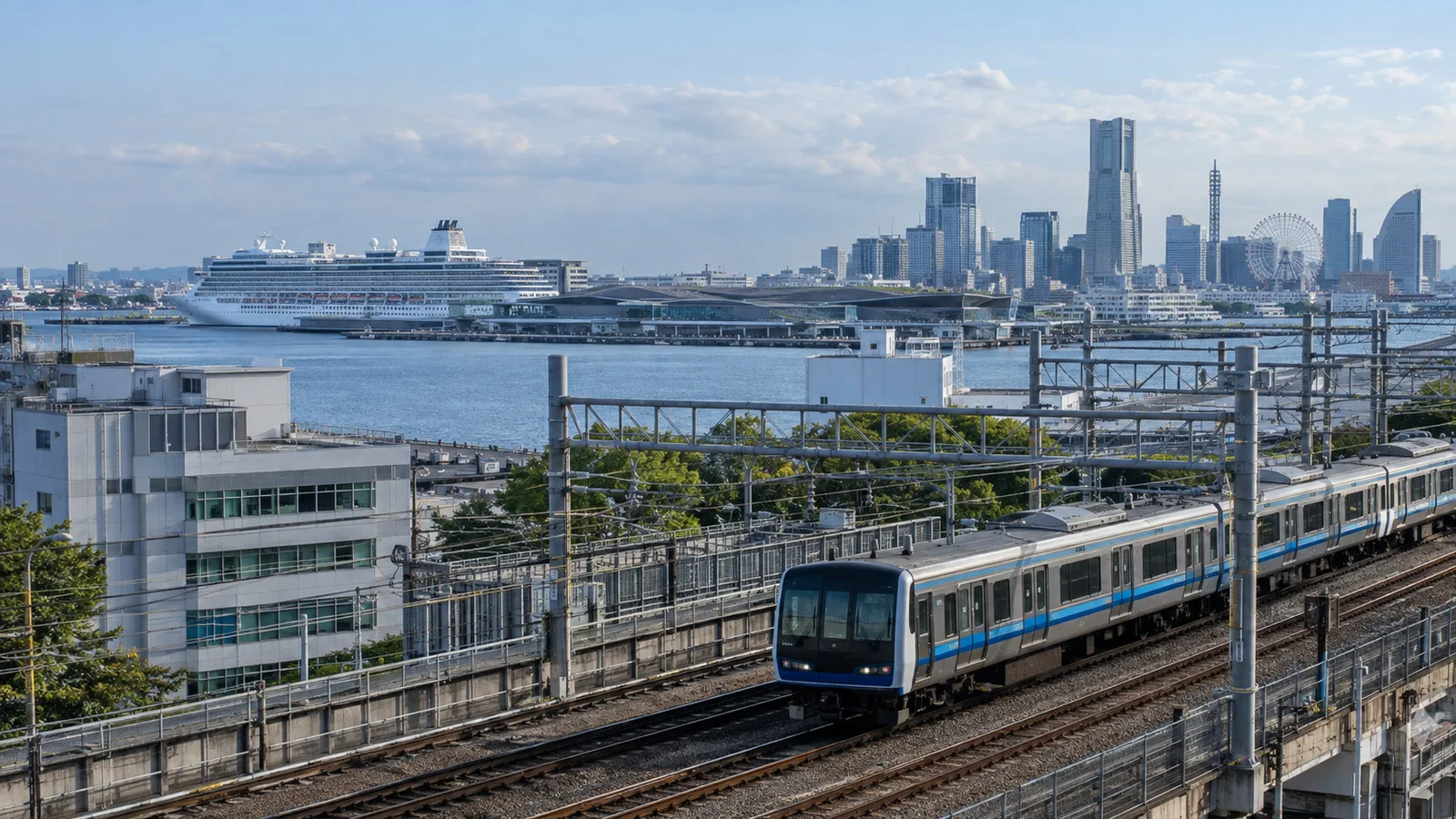
Tokyo can be a brilliant day out, but “Yokohama port” is not a detailed enough starting point. From Osanbashi, I’d want around eight usable hours and one focused Tokyo plan, with more time if clearance or mobility arrangements add steps.
The Osanbashi version
From Osanbashi’s terminal, it’s about a seven-minute walk to Exit 3 of Nihon-odori station. I’d allow longer from the gangway, especially when you’re meeting the station for the first time.
One straightforward route is the Minatomirai Line to Yokohama station, then a JR Tokaido Line train to Tokyo station. The Tokaido portion is about 25 minutes, but that is only the middle of your journey, not a gangway-to-Ginza magic trick.
Budget 60 to 90 minutes from Osanbashi to your first Tokyo stop, including the station walk, transfer, and arrival-station navigation. A slower stopping train or a different Tokyo neighborhood changes that estimate, so save the route you’ll actually use.
These urban rail corridors have frequent service, but save a specific outward route and several return options anyway. Line names, direction, and transfer station are your friends here, not the optimistic belief that everything vaguely heading toward Tokyo will do.
Price the Minatomirai and JR portions together, plus any Tokyo transit you actually plan to use. Do not assume a ticket or pass for one operator covers the whole trip, and I would not buy a national rail pass solely for this outing.
Choose one part of Tokyo
For a visit built around Tokyo station, I’d stick to the Marunouchi side and Ginza, with time to browse and eat. Tokyo is not a one-afternoon scavenger hunt, and you don’t need to collect five neighborhoods to have a wonderful day.
If Shibuya is your actual wish-list stop, plan a route to Shibuya rather than riding to Tokyo station because its name sounds like the obvious answer. Choose the neighborhood first, then the train, not the other way around.
Daikoku is a different proposition, not Osanbashi with a different name. It relies on road or bus access, so confirm your ship’s shuttle or taxi arrangements before borrowing any of the Osanbashi timing above.
If the transfer arrangements are unclear or the day is getting short, I’d stay in Yokohama. From Osanbashi, Chinatown, Yamashita Park, and the Red Brick Warehouse area are nearby alternatives, and you don’t have to leave a city to have a good city day.
Your return train gets first dibs on the schedule
Before you start pinning restaurants, write down the official all-aboard time, your earlier personal return target, and when you need to leave the last attraction. Those are three different times, not one wildly optimistic phone alarm.
For these independent city outings, I’d start with a target of being back aboard 90 to 120 minutes before all aboard, adding more margin when the route needs it. At a tender port, set an early return to the shore landing that also satisfies the ship’s last-tender instructions.
Work backward through the station walk, train ride, port transfer, and security process. Then test whether missing one departure still leaves a workable return, without casting a last-minute taxi as the hero of your vacation.
A later train helps when you miss one departure, but it doesn’t fix a line-wide closure. Check strikes, engineering work, and live service alerts before leaving the port; replacement buses belong in the revised travel time, not in the category of things we’ll worry about later.
The details of how early to return to the ship matter more than an extra half hour at the destination. Do not assume the ship will wait for an independently delayed train.
Check your ticket’s train category, date, passenger names where required, and any validation or activation step. “Regional” and “digital” are not secret code for “hop on anything whenever you like.”
Take a charged phone, saved station names, the ship’s port-agent contact, and a payment backup. Having both cash and card options ashore beats discovering a payment problem while your train is preparing to leave without you.
If anyone needs step-free access, check both stations, the correct platforms, assistance arrangements, and the port transfer before buying. A nearby station is only convenient when your whole group can actually use the route.
Quick answers
Which of these train day trips would I choose first?
Warnemünde to Rostock, provided the ship uses the Warnemünde cruise terminal and local services are running normally. The combination of nearby station access and a modest city plan makes it my least complicated starting point here.
Is taking the train always cheaper than a cruise excursion?
Not necessarily, especially once you add shuttles, taxis, local transit, and admission tickets for everyone. Compare the whole day with what the excursion includes, not one tempting headline train fare.
Should I reserve attractions before checking the trains?
Trains first, attractions second. Settle the full outward and return journey, then pick an entry time with room for the tender queue, shuttle wait, or station walk your port actually involves.
What changes if the ship arrives late?
Recalculate from when you can actually get off, not the lovely time printed on the original itinerary. If the city outing no longer fits, switch to the local alternative rather than treating the return cushion as spare sightseeing time.
Final word
I’d choose Rostock for the gentlest introduction, Rouen for a relaxed historic-city wander, and Rome when you’ve got the day to give it. Nice and Tokyo are lovely possibilities too, once you’ve sorted the tender or terminal details that make their timing work.
Choose somewhere you actually want to spend time, not somewhere you can technically reach before turning straight around. And when the transport math looks miserable, one of the ports you can enjoy on foot and a very long lunch gets my full approval.
How this guide was researched: Route logistics were checked against official port information, rail timetables, and destination visitor guidance, while the time allowances and trip recommendations are editorial judgments rather than transport guarantees. Confirm your berth, live services, ticket conditions, and onboard return instructions for your sailing; our Editorial Policy explains the research and corrections process.
More on this topic: browse every guide on port logistics and timing.