Why Your Alaska Cruise Stops in Victoria: The PVSA Explained
That short Victoria call on a round-trip Seattle cruise is often there because of US coastwise passenger law. The Passenger Vessel Services Act shapes where foreign-built or foreign-flagged cruise ships can carry passengers between US points.
My quick take
Most large cruise ships are not coastwise-qualified, so they cannot simply transport passengers between US points. A foreign call may make the itinerary lawful, but the kind of foreign port required depends on where the passenger boards and permanently leaves the ship.
Never plan to join late or leave early at a US port without written approval from the cruise line. A change can create a violation, and the line’s contract may make you responsible for the resulting charge.
The quick facts
- The law: The Passenger Vessel Services Act of 1886, at 46 U.S.C. 55103.
- What it does: Reserves passenger transport between US points for coastwise-qualified vessels.
- Why the odd stops: A non-coastwise-qualified ship returning passengers to the same US point generally needs a foreign call.
- The penalty: $996 per passenger as of September 2026, subject to inflation adjustments. A cruise line may pass the charge to the passenger under its ticket terms.
- Enforced by: US Customs and Border Protection.
What the law actually says
The PVSA is a cabotage law, meaning it reserves domestic passenger transportation for coastwise-qualified vessels. Customs and Border Protection explains that a non-coastwise-qualified vessel may not transport a passenger between US points unless an applicable itinerary rule is satisfied.
To be exempt, a ship must be coastwise-qualified, which broadly means US-built, US-owned, US-flagged, and US-crewed. Almost no large cruise ship meets that description.
CBP’s own compliance publication sets out the requirements in detail, including that the coastwise laws apply to US island territories and possessions as well as the mainland. It is a technical document and it is the authoritative one.
Why the odd stops exist
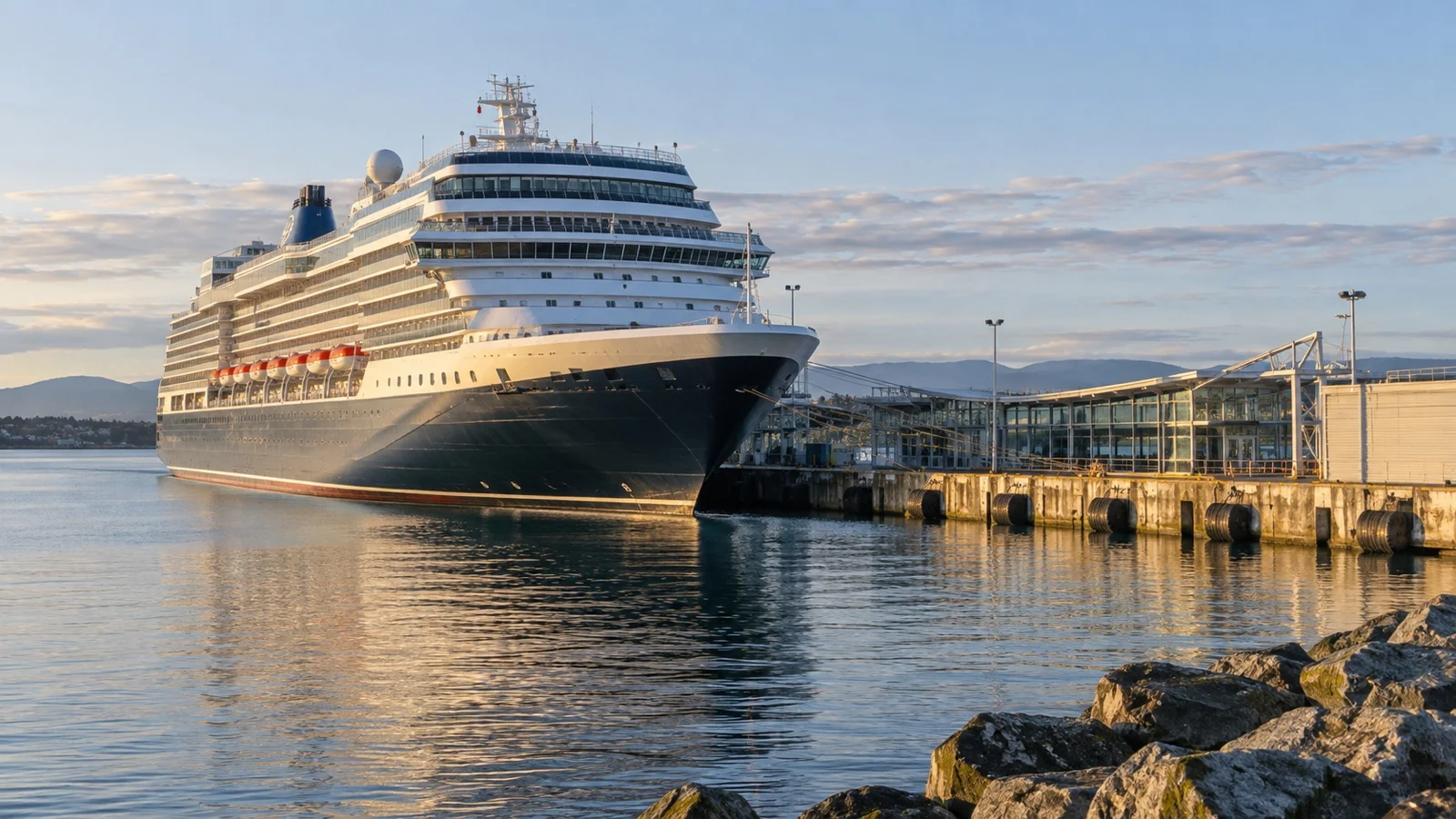
A cruise that starts and ends at the same US port on a non-coastwise-qualified ship generally needs a call at a foreign port. That is why Caribbean sailings from Florida often include Nassau and round-trip Alaska sailings from Seattle call in Canada.
A one-way cruise between two different US ports faces a stricter test, requiring a distant foreign port rather than a nearby one. That is why one-way Alaska sailings run between Seattle or Vancouver and an Alaskan port rather than between two US ports.
Once you know the rule, half the strange itineraries in North American cruising suddenly make sense. The late-evening Victoria call is compliance, not sightseeing.
The part that can cost you money
This is the only section of this guide with a practical consequence for a passenger. If you disembark permanently at a US port of call rather than completing the cruise, you may create a violation.
Carnival states this plainly: a guest who unexpectedly disembarks at a US port of call in a way that violates the PVSA may be responsible for the resulting penalty, listed as $996 per person in September 2026. The federal amount is adjusted periodically, so recheck it before travel.
The same guidance notes that guests who miss the ship at the homeport cannot simply join it at a later US port of call if doing so would breach the act. That is a real constraint on the recovery options in my guide to missing the ship at a port of call.
When people actually hit this
The usual scenario is someone wanting to leave a cruise early from a US port, often for a family reason or because they are unwell. It feels like a personal decision and it is legally a coastwise transportation question.
CBP may consider circumstances such as a medical emergency, but relief is not automatic. Tell guest services what is happening and let the line coordinate with CBP rather than simply walking off.
Keep medical or other supporting records and ask the line to document an unavoidable change. That gives the carrier what it needs if it requests mitigation from CBP.
The Hawaii exception
Hawaii is the clearest illustration of how binding the rule is. An inter-island Hawaii cruise moves passengers between US ports, so under normal rules a foreign-flagged ship could not do it without a foreign call.
Norwegian’s Pride of America operates as a US-flagged vessel with coastwise passenger privileges, so it can sail an inter-island itinerary without a foreign call. A ship being US-flagged is not by itself the whole legal test, so look for coastwise qualification rather than the flag alone.
Non-coastwise-qualified ships must structure Hawaii itineraries around the PVSA, often by starting or ending outside the United States or including a qualifying distant foreign port. That is why their routes look very different from Pride of America’s.
The PVSA is not the Jones Act
These two get conflated constantly, including by people who should know better. The Jones Act governs the movement of merchandise between US ports, and the PVSA governs the movement of passengers.
They rest on the same cabotage principle and they are separate statutes. If someone tells you the Jones Act is why your ship stops in Victoria, they mean the PVSA.
The distinction matters mainly for reading anything you find online about it. Sources that mix them up tend to be wrong about the details too.
What this means for your itinerary
- Short odd calls: Often compliance stops rather than destinations.
- One-way US itineraries: Usually start or end in Canada or Mexico for this reason.
- Leaving early: Talk to guest services first, always.
- Joining late: May be blocked at US ports of call entirely.
- Coastwise-qualified ships: May carry passengers between US points without the foreign-call structure required of most large cruise ships.
Coastwise-qualified small ships can run domestic itineraries that most large cruise ships cannot. My guide to small-ship cruising covers the practical tradeoffs of those vessels.
Making the compliance stop worth something
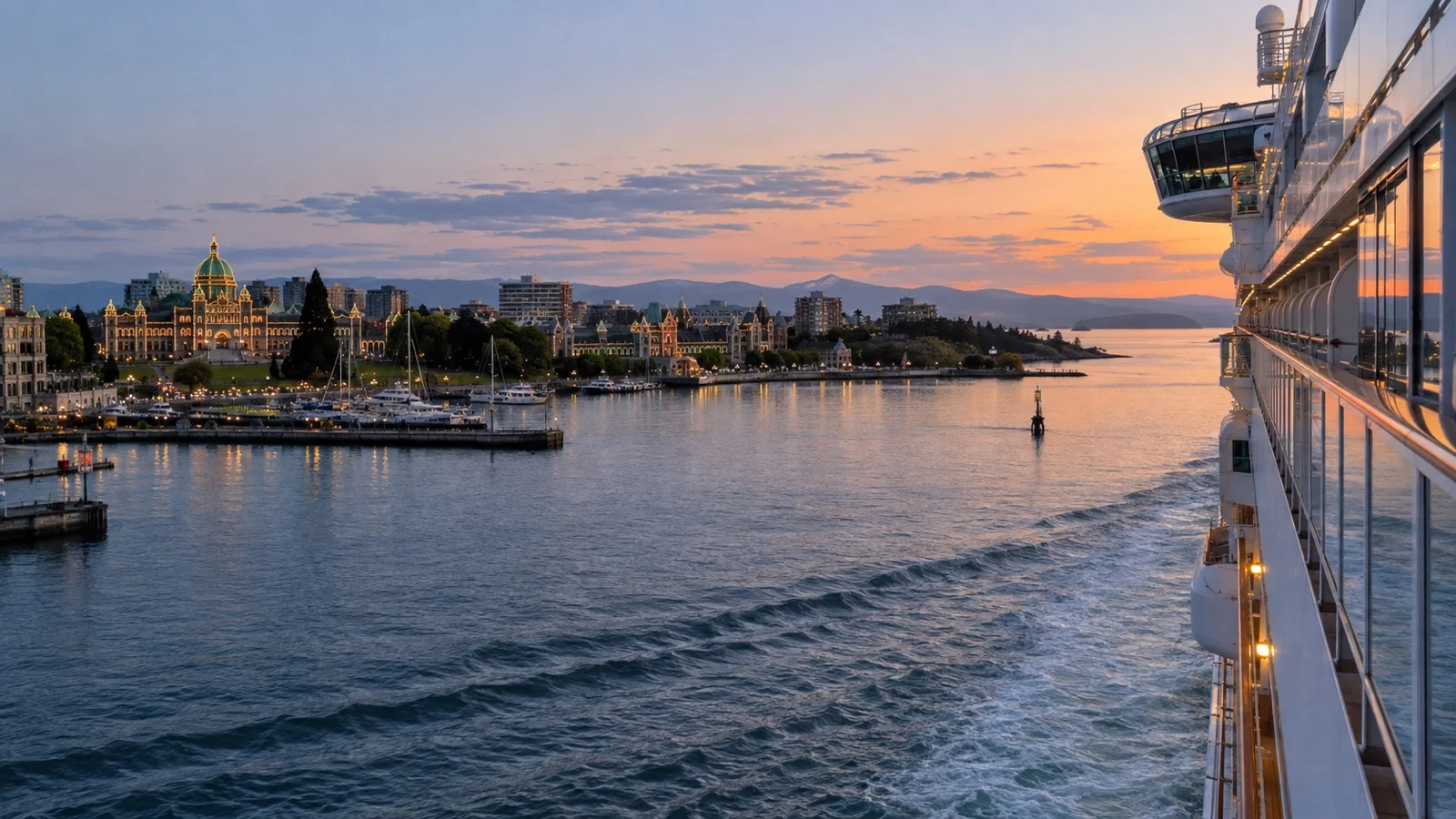
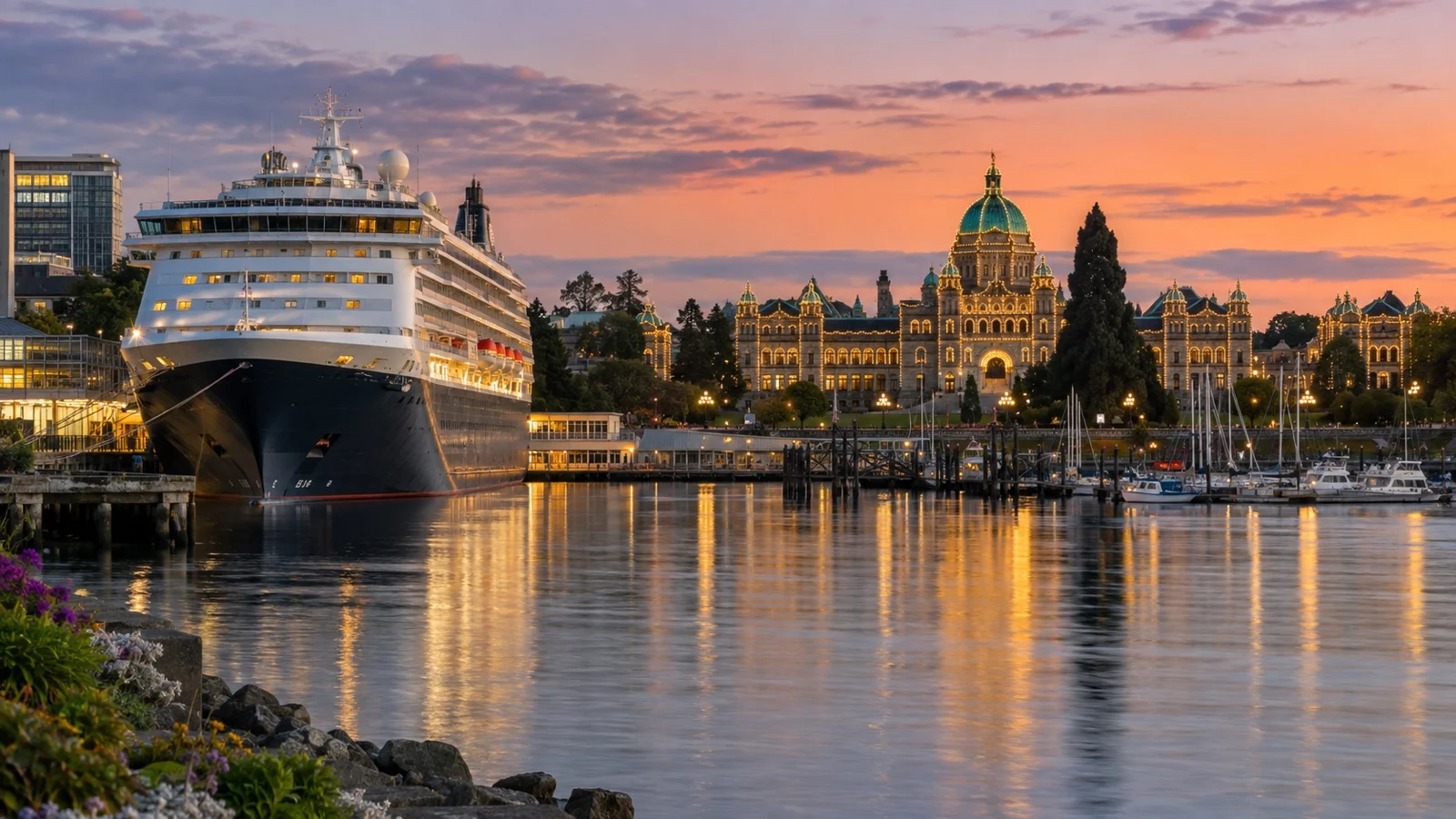
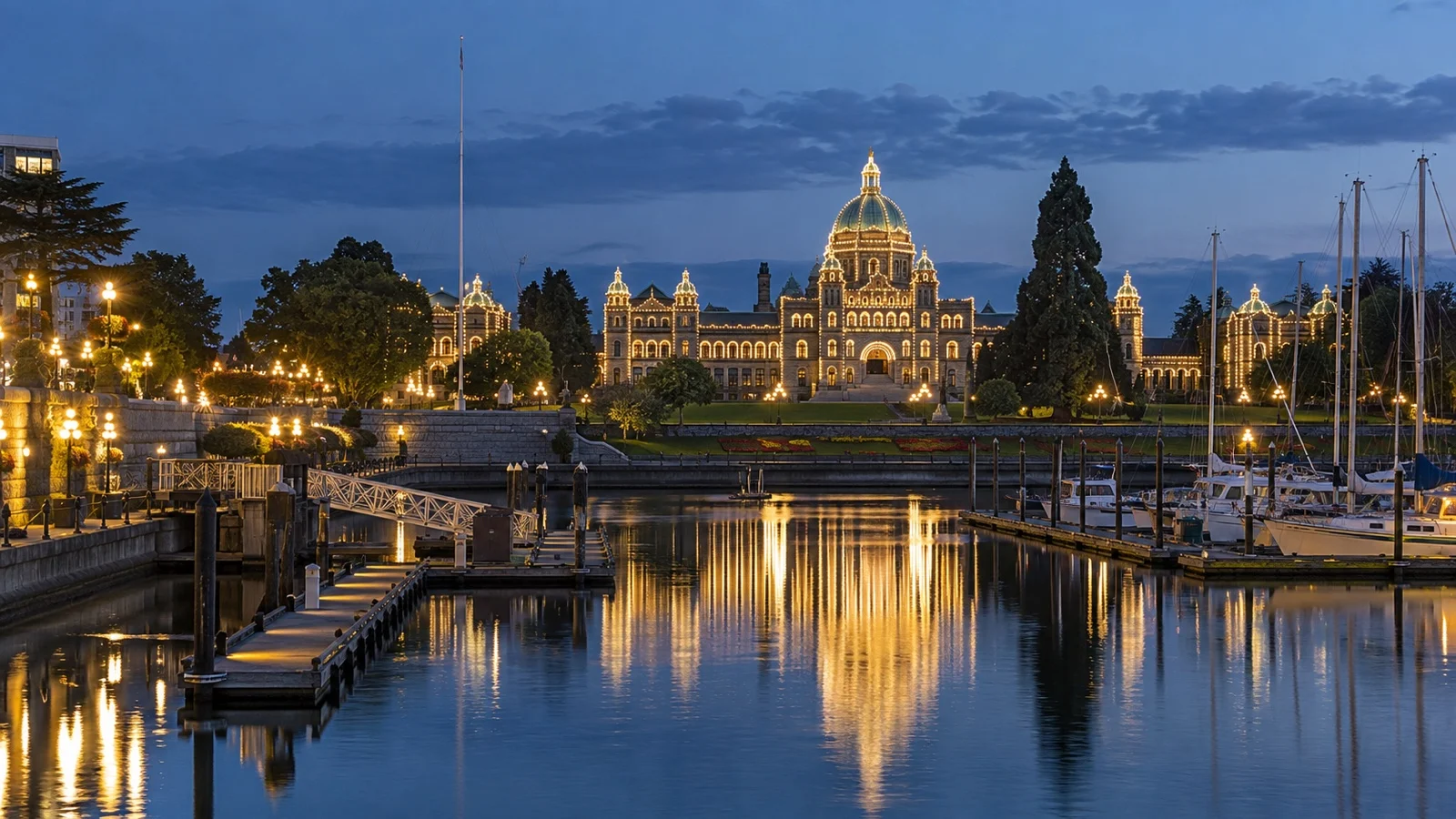
Victoria is a genuinely lovely city that most cruise passengers see for three hours in the dark. If you accept the constraint, you can still get something out of the evening.
Book something short and close to the terminal rather than attempting the whole city. The logic is the same as any late call, which my guide to overnight and evening port calls covers.
Or stay aboard with a nearly empty ship, which is a perfectly good use of a compliance stop. Nobody is obliged to go ashore for a legal technicality.
Where the 1886 date comes from
The act was passed to protect American shipbuilding and American maritime jobs at a time when that industry was a strategic national asset. The original penalty was $200 per passenger, which has been adjusted upward repeatedly since.
The rationale is contested today, with critics arguing it raises costs and limits itineraries while supporters point to domestic shipbuilding capacity and labor standards. Cruise passengers mostly encounter the argument as an inconvenient stop.
Repeal or reform proposals surface periodically and have not succeeded. Plan around the law as it is rather than as anyone wishes it were.
Nearby versus distant foreign ports
This distinction does most of the work in itinerary design. A nearby foreign port generally includes ports in North America, Central America, Bermuda, the Bahamas, and much of the Caribbean, and it can satisfy a voyage returning a passenger to the same US embarkation point.
A voyage carrying a passenger from one US point to a different US point generally needs a distant foreign port. CBP’s definition is technical and treats Aruba, Bonaire, and Curaçao differently from most nearby Caribbean ports, so let the cruise line confirm whether a proposed itinerary qualifies.
This is exactly why transatlantic and repositioning sailings can move you between continents but a Seattle to Juneau one-way cannot exist on a foreign-flagged ship. My guide to transatlantic crossings versus repositioning cruises covers those itinerary shapes.
Does it affect river cruises or ferries?
The PVSA is not limited to ocean cruise ships, and passenger ferries or small vessels can also face coastwise rules. Domestic river-cruise operators therefore use vessels qualified for US coastwise passenger service.
Mississippi, Columbia, and Great Lakes operators build and register their ships accordingly, which is a genuine reason those itineraries look different from ocean cruising. It also explains why they cost what they do.
Quick answers
Why does my Alaska cruise stop in Victoria?
Because the Passenger Vessel Services Act requires a foreign port call on a round-trip US itinerary aboard a foreign-flagged ship. Victoria is the convenient foreign port for Seattle sailings.
What is the penalty for violating the PVSA?
It is $996 per passenger as of September 2026 and is adjusted periodically for inflation. Check the current CBP or cruise-line figure and the ticket terms that may pass the charge to the passenger.
Can I leave my cruise early at a US port?
Not without checking. Doing so can create a violation, and lines state that the resulting fine is the guest’s responsibility, so speak to guest services first.
Is the PVSA the same as the Jones Act?
No. The Jones Act covers merchandise while the PVSA covers passengers, and although they share a principle they are separate laws.
Why can’t I take a one-way cruise between two US cities?
On a non-coastwise-qualified ship, carrying you between two different US points generally requires a distant foreign port, not just a nearby one. Many Alaska itineraries avoid that issue by beginning or ending in Vancouver, so one endpoint is outside the United States.
Final word
A law written in 1886 to protect American shipbuilding still shapes where your ship goes in 2026, and most passengers never learn why. It explains the strange stops, the itinerary shapes, and one genuinely expensive trap.
Never join late or leave early at a US port without the cruise line checking the exact passenger movement. Remember that the foreign call and whether it is nearby or distant are part of the legal route, not optional decoration.
How this guide was researched: This guide was checked in September 2026 against 46 U.S.C. 55103, US Customs and Border Protection guidance and its PVSA Informed Compliance Publication, and Carnival’s published passenger policy. This is general information, not legal advice, and current CBP and cruise-line instructions control; see our Editorial Policy.
More on this topic: browse every guide on port logistics and timing.