Transatlantic Crossing vs Repositioning Cruise: Not the Same Thing
A transatlantic crossing and a repositioning cruise can share an ocean but deliver very different trips. The first is a scheduled liner voyage, while the second moves a cruise ship between seasonal regions.
That difference shapes the ship, route, port calls, price, and motion. Choose for the kind of sea days you want, then price the one-way flight and entry paperwork before calling either option a bargain.
The quick take
If you want the ocean, book the crossing. If you want a bargain and a lot of days on a ship you already like, book the repositioning.
A common mistake is booking a repositioning voyage while expecting the rhythm of a direct crossing, then finding several itinerary days still feel tied to the ship’s former region. Repositioning fares can be attractive, but the route exists because the vessel is moving between seasonal deployments.
A westbound scheduled crossing can be easier on the body because clocks move back as the ship changes time zones. The New York approach may also include an early view of the Verrazzano-Narrows Bridge, subject to weather and arrival timing.
Price the one-way flight before booking either format. A low cruise fare can lose its advantage when air, hotel, transfer, and entry-document costs are added.
The quick facts
- What a crossing is: a scheduled point-to-point ocean liner voyage, usually emphasizing consecutive sea days between its endpoints. The route and time at sea are central to the trip.
- What a repositioning cruise is: a one-way voyage offered while a ship moves between seasonal deployments. It may include several ports before or after the longest ocean stretch.
- Who actually runs a scheduled crossing: in practice, Cunard with Queen Mary 2 between Southampton and New York. Other lines cross the Atlantic, but as repositioning voyages rather than a published liner service.
- Sea days: a classic direct Queen Mary 2 crossing is commonly seven nights with six full sea days, but Cunard also schedules longer variants and occasional added calls. Repositioning voyages often run roughly 12 to 16 nights with several ports and a longer unbroken ocean stretch.
- The seasonal calendar: Atlantic repositioning voyages commonly move west in fall and east in spring, but exact months vary by ship and deployment. Pacific and Australasian patterns follow their own regional seasons.
- Direction and clocks: westbound you gain an hour on most nights, eastbound you lose one. This is a bigger quality-of-life difference than it sounds over six consecutive nights.
- The airfare problem: these voyages are generally one-way, so airfare can materially change the total cost. Compare one-way, round-trip, open-jaw, points, and cruise-line air options for the exact dates.
Transatlantic crossing vs repositioning: the actual difference
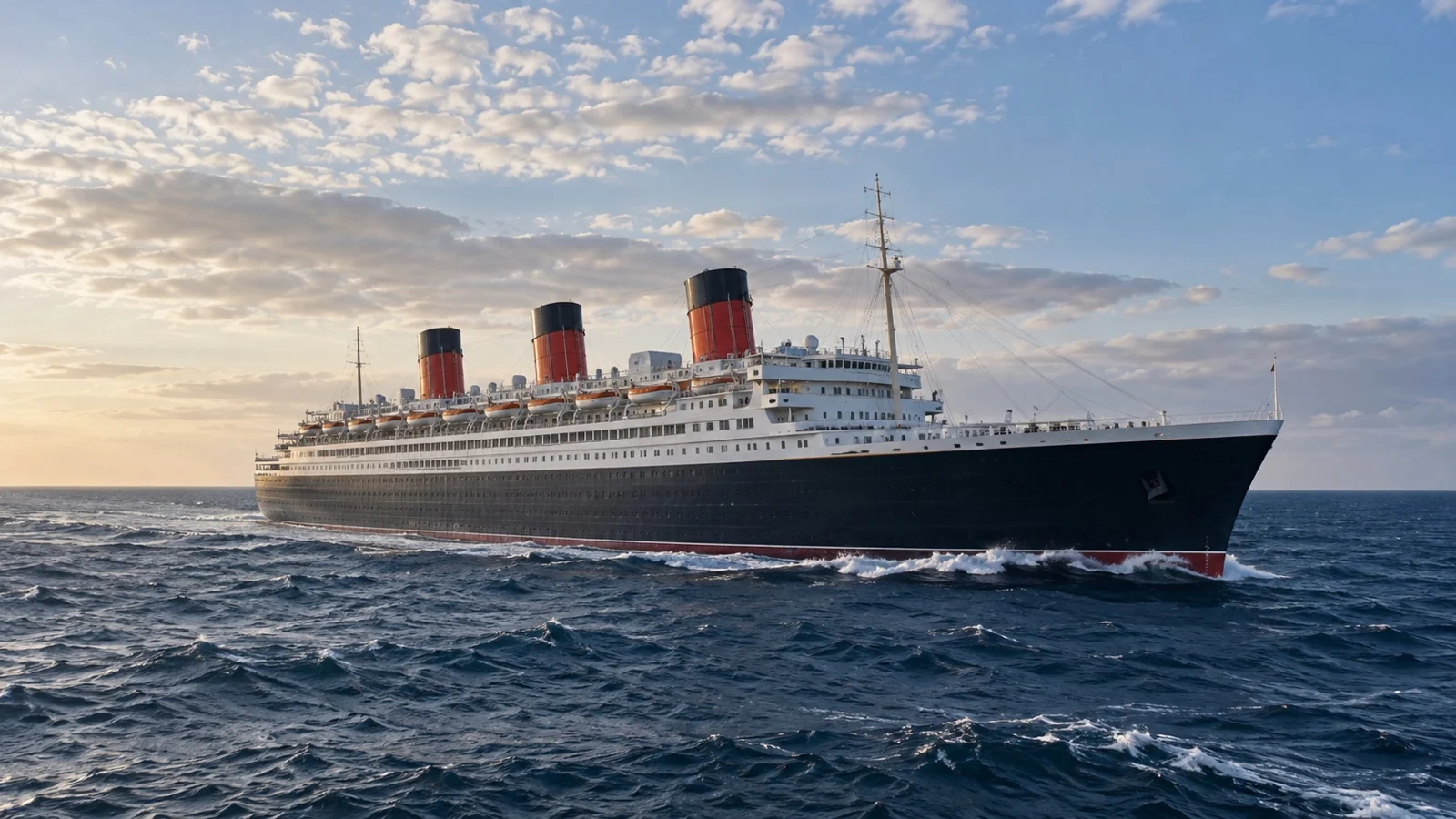
The difference is intent, and intent shapes everything else. A crossing exists to move people between two continents on a schedule, so the route is direct, the timings are fixed, and the ship is designed for the water it sits in.
A repositioning voyage exists because a hull that spent the summer in the Mediterranean has a winter contract in the Caribbean. Someone in revenue management then draws an itinerary that gets it there while touching enough interesting places to sell cabins.
The scheduled crossing does none of that. Cunard markets the Southampton to New York run as a seven-day voyage with no ports, which is precisely the point rather than an omission.
There is a hardware difference too. Queen Mary 2 was built as a liner, and Cunard’s own ship page lists her at 1,132 feet, with a speed of 28 knots, which is meaningfully faster than the low twenties most modern cruise ships cruise at.
The repositioning calendar, and why it is so predictable
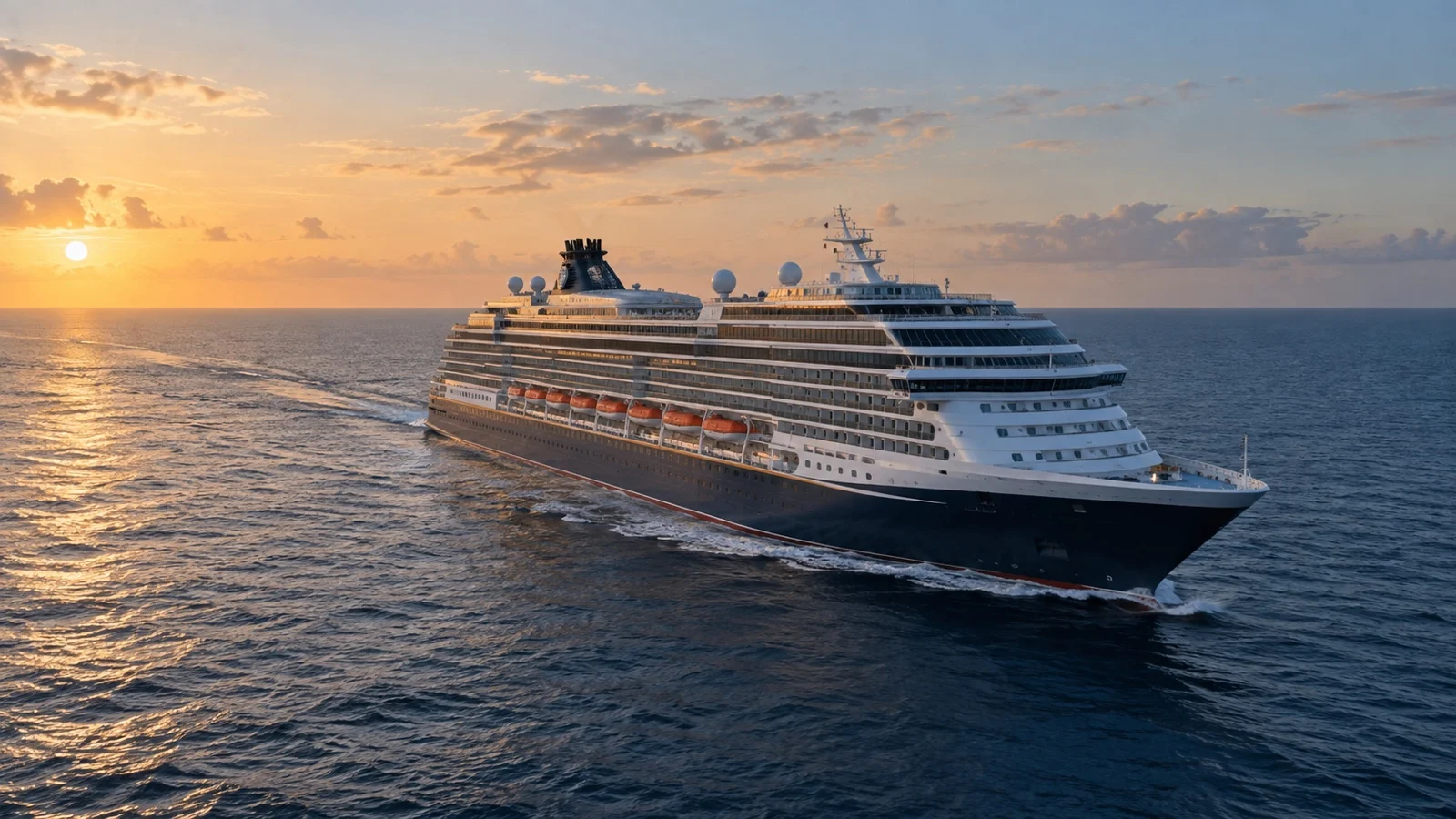
Cruise ships chase summer. That single fact generates the entire repositioning calendar, and once you see it you can predict when the cheap one-way fares appear.
Alaska does the same on the other coast. The state tourism office at Travel Alaska puts the season at roughly May to September, so the Pacific coastal runs down to California and Mexico cluster in late September and October.
This is why repositioning routes wander. A fall westbound run will often loop down through Madeira and the Canaries first, because the southern track is warmer and calmer.
Then there is the Panama Canal, which is a repositioning route disguised as a bucket list item. Plenty of ships crossing between the Caribbean and the Pacific in spring and fall are doing a delivery run that happens to include one of the better days at sea you will ever have.
Norwegian Cruise Line groups its repositioning sailings into transatlantic, transpacific, Pacific coastal, Panama Canal and Caribbean categories, which is a fair map of the whole genre. Most lines run some version of the same five.
Many ships return east and north in spring, but the exact month and route depend on each deployment. Eastbound travelers generally move clocks forward as time zones change, and early-season North Atlantic conditions can be unsettled.
Motion, weather, and what you will actually feel
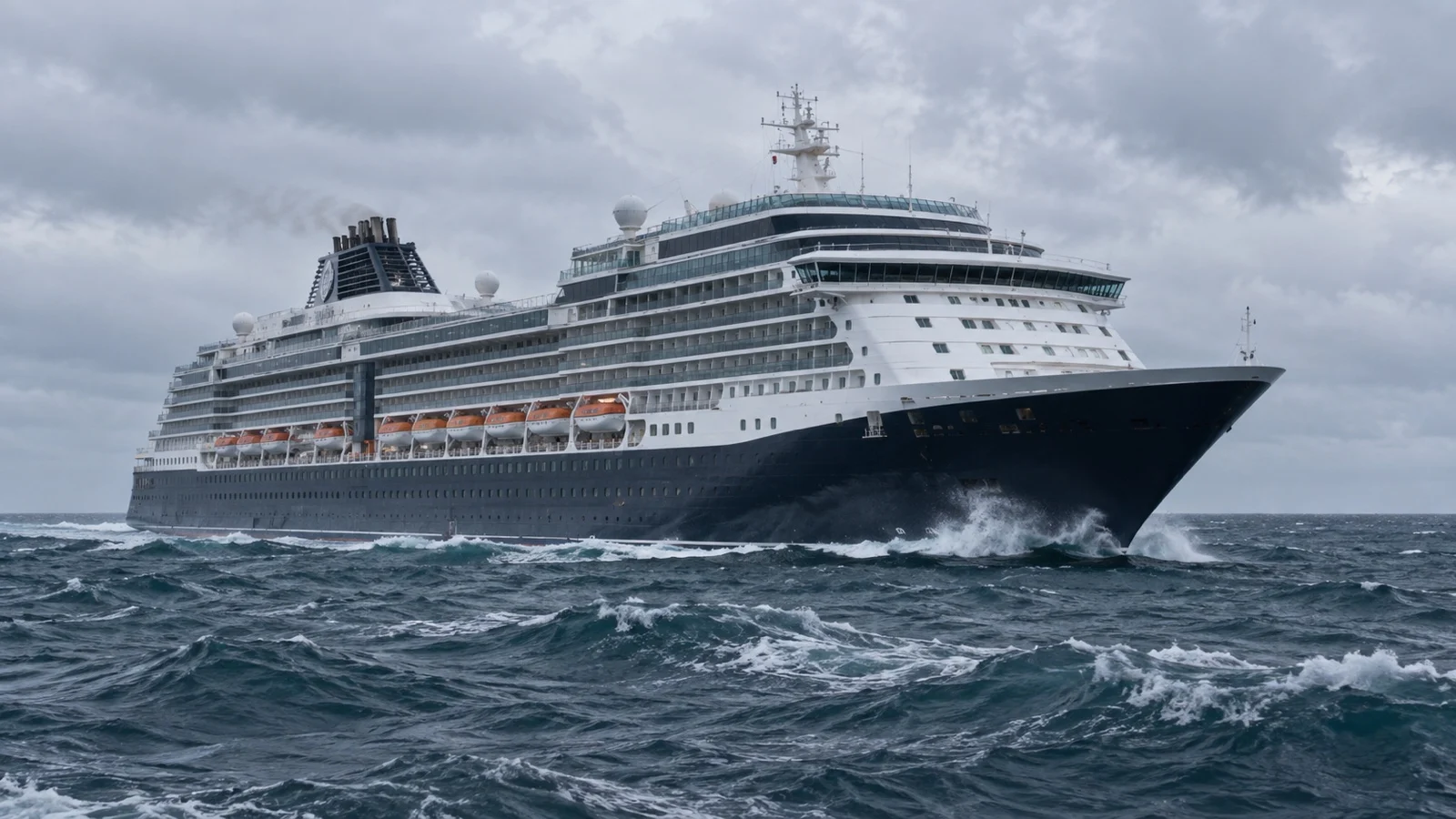
Motion can come from storms, wind waves, or a long Atlantic swell that persists for several days. Conditions vary by route, season, weather system, ship, and cabin location.
Queen Mary 2 was purpose-built for regular ocean crossings, while cruise ships are designed around different operating patterns. No ship eliminates motion, so travelers concerned about seasickness should compare route and season as well as ship design.
Season matters more than ship, though. Fall westbound repositioning voyages sit at the tail of the Atlantic hurricane season, which the National Hurricane Center defines as 1 June to 30 November, with peak activity between mid-August and mid-October.
Cruise lines monitor tropical systems and can change speed, route, or port calls for safety. A storm elsewhere in the Atlantic can therefore alter an itinerary even when the ship avoids the center.
A southern route via Madeira or the Canary Islands may avoid some higher-latitude conditions, but it is not guaranteed to be calm. Compare the dated route and forecast rather than treating latitude as a promise.
The economics nobody puts in the brochure
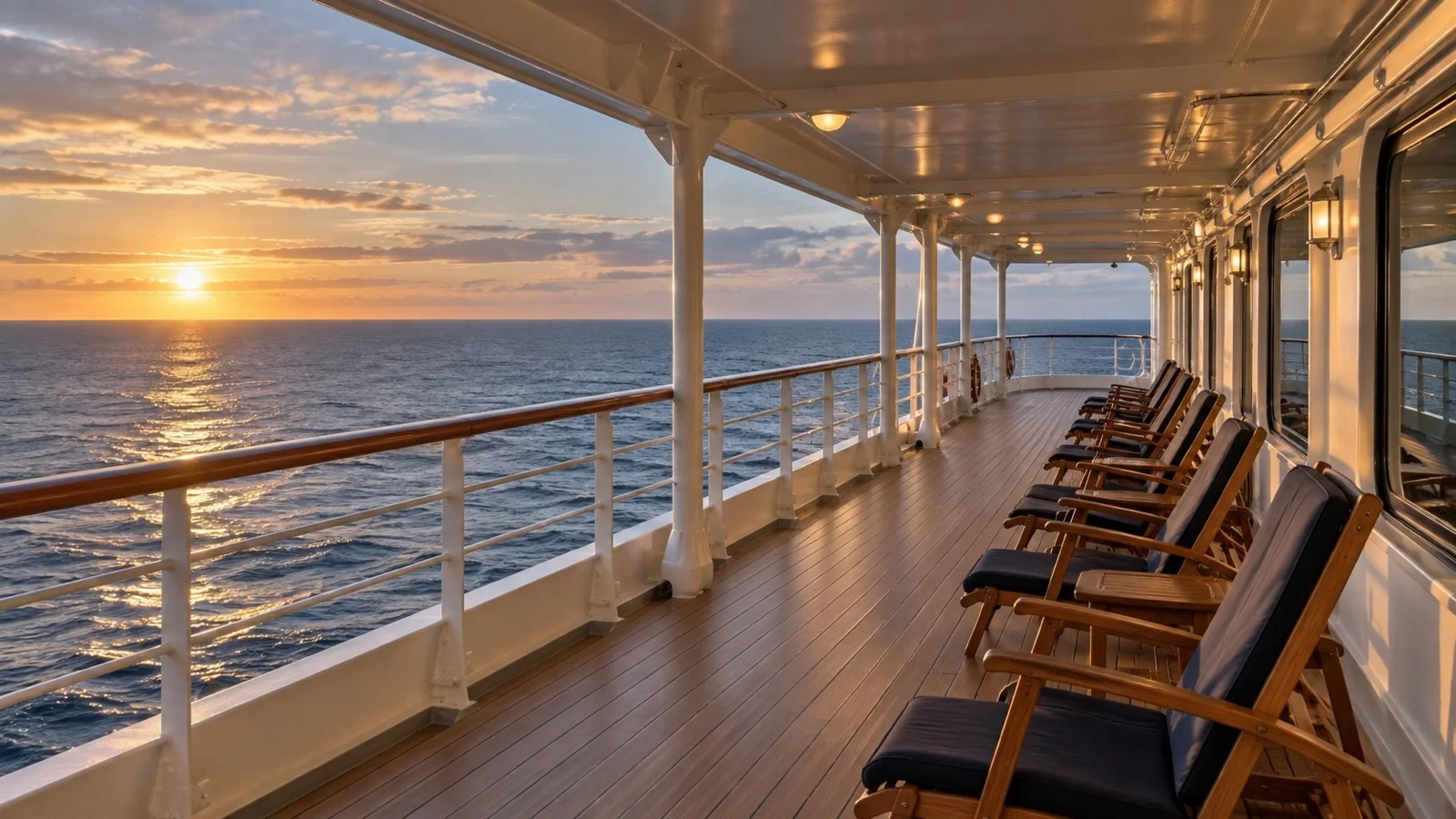
The headline fare on a repositioning voyage is often the cheapest per night a mainstream line publishes. That is real, and it is the honest reason the format exists for passengers.
Then the one-way flight lands on the total. A single long-haul ticket can erase the cruise-fare saving, so compare two one-way tickets, a round trip, an open-jaw itinerary, points, and the cruise line’s air program on the exact dates.
Solo travelers get hit twice. These voyages are long, so the single supplement applies to more nights, and the cheap headline fare is quoted per person on double occupancy as usual.
Sea-day-heavy voyages can increase onboard spending because there are fewer hours ashore. Price drinks, specialty dining, internet, gratuities, and activities against your likely use rather than assuming a package will save money.
The counter-move is to look for the studio cabins and reduced supplements that some lines release on repositioning sailings specifically because the ship would otherwise sail with empty inventory. These come and go, so check with your line rather than assuming.
Routes worth comparing
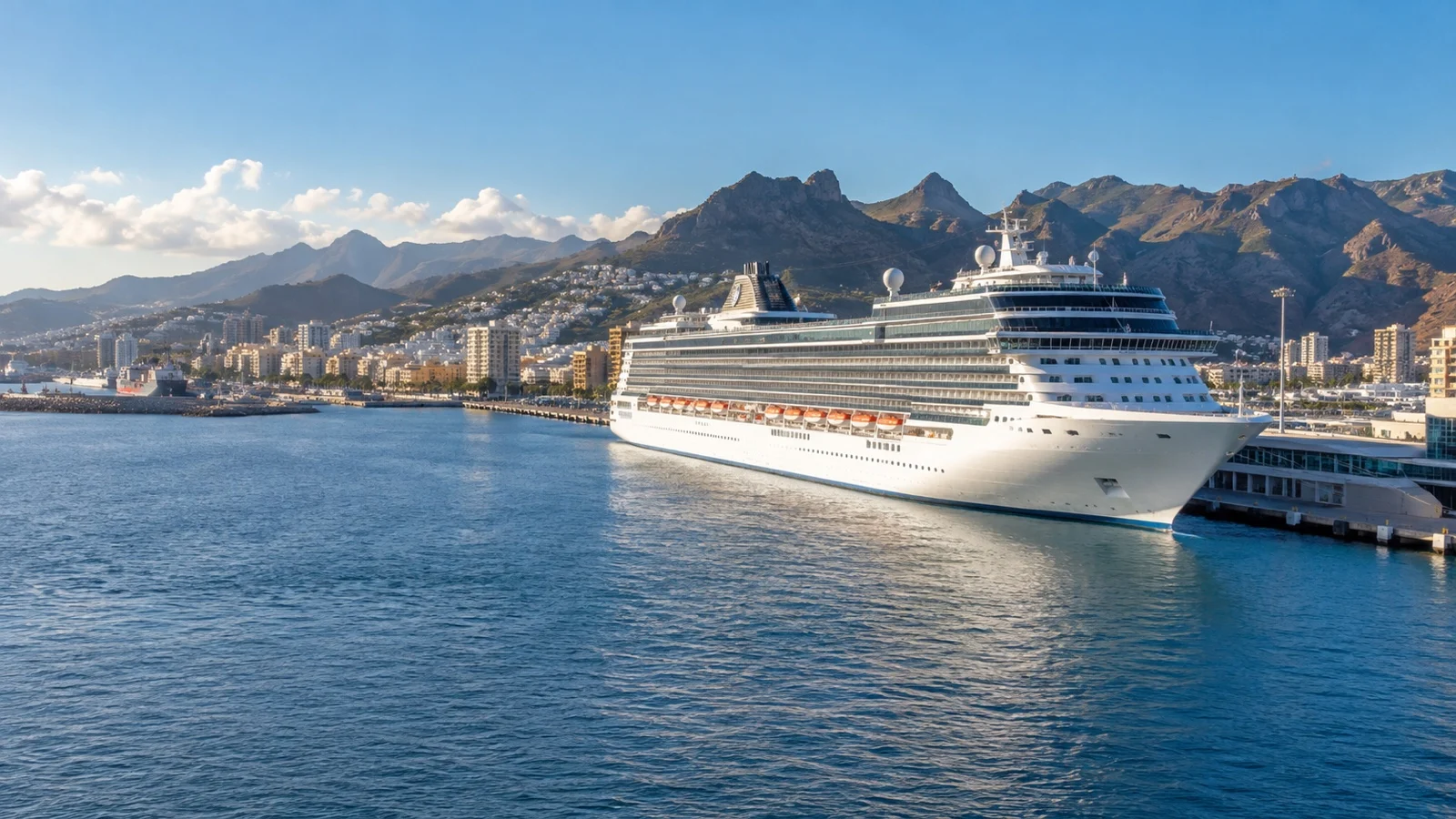
These are recurring patterns rather than specific sailings, since dates and ports change every year. Compare each dated itinerary on its own merits.
- Southampton to New York, westbound: the scheduled Cunard crossing, usually built around consecutive sea days with no intermediate port on the classic direct itinerary. You gain an hour most nights and arrive into the best harbor approach on the route.
- New York to Southampton, eastbound: the same core route in reverse, and a harder sell. You lose an hour a night and arrive into a working commercial port rather than a skyline.
- Mediterranean to Florida via Madeira and the Canaries: the classic fall repositioning route, usually 13 to 16 nights. Warm, comparatively calm, and the cheapest way to spend two weeks on a big ship.
- Panama Canal transits: repositioning voyages that earn their keep on one spectacular day. Read the itinerary carefully, because a partial transit turns around in Gatun Lake rather than crossing.
- World cruise segments: not strictly repositioning, but sold one-way with a similar sea day count. Worth pricing alongside, because the onboard crowd is very different.
Fun fact: on a westbound crossing you get six-days that are 25 hours long, because Cunard notes that guests gain an hour a day over a six-day period heading west, and lose one a day heading east. It is the only travel format where the direction you book buys you an extra six hours of life.
How to decide
Start with the question of what you want from the sea days, because that is what you are buying in both cases. If the answer is lectures, a library, a planetarium and a dress code, the crossing is the only real answer.
If the answer is a big ship with waterslides and a comedy club at a low nightly rate, take the repositioning voyage and stop overthinking it. Both are legitimate; they are just different products.
Then price the one-way flight before anything else, on the actual dates, and add it to the fare. That number decides more of these bookings than the brochure does.
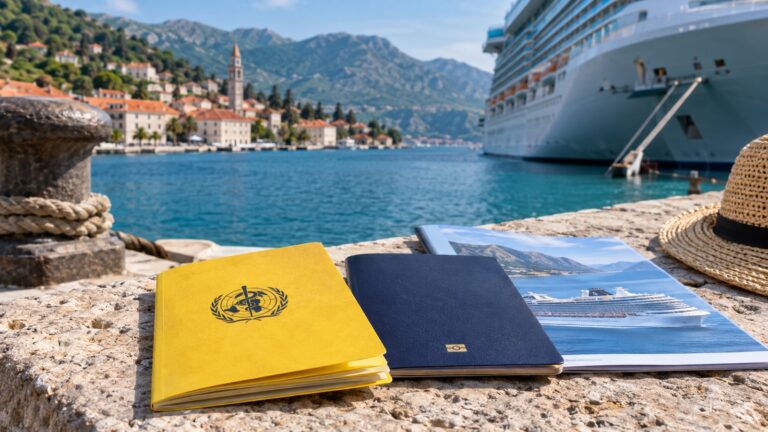
Check entry permission for both ends using your passport, not someone else’s experience. Visa-waiver travelers may need a UK ETA for Southampton and an ESTA for the United States, while other nationalities need different visas.
Finally, count the unbroken ocean stretch rather than the total sea days. Six straight days at sea is a very different experience from ten sea days broken up by four islands, and only one of those tells you whether you like open ocean.
A realistic word on accessibility
A direct crossing can remove many port-day barriers because it may have no tenders, bus transfers, or cobbled walking routes. Repositioning cruises often include ports, so their accessibility depends on the specific berths and excursions.
The complication is motion. Persistent swell makes a wheelchair or a rolling walker genuinely harder to control in corridors, and handrails on a moving deck are not optional equipment.
Ship design affects motion, but conditions and individual needs still matter. A lower-deck cabin near midships often reduces perceived movement, subject to the ship’s accessible-cabin locations.
The other honest problem is distance from a hospital. Check that your insurance covers repatriation at sea rather than just from a port.
When to go, and the weather
Cunard schedules crossings across much of the year, but no month guarantees calm water. July and August North Atlantic air temperatures sit around 59 to 68 Fahrenheit, and the deck is usable but rarely warm.
Late fall crossings are cheaper and rougher. November and December can bring roughly 46 to 54 Fahrenheit, plus a swell that keeps the outer decks closed for a day or two.
The southern repositioning route is the warm option, and Madeira and the Canaries in late October sit comfortably around 73 to 77 Fahrenheit. That is the version to book if you want to sit outside.
Spring eastbound is the hardest sell of the lot. March and April in the mid-Atlantic are cold, gray and lively, and you lose an hour a night on top of it.
Quick answers
Is a transatlantic crossing the same as a repositioning cruise?
No.
A crossing is a scheduled liner service on a fixed route, while a repositioning cruise is a one-way voyage created because the ship has to move between seasons anyway.
How many sea days will I have?
A classic direct Queen Mary 2 crossing usually gives you six consecutive full sea days, but dated voyages can be longer or include another call.
Repositioning voyages usually run 12 to 16 nights with several island calls and one long ocean stretch in the middle.
Why are repositioning cruises so cheap?
Because the ship is moving regardless and the line would rather sell the cabins at a low rate than sail empty.
The saving usually reappears as a one-way long-haul airfare.
Will I get seasick crossing the Atlantic?
You might, and the honest answer depends more on the season and the hull than on you.
A purpose-built liner in summer is a very different ride from a tall cruise ship in March.
Which direction should I book?
Westbound, if you have the choice.
Gaining an hour on six consecutive nights leaves you far fresher than losing one, and jet lag on arrival is much milder.
The last word
Both formats are good, and they are good at different things. The failure mode is buying one while expecting the other, which is entirely avoidable if you read the itinerary rather than the price.
If the crossing is what you want, the practical planning happens at the two ends rather than at sea. The guides to Southampton and the New York cruise terminals cover the bits that actually go wrong, which is almost always ground transport rather than the ship.
If you are drawn to the repositioning side, look at where the wandering route actually calls before you commit. The Azores turn up on a lot of these itineraries and are a genuinely good reason to pick one sailing over another.
And if the appeal is really just a long one-way voyage, widen the net to a Panama Canal transit or a world cruise segment before you book. The ocean does not care which brochure you found it in.
How this guide was researched: No firsthand transatlantic crossing or repositioning cruise is claimed. Crossing schedules and Queen Mary 2 details were checked against Cunard, repositioning categories against Norwegian Cruise Line, season dates against Travel Alaska, and storm season against the NOAA National Hurricane Center.
Logistics and time-sensitive details were reviewed on September 12, 2026. See our Editorial Policy.
More on this topic: browse every guide on choosing a cruise.