Transatlantic Eastbound or Westbound: Which Crossing to Book
Two ships cross the same ocean in the same week, one gaining an hour on five nights and the other losing one. Same cabin, same food, same sea, and the direction you book decides how you feel when you walk off.
My quick take
If you are choosing purely on how the vacation feels, book westbound in the fall. You gain hours instead of losing them, the southern routing runs warm, and you land back home already on your own clock.
Eastbound in spring is the cheaper, more awkward twin. It puts you in Europe with a ready made trip on the other side, and it charges you five or six lost hours plus a one way flight home in the worst month to buy one.
The quick facts
- Clock direction: Eastbound loses an hour on most nights at sea, westbound gains one.
- Season: Ships mostly move east in spring and west in fall, so direction and month come as a package.
- Two routings: The northern line runs by the Azores, the southern line by Madeira and the Canaries.
- Flights: Each direction leaves you buying a one way ticket at the opposite end of the trip.
- Sea days: Expect six or seven consecutive days without land on almost any version.
What eastbound and westbound actually mean on a cruise calendar
Direction is not really a choice you make in isolation. Ships spend summer in Europe and winter in the Caribbean, so eastbound sailings cluster in March, April and May, and westbound sailings cluster in October, November and early December.
That means picking a direction also picks your month, your weather, and roughly what the fare will be. The exception is the scheduled Cunard service between New York and Southampton, which runs both ways through much of the year on a seven night pattern.
Everything else is a repositioning voyage, which is a ship being moved with paying passengers along for the ride. My guide to the difference between a scheduled crossing and a repositioning cruise goes deeper, and the distinction matters more than most people expect when they book.
The clock is the whole argument
New York to Southampton is five hours of time zone. Florida to Barcelona is six.
The ship spreads those hours across the sea days, usually one per night, sometimes announced at dinner and sometimes only in the daily program. Eastbound, that is five or six nights where you go to bed and the clock steals an hour on the way.
Westbound, the same crossing hands you an extra hour on most nights. It sounds like a small thing on paper and it is not.
By day four eastbound you are quietly tired and cannot say why. By day four westbound you are sleeping in and feeling smug about it.
This is the part people never think about when they compare itineraries side by side. Both look like twelve nights with the same ports, and only one arrives with you functioning.
The extra hour nobody counts
Daylight saving stacks on top of the time zones, and it stacks in your favor westbound. In the United States, clocks fall back on the first Sunday in November, and Europe drops back a week earlier at the end of October.
A westbound crossing in that window can pick up a bonus hour on top of the zone changes. A spring eastbound crossing does the opposite and adds one more lost hour to a trip that is already taking them from you nightly.
I check the changeover dates against the sailing dates before I book. It is a free hour, it takes two minutes to find, and nobody at the cruise line will mention it.
Where the seas actually get you
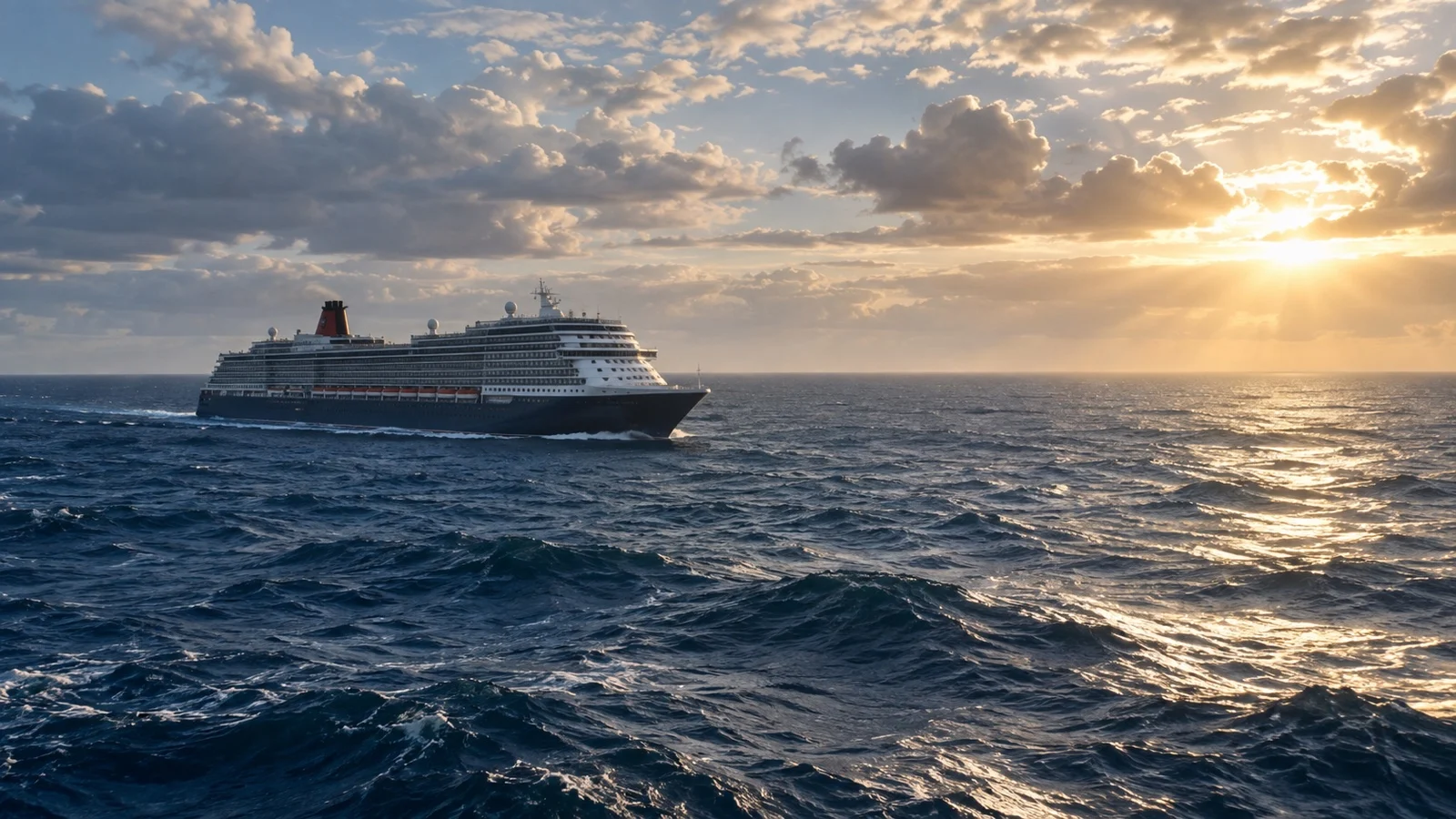
Here is the honest version, because the marketing version is nonsense. The North Atlantic in the mid latitudes runs on prevailing westerly winds, so a northern crossing heading east often has the weather behind it and a northern crossing heading west is pushing into it.
The calm you hear about on fall westbound sailings is not really a direction effect. It comes from the routing, because most fall westbound ships drop south and run the warm line where the easterly trade winds sit below about 30 degrees north, which puts the wind and swell behind you the whole way.
So westbound is calmer in practice, most of the time, because of where it goes rather than which way it points. A November westbound on the northern line can still be a genuinely rough week.
If you are motion sensitive, book low and midship and stop reading brochures. Where the cabin sits does more for you than the direction does, and choosing a cabin for motion rather than view is the single change I would make first.
The northern routing through the Azores
The northern line runs roughly between the northeast United States or Canada and the United Kingdom or northern Europe. Some sailings go the whole way without land, and plenty of the non Cunard ones break the ocean stretch with a call at Ponta Delgada in the Azores.
That call is worth having. The ship ties up walking distance from the old town, so you get a real half day ashore without an excursion, and the Ponta Delgada port guide covers what is actually reachable in the time you get.
The Azores also sit in their own time zone, one hour behind mainland Portugal. Eastbound that gives you a staged change instead of a wall of them, which is a small mercy on a route that does not offer many.
Expect cooler, changeable weather on this line in both seasons. Air temperatures in the 50s Fahrenheit (10 to 15 C) with wind are normal in spring and fall, and the pool deck is decoration rather than a plan.
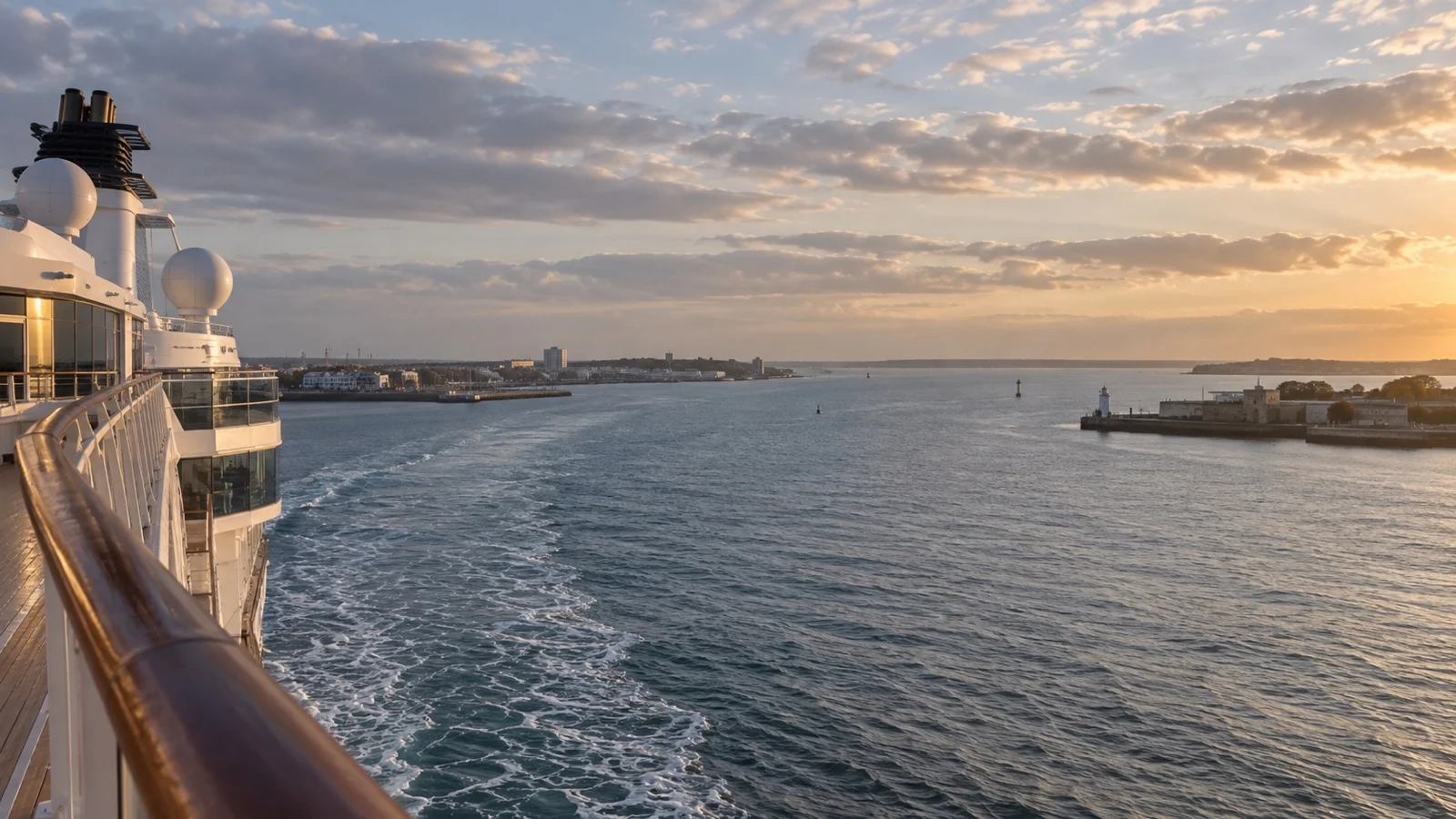
The southern routing through Madeira and the Canaries
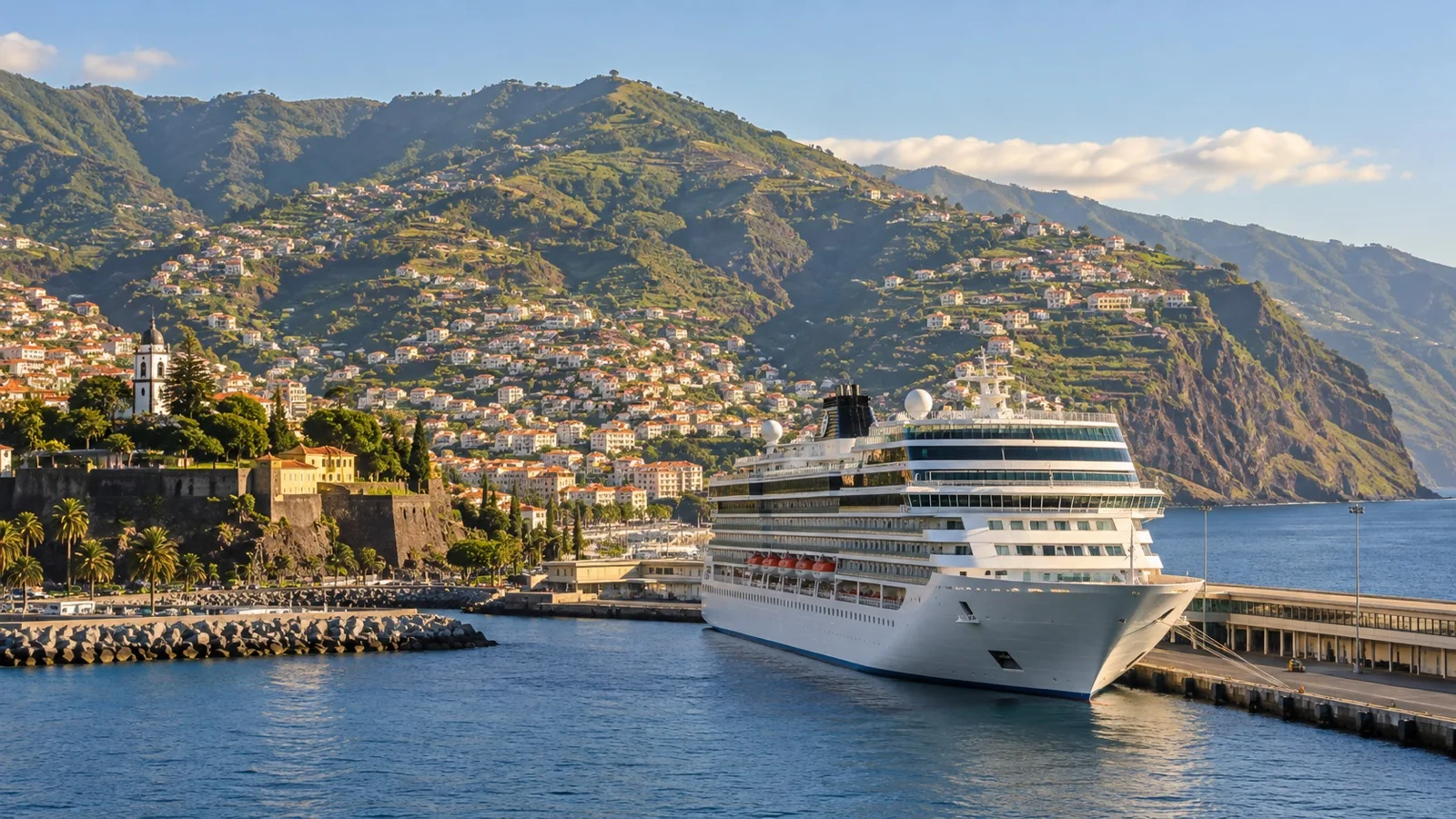
The southern line runs between the Mediterranean or Iberia and Florida or the eastern Caribbean. It is usually the longer product, commonly around twelve to sixteen nights, and it front loads the ports before the long ocean stretch.
The classic shape westbound is a run down the Iberian coast, then Funchal, then one or two Canary Islands, then five or six days of open water into the Caribbean. Eastbound reverses it, so the ocean comes first and the islands arrive when you are already tired.
That ordering matters more than it sounds. Westbound you get warm easy port days while you are fresh and then a stretch of sea days you have earned, and eastbound you spend the first week staring at water before anything happens.
Both of the island stops are genuinely walkable, which is unusual for a repositioning itinerary. Funchal puts you a flat ten to fifteen minutes from the old town, and Santa Cruz de Tenerife is about 1.25 miles (2 km) of level promenade from the center.
The flight cost sits on the opposite end each way
Every transatlantic cruise leaves you buying a one way plane ticket. The only question is which end, and which season that end falls in.
Sail westbound in the fall and you buy a one way flight out to Europe in October or November, which is the quiet end of the transatlantic year. Sail eastbound in the spring and you buy a one way flight home from Europe in April or May, which is when fares start climbing toward summer.
One way transatlantic tickets are rarely half of a round trip and are often much more, so this is not a rounding error. I price the flight before I put down a deposit, in the same sitting, because the cheaper cruise fare is frequently the more expensive trip.
There is a second trick worth knowing. If you already want a land trip in Europe, an eastbound crossing plus a return flight can beat flying both ways, and my breakdown of what an open jaw cruise actually costs walks through how to compare them honestly.
What you arrive into
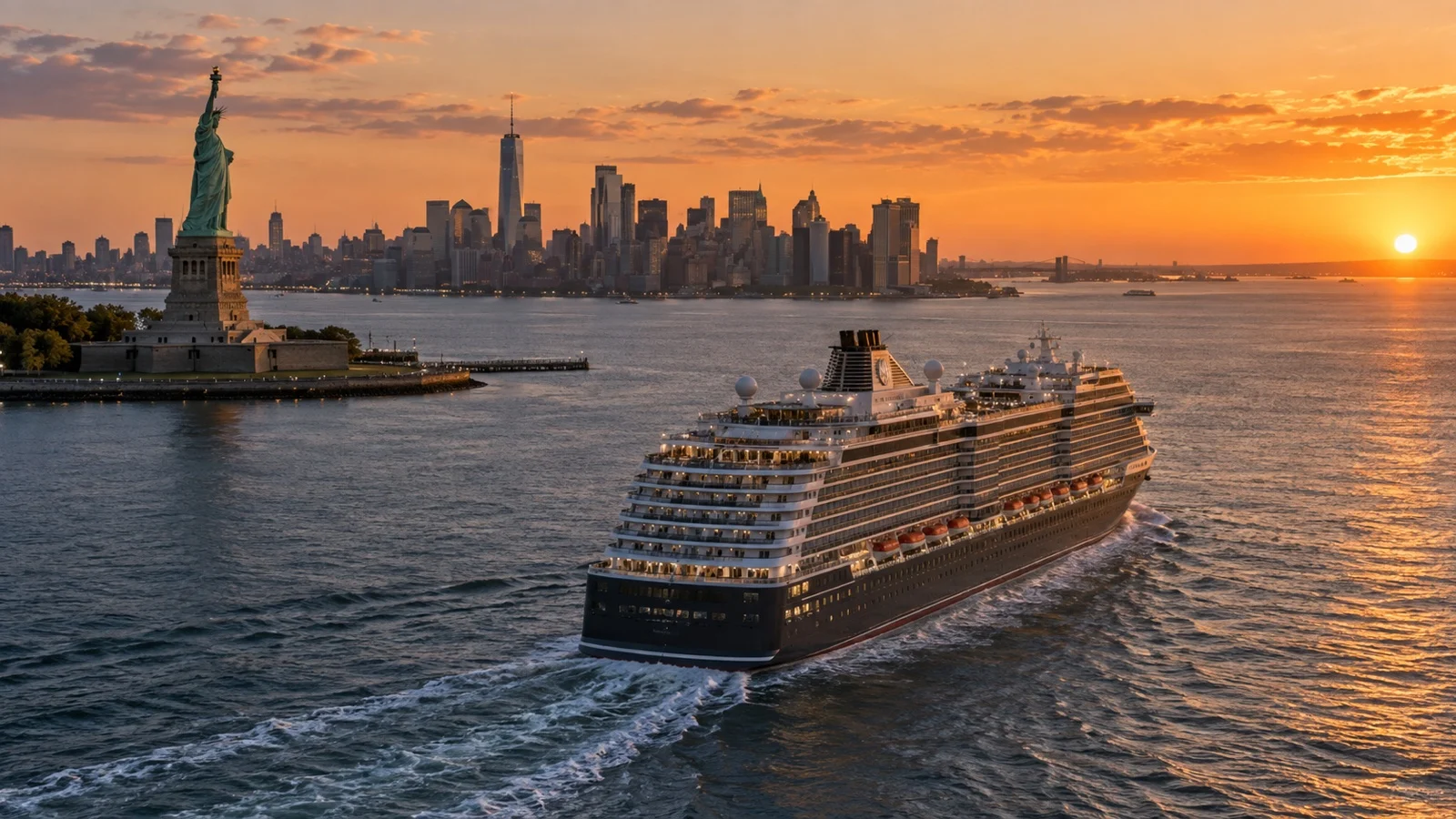
Arrivals are not equal and the brochures know it. Sailing into New York at dawn past the Verrazzano bridge and the Statue of Liberty is a genuine event, and people set alarms for it.
Eastbound you usually arrive into a working commercial port, whether that is Southampton, Barcelona or Civitavecchia. They are efficient and completely unromantic, and you will be in a taxi line before you have finished your coffee.
If the arrival is part of why you want to do this, that is a real argument for westbound. It is the only part of the trip that is genuinely better in one direction for reasons that have nothing to do with logistics.
Paperwork lands on different ends too
Eastbound puts the entry requirements at the finish line, when you are tired and five hours out of sync. Americans arriving into the United Kingdom now generally need an electronic travel authorization before they travel, and European Union entry rules for visitors keep shifting.
Westbound the paperwork is mostly done before you fly out, which is the easier order to do it in. Either way, carry a passport book rather than a card, since the official advice for cruise passengers is to be able to fly home from anywhere on short notice.
Fares are not symmetrical either
Eastbound spring crossings are usually the cheapest thing on the board. They are a hard sell, they land in cold gray weather, and lines discount them accordingly.
Fall westbound sails better because the routing is warm and the arrival is home, so the discount is real but smaller. Both directions are still cheap per night against almost anything else on the same ship.
Watch the calendar edges westbound. Late November and December sailings on the northern line go cheap for a reason, and the reason is the weather.
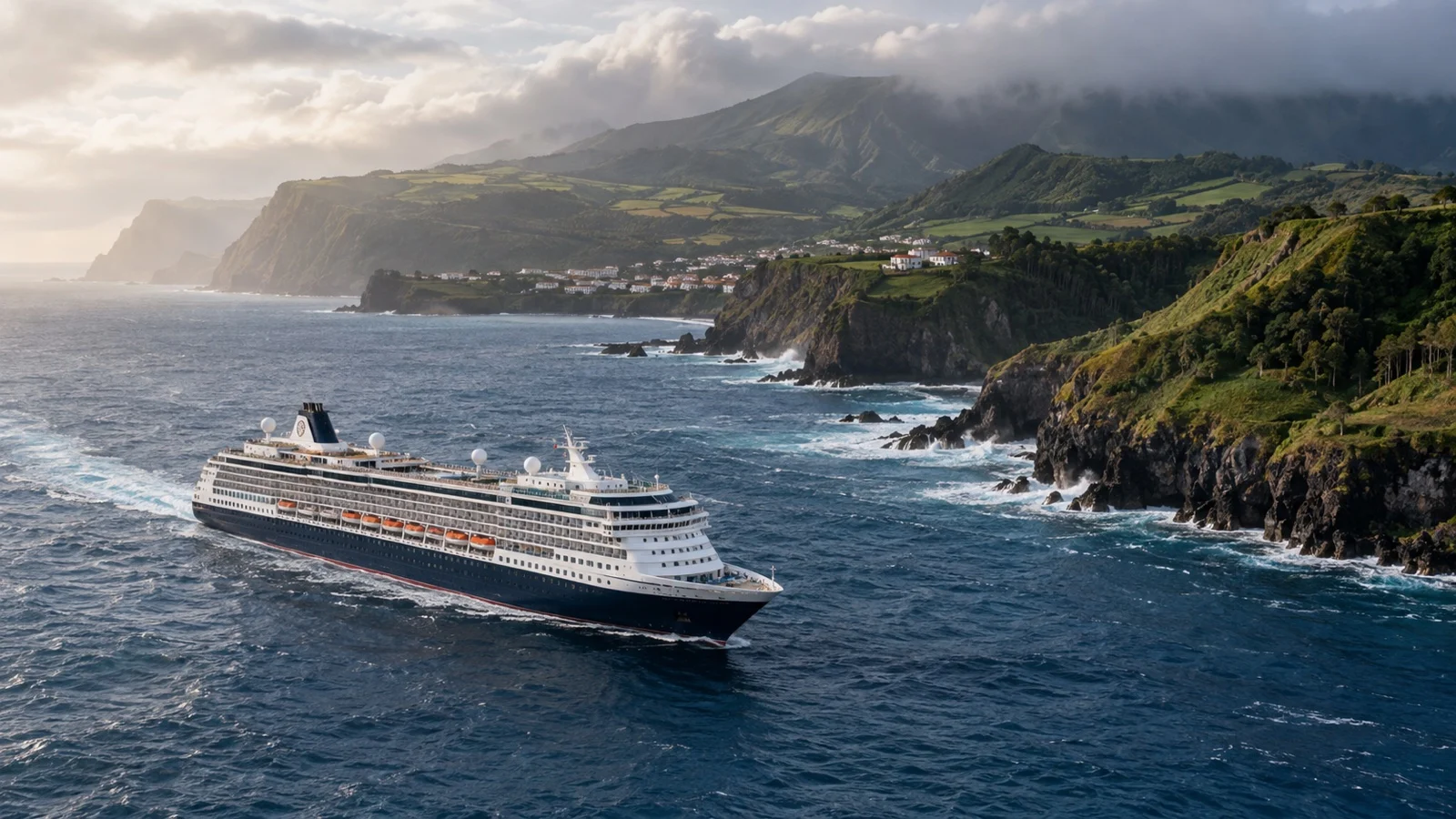
Hurricane season overlaps the westbound window
The Atlantic hurricane season officially runs through the end of November, with activity concentrated from mid August to mid October. An October westbound arriving into Florida or the eastern Caribbean is sailing inside that window.
In practice this rarely ruins a crossing. A ship with six days of open ocean and no fixed calls has enormous room to route around a storm, which is more flexibility than a seven night Caribbean loop ever has.
What it does affect is the last day or two and any post cruise plans in Florida. I would not book a same day connecting flight home in October, and I would not book a non refundable hotel either.
Who should book eastbound anyway
Eastbound is the right answer for a specific person, and it is not a consolation prize. If you want three weeks in Europe and hate long flights, an eastbound crossing delivers you rested and adjusted with your luggage already unpacked once.
It also suits anyone whose vacation time falls in spring rather than fall. Teachers, people who take April off, anyone who cannot get away in November.
And it is genuinely cheaper. If the fare gap is large and you were flying to Europe anyway, eastbound wins on math even though it loses on comfort.
The mistake I see most often
People book the crossing and then treat the flight as an afterthought. Two weeks later they find the one way ticket costs more than the difference they thought they were saving.
The second mistake is underestimating six consecutive sea days. That is not a relaxing stretch for everyone, and there is no way off the ship if it turns out not to be for you.
My pick
I would book westbound in the fall on the southern routing, Mediterranean to Florida, with Funchal and a Canary Island call in the first week. You gain the hours, you get the trade winds behind you, the port days come while you still have energy, and you buy your one way flight in the cheap direction and the cheap month.
The only version I would choose over that is eastbound with a real European trip attached to the far end. Book eastbound as transport to a vacation, never as the vacation itself.
Quick answers
Is a transatlantic cruise better eastbound or westbound?
Westbound is better for almost everyone, because you gain hours instead of losing them and the fall routing runs warm. Eastbound only wins if you want to be in Europe afterward.
How many time changes are there on a transatlantic crossing?
Usually five or six, spread one per night across the sea days. Daylight saving can add one more in either direction depending on when you sail.
Which transatlantic crossing has the calmest seas?
The southern routing by Madeira and the Canaries, in either direction, because it stays in warmer subtropical latitudes. The northern line by the Azores is the rougher option in spring and fall alike.
When are transatlantic repositioning cruises cheapest?
Spring eastbound sailings are usually the cheapest per night, and late fall northern westbound sailings run close behind. Both are discounted because they are the least comfortable versions.
How many sea days in a row are there on a transatlantic?
Six or seven consecutive days without land is normal, and the Azores or Canary calls only break it into shorter stretches. Assume the long version when you decide whether you want this.
Final word
The two directions are sold as the same product at different prices, and they are not. One hands you hours and delivers you home adjusted, the other takes hours and delivers you into a container terminal at breakfast.
Decide what the crossing is for before you compare fares. If it is the trip itself, sail west in the fall, and if it is the cheapest way to start a European vacation, sail east in the spring and stop pretending it is a rest.
How this guide was researched: Time zone and daylight saving rules, Atlantic wind and storm season patterns, entry requirements for arrivals in the United Kingdom and Europe, and the typical shape of northern and southern repositioning routings were all checked in October 2026. Sailing dates, routings, one way airfares and entry rules change every season, so confirm the details for your own sailing before you book. See our Editorial Policy.
More on this topic: browse every guide on choosing a cruise.