Adults Only Cruise Ships: Which Lines Are Actually Child-Free
Adults only cruise ships are a much smaller category than the marketing implies, and most of the ships people describe that way are simply ships that children rarely choose. Only a handful of lines enforce a real age floor in their contract, and the rest are selling an atmosphere they cannot guarantee.
That distinction is the whole game if you are paying a premium for quiet. An atmosphere evaporates during school breaks; a clause in the passenger ticket contract does not.
Quick take
If child-free is the actual requirement rather than a preference, book a line with a written minimum age and stop reading the brochure adjectives. Everything else is a probability bet, and school vacations are when that bet loses.
Virgin Voyages and Viking are the clearest fleet-wide choices, but their onboard styles are very different. Both publish an 18-plus minimum, so compare the atmosphere and itinerary after confirming the age rule for your sailing.
Another useful option is a family line that runs one or two adult-only ships inside an otherwise family-friendly fleet. This can suit travelers who want mainstream amenities with a ship-specific age rule.
The quick facts
- What the phrase actually means: there are two entirely different products sharing one label. One is a contractual minimum age enforced at check-in, the other is a ship with no kids’ club that still carries whoever books.
- The mainstream fleet-wide rule: Virgin Voyages sells its entire fleet as adults-only and describes its sailings on its own site as 18+ cruises. There is no family deck, no children’s programming, and no exception weeks.
- The contractual version: Viking states in its own passenger ticket contract that you must be 18 years old on or before the day you embark. The same document says Viking does not maintain facilities or services for anyone under 18.
- The higher minimum: Saga markets its ocean and river cruises explicitly as cruises for over 50s. A lower age is allowed for a traveling companion, but the exact figure sits in the booking conditions, so confirm it before you plan a birthday.
- Adult-only ships inside family fleets: P&O Cruises describes both Arcadia and Aurora as adult only cruise ships on their own ship pages. Marella lists Explorer 2 as reserved for adults and says Discovery 2 will become adults-only from November 2026.
- Adult by price, not by rule: most small-ship luxury and expedition lines have no adults-only clause at all, and simply carry very few children. That is a pattern rather than a promise, and patterns break in August.
- How often this changes: often enough to matter. Ships get reassigned between adult and family roles, and lines quietly adjust minimum ages, so verify the policy against the line’s current terms rather than a two-year-old forum post.
Adults only cruise ships with a real fleet-wide minimum

Start with the short list, because it is genuinely short. Two names dominate it, and they could not be less alike.
Virgin Voyages built its brand around an adults-only experience. The line’s current adults-only page describes its sailings as 18-plus cruises and highlights dining, nightlife, wellness, and shore activities.
Viking approaches the same rule from the opposite direction. Its passenger ticket contract sets the minimum age at 18 on or before the embarkation day and states plainly that the line does not maintain facilities or services for under-18s.
Viking applies its minimum-age rule across its river and ocean products, making it a clear option for a child-free Danube or Rhine sailing. If you are deciding between the two formats, start with this comparison of river cruising against ocean cruising.
One adult ship in a family fleet
This is the category most people miss, and it is where the value is. A mainstream line keeps its water slides and its kids’ clubs on the big new ships, then runs one or two older, smaller ships as adult-only.
P&O Cruises is the clearest example in the UK market. Its own pages for Arcadia and for Aurora both label the ship an adult only cruise ship, and both vessels are traditional in layout, with promenade decks and proper theaters rather than ropes courses.
Marella uses a similar ship-specific approach. The Marella Cruises fleet page lists Explorer 2 as adults-only and says Discovery 2 will become adults-only from November 2026.
Ship assignments can change. P&O currently identifies Arcadia and Aurora as its adults-only ships, so verify the exact ship page before booking.
Ambassador distinguishes its standard product from named multigenerational sailings. Check the Ambassador Cruise Line FAQ and the exact departure details before booking, since the rules can vary by sailing.
Adult by price and product rather than by rule
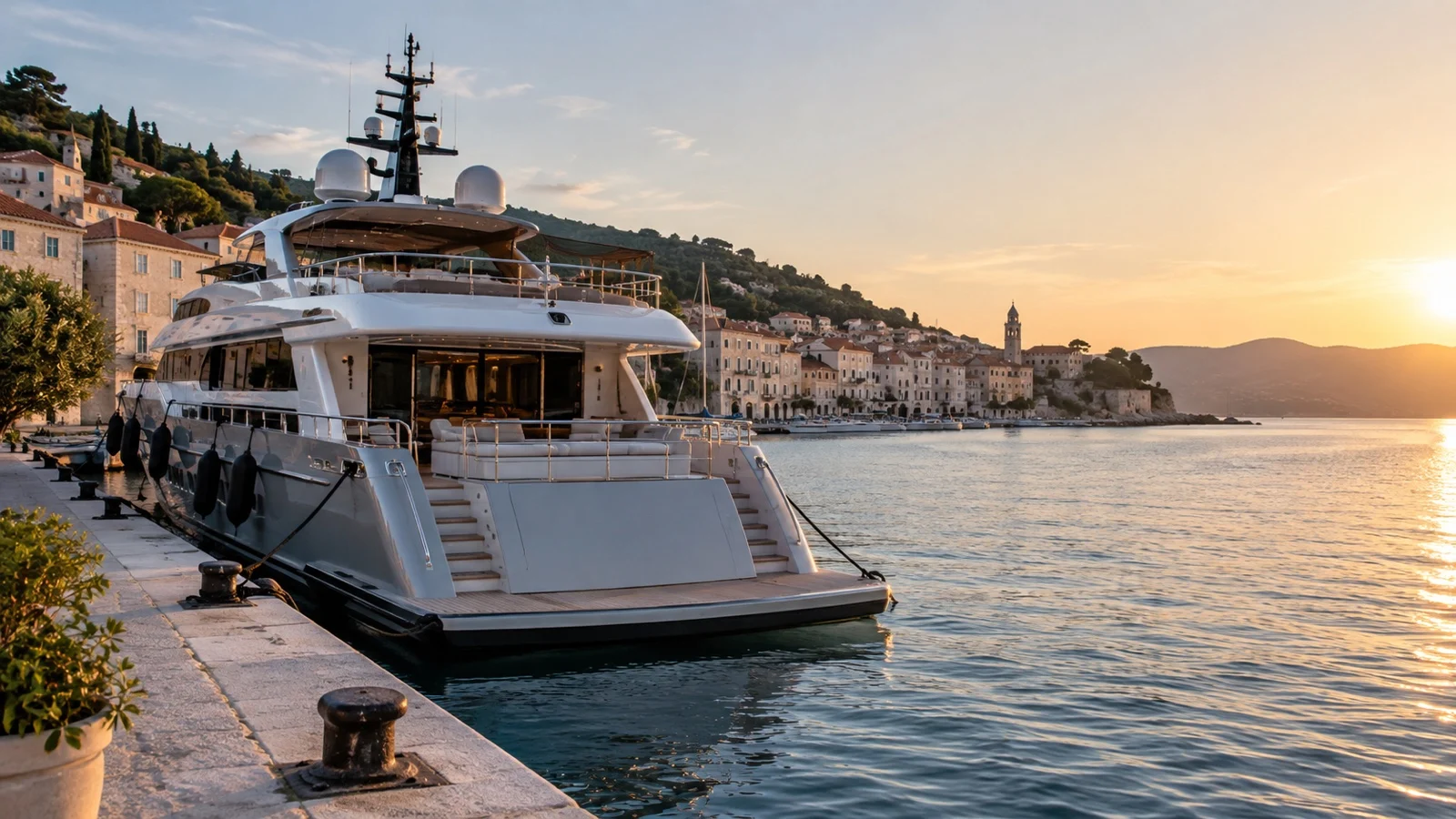
The third group includes ships where children are permitted even though the product is aimed mainly at adults. These sailings may have few children, but that is not guaranteed.
Small luxury ships, expedition ships, canal barges, and Nile dahabiyas often fit this pattern. Read the line’s minimum-age terms instead of assuming the product is child-free.
If quiet matters more than a written rule, ship size, itinerary, and travel dates may matter as much as age policy. This roundup of the ports small ships can actually reach explains where smaller vessels can go.
What an adults-only rule changes
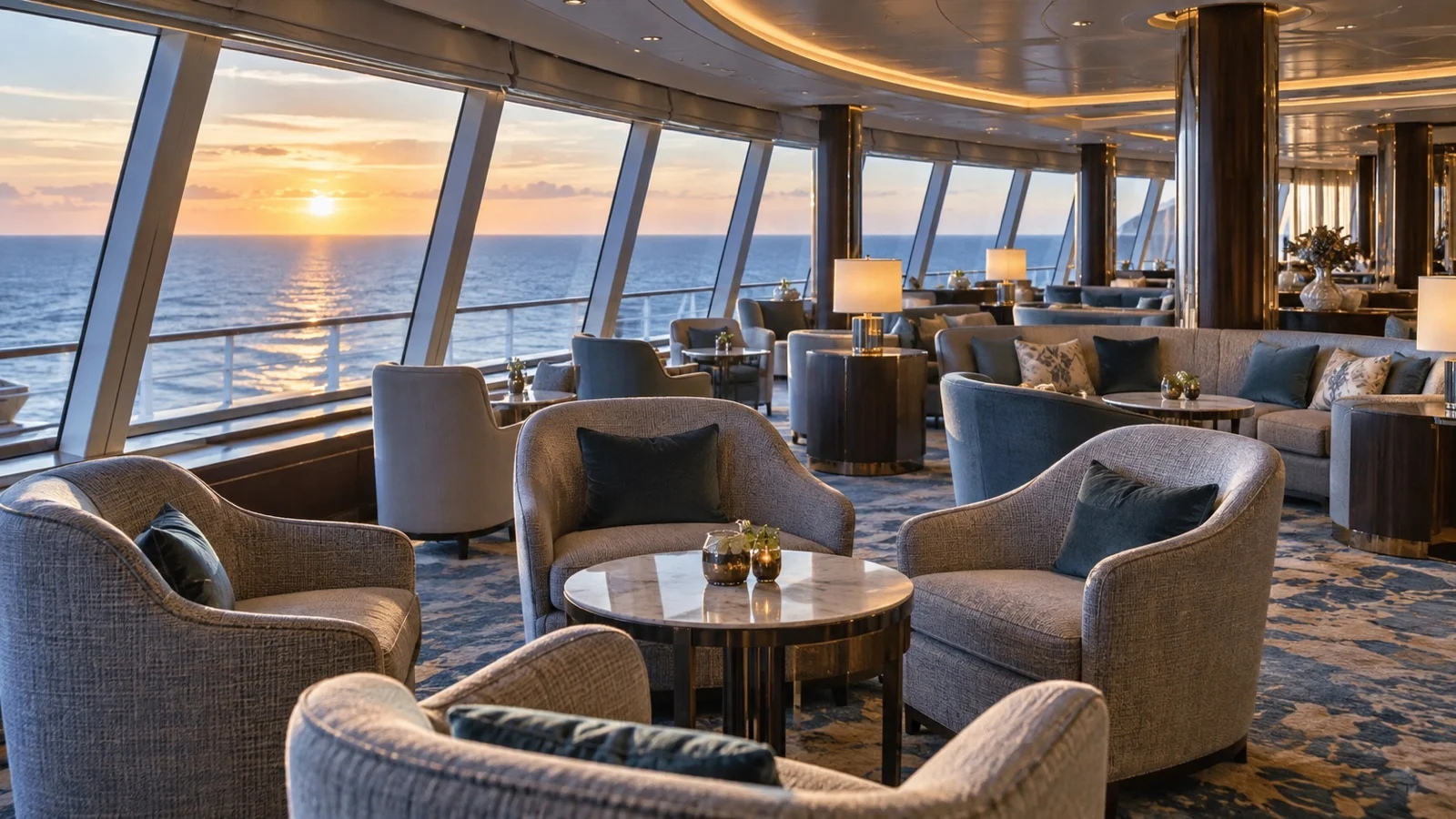
The clearest change is the absence of children’s facilities and programming. That does not guarantee a quiet pool deck, because the atmosphere still depends on the ship, itinerary, and passenger mix.
Dining and entertainment can be designed for adults, but the details vary widely. Check the current daily programs, venue hours, dress expectations, and dining format rather than assuming every adults-only ship follows the same pattern.
The itinerary is still driven by port schedules and the route. Review port times and overnight calls separately from the age policy if evening time ashore matters.
Pricing can still rise during popular vacation periods, even without family demand. Compare the same itinerary and cabin category across several dates before treating an adults-only sailing as better value.
Practical shortlists by traveler
Ranked by how firm the rule is rather than by how nice the ship is. Verify each one against the line’s current terms before you book, because these policies move.
- Virgin Voyages: a mainstream fleet marketed as adults-only and 18-plus. It suits travelers who want contemporary dining, nightlife, wellness, and an informal onboard style.
- Viking: a written minimum age of 18 in the passenger ticket contract. Its river and ocean programs emphasize destination-focused itineraries and onboard enrichment.
- Saga: an over-50s specialist with a lower age allowance for a traveling companion. Confirm every traveler’s eligibility in the current booking conditions before paying.
- P&O Arcadia and Aurora: both are identified as adult-only on P&O’s official ship pages. Compare cabin layouts and accessibility on the specific ship before choosing.
- Marella Explorer 2: currently listed by Marella as adults-only and All Inclusive. Marella says Discovery 2 will join the adults-only category from November 2026.
- A full charter or a private yacht-style ship: the only way to guarantee who is on board is to control the manifest, which is what full ship charter cruises exist to do. Expensive, and worth it only for groups.
Fun fact: Viking’s rule is not a soft house style but a numbered clause, and its passenger ticket contract ties the minimum age of 18 to bookings made after 1 August 2018 regardless of departure year. That is why an old family booking cannot be quietly grandfathered in.
How to decide
Answer one question first: are you avoiding children, or avoiding noise? They sound identical and lead to different bookings.
If it is children, you need a rule, so limit yourself to the lines that publish one and screenshot the clause on the day you book. If it is noise, a 700-passenger ship in the shoulder season will do more for you than any age policy.
Finally, call rather than email, and ask the specific question: is the minimum age contractual, and what happens if a guest turns 18 mid-cruise. A reservations agent who has to look it up is a useful warning in itself.
A realistic word on accessibility
Accessibility varies by ship, cabin, terminal, and port. Do not assume an adults-only label says anything about step-free routes, bathroom thresholds, or the number of accessible cabins.
Ask the cruise line for the specific ship’s accessible cabin details and route information. Also confirm assistance procedures for embarkation, shore visits, and emergency arrangements.
Small luxury and expedition ships may use tenders at some ports, and tender access can depend on sea conditions and mobility requirements. Ask how the line handles tender boarding and whether staying aboard is possible when access is limited.
Ask for the accessible cabin count on the specific ship rather than the fleet, and ask how many are wheelchair accessible rather than only ambulatory accessible. This guide to the most crowded cruise ports can also help with planning busy port days.
When to go, and the weather
An adults-only ship can be appealing during school vacation periods, but those dates may still be busy and expensive. Compare fares and itineraries rather than assuming July or August will offer better value.
Weather depends on the route and can affect how comfortable port days feel. Check official forecasts close to departure and plan shade, water, and indoor alternatives for hot-weather itineraries.
Seasonal conditions differ across Northern Europe, the Mediterranean, and the Caribbean. Review the route’s weather and storm risks before choosing a date, then compare age policies among suitable sailings.
May, June, and late September can be practical Mediterranean options, but conditions and prices vary by port and year. Check current climate guidance, live forecasts, and fares for the exact itinerary.
Check the age rule before you choose the atmosphere
An adults-only label is a contract rule, not a promise of silence, and the minimum age is not identical across brands. Virgin Voyages uses an 18-plus rule, while Saga markets its cruises to travelers over 50 and has separate companion eligibility terms, so check the current policy for every traveler before paying.
P&O applies the restriction to Arcadia and Aurora rather than its whole fleet, and Marella applies it to named ships. Confirm the exact ship and sailing because a fleet announcement, repositioning date, or charter can change which policy applies.
If quiet matters more than age, choose a cabin away from the theater, pool deck, nightclub, and crew service doors. An adults-only ship can still have late entertainment, while a smaller ship or shoulder-season sailing may feel calmer even when children are allowed.
Adult-only rules do not change passport, visa, medical, or accessibility requirements. Ask about accessible cabins and tender transfers before booking, and keep at least one flexible night before embarkation when flights are separate from the cruise.
Quick answers
Which cruise lines are completely child-free?
Virgin Voyages and Viking are the two mainstream names with a fleet-wide minimum of 18, and Saga sets a higher floor as an over-50s line. Everything else is either a single adult ship in a family fleet or an atmosphere rather than a rule.
What is the minimum age on an adults-only cruise?
Usually 18, measured on the embarkation date rather than the booking date. Saga is the outlier, selling to the over-50s with a lower allowance for a traveling companion that you should confirm directly.
Are adults-only cruises cheaper?
Not necessarily. Prices depend on the itinerary, date, cabin, demand, and what the fare includes, so compare like with like before booking.
Can a family line stop children boarding a specific ship?
Yes, and that is exactly how P&O runs Arcadia and Aurora and how Marella runs Explorer 2. The rule attaches to the ship, so read the ship page rather than the brand.
Do adults-only ships still get noisy?
Yes. Late entertainment, busy bars, deck events, and large groups can still make an adults-only ship lively, so check the ship’s schedule and cabin location.
The last word
The category is smaller than the search results suggest and better value than most people assume. Two lines with a real rule, a handful of adult ships parked inside family fleets, and a long tail of expensive ships that are quiet by accident.
Decide which of those three you are actually buying, then verify the policy on the line’s own site on the day you book. Terms move, ships get reassigned, and the version printed in a brochure is a snapshot rather than a promise.
For a mixed-age group, an adults-only sailing is usually the wrong fit. This guide to planning port days for a multigenerational family offers a more useful starting point.
And if all you really wanted was a ship where the loudest sound is a page turning, buy the small ship and the shoulder month rather than the age policy. It costs less and it works more often.
How this guide was researched: This guide was checked against current official port, waterway, immigration, transit, attraction, operator, and weather information. Operational and time-sensitive details were reviewed September 12, 2026; confirm the live berth, daily program, entry rules, accessibility, and cancellation terms before travel.
See our Editorial Policy.
More on this topic: browse every guide on choosing a cruise.