The Most Crowded Cruise Ports and How to Beat the Crowds
I love the energy of a busy harbor, but there is a point where excitement turns into a slow shuffle behind matching tour paddles. The hardest cruise days are not always at the largest ports, because crowding depends on how many people arrive at once and how much space the destination has to absorb them.
This guide focuses on places where cruise traffic meets narrow historic streets, tender bottlenecks, famous viewpoints, or limited ground transport. I will show you what local authorities are doing, what those measures really mean for a passenger, and how I plan a satisfying day without racing everyone else to the same doorway.
Santorini, Greece
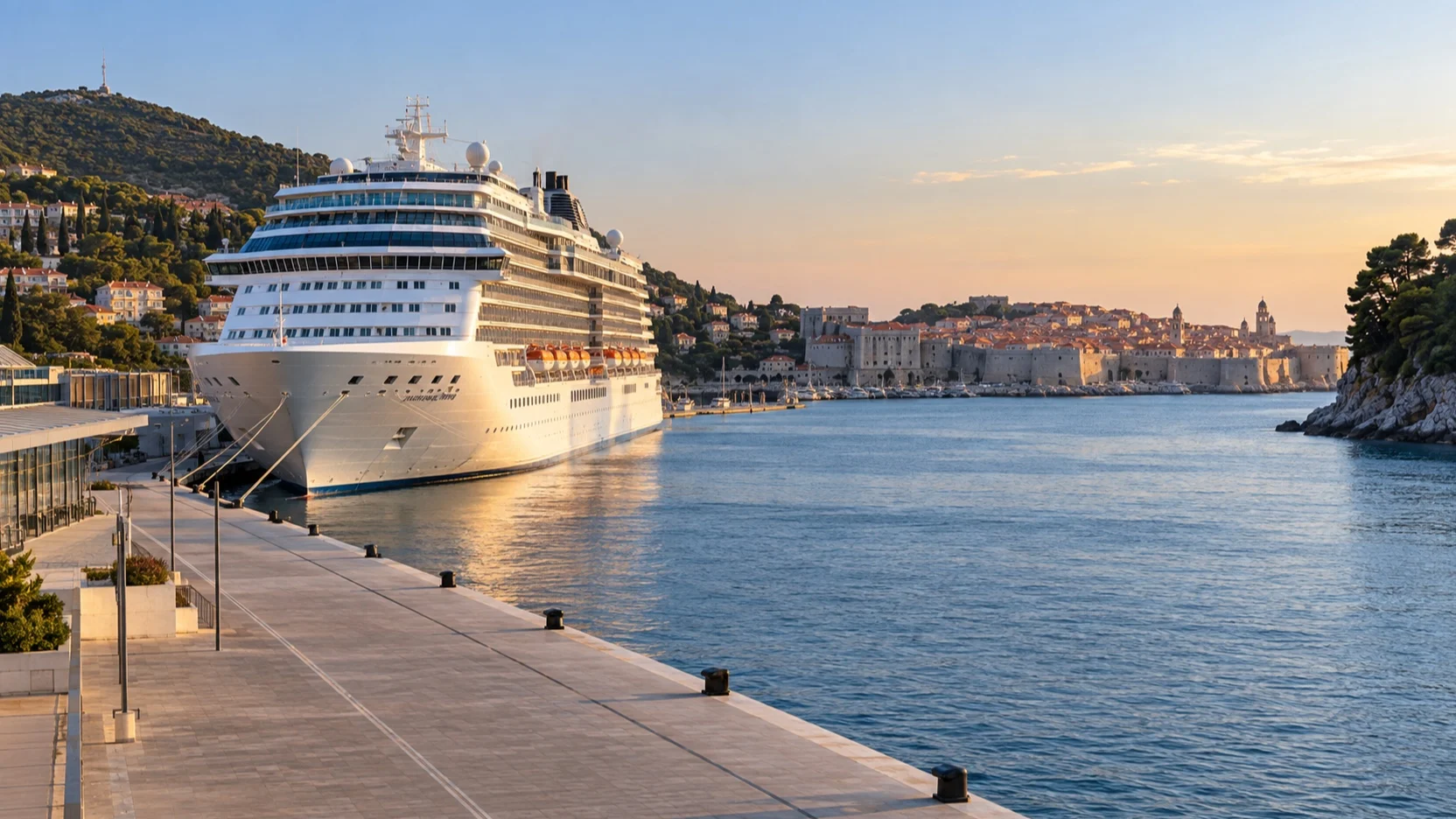
Santorini is the clearest example of a spectacular landscape with a very narrow visitor pipeline. Ships anchor in the caldera, passengers tender ashore, and most people then funnel toward Fira through a cable car, organized transfer, or the steep shared path.
Greek authorities have introduced a cruise passenger levy that is highest during the busiest season at Santorini and Mykonos. Arrival management has also been discussed around an 8,000 passenger daily planning level, but travelers should treat the exact ship schedule as more useful than a headline number because weather, tender operations, and call changes determine the real pressure ashore.
My first move is to check the ship list and total lower berth capacity for the exact date, not just count vessels. Two modern ships can deliver more people than four small ones, and nearly everyone will still converge on the same cable car and cliff towns.
I never build a tight independent return around the Fira cable car because the queue can grow rapidly. The mule path is not a carefree shortcut either, since it is steep, polished in places, exposed to heat, and shared with animals.
If Oia is essential, I book a transfer that explains the return plan clearly and I leave room for delays. If the island is already heaving, Pyrgos, Megalochori, or a winery visit can deliver the whitewashed Santorini atmosphere without spending the entire call in the Oia lane.
A shoulder season itinerary helps, but it does not guarantee a quiet day. The most reliable advantage is still getting ashore early, moving away from the tender landing, and returning before the final rush.
Dubrovnik, Croatia
Dubrovnik’s old town is compact, walled, and visually irresistible, which is a perfect recipe for crowd concentration. Cruise buses often unload near Pile Gate, while independent travelers and land tours add to the same flow through Stradun and onto the walls.
The city’s Respect the City program coordinates with cruise lines, monitors pressure, and promotes better scheduling. You will often see a two ship or roughly 8,000 passenger management target mentioned, but it is wiser to read that as an operating objective rather than a guarantee of empty streets.
I check Dubrovnik’s official visitor and port information before choosing a wall walk time. Early entry can be excellent, but a later slot may work better when morning excursion groups are already returning to their buses.
Pile is convenient and therefore busy, so I consider entering near Ploče when the day plan allows. Once inside, a turn into the lanes north or south of Stradun changes the mood almost immediately, even when the central route is packed.
Heat matters as much as head count here. Carry water, avoid treating the exposed walls as a midday sprint, and save enough time for the transfer back to Gruž if your ship is not using the old harbor.
Venice, Italy
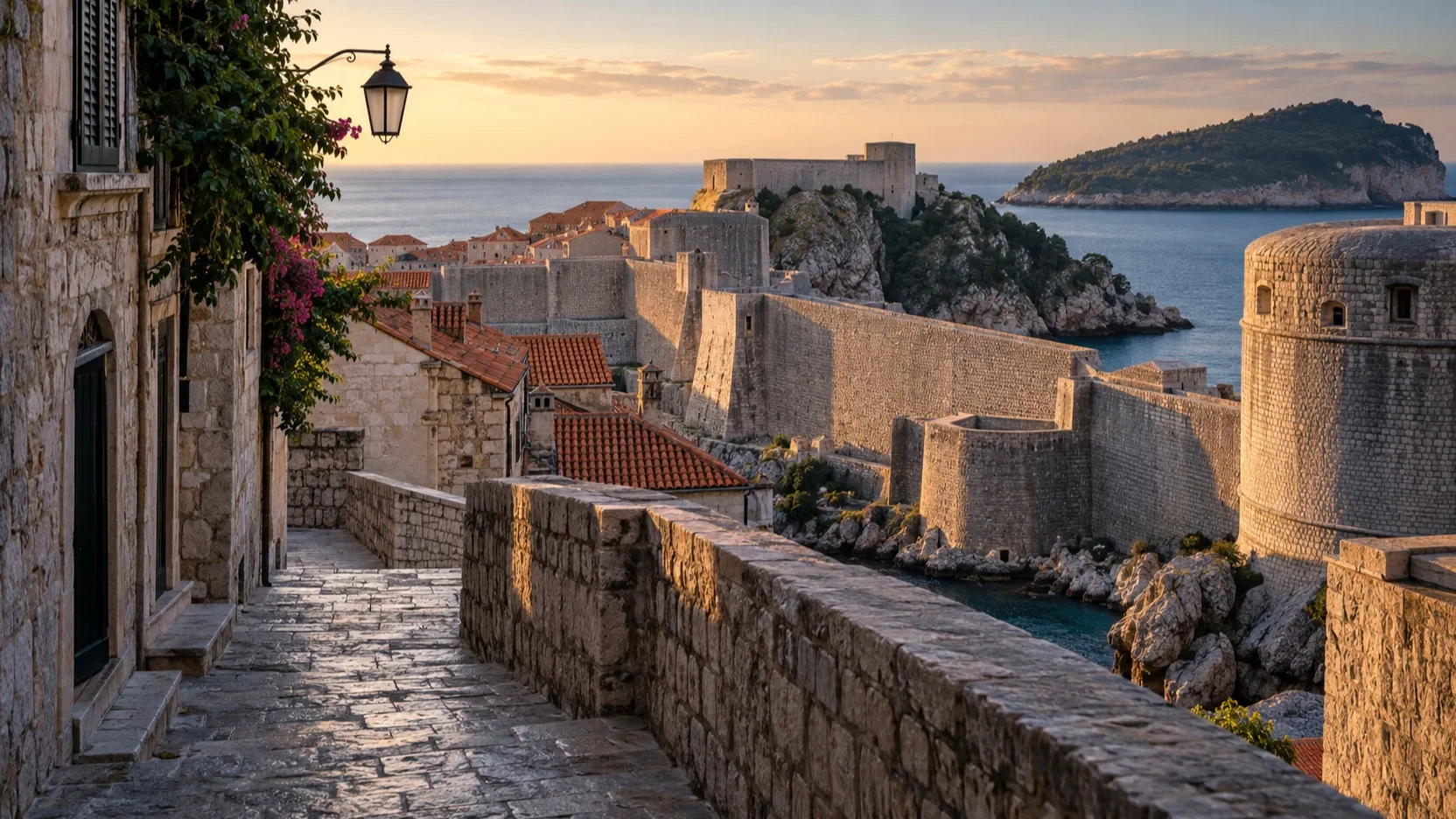
Venice became the symbol of cruise overtourism because large ships once passed extraordinarily close to its historic core. Since 2021, large cruise traffic has been kept out of the Giudecca Canal and St Mark’s Basin, so many operations now involve Marghera or another regional port plus a separate passenger transfer.
That change protects the most sensitive central route, but it does not remove the crowds from Rialto, St Mark’s Square, or the main station approaches. Your cruise documents matter more than a generic port map because the ship berth, check-in point, and transport arrangement can be in different places.
Venice also operates an official Access Fee on selected dates for some day visitors. Cruise passengers should check the official exemptions and registration rules for their date instead of assuming that a ship excursion automatically settles every requirement.
I give the headline sights a deliberate time window, then move into Cannaregio, Castello, or Dorsoduro. A vaporetto ride can be wonderful, but packed landing stages and full boats mean it should never be the final link in a tight return to the ship.
Venice rewards walking without a rigid checklist. The quietest memory may be a small campo, a neighborhood bakery, or a canal bridge that was never in the brochure.
Barcelona, Spain
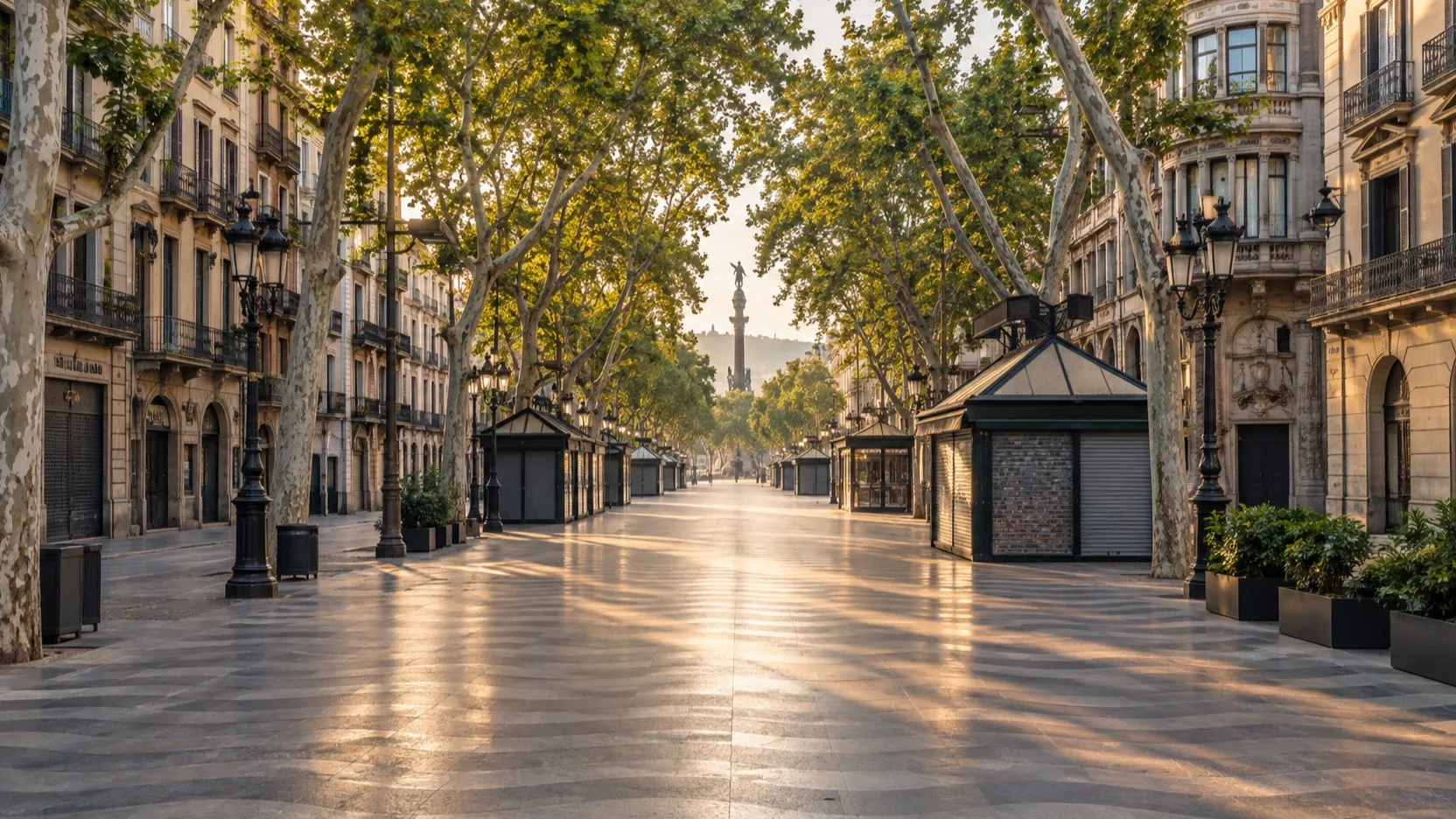
Barcelona can process enormous passenger volumes, yet the experience feels most crowded where cruise traffic collides with the city’s existing visitor peaks. La Rambla, the Gothic Quarter, Park Güell, and the Sagrada Família do not become less popular just because another ship has arrived.
The city and the Port of Barcelona have agreed on a long-term reorganization that is intended to reduce the number of cruise terminals from seven to five by 2030. That is a phased infrastructure plan, not an immediate daily cap, so current travelers still need to plan around the live berth schedule.
Most large ships use Moll Adossat, where a port shuttle connects toward the city. I allow time for that first transfer and avoid assuming a taxi will beat every other option during a busy turnaround morning.
Timed admission is the key to Barcelona. I reserve only the sights that would genuinely disappoint me to miss, then connect them with a neighborhood meal or market visit that does not require standing in another formal queue.
Sant Antoni, Gràcia, and the lanes beyond the busiest Gothic Quarter axis can feel far calmer than La Rambla. The metro is useful once you are beyond the port area, but I still protect a generous return margin because distances across the city are easy to underestimate.
Mykonos, Greece
Mykonos town looks roomy on a map until thousands of visitors enter its white lanes at once. Tender landings, sea buses, shore excursions, and island traffic all converge around a center designed for feet and donkeys rather than coaches.
The Greek cruise levy also applies here, with the highest charge during the busiest part of the year. It is a policy signal that the most famous Cycladic calls are trying to account for visitor pressure, but paying a levy does not buy a quieter street.
I explore Chora early, photograph the windmills before the lanes fill, and then decide whether to stay for lunch or move to a beach. Ornos and Platis Gialos are practical choices when buses are operating normally, though the return can slow when road traffic builds.
Delos is an excellent alternative for archaeology, but it is not an improvisation. Boats can fill, wind can disrupt sailings, and the return must fit comfortably inside the ship’s all aboard time.
The best plan here has two versions. One covers the town and a nearby meal, while the other adds a beach or Delos only when transport and weather support it.
Key West, Florida
Key West shows how crowd policy can become legally and politically complicated. Local voters approved cruise restrictions in 2020, Florida later limited how some local port rules could operate, and the practical result depends on the berth and current agreements.
For a traveler, the useful fact is simpler: Duval Street, Mallory Square, and the Southernmost Point can develop substantial lines when calls overlap. I look at the day’s ship schedule, note where my vessel is docking, and start with the attraction most vulnerable to queues.
A bicycle can be a good tool for confident riders, but only after checking heat, traffic, and rental return times. Walking one block away from Duval often delivers the shaded porches and relaxed Keys atmosphere people expected in the first place.
I also resist crossing the whole island repeatedly. Grouping sights by area leaves more time for a proper Cuban coffee, a historic house, or a waterfront pause.
Kotor, Montenegro
Kotor has a tiny medieval core at the end of a dramatic bay, so one large ship can change the character of the town. Tender operations and tours arriving by road can create pressure even when the ship count looks modest.
The fortress climb is the obvious morning race, but heat and steep stone make timing important. I either begin promptly with water and suitable shoes or save my energy for the old town and a lower viewpoint.
Perast offers a different perspective on the bay, yet it still requires a reliable boat or road transfer. I confirm the return point and travel time before leaving Kotor, especially when my ship is tendering.
Late afternoon can be lovely after some organized groups depart. The tradeoff is that a tender line can build near the end of the call, so I keep the final hour comfortably close to the landing.
Amsterdam, Netherlands
Amsterdam has debated and adopted plans to reduce sea cruise activity and eventually move the central terminal. The timetable remains subject to political, planning, and operational decisions, which means passengers should verify the actual berth rather than plan around a future closure date.
Passenger Terminal Amsterdam is close to the center, but that convenience sends visitors toward the same Central Station and Damrak corridor. I move quickly into the Jordaan, the museum district, or a quieter canal loop instead of lingering on the busiest axis.
Public transport is excellent, though contactless payment rules and service changes deserve a quick check on the official network site. Renting a bicycle is only sensible for someone already comfortable in dense urban cycling traffic.
Amsterdam’s museums often require timed tickets. I book one anchor attraction and leave the rest of the day flexible, which makes a delayed arrival annoying rather than disastrous.
Bar Harbor, Maine
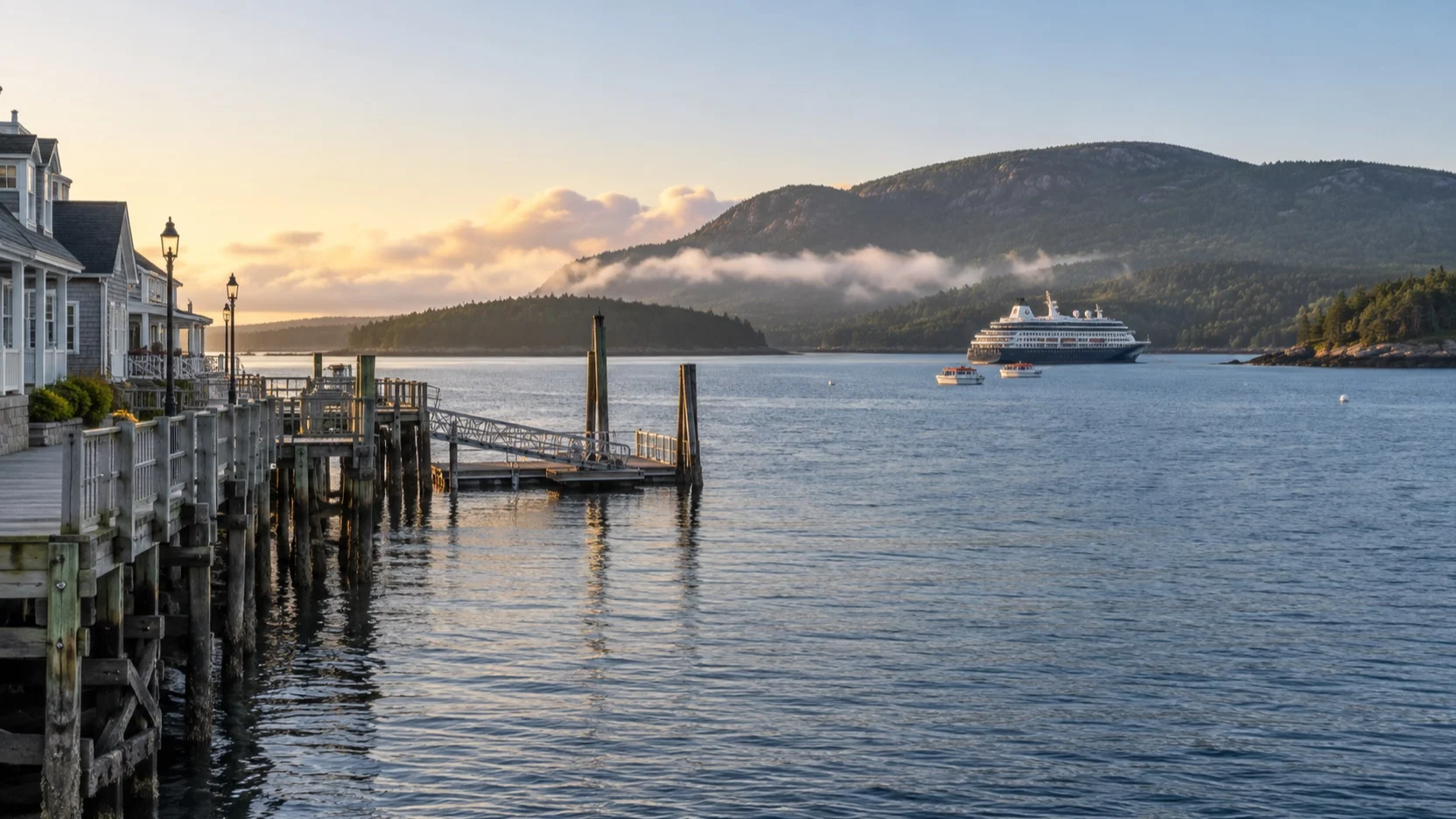
Bar Harbor is a small gateway carrying both its own visitors and people headed for Acadia National Park. Residents approved a 1,000 person daily cruise disembarkation limit in 2022, and implementation has been shaped by litigation and municipal procedures.
Because the operating picture can change, I rely on the Town of Bar Harbor cruise information and my cruise line’s landing instructions. That is more dependable than an old article declaring the dispute permanently settled.
A tender arrival adds another queue before you have even reached town. If Acadia is the priority, I reserve required entries and transport early, then keep a town-based fallback for fog, rain, or a late landing.
The village is pleasant on foot, and it becomes calmer a few streets from the waterfront. I would rather enjoy one section of Acadia properly than spend the call chasing distant stops with no margin.
Why these ports feel overwhelmed
Raw annual passenger totals do not explain the experience on the ground. A huge homeport may move guests between airport, hotel, and terminal efficiently, while a small tender port sends nearly everyone through one landing and one historic gate.
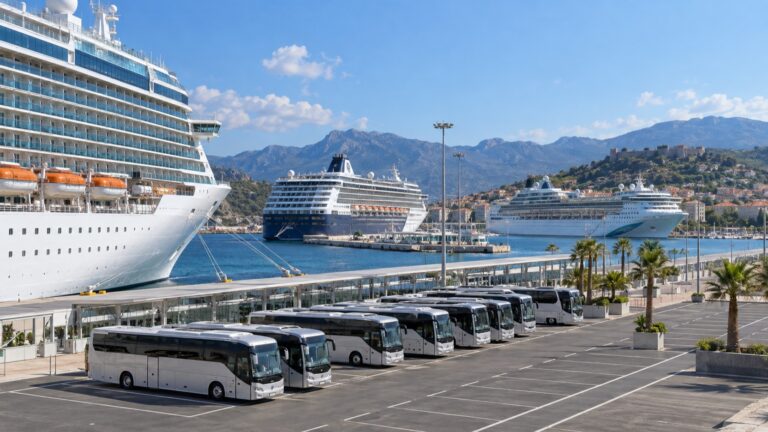
Timing creates the sharpest peaks. Several ships can release tours within the same hour, while hotel guests, day trippers, and regional coach groups are already using the destination.
Geography then magnifies the effect. Islands have limited roads, walled cities have limited gates, and famous viewpoints often have a single cable car, staircase, or ticket checkpoint.
That is why ship count alone is a poor planning measure. Capacity, arrival time, berth location, tender process, and the destination’s land transport all matter more than a simple list of vessels.
What taxes and limits really mean
Passenger levies, access fees, berth scheduling, and terminal reductions serve different purposes. A tax may fund services or discourage peak demand, while a schedule agreement tries to spread arrivals and a berth rule changes where ships operate.
None of those tools guarantees a quiet personal experience. A regulated day can still feel crowded at noon if every tour reaches the same square, and an unrestricted day can feel easy when one small ship arrives in poor weather.
I check official information close to sailing because these programs evolve. I also avoid building a trip around a proposed rule until the responsible government or port publishes how and when it will operate.
The Quick Facts
- Check the exact date. Use the official port calendar and compare scheduled passenger capacity, not only the number of ships.
- Confirm the arrival method. A tender, remote berth, or port shuttle can consume more time than the distance suggests.
- Reserve one priority. A timed ticket protects the sight you care about without turning the entire day into a schedule.
- Start beyond the bottleneck. Move away from the landing or main gate before large excursion groups settle into their route.
- Use parallel streets. One block away from the headline avenue often means more room, better service, and the same atmosphere.
- Keep a nearby alternative. Wind, heat, traffic, or a delayed tender should change the plan without ruining the day.
- Respect local controls. Check current fees, registrations, and visitor rules on the responsible authority’s site.
- Protect the return. Finish near the landing and follow the ship’s published all aboard and final tender times.
How I beat the crowd without missing the port
I plan from the bottleneck outward. In Santorini that means the tender and cliff access, in Dubrovnik it is the gate, and in Venice it may be the transfer from a distant berth.
Then I choose one experience that belongs specifically to the destination. A wall walk, archaeological site, national park stop, or reserved museum earns the fixed place in my day, while generic shopping stays optional.
Food is my easiest crowd escape. I look a few streets beyond the excursion route, eat slightly earlier or later than the group schedule, and avoid spending an hour in a waterfront line for an ordinary meal.
I also watch the ship’s departure pattern. When several vessels leave earlier than mine, the final part of the afternoon can be calmer, but I use that window only when the return route is simple and safe.
Most importantly, I refuse to measure success by the number of landmarks collected. A slower hour in one neighborhood usually creates a better memory than four rushed photos surrounded by people making the same sprint.
FAQ
Which cruise ports have the most difficult crowding?
Santorini, Venice, Dubrovnik, Mykonos, and Kotor are among the clearest examples because visitor numbers meet constrained geography. The hardest port on your itinerary will still depend on the exact date, ship mix, weather, and arrival method.
Do daily passenger caps guarantee a quiet visit?
No, because a cap controls only one part of the crowd and may not include overnight visitors, regional tours, or independent day trippers. Scheduling arrivals and spreading people beyond the same central sights matter just as much.
When should I visit the main attraction?
Early is often best, but not automatically. Compare opening hours, excursion departure times, and ship departures because a late slot can be calmer in ports where organized groups return early.
Should I avoid a port when several ships are scheduled?
Not necessarily, but simplify the plan and reserve anything capacity controlled. A flexible neighborhood walk or nearby alternative can rescue the day if transport or ticket lines are worse than expected.
Are shoulder season cruises always less crowded?
No, because Mediterranean and northern European cruise schedules can be busy outside peak summer while land tourism falls. The exact berth calendar is a better guide than the month alone.
The Bottom Line
The most crowded cruise ports are not lost causes, but they punish vague plans. Know the bottleneck, reserve one essential experience, and move away from the first place every excursion bus chooses.
Local levies and ship limits will keep changing as destinations balance tourism with daily life. Check current official rules, keep a generous return margin, and let a quieter street become part of the point.
How this guide was researched: Unless a first-hand visit is explicitly identified above, this guide is based on independent research using official port, tourism, transit, government, and attraction sources where available. Logistics and time-sensitive details were reviewed on September 11, 2026; see our Editorial Policy.
More on this topic: browse every guide on weather, crowds and conditions.