Panama Cruise Ports: Canal Transit, Colon & Amador
Panama is not a single cruise-port experience. One itinerary may carry you through the canal without a conventional day ashore, another may berth on the Caribbean side near Colón, and another may begin on the Pacific at Amador with Panama City in view.
That difference changes everything from the best visitor center to the amount of road travel in your day. Start with the exact itinerary language and berth, then decide whether your priority is the canal itself, Panama City, rainforest wildlife, Caribbean history, or an island day in Bocas del Toro.
Quick Facts
- Main cruise experiences: Full canal transit, partial transit, Colón call, Amador call, or Bocas del Toro tender
- Caribbean gateway: Colón and Cristóbal for Agua Clara, Gatun Lake, and Portobelo
- Pacific gateway: Amador for Panama City, Miraflores, Casco Antiguo, and the Causeway
- Currency: United States dollar and Panamanian balboa at equal value
- Language: Spanish, with English support varying by operator and attraction
- Weather: Tropical heat, humidity, heavy rain, and strong sun
- Planning priority: Confirm whether your ship transits, berths, tenders, or uses a mixed operation
Transit Day or Port Day?
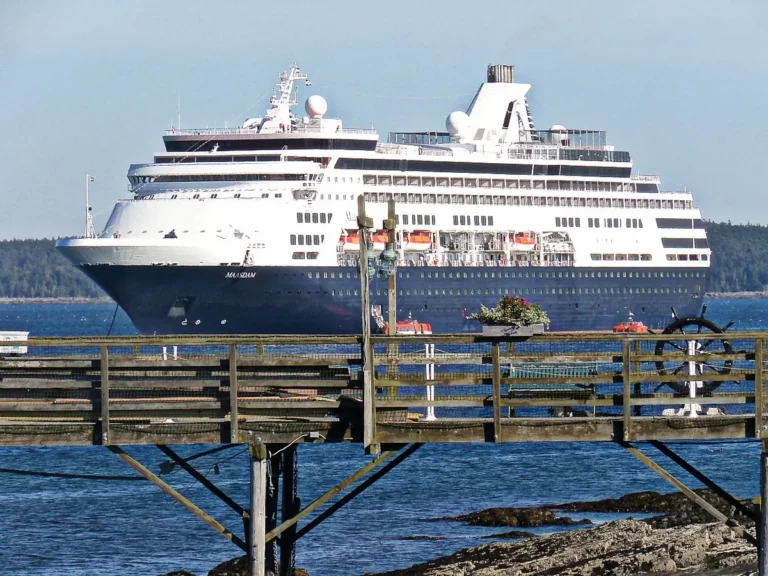
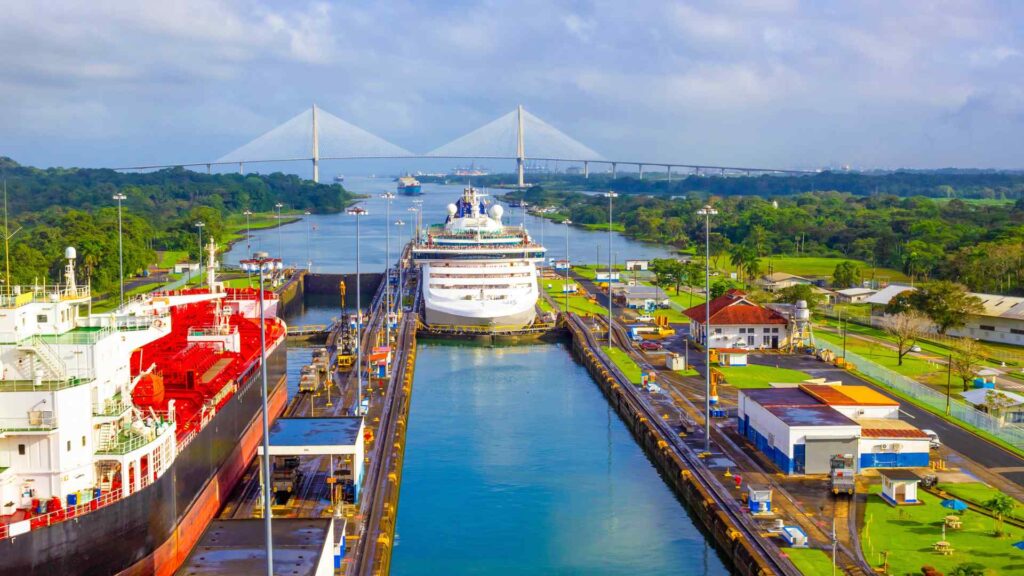
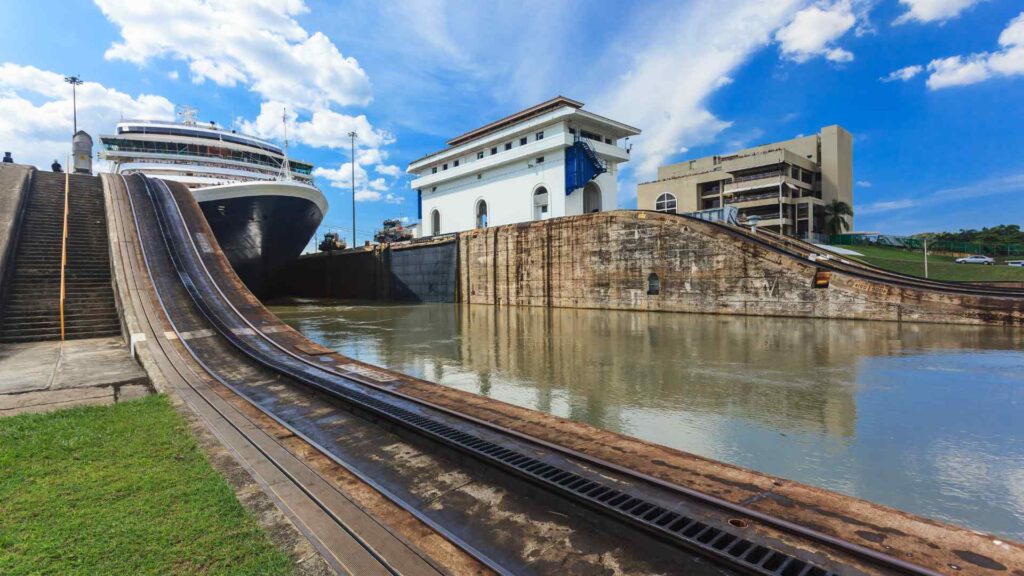
A full transit normally carries the ship between the Caribbean and Pacific through locks, Gatun Lake, Gaillard Cut, and the canal’s operating corridor. The ship itself becomes the viewing platform, and there may be no ordinary port call in the middle.
A partial transit may enter part of the canal and later return to the same coast, but cruise lines structure these days differently. Some excursions leave passengers by tender or at a controlled point and rejoin the ship later, while others keep everyone aboard.
A call at Colón or Amador is a conventional shore day, though the ship’s berth can still be inside a controlled port. Do not use the phrase Panama Canal cruise to infer what you can do ashore because that label covers fundamentally different operations.
Read the itinerary notes and excursion instructions before sailing, then check again on board. Canal movements, weather, pilotage, and port operations can alter the sequence even when the destination name remains unchanged.
Watching a Panama Canal Transit
The canal day begins early for many ships, and the most rewarding views shift as the vessel approaches locks, rises or falls with the chamber, and crosses the watershed. Open decks fill quickly, but staying in one crowded position all day means missing perspectives from the opposite side.
I move between forward, aft, port, starboard, and a shaded indoor viewpoint when access permits. Listen to the ship’s commentary, but keep enough flexibility to follow tugboats, locomotives, passing ships, rainforest edges, and the changing water level.
The original locks and the newer expanded locks handle different vessel dimensions and traffic patterns. Your ship’s assigned lane and schedule are operational decisions, not attractions chosen for the best passenger photographs.
Bring water, sun protection, binoculars, and a lens cloth for humidity or rain. Save some energy for later because a transit is a long visual story rather than one dramatic instant.
Colón and Cristóbal Cruise Calls
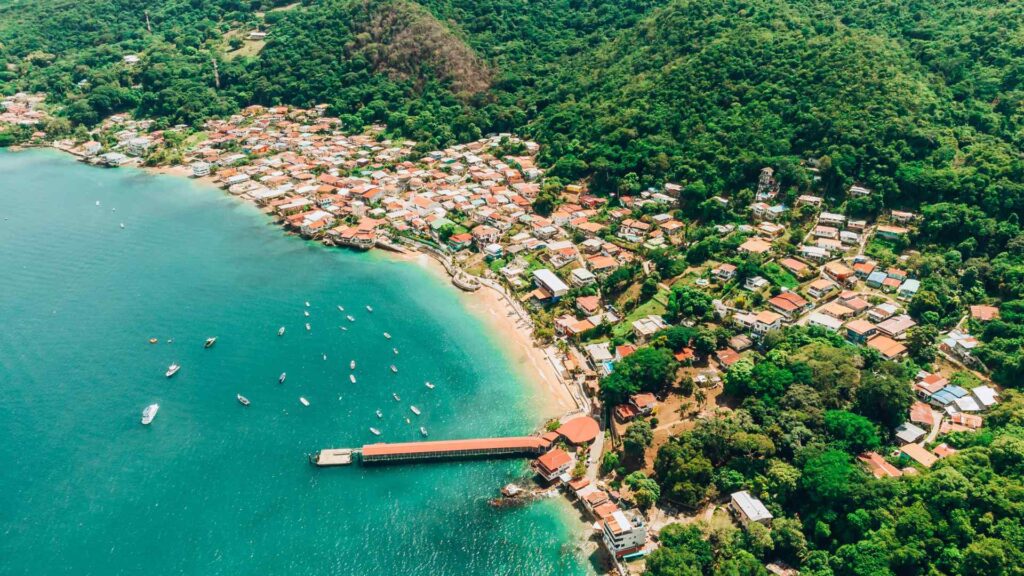
Caribbean-side calls may use facilities associated with Colón or Cristóbal, with the exact berth shown in the ship’s program. The terminal area is a transportation hub for canal, rainforest, railway, and historic-coast excursions rather than a place where most visitors wander without a plan.
Organized transportation is the sensible choice beyond any controlled shopping or terminal area. Traffic, port security, neighborhood conditions, and the distance between attractions make a licensed guide, reserved driver, or ship excursion more practical than improvisation.
Colón’s strongest advantage is access to the Atlantic side of the canal. Agua Clara Visitor Center, Gatun Lake experiences, the historic locks area, and rainforest excursions can be reached without crossing the country to Panama City.
Do not assume the word Colón means the ship docks at a specific mall or terminal used by a previous itinerary. Photograph the facility name when you leave and show it to your return driver.
Agua Clara and Gatun Lake
The Panama Canal Authority operates Agua Clara Visitor Center near Gatun on the Caribbean side. Its official site publishes current opening hours, tickets, and daily transit windows, which matter because watching a ship pass is never guaranteed at the exact minute you arrive.
Observation areas explain the expanded locks and provide broad views across canal operations and Gatun Lake. A guide adds value by connecting what you see to water management, vessel scheduling, lock chambers, and the canal’s role in global trade.
Wildlife trips on Gatun Lake may look for monkeys, birds, crocodilians, and other animals along forested islands. Sightings are never scheduled, so choose an operator that follows safe distances and treats the ecosystem as more than a photo backdrop.
Agua Clara and a lake outing can pair well on a long Colón call, but departure points and road transfers need coordination. A ship tour simplifies that sequence and protects the return if canal traffic or weather slows the outing.
Portobelo and San Lorenzo
Panama’s Caribbean coast holds the remains of Spanish colonial fortifications associated with the trade routes across the isthmus. Portobelo and San Lorenzo form a UNESCO-listed historic landscape, but their locations and access routes make them separate excursions rather than one quick downtown stop.
Portobelo also has deep Afro-Panamanian cultural significance, including Congo traditions and the Church of the Black Christ. Visit with a guide who can explain living history instead of presenting the community only through ruined forts.
San Lorenzo stands near the Chagres River and often combines with canal-zone or rainforest touring. Road conditions, restoration work, and site access can change, so verify the current route before building an independent plan.
These places are strongest for travelers interested in the centuries before the modern canal. They also involve heat, uneven surfaces, and limited shade, making water and realistic walking expectations essential.
Amador and the Pacific Cruise Terminal
Pacific-side cruise calls use the Amador area near the entrance to the canal and the island-linked Causeway. The terminal is well positioned for Panama City excursions, but it is not the same thing as stepping directly into Casco Antiguo.
Follow the ship’s transportation instructions because terminal operations and ground access continue to evolve. Taxis, cruise shuttles, and tours may use designated pickup points rather than meeting passengers beside the gangway.
The Amador Causeway connects Naos, Perico, Culebra, and Flamenco with material from the canal excavation. It offers skyline views, restaurants, marinas, and access to attractions such as the Biomuseo, making it a useful low-risk plan close to the port.
Distances along the Causeway are longer and more exposed than they appear from a map. Heat, limited shade, and road crossings make a taxi or arranged transport worthwhile for anyone who wants to conserve energy.
Miraflores Visitor Center
Miraflores is the canal visitor center most naturally paired with an Amador or Panama City call. The Panama Canal Authority visitor site publishes current hours, ticket options, and daily transit information.
The experience includes views toward canal operations and an IMAX presentation, with the exact visitor offering reflected in the current ticket. Check the day’s transit windows because lock traffic follows canal operations rather than a tourist performance schedule.
Miraflores can be crowded when multiple tours arrive together. A reserved entry or ship excursion reduces uncertainty, while an independent driver should understand that you may need more time than a simple photo stop.
Travelers who will make a full canal transit on the ship may prefer to spend the shore day on Panama City’s history instead. The visitor center is most valuable when you want interpretation, closer lock views, or a canal experience without transiting aboard.
Panama City and Casco Antiguo
Panama City combines a modern skyline with multiple historic layers. Casco Antiguo, the colonial district rebuilt after the destruction of Panamá Viejo, offers plazas, churches, museums, cafes, and rooftop views in a compact area.
Cobblestones, curbs, construction, heat, and traffic complicate a casual walking plan. Use a defined drop-off point and keep valuables secure, then explore a smaller loop rather than trying to cover every street.
The Interoceanic Canal Museum in Plaza de la Independencia gives context for the canal and the isthmus. Its official schedule should be checked because it does not open every day and holiday hours can differ.
Panamá Viejo is the archaeological site of the earlier city and lies across modern Panama City from Casco Antiguo. The two are historically connected but geographically separate, so visiting both requires transportation and enough time for heat and traffic.
Visit Panamá highlights the capital’s rainforest, gastronomy, museums, Amador Causeway, and historic districts as distinct experiences. I would choose two compatible areas and enjoy them properly instead of crossing the city for a long checklist.
Bocas del Toro Cruise Calls
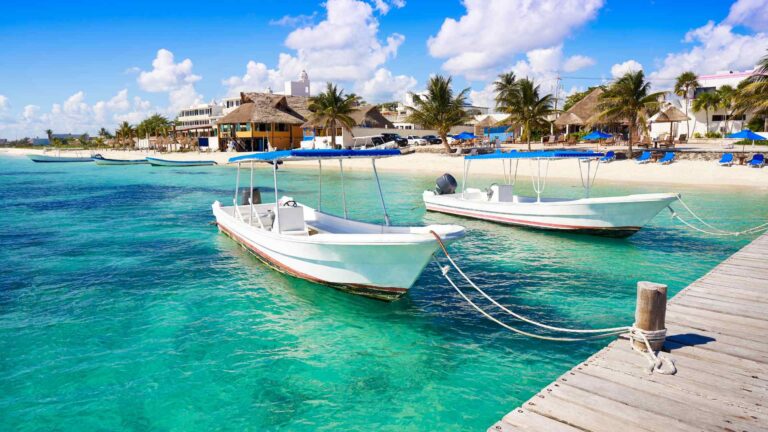
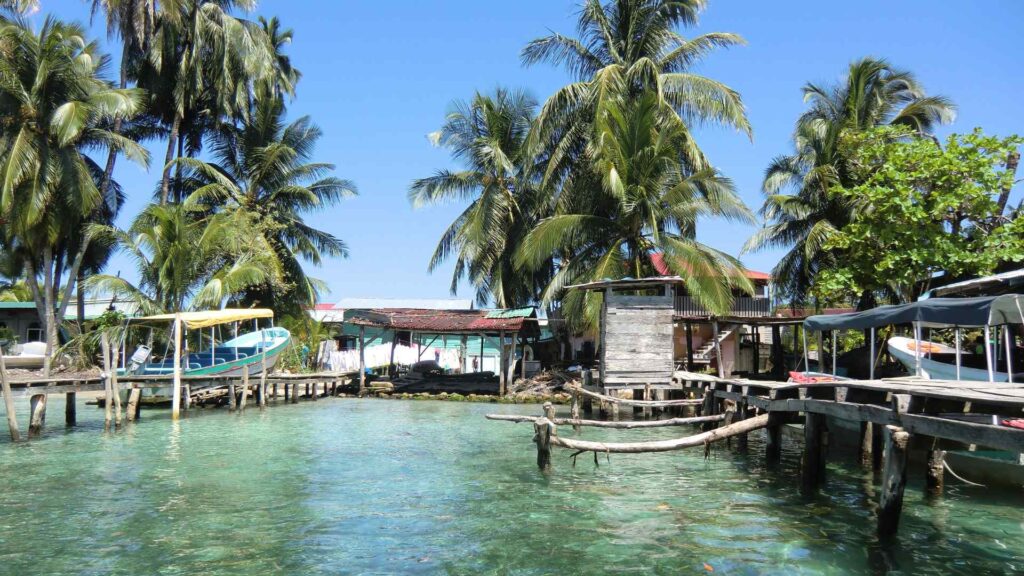
Bocas del Toro is a completely different Panama cruise experience on the Caribbean side near the Costa Rican border. Calls are generally small-scale and may involve tenders or local boats, with Bocas Town on Isla Colón acting as the service center.
The archipelago is known for mangroves, reefs, beaches, Afro-Caribbean culture, and island communities. Visit Panamá identifies Isla Colón, Carenero, and Bastimentos as the three main visitor islands, with most movement between them by water.
A water taxi is not automatically suitable for every traveler or sea condition. Ask about boarding height, luggage, life jackets, spray, dock steps, and the exact return time before committing.
Choose one boat outing, beach, cacao or cultural experience, or a relaxed Bocas Town day. Island hopping sounds easy, but repeated boarding and weather-dependent transfers can consume a short call.
Bastimentos National Marine Park protects important coastal and marine habitats. Use authorized guides, follow reef and wildlife rules, and avoid touching coral or feeding animals.
Choosing the Right Panama Experience
From Colón, I would prioritize Agua Clara and either Gatun Lake or a Caribbean historic site. Crossing to Panama City is possible on some long calls, but it adds substantial road time and makes traffic more consequential.
From Amador, choose Miraflores with Casco Antiguo, or stay closer with the Causeway, Biomuseo, and a city meal. A partial canal boat journey is another option, but its embarkation, disembarkation, and bus return must match the ship.
On a full transit, stay aboard unless the cruise line explicitly offers a controlled excursion that rejoins later. The canal is the destination that day, and leaving independently is not a normal option.
In Bocas, let the water and islands set the pace. A single well-run nature outing and time in town will usually feel better than racing among beaches with no weather cushion.
Accessibility
Accessibility varies sharply by port and excursion. Modern terminals and canal visitor centers may offer ramps and elevators, while tenders, small boats, historic ruins, rainforest trails, and cobbled streets create very different barriers.
Ask the cruise line whether the ship will berth or tender and whether the shuttle carries your chair or scooter without folding. For tours, confirm the exact vehicle lift, securement system, step count, bathroom access, and whether you can remain in your device.
Miraflores and Agua Clara should be contacted for current accessible-route details and elevator status. Do not assume every observation level, film, pathway, or bus transfer is included in a general accessibility label.
Bocas del Toro is the most challenging option because small boats and variable docks define the day. Travelers unable to transfer should get written confirmation from the cruise line before treating any shore visit as possible.
Weather and Health
Panama is hot, humid, and rainy, with powerful sun between showers. Carry water, sunscreen, insect repellent, a breathable rain layer, and shoes that grip on wet stone or boat decks.
Rain can be sudden and intense, but it does not always last all day. Protect electronics and medication, then let local guides decide when a boat, trail, or exposed viewpoint is unsafe.
Use reputable water and food sources, especially during long road excursions. Travelers with heat sensitivity should build in air-conditioned stops rather than waiting until symptoms appear.
Money, Language, and Connectivity
United States paper currency circulates alongside Panamanian coins, and the balboa is equal in value to the dollar. Small bills are useful for tips and minor purchases, while cards are common at established attractions and restaurants.
Spanish is the national language, and English support varies outside major tourism operations. Save the ship, terminal, attraction, and return instructions in Spanish when traveling independently.
Mobile data may work well in the city and along major corridors but can weaken on lakes, islands, or rainforest roads. Keep offline maps, contact numbers, tour vouchers, and the ship’s all-aboard time available without a connection.
Return-to-Ship Strategy
Panama’s road traffic and port controls make an early return especially important. Build the margin from the ship’s all-aboard time, then add the vehicle journey, security gate, terminal route, and possible tender transfer.
A ship excursion offers the strongest protection for long cross-country or partial-transit logistics. Independent travelers should reserve transport both ways and avoid a final connection with no backup.
Final Thoughts
Panama cruise ports make sense once you separate the canal transit, Caribbean gateway, Pacific gateway, and island tender experiences. Confirm what your itinerary actually does, choose the visitor center and region that fit that operation, and leave enough flexibility for a country shaped by water, weather, and global shipping.