New Ship or Older Ship? What a Refurbishment Really Changes
A good refurbishment can make an older cruise ship feel fresher, add restaurants and activities, and replace tired public spaces. It does not turn the vessel into a newly designed ship, so cabin dimensions, basic circulation, outdoor space, and many accessibility constraints may remain.
The useful comparison is not simply new versus old. Compare the exact ship, its current deck plan, the scope and date of its last project, the itinerary, and the cabin you can actually book.
Quick Facts
- Do not trust one date: “Refurbished” may mean anything from maintenance and soft-goods replacement to major venue changes.
- Check the current deck plan: Marketing pages and old reviews may describe spaces that no longer exist.
- Cabins vary: Some are fully rebuilt, some receive finishes and technology, and others change very little.
- Port access: Hull dimensions and operating limits still matter, but itineraries and permitted berths can change after a refit.
- Best value: An older ship can win when its layout, route, cabin, and price fit you better.
Start with the scope, not the word “refurbished”
Cruise lines use refurbishment, revitalization, amplification, dry dock, and renovation in different ways. The label alone does not tell you which guest spaces, cabins, systems, or machinery changed.
A project may focus on required inspections and technical work with only modest visible changes. Another may add restaurants, slides, bars, suites, cabins, or redesigned pool areas.
Royal Caribbean’s current Amplified page, for example, lists ship-specific additions and warns that features vary by ship. That is why the exact vessel page and deck plan matter more than a fleetwide renovation slogan.
What a dry dock actually tells you
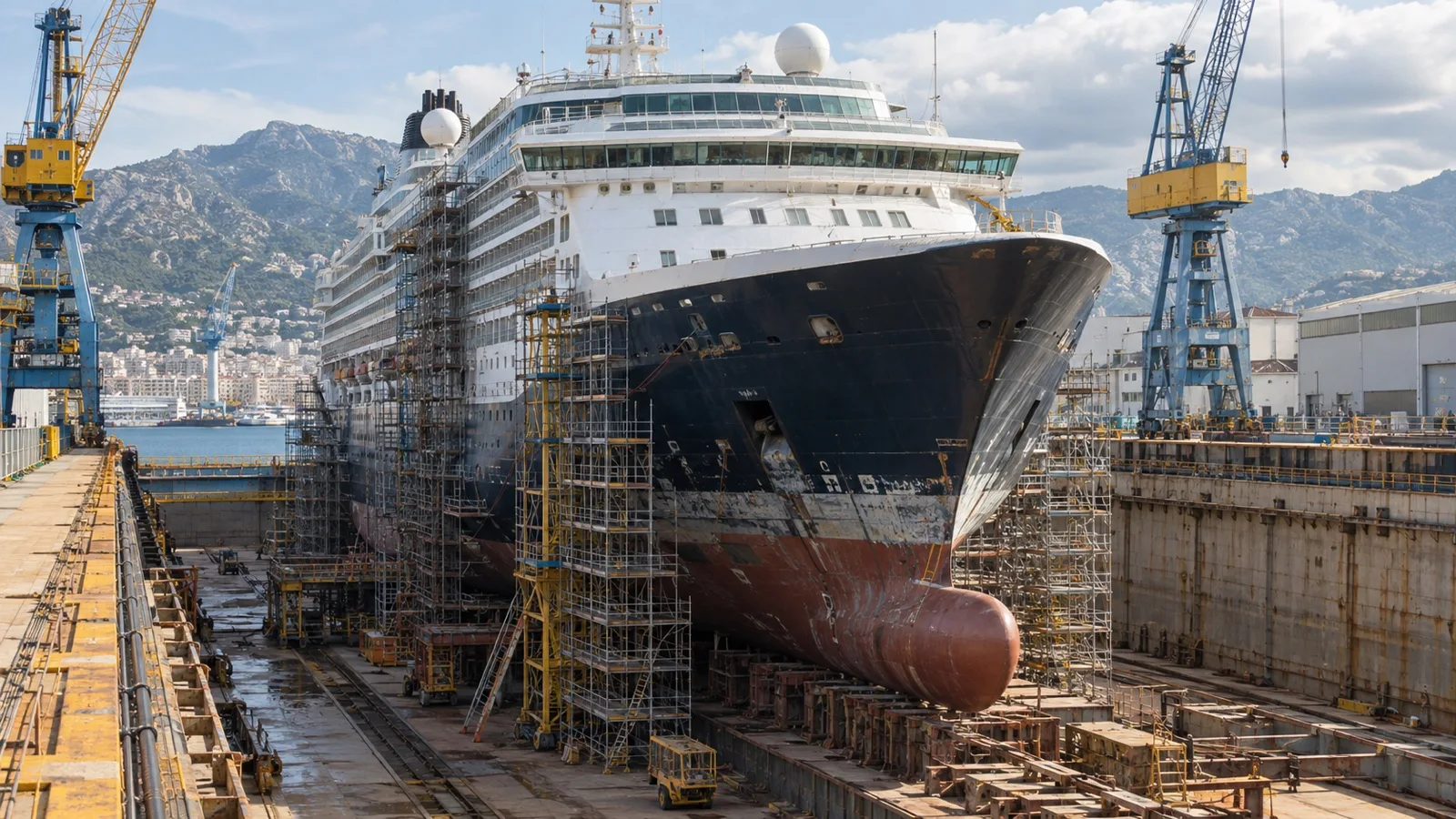
Dry docking gives a shipyard access to parts of the hull and underwater equipment that cannot be handled normally while afloat. It can include inspection, cleaning, coating, repair, propulsion work, and other technical projects.
It does not prove that every cabin or public room was rebuilt. UK Maritime and Coastguard Agency guidance treats dry docking as part of a regulated survey and inspection framework, which is different from a passenger-facing makeover.
A ship can therefore return from dry dock mechanically serviced but visually familiar. Read the line’s project announcement or ship factsheet for the guest-facing scope.
What can change for passengers
Public rooms and outdoor decks
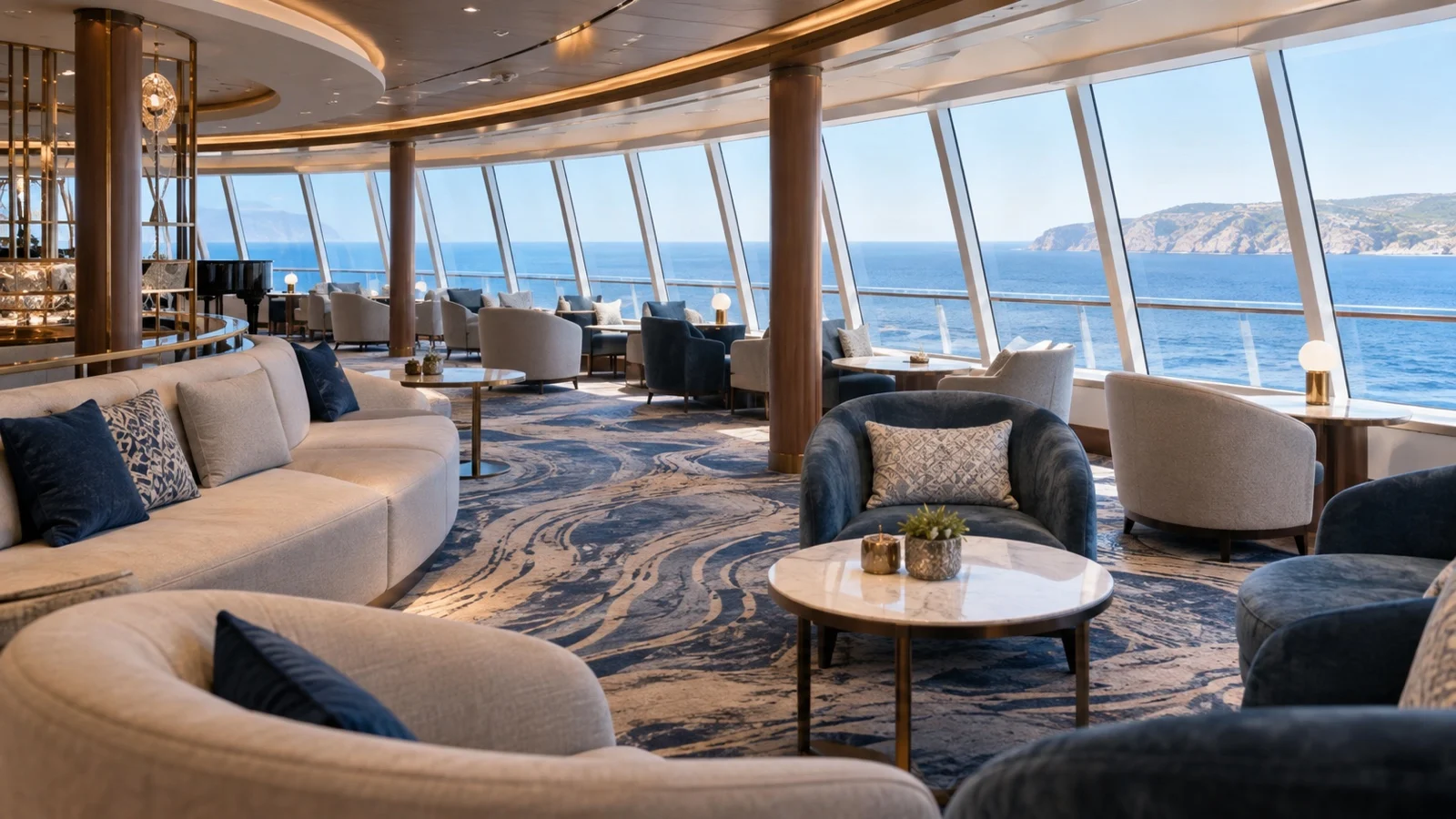
Carpets, upholstery, lighting, signage, furniture, pools, bars, restaurants, kids’ areas, theaters, and retail spaces may be refreshed or replaced. Large projects can also redivide existing space or add structures where engineering and approvals allow.
New venues can improve choice, but they can also change traffic flow and capacity. Check which options are included in the fare, which carry a fee, and whether reservations are needed.
Cabins
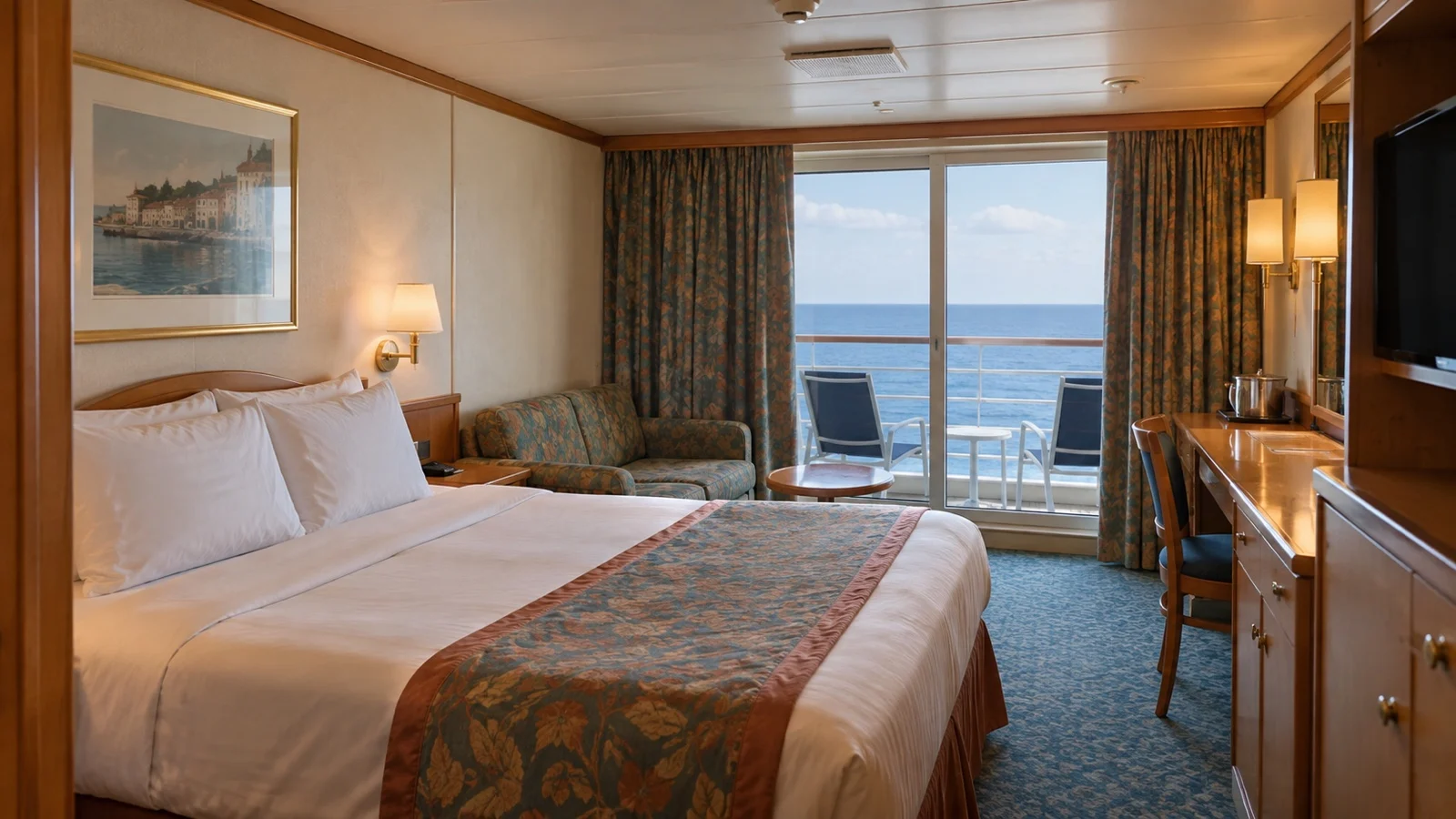
Cabin work can range from new bedding and finishes to redesigned bathrooms, added outlets, updated televisions, or complete suite changes. Do not assume every room category received the same treatment.
Structural width, window position, balcony depth, and the relationship to elevators or noisy venues are usually constrained by the existing ship. Compare the current cabin diagram, square footage, occupancy, connecting doors, and nearby spaces.
The cabin-location guide explains why deck placement can matter more than fresh decor.
Technology and connectivity
A refit may add network equipment, cabin outlets, app-supported systems, or updated entertainment. Performance still depends on the installed system, coverage, demand, itinerary, and package terms.
Look for a current ship-specific description rather than assuming that a fleetwide Wi-Fi brand means identical hardware on every vessel.
Accessibility
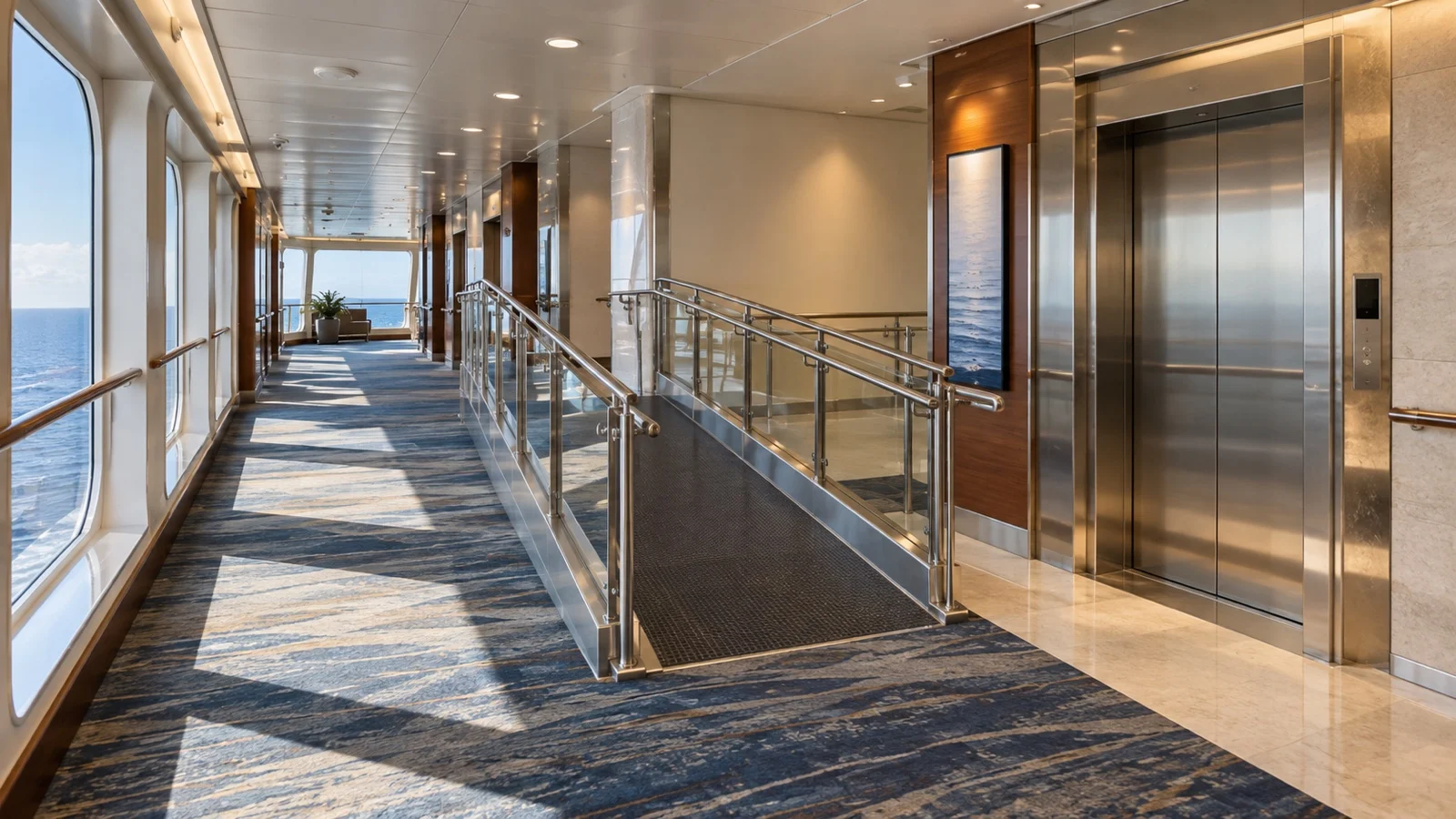
A project can improve routes, lifts, signage, pool access, or accessible cabins, but the original structure may limit what is possible. A renovation announcement is not evidence that every venue became step-free.
Ask the cruise line for current measurements, door widths, bathroom setup, tender rules, lift access, and equipment policies. Use the deck plan for the exact sailing because a sister ship may differ.
What a refit usually cannot erase
The vessel’s basic hull, beam, draft, deck count, and much of its structural layout remain. Older design choices can still shape corridor width, elevator count, pool-deck area, ceiling height, cabin size, and movement between venues.
A major conversion can alter capacity or add substantial features, but it remains ship-specific engineering rather than a standard outcome. Verify what changed instead of assuming that the project made the ship equivalent to a new class.
Age also does not tell you how well a ship is maintained on your sailing. Condition depends on continuous operations, repair, housekeeping, passenger wear, and the time since each space was last addressed.
Port access after a refurbishment
The original claim that a ship’s port list can never change after a refit is too absolute. Physical dimensions remain important, but draft, equipment, capacity, environmental compliance, tender arrangements, shore power, port rules, and operating decisions can change.
A new scrubber, propulsion work, tender change, added structure, or capacity adjustment may affect how a ship operates without changing its entire hull. Ports can also change berth policies, infrastructure, and ship limits independently of the refit.
Use the current itinerary and official berth information for the sailing you are considering. The guides to ship size and port access, small-ship ports, and tender ports cover the main constraints.
How to research the exact ship
- Find the cruise line’s current ship page and deck plan for your sailing date.
- Write down the build year, ship class, guest capacity, and the date of the latest major project.
- Open the line’s announcement or factsheet and list the spaces specifically named.
- Compare pre-refit and current deck plans if cabins or venues were added.
- Check recent photos and reviews for your exact cabin category and the spaces you care about.
- Look for planned future dry docks that could disrupt or materially change the sailing.
- Verify the current itinerary and berth expectations separately from the renovation.
For ships that call in the United States, the U.S. Coast Guard’s PSIX vessel search can help identify vessel particulars and inspection records. It is an operational record source, not a review of decor or entertainment.
When the new ship is worth more
Choose the newer ship when its purpose-built features solve something important: more family attractions, newer accessible design, a specific cabin type, more dining choice, additional outdoor space, or technology you will use. Pay for the actual advantage, not the launch-year glow.
New ships can also bring crowds, reservation pressure, higher fares, and itineraries shaped by their size. The most impressive vessel may be a poor match for a port-intensive trip where you spend little time aboard.
When the older ship is the better booking
An older or smaller ship can offer a calmer layout, fewer passengers, an itinerary unavailable to larger vessels, and a lower fare. A thoughtfully refurbished ship may combine established design with refreshed high-use spaces.
The savings can buy a better cabin, longer trip, easier flights, or stronger port experiences. Compare total trip value rather than only the ship’s age.
Older does not automatically mean intimate, and refurbished does not automatically mean quiet. Check capacity, space ratio, venue mix, sailing length, and likely passenger profile.
The most common booking mistakes
- Assuming the entire ship was renovated because one venue was advertised.
- Reading reviews written before the latest project without checking the date.
- Using a sister ship’s deck plan for the vessel being booked.
- Believing a new restaurant is included when it carries a cover charge.
- Choosing a fresh-looking cabin beneath a newly added noisy venue.
- Treating dry-dock maintenance as proof of a complete hotel refurbishment.
- Ignoring itinerary and port access because the newest ship feels more exciting.
Quick answers
Does refurbished mean every cabin is new?
No. Cabin work varies by project, deck, and category, so confirm the exact scope and look at current room details.
Does a dry dock always include passenger upgrades?
No. Dry docking can be driven by inspection and technical work, with guest-facing changes ranging from extensive to minimal.
Can refurbishment change which ports a ship visits?
It can affect capabilities or operating choices, while ports and itineraries can also change independently. Check current ship particulars and the actual sailing instead of relying on a permanent port list.
Is a new ship always cleaner or better maintained?
No. Build year and maintenance condition are different questions, and a ship’s condition can vary over time and between spaces.
How recent should reviews be?
Use reviews after the latest relevant project, then confirm details against the current deck plan and cruise-line information. Recent reviews are still personal reports, not specifications.
Final word
A refurbishment is valuable when it improves the spaces and systems you will actually use. The decision becomes much easier when you compare the current ship, cabin, itinerary, and price rather than two ages on a brochure.
Projects, deck plans, and itineraries change, so verify the exact sailing before booking. See the Editorial Policy for how CruisePorts.co researches and updates guidance.
More on this topic: browse every guide on choosing a cruise.