Round-Trip or One-Way: What an Open-Jaw Cruise Really Costs
A round-trip cruise is often the easier buy, but it is not automatically the cheaper trip. The honest comparison includes airfare, hotels, transfers, parking, baggage, extra vacation days, and the value of the itinerary you actually want.
One-way cruises, sometimes called open-jaw cruises, can cost more to reach and leave. They can also unlock longer routes, different scenery, and a land vacation at either end, so the lowest cruise fare is only one line in the math.
The verdict up front
Choose round-trip when a nearby port lets you drive, when flights to one airport are much cheaper, or when simple logistics matter more than covering new ground. Just count parking, tolls, fuel, and any pre-cruise hotel before declaring victory.
Choose one-way when the route itself is the prize, when you already plan to spend time in both endpoint cities, or when a multi-city flight prices close to a round-trip ticket. In Alaska and the Mediterranean, that extra geographic reach can be worth more than the transportation premium.
If both options still look good, price them side by side on the same day with the same cabin category and cancellation terms. A bargain balcony on one itinerary is not a fair comparison with an inside cabin on the other.
What “open-jaw” means for a cruise
A one-way cruise starts in one port and ends in another, such as Vancouver to Whittier or Barcelona to Civitavecchia. Travelers often call the trip open-jaw because the matching airfare may fly into one city and home from another.
Airlines usually label that search “multi-city,” while two separate one-way tickets are another possibility. Price both arrangements, then compare baggage fees, seat fees, change rules, and what happens if one airline disrupts a separately booked connection.
Build the real total, not the brochure total
Open a note or spreadsheet and make one column for each itinerary. Use the total price for everyone traveling, not a per-person teaser fare.
- Cruise: fare, port taxes, government fees, gratuities, and the onboard package costs you expect to buy.
- Air: base fare, checked bags, seat assignments, and any positioning flight needed to reach a larger airport.
- Hotels: a sensible pre-cruise buffer plus any post-cruise night required by flight or train schedules.
- Ground transportation: airport-to-hotel, hotel-to-port, and port-to-airport trips at both ends.
- Driving: fuel, tolls, parking, and a hotel if the drive is too long to trust on embarkation morning.
- Trip extras: meals ashore, insurance, visas or entry authorizations, foreign transaction costs, and land tours.
- Time: extra vacation days and the practical cost of a long or awkward travel day.
Keep optional spending separate from costs the itinerary forces on you. A three-night Rome stay may be wonderful, but it should not make the cruise look expensive if you would happily book that vacation anyway.
A quick break-even check
Subtract the full round-trip total from the full one-way total. The result is the premium you are paying for the one-way route, so divide it by the number of travelers and ask whether the added ports, scenic cruising, or land access are worth that amount per person.
Run the calculation again if flights or hotels are refundable and likely to change. Airfare can move enough to reverse the answer, especially around holidays and at smaller gateway airports.
Where round-trip costs hide
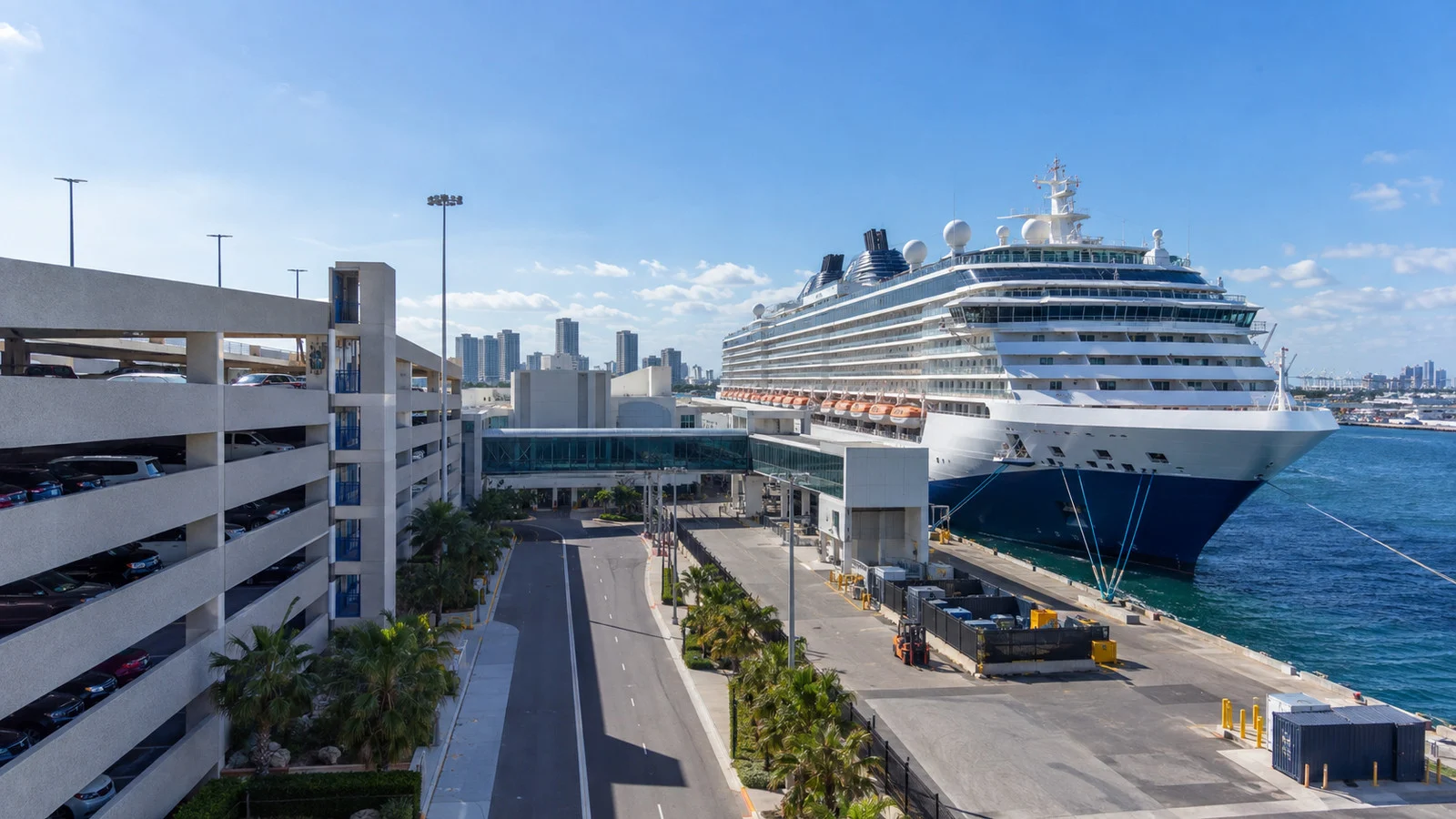
Driving removes airfare, not transportation cost. At Port Everglades, for example, the port currently lists standard parking at $20 per day, so a seven-night cruise can add roughly $160 when the partial arrival and departure days are counted under the port’s posted daily policy.
That is before fuel, tolls, and a hotel buffer. Port parking rates and counting rules change, so check the terminal’s official page before locking the comparison.
A round-trip sailing can also repeat part of its path, but that does not make it poor value. Fewer transportation handoffs, one familiar airport, and a car waiting at the terminal can be worth a great deal after a long cruise.
Where one-way costs hide
The big trap is pricing only the flights. Different ports can mean two expensive transfers, a late train that forces a hotel, or a remote endpoint with limited same-day options.
Search each endpoint by its actual port, not the city name printed in the itinerary. “Rome” cruises normally use Civitavecchia, while many Alaska Gulf crossings use Whittier or Seward rather than Anchorage itself.
Also compare the rules behind the cheapest air combination. Two independent tickets may save money, but the second carrier generally has no obligation to protect you when the first itinerary runs late.
If you add a land trip, price it as a deliberate vacation rather than an unavoidable cruise fee. The cleanest comparison shows both the cruise-only logistics and the expanded vacation you genuinely want.
Alaska: when one-way buys a different trip

Alaska is the strongest case for looking beyond the fare. Princess currently markets its seven-day Voyage of the Glaciers between Vancouver and Whittier with two glacier-viewing experiences, including Glacier Bay plus either Hubbard Glacier or College Fjord, although exact routes and port order vary.
That is a meaningful itinerary difference, not proof that every one-way sailing is better. A round-trip from Vancouver or Seattle may still win if its dates, ports, flight cost, and travel time fit you better.
Price the Alaska endpoints carefully
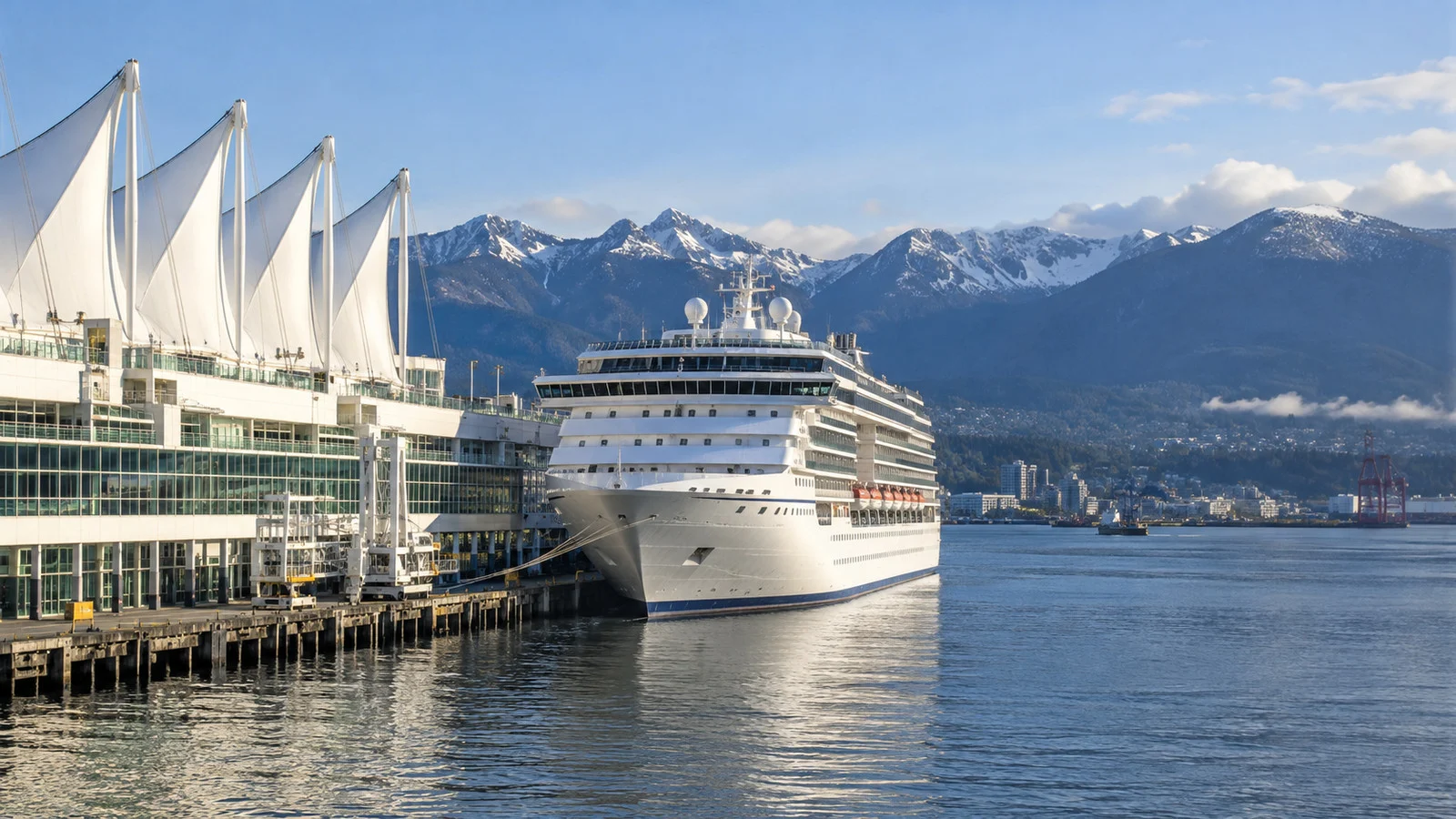
Vancouver’s Canada Place terminal is in the city, but the airport transfer still belongs in the budget. Use the Vancouver cruise port guide to map the terminal day, then check current transit and taxi details for your date.
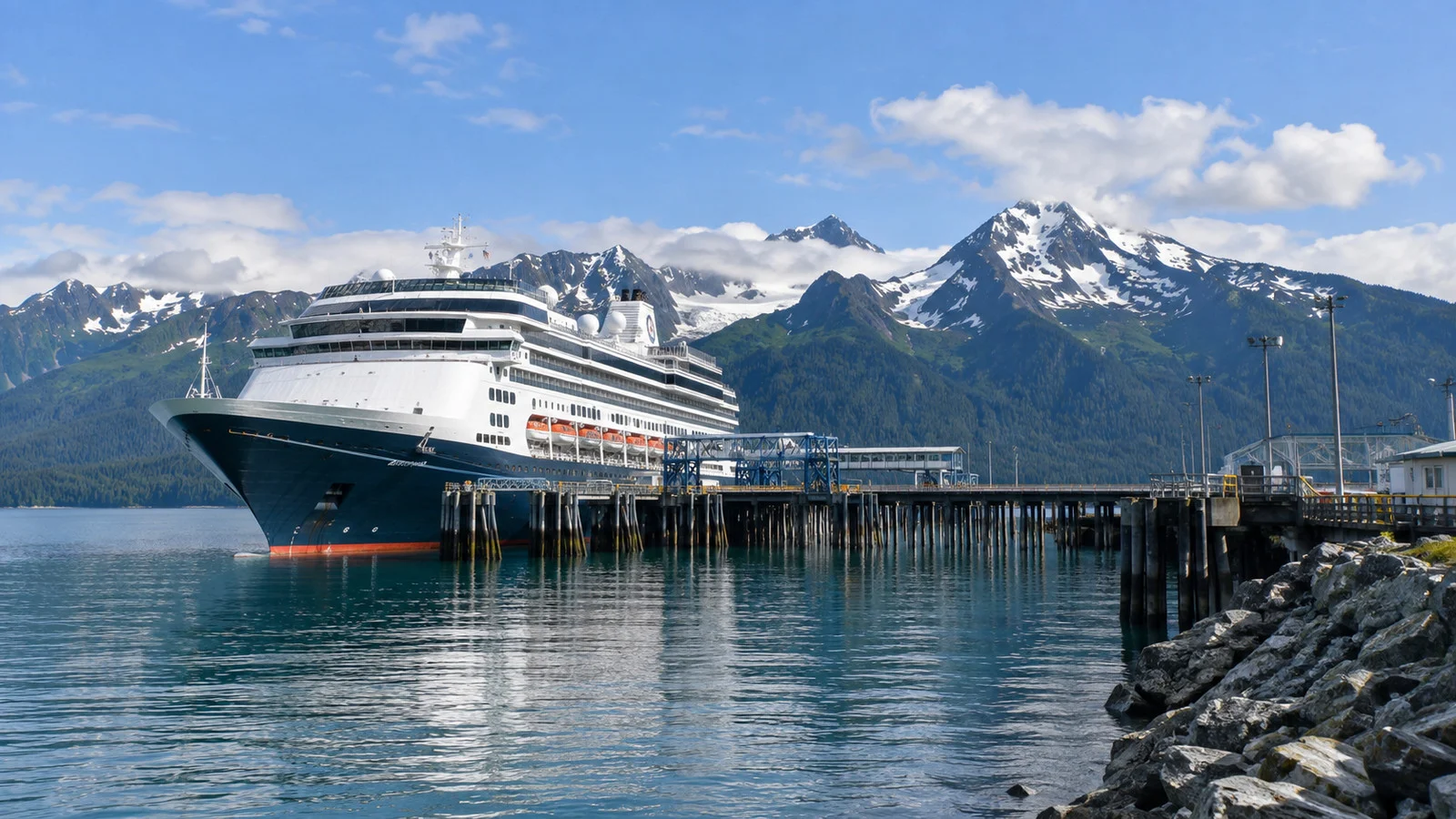
Whittier and Seward require a separate connection to or from Anchorage for most flyers. Alaska Railroad service is seasonal, and its published schedules differ by route, so confirm that the train actually meets your ship and flight before buying either.
The Coastal Classic currently lists an evening departure from Seward to Anchorage during its operating season. That timing can make a same-night flight unwise or impossible, which is exactly how a one-way bargain grows an extra hotel night.
For the port details, start with the Seward cruise port guide. For Whittier, compare the cruise line’s transfer, rail service, and a reputable scheduled coach rather than assuming a rideshare will be waiting.
Mediterranean: one-way works best with a land plan
A Barcelona-to-Civitavecchia itinerary can be excellent when you want time in Spain before the cruise and Rome afterward. The air ticket may cost more or less than a simple round trip, but the route can replace a separate flight or train between two land vacations.
The crucial detail is that Civitavecchia is the port for Rome, not central Rome. Budget the transfer and enough time for traffic or rail logistics, and use the Rome cruise port guide and Barcelona cruise port guide before choosing flights.
A European one-way is less compelling if it creates two rushed airport days with no city time. It becomes far more attractive when the endpoints are places you wanted to visit anyway.

Repositioning cruises need their own math
A repositioning cruise moves a ship between seasonal regions and is often one-way, but it is not the same product as a port-heavy open-jaw itinerary. The nightly fare can look tempting while the longer sailing, extra sea days, and long-haul flight increase the total vacation cost.
Compare days away from work, onboard spending, and the route itself before chasing a low per-night number. The transatlantic crossing versus repositioning guide explains that distinction in more detail.
Flights: protect the expensive part
Arrive at the embarkation city at least one day before sailing, with more buffer for international trips, winter weather, or a chain of separate tickets. The cheapest itinerary is no bargain if one delay makes you chase the ship.
For the trip home, do not rely on a generic “after noon” or “mid-afternoon” rule. Follow the cruise line’s minimum flight guidance for that port, add time for disembarkation and border formalities, and check the airline’s bag-drop deadline.
Cruise-line air programs may offer help during disruptions, but protection varies by program and booking. Read the current terms rather than assuming the cruise line will hold the ship, reroute you for free, or reimburse an independently booked hotel.
Documents and U.S. routing rules
United States coastwise passenger rules influence how foreign-flagged cruise itineraries are designed, but travelers do not need to solve the routing law themselves. What matters at booking is whether the cruise line accepts the itinerary and whether your own citizenship and route require a passport, visa, or other entry document.
Do not assume that advice for a closed-loop cruise applies to a one-way sailing. Check the cruise line and every destination’s official requirements, then use the closed-loop cruise document guide only as background.
How to make the decision in 20 minutes
- Choose two sailings with comparable dates, cabin categories, and cancellation terms.
- Record the checkout total for the cruise, including taxes and required charges.
- Price round-trip, multi-city, and separate one-way flights with bags and seats.
- Add realistic hotels, every airport or port transfer, and parking or driving costs.
- Mark optional land-vacation spending separately so it does not distort the cruise comparison.
- Compare the final dollar gap with the ports, scenic days, and travel simplicity each route delivers.
Save screenshots or fare details because cruise and air prices can change while you decide. Before final payment, repeat the exercise if your fare allows repricing and review the cruise fare timeline.
Who should book which?
Round-trip is usually the better fit when:
- You can drive to the port at a reasonable total cost.
- You want the fewest transportation handoffs.
- Flights to one gateway are much cheaper or more reliable.
- The round-trip itinerary already includes your priority ports.
One-way is usually the better fit when:
- The route reaches scenery or ports the round-trip option does not.
- You want a land stay at both endpoints.
- Multi-city airfare and transfers keep the total premium modest.
- You value variety more than a simple return to the same terminal.
If you book through an adviser or membership program, ask for the same cabin and fare rules before comparing perks. The direct versus travel adviser booking guide can help you separate real value from a flashy credit.
Quick answers
Are one-way cruises always more expensive?
No. Their transportation can cost more, but cruise fares, flight markets, hotel needs, and itinerary value vary enough that only an all-in comparison can answer.
Is a multi-city flight always cheaper than two one-ways?
No. Search both, include bags and seats, and compare disruption protection before choosing.
Can you fly home the day a cruise ends?
Often, but the safe time depends on the port, ship clearance, transfer, airport, and flight. Use the cruise line’s current minimum guidance and add a personal buffer.
What is the biggest one-way planning mistake?
Treating the destination city and cruise port as the same place. Remote or secondary ports can turn a cheap fare into an expensive transfer and hotel problem.
Bottom line
Round-trip usually wins for simplicity, especially when you can drive, while one-way can win for reach and a richer land-and-sea itinerary. Price the whole trip first, then spend the difference only when the route gives you something you actually value.
Current planning sources
- Port Everglades parking rates and policies
- Princess Voyage of the Glaciers itinerary overview
- Alaska Railroad Coastal Classic and current schedules
- United States Customs and Border Protection passenger-vessel guidance
Checked September 2026. Prices, schedules, entry rules, and cruise-line policies can change, so verify them before booking.
More on this topic: browse every guide on choosing a cruise.