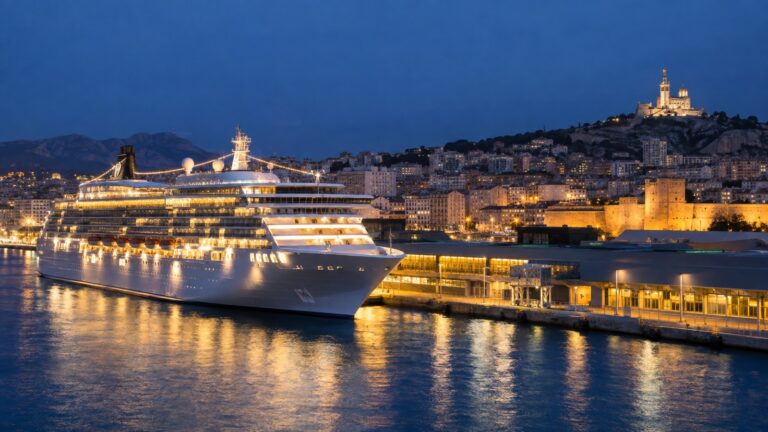
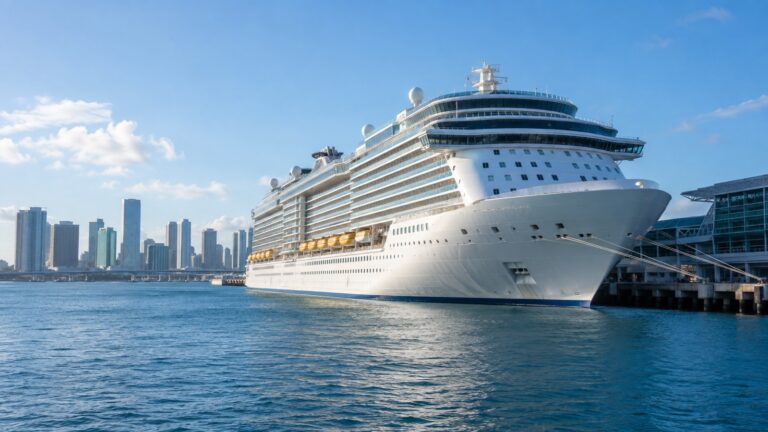
Why Two Ships in the Same Port Get Completely Different Days
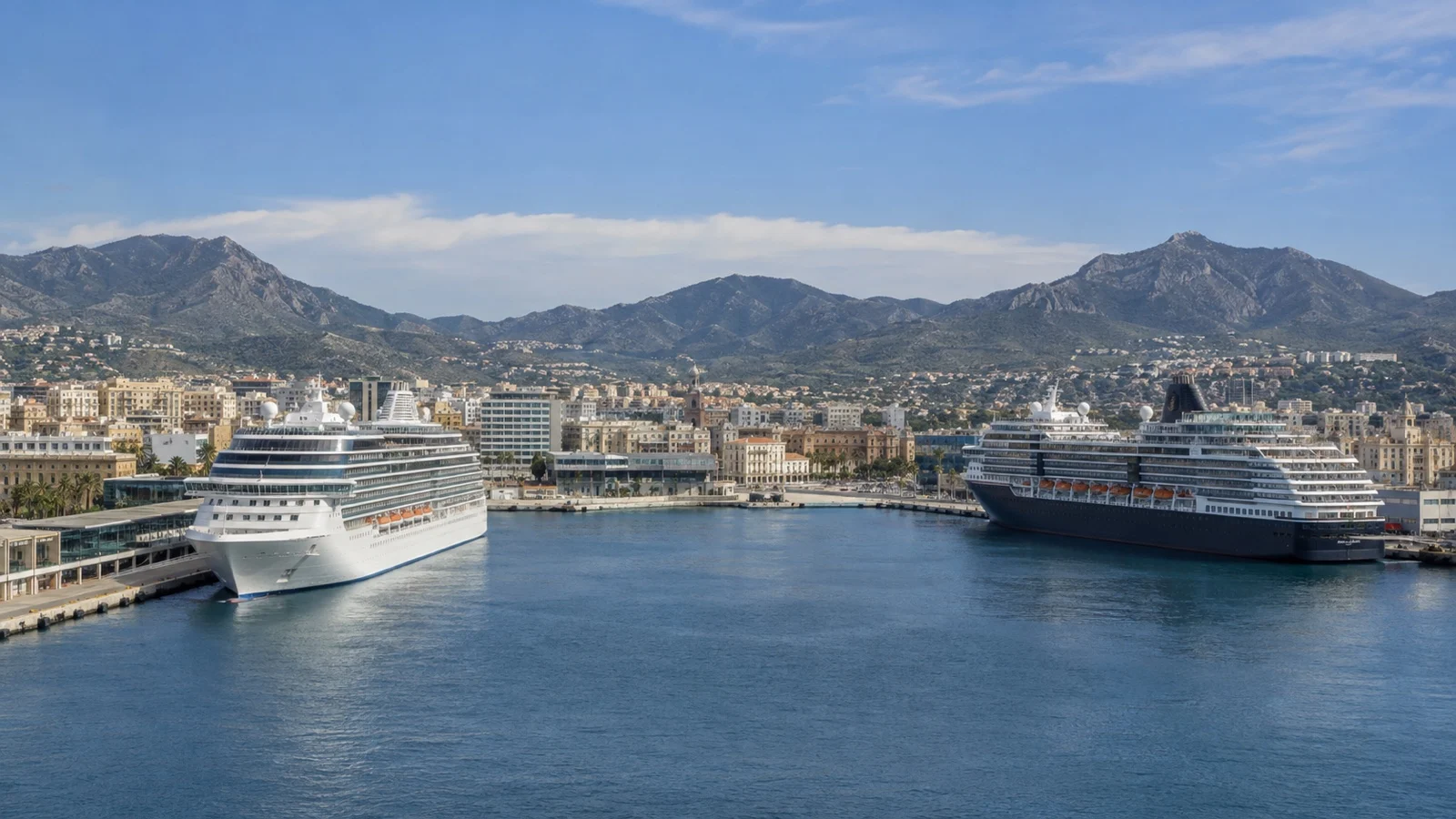
Two ships can share a port name and still deliver wildly different days ashore. One may arrive early at a walk-off berth, while the other gets a shorter window, a distant terminal, a shuttle, or a tender ride that changes the whole plan.
My quick take
Compare usable time, not just the colored dots on an itinerary map. Arrival, all-aboard time, berth, disembarkation method, local transportation, and the day’s traffic matter more than the port count.
Treat every published detail as planning information rather than a guarantee. Port operations, weather, immigration clearance, and itinerary changes can move the clock or the ship even after you book.
The quick facts
- Port name: tells you the call’s destination label, not how many practical hours you will have.
- Call window: each ship has its own scheduled arrival and departure, which may differ even on the same date.
- Berth: size, draft, terminal capacity, traffic, contracts, and port operations can put ships in different locations.
- Way ashore: one ship may use a gangway while another tenders, shuttles, or uses a port bus.
- All aboard: the ship’s return deadline comes before departure and can differ by call.
- Crowds: simultaneous ships affect tours, taxis, transit, and attractions, but each ship’s passengers may reach town at different times.
- Best comparison: estimate usable independent time after clearance, queues, transfers, inland travel, and the return buffer.
A port list is only the first layer
The itinerary summary answers “where,” but not fully “when” or “how.” A careful comparison needs the dated call schedule, published arrival and departure, expected berth or terminal, and whether passengers walk off or use a tender.
Even the published window is not all sightseeing time. The ship must be cleared for guests to go ashore, and passengers must return by the stated all-aboard time rather than the departure time.
Read the full itinerary details for both sailings and save them. If the line does not yet name the terminal or tender status, mark those items unknown instead of filling the gap with optimism.
The seven reasons the days can differ
1. Different arrival and departure slots
Cruise lines build schedules around sailing distance, speed, fuel planning, pilotage, tides, port availability, and the surrounding itinerary. The result is a ship-specific call window, not a standard day that belongs to the port.
An early arrival may suit a full-day tour, while a late arrival may work better for evening dining or a sunset departure. Longer is often useful, but the better schedule depends on what is open during those hours.
2. Different berths or terminals
A waterfront may have several cruise berths with very different access to town. Allocation is coordinated among the port, terminal, agent, and cruise operator under local procedures, so it is too simple to say either the captain or the port alone “chooses” the spot.
Ship length and draft can restrict which berths are physically possible, but size does not automatically mean a worse location. Security requirements, shore services, other booked calls, and operational agreements can matter too.
3. Docked versus tendered
A docked ship can normally use a gangway after clearance, while a ship at anchor transfers guests in smaller boats. Tendering adds loading, sailing, and queue time, and it may be slowed, changed, or canceled when conditions are unsuitable.
Do not subtract a fixed two hours from every tender call. Capacity, distance, sea conditions, priority groups, local landing arrangements, and the number of guests going ashore make each operation different.
4. Shuttle or port-bus requirements
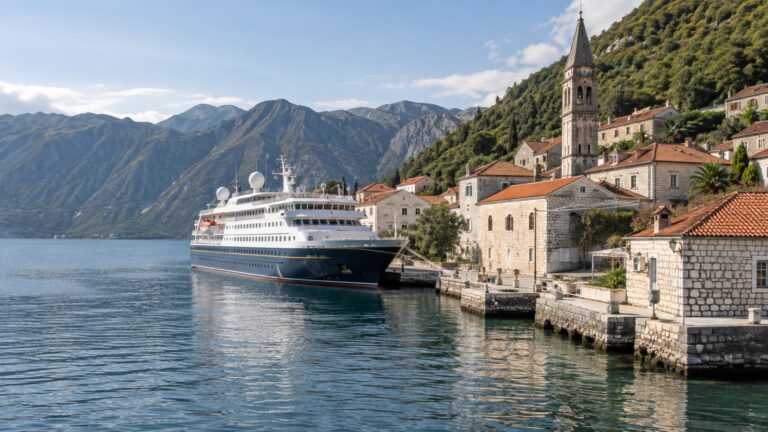
Some secure or distant terminals do not allow passengers to walk through the port. One ship may be beside town while another requires a complimentary, paid, or mandatory bus to an authorized drop-off point.
Check the first and last service, accessibility, ticket method, and realistic travel time in both directions. A shuttle label without those details is not yet a plan.
5. Clearance and gangway timing
The published arrival time is not a promise that every passenger can step ashore at that minute. Local authorities may need to clear the vessel, and the crew must position safe gangways or begin the tender operation.
Ship excursions and independent guests may also be released differently under the line’s procedures. Use the cruise line’s current instructions for your sailing rather than assuming loyalty status or an early breakfast puts you first.
6. Weather, tide, and local operating conditions
Wind and swell matter most visibly at tender ports, but fog, tide, current, heat, storms, strikes, security events, and traffic can affect any call. Two ships of different size or position can receive different operational decisions on the same day.
A canceled tender does not prove that another vessel acted unsafely by going ashore. Masters, ports, and operators make decisions using the conditions, equipment, location, and ship involved.
7. The rest of each ship’s itinerary
A ship that must cover a long overnight distance may leave earlier than one sailing to a nearby next port. Fuel plans, speed restrictions, daylight requirements, pilot windows, and the following berth booking can all shape the clock.
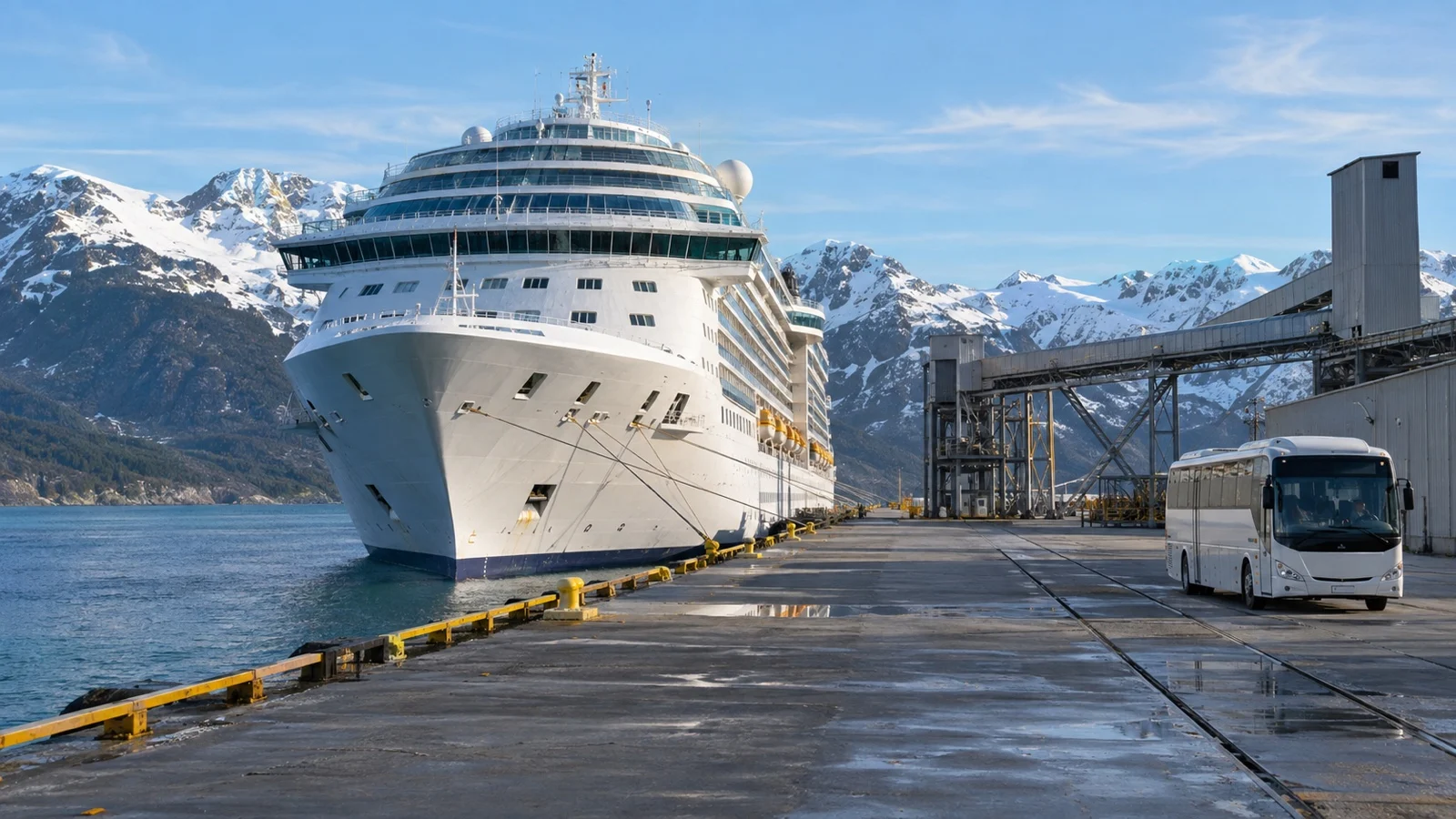
Barcelona: the terminal can change the city day
The Port of Barcelona says its World Trade Center South terminal sits about 1,300 feet from the city and accepts ships up to 830 feet long. That physical limit helps explain why two callers cannot be assumed to use equally close terminals.
A larger ship may use another terminal, but do not infer the berth from length alone. Check the port forecast and cruise line update, then use the Barcelona cruise-port guide to plan from the assigned terminal.
Ketchikan: one city, several berth possibilities
The City of Ketchikan lists four Panamax-sized cruise berths along the downtown waterfront and publishes a current 2026 berthing calendar. A berth number therefore carries useful information that the word “Ketchikan” alone cannot.
Use the schedule as a planning aid and recheck closer to arrival. Berthing calendars can be revised, and not every facility used by a Ketchikan call is managed by the city’s downtown port.
Juneau: capacity policy shapes the bigger picture
Juneau’s city government and participating cruise lines agreed to daily limits of 16,000 lower berths and 12,000 on Saturdays. The agreement manages destination-wide volume, but it does not by itself tell you that one specific ship will receive an early or late slot.
That distinction matters whenever a city announces a daily cap. Capacity policy explains the planning environment, while the actual ship schedule and berth assignment explain your day.
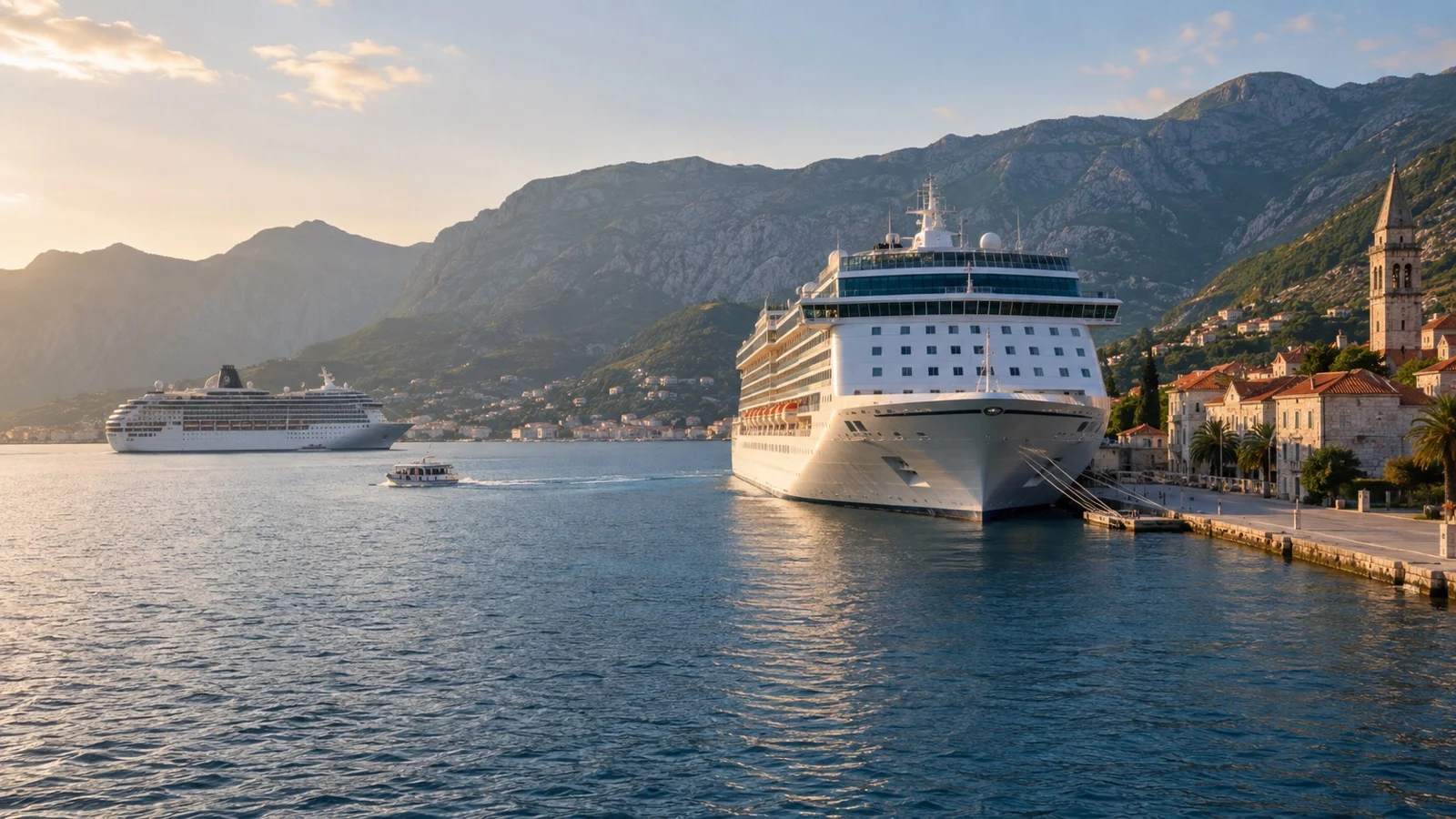
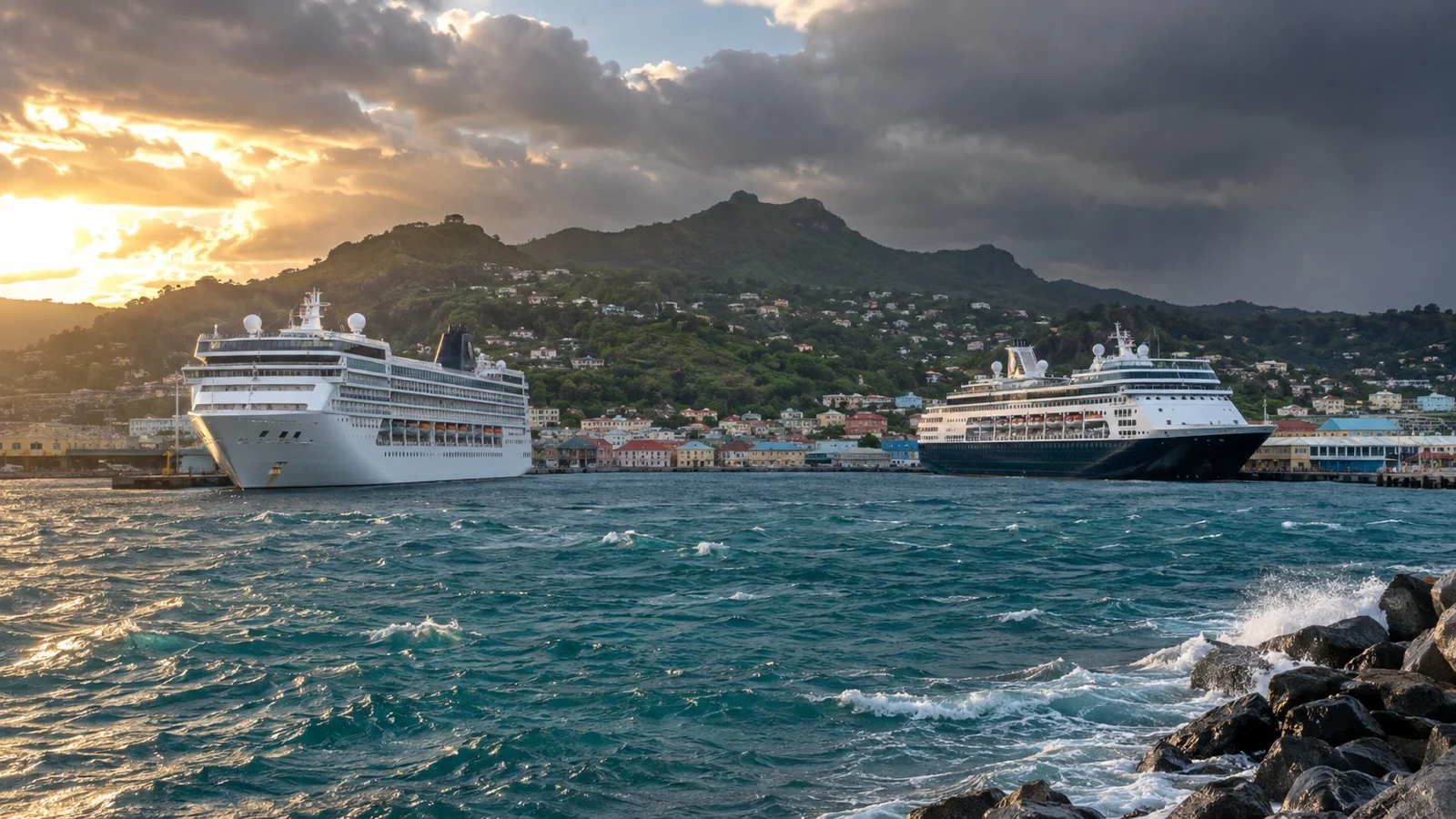
Tendering can produce the biggest practical gap
Tender calls begin and end with a boat transfer, so the first passenger ashore and the last independent return can sit well inside the ship’s published call window. Guests on organized tours, suite programs, or loyalty tiers may receive different outbound procedures depending on the line.
Holland America’s current policy, for example, gives qualifying members priority from ship to shore but not from shore back to the ship. That is one line’s rule, not a promise to copy across every brand.
Read how tender ports work, then ask the cruise line whether a tender is planned for this sailing. The final operation can still change with weather, berth availability, and local instructions.
All aboard is the real deadline
Departure time is when the ship plans to sail, while all aboard is when guests must be back. The gap is set for the call and can be longer for tenders or other operational needs, so there is no dependable universal 30-minute rule.
Put the all-aboard time into your phone in ship time and confirm whether ship time matches local time. Our ship-time guide covers the tiny clock problem with enormous consequences.
Private tours should promise a return well before all aboard, not merely before departure. The right buffer depends on distance, traffic, border procedures, tender queues, and your comfort with risk.
How to estimate usable time ashore
- Start with the cruise line’s latest arrival and departure times for the exact sailing.
- Replace departure with the stated all-aboard deadline when it becomes available.
- Allow for ship clearance and the time your passenger group is likely to disembark.
- Add the outbound and return tender, shuttle, or port-bus process.
- Subtract travel to the actual attraction, not merely to the city center.
- Protect a realistic return buffer for traffic, queues, weather, and finding the correct terminal.
- Compare what remains with attraction opening hours and the tour’s check-in time.
Keep the assumptions visible, especially anything the line has not confirmed. A range such as “about four to five usable hours” is more honest than a crisp number built on an imaginary instant gangway.
How to compare two sailings before booking
- Open the detailed itinerary for each exact departure date.
- Write down every port’s arrival and departure time, including overnight calls.
- Check the official port schedule for the current berth, terminal, and other ships.
- Mark each call as docked, tender expected, shuttle expected, or unknown.
- Check whether the main attraction is in the port or requires a long inland transfer.
- Compare operating hours, closed days, sunset, and seasonal transportation.
- Value the hours that fit your priorities instead of simply totaling all hours.
A port-intensive itinerary is not automatically the stronger one. As the guide to sea days versus port-heavy cruises explains, usable time and pacing matter as much as the raw stop count.
Also check what happens when several ships call together. Shared crowd pressure may hit both ships, but the one that arrives first or stays later may experience it differently.
Do not assume the “best” berth from the ship
Newer, more expensive, larger, or more luxurious ships do not automatically receive the closest position. A berth must suit the vessel and the port’s operational plan, and commercial arrangements are only one piece of that puzzle.
A smaller ship may fit a close terminal that cannot accept a longer vessel, as Barcelona’s published WTCB limit illustrates. Another day, the larger ship may have a purpose-built berth with quicker passenger flow, so verify rather than rank ships by prestige.
Independent day versus ship excursion
A ship excursion often manages the port transfer and receives instructions if timing changes. It may also leave soon after clearance, though exact priority and return guarantees depend on the cruise line’s written terms.
Independent travelers gain flexibility but must solve the terminal, transport, tickets, and return margin themselves. Ask a private operator which berth it will meet, how it monitors schedule changes, and what happens if the ship tenders or skips the call.
A short call is not worthless if the attraction is close and your plan is simple. The comparison becomes unfavorable when a distant must-see sight consumes most of the remaining usable window.
Accessibility can turn a small difference into a big one
Two ships in one harbor may offer very different physical access. Gangway slope, steps, tender transfers, shuttle lifts, cobblestones, terminal distance, and wheelchair or scooter rules all affect whether the day works.
Ask the cruise line’s accessibility team about the expected berth and disembarkation method before booking, then reconfirm aboard. Tender access can change with sea conditions, and the crew may determine that a transfer cannot be performed safely.
Do not rely on a generic “accessible port” label. The guide to planning when someone cannot walk far gives a more useful checklist for the route from cabin to attraction.
When official schedules help, and when they do not
Port calendars are excellent for seeing planned calls, time windows, berth codes, and how busy the waterfront may be. The Ketchikan port page and Cruise Line Agencies of Alaska’s current 2026 operational schedules are good examples.
A schedule is still a forecast. Cruise lines and ports can revise times, swap berths, add tenders, or change calls, so use the latest daily program and onboard announcements once the voyage begins.
Dead or outdated schedule links are a clue to recheck the source, not permission to rely on an old screenshot. Save the port’s main schedule page when possible, since year-specific files are often replaced.
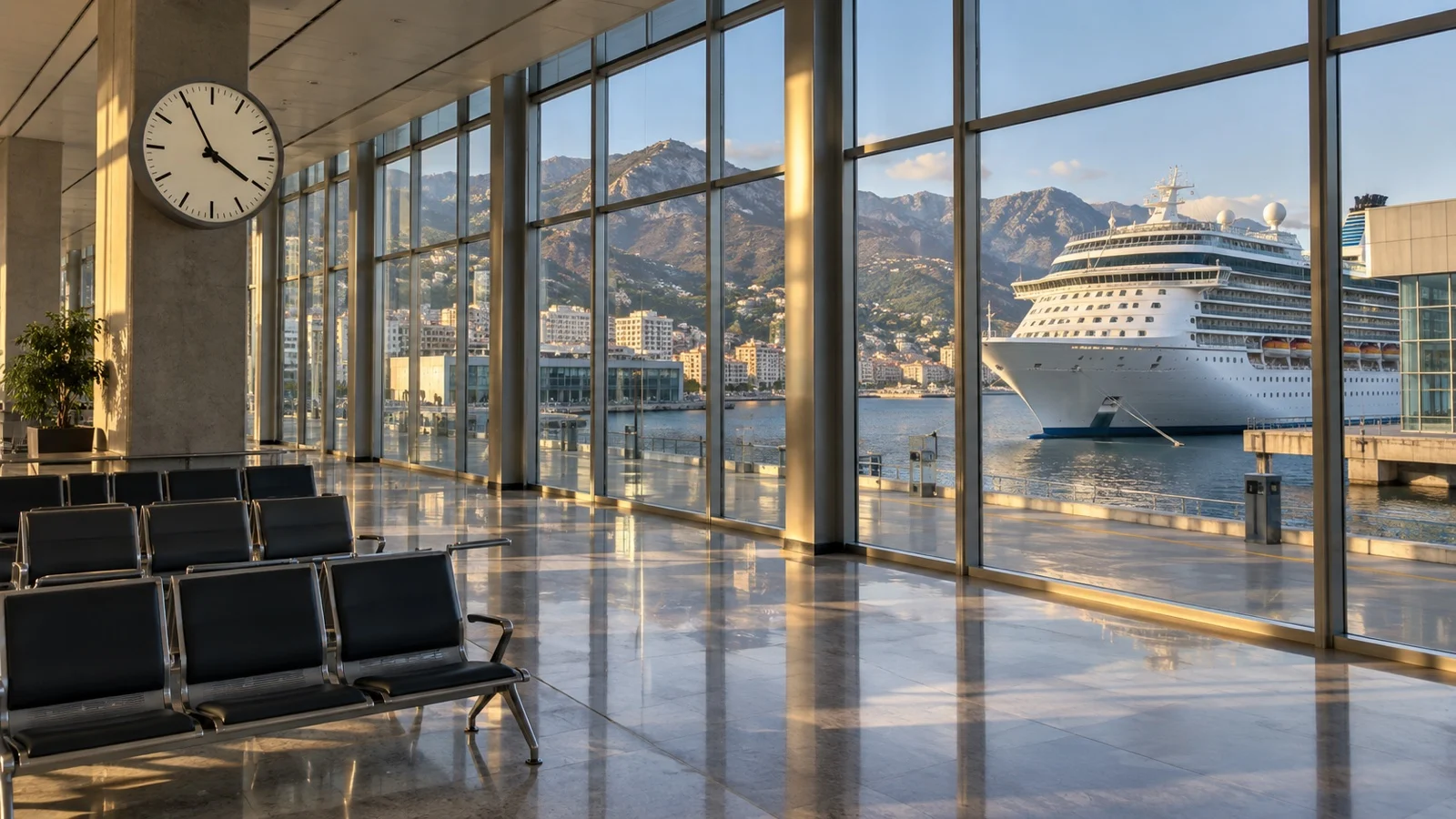
Weather and season need a lighter touch
Peak months can bring more ships, but they do not guarantee a remote berth or a tender. Shoulder season can bring fewer callers yet more weather disruption, reduced attraction hours, or limited transportation.
Compare the dated schedule instead of using the month as a berth forecast. For tender ports, keep a backup plan that still works if the landing, timing, or entire call changes.
Quick answers
Why do two ships have different hours in the same port?
Each sailing has its own route and operational schedule. Distance, berth availability, pilotage, tides, port traffic, and the next call can all shape the window.
Can I know the berth before sailing?
Often you can find a planned assignment on an official port schedule, but it may change. Recheck the cruise line, port, travel agent, and onboard program as the call approaches.
Does a larger ship get a worse berth?
Not automatically. Length and draft can rule berths in or out, while terminal capability, traffic, services, security, and the local plan determine the workable assignment.
How much time does tendering take?
There is no reliable fixed deduction. Distance, capacity, weather, queue procedures, priority groups, and return rules determine the actual time.
Is a longer call always better?
Longer usually creates more flexibility, but timing and location matter. Eight hours while attractions are open can beat a longer evening call, and a close berth can make a shorter window surprisingly useful.
Can two ships face different weather decisions?
Yes. Different anchorages, equipment, size, timing, and local conditions can lead to different operational decisions without either ship doing something wrong.
The bottom line
The same port is not the same product when the clock, berth, or route ashore changes. Compare usable time for the experience you want, record what is confirmed, and price uncertainty into anything still labeled tender or terminal to be advised.
A port name gets the heart fluttering. The little lines beside it tell you whether the day can actually keep the promise.
Current planning sources: Port of Barcelona WTCB terminal, City of Ketchikan port and 2026 berthing calendar, City and Borough of Juneau capacity agreement, Holland America tender-priority policy, and Cruise Line Agencies of Alaska 2026 schedules. Checked September 2026; schedules and berth assignments change, so confirm the latest details for your sailing and see the CruisePorts.co Editorial Policy.
More on this topic: browse every guide on choosing a cruise.